There is a particular kind of optimism that most people carry through daily life — the quiet, unexamined belief that the worst things that can happen to other people will not happen to them. It is a psychologically useful posture in ordinary circumstances. But when that optimism extends to fire safety, and particularly to high-rise fire safety, it can cross a line from reassuring to genuinely dangerous. The question worth asking is not whether a fire could break out in your home, but what happens if it does and your standard options are not available.
The Three-Layer Problem That Most People Ignore
Most safety-conscious residents have smoke detectors. Many have fire extinguishers. Both are excellent tools that address specific stages of a fire emergency. Smoke detectors provide the warning that allows you to react before conditions become life-threatening. Fire extinguishers allow you to suppress small, contained fires before they escalate beyond control. But consider what these two tools actually have in common: they both assume that you still have the option to take meaningful action within your environment.
What happens at the stage beyond that? If a fire has grown large enough that a fire extinguisher cannot address it, and it has spread between you and your building’s exits, what is your plan? The answer most people give — consciously or not — is “wait for the fire department.” But fire departments, even in well-resourced cities, require time to arrive and deploy. In a high-rise building, firefighters reaching an upper floor can take several additional minutes beyond their initial response time. In a fast-moving fire, those minutes are not a minor inconvenience — they can determine whether an occupant survives. Understanding what a worst-case scenario actually looks like is an uncomfortable but essential exercise.
The alternative that many people have resorted to in desperation — jumping — is not a plan. It is a consequence of not having a plan. News archives contain far too many accounts of apartment residents who found themselves facing an uncontrolled fire on an upper floor with no viable exit and no equipment to help them. Some survived. Many did not. These are not rare, isolated events — they happen in cities across the country with a regularity that local news covers but national attention rarely reaches.
Safety as Insurance: A Framework for Thinking Clearly
Consider how people approach other categories of risk in their lives. Homeowners pay for burglary insurance, often for decades, knowing statistically that many of them will never be robbed. They install security alarms, knowing that the alarm itself may never actually trigger during a genuine break-in. They purchase safes for irreplaceable documents and valuables. Each of these investments represents a rational response to the existence of risk — not certainty that the bad thing will happen, but an acknowledgment that it could, and a decision that the cost of preparation is worth the peace of mind and the protection it provides.
Fire safety deserves exactly the same analytical framework. A smoke detector is the alarm — it warns you something is wrong. A fire extinguisher is the first-response mechanism — it handles the problem if caught early enough. But there is a third layer that most people have simply never thought about: what do you do if you are trapped in an elevated space with fire below you and no functional stairwell access? This is precisely the scenario that personal evacuation devices are designed for.

Think of it this way: in the analogy of valuables protected by a security system, you are the valuable. Your life is what the entire system exists to protect. The smoke alarm warns. The extinguisher fights. And the evacuation device — the third layer — ensures that when the first two are insufficient, you still have a way out. That is not catastrophism. That is completeness.
What SkySaver Provides That Nothing Else Does
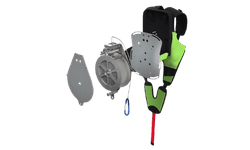
The SkySaver rescue backpack is a personal controlled-descent evacuation device designed specifically for high-rise scenarios where conventional exits are inaccessible. It allows an individual — or multiple family members, with appropriate units — to descend safely from an upper-floor window at a controlled speed, without requiring assistance from rescuers on the ground and without the training that traditional rope-based systems demand. It is compact enough to store under a bed, in a closet, or in an office drawer. It is engineered to be deployed quickly under stress, and it is certified to international safety standards for exactly the kind of emergency most people hope they will never face.
The difference between owning a SkySaver and not owning one, in the event of a high-rise fire where stairwells are compromised, is not a matter of degree — it is the difference between having an option and not having one. No amount of hoping for rescue, waiting at a window, or improvised knotted-sheet solutions provides what a purpose-built controlled descent device provides. Understanding how fire safety and rescue items compare makes it clear that for elevated living environments, a personal descent device occupies a category of its own.
The Cost of Waiting Until After
It should not take a near-death experience to motivate meaningful safety preparation. It should not take a burglary to install a security system, a car accident to start wearing a seatbelt every time, or a fire to purchase the tools that could allow you to survive one. The logic of preparation is that you make the investment before the event, when the stakes are low and the decision is calm and considered — not in the middle of the crisis, when it is far too late.
Families with children and elderly relatives face additional dimensions of this challenge. Putting your family first in a fire emergency means thinking through each person’s specific needs and abilities in advance, assigning roles, and equipping the household accordingly. A household evacuation plan that accounts for every member — including those who may not be able to descend stairs quickly under stress — is the foundation of genuine family fire preparedness.
Peace of mind in the truest sense does not come from telling yourself that the worst will never happen. It comes from knowing that if it does, you have a plan, you have practiced it, and you have the tools to execute it. That is what complete fire preparedness looks like — not optimism, but readiness.
Do not wait for a close call to prompt you into action. Explore SkySaver’s range of rescue backpacks today and take the step that transforms your household from passively hoping for safety to actively prepared for it. Get yours today — because the one time you need it, there will be no second chance to wish you had.
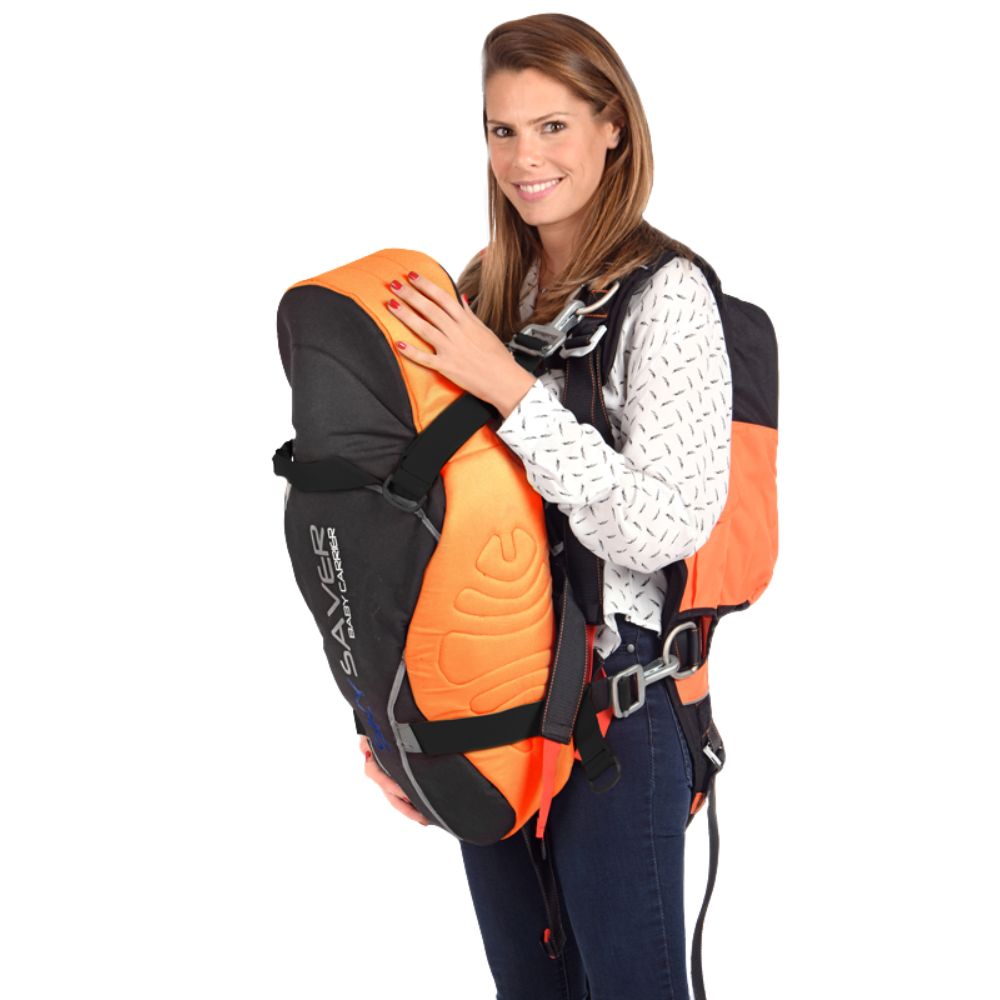
Attachable Baby Harness
Lightweight safety harness for fast and secure infant evacuation in high-rise emergencies.
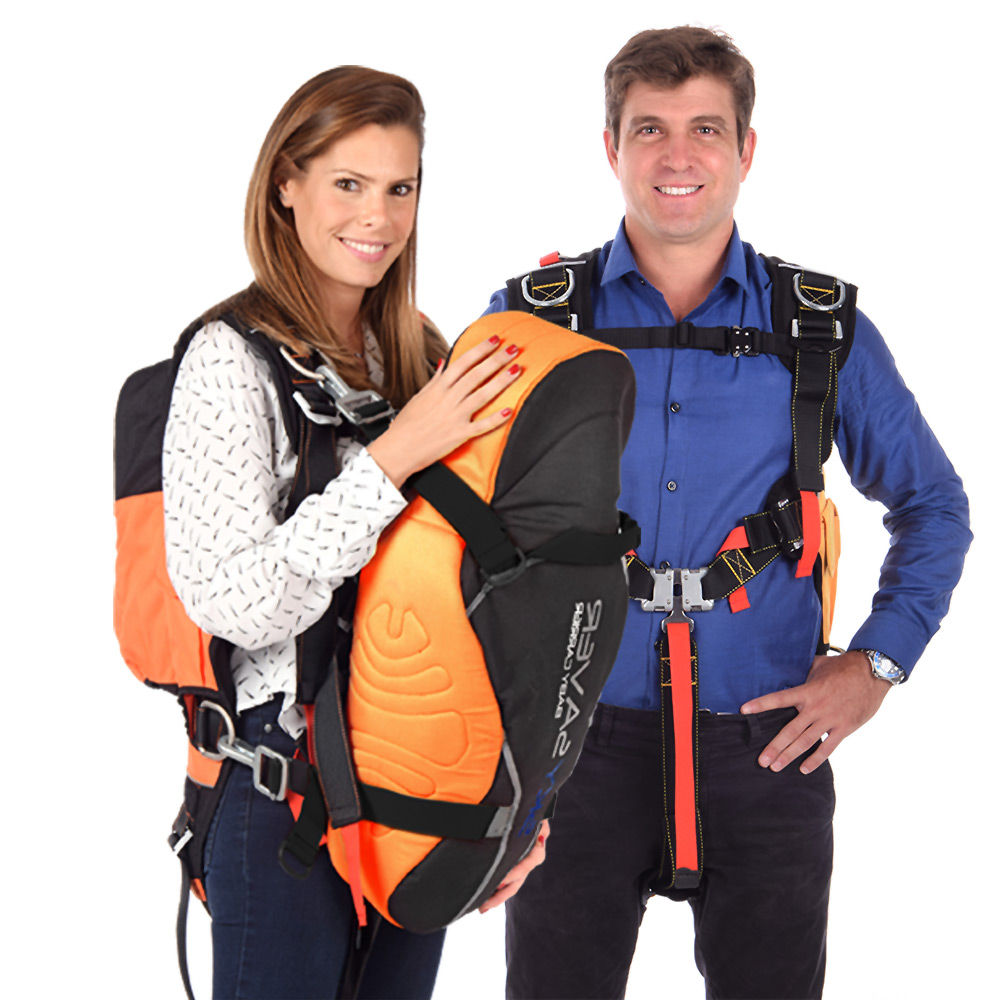
Parent Package
Complete emergency evacuation kit for the parent and dependant. Fast, safe descent from high-rise buildings.
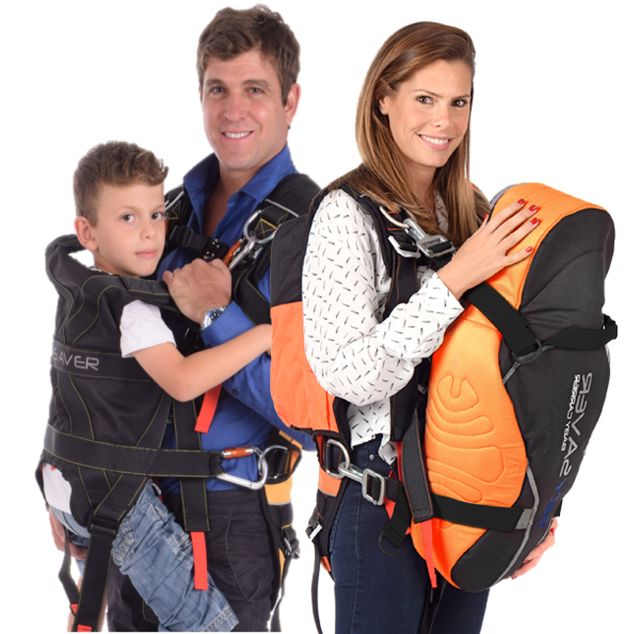
Parent Edition
Complete high-rise evacuation solution for a parent, maximum safety and fast deployment.
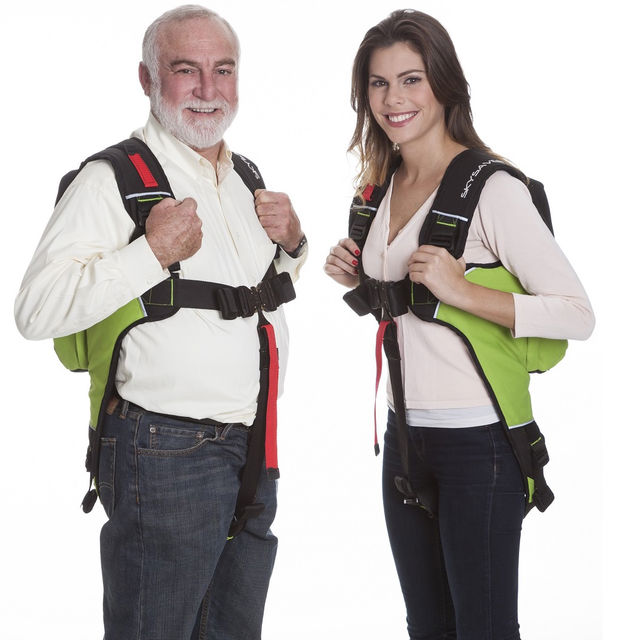
Single Self-Rescue Kit
Complete emergency evacuation kit for high-rise fast, safe descent during critical emergencies.
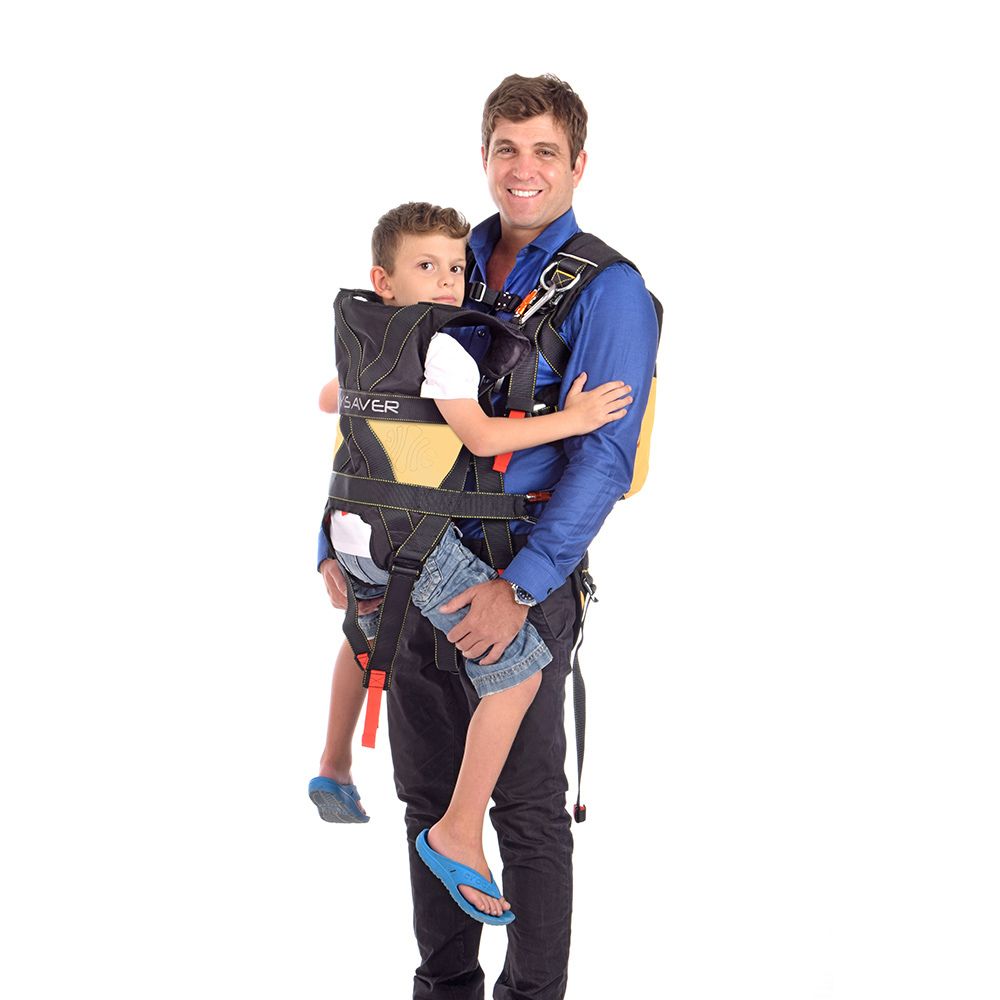
Attachable Child Harness
Lightweight child safety harness designed for secure, controlled evacuation from high-rise buildings.
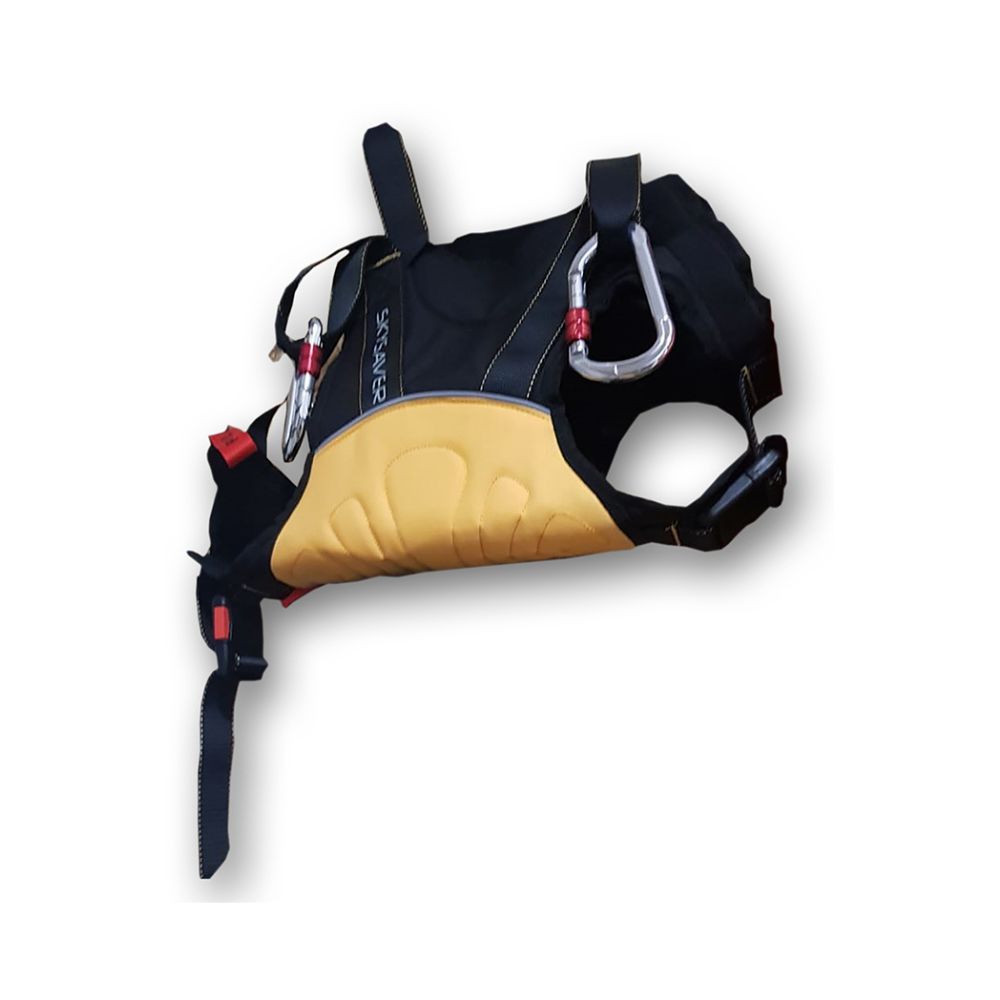
Attachable Pet Harnesses
Secure, lightweight safety harness designed for fast and controlled pet evacuation from high-rise buildings.
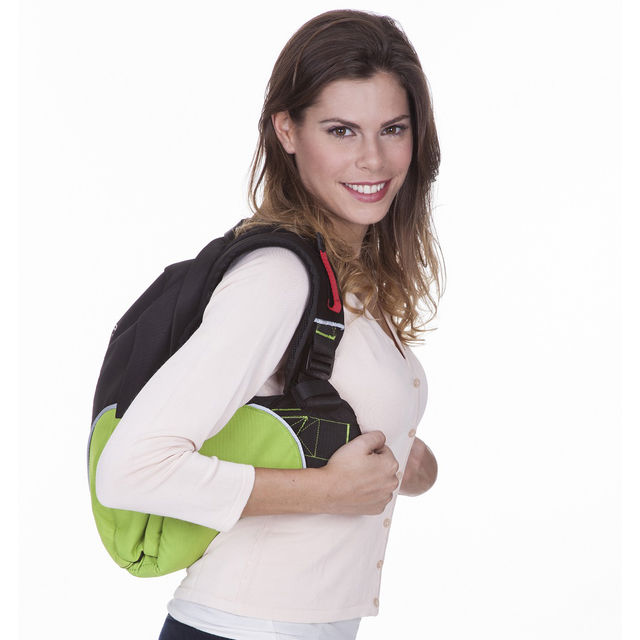
single Self-Rescue Harnesseses
Professional external safety harness for secure personal evacuation from high-rise buildings.
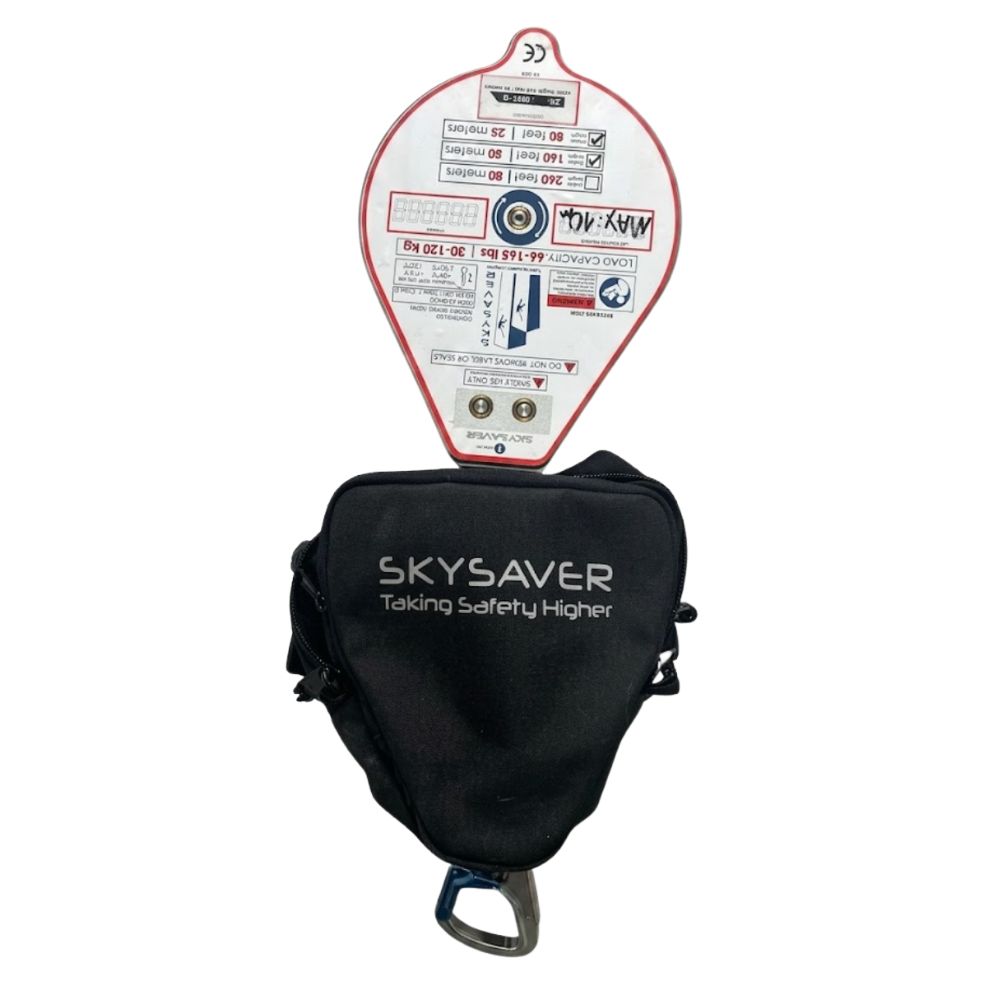
Controlled Descent Device (CDD)
External CDD unit for safe, controlled descent during high-rise emergency evacuation.