Fire safety is one of those topics that most people acknowledge as important yet rarely act on with genuine urgency. We install smoke alarms, perhaps keep a fire extinguisher under the sink, and assume that these measures are enough. For the vast majority of households, they are not. The reality of residential fires in the United States and around the world is far more serious than most people appreciate, and the gap between awareness and action is where lives are lost.

The Scale of the Problem Is Larger Than You Think
Every year, residential fires cause thousands of deaths and tens of thousands of injuries across the United States alone. According to the National Fire Protection Association, a home structure fire is reported somewhere in the country every 88 seconds. In the time it takes to read this article, a fire will have started in a home somewhere nearby. These are not statistics from disasters in far-off places — they represent ordinary homes, ordinary families, and entirely preventable tragedies.
What makes fire particularly unforgiving is the speed at which it escalates. A small flame that could be extinguished with a glass of water can become an uncontrollable blaze within thirty seconds. Smoke — the actual leading cause of fire fatalities — begins filling rooms within a minute. By the three-minute mark, temperatures inside a burning room can reach levels that cause instant, severe injury. There is no other household hazard that moves this quickly from manageable to lethal.
Understanding how fires spread through a building is the first step toward genuinely respecting the risk. Whether you live in a single-family home or a high-rise apartment, the physics of fire are the same — and the consequences of unpreparedness are equally severe.
Why Most Households Are Underprepared
There is a well-documented psychological phenomenon known as optimism bias — the tendency for people to believe that bad things are more likely to happen to others than to themselves. It is a cognitive shortcut that serves us well in everyday life but becomes genuinely dangerous when applied to emergencies. Most people do not think their house will catch fire. Most people do not rehearse what they would do if it did. And most people have never had a calm, clear conversation with every member of their household about exactly where to go and what to do if the smoke alarm sounds at 2 a.m.

This is the gap that fire safety education exists to close. It is not enough to know that fires are dangerous in the abstract. What saves lives is specific, actionable knowledge: which exit to use, how to stay low in a smoke-filled corridor, how to check a door for heat before opening it, and — crucially — what to do when the primary escape route is blocked.
The Particular Risk in Multi-Story Buildings
For residents of apartments, condominiums, or high-rise office buildings, fire safety takes on an additional dimension of complexity. The standard advice — get out quickly and call emergency services — becomes much harder to execute when you are twenty floors above the ground. Stairwells fill with smoke. Elevators cannot be used. Waiting for rescue is not always a viable option when conditions inside deteriorate in minutes.
This is where personal emergency planning becomes essential rather than optional. High-rise evacuation requires thought, equipment, and rehearsal that most residents have simply never engaged in. The good news is that this gap can be closed with relatively little effort — but it requires making the conscious decision to prioritize preparedness now, rather than in the aftermath of an emergency.
Building Real Fire Safety Into Your Life
Genuine fire safety goes well beyond having a working smoke alarm, though that is certainly the non-negotiable starting point. It means testing that alarm monthly, replacing batteries annually, and ensuring every bedroom has direct access to an alert. It means having a written or clearly rehearsed escape plan that every household member — including children and elderly relatives — has actually practiced. It means knowing two ways out of every room, and it means having a designated meeting point outside the building where everyone knows to gather.
For those living above the third floor, it also means having a plan for what to do when the staircase is not accessible. A personal emergency kit that includes a controlled descent device gives you a genuine alternative escape route that does not depend on infrastructure that may have already been compromised by fire or smoke.
SkySaver: Turning Awareness Into Action
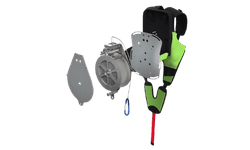
At SkySaver, we believe that fire safety awareness without actionable preparedness is incomplete. Knowing the risks is the first step — having the equipment to act on that knowledge is the second. Our Controlled Descent Device gives high-rise residents the ability to evacuate from any window, at any height up to 25 stories, without waiting for rescue and without depending on stairwells that may be inaccessible.
The device requires no training, no physical strength, and no specialist knowledge to operate. It is designed to be used by anyone — adults, children, elderly residents — in the chaos and panic of a real emergency. Fire safety is not something to stress about, it is something to solve. Explore SkySaver’s personal escape solutions and take the step from awareness to genuine preparedness today.
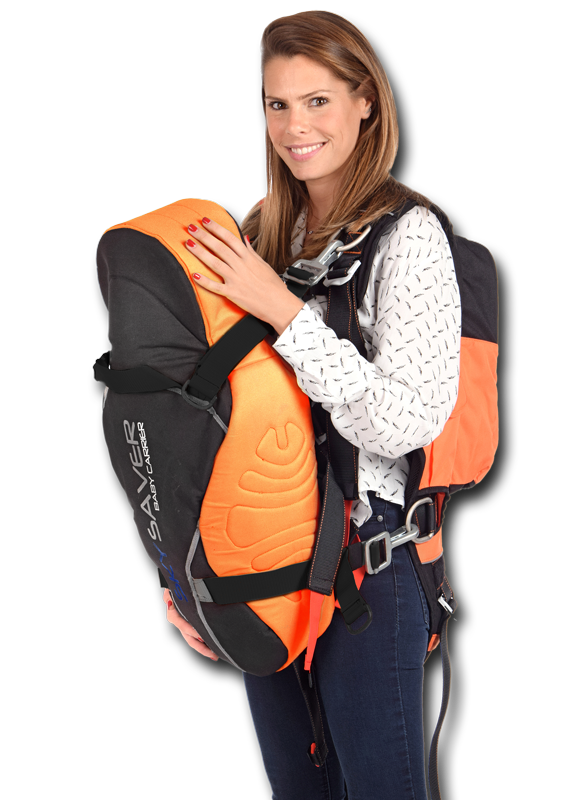
Attachable Baby Harness
Lightweight safety harness for fast and secure infant evacuation in high-rise emergencies.
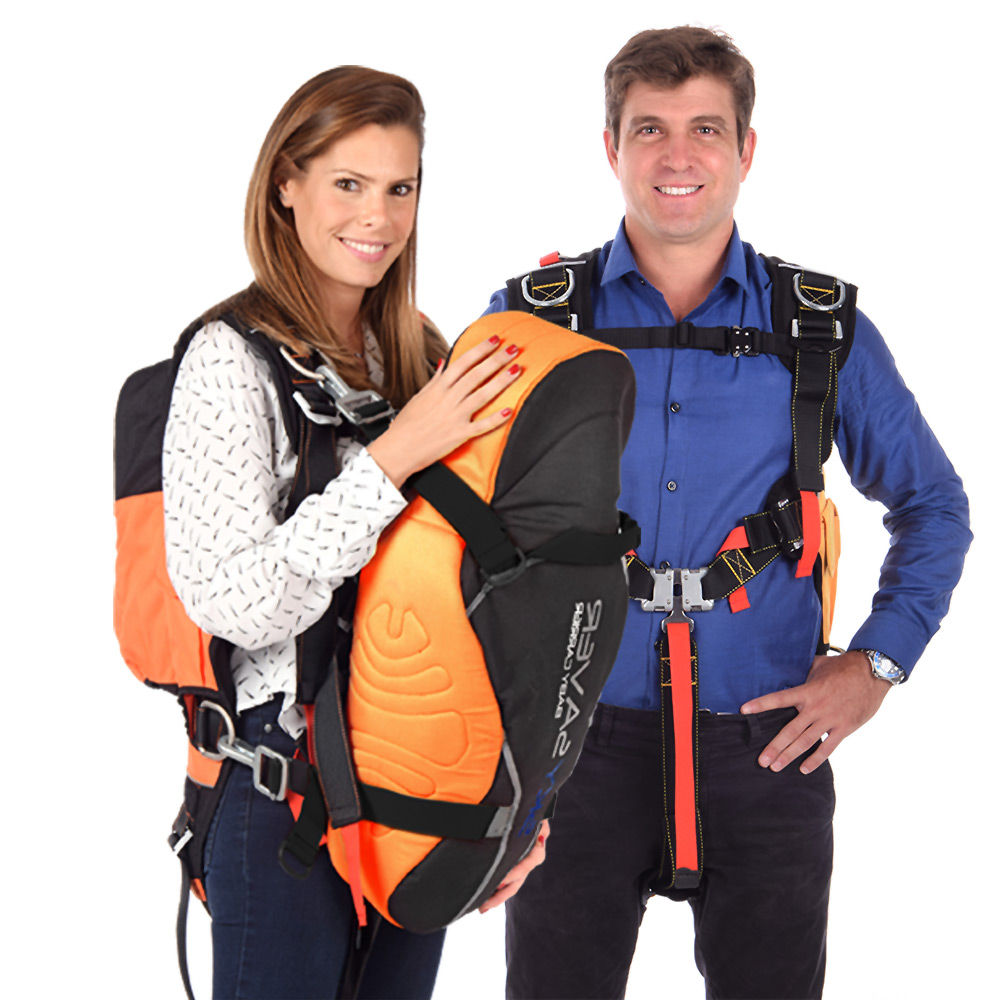
Parent Package
Complete emergency evacuation kit for the parent and dependant. Fast, safe descent from high-rise buildings.
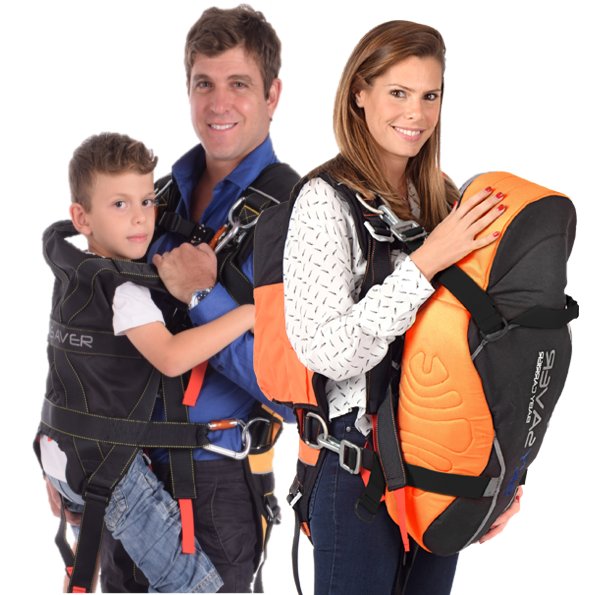
Parent Edition
Complete high-rise evacuation solution for a parent, maximum safety and fast deployment.

Single Self-Rescue Kit
Complete emergency evacuation kit for high-rise fast, safe descent during critical emergencies.
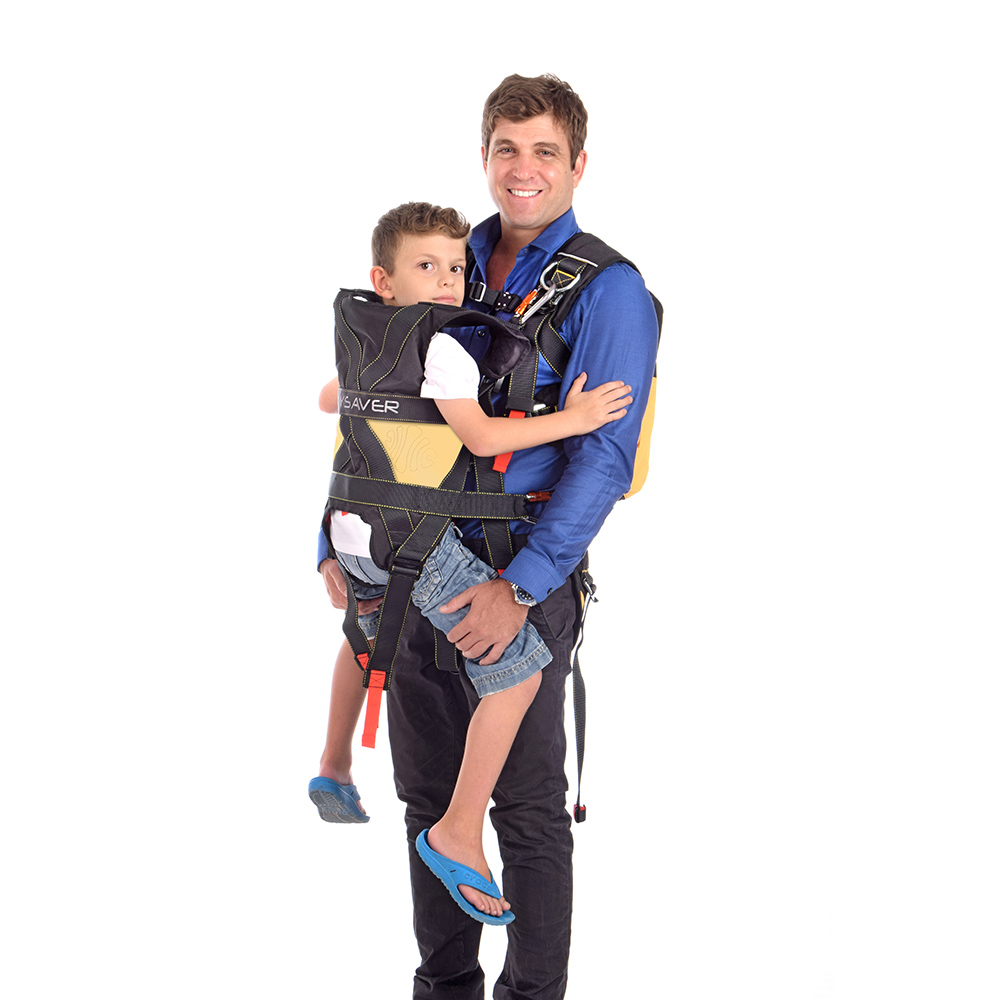
Attachable Child Harness
Lightweight child safety harness designed for secure, controlled evacuation from high-rise buildings.
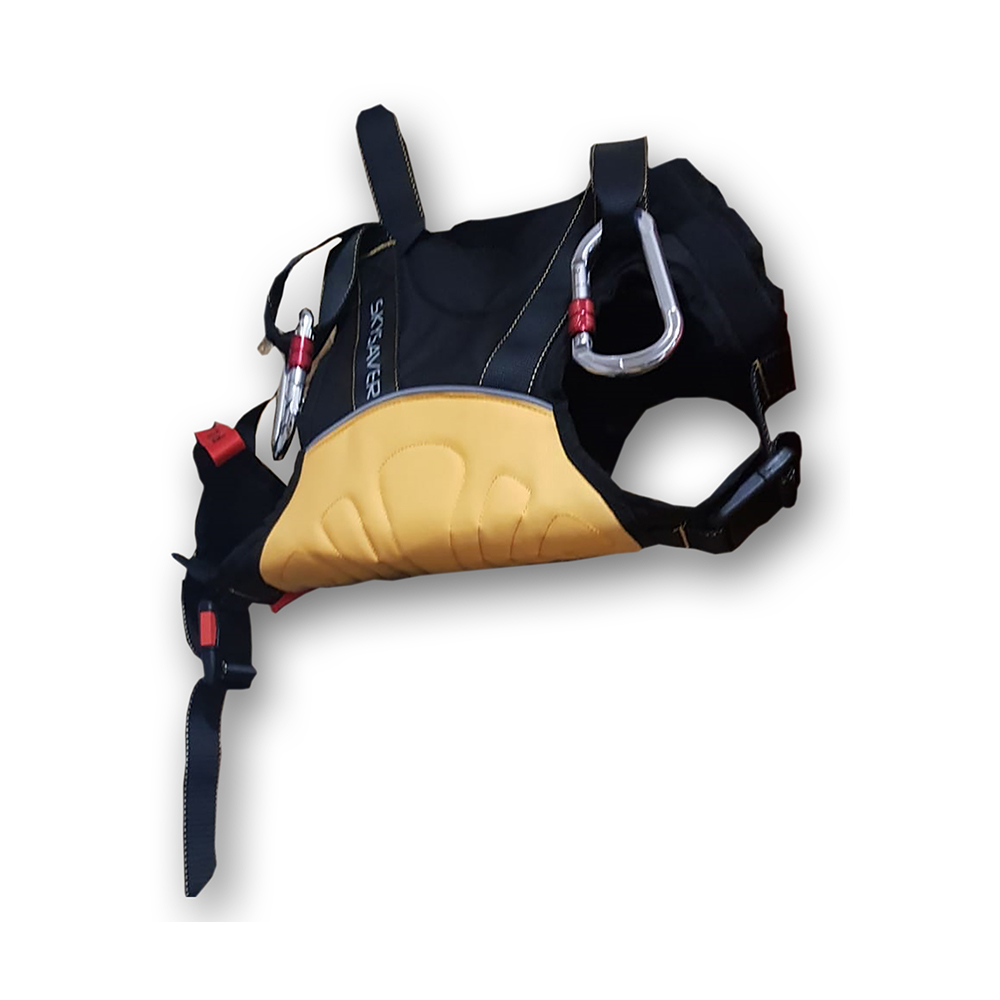
Attachable Pet Harnesses
Secure, lightweight safety harness designed for fast and controlled pet evacuation from high-rise buildings.

single Self-Rescue Harnesseses
Professional external safety harness for secure personal evacuation from high-rise buildings.
Controlled Descent Device (CDD)
Advanced backpack-based evacuation unit with harness attachment option for high-rise emergencies.