The holiday season is one of the most anticipated times of the year — and, statistically, one of the most dangerous when it comes to residential fires. Behind the warm glow of Christmas trees, the flicker of holiday candles, and the aromas of seasonal cooking lies a consistent, measurable spike in fire incidents that fire safety professionals track year after year. Understanding the specific patterns and causes of holiday fires is not about dampening the spirit of celebration. It is about making sure you and your family are still celebrating safely when the season ends.
The Numbers Behind Holiday Fire Season
Every year, fire departments across the United States respond to an average of roughly 160 home fires caused by Christmas trees during the holiday season. While that number may sound manageable in isolation, consider that a significant proportion of those fires are responsible for deaths and injuries, and that the financial damages run into the hundreds of millions of dollars annually. Christmas tree fires are particularly dangerous because of their speed — a dry tree can be completely engulfed in flames within seconds of ignition, leaving virtually no time for occupants to react.
Candle-related fires tell an equally sobering story. The peak dates for candle fires include Christmas Eve, Christmas Day, and New Year’s Day — precisely the moments when households are most likely to have candles burning in multiple rooms simultaneously, often while distracted by guests, cooking, or celebration. An unattended candle placed near wrapping paper, fabric decorations, or a dry Christmas tree represents a genuinely severe risk that is easy to overlook in the chaos of the season.
Cooking Fires: The Year-Round Hazard That Peaks in December
Cooking is the leading cause of residential fires in every month of the year, and December amplifies the risk substantially. More elaborate meals, longer cooking times, more distractions, and the frequent consumption of alcohol during gatherings all contribute to a significant increase in kitchen fires during the holiday period. The pattern is consistent and well-documented: holiday cooking fires spike sharply on Thanksgiving, Christmas, and New Year’s Eve.
The specific hazard profile is important to understand. Unattended cooking — where a pot, pan, or oven is left operating without anyone monitoring it — accounts for the majority of cooking fires. Oil and grease fires are particularly dangerous because water is not only ineffective against them but actively dangerous, causing the fire to expand explosively. Every household should know how to respond to a grease fire: smother it with a lid, use baking soda for small fires, or deploy a class K extinguisher. Never use water.
Electrical Fires and Holiday Lighting
The decorative lighting traditions of the holiday season introduce millions of additional electrical connections into homes across the country simultaneously. Extension cords, multi-outlet power strips, and strings of lights running for extended periods all increase the electrical load on home wiring systems. Lights left on overnight and lights with damaged insulation or broken components are among the leading causes of holiday electrical fires.
The data consistently shows that fires related to holiday lighting cluster around certain behaviors: daisy-chaining multiple extension cords, using outdoor lights indoors (or vice versa), leaving lights on while sleeping, and ignoring warning signs like frequently tripping circuit breakers or outlets that feel warm to the touch. Any of these behaviors should prompt immediate corrective action.
High-Rise Residents and Holiday Fire Risk
For those living in apartments and high-rise buildings, the holiday season brings specific additional concerns. Increased deliveries and decorations in hallways and common areas can create fire hazards and obstruct emergency exits. Neighbors engaging in less careful fire safety practices than usual — a lit candle left unattended, an overloaded outlet in the apartment next door — can create fire risks that spread to your floor or unit.
The most important steps high-rise residents can take during the holiday season are the same as those recommended year-round, but they warrant particular attention during this high-risk period: test your smoke alarms, review your building’s evacuation procedures, and ensure that you have a personal escape plan that accounts for scenarios where stairwells are inaccessible. Holiday fire safety tips are most effective when they are implemented before the season reaches its peak.
Preparation Is the Best Holiday Gift
The holiday fire facts are not meant to induce anxiety — they are meant to motivate action. The overwhelming majority of holiday fires are preventable. A watered tree, unattended candles extinguished before leaving a room, monitored cooking, and properly maintained lighting prevent most incidents. For those in high-rise buildings, adding a personal controlled-descent device to your preparedness toolkit addresses the scenarios where prevention alone is not enough.
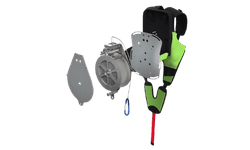
SkySaver‘s Controlled Descent Device gives high-rise residents a window-based escape option that works when stairwells and elevators cannot. It requires no training, stores in a compact backpack, and is ready to deploy in seconds. Give your family the gift of true preparedness — explore SkySaver’s solutions before the holiday season reaches its peak.
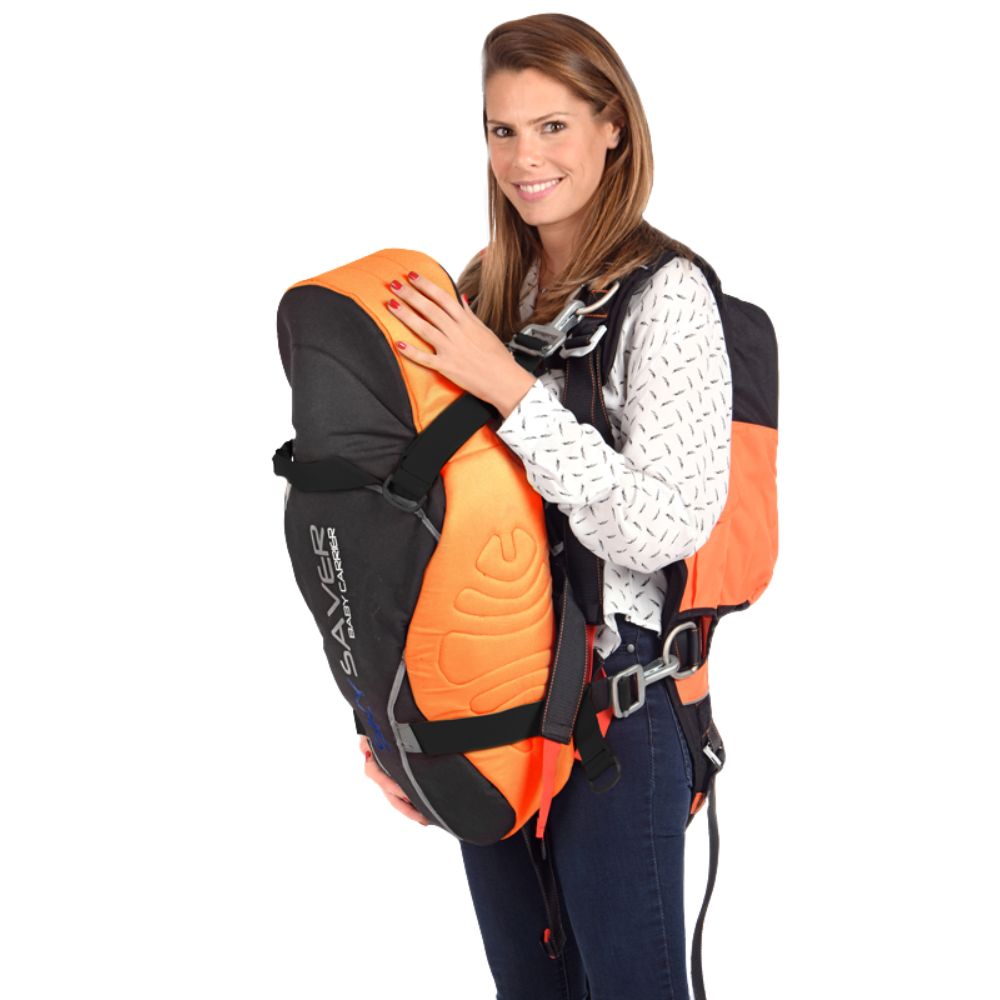
Attachable Baby Harness
Lightweight safety harness for fast and secure infant evacuation in high-rise emergencies.
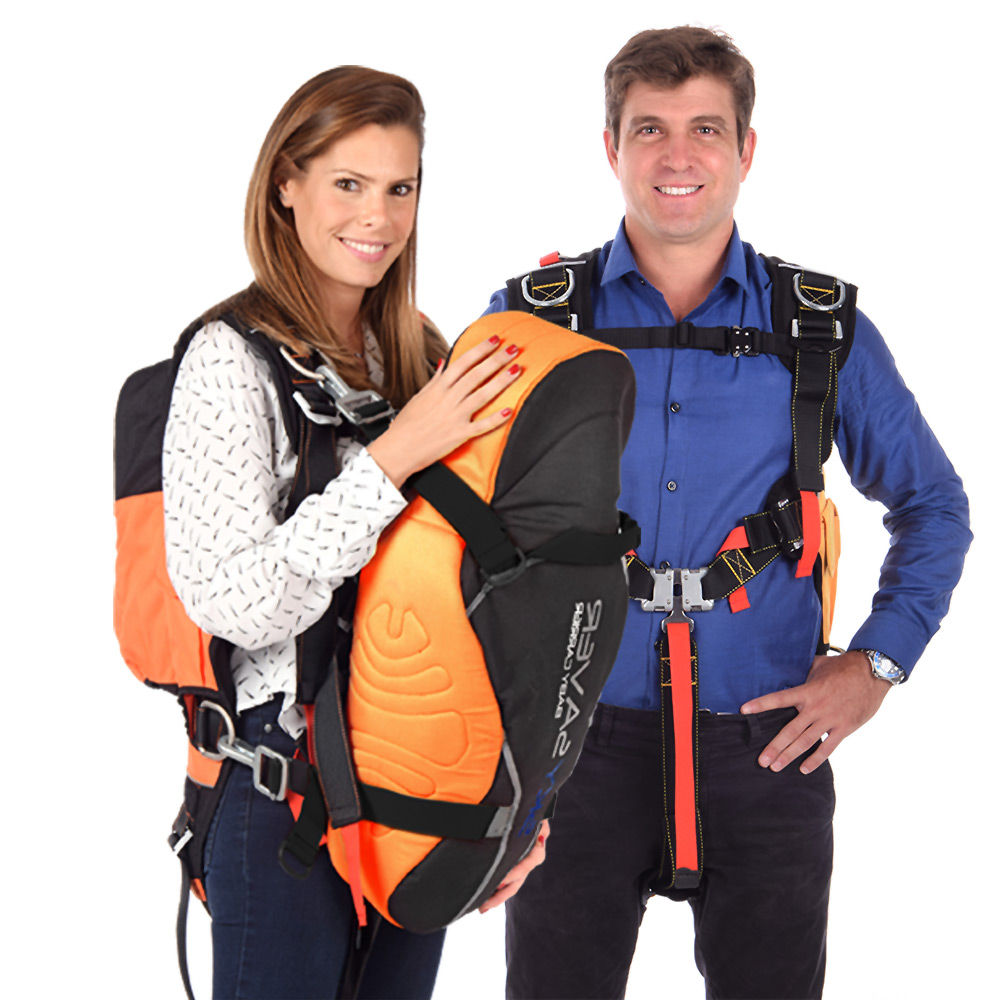
Parent Package
Complete emergency evacuation kit for the parent and dependant. Fast, safe descent from high-rise buildings.
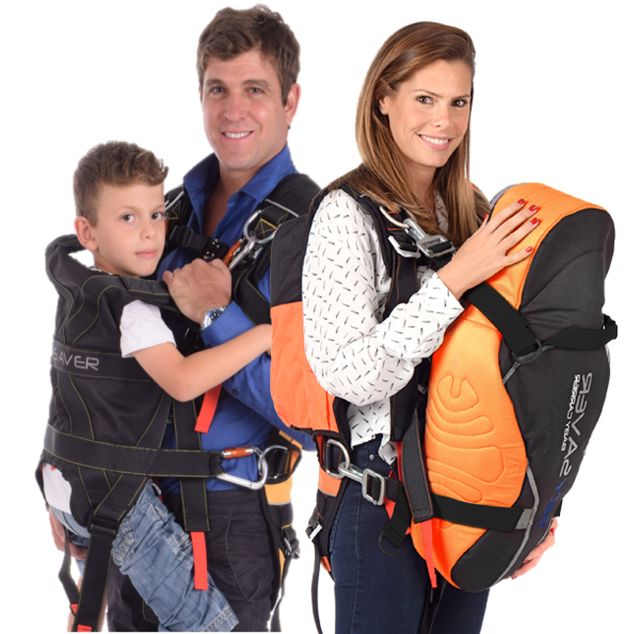
Parent Edition
Complete high-rise evacuation solution for a parent, maximum safety and fast deployment.
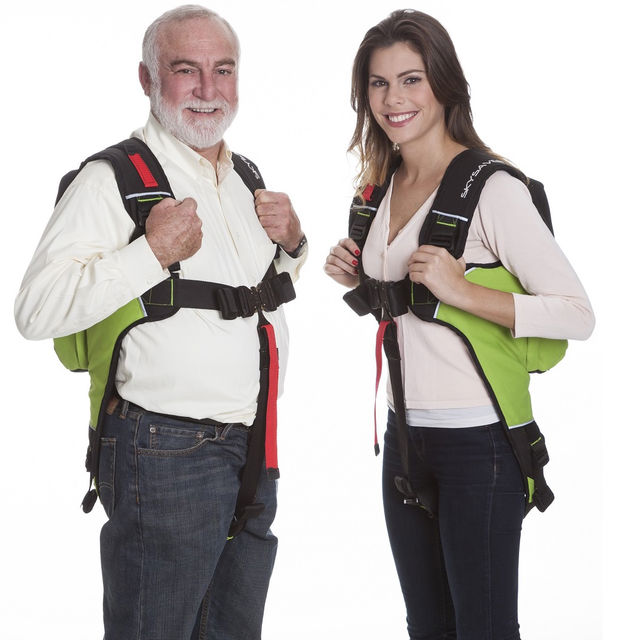
Single Self-Rescue Kit
Complete emergency evacuation kit for high-rise fast, safe descent during critical emergencies.
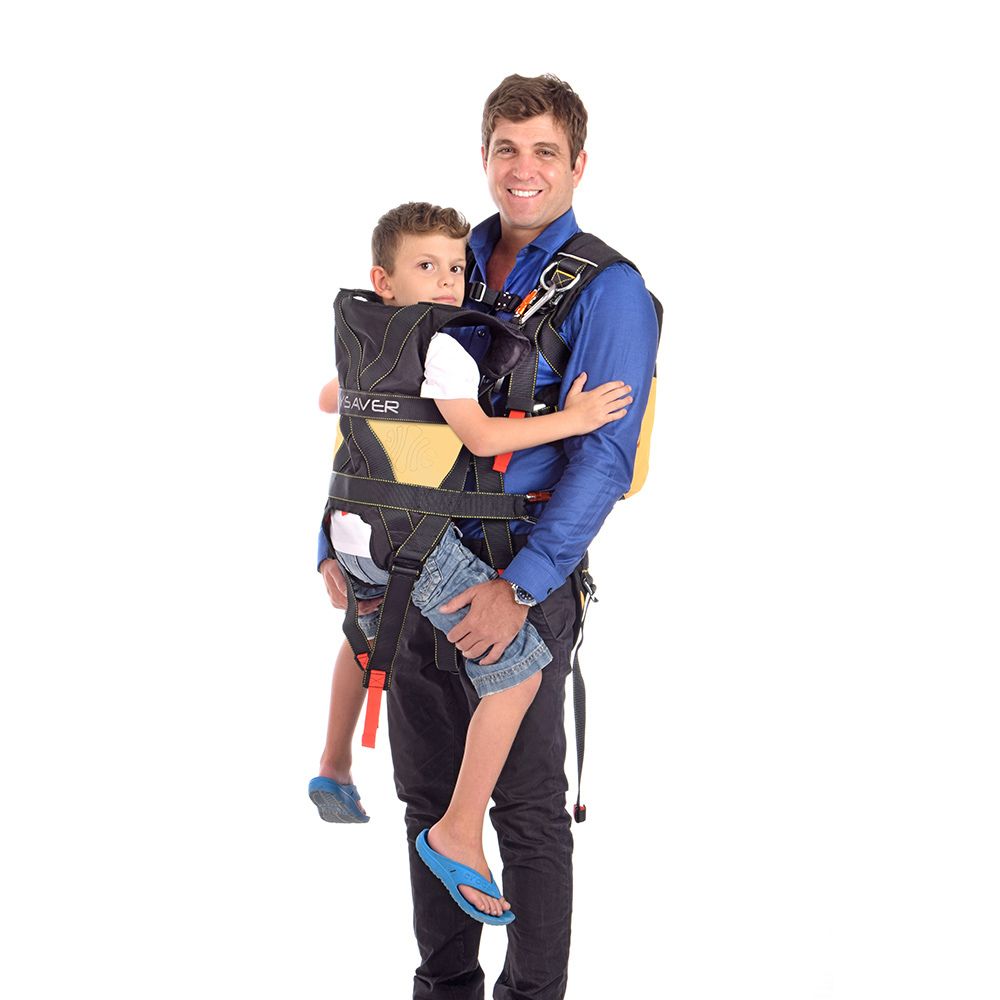
Attachable Child Harness
Lightweight child safety harness designed for secure, controlled evacuation from high-rise buildings.
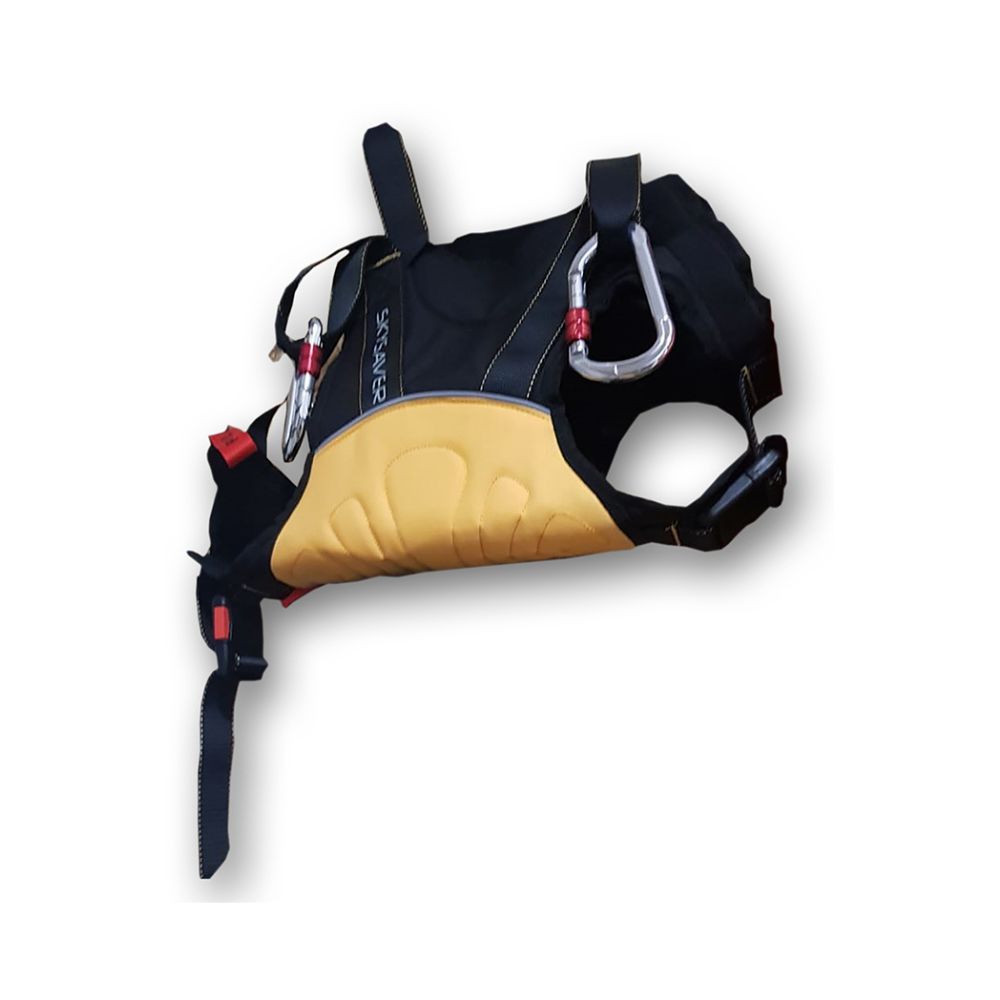
Attachable Pet Harnesses
Secure, lightweight safety harness designed for fast and controlled pet evacuation from high-rise buildings.
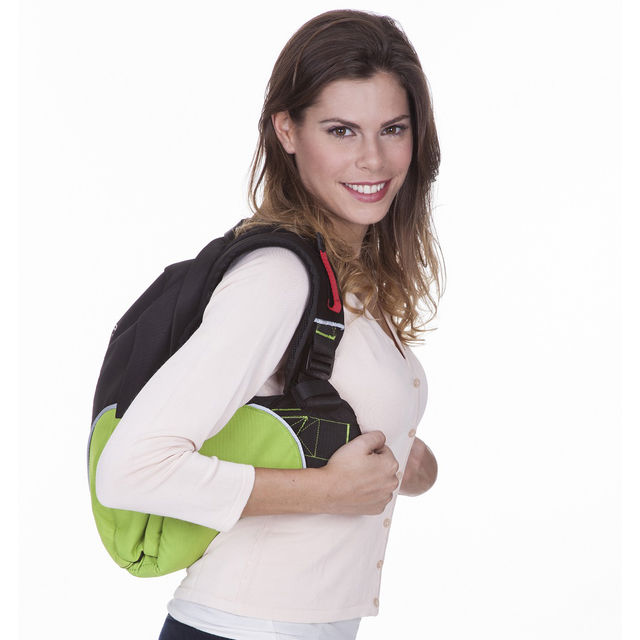
single Self-Rescue Harnesseses
Professional external safety harness for secure personal evacuation from high-rise buildings.
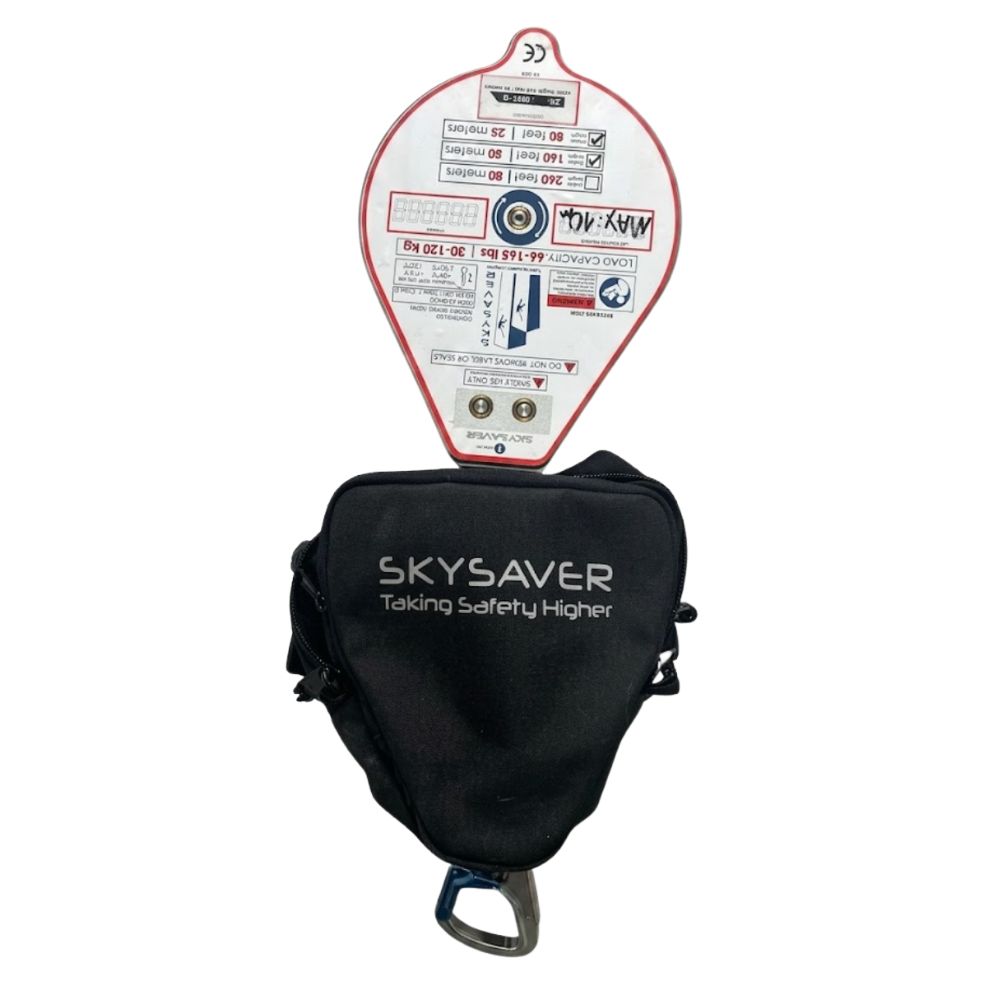
Controlled Descent Device (CDD)
External CDD unit for safe, controlled descent during high-rise emergency evacuation.