Every day, millions of employees commute to high-rise office buildings without giving a second thought to high-rise fire safety for office buildings. The routine of morning coffee and conference calls can make it easy to overlook the fact that working dozens of floors above the ground carries unique risks when a fire breaks out. Understanding those risks — and knowing exactly how to respond — is not optional. It is a professional and personal responsibility that could save your life and the lives of your colleagues.
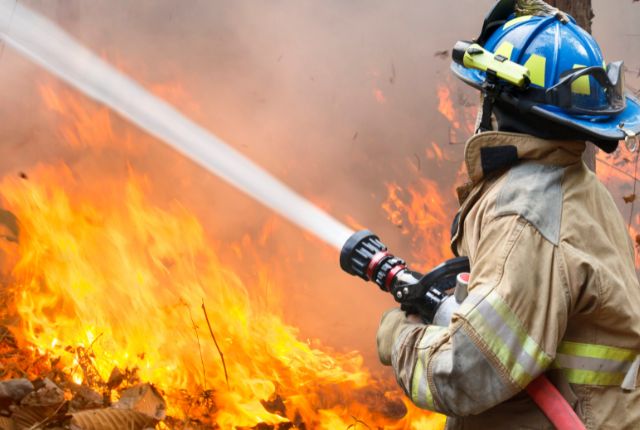
According to fire safety data from multiple metropolitan fire departments, office building fires remain one of the most common commercial fire incidents in densely built urban areas. Smoke, heat, and structural compromise can develop within minutes, transforming a normal workday into a life-threatening emergency. The difference between a safe evacuation and a tragedy often comes down to preparation, awareness, and having access to the right tools.
Why Office Buildings Present Unique Fire Risks
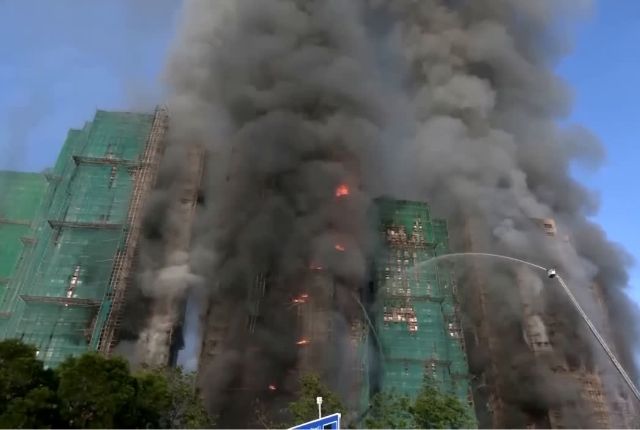
Commercial high-rises differ from residential buildings in several critical ways that affect fire behavior and evacuation. Open-plan offices, suspended ceilings, and complex HVAC systems can allow smoke and toxic fumes to travel rapidly across entire floors and between levels. Electrical infrastructure — including server rooms, wiring closets, and overloaded power strips — creates ignition points that are often hidden from view until it is too late.
Unlike residential buildings where occupants know the layout intimately, office workers may be unfamiliar with exits beyond the one they use every morning. Visitors, contractors, and new hires are especially vulnerable. When panic sets in and corridors fill with smoke, familiarity with the building’s high-rise evacuation procedures becomes the single most important factor in survival.
The Stairwell Bottleneck Problem
In a typical high-rise office building, hundreds or even thousands of people may need to evacuate through just two or three stairwells. During peak occupancy, this creates severe congestion. Studies on evacuation modeling show that full building evacuations from towers above thirty stories can take well over an hour under ideal conditions. When smoke infiltrates stairwells, that timeline becomes dangerously unpredictable. Employees on upper floors face the harsh reality that traditional evacuation routes may not be enough. This is precisely why personal evacuation solutions — including the SkySaver rescue backpack — have become an increasingly important part of workplace safety planning.
What Every Employee Should Know Before an Emergency
Fire safety in the workplace is not solely the responsibility of building management or the fire department. Every employee who walks into a high-rise office building should take ownership of their own safety. The first step is knowing where all emergency exits are located on your floor — not just the main entrance. Walk the route to at least two stairwells during your first week in any new building, and repeat that exercise periodically.
Pay attention to fire safety signage, emergency lighting, and the location of fire extinguishers and pull stations. Know whether your building has a full evacuation protocol or a defend-in-place strategy, as these differ significantly and require different responses from occupants. Many modern office towers use phased evacuation, where only the fire floor and adjacent floors evacuate first while others shelter in place until directed.
The Role of Fire Wardens and Emergency Teams
Most commercial buildings designate fire wardens or floor marshals — employees trained to guide evacuation on their assigned floor. If your company has a fire warden program, know who your wardens are and follow their instructions during an emergency. If no such program exists, consider advocating for one with your building management or HR department. Understanding how to behave during a fire is not instinctive; it requires education and practice.
When Standard Exits Fail: The Need for Personal Evacuation Devices
No matter how well-designed a building’s fire safety systems are, emergencies are inherently unpredictable. Stairwells can become impassable due to smoke, structural collapse, or overcrowding. Elevators are typically disabled during a fire. For employees working on upper floors, this can create a terrifying scenario where traditional escape routes are simply unavailable.
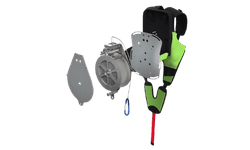
This is where personal evacuation technology becomes critical. The SkySaver personal descent device is designed for exactly this situation. It is a compact, wearable backpack that enables controlled descent from any window or balcony — no training, no complex rigging, no waiting for rescue teams that may take too long to reach your floor. The system is certified by ASTM, ANSI, CE, TUV, and NFPA, and has been insured by Lloyd’s of London for eight consecutive years.
The process is remarkably simple: buckle up, clip to the pre-installed anchor point, and descend at a safe, controlled speed. It is designed so that anyone — regardless of physical fitness, age, or experience — can use it in a moment of crisis. For organizations committed to the highest level of employee safety, equipping upper floors with high-rise fire safety equipment like SkySaver is no longer a luxury. It is a baseline expectation.
Building a Culture of Fire Safety in the Workplace
True fire safety goes beyond compliance. It requires a culture where safety awareness is woven into the daily rhythm of the workplace. Companies should conduct regular fire drills — not the perfunctory kind where everyone casually strolls to the lobby, but realistic exercises that test actual evacuation routes, timing, and communication channels.
Managers should ensure that all new employees receive comprehensive safety orientations that include building-specific information, not generic corporate presentations. Emergency contact lists, assembly point locations, and communication protocols during an outage should be accessible to every team member at all times. Equally important is understanding how fires spread in tall buildings, because that knowledge directly informs better decision-making during an actual event.
Investing in personal safety equipment, maintaining fire suppression systems, and fostering open dialogue about emergency preparedness all contribute to a workplace where people feel genuinely protected. The first responder in a high-rise fire is not the fire department — it is you. The minutes before professional help arrives are the minutes that matter most, and being equipped with the right knowledge and tools can make all the difference.
Explore the full SkySaver product range and discover how your organization can take the next step in protecting every employee, on every floor, every day.
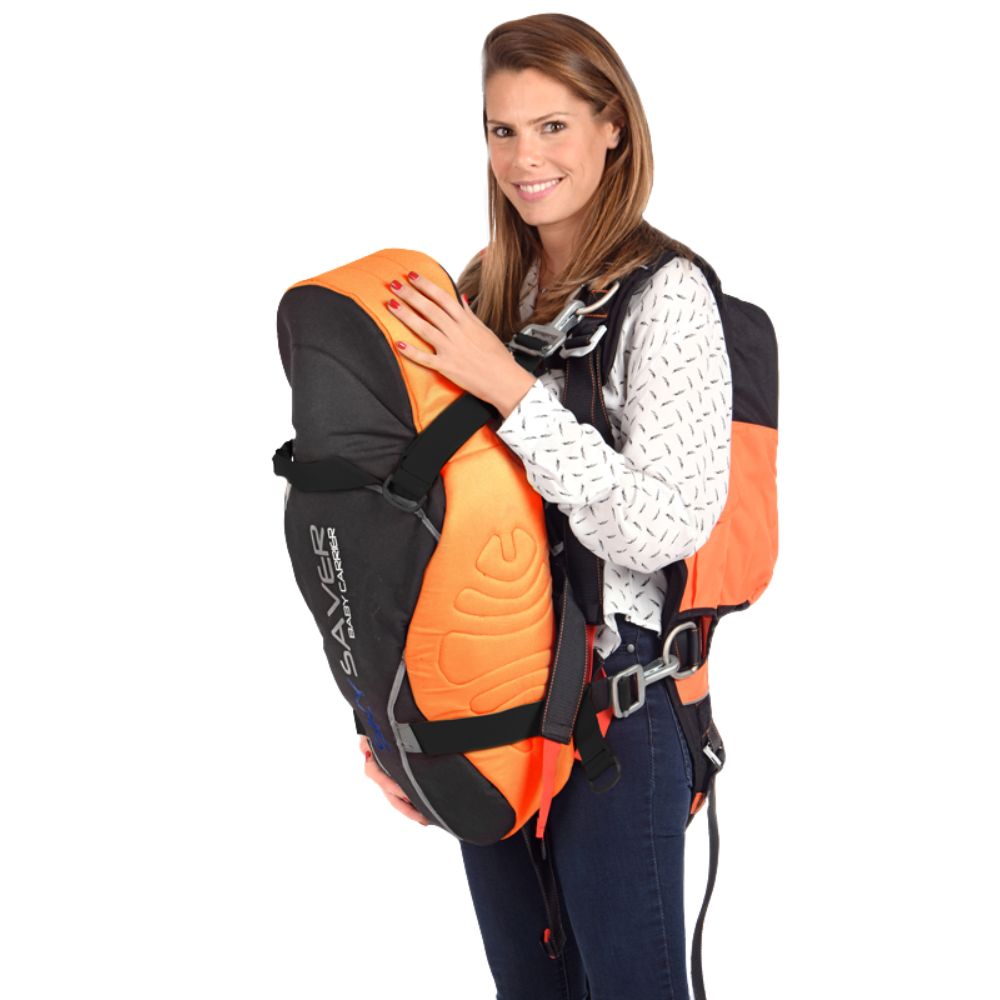
Attachable Baby Harness
Lightweight safety harness for fast and secure infant evacuation in high-rise emergencies.
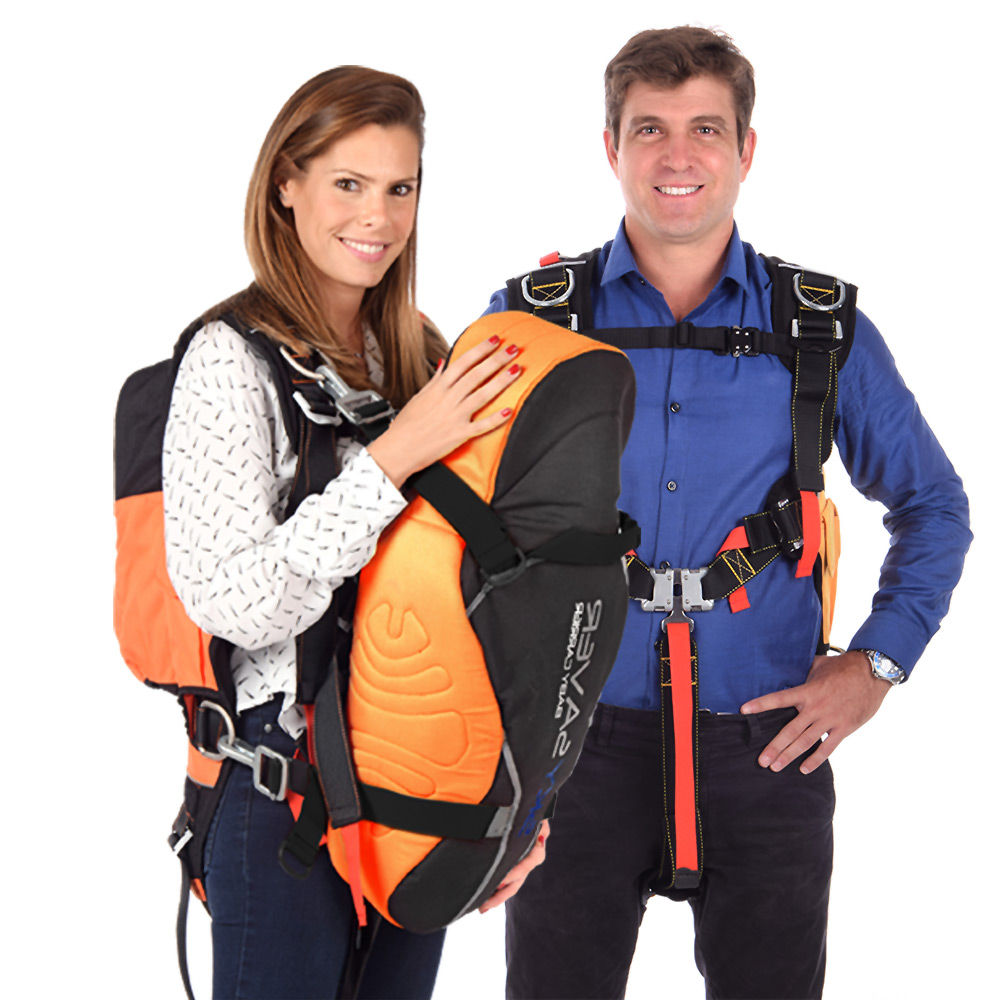
Parent Package
Complete emergency evacuation kit for the parent and dependant. Fast, safe descent from high-rise buildings.
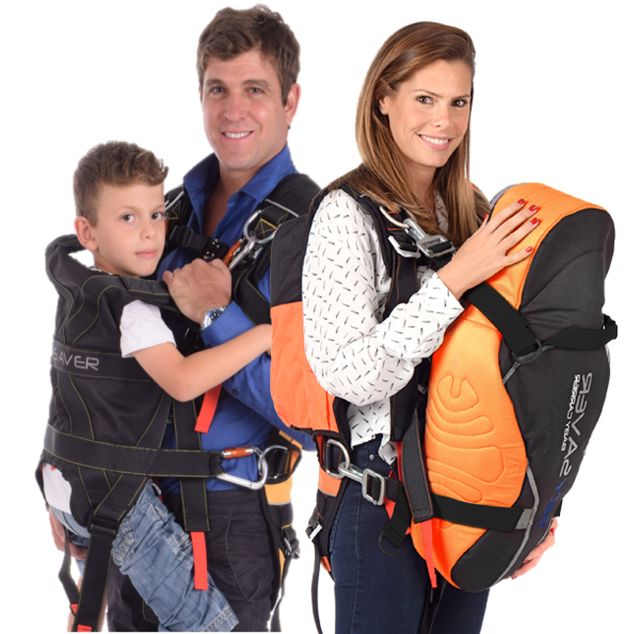
Parent Edition
Complete high-rise evacuation solution for a parent, maximum safety and fast deployment.
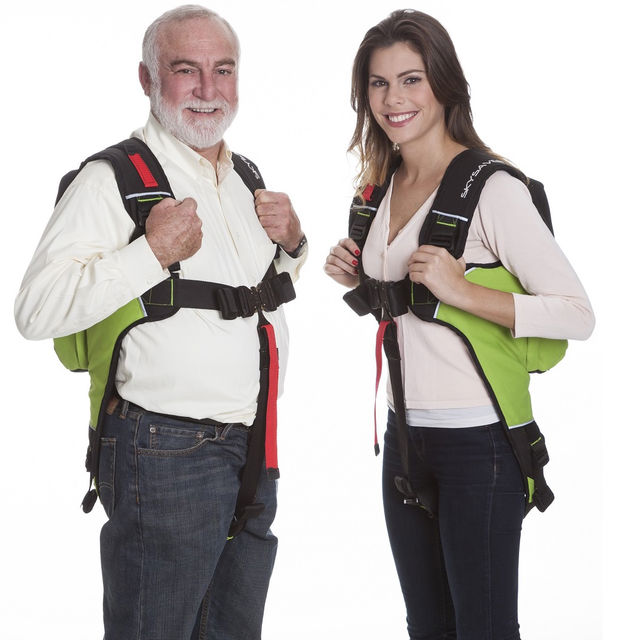
Single Self-Rescue Kit
Complete emergency evacuation kit for high-rise fast, safe descent during critical emergencies.
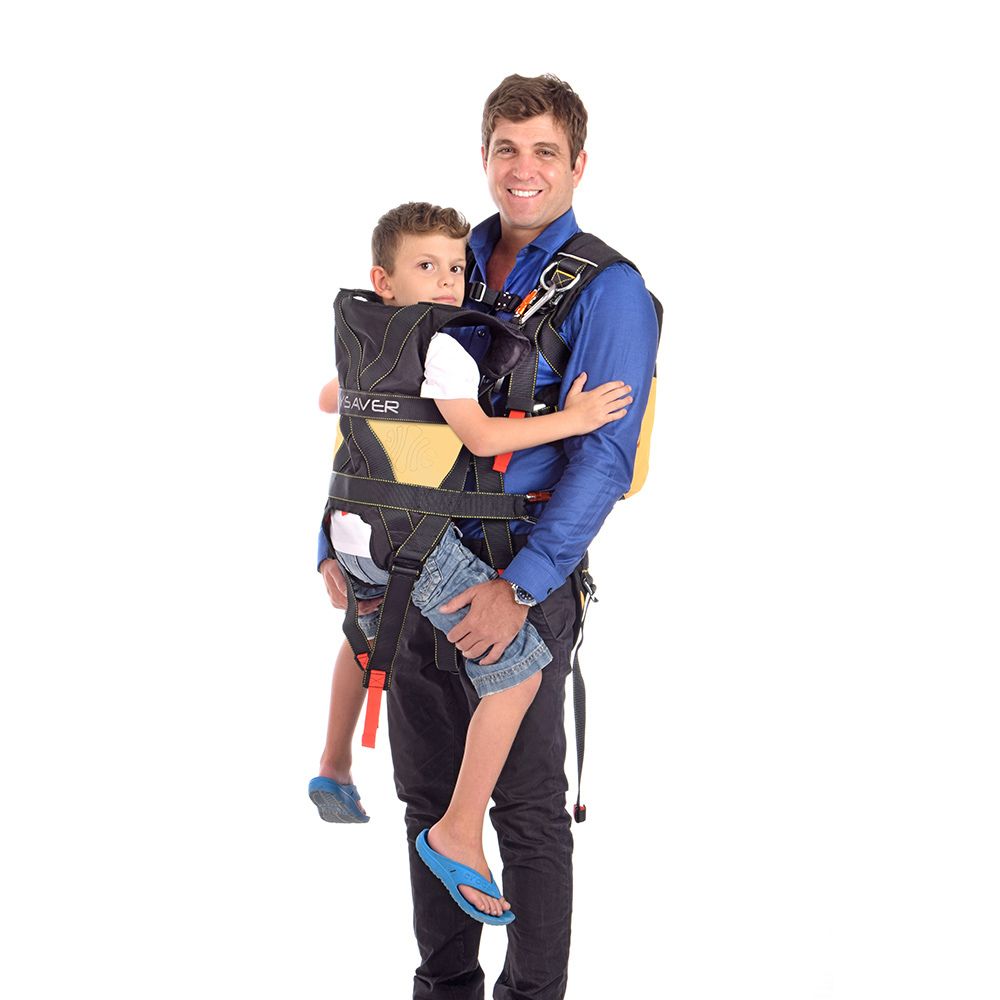
Attachable Child Harness
Lightweight child safety harness designed for secure, controlled evacuation from high-rise buildings.
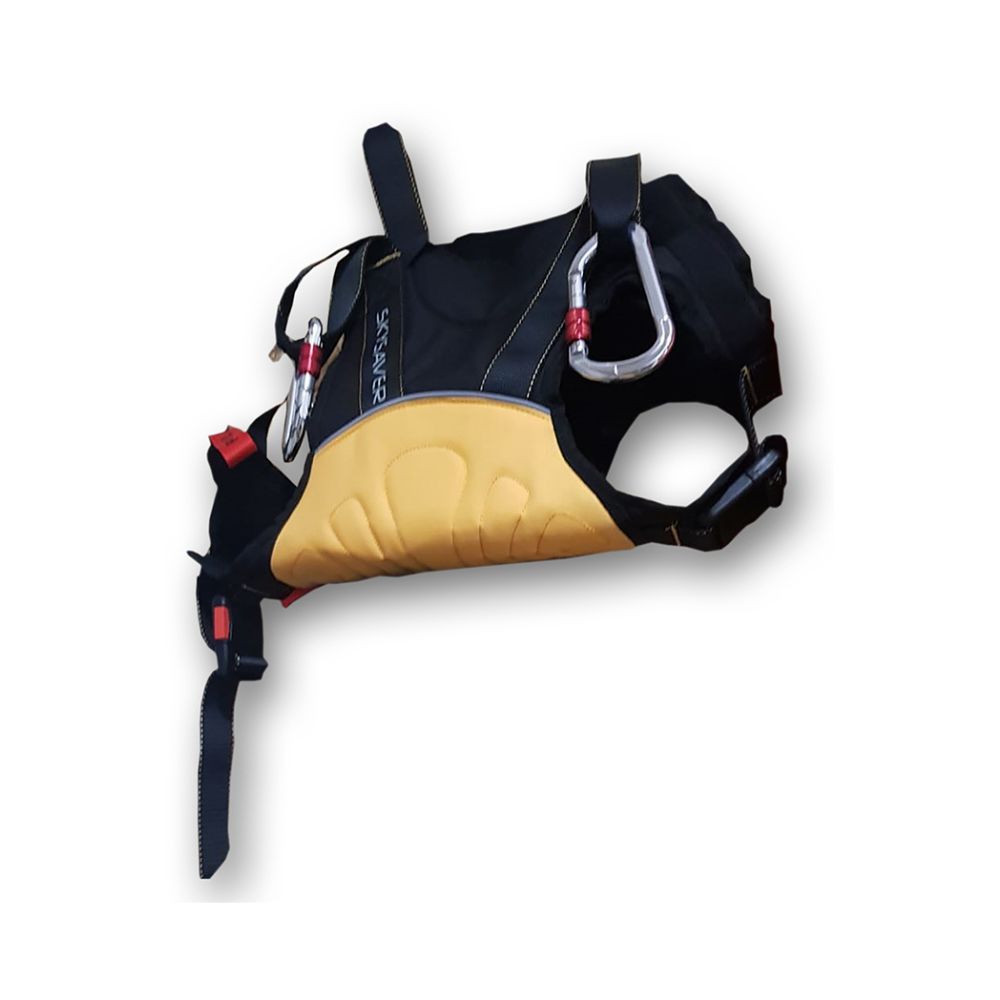
Attachable Pet Harnesses
Secure, lightweight safety harness designed for fast and controlled pet evacuation from high-rise buildings.

single Self-Rescue Harnesseses
Professional external safety harness for secure personal evacuation from high-rise buildings.
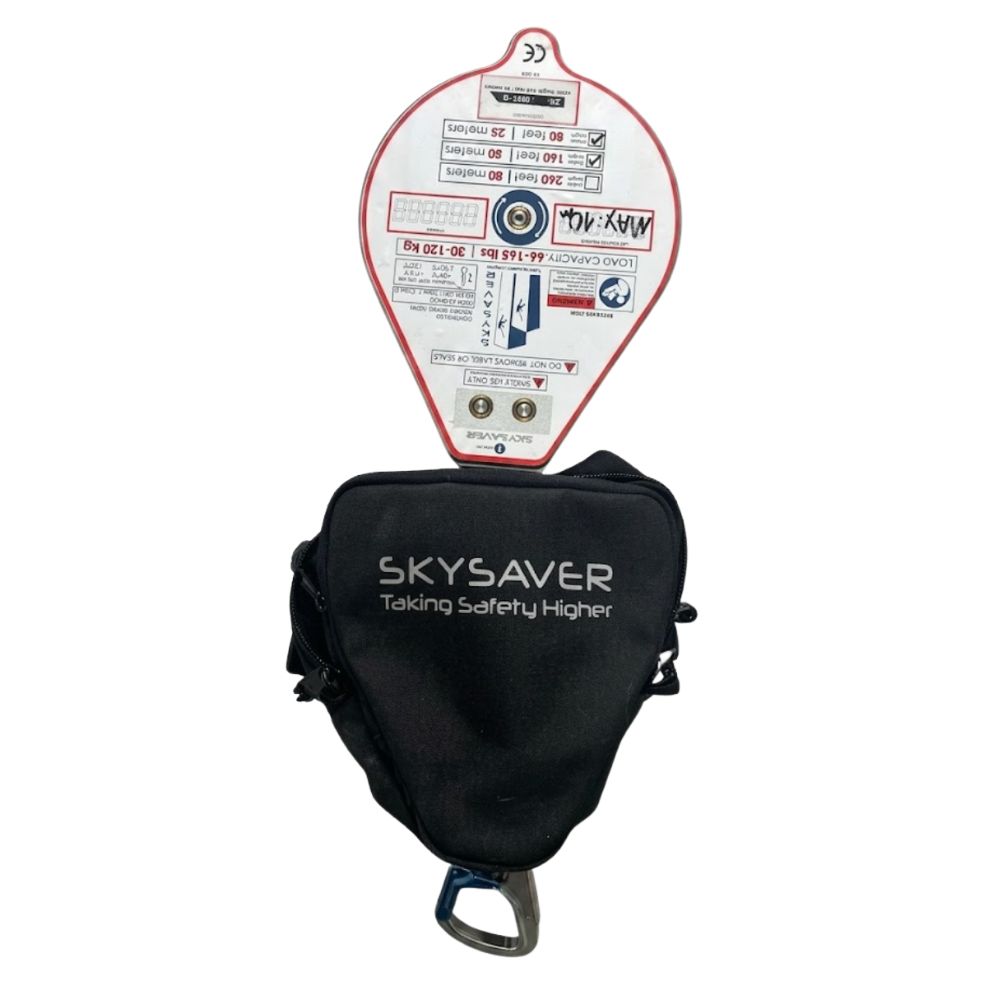
Controlled Descent Device (CDD)
External CDD unit for safe, controlled descent during high-rise emergency evacuation.