Home » APARTMENT FIRE SAFETY | SKYSAVER RESCUE BACKPACKS
APARTMENT FIRE SAFETY | SKYSAVER RESCUE BACKPACKS
Apartment living offers convenience, community, and comfort — but it also comes with a unique set of fire safety challenges that every resident must take seriously. Unlike single-family homes, apartment buildings concentrate dozens or even hundreds of people into a shared structure, meaning that one person’s negligence can put an entire building at risk. Whether you live on the second floor or the twenty-second, understanding apartment fire safety is not optional — it is a fundamental responsibility that could save your life and the lives of those around you.
Understanding the Risks Unique to Apartment Living
Apartments present fire hazards that are distinct from other living environments. Shared walls, interconnected HVAC systems, common hallways, and a single set of stairwells all mean that fire can travel quickly and escape routes can become compromised in minutes. The National Fire Protection Association consistently reports that multi-family residential structures account for a significant portion of fire-related fatalities each year, and the primary reason is not the fires themselves — it is the lack of preparation among residents.
In a high-rise apartment building, the risks multiply. Smoke rises rapidly through stairwells and elevator shafts. Firefighters may need time to reach upper floors. The windows that once represented freedom can become dangerous if residents attempt improvised escapes. Understanding how fires spread in tall buildings is the first step toward meaningful preparation. Heat and toxic gases can incapacitate a person within minutes, which means every second of advanced planning pays dividends when it matters most.
Prevention: The First Line of Defense
The most effective approach to apartment fire safety is preventing fires before they start. This means developing daily habits that minimize ignition risks throughout your living space. Cooking is the leading cause of apartment fires, so never leave stovetop cooking unattended. Grease fires in particular can escalate with terrifying speed — keeping a lid nearby to smother a stovetop flame is a simple precaution that many overlook. You should also familiarize yourself with how to prevent and fight grease fires before you ever need that knowledge.
Electrical safety is equally critical in apartment settings. Avoid overloading extension cords and power strips, and never use appliances with frayed or cracked cords — replace them immediately. Surge protectors are worth the investment, both for safety and for protecting your devices. Space heaters should be positioned well away from curtains, bedding, and any other flammable material. Candles, while appealing, should never be left burning unattended, and smoking in bed is a hazard that has claimed countless lives.
Flammable materials — cleaning solvents, aerosol cans, paint thinners — should be stored properly and minimally within the apartment. If storage is unavoidable, consult your building’s guidelines on proper containment. Keep matches, lighters, and any ignition sources secured and out of reach of children at all times. These are not abstract warnings; they reflect the actual causes behind thousands of preventable apartment fires every year.
Detection and Early Warning Systems
Smoke detectors are the cornerstone of apartment fire safety. Most building codes require them, but having a functioning detector and having an effective one are different matters. Test your smoke alarms monthly, replace batteries annually or as needed, and never disable them — even temporarily — due to nuisance alarms from cooking. Consider installing combination smoke and carbon monoxide detectors for broader protection. Placement matters: detectors should be installed in every bedroom, outside sleeping areas, and in the kitchen.
For residents in older apartment buildings, it is worth researching the detection and suppression systems already in place. Buildings constructed before the widespread adoption of fire sprinkler codes may lack the automatic suppression systems that newer construction provides. Knowing the limitations of your building’s infrastructure empowers you to supplement it with personal precautions. Choosing the right smoke and fire detectors for your specific apartment setup can make a genuine difference in how much warning time you have when seconds count.
Escape Planning for Apartment Residents
Even the best prevention strategies cannot guarantee you will never face a fire in your apartment building. That is why escape planning is equally important. Every resident should know at least two exit routes from their unit, as well as from the building itself. Walk those routes in daylight and, importantly, in the dark — because in a real fire, smoke may cut visibility dramatically. Confirm that corridors and stairwells are clear of obstructions, and report any violations to building management immediately.
The general guidance during a high-rise fire is to avoid elevators entirely and use stairwells, but even this comes with caveats. If the stairwell is filled with smoke, returning to your apartment and sealing the door may be the safer choice. Learning high-rise evacuation procedures specific to multi-story apartment buildings is something every resident should do proactively, not reactively. Create a written emergency plan with your household, assign roles if you live with family members, and practice it at least twice a year.
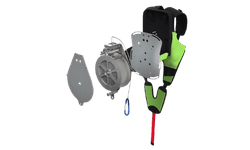
For those living on upper floors, the question of what to do when stairwells are inaccessible and smoke is encroaching is not hypothetical — it is a scenario you must have an answer for. This is precisely the situation that the SkySaver rescue backpack was engineered to address. SkySaver is a controlled descent device that allows individuals to self-evacuate from high-rise windows at a safe, regulated speed, without requiring assistance from the outside. It is compact enough to store in a closet or under a bed, and it deploys without specialized training. For apartment dwellers on elevated floors, it represents a genuine last-resort option that no other consumer product currently matches.
Responding When Fire Breaks Out
If a fire does break out in your apartment building, maintaining composure is paramount. Panic causes poor decisions, and poor decisions cost lives. Staying calm in an emergency is a skill that can be cultivated through preparation and mental rehearsal. Before attempting to evacuate, feel your door — if it is hot or smoke is visible around the frame, do not open it. Instead, seal gaps with towels or clothing, signal from a window, and call emergency services to communicate your location.
If evacuation is possible, move low, cover your nose and mouth, and proceed directly to your designated exit without stopping to collect belongings. Do not use elevators under any circumstances. Once outside, do not re-enter the building for any reason — allow firefighters to manage the structure. Know your building’s designated assembly point and proceed there so that emergency responders can account for all residents efficiently.
Fire extinguishers stored in accessible locations — the kitchen, near the bedroom — can be invaluable for handling small, contained fires before they escalate. Understand the different classes of fire and the appropriate extinguishing agents: water is never appropriate for electrical or grease fires, and using the wrong approach can dramatically worsen the situation. Understanding how to extinguish different kinds of fires before an emergency occurs is a critical piece of preparedness knowledge.
Apartment fire safety is a continuous practice, not a checklist you complete once and forget. It requires ongoing attention to prevention, a functioning early warning system, a practiced escape plan, and the right tools for worst-case scenarios. For apartment residents on upper floors, the SkySaver rescue backpack is one of the most meaningful investments you can make in your personal safety. Explore SkySaver’s full range today and ensure that no matter what happens, you have a way out.
Don't Wait for an Emergency to Find Your Way Out

Attachable Baby Harness
Lightweight safety harness for fast and secure infant evacuation in high-rise emergencies.
$250

Parent Package
Complete emergency evacuation kit for the parent and dependant. Fast, safe descent from high-rise buildings.
$2,220–$2,650

Parent Edition
Complete high-rise evacuation solution for a parent, maximum safety and fast deployment.
$2,120–$2,500

Single Self-Rescue Kit
Complete emergency evacuation kit for high-rise fast, safe descent during critical emergencies.
$1,860-$2,350
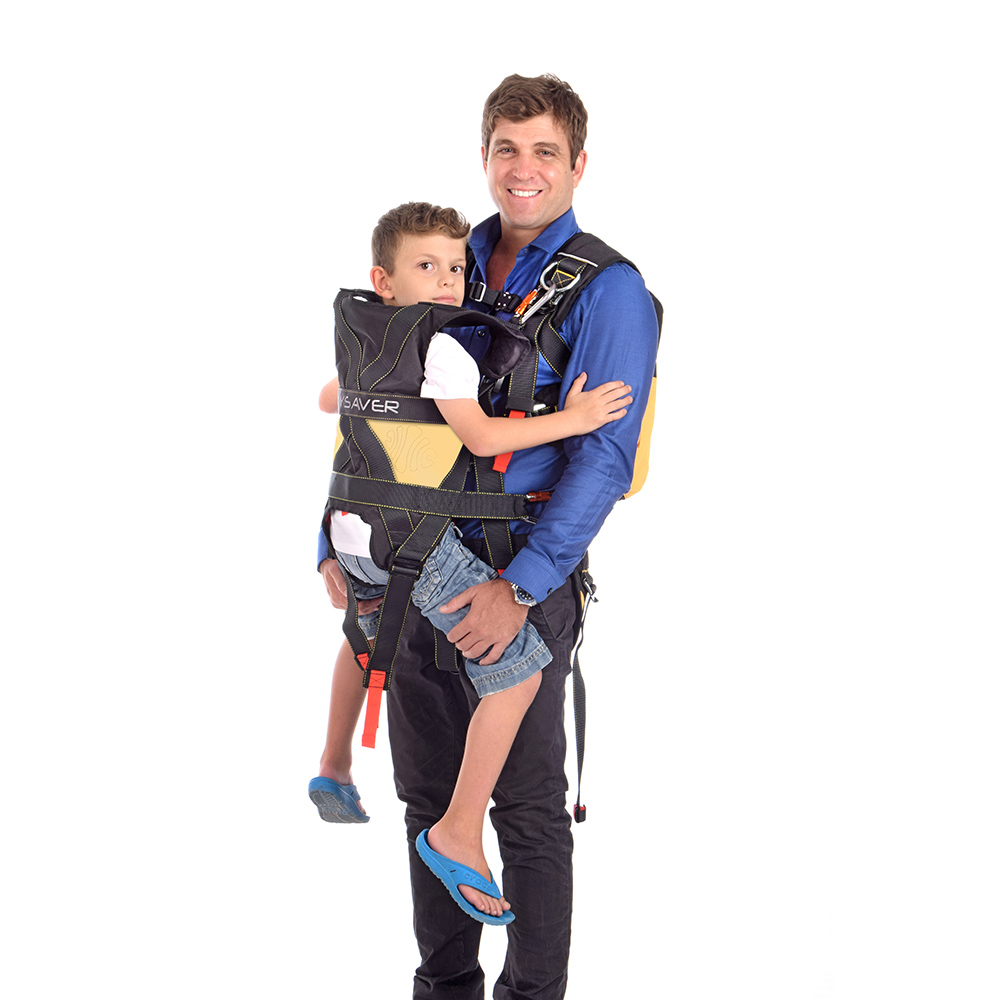
Attachable Child Harness
Lightweight child safety harness designed for secure, controlled evacuation from high-rise buildings.
$220
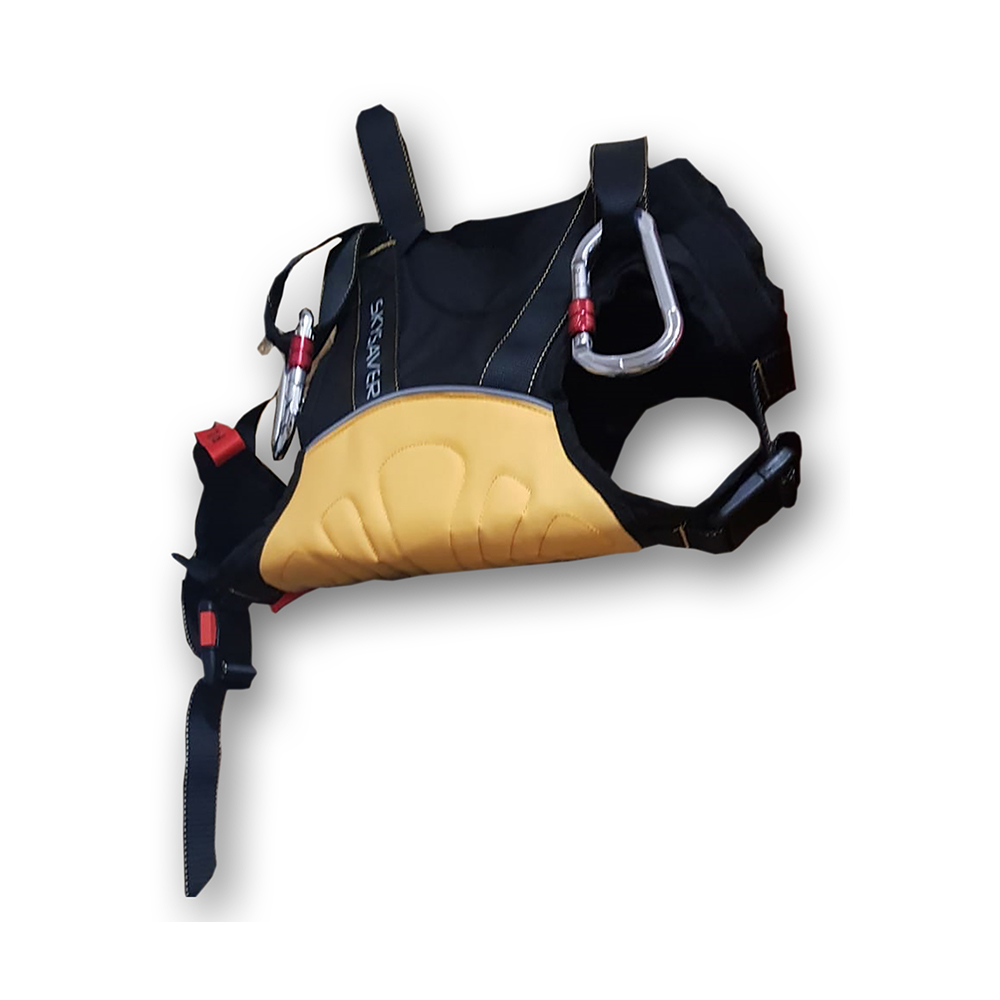
Attachable Pet Harnesses
Secure, lightweight safety harness designed for fast and controlled pet evacuation from high-rise buildings.
$200

single Self-Rescue Harnesseses
Professional external safety harness for secure personal evacuation from high-rise buildings.
$410-$650
Controlled Descent Device (CDD)
Advanced backpack-based evacuation unit with harness attachment option for high-rise emergencies.