College is, for many young adults, the first extended period of genuine independence. New freedoms, new responsibilities, and new environments converge all at once — and among the most underappreciated of those new responsibilities is personal fire safety. On a college campus, students live in close quarters with dozens or hundreds of neighbors, share cooking facilities, and occupy structures that range from modern residence halls with up-to-date suppression systems to older off-campus housing with outdated wiring and minimal fire protection infrastructure. The combination of inexperience, distraction, and physical proximity to others makes campus fire safety a topic that every student needs to take seriously from day one.
The statistics are sobering. Fire departments responded to an estimated 3,870 structure fires per year in dormitories, fraternities, sororities, and barracks between 2009 and 2013. Between 2000 and 2015, 126 people were killed by 89 fires in off-campus or Greek housing within three miles of college campuses. Cooking equipment was involved in 86 percent of the structure fires in campus-adjacent housing during that same period. These are not abstract numbers — they represent real students whose lives were cut short by preventable incidents. Understanding the importance of fire safety has never been more relevant than it is for the college-age population.
The Cooking Problem and How to Address It
The dominance of cooking as a cause of campus fires is not surprising when you consider the environment. Students who may have little cooking experience are suddenly responsible for feeding themselves, often in small kitchens or shared common areas with limited equipment. Fatigue — from studying, socializing, or both — makes inattentive cooking far more likely. Alcohol involvement is a documented factor in a significant portion of cooking-related fires in off-campus housing. The fix is not complicated: never cook while drowsy, intoxicated, or distracted. Stay in the kitchen while something is on the stove. Keep towels, paper, and other flammable materials away from burners. Know where the fire extinguisher is before you need it, and know that water should never be applied to a grease fire. Understanding how to prevent and fight grease fires is a basic life skill that should be part of every student’s move-in preparation.
Cook only in designated, permitted cooking areas. Many residence halls restrict cooking appliances in rooms — those rules exist because of real incidents that preceded them. Following campus guidelines on electrical appliances, including restrictions on space heaters, is not bureaucratic overreach: it is evidence-based policy designed to reduce ignition risk in densely occupied structures.
Electrical Safety in Student Housing
Student rooms are notorious for being crammed with electronics — laptops, gaming consoles, refrigerators, coffee makers, fans, and charging stations all competing for limited outlet space. Overloaded power strips and extension cords are among the most common electrical fire hazards in residential settings. Always use a surge protector for computers and other sensitive equipment, and never daisy-chain power strips together. Do not run extension cords under rugs or through doorways. If a cord is frayed or a plug feels unusually warm, stop using that appliance immediately and report it to your housing office.
Electrical fires can smolder inside walls for hours before becoming visible — making smoke detector coverage critical in student rooms. Understanding what causes electrical fires and how to prevent them is especially relevant in older off-campus housing where wiring may not have been updated in decades. If you are renting an off-campus apartment, ask the landlord about the age of the electrical panel and wiring, and verify that smoke detectors are installed and functional before signing a lease.
Smoke Alarms, Sprinklers, and Early Warning
Smoke alarms save lives by providing the warning time needed to escape — but only if they are installed, maintained, and functional. Test smoke alarms monthly. Replace batteries annually or when the low-battery alert sounds. Never remove batteries or disable an alarm because it is going off during cooking — ventilate the area and fan the alarm instead. Smoke alarms should be installed in every bedroom, outside sleeping areas, and on every level of a multi-story residence.
Ideally, all campus-adjacent housing should be equipped with fire sprinklers. Residence halls at most universities now meet this standard, but off-campus houses, older apartment buildings, and Greek housing may not. When evaluating housing options, ask specifically about fire suppression systems. A building with sprinklers dramatically reduces the severity of fires and gives occupants more time to evacuate safely. For buildings that lack sprinklers, the personal responsibility for early detection and rapid evacuation increases proportionally.
Never use candles as a light source during a power outage — use a flashlight or battery-powered lantern instead. Candles left unattended are a leading cause of residential fires and are prohibited in most campus housing for exactly that reason.

Evacuation: Know Your Plan Before You Need It
When a fire alarm sounds in a residential building, the appropriate response is always to evacuate immediately. Do not pause to collect belongings. Do not assume it is a drill. Feel the door before opening it — if it is hot, do not open it. Move low if smoke is present. Use stairwells, never elevators. Meet at the designated assembly point and do not re-enter the building until authorized by firefighters or official personnel.
Every student should know their building’s evacuation plan, know where the nearest exits are from their room, and have participated in all mandatory fire drills. Drills may feel routine or even inconvenient, but they encode the correct behavioral responses so that those responses come naturally under the stress of a real emergency. Knowing how to behave during a fire is not something you want to be figuring out for the first time while alarms are blaring and smoke is filling the hallway.
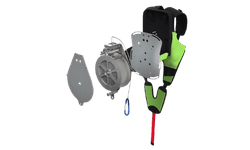
For students in upper floors of multi-story residence halls or apartment buildings, the scenario where stairwells are inaccessible is worth thinking through in advance. The SkySaver rescue backpack is a personal controlled-descent evacuation device designed for exactly this situation — allowing an individual to descend safely from an upper-floor window without assistance and without specialized training. While campus buildings are typically equipped with sprinklers and multiple stairwells, off-campus housing may offer fewer options. Keeping a personal evacuation device available is a reasonable extension of the broader preparedness mindset that every college student should cultivate.
Campus fire safety is not a topic that competes with the excitement of college life — it is the foundation that allows that life to continue. Taking fifteen minutes to learn your building’s evacuation routes, test your smoke detector, and think through your response to a fire alarm is a worthwhile investment that most students never regret. Those who ignore it and find themselves in an emergency situation invariably wish they had prepared. Do not become a statistic. Make fire safety a part of how you approach your college years, and encourage your roommates, neighbors, and friends to do the same.
To learn more about personal fire safety tools for elevated living situations, explore SkySaver’s full range of rescue backpacks and ensure that you have a genuine option when conventional exits are blocked. Get yours today and live your college years with the confidence that comes from being genuinely prepared.
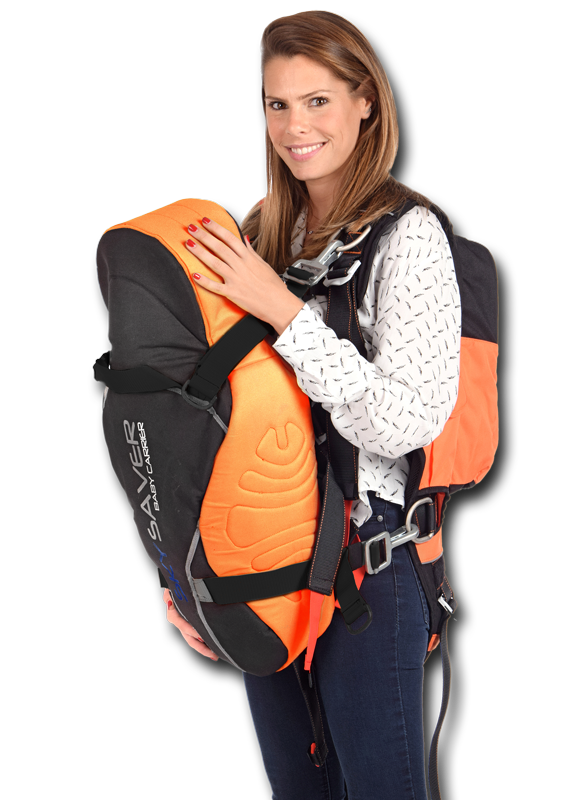
Attachable Baby Harness
Lightweight safety harness for fast and secure infant evacuation in high-rise emergencies.
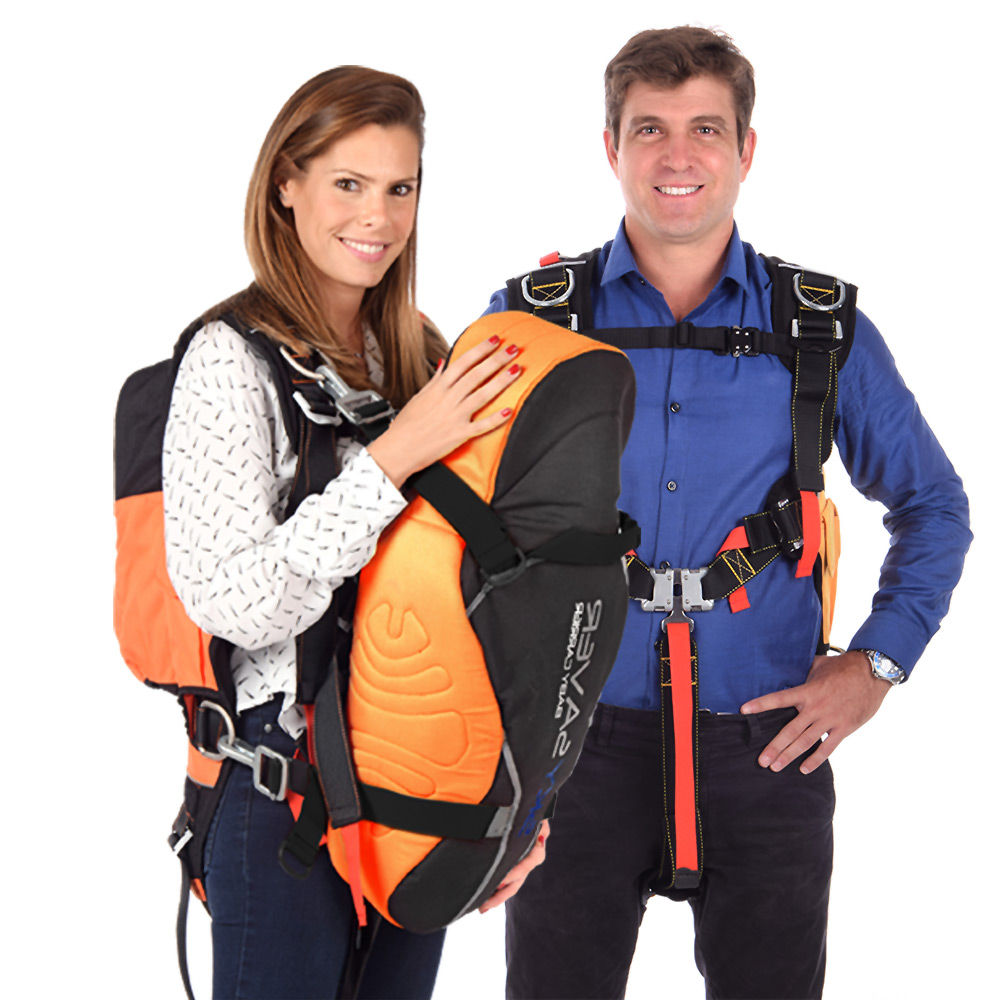
Parent Package
Complete emergency evacuation kit for the parent and dependant. Fast, safe descent from high-rise buildings.
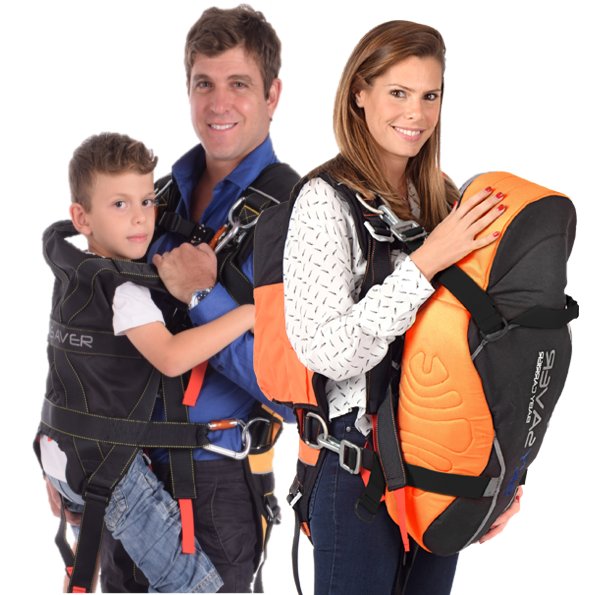
Parent Edition
Complete high-rise evacuation solution for a parent, maximum safety and fast deployment.

Single Self-Rescue Kit
Complete emergency evacuation kit for high-rise fast, safe descent during critical emergencies.
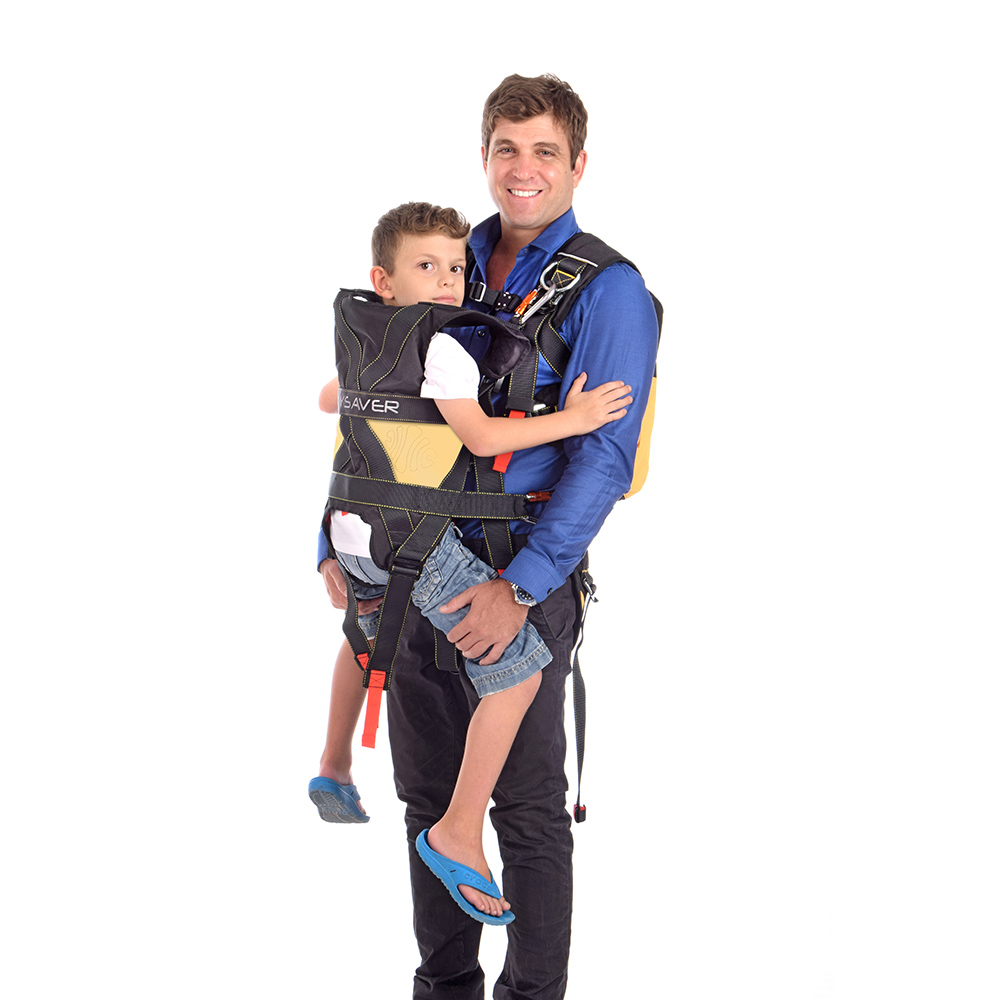
Attachable Child Harness
Lightweight child safety harness designed for secure, controlled evacuation from high-rise buildings.
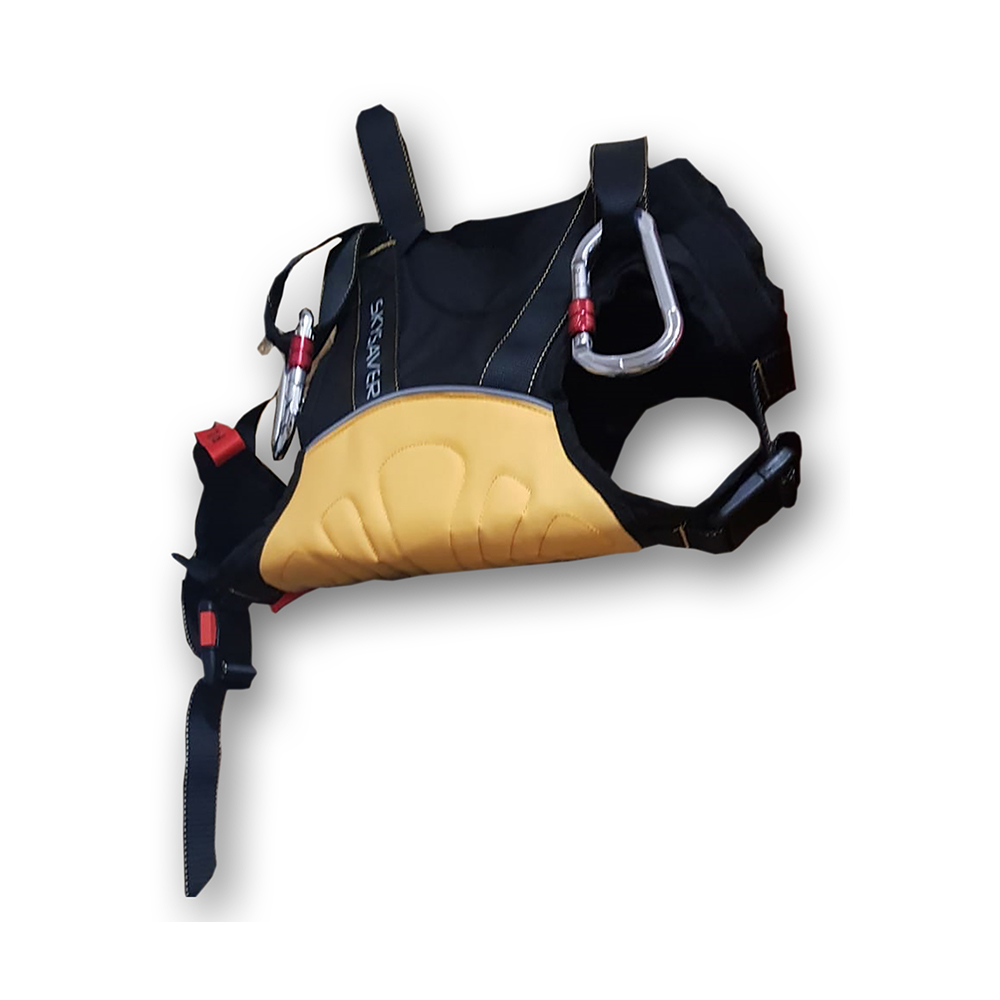
Attachable Pet Harnesses
Secure, lightweight safety harness designed for fast and controlled pet evacuation from high-rise buildings.

single Self-Rescue Harnesseses
Professional external safety harness for secure personal evacuation from high-rise buildings.
Controlled Descent Device (CDD)
Advanced backpack-based evacuation unit with harness attachment option for high-rise emergencies.