Fire emergencies are dangerous for everyone, but for people living with physical, cognitive, or sensory disabilities, the risks are significantly elevated. The standard evacuation procedures taught in schools, workplaces, and apartment buildings are designed with able-bodied individuals in mind. For the estimated one in four adults in the United States who live with some form of disability, those standard procedures may be entirely inadequate — and in a life-threatening emergency, the difference between an appropriate plan and an insufficient one can be fatal.
Why People with Disabilities Face Greater Fire Risk
The statistics reflect a stark reality. People with disabilities are significantly more likely to die in a residential fire than those without disabilities. Several factors contribute to this disparity. First, mobility limitations can make rapid evacuation difficult or impossible without assistance. Second, sensory impairments — such as hearing loss or visual impairment — can mean that standard fire alarms fail to provide an adequate warning. Third, cognitive disabilities may affect a person’s ability to understand the danger and respond appropriately under pressure.
In high-rise buildings, these challenges are compounded further. The guidance to use stairwells during a fire assumes the ability to navigate stairs unassisted — an assumption that fails for wheelchair users, individuals with limited mobility, and those recovering from surgery or injury. The guidance to stay low in smoke assumes the ability to move freely through a building — again, a challenge for many. Understanding the specific challenges of high-rise evacuation is the first step toward building a plan that actually works.
Common Barriers to Safe Evacuation
For wheelchair users and those with limited mobility, the primary challenge is access to evacuation routes. Elevators — the primary means of vertical movement for many people with disabilities in everyday life — cannot be used during a fire. Stairwells may be inaccessible without assistance. Fire escape ladders are entirely out of the question for anyone who cannot bear weight on their legs or grip with sufficient strength.
For people with hearing impairments, standard auditory fire alarms provide no warning. Specialized alerting systems — including strobe lights, bed shakers, and vibrating devices — exist and should be standard features in any home where a hearing-impaired person lives. Yet many rental properties and older buildings have not installed these systems, leaving residents unknowingly without the warning they need.
For those with cognitive disabilities, the challenge is less about physical capability and more about response under pressure. Fire emergencies are frightening and chaotic even for people who have prepared thoroughly. For individuals with dementia, intellectual disabilities, or significant anxiety disorders, the crisis of a fire alarm can trigger responses that actually impede safe evacuation.
Planning That Accounts for Every Member of Your Household
Effective fire safety planning for households that include people with disabilities must be more detailed and more carefully rehearsed than standard emergency plans. Every family member who requires assistance during evacuation should have a named, designated helper whose role in an emergency is explicitly agreed upon in advance. That helper should practice the evacuation procedure — including the physical process of moving the person if necessary — before an emergency occurs.
Building managers and facilities teams in multi-story buildings have legal obligations to support the evacuation of residents with disabilities, and those plans should be reviewed, updated, and practiced regularly. Residents with disabilities should proactively inform their building management of their needs and ensure they are included in any building-wide evacuation plan. As part of creating a comprehensive emergency action plan, this communication should happen before any emergency occurs.
Assistive Technology and Personal Escape Devices
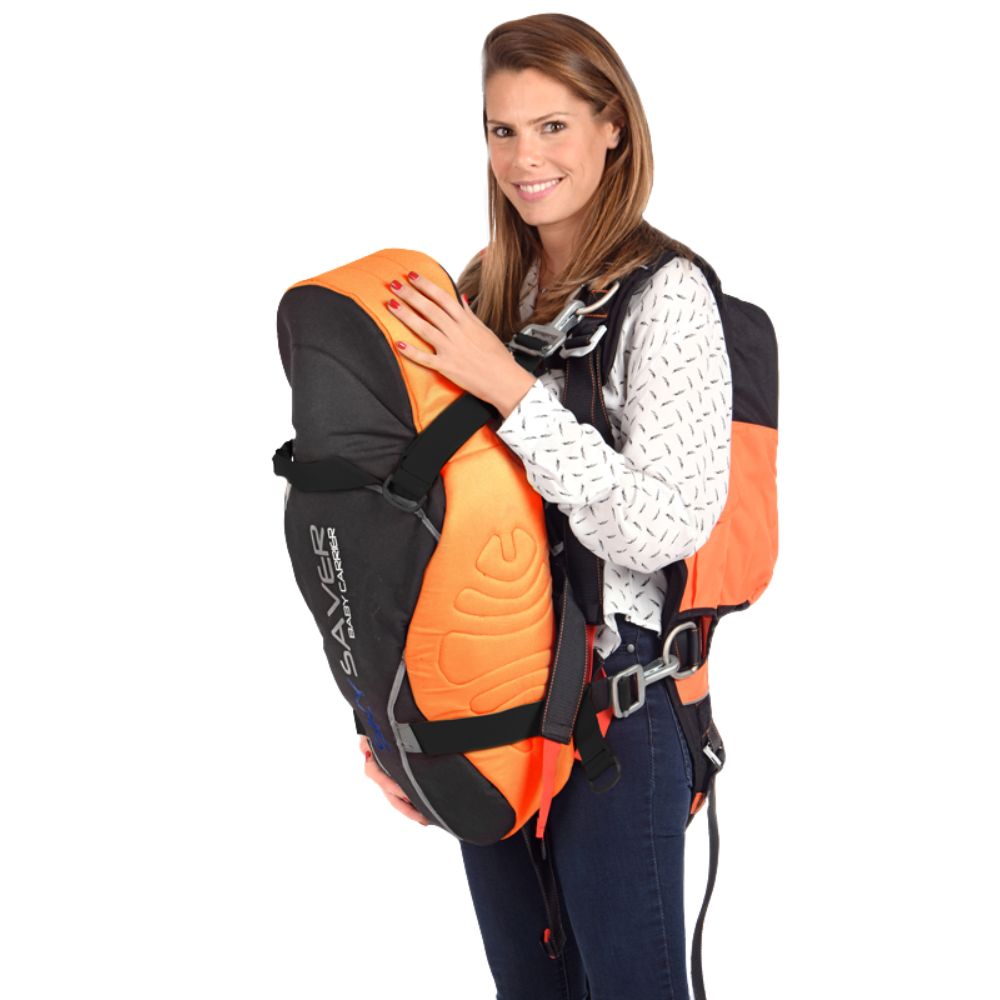
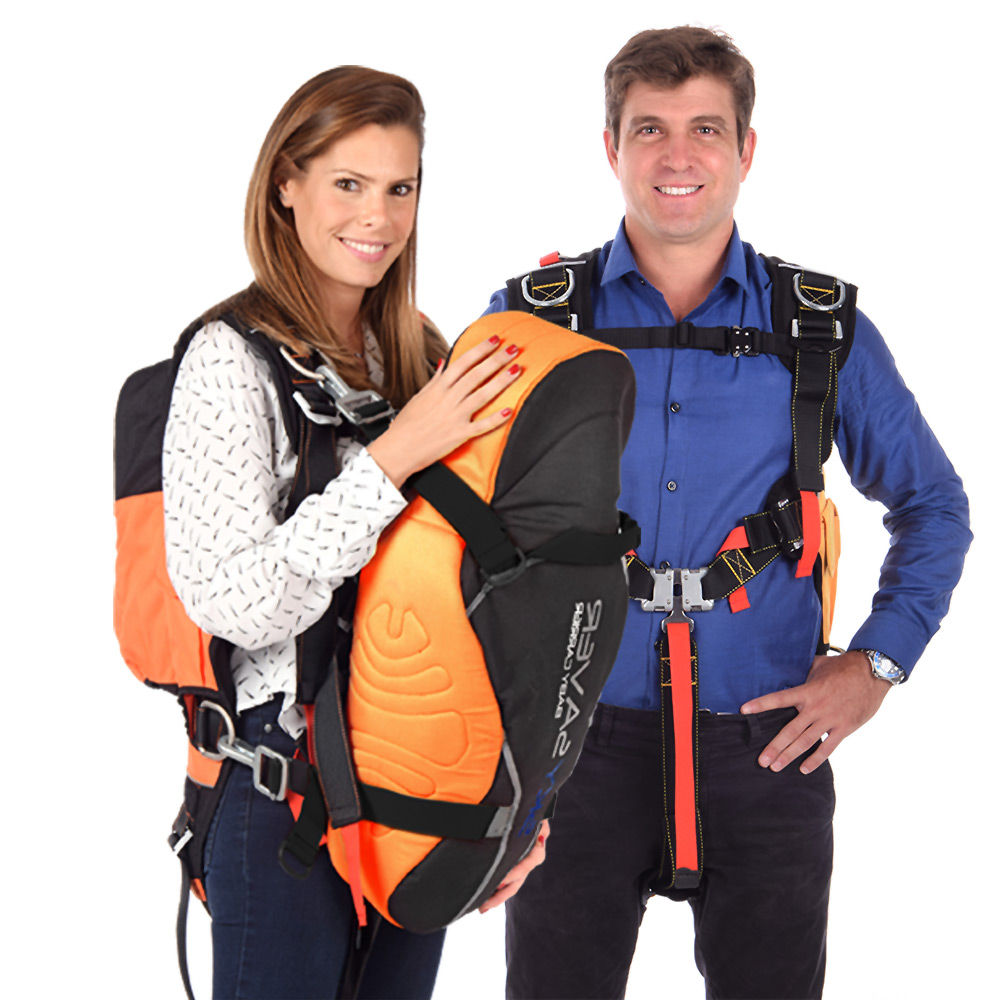
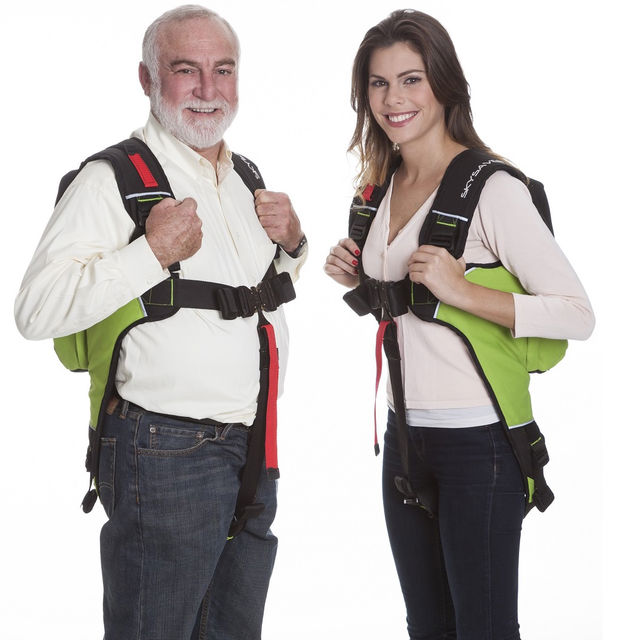
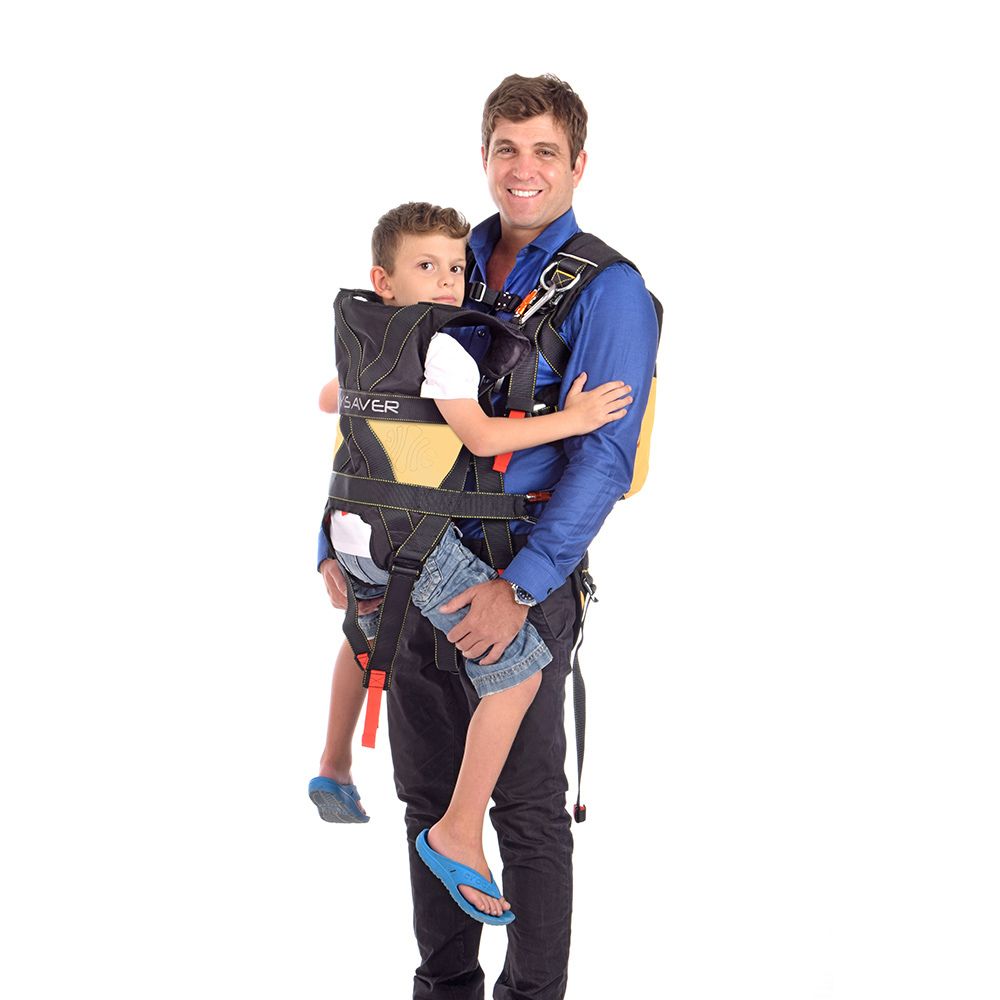
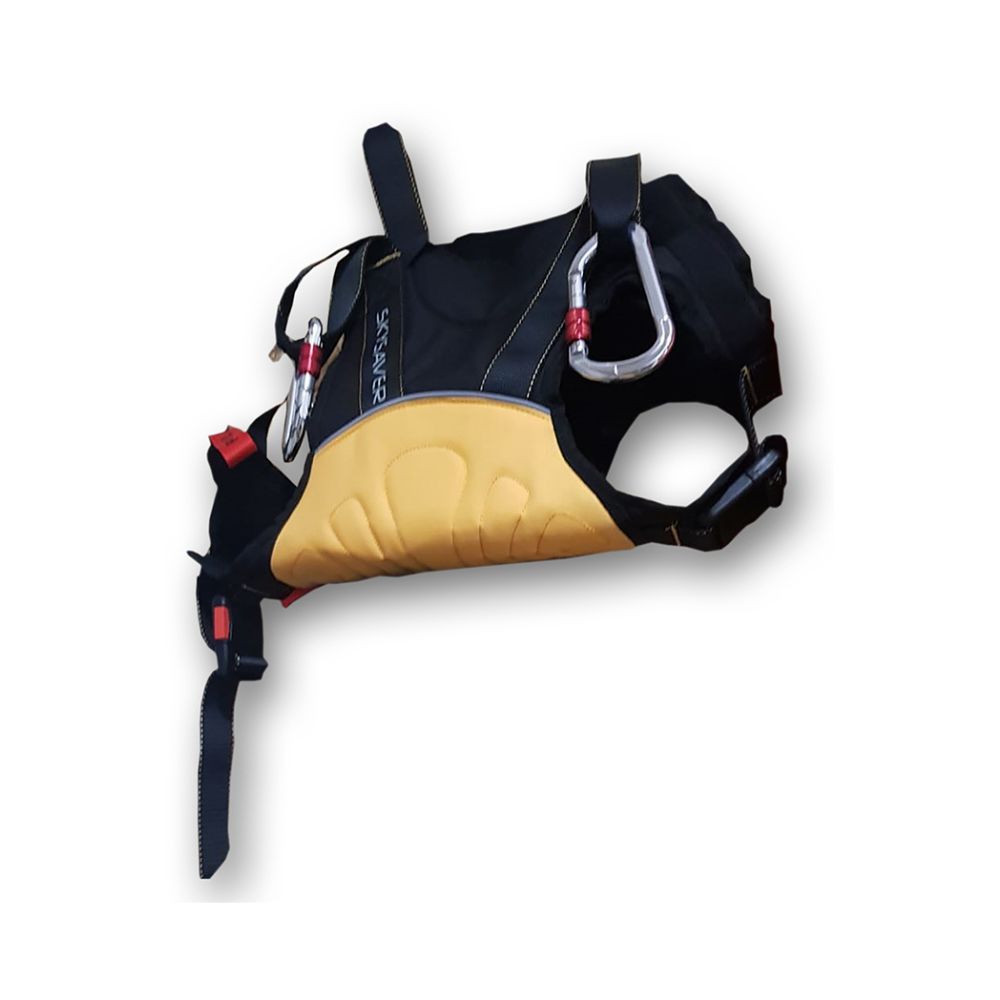
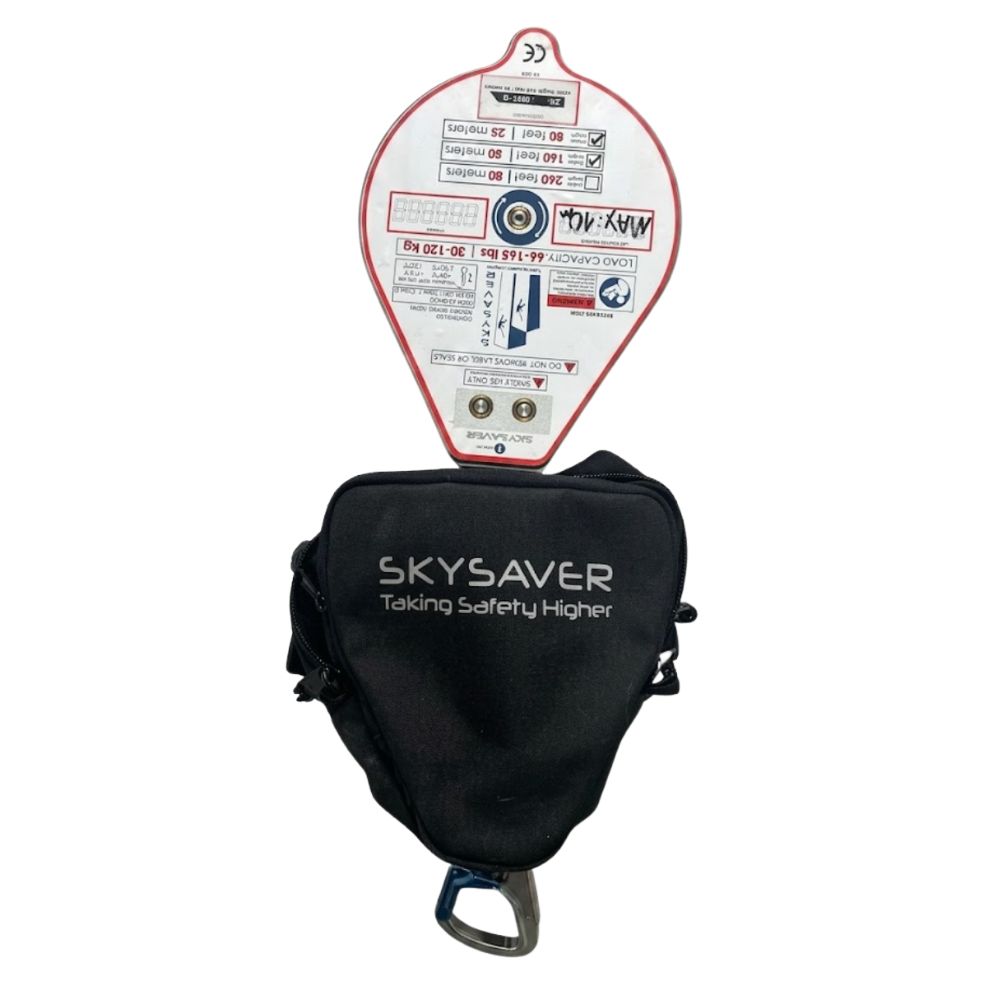
Advances in personal safety technology have created options that were not available a generation ago. For residents with mobility limitations who live in high-rise buildings, controlled-descent devices offer the possibility of window-based evacuation that does not depend on stairwells or the availability of emergency personnel. SkySaver‘s Controlled Descent Device can be used by individuals who are able to exit through a window — and the device controls the descent automatically, requiring no physical exertion during the lowering process.
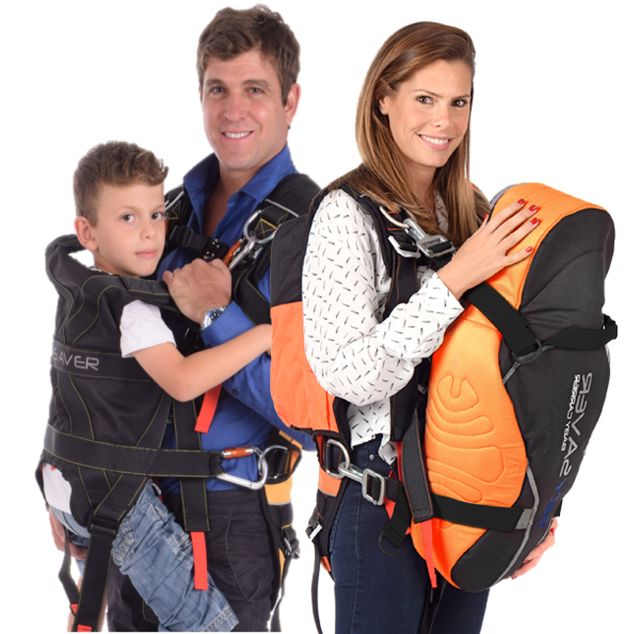
For family members or caregivers who may need to assist someone with a disability, SkySaver’s system allows for planned, organized evacuation that doesn’t rely on infrastructure that may already be compromised. The device supports weights appropriate for most adults and can be incorporated into a broader evacuation plan that assigns specific responsibilities to specific people.
Fire safety for people with disabilities requires more thought, more planning, and more practice than standard household preparedness — but those additional steps are entirely achievable. The key is to start now, before an emergency makes planning impossible. Discover SkySaver’s personal escape solutions and take the first step toward a comprehensive safety plan that works for everyone in your household.