Every time you check into a hotel, you are entering an unfamiliar building whose layout, exit routes, and safety systems you have never encountered before. For most stays, this presents no issue — hotel fires are, statistically, relatively uncommon. But when a hotel fire does occur, the combination of unfamiliar surroundings, disorientation from sleep, and a building full of other panicking guests creates conditions in which knowledge and preparation become genuinely life-saving assets.
The Particular Risks of Hotel Fires
Hotel fires present a distinct risk profile compared to residential fires. The primary factor is unfamiliarity: in your own home, you know instinctively where every exit is, how the hallways connect, and which routes lead outside. In a hotel, particularly one with a complex multi-floor layout, this spatial knowledge is entirely absent. Disorientation in smoke-filled corridors — where visibility may be near zero — can cause people to move away from exits rather than toward them.
The second major factor is that hotel guests are often asleep when fires begin, particularly during nighttime incidents. A smoke alarm that sounds in the middle of the night to a person in deep sleep may not register as a genuine emergency for critical seconds or minutes. Fire investigators have documented numerous incidents where guests lost valuable response time because they initially assumed the alarm was a false alarm — a reasonable assumption, given that false alarms in hotels are far more common than genuine fires.
The Three Steps That Save Lives in Hotel Fires
Fire safety professionals recommend a consistent set of behaviors for hotel guests that dramatically improve survival odds in a fire emergency. The first and most important is to identify your exit routes upon check-in — before unpacking, before relaxing, before doing anything else. Count the doors between your room and the nearest stairwell. Locate the stairwell on both sides of your corridor. Know where the exit is in the dark, because that is exactly the condition in which you may need to find it.
The second step is to keep your room key on the nightstand when you sleep. If you attempt to evacuate and find the corridor too smoky or too hot to traverse, you need to be able to get back into your room quickly. Without your key, you may find yourself locked out in a smoke-filled corridor — a far more dangerous situation than remaining in a sealed room while waiting for rescue. Firefighters are trained to search hotel rooms systematically, and a sealed door significantly improves your survival time.
The third step is to feel the door before opening it. If a door feels warm or hot to the touch, fire may be on the other side — opening it could expose you to a sudden rush of flame and hot gas that is instantly lethal. This advice applies to hotel room doors, stairwell doors, and any other door between you and your intended exit route.
High-Rise Hotels and Evacuation Challenges
For guests staying in high-rise hotels — particularly those on upper floors — evacuation presents the same fundamental challenges as high-rise residential fires. The distance to ground level requires descent of many flights of stairs. Elevators cannot be used. Stairwells may become congested with other guests attempting to evacuate simultaneously. And if a stairwell is blocked by smoke or fire on a lower floor, descent may be impossible.
This is where the personal preparedness practices developed for residential high-rise living apply equally to hotel stays. Understanding how high-rise evacuation works and having thought through the scenarios in which stairwell descent is not viable is particularly valuable for frequent travelers who regularly stay in tall buildings around the world. The risk profile of a business traveler who spends fifty nights a year in high-rise hotels is not trivial.
Traveling with Personal Safety Equipment
A small but growing number of safety-conscious travelers carry personal fire safety equipment when they travel, particularly on extended trips or stays in high-rise hotels. A smoke hood — a certified device that provides filtered air for a limited period — can be the difference between successfully navigating a smoke-filled corridor and being incapacitated before reaching the exit. Compact and lightweight, smoke hoods are designed for exactly this scenario.
For high-rise hotel stays above the third or fourth floor, some travelers also consider the availability of window-based escape options. While most hotel windows are designed to limit opening, understanding whether the building has any emergency descent systems and what personal options exist is part of thorough travel safety planning.
SkySaver: Personal Safety That Travels With You
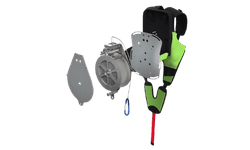
SkySaver offers personal escape solutions that address the high-rise fire risk wherever it occurs — in your home building or in a hotel on the other side of the world. For high-rise residents, the SkySaver Controlled Descent Device provides a permanent, ready-to-use escape option. For travelers who want the assurance of personal high-rise escape capability wherever they stay, SkySaver’s portable design makes it a practical travel companion for those who take safety seriously.
Hotel fire safety is largely a matter of knowledge and preparation — knowing the exits, having a plan, and acting decisively when an alarm sounds. Supplement that preparation with the right equipment, and you dramatically improve your odds in a scenario that most people never expect to face. Explore SkySaver’s personal escape solutions for every environment where you sleep above the ground floor.
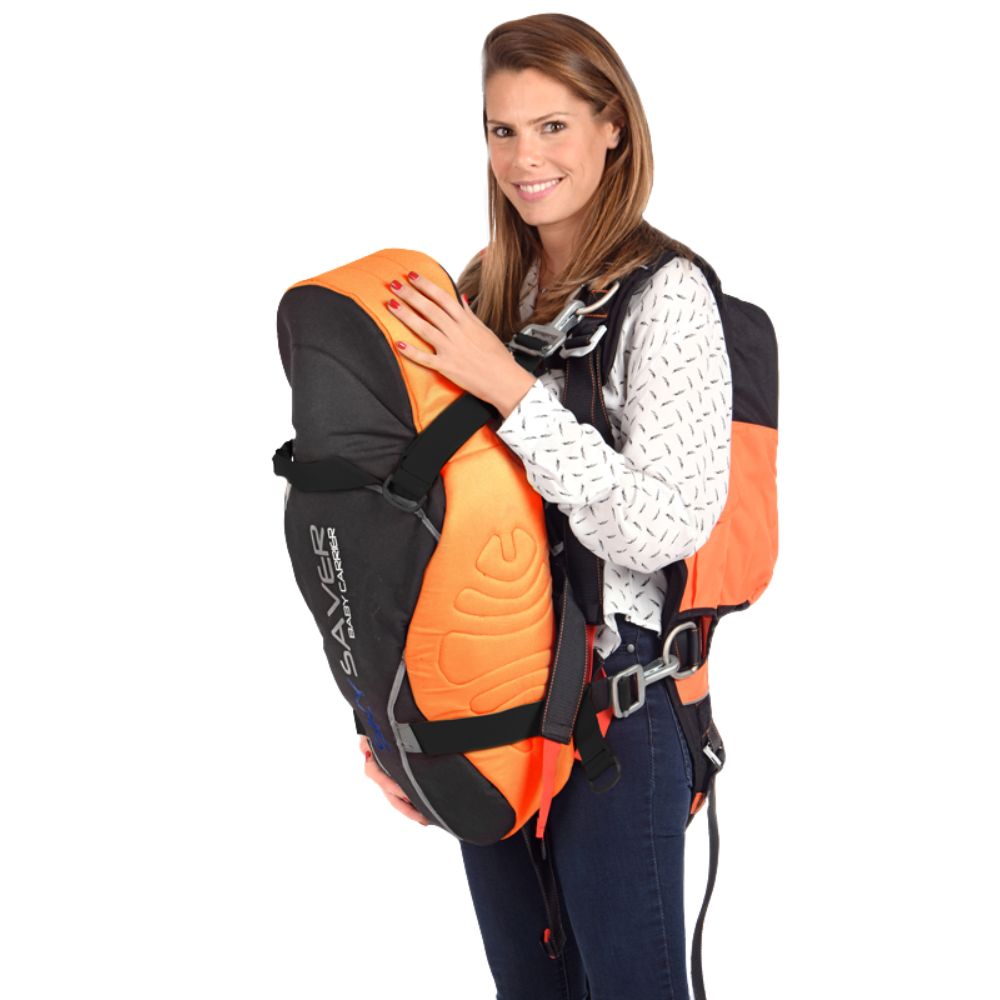
Attachable Baby Harness
Lightweight safety harness for fast and secure infant evacuation in high-rise emergencies.
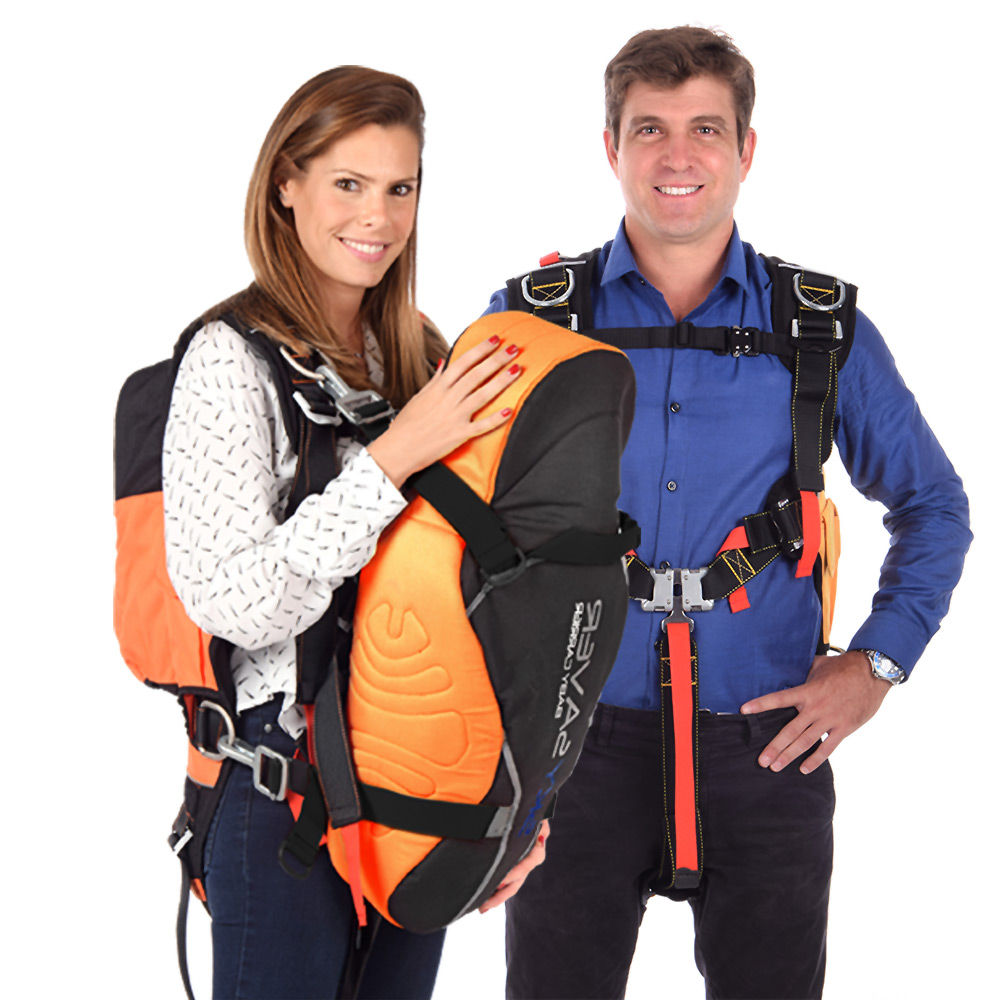
Parent Package
Complete emergency evacuation kit for the parent and dependant. Fast, safe descent from high-rise buildings.
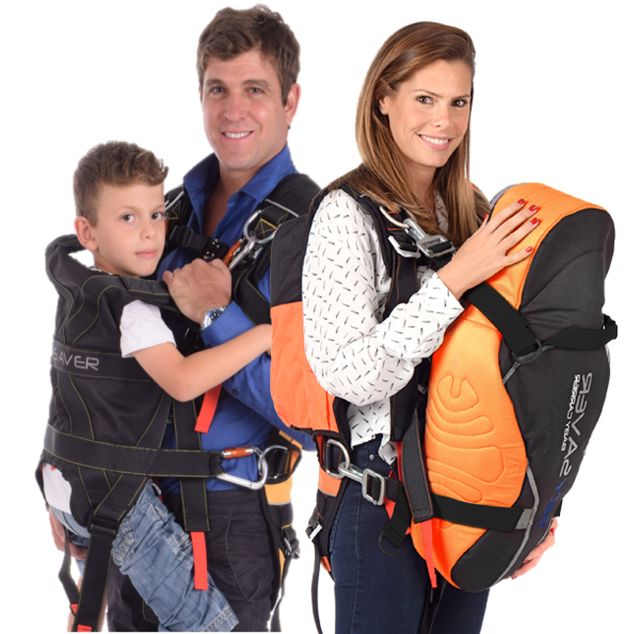
Parent Edition
Complete high-rise evacuation solution for a parent, maximum safety and fast deployment.
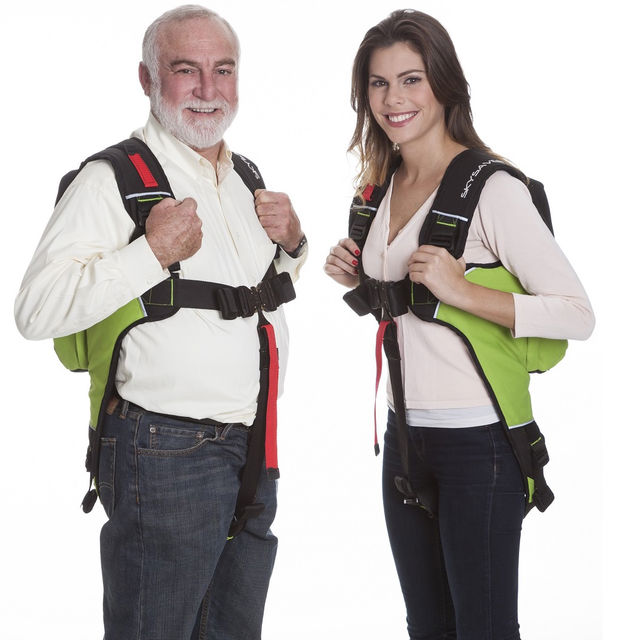
Single Self-Rescue Kit
Complete emergency evacuation kit for high-rise fast, safe descent during critical emergencies.
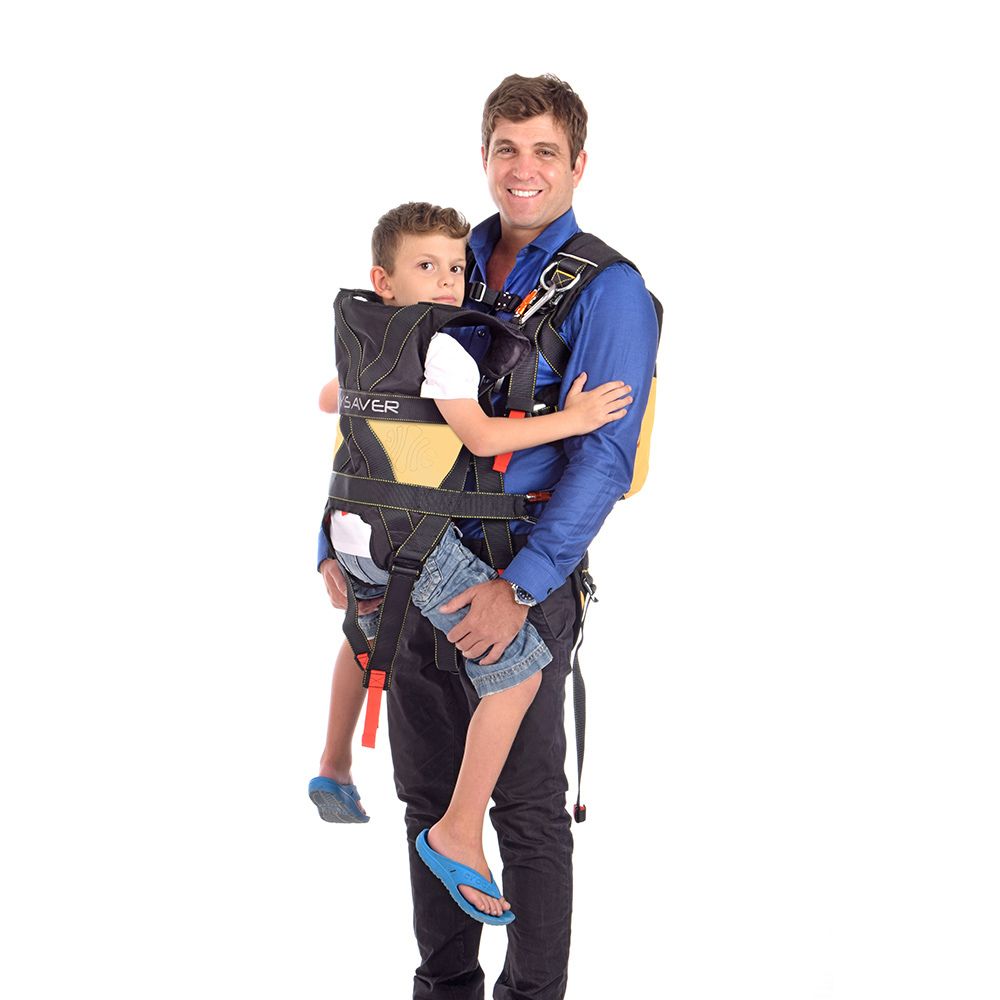
Attachable Child Harness
Lightweight child safety harness designed for secure, controlled evacuation from high-rise buildings.
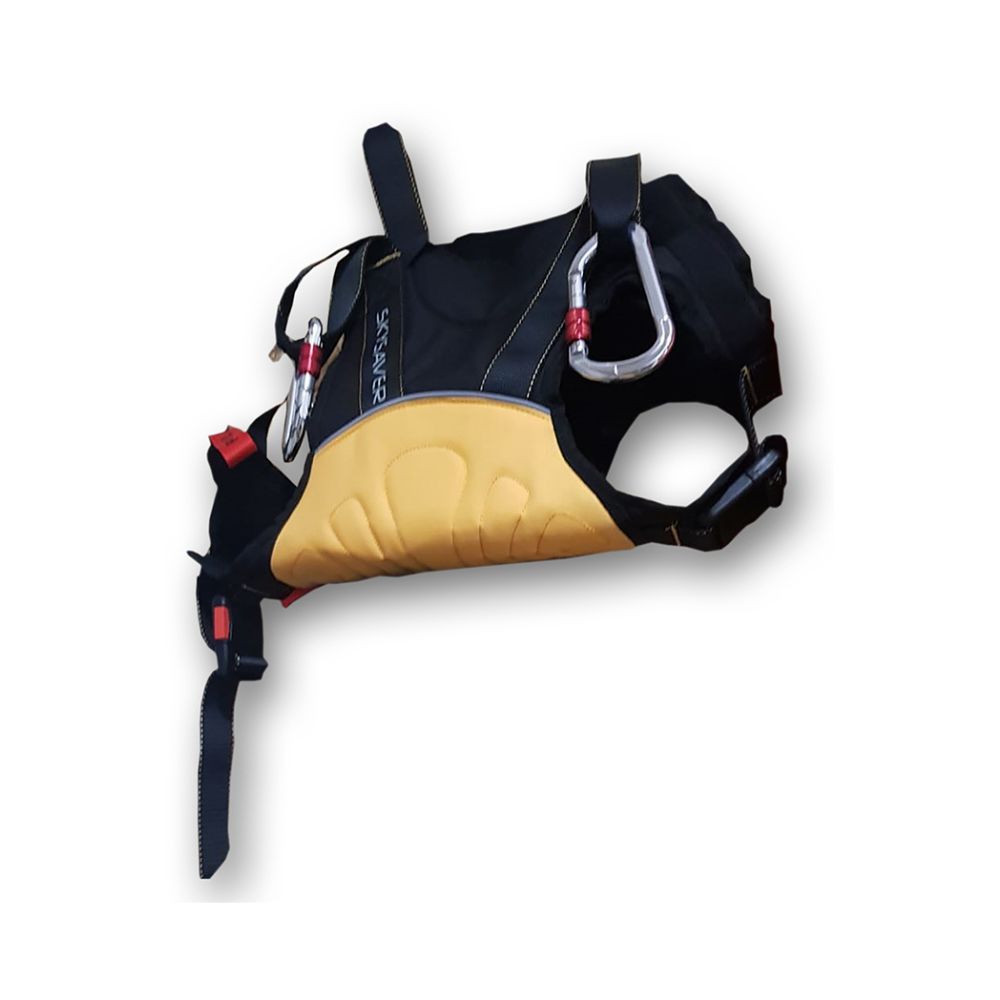
Attachable Pet Harnesses
Secure, lightweight safety harness designed for fast and controlled pet evacuation from high-rise buildings.
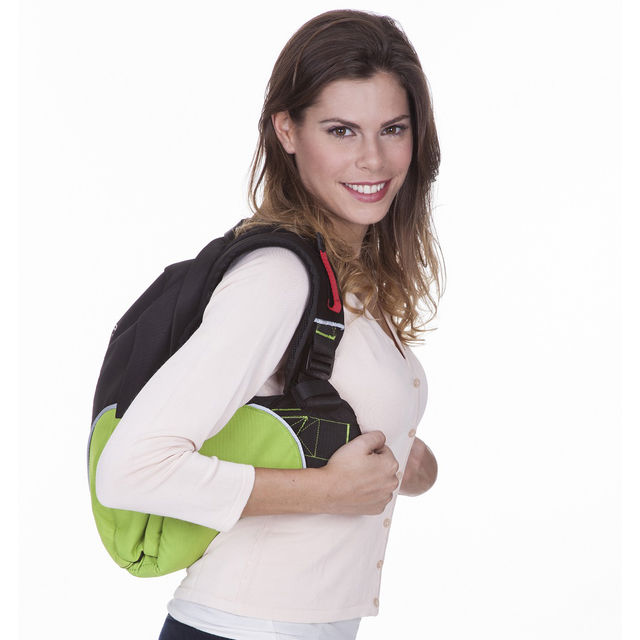
single Self-Rescue Harnesseses
Professional external safety harness for secure personal evacuation from high-rise buildings.
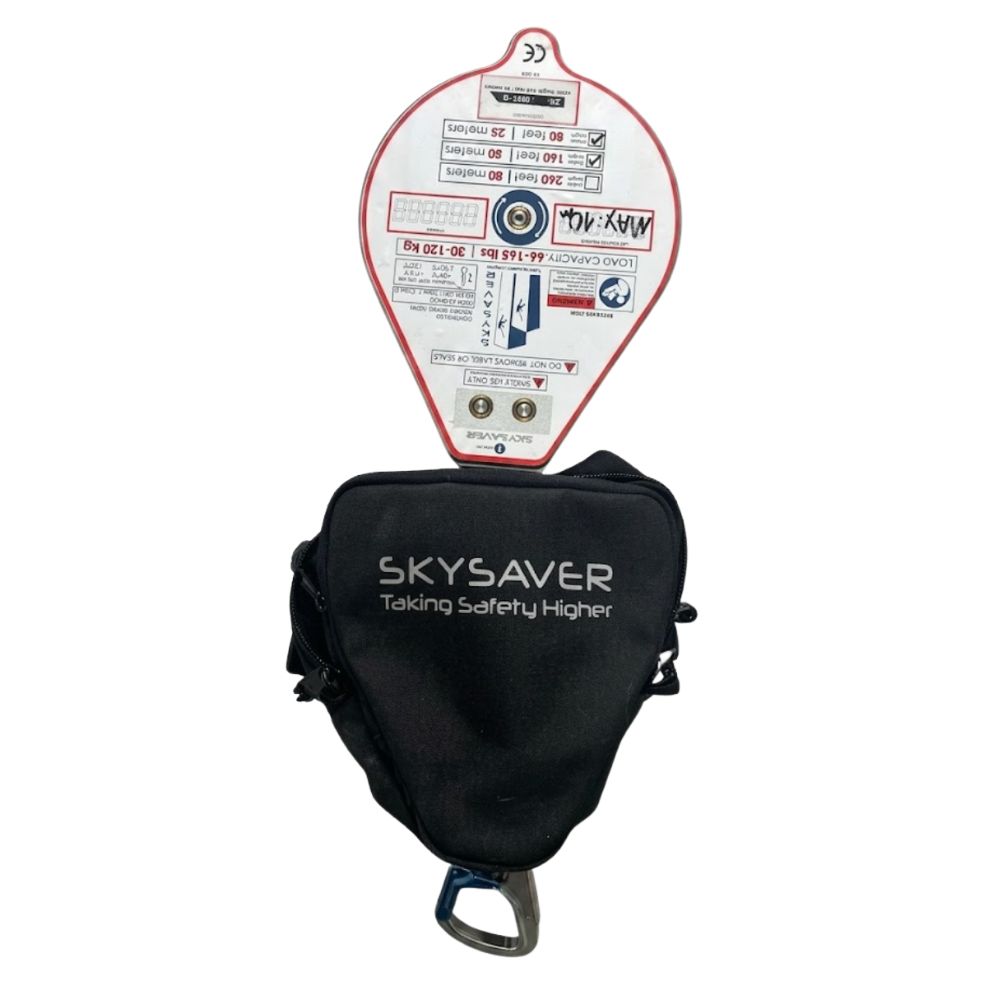
Controlled Descent Device (CDD)
External CDD unit for safe, controlled descent during high-rise emergency evacuation.