Behind every high-rise fire statistic is a human story — of fear, of loss, and often, of extraordinary courage. The men and women who fight fires in tall buildings operate in conditions that push the boundaries of human endurance: climbing dozens of flights of stairs in full protective gear, navigating zero-visibility smoke-filled corridors, and making split-second decisions that determine whether people live or die. Their stories deserve to be told, not only because they honor the sacrifices of these remarkable individuals, but because they illuminate the realities of high-rise fire emergencies in ways that statistics alone never can.
High-rise firefighting is fundamentally different from battling fires in lower structures. Firefighters cannot rely on aerial ladders or exterior water streams above a certain height. Everything they need — water supply, equipment, and personnel — must be carried or pumped up through the building’s internal systems. The physical demands are extraordinary: a firefighter in full gear carrying additional equipment may be ascending at a rate equivalent to a stair-climbing endurance competition, except they must be ready to fight a fire at the top. Understanding these demands helps us appreciate the true magnitude of what high-rise firefighters accomplish and why their efforts are worthy of our deepest respect.
The Heroes of Meridian Plaza: Philadelphia, 1991
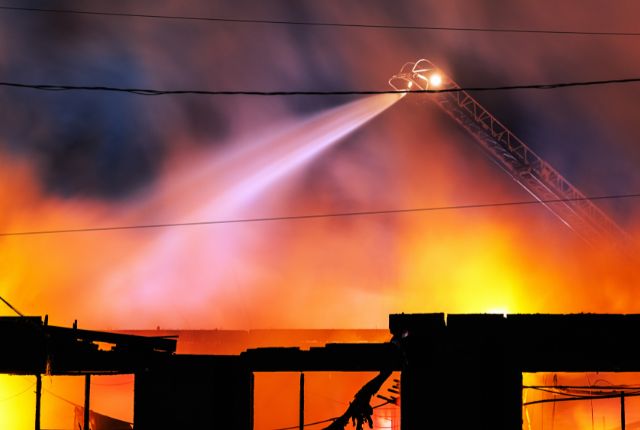
The One Meridian Plaza fire in Philadelphia burned for 19 hours and consumed eight floors of the 38-story office building. Three firefighters lost their lives in this blaze, making it one of the deadliest high-rise fires in American history for first responders. But the story of Meridian Plaza is also one of countless acts of courage that prevented the death toll from being far worse. Firefighters operated in conditions of extreme heat and near-total darkness, crawling through offices to search for trapped occupants while the fire raged on floors above them. Teams worked in relay, with fresh crews ascending as exhausted crews descended, maintaining a continuous firefighting effort that eventually contained the blaze.
The Meridian Plaza fire taught the firefighting community critical lessons about the limitations of high-rise firefighting. The building’s standpipe system — the internal water supply that firefighters depend on — failed during the fire, leaving crews without water on the upper floors. This failure directly contributed to the deaths of the three firefighters and prompted nationwide reforms in standpipe maintenance requirements and high-rise firefighting tactics. The courage of the Meridian Plaza firefighters, who continued to fight despite failing equipment and deteriorating conditions, set a standard that continues to inspire the profession today.
Ladder Company 6 at the World Trade Center: September 11, 2001
No discussion of high-rise firefighting courage can omit the events of September 11, 2001, when 343 members of the New York City Fire Department gave their lives responding to the World Trade Center attacks. Among the countless acts of heroism that day, the story of Ladder Company 6 stands out for its illustration of the human decisions that define high-rise firefighting. Captain Jay Jonas led his company up the north tower’s stairwell B, climbing floor after floor against the tide of evacuating office workers. When the south tower collapsed, Jonas made the decision to begin descending, but his team encountered Josephine Harris, a woman unable to continue down the stairs on her own.
Rather than leave Harris behind, the firefighters of Ladder 6 stayed with her, slowing their descent to match her pace. This decision — to prioritize the life of a stranger over their own speed of escape — placed them on the fourth floor when the north tower collapsed around them. Remarkably, the stairwell in which they sheltered survived the collapse, and all members of Ladder 6, along with Josephine Harris, were rescued from the rubble hours later. Their survival, born of a decision to help rather than to flee, became one of the most powerful stories of that devastating day and a testament to the ethos that drives fire service professionals worldwide.
The Grenfell Tower First Responders: London, 2017
When fire engulfed Grenfell Tower in the early hours of June 14, 2017, London Fire Brigade crews faced conditions that were almost unprecedented in modern British firefighting. The fire, fueled by combustible cladding on the building’s exterior, spread with extraordinary speed, eventually consuming the entire 24-story structure. Firefighters entered the building repeatedly, climbing smoke-filled stairwells to reach residents trapped on upper floors. Many crews operated far beyond the normal endurance limits, making multiple ascents in conditions of extreme heat and toxicity.
Individual acts of heroism during the Grenfell fire were numerous and profound. Firefighters carried children down blackened stairwells, guided disoriented residents through corridors they could not see, and returned again and again to floors they knew were becoming increasingly dangerous. Some firefighters suffered burns and smoke inhalation injuries that would affect them permanently. The psychological toll of the event — including the knowledge that despite their extraordinary efforts, 72 people died — has been devastating for many of the responders. Their courage in the face of an overwhelming disaster underscores both the heroism inherent in the firefighting profession and the critical importance of building fire safety systems that prevent such disasters from occurring in the first place.
Everyday Heroes: The Unreported Courage of High-Rise Firefighting
For every high-rise fire that makes international headlines, there are thousands of incidents that never appear in the news — fires confined to a single apartment, contained by sprinklers and professional response before they could become catastrophic. These “routine” high-rise fires still demand extraordinary courage from the firefighters who respond. A crew ascending a stairwell in a 30-story building to fight a kitchen fire on the 22nd floor faces many of the same physical and psychological challenges as crews responding to headline events. The heat, the weight of equipment, the uncertainty of what lies behind the next door — these are constants of high-rise firefighting regardless of the fire’s ultimate scale.
Building management teams and residents of high-rise buildings can honor the courage of firefighters by taking steps to make their jobs safer and more effective. Maintaining clear access to building standpipe connections, keeping stairwells free of obstructions, ensuring that fire alarm systems are functioning properly, and providing building floor plans to the local fire department are all practical actions that support firefighter safety. And at the individual level, being prepared to evacuate quickly and safely — with a practiced plan and appropriate equipment — means that firefighters can focus their extraordinary courage on the situations that truly require it.
Supporting the People Who Run Toward Danger
The stories of firefighter courage in high-rise fires remind us of a fundamental truth: when emergency strikes in a tall building, there are people who will risk their lives to save others. Supporting these heroes means more than gratitude — it means building and maintaining structures that are as safe as possible, equipping buildings with the systems that give firefighters the tools they need, and preparing ourselves so that the burden we place on these brave men and women is as light as it can be. Personal preparedness, including having emergency evacuation equipment and a practiced escape plan, is ultimately an act of respect for the firefighters who stand ready to help us — and a recognition that the best way to honor their courage is to do everything in our power to ensure they never have to exercise it on our behalf.
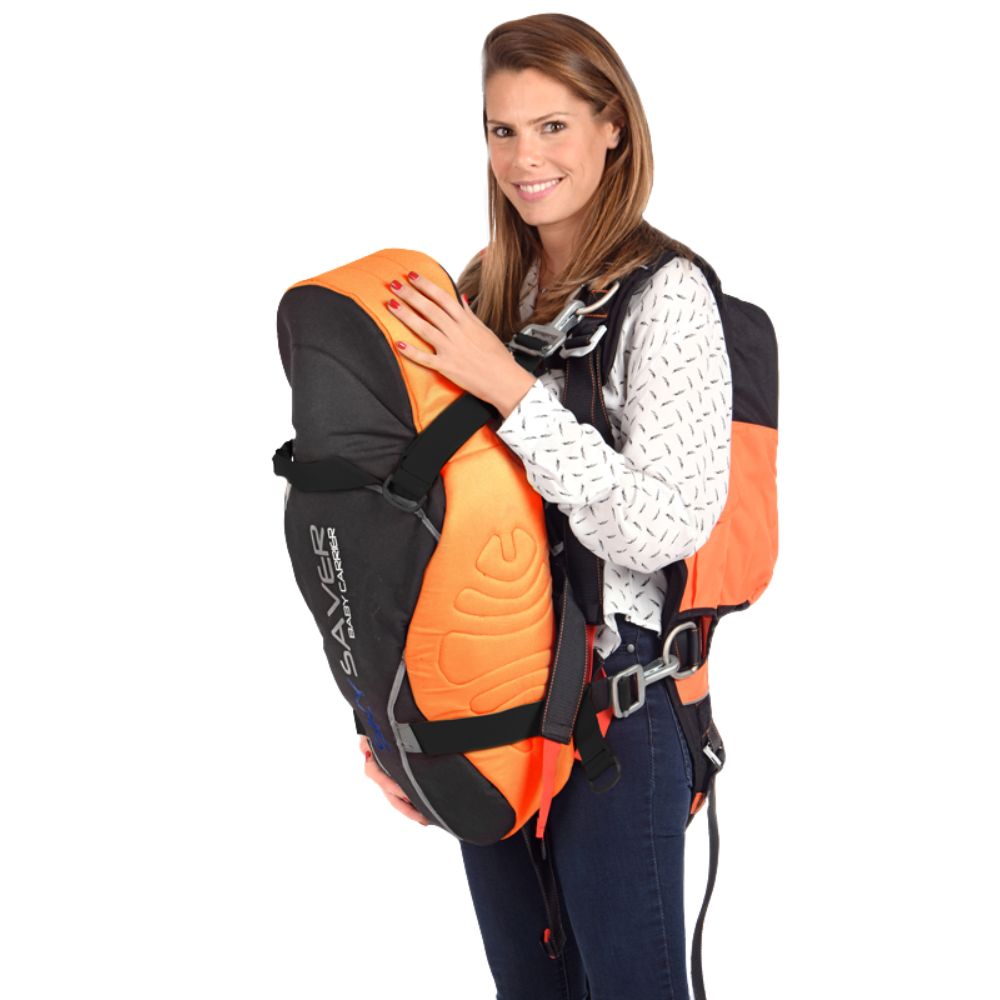
Attachable Baby Harness
Lightweight safety harness for fast and secure infant evacuation in high-rise emergencies.
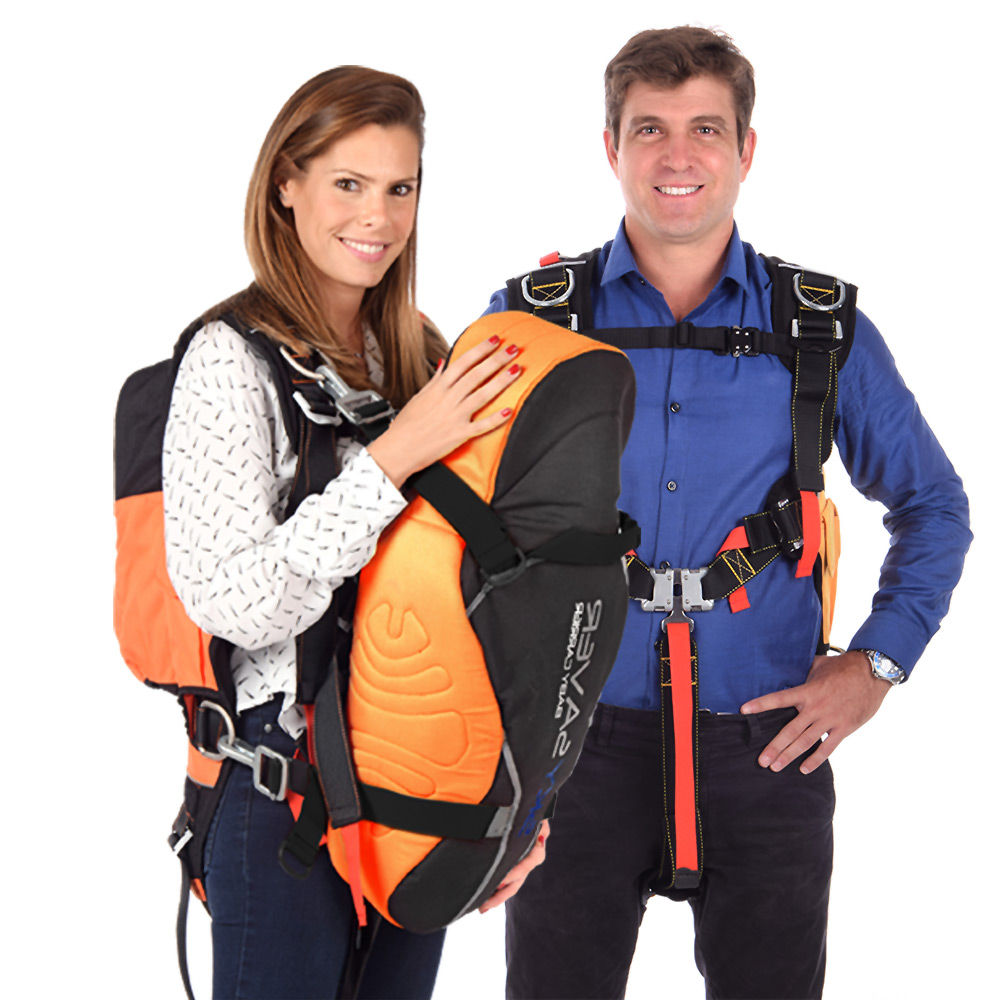
Parent Package
Complete emergency evacuation kit for the parent and dependant. Fast, safe descent from high-rise buildings.
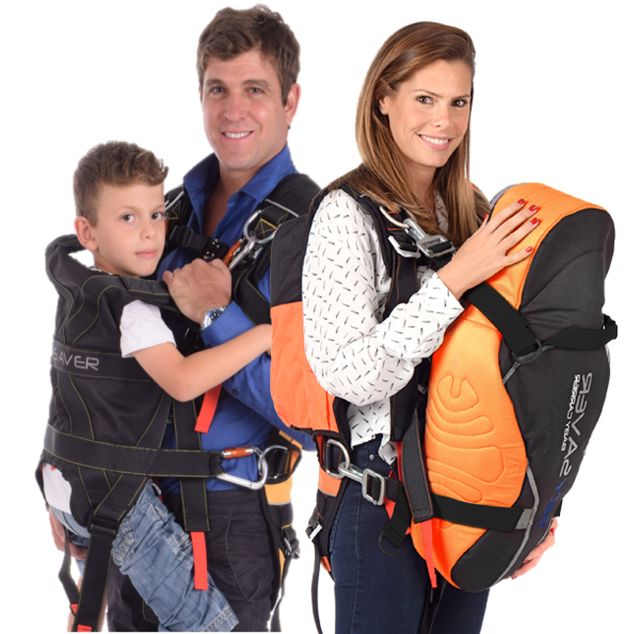
Parent Edition
Complete high-rise evacuation solution for a parent, maximum safety and fast deployment.
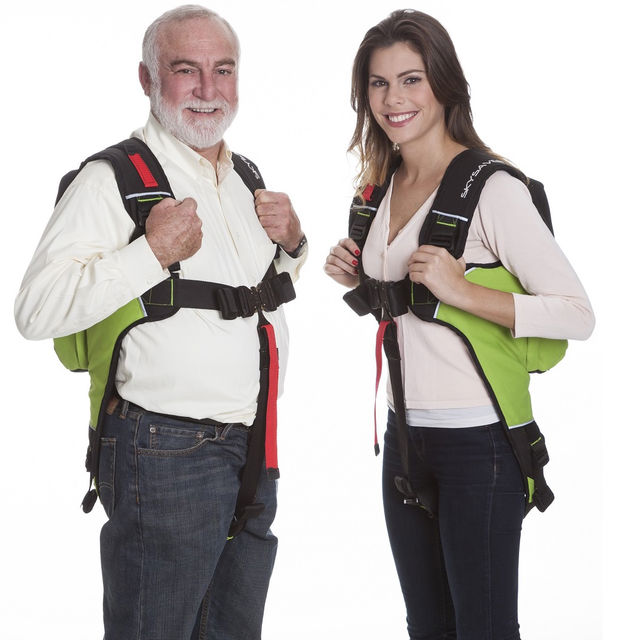
Single Self-Rescue Kit
Complete emergency evacuation kit for high-rise fast, safe descent during critical emergencies.
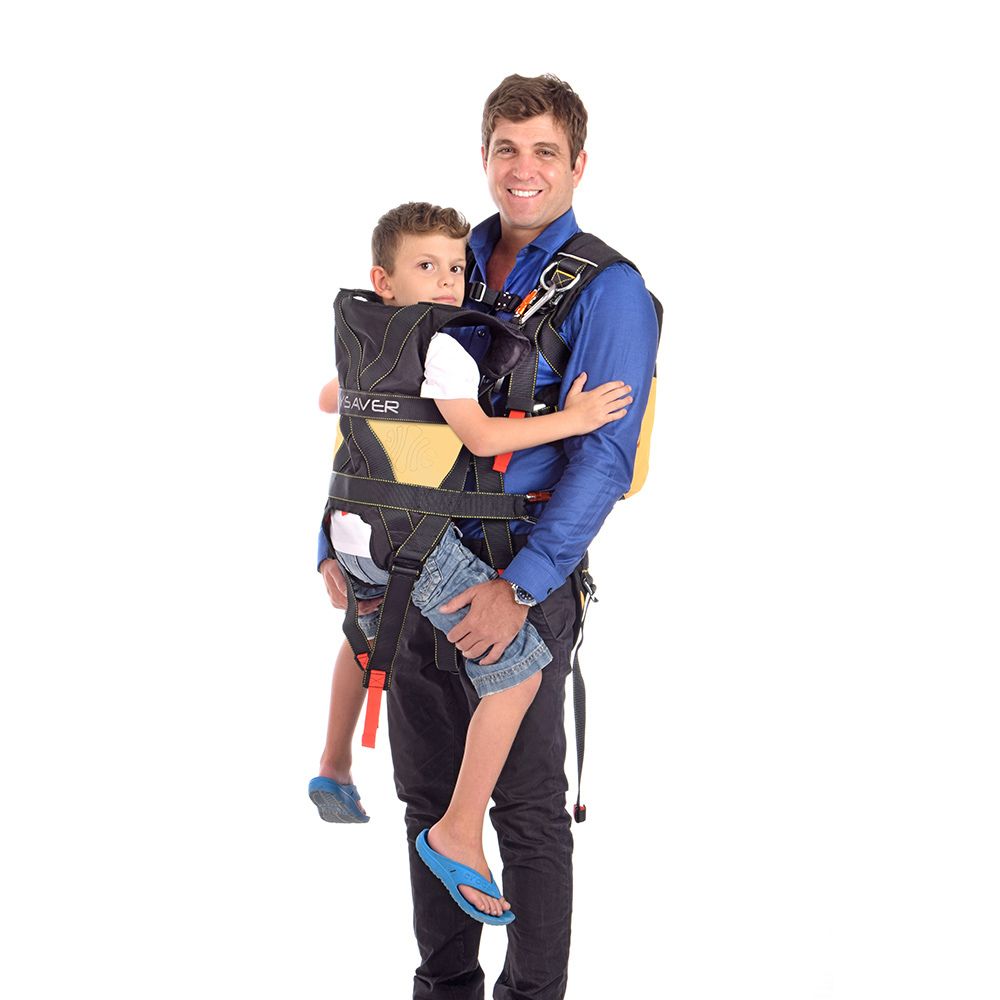
Attachable Child Harness
Lightweight child safety harness designed for secure, controlled evacuation from high-rise buildings.
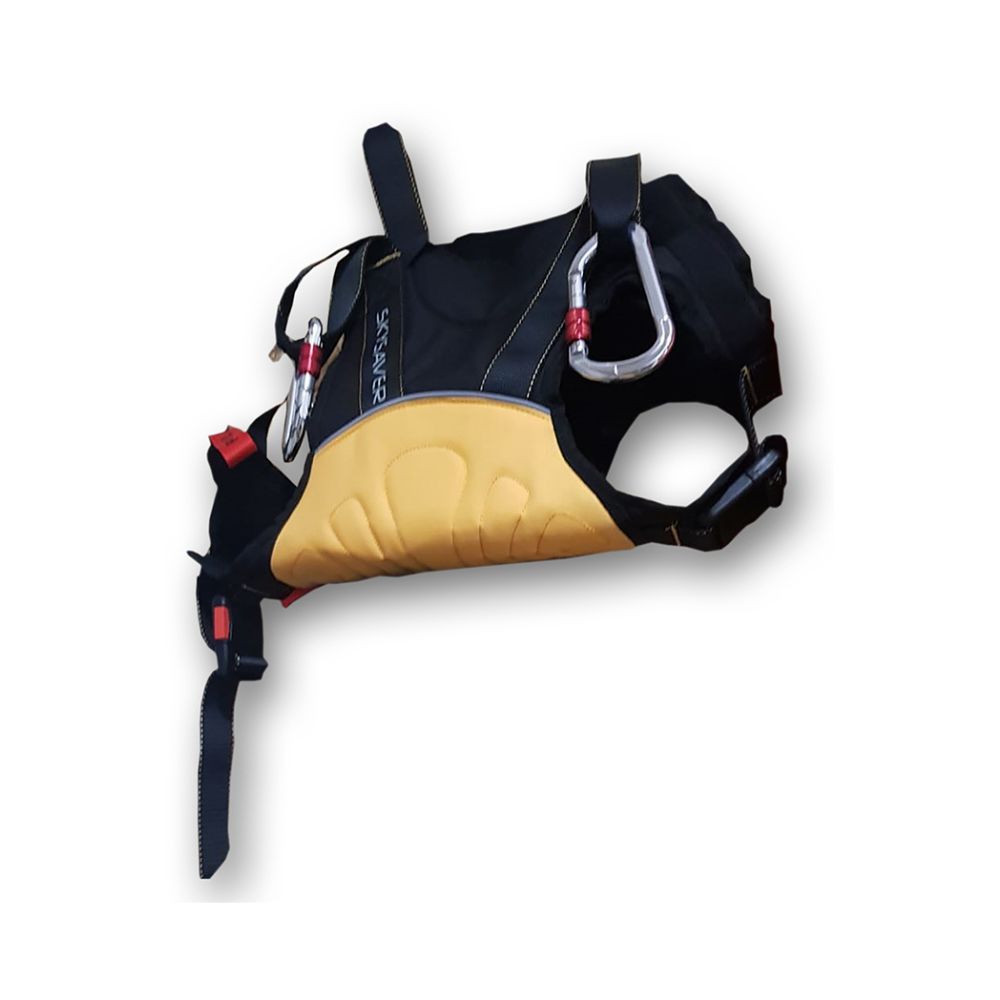
Attachable Pet Harnesses
Secure, lightweight safety harness designed for fast and controlled pet evacuation from high-rise buildings.

single Self-Rescue Harnesseses
Professional external safety harness for secure personal evacuation from high-rise buildings.
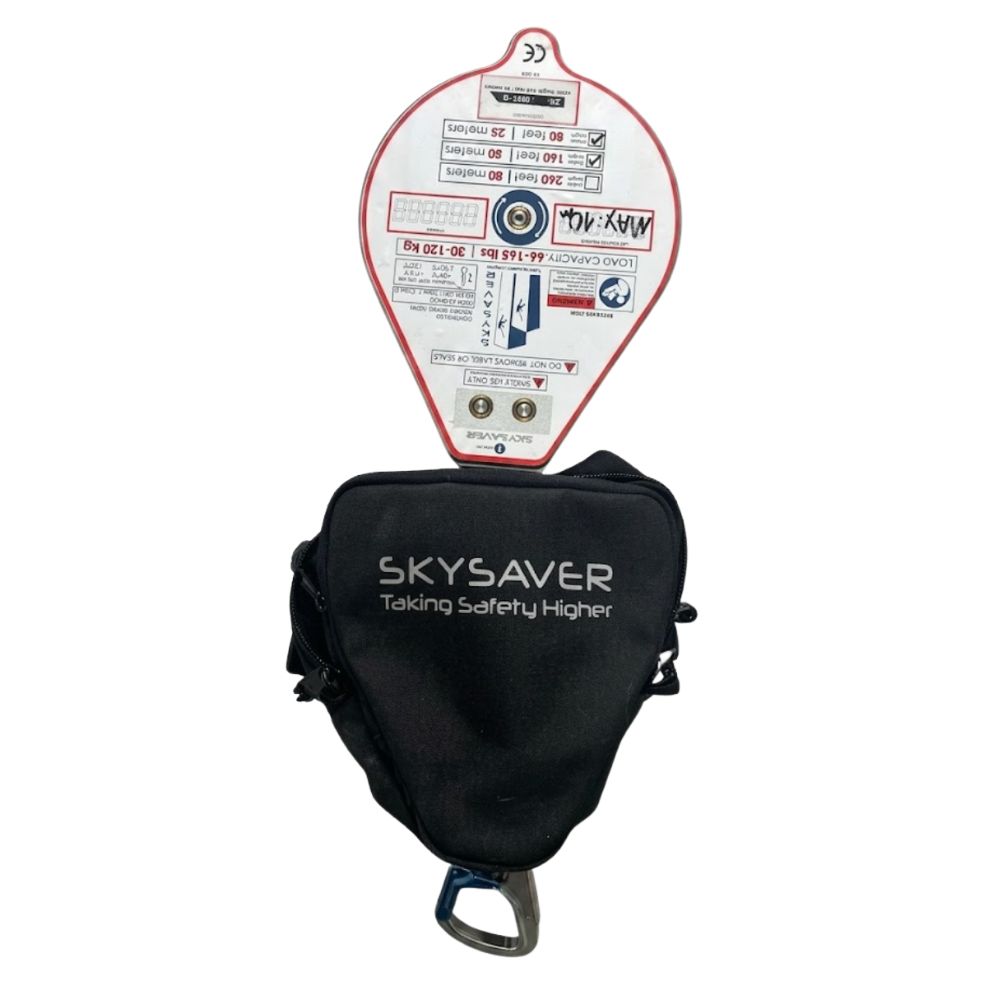
Controlled Descent Device (CDD)
External CDD unit for safe, controlled descent during high-rise emergency evacuation.