When conventional exit routes in a high-rise building are blocked by fire, smoke, or structural damage, personal evacuation devices become the last line of defense between life and death. The market offers three primary categories of personal escape equipment: manual rope descent devices, portable fire escape ladders, and controlled descent evacuation backpacks. Each approach to exterior evacuation carries its own set of advantages, limitations, and practical considerations. For anyone who lives or works above the reach of fire department ladders — typically above the seventh floor — understanding these differences is not an academic exercise. It is a decision that could determine survival in a genuine emergency.
The choice between these devices is influenced by factors that many people never consider until they are confronted with the reality of high-rise fire evacuation. Physical strength, height above ground, family composition, storage space, training requirements, and the speed of deployment all play roles in determining which device is most appropriate for a given situation. This comparison examines each category in depth, providing the information needed to make an informed decision about personal high-rise evacuation preparedness.
Manual Rope Descent Devices: The Traditional Approach
Manual rope descent devices represent the oldest form of personal exterior evacuation equipment. These systems typically consist of a rope, a friction-based braking mechanism, a harness or seat sling, and an anchor point attachment. The user secures the anchor to a fixed point near a window or balcony, dons the harness, and descends by controlling the rope’s movement through the braking mechanism. The technology is proven, and in skilled hands, a manual rope descent can be performed quickly and efficiently.
However, the critical limitation of manual rope descent devices lies in the skill requirement. Operating these devices safely requires training, physical strength, and the ability to remain calm while hanging from a rope at considerable height. In the stress of a real fire emergency, with smoke billowing from windows and adrenaline flooding the body, the fine motor control and clear thinking required for safe manual descent can be severely compromised. Studies of emergency behavior have consistently shown that panic significantly degrades physical coordination, precisely when it is needed most. For elderly residents, children, individuals with disabilities, or anyone without regular practice, manual rope descent devices present significant usability challenges that can transform an escape attempt into a secondary emergency.
The training burden associated with manual descent devices is another practical concern. Without regular practice — ideally several times per year — the skills required for safe operation deteriorate. Building management teams that invest in manual descent equipment must also invest in ongoing training programs, and there is no guarantee that every resident will participate or retain the skills when months or years pass between practice sessions. The reality of human behavior suggests that most high-rise residents will never practice with a manual descent device at all, rendering the equipment effectively useless when it is needed.
Portable Fire Escape Ladders: Familiar but Limited
Portable fire escape ladders are perhaps the most intuitive emergency escape device. The concept is simple: a chain or cable ladder that hooks onto a windowsill, providing a climbable path down the exterior of the building. For low-rise applications — homes and buildings up to three or four stories — portable ladders are a practical and affordable evacuation option. They require minimal training, deploy quickly, and leverage the natural human ability to climb.
The fundamental problem with portable fire escape ladders in a high-rise context is height. A ladder suitable for a two-story home weighs a few pounds and stores compactly. A ladder long enough to reach from the 15th floor to the ground would weigh hundreds of pounds, require massive storage space, and present extreme climbing endurance challenges. The physical demands of descending a chain ladder for 150 feet or more — gripping rungs, supporting body weight, maintaining coordination in wind and smoke — exceed the capabilities of most people, including fit adults. For high-rise buildings, portable ladders are simply not a viable primary evacuation device.
Even at moderate heights, portable ladders carry risks that are amplified by emergency conditions. The ladder hangs flat against the building exterior, requiring the climber to navigate around window ledges, architectural features, and potentially other evacuees. Wind at height can swing the ladder unpredictably. The physical effects of smoke inhalation — dizziness, weakened grip, impaired coordination — make ladder climbing particularly dangerous. And unlike rope descent devices, ladders cannot be used by multiple people simultaneously from the same anchor point, creating bottlenecks in multi-occupant apartments.
Controlled Descent Evacuation Backpacks: The Modern Solution
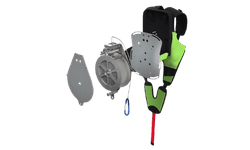
Controlled descent evacuation backpacks represent the most recent innovation in personal high-rise evacuation technology. These devices, exemplified by the SkySaver rescue backpack, combine a high-strength cable, an automatic braking mechanism, and an ergonomic harness into a compact, wearable package. The key differentiator of this technology is the word “automatic” — the descent speed is controlled by the device’s internal mechanism, not by the user’s skill, strength, or composure. The user simply attaches the anchor, puts on the harness, and steps off the ledge. The device manages everything else.
This automation addresses the single greatest weakness of manual descent devices and ladders: the human factor. During a high-rise fire emergency, the user of a controlled descent backpack does not need to remember training, maintain grip strength, or manage rope friction. The device descends at a safe, consistent speed regardless of the user’s physical condition, emotional state, or experience level. This makes controlled descent backpacks suitable for the full spectrum of high-rise occupants — from young children secured in a shared harness to elderly residents, from experienced building workers to visitors who have never used any evacuation device before.
The practical advantages of the backpack format extend beyond the descent itself. Storage is straightforward — the device sits in a standard-sized backpack that can be stored in a closet, under a bed, or mounted on a wall near a window. Deployment requires minimal steps: open the backpack, attach the anchor to a secure point, put on the harness, and go. In an emergency where seconds determine outcomes, this simplicity is not a convenience — it is a survival advantage. The device can also be used for multiple descents in some configurations, allowing one unit to evacuate several family members sequentially.
Head-to-Head Comparison: What Matters Most in a Real Emergency
When comparing these three evacuation technologies, the factors that matter most are those that influence outcomes in actual emergency conditions, not in controlled demonstrations. Training requirements favor the controlled descent backpack, which requires minimal instruction compared to manual rope devices. Height capability eliminates portable ladders from high-rise consideration entirely. Physical demand favors the automatic backpack, which requires almost no sustained physical effort from the user. Deployment speed is comparable between rope devices and backpacks, but the backpack’s automatic operation eliminates the risk of deployment errors under stress.
The suitability for diverse users is perhaps the most important differentiator. A high-rise household may include small children, elderly grandparents, pets, and individuals with varying physical capabilities. Manual rope descent devices cannot serve this diversity without extensive individual training. Portable ladders are physically impossible for many. The controlled descent backpack, with its automatic operation and adaptable harness system, is the only technology that credibly serves the full range of people who might need to evacuate a high-rise building in an emergency.
Making the Right Choice for Your Situation
The decision between evacuation devices ultimately comes down to a clear-eyed assessment of what will actually work when flames are approaching and panic is setting in. For trained professionals who maintain regular practice — such as high-rise building maintenance teams or specialized workers — manual rope descent devices remain a viable option, provided they have the discipline to keep their skills current. For the vast majority of high-rise residents, however, the controlled descent backpack offers the most reliable combination of ease of use, broad suitability, and proven performance under the conditions that actually prevail during high-rise emergencies.
No evacuation device is a substitute for a comprehensive fire safety plan that includes functioning smoke detectors, practiced evacuation routes, and clear communication among household members. But when those primary systems fail — when the stairwell is filled with smoke and the corridor is impassable — having the right personal evacuation device within reach transforms a desperate situation into a survivable one. In that critical moment, the device that works without training, without strength, and without composure is the device that saves lives.
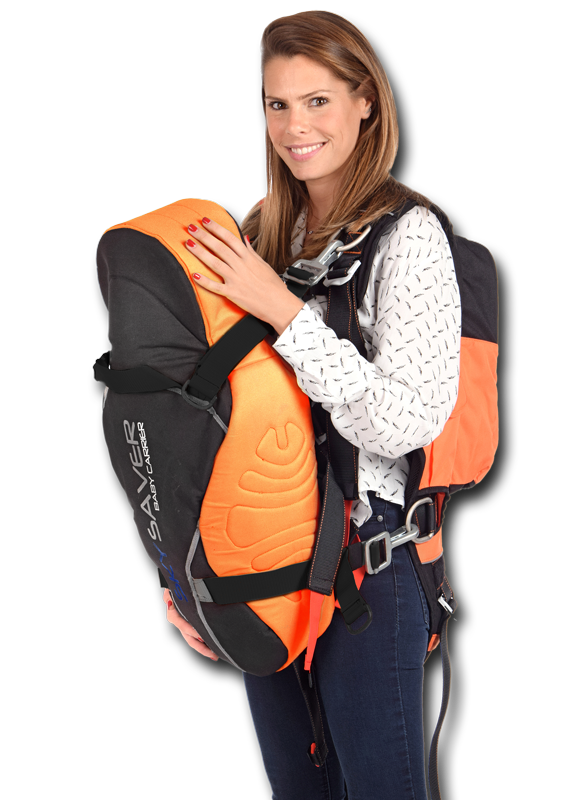
Attachable Baby Harness
Lightweight safety harness for fast and secure infant evacuation in high-rise emergencies.
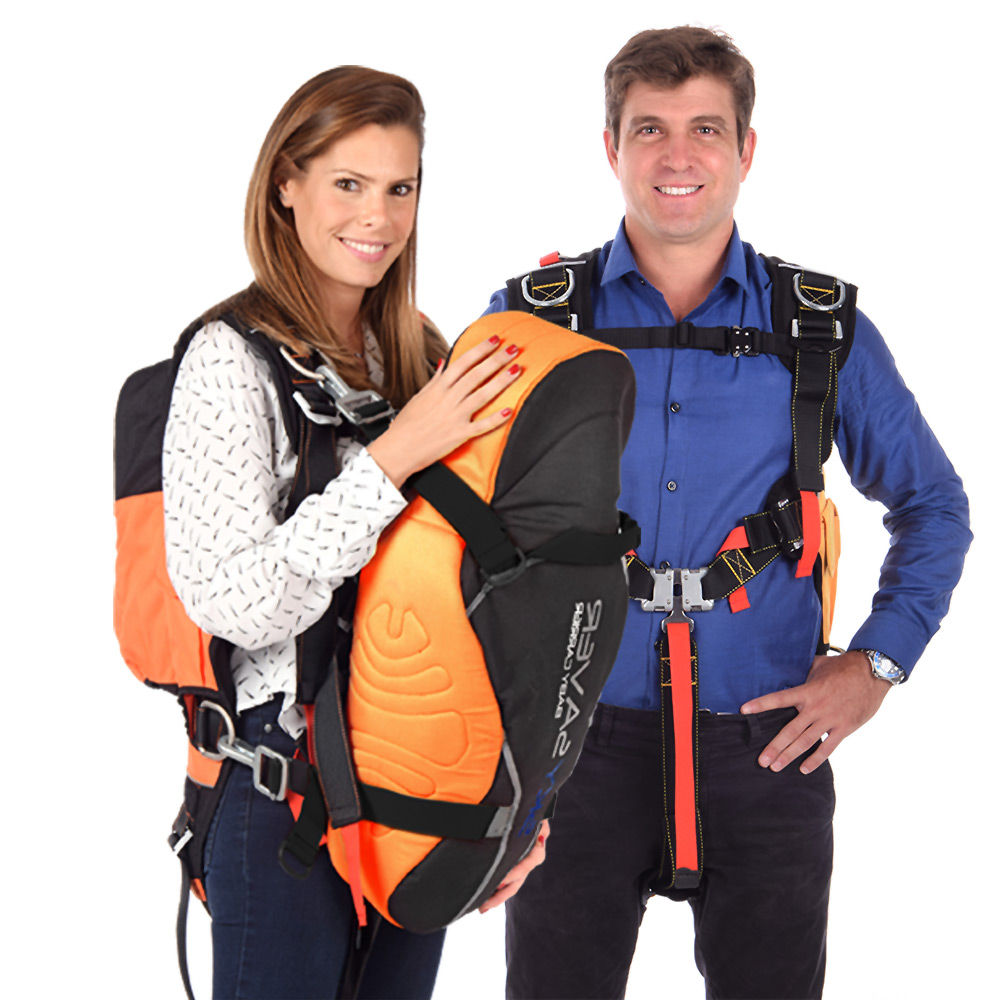
Parent Package
Complete emergency evacuation kit for the parent and dependant. Fast, safe descent from high-rise buildings.
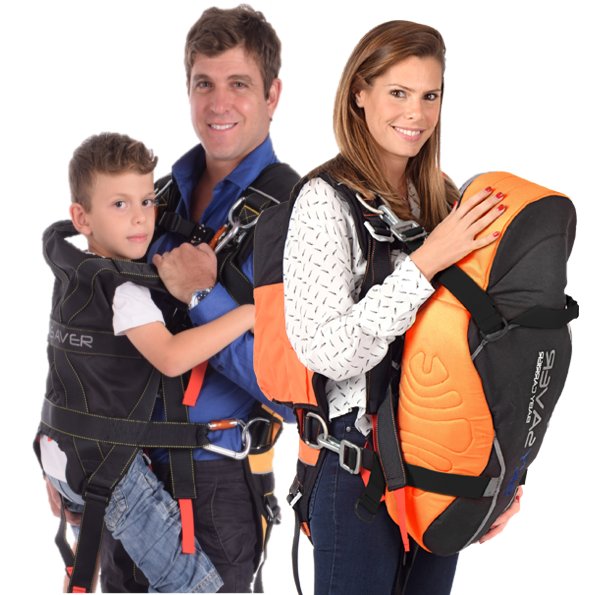
Parent Edition
Complete high-rise evacuation solution for a parent, maximum safety and fast deployment.

Single Self-Rescue Kit
Complete emergency evacuation kit for high-rise fast, safe descent during critical emergencies.
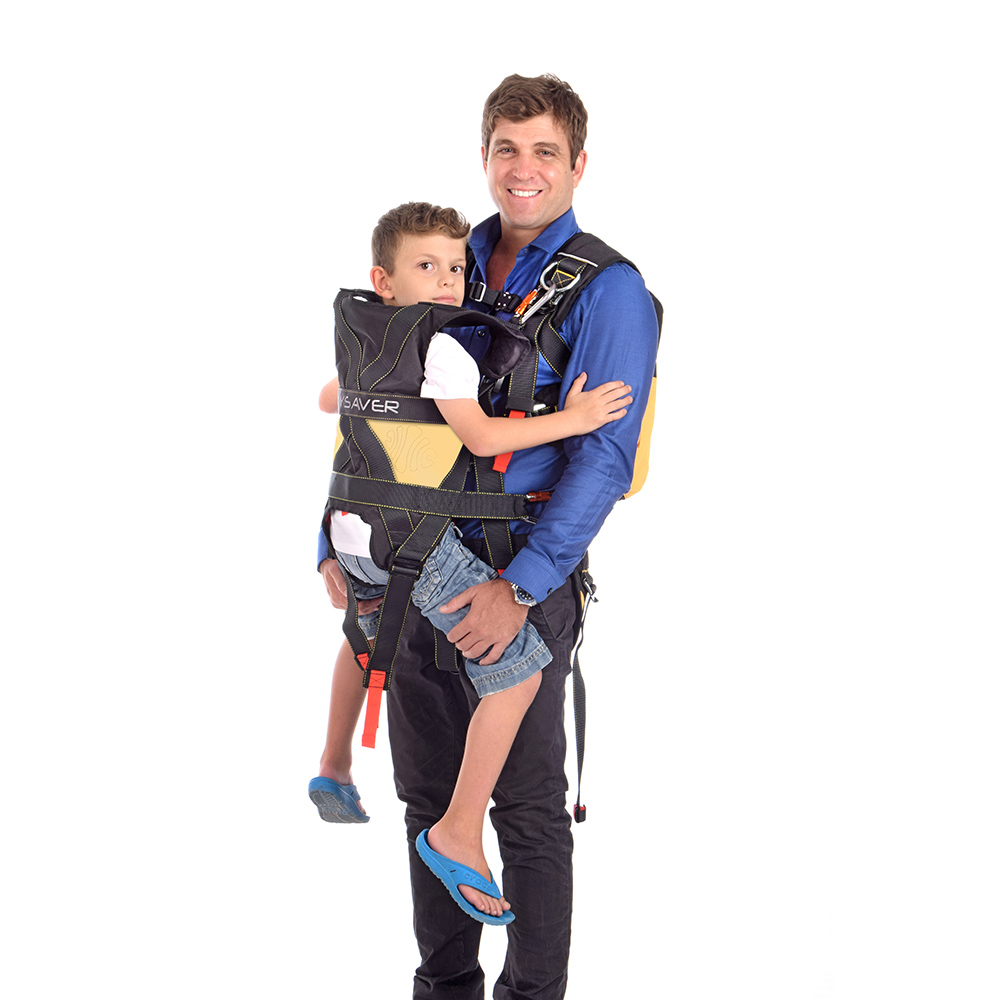
Attachable Child Harness
Lightweight child safety harness designed for secure, controlled evacuation from high-rise buildings.
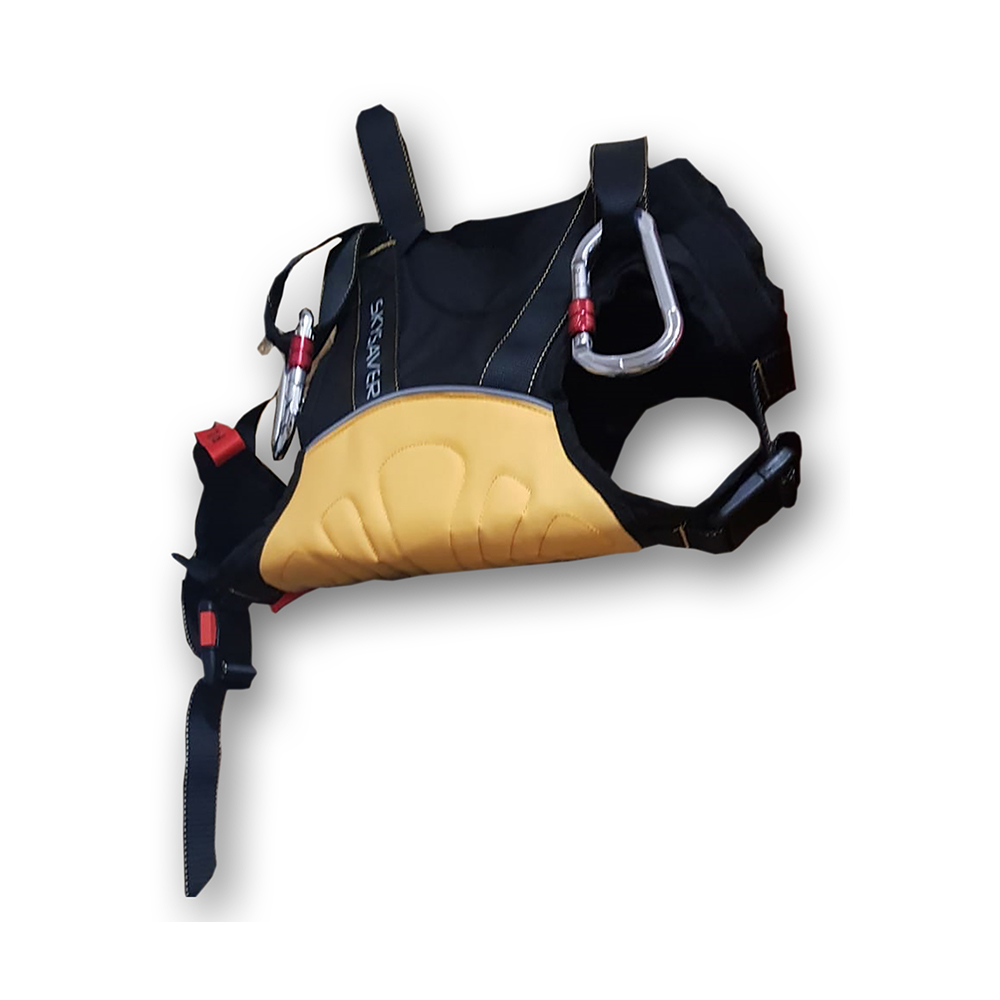
Attachable Pet Harnesses
Secure, lightweight safety harness designed for fast and controlled pet evacuation from high-rise buildings.

single Self-Rescue Harnesseses
Professional external safety harness for secure personal evacuation from high-rise buildings.
Controlled Descent Device (CDD)
Advanced backpack-based evacuation unit with harness attachment option for high-rise emergencies.