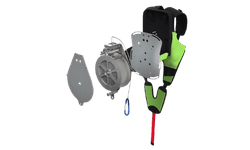
The concept of personal safety in high-rise buildings has traditionally been limited to knowing your evacuation routes and hoping the building’s fire safety systems work as designed. But a new generation of wearable safety devices is shifting the paradigm from passive hope to active protection. These technologies — ranging from air quality monitors worn on clothing to personal location beacons and emergency communication devices — are giving high-rise workers and residents an unprecedented level of individual safety awareness. In an environment where emergency evacuation can be complicated by height, crowd density, and building complexity, wearable safety technology is becoming an essential layer of personal protection.
The modern high-rise building is a vertical city, and like any city, its residents and workers face a range of potential emergencies that demand rapid, informed responses. Fire, smoke inhalation, carbon monoxide exposure, structural emergencies, and even medical events can all occur in these environments. Wearable safety devices address these threats by providing real-time monitoring, instant alerting, and in some cases, life-saving intervention directly on the wearer’s person. For high-rise construction workers, building maintenance teams, and residents of upper floors where conventional rescue may be delayed, these devices represent a critical advancement in personal safety.
Personal Air Quality Monitors: Breathing Safe in High-Rise Environments
Among the most practical wearable safety devices for high-rise occupants are personal air quality monitors. These compact devices, typically clipped to clothing or worn on a lanyard, continuously measure the concentration of harmful gases in the air immediately surrounding the wearer. Unlike fixed building detectors that monitor specific locations, personal monitors travel with the individual, providing protection in corridors, stairwells, elevators, and any space the wearer enters.
The value of personal air quality monitoring becomes apparent in scenarios where building-level detection has gaps. Carbon monoxide, the silent killer in building fires, can accumulate in pockets and corridors that are not directly monitored by fixed detectors. A personal CO monitor can alert a resident to dangerous concentrations as they move through the building during an evacuation, potentially preventing them from entering a fatally contaminated corridor or stairwell. For building maintenance workers who regularly access mechanical rooms, utility chases, and other spaces where gas accumulation is more likely, these devices provide continuous protection throughout their workday.
Personal Location Beacons and Emergency Communication Devices
In a high-rise emergency, one of the most critical challenges for rescue teams is locating trapped or injured occupants within the vast three-dimensional space of the building. Personal location beacons — small devices that transmit a signal detectable by rescue equipment — can dramatically reduce search times and help firefighters prioritize their efforts. These devices, originally developed for maritime and aviation safety, have been adapted for building environments where GPS signals are often blocked by structural elements.
Modern personal safety beacons for high-rise use employ a combination of radio frequency, Bluetooth Low Energy, and ultra-wideband technologies to provide location accuracy within a few meters, even inside concrete and steel structures. When activated during an emergency, these beacons transmit the wearer’s approximate floor and position within the building, allowing rescue teams to navigate directly to trapped occupants rather than conducting time-consuming floor-by-floor searches. For residents of upper floors where being trapped during a fire is a real possibility, a personal beacon can mean the difference between timely rescue and being overlooked in the chaos of a large-scale emergency response.
Smart Watches and Health Monitoring During Emergencies
Consumer smart watches have evolved into surprisingly capable emergency safety devices. Modern smartwatches include features directly relevant to high-rise emergency scenarios: fall detection that automatically contacts emergency services, heart rate monitoring that can detect stress-induced cardiac events, blood oxygen sensors that can identify smoke inhalation effects, and emergency SOS functions that transmit location data to first responders. During a fire evacuation, these health monitoring capabilities can identify medical emergencies in real time, alerting both the wearer and building management to individuals who may need assistance.
The integration of smartwatch data with smart building systems opens additional possibilities. A smartwatch that detects a sudden fall in blood oxygen levels can alert building management that a specific resident may be experiencing smoke inhalation, triggering targeted intervention even if the resident is unable to call for help. During mass evacuations, aggregated anonymized health data from multiple smartwatches could help emergency coordinators identify floors or stairwells where people are experiencing distress, enabling real-time resource deployment to where it is needed most.
Personal Protective Equipment: Compact Smoke Hoods and Escape Masks
Wearable protection extends beyond electronic devices to include personal protective equipment designed specifically for fire evacuation. Compact smoke hoods — lightweight filtering devices that can be stored in a pocket, purse, or desk drawer — provide critical respiratory protection during the transition from a safe environment to an escape route. These devices filter out the most dangerous components of fire smoke, including carbon monoxide and hydrogen cyanide, giving the wearer a window of breathable air during evacuation through smoke-filled corridors.
The latest generation of personal smoke hoods represents a significant improvement over earlier designs. They deploy in seconds, require no training to use, and provide 15 to 30 minutes of filtered breathing — more than enough time for most high-rise evacuations. For residents who live on upper floors and face longer evacuation distances through potentially smoke-contaminated stairwells, a personal smoke hood stored near the apartment entrance can be a life-saving accessory. Building management teams are increasingly recognizing the value of these devices, with some progressive high-rise buildings providing smoke hoods in common area emergency cabinets alongside fire extinguishers and first aid kits.
Personal Evacuation Devices: The Ultimate Wearable Safety Solution
At the intersection of wearable technology and emergency evacuation lies the personal descent device — arguably the most impactful wearable safety innovation for high-rise living. Unlike devices that monitor, alert, or protect, personal descent devices provide an actual escape capability when all other options have failed. The SkySaver rescue backpack exemplifies this category: a compact, wearable device that enables controlled descent from any floor of a high-rise building through a window or balcony, bypassing blocked stairwells, inoperative elevators, and fire-compromised corridors entirely.
The value proposition of a personal descent device is uniquely compelling because it addresses the fundamental vulnerability of high-rise living — the dependence on the building’s internal infrastructure for evacuation. Every other evacuation method requires functioning stairwells, operable elevators, or accessible corridors. When fire, structural damage, or overcrowding compromises these systems, occupants above the fire can find themselves without options. A personal descent device worn or stored within arm’s reach provides an independent evacuation capability that no building system failure can eliminate.
Building a Personal Wearable Safety Ecosystem
The most effective approach to personal safety in a high-rise environment combines multiple wearable technologies into an integrated ecosystem. A personal air quality monitor provides early warning of atmospheric dangers. A smart watch monitors health status and provides emergency communication. A compact smoke hood offers respiratory protection during evacuation. And a personal descent device ensures an escape route exists even when the building itself cannot provide one. Together, these devices create layers of protection that dramatically improve survival odds in any high-rise emergency scenario.
The investment in personal wearable safety devices is modest compared to the protection they provide. For high-rise workers and residents, these technologies represent a fundamental shift in the relationship between individuals and building safety — from passive reliance on building systems to active, personal preparedness. In a world where fires, natural disasters, and building emergencies remain ever-present risks, the ability to carry your safety with you is not just reassuring. It is transformative.
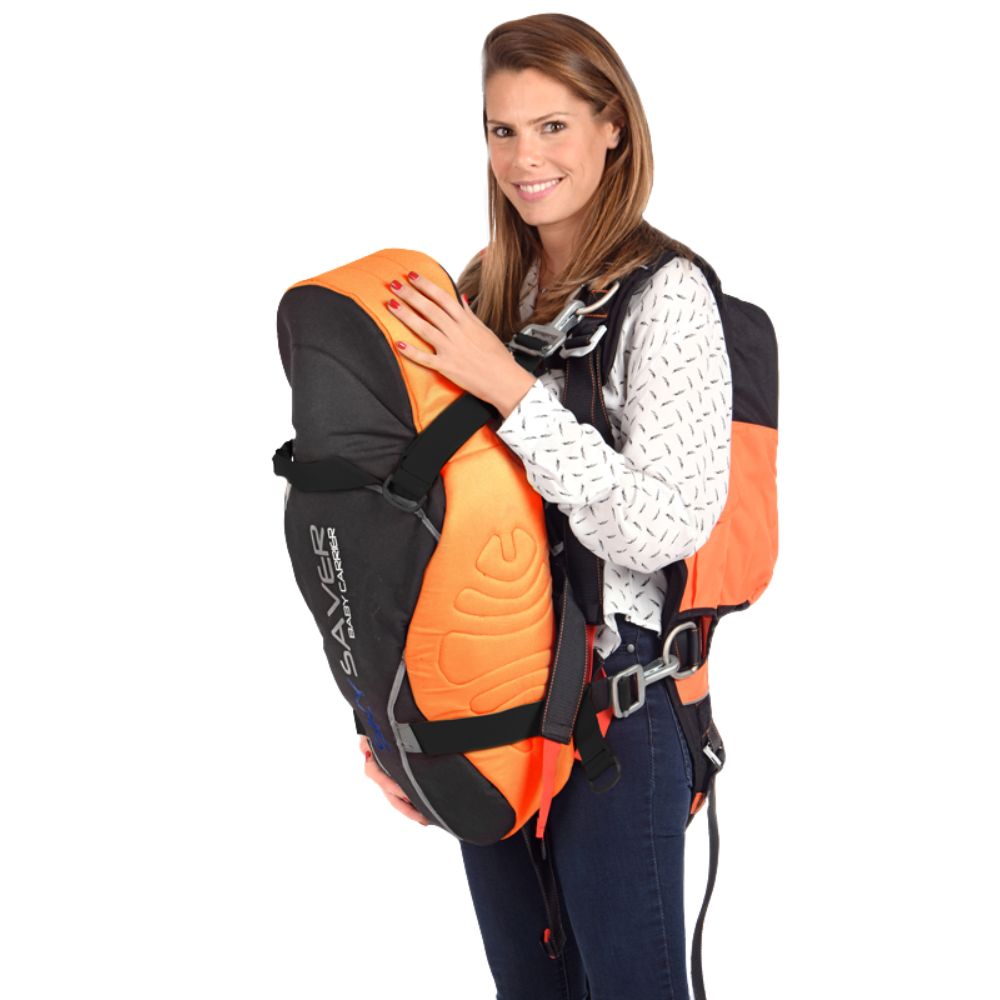
Attachable Baby Harness
Lightweight safety harness for fast and secure infant evacuation in high-rise emergencies.
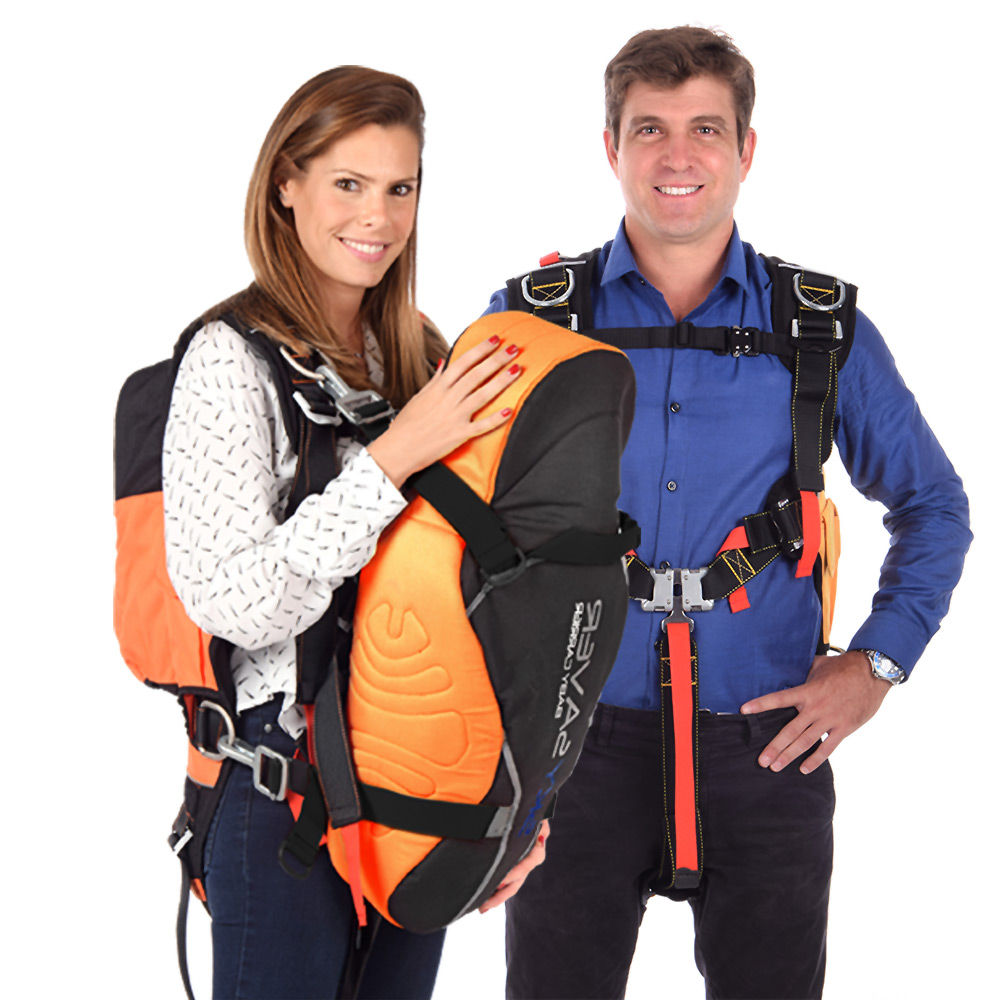
Parent Package
Complete emergency evacuation kit for the parent and dependant. Fast, safe descent from high-rise buildings.
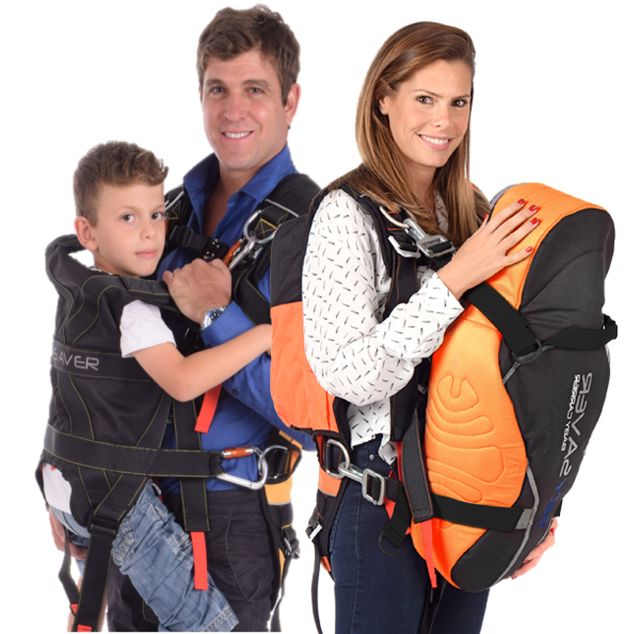
Parent Edition
Complete high-rise evacuation solution for a parent, maximum safety and fast deployment.
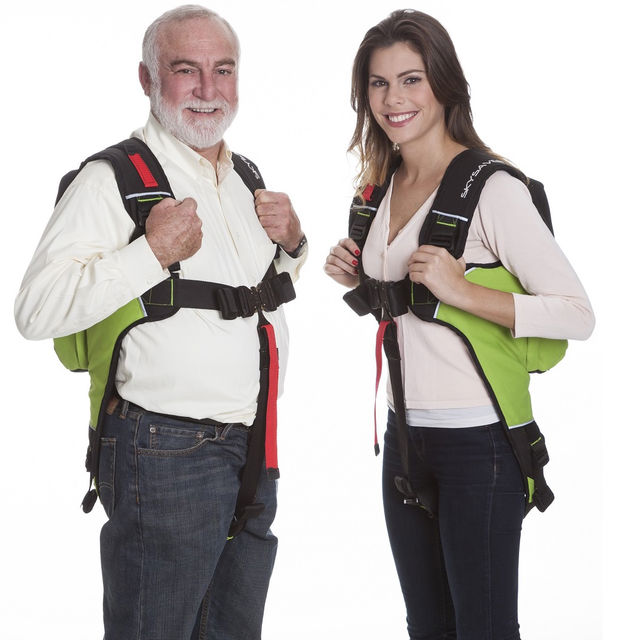
Single Self-Rescue Kit
Complete emergency evacuation kit for high-rise fast, safe descent during critical emergencies.
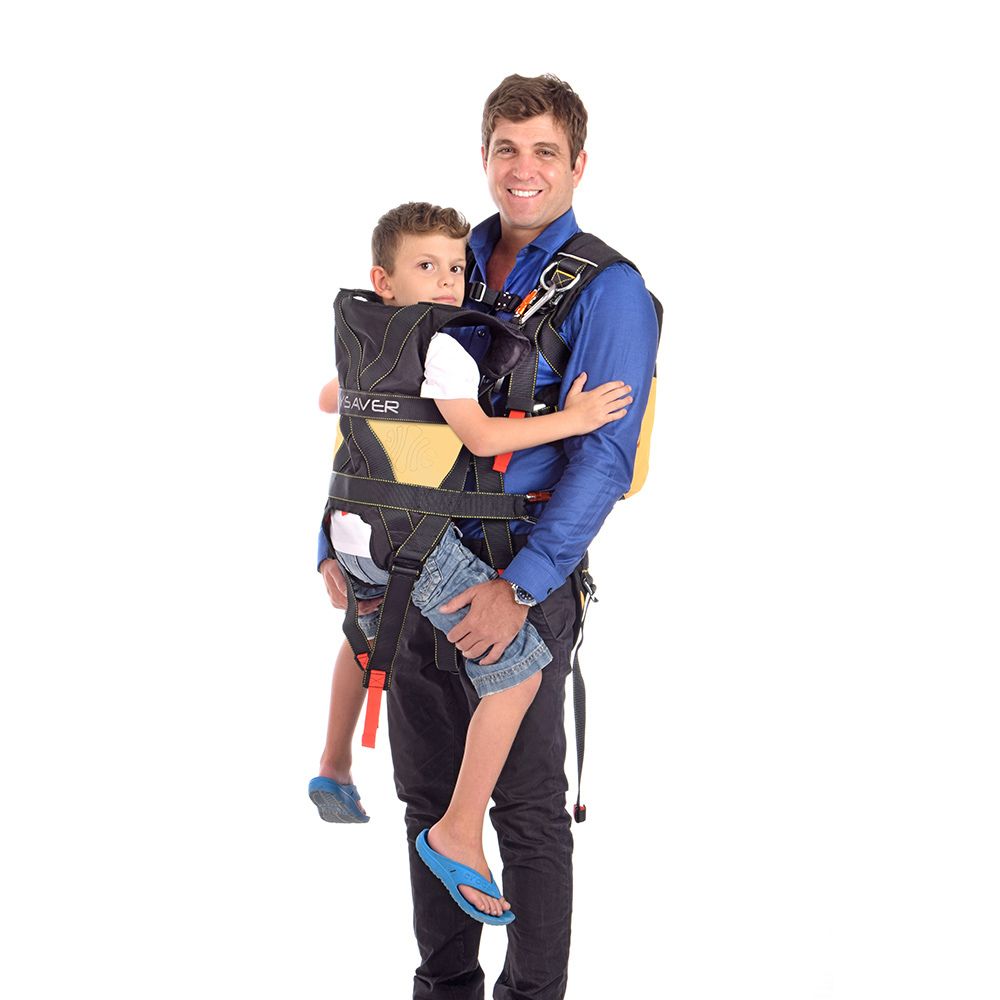
Attachable Child Harness
Lightweight child safety harness designed for secure, controlled evacuation from high-rise buildings.
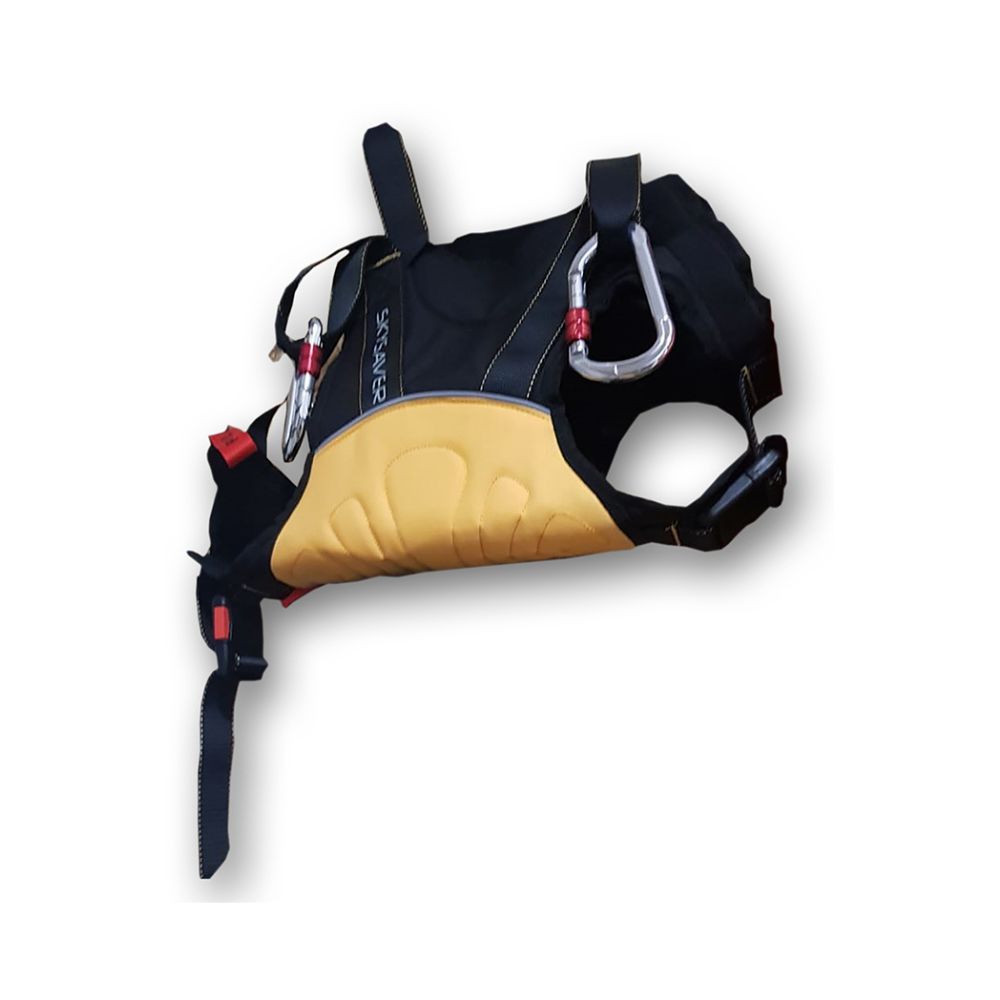
Attachable Pet Harnesses
Secure, lightweight safety harness designed for fast and controlled pet evacuation from high-rise buildings.
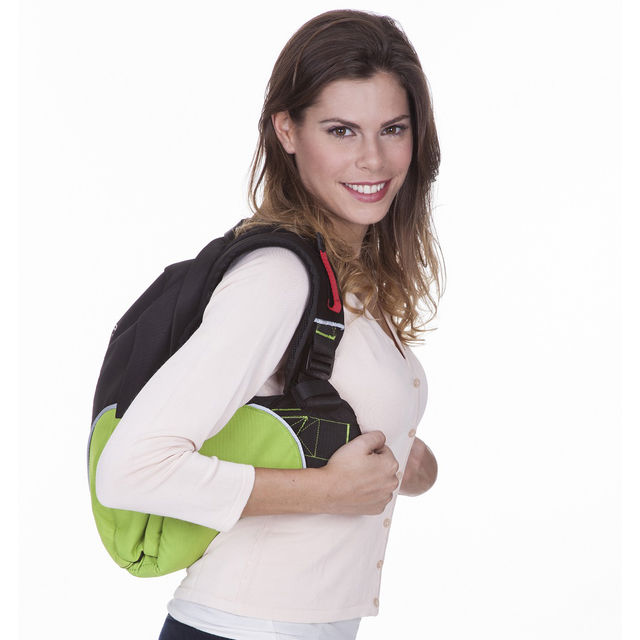
single Self-Rescue Harnesseses
Professional external safety harness for secure personal evacuation from high-rise buildings.
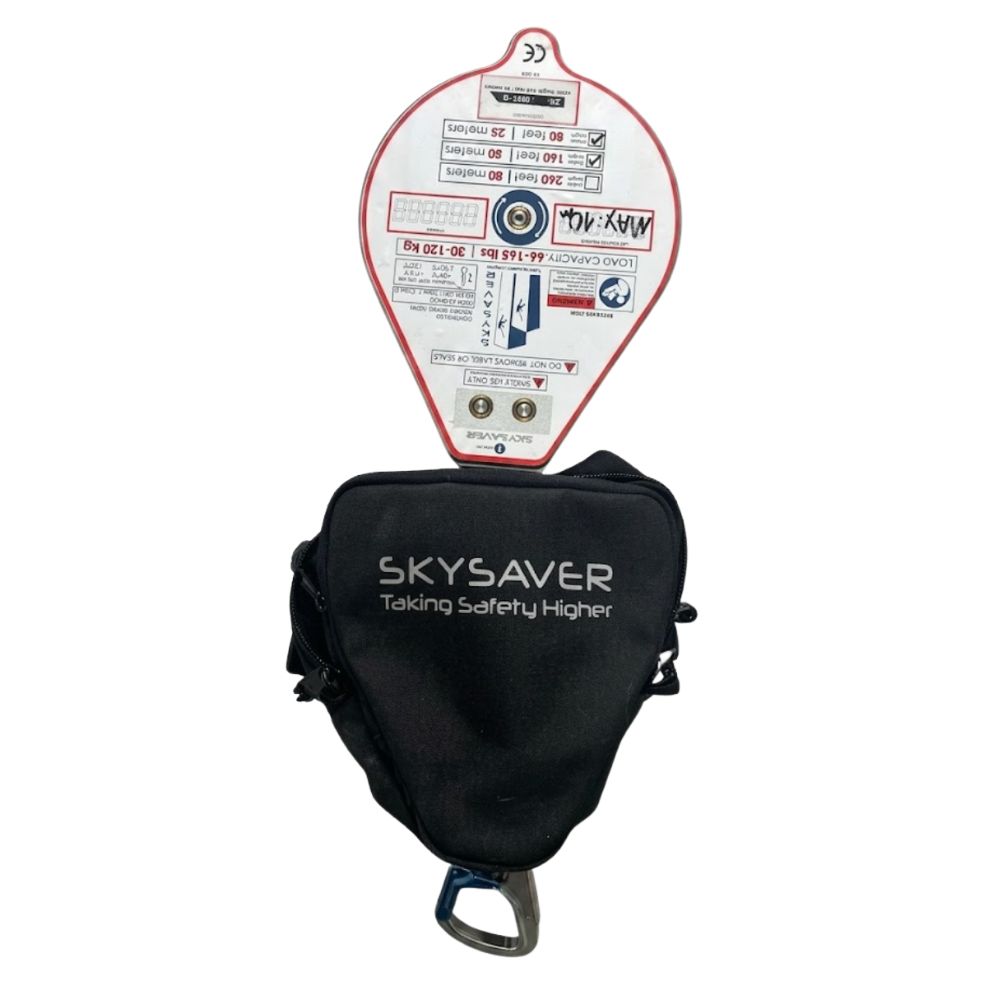
Controlled Descent Device (CDD)
External CDD unit for safe, controlled descent during high-rise emergency evacuation.