When a fire alarm sounds in your building, you have seconds — not minutes — to make decisions that could determine whether you and your family escape safely. The idea of a 60-second survival checklist is not about packing a bag while your building burns. It is about knowing in advance what matters most, having those items accessible, and executing a rehearsed plan with speed and precision. In a building fire, every second you spend deliberating is a second of exposure to smoke, heat, and escalating danger.
Fire safety experts consistently emphasize that the number one priority during any fire is immediate evacuation. Nothing you own is worth your life. But the reality is that certain items — if kept in the right place and grabbed in a single motion — can significantly improve your chances of survival and your ability to recover after the emergency is over. The key is preparation, not improvisation.
What Belongs in Your Emergency Go-Bag
An emergency go-bag is a small, pre-packed bag that sits near your front door or in an easily accessible location. It should be ready at all times and never used for other purposes. The contents should be minimal, focused, and updated periodically. A good emergency go-bag for a high-rise resident includes identification documents or copies stored in a waterproof sleeve, a fully charged portable phone charger, essential prescription medications, a small flashlight, your apartment and car keys, a small amount of cash, and a written card with emergency contact numbers in case your phone is damaged or lost.
For families with infants, add a small supply of formula or breast milk, diapers, and a pacifier. For pet owners, keep a leash, carrier, or harness near the go-bag so you can secure your animal without searching the apartment. The entire bag should weigh no more than a few pounds — light enough to carry down a stairwell without slowing you down or compromising your balance.
Where to Keep Your Go-Bag
Location is everything. Your go-bag should be stored within arm’s reach of your primary exit — ideally hanging on a hook next to your front door or sitting on a shelf in the entryway closet. If you need to walk across your apartment to retrieve it, it is in the wrong place. In a fire, visibility can drop to zero within seconds as smoke fills a room. The path between your bedroom and your front door should be the only distance you need to cover, and your go-bag should be something you can grab without stopping. Understanding high-rise evacuation procedures includes knowing that speed through corridors and stairwells is your greatest asset.
The Decision Framework: What to Take and What to Leave
In the heat of an emergency, the temptation to save valuables, electronics, or sentimental items can be overwhelming. Resist it. The 60-second survival checklist is built on a simple hierarchy: people first, then essential survival items, then nothing else. If grabbing your go-bag adds more than five seconds to your evacuation time, leave it. If a family member or pet needs your hands free, leave the bag. If the corridor is already filled with smoke, leave everything and focus entirely on getting out.
This decision framework needs to be discussed and agreed upon by every member of your household before an emergency occurs. Children and teenagers, in particular, may instinctively reach for phones, laptops, or favorite possessions. Having a pre-established rule — we take the go-bag and nothing else — eliminates the dangerous deliberation that costs precious seconds. Knowing how to behave during a fire means making these decisions in advance, not in the moment.
Your Most Important Survival Tool Is Not in a Bag
While a go-bag is a practical and sensible preparation, the most important tool in any fire evacuation is a reliable way out of the building. For residents on upper floors of high-rise buildings, this means having access to an evacuation solution that works even when corridors and stairwells are compromised.
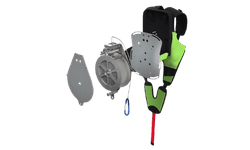
The SkySaver rescue backpack is a personal descent device that enables controlled evacuation from any window or balcony. Unlike a go-bag — which supports your recovery after the emergency — SkySaver directly addresses the emergency itself by providing an independent exit route when traditional paths are blocked by smoke, fire, or structural damage. The three-step operation — buckle up, clip to the anchor, descend — requires no training and can be performed by anyone, including children and elderly residents.
SkySaver is certified by ASTM, ANSI, CE, TUV, and NFPA, and is insured by Lloyd’s of London. The SkySaver product range includes individual kits, family bundles, and dedicated harnesses for children and pets. For high-rise residents who understand that preparation is the foundation of survival, SkySaver represents the most critical piece of safety equipment in the home — more important than any go-bag, and more reliable than any assumption that traditional exits will always be available.
Build your 60-second checklist. Pack your go-bag. Discuss the plan with your family. And equip your home with the tools that ensure when the alarm sounds, you have everything you need to get everyone out safely.
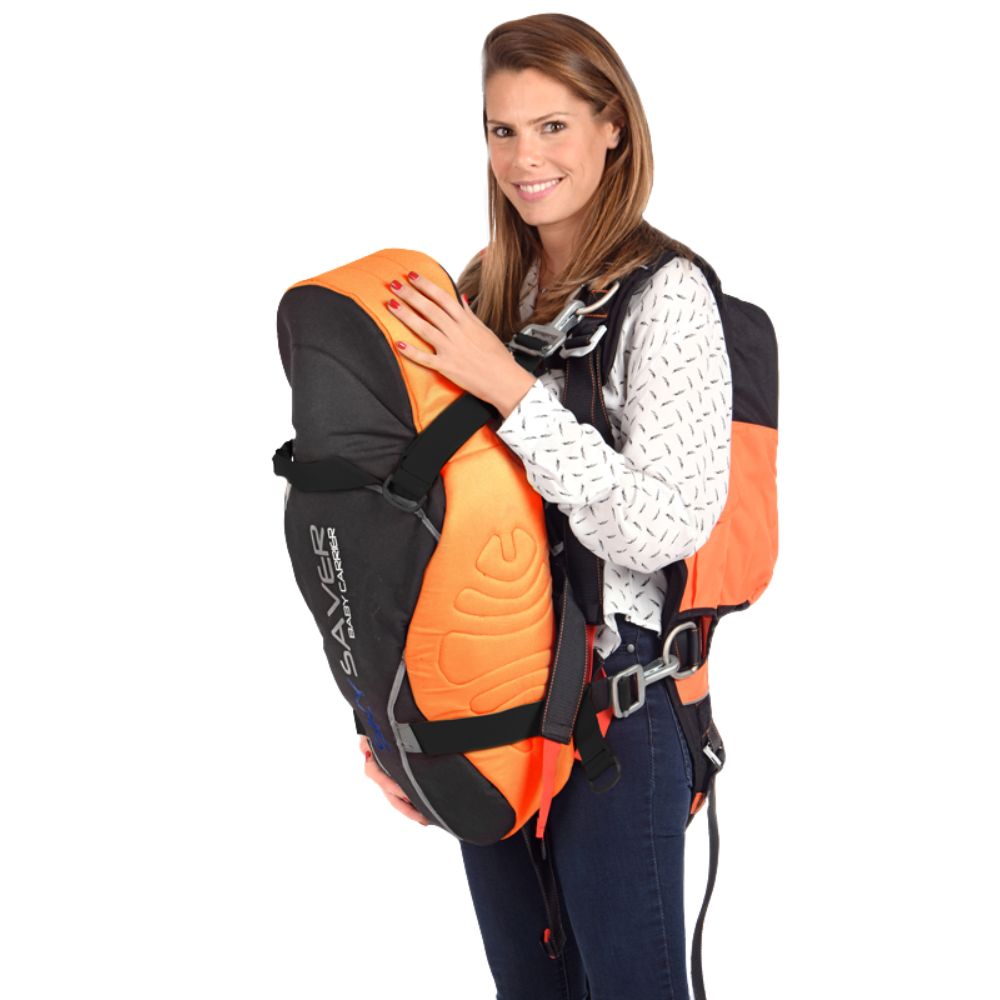
Attachable Baby Harness
Lightweight safety harness for fast and secure infant evacuation in high-rise emergencies.
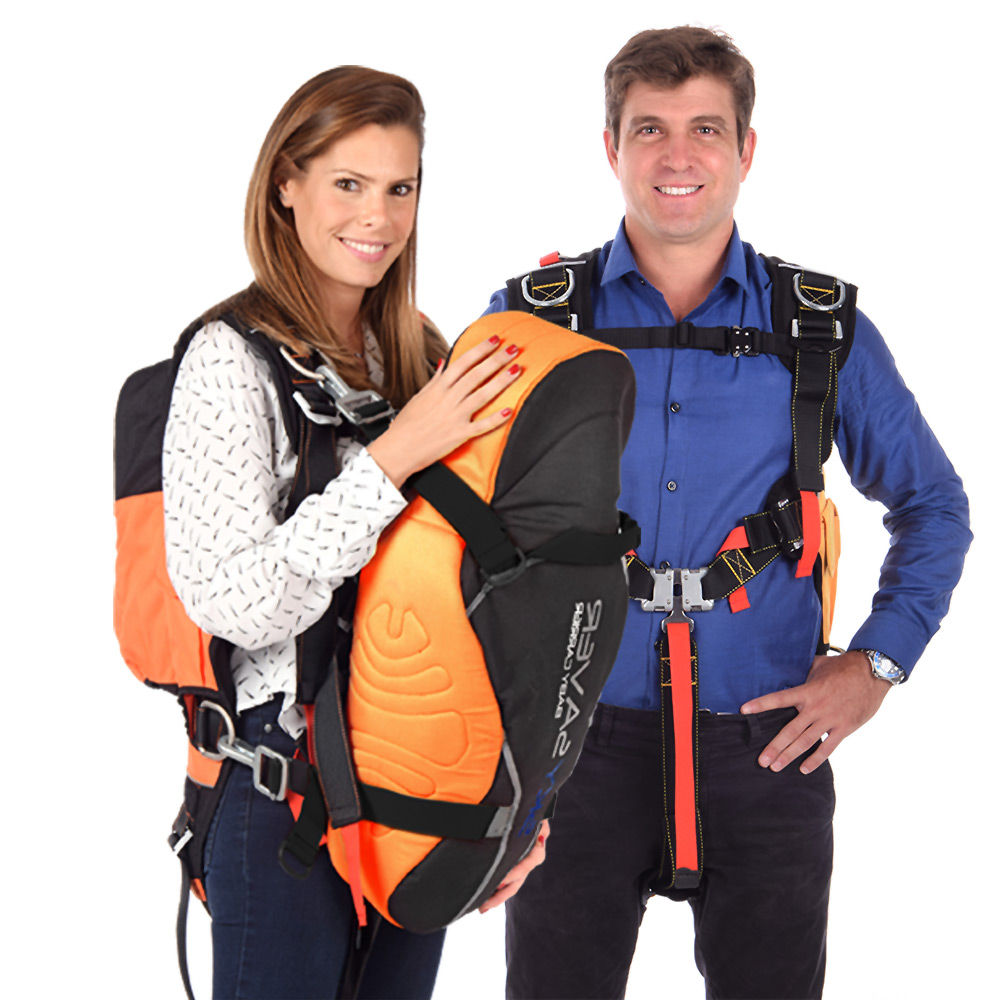
Parent Package
Complete emergency evacuation kit for the parent and dependant. Fast, safe descent from high-rise buildings.
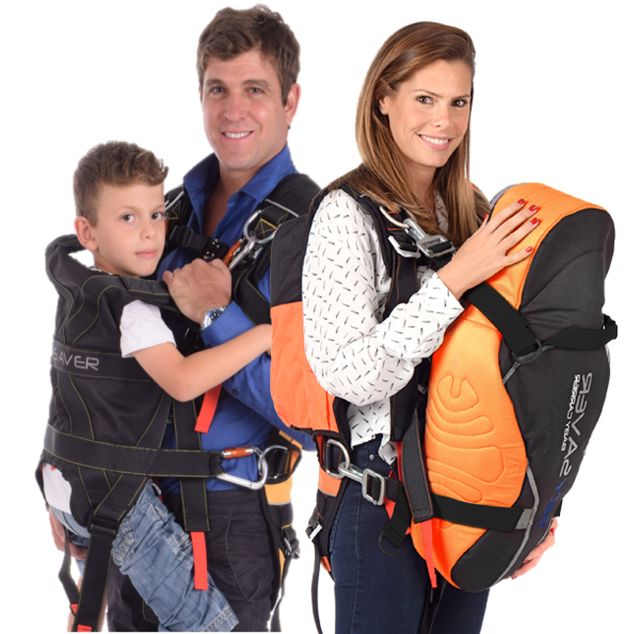
Parent Edition
Complete high-rise evacuation solution for a parent, maximum safety and fast deployment.
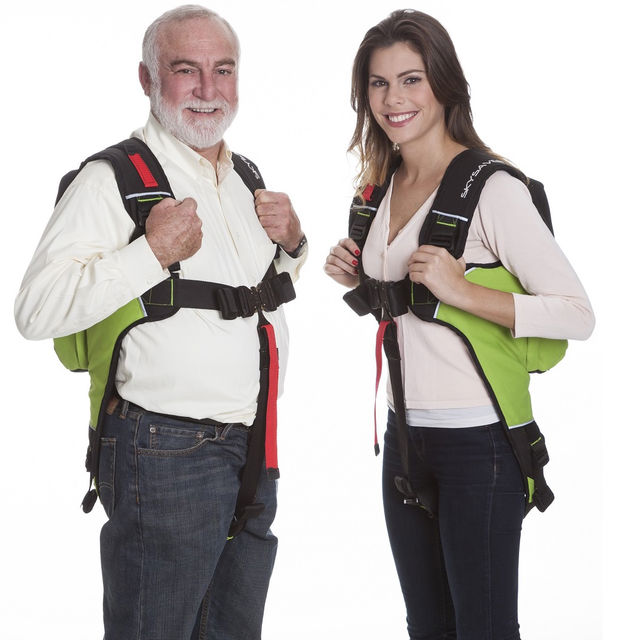
Single Self-Rescue Kit
Complete emergency evacuation kit for high-rise fast, safe descent during critical emergencies.
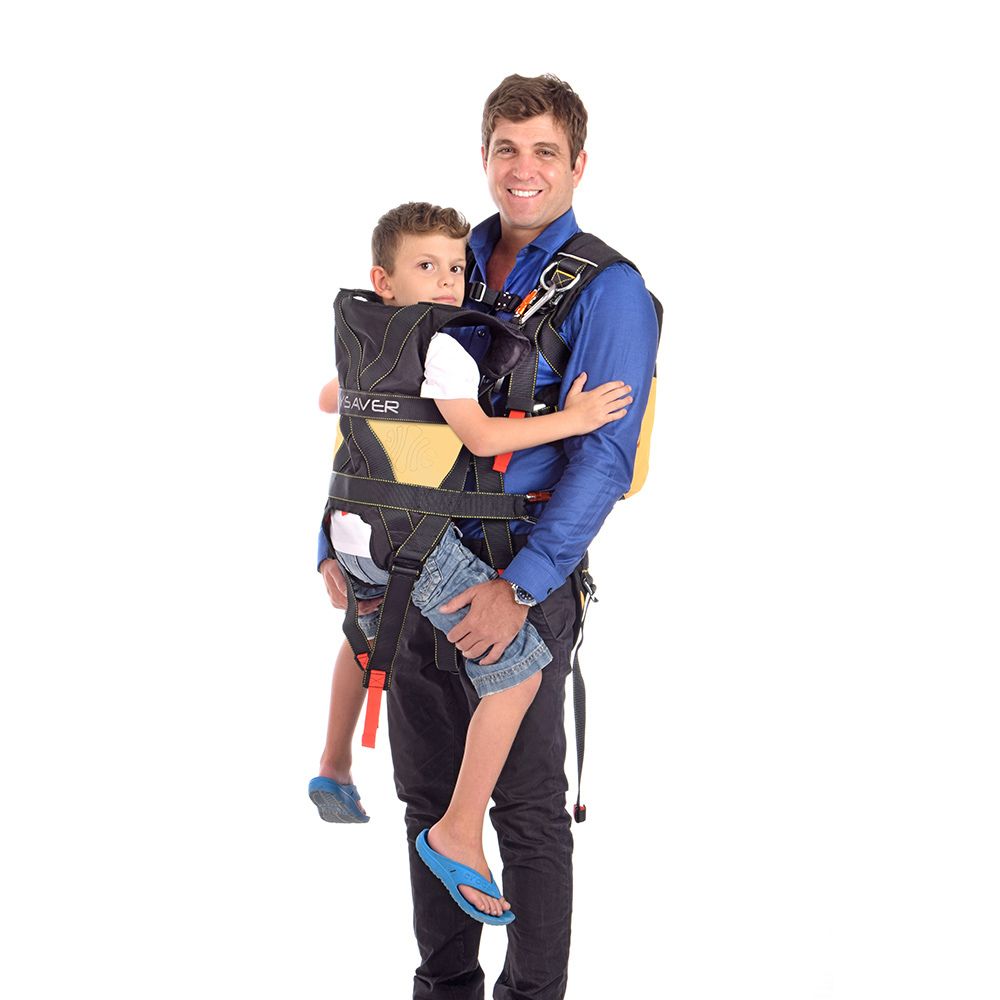
Attachable Child Harness
Lightweight child safety harness designed for secure, controlled evacuation from high-rise buildings.
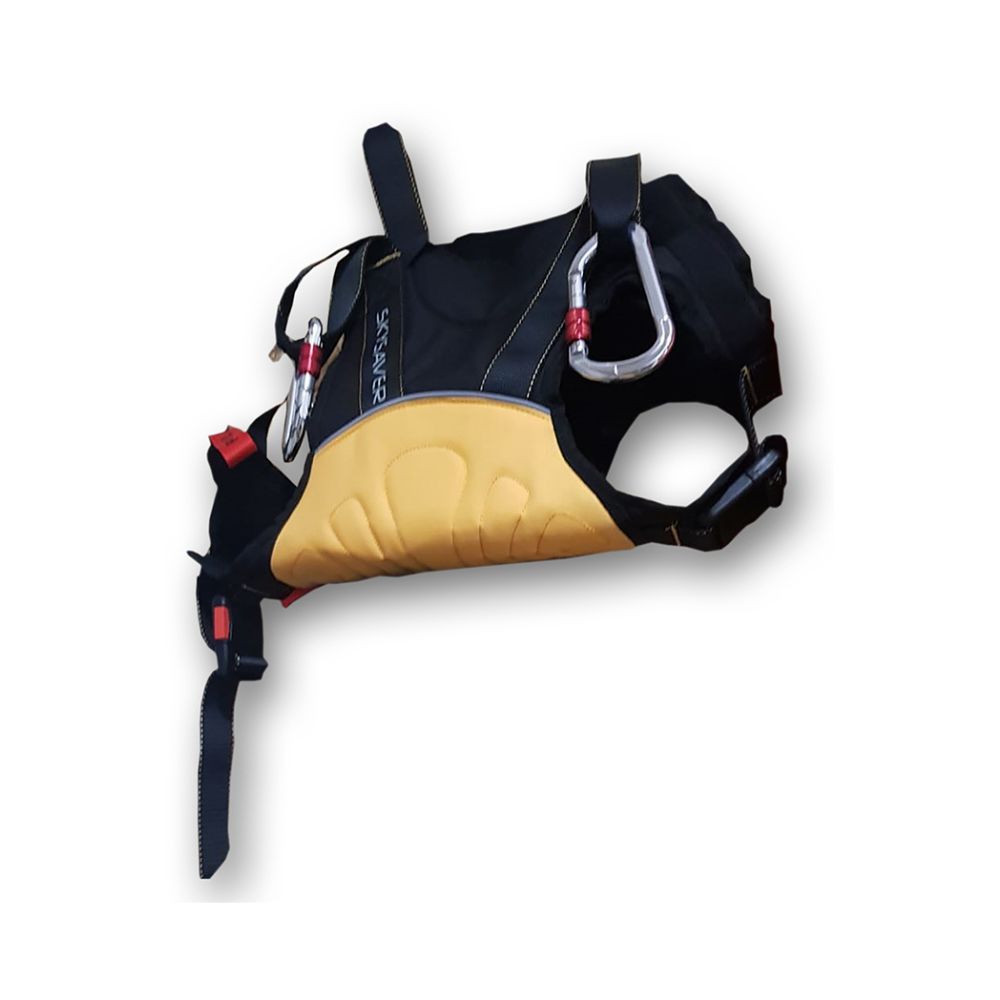
Attachable Pet Harnesses
Secure, lightweight safety harness designed for fast and controlled pet evacuation from high-rise buildings.
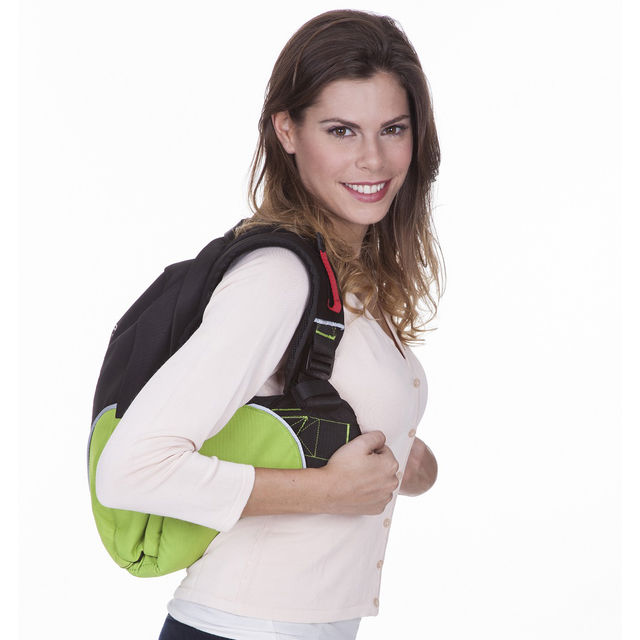
single Self-Rescue Harnesseses
Professional external safety harness for secure personal evacuation from high-rise buildings.
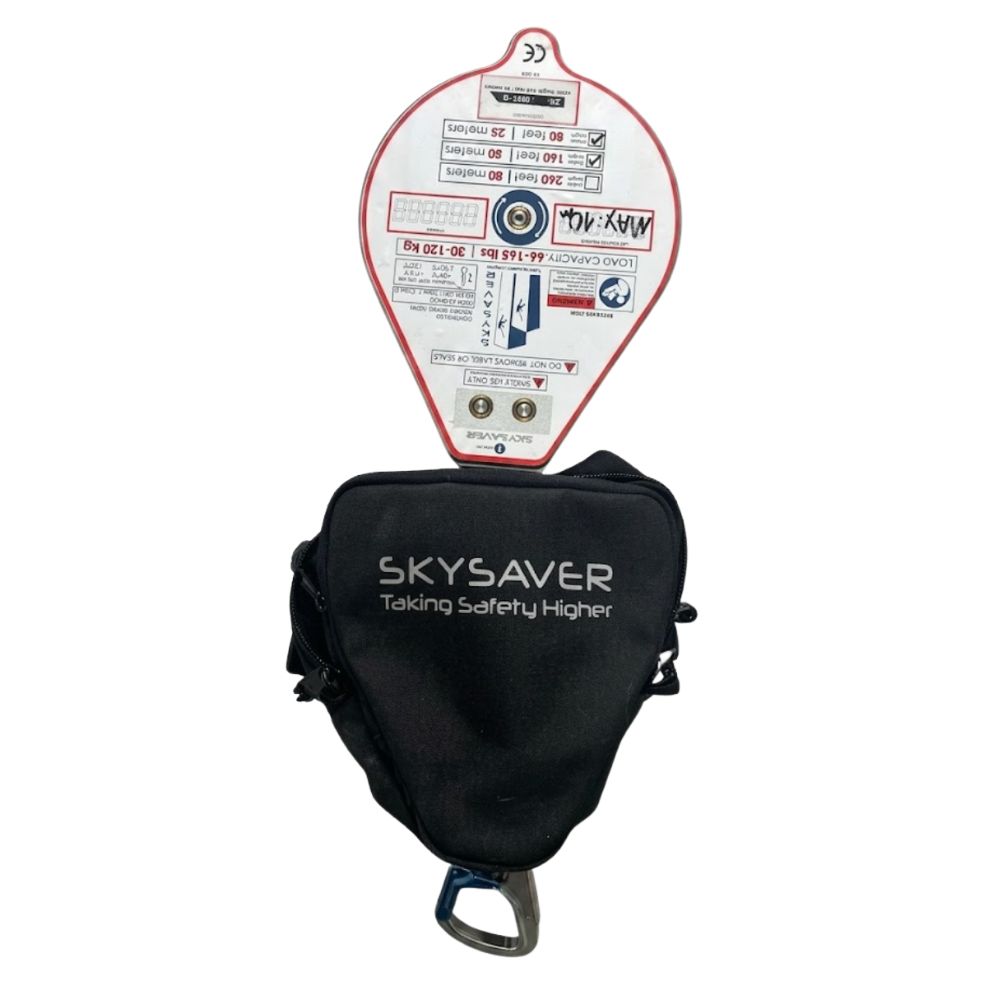
Controlled Descent Device (CDD)
External CDD unit for safe, controlled descent during high-rise emergency evacuation.