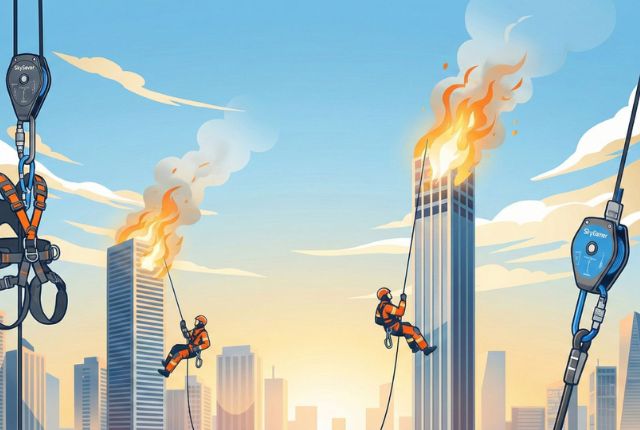
As a parent living in a high-rise building, few thoughts are more unsettling than imagining a fire breaking out while your children are at home. Yet the single most important thing you can do to protect your kids in that scenario is not to avoid thinking about it — it is to prepare them. Teaching your kids to escape a high-rise fire is one of the most consequential safety lessons you will ever give them, and the approach must be tailored to their age, their cognitive development, and their emotional readiness to handle frightening information.
Children who have been taught what to do in a fire respond faster, make better decisions, and are far less likely to freeze or hide — behaviors that can prove fatal in a real emergency. The key is to make fire safety education age-appropriate, consistent, and empowering rather than frightening. Here is a comprehensive guide to teaching your children fire escape skills at every stage of development.
Ages Two to Five: Building Awareness Through Routine
Very young children cannot understand complex emergency procedures, but they can learn to recognize danger signals and follow simple instructions. At this age, the goal is not to explain the science of fire or the details of evacuation. It is to establish basic reflexes that will serve them if an emergency occurs.
Start by teaching your child to recognize the sound of the smoke alarm. Play the alarm during a practice drill and explain in simple, calm language that this sound means it is time to leave the apartment immediately. Practice the physical act of leaving — walking to the door, checking if it is hot, and proceeding to the stairwell. Make this a routine, not a one-time event. Young children learn through repetition, and a fire drill that happens quarterly will build the kind of automatic response that saves lives.
Teach the concept of a meeting point outside the building. Even a three-year-old can understand the idea of a special spot where the family gathers after leaving. Use positive language: this is where you go so everyone can find each other. Avoid graphic descriptions of fire, burns, or death — at this age, the emotional impact of fear can overwhelm the educational value of the lesson. For families in high-rise buildings, understanding the full spectrum of family-first evacuation strategies provides the foundation for these conversations.
Ages Six to Ten: Developing Independent Safety Skills
School-age children are capable of learning more detailed fire safety procedures and can begin to develop a degree of independence in their response. At this stage, children can learn to crawl low under smoke, feel doors with the back of their hand before opening them, and understand why elevators must never be used during a fire.
This is the age to introduce the concept of multiple escape routes. Walk through your apartment and building with your child, identifying at least two ways out of every room and two routes from your floor to the ground level. Explain that if one path is blocked by smoke or fire, they should use the other. Practice these routes regularly, and let your child take the lead in navigating them during drills.
Children at this age can also begin to understand the principle of never going back into a burning building. Emphasize that once they are out, they stay out — no matter what they may have left behind. Teach them to call for help from a safe location and to tell a firefighter or trusted adult if someone is still inside.
Making It Engaging Without Making It Scary
The challenge with children in this age group is balancing seriousness with sensitivity. Use role-play, games, and timed challenges to make fire drills engaging. Frame the exercise as something the family does together to stay strong and prepared — similar to learning to swim or wearing a seatbelt. Knowing how to behave during a fire should feel like a life skill, not a source of anxiety.
Ages Eleven and Up: Full Participation in Family Safety Planning
Pre-teens and teenagers are mature enough to participate as full partners in the family’s emergency plan. They can understand the mechanics of fire behavior, the reasons behind specific safety protocols, and the importance of remaining calm under pressure. This is the age to have frank conversations about the realities of high-rise fires — including the limitations of standard evacuation routes and the importance of having backup plans.
Involve your older children in creating and reviewing the family’s emergency action plan. Assign them specific responsibilities, such as helping younger siblings evacuate, bringing the family’s emergency go-bag, or making sure pets are accounted for. Giving teenagers a role creates a sense of ownership and purpose that makes them more likely to act decisively in a real emergency.
This is also the right age to introduce the concept of personal evacuation devices. Show your teenager how the SkySaver rescue backpack works — the three-step process of buckle up, clip to the anchor, and descend is simple enough for anyone to learn in minutes. Knowing that an alternative exit exists, even if the stairwells are blocked, can transform a teenager’s response to an emergency from panic to purposeful action.
Equipping Your Family for Every Scenario
No matter how well-prepared your children are, emergencies are unpredictable. Smoke can fill corridors in seconds. Stairwells can become impassable. The fire may start between your floor and the ground, cutting off downward evacuation entirely. For families living on upper floors of high-rise buildings, having a personal descent device is not an overreaction — it is a recognition of reality.
The SkySaver product range is specifically designed with families in mind. Dedicated harnesses for children and infants ensure that every member of your family — regardless of age or size — can be safely evacuated. The system requires no prior training, no complex assembly, and no physical strength beyond what is needed to clip a carabiner. It is certified by ASTM, ANSI, CE, TUV, and NFPA, and has been insured by Lloyd’s of London for eight consecutive years.
Teaching your children to escape a high-rise fire is one of the most important investments you can make in their safety. It costs nothing but time and attention, and the return — measured in confidence, preparedness, and potentially in lives saved — is immeasurable. Start the conversation today, make it a regular part of your family’s routine, and ensure that when the moment comes, every member of your household knows exactly what to do.

Attachable Baby Harness
Lightweight safety harness for fast and secure infant evacuation in high-rise emergencies.
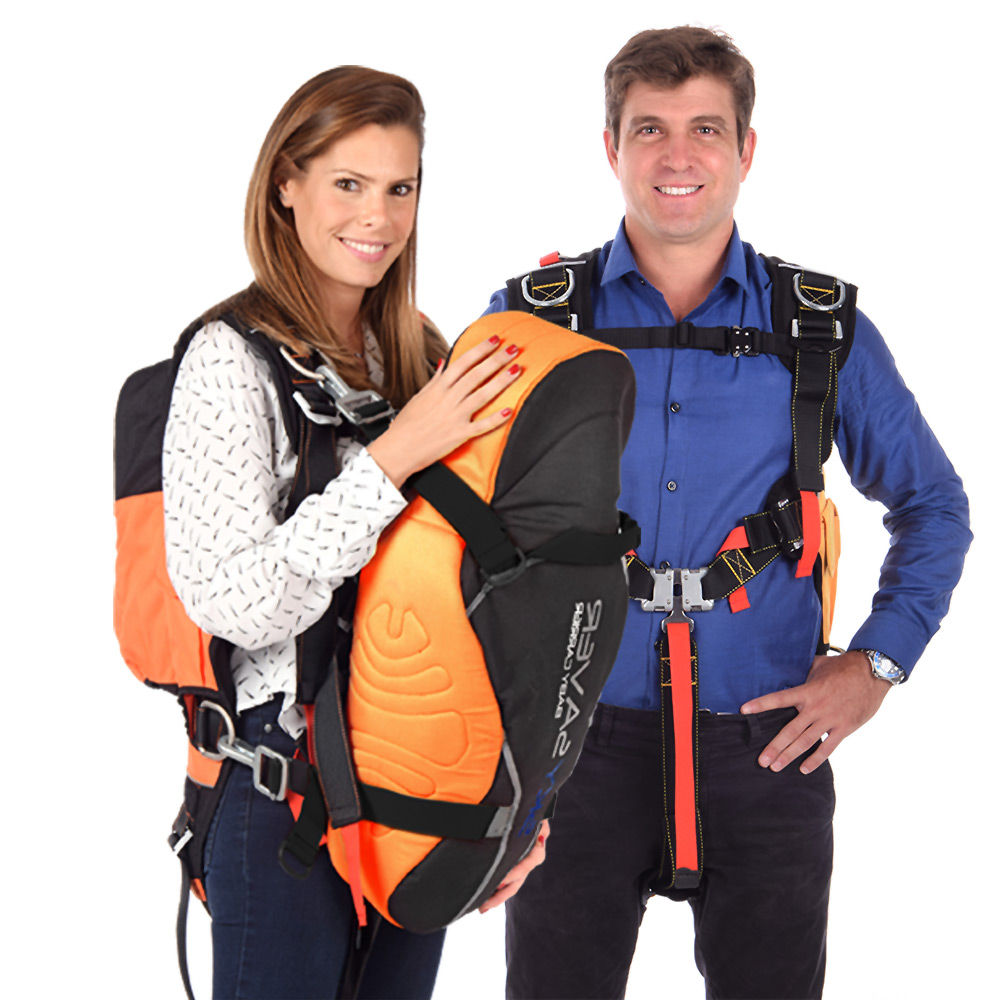
Parent Package
Complete emergency evacuation kit for the parent and dependant. Fast, safe descent from high-rise buildings.
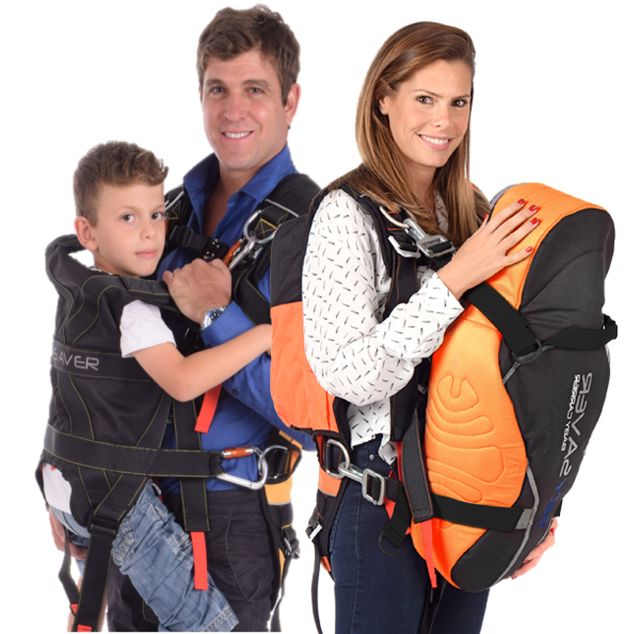
Parent Edition
Complete high-rise evacuation solution for a parent, maximum safety and fast deployment.
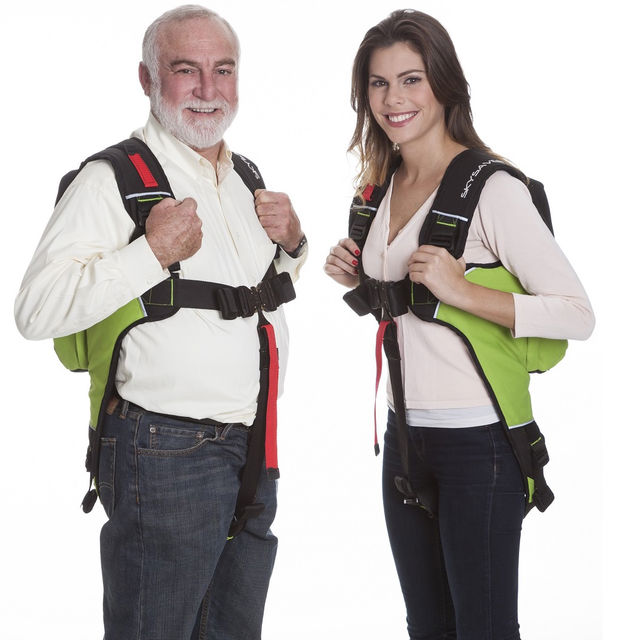
Single Self-Rescue Kit
Complete emergency evacuation kit for high-rise fast, safe descent during critical emergencies.
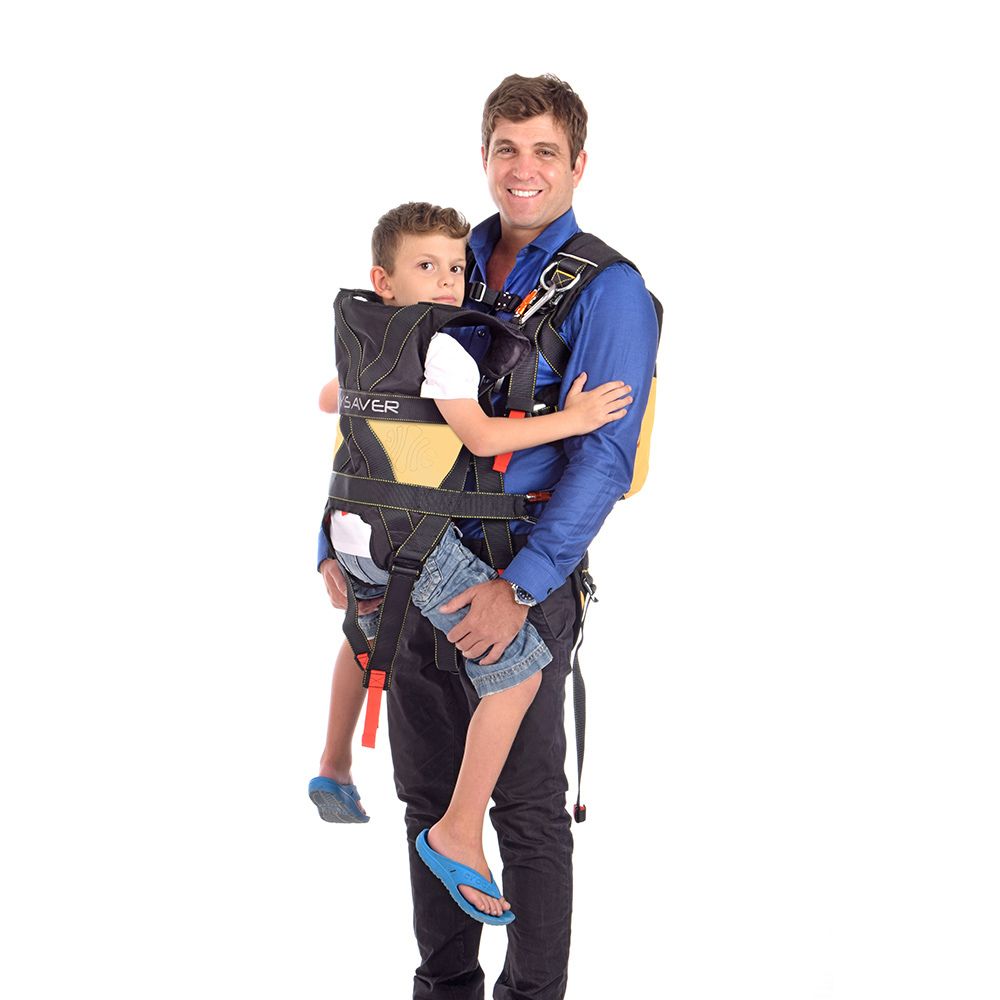
Attachable Child Harness
Lightweight child safety harness designed for secure, controlled evacuation from high-rise buildings.
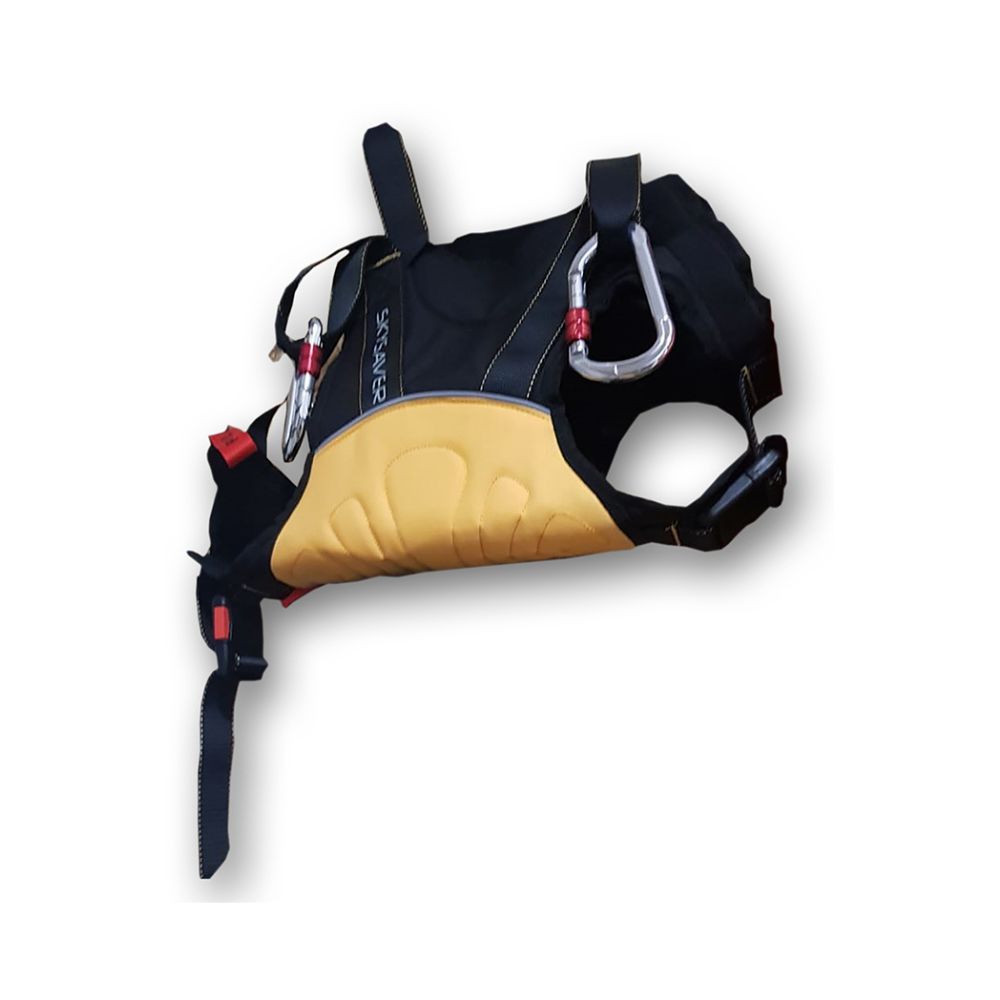
Attachable Pet Harnesses
Secure, lightweight safety harness designed for fast and controlled pet evacuation from high-rise buildings.

single Self-Rescue Harnesseses
Professional external safety harness for secure personal evacuation from high-rise buildings.
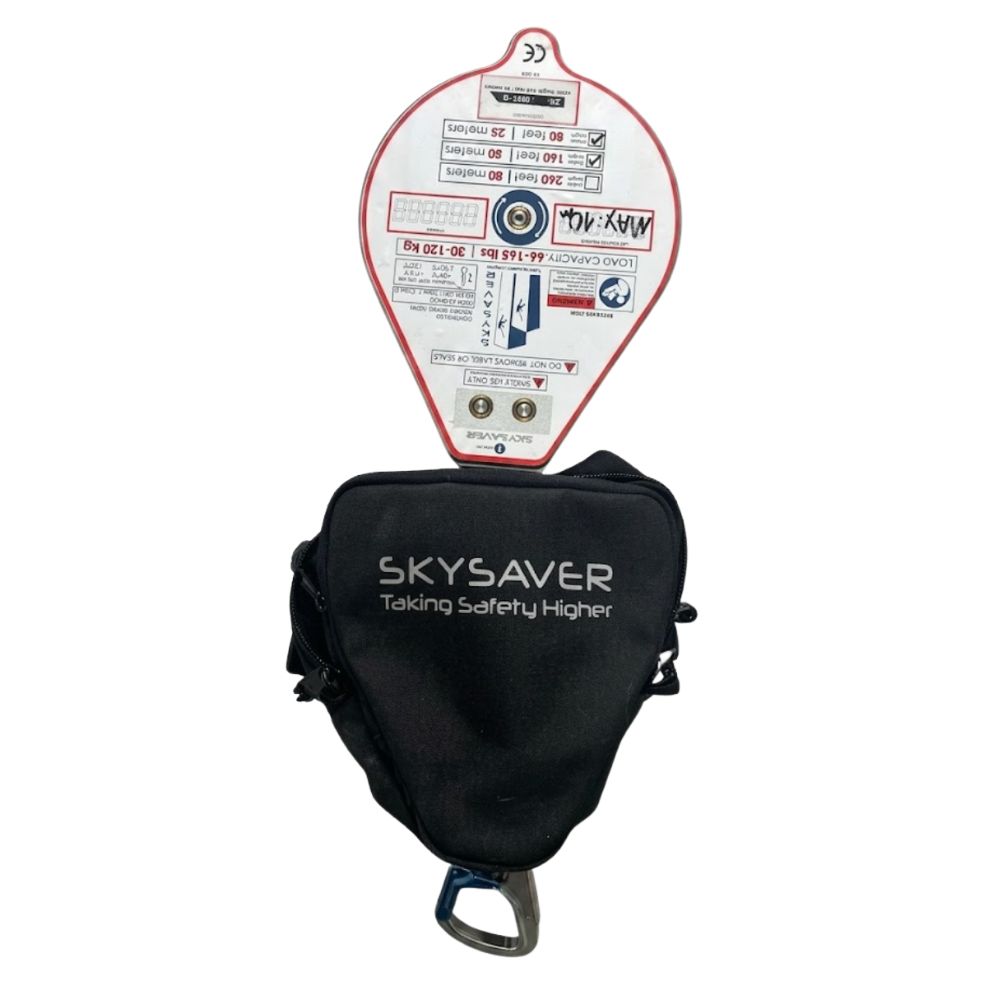
Controlled Descent Device (CDD)
External CDD unit for safe, controlled descent during high-rise emergency evacuation.