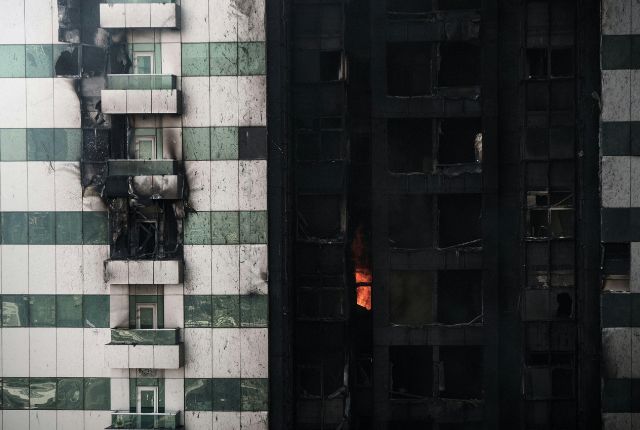
A new generation of skyscrapers is rising across cities worldwide — and they are made of wood. Mass timber construction, particularly cross-laminated timber (CLT), is being embraced by architects and developers as a sustainable alternative to steel and concrete. These wooden skyscrapers are celebrated for their lower carbon footprint, faster construction times, and striking aesthetic beauty. But beneath the environmental promise lies a question that every resident, city planner, and safety professional must take seriously: what does building tall with wood mean for fire safety?
The resurgence of timber as a high-rise construction material is one of the most significant shifts in building design in decades. Projects in cities like Vienna, Vancouver, London, and Milwaukee have pushed the boundaries of how tall timber structures can go, with some exceeding twenty stories. As these buildings multiply, understanding their fire behavior — and the safety measures they require — has never been more important.
What Is Mass Timber and How Does It Differ from Traditional Wood Construction?
Mass timber is not the same as the light wood framing used in traditional houses and low-rise buildings. Cross-laminated timber, glue-laminated timber (glulam), and other engineered wood products are created by bonding layers of wood together under pressure, producing structural elements that are remarkably strong, dimensionally stable, and significantly more resistant to fire than conventional lumber.
When mass timber is exposed to fire, it behaves very differently from light wood framing. Rather than igniting rapidly and burning through, CLT panels form a protective char layer on their surface. This char layer acts as insulation, slowing the rate at which heat penetrates into the structural core of the timber. In controlled fire tests, mass timber elements have demonstrated the ability to maintain structural integrity for periods comparable to — and in some cases exceeding — those of unprotected steel, which can lose its strength rapidly at high temperatures.
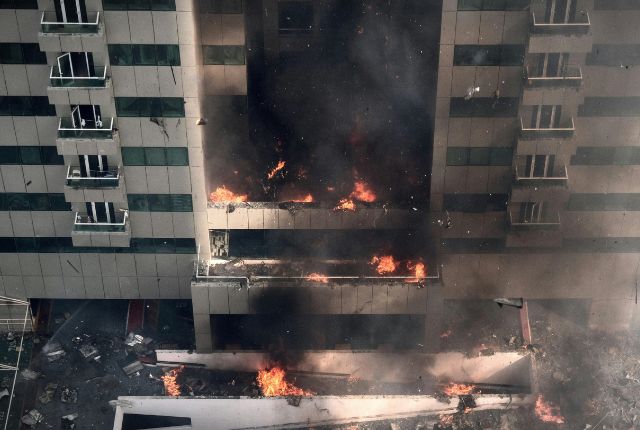
However, the fact that mass timber performs well in laboratory fire tests does not mean that wooden skyscrapers are free from fire risk. Real-world fires are unpredictable, and the contents of any occupied building — furniture, textiles, appliances, and personal belongings — provide ample fuel regardless of what the walls and floors are made of. Understanding how fires spread in tall buildings is essential context for evaluating the safety of any high-rise, including those built with timber.
The Fire Safety Challenges Unique to Wooden Skyscrapers
Concealed Combustible Surfaces
One of the primary fire safety strategies for mass timber buildings is encapsulation — covering the timber structural elements with layers of non-combustible material such as gypsum board. When properly encapsulated, the timber is shielded from fire exposure, and the building performs similarly to a concrete or steel structure. However, encapsulation adds cost and complexity, and any breach in the protective layer — from renovations, damage, or poor installation — can expose the underlying timber to fire. Unlike steel or concrete, once exposed timber ignites, it contributes additional fuel to the fire, potentially increasing both the intensity and duration of the event.
Compartmentalization Is Critical
In any high-rise building, compartmentalization — the division of the structure into fire-resistant zones that limit the spread of fire and smoke — is a fundamental safety strategy. In timber buildings, compartmentalization takes on even greater importance because the structural elements themselves can contribute to fire growth if exposed. Ensuring that fire-rated barriers, doors, and penetration seals are installed correctly and maintained rigorously is essential. Any failure in compartmentalization in a timber building can have consequences that are qualitatively different from those in a steel or concrete structure.
Fire Department Response and Familiarity
Another challenge facing wooden skyscrapers is the readiness of local fire departments to respond effectively. Most urban firefighters are trained and equipped to fight fires in steel and concrete high-rises. Timber buildings may behave differently under fire conditions, and suppression strategies that work well in conventional structures may not be optimal for mass timber. As these buildings become more common, fire services will need to develop new protocols, training programs, and tactical approaches — a process that is still in its early stages in most cities.
How Residents of Timber High-Rises Can Protect Themselves
Regardless of the materials used in a building’s construction, the principles of personal fire safety remain the same. Residents of wooden skyscrapers should take the same precautions as anyone living in a high-rise: know the location of all exits, participate in fire drills, maintain working smoke and carbon monoxide detectors, and have a clear evacuation plan for every member of the household.
However, residents of timber buildings may want to take additional steps. Ask your building management about the fire protection systems in place, including whether the timber elements are fully encapsulated, whether the building uses sprinkler systems throughout, and what the building’s fire safety strategy is in the event of a large fire. Understanding high-rise evacuation protocols is particularly important in buildings where the fire behavior may differ from conventional expectations.
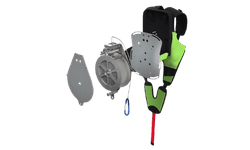
For residents on upper floors, personal evacuation devices provide an essential layer of protection. The SkySaver rescue backpack enables controlled descent from any window or balcony, bypassing corridors and stairwells that may be compromised. Certified by ASTM, ANSI, CE, TUV, and NFPA, and insured by Lloyd’s of London, SkySaver is designed for anyone to use without prior training — making it an ideal safety measure for families, elderly residents, and anyone who wants an independent escape route.
Wooden skyscrapers represent an exciting frontier in sustainable architecture, and when designed and maintained correctly, they can be remarkably safe. But no building material eliminates fire risk entirely, and the novelty of mass timber construction means that the long-term performance of these buildings under real fire conditions is still being studied. Taking personal responsibility for your safety — through awareness, preparation, and the right equipment — remains the most reliable form of protection in any building, regardless of what it is made of.
Explore the full SkySaver product range and ensure that your family has a trusted escape solution, no matter where you live.
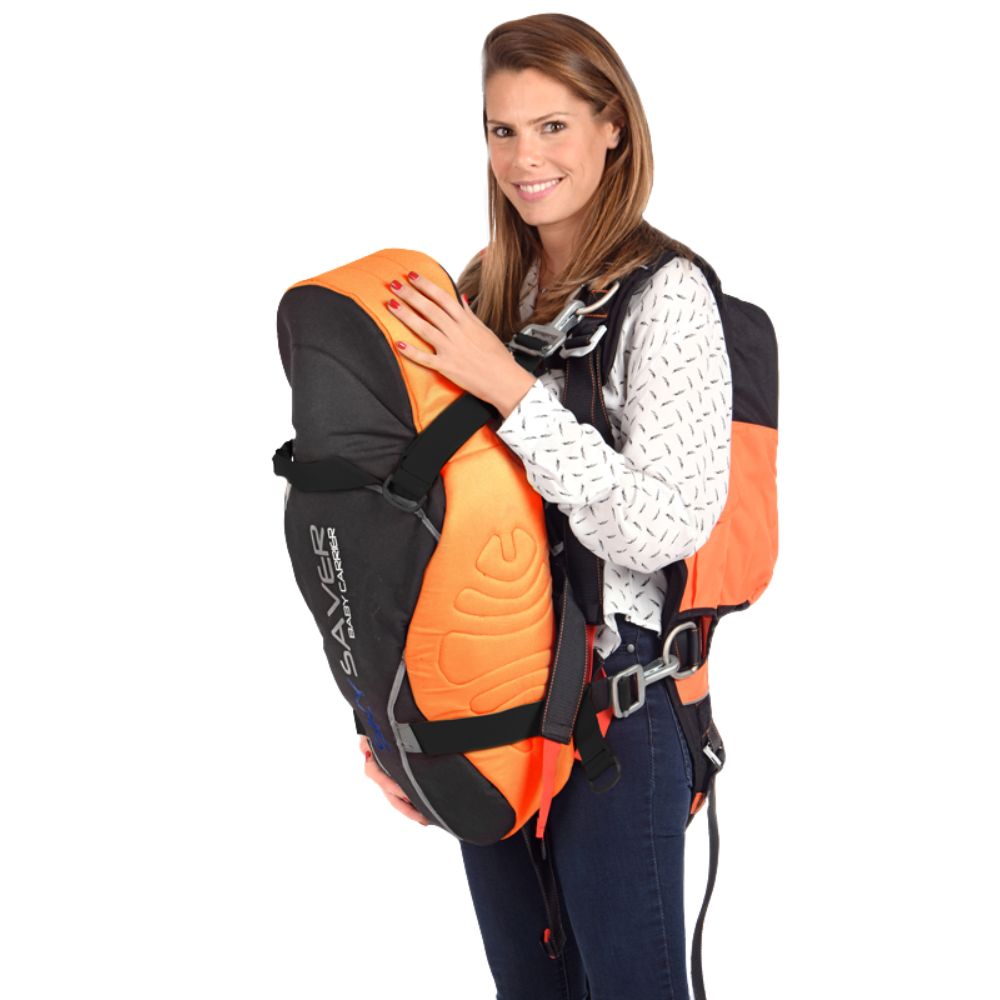
Attachable Baby Harness
Lightweight safety harness for fast and secure infant evacuation in high-rise emergencies.
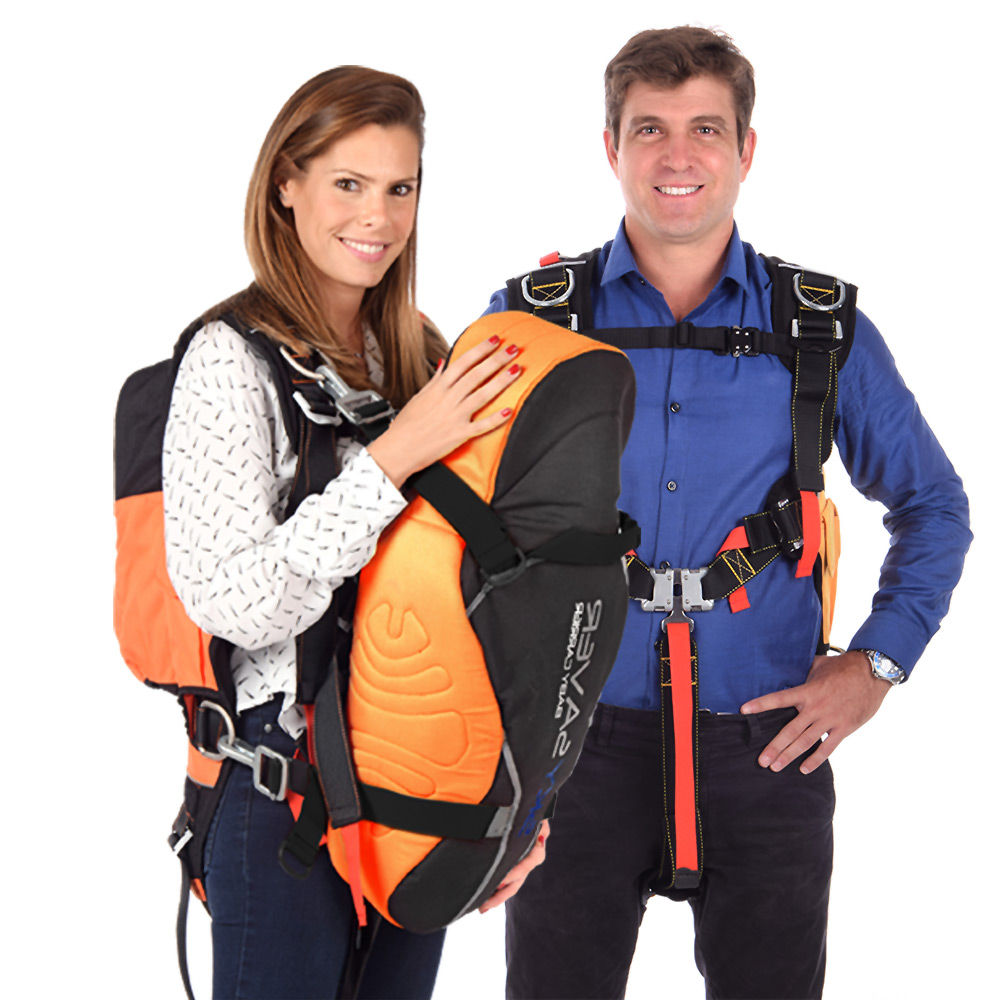
Parent Package
Complete emergency evacuation kit for the parent and dependant. Fast, safe descent from high-rise buildings.
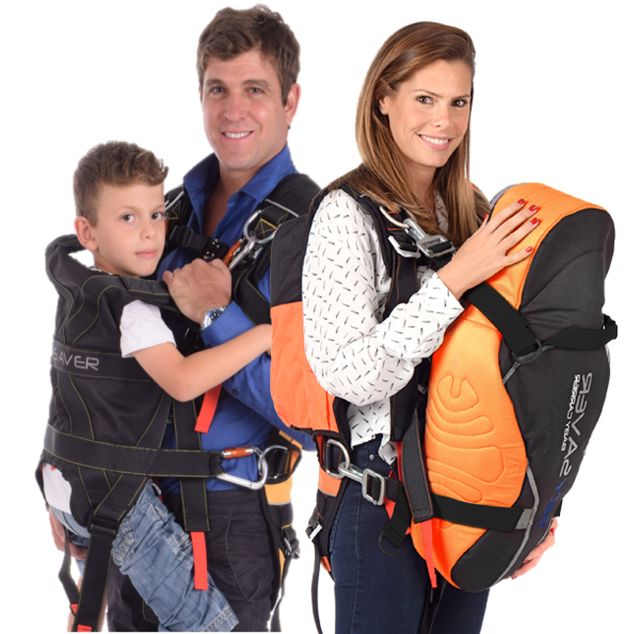
Parent Edition
Complete high-rise evacuation solution for a parent, maximum safety and fast deployment.
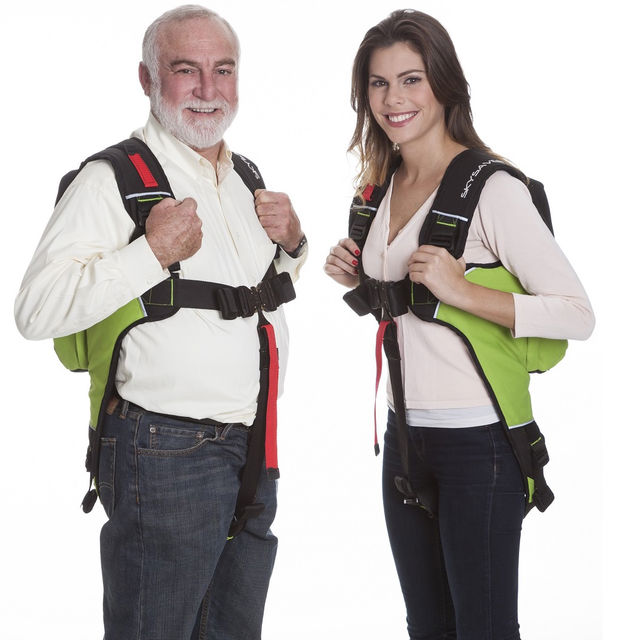
Single Self-Rescue Kit
Complete emergency evacuation kit for high-rise fast, safe descent during critical emergencies.
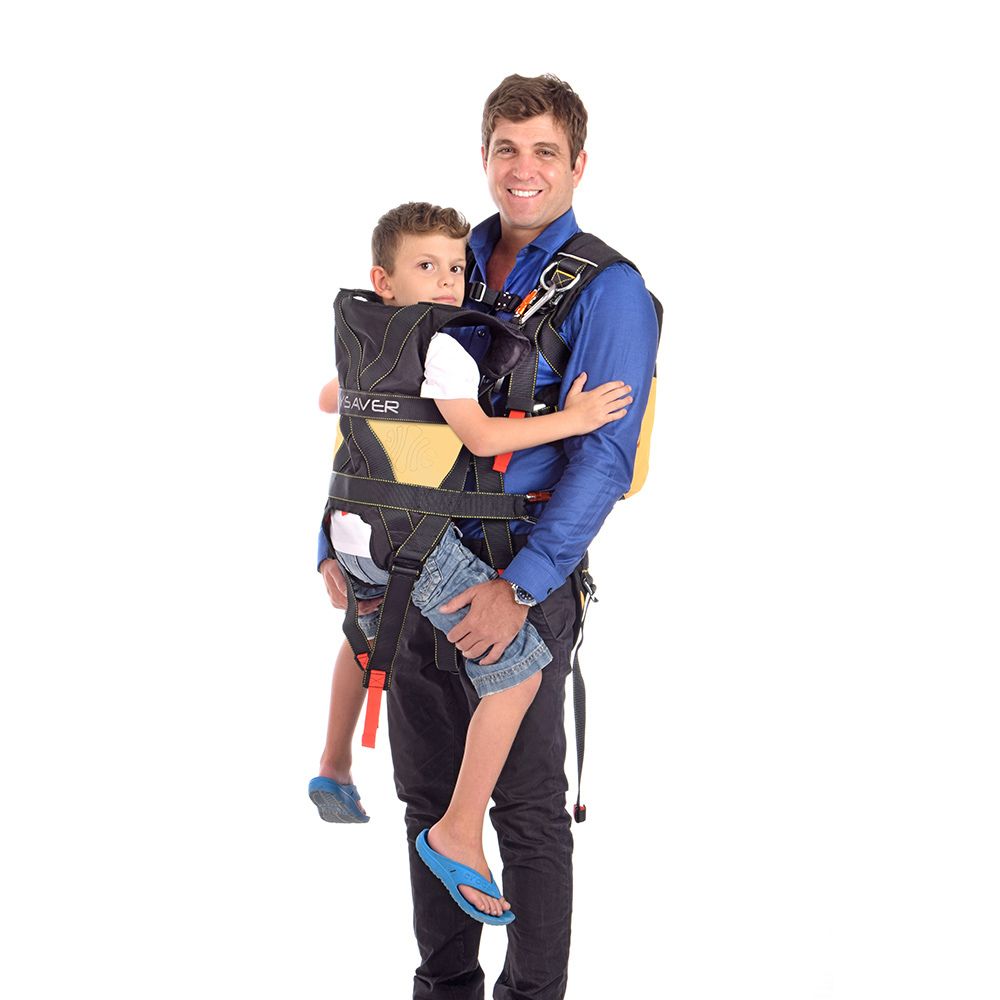
Attachable Child Harness
Lightweight child safety harness designed for secure, controlled evacuation from high-rise buildings.
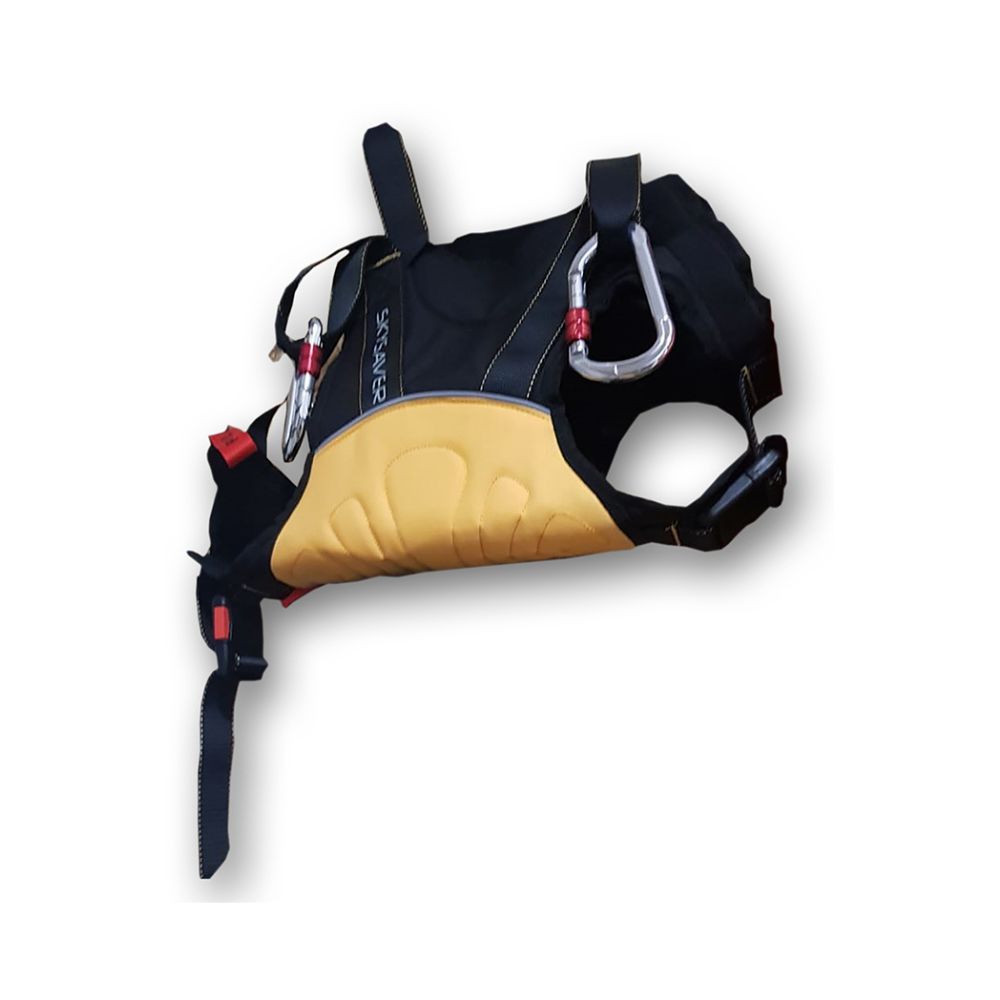
Attachable Pet Harnesses
Secure, lightweight safety harness designed for fast and controlled pet evacuation from high-rise buildings.

single Self-Rescue Harnesseses
Professional external safety harness for secure personal evacuation from high-rise buildings.
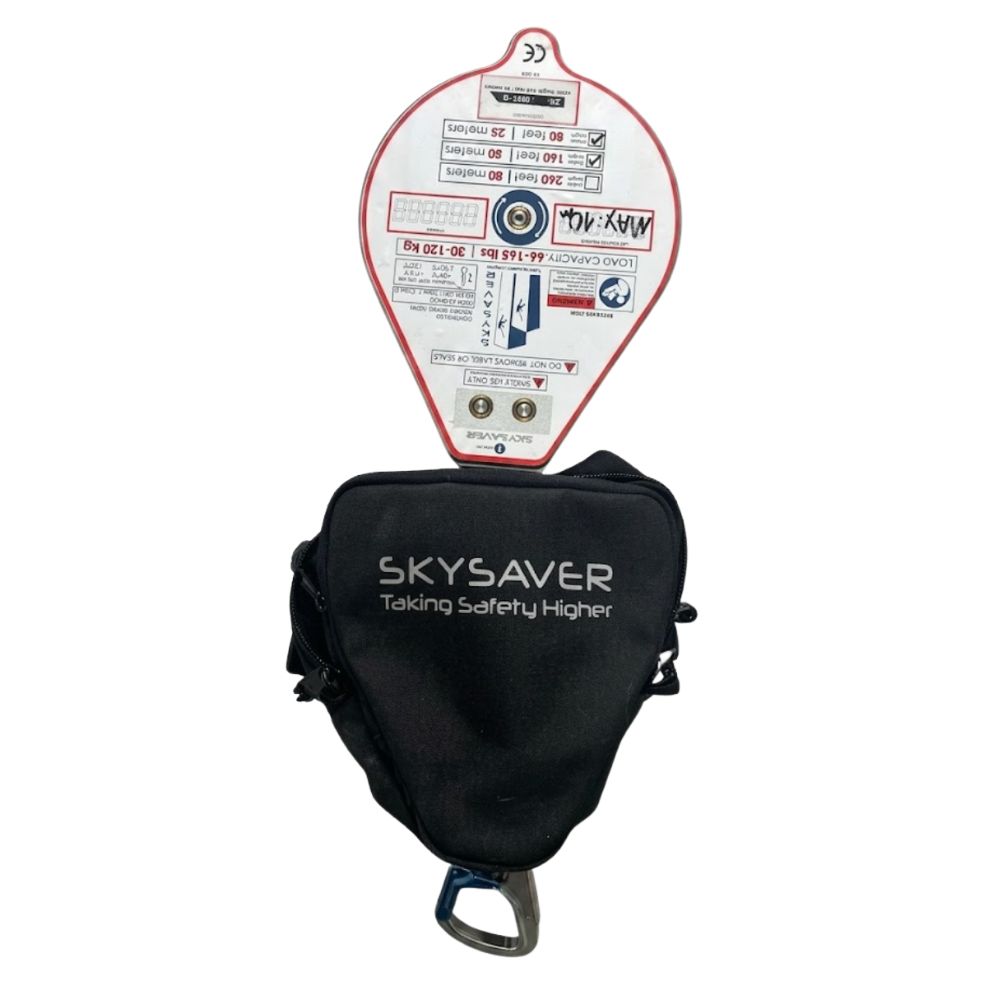
Controlled Descent Device (CDD)
External CDD unit for safe, controlled descent during high-rise emergency evacuation.