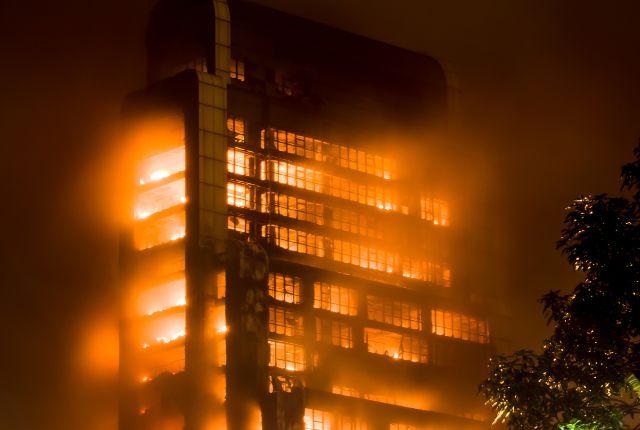
Most residents of high-rise buildings assume that their building is safe. They trust that the fire alarms work, that the sprinklers are functional, and that someone, somewhere, is maintaining all the systems designed to protect them. But assumptions are not the same as assurance. Knowing whether your high-rise building is actually fire-safe requires asking the right questions — and understanding what the answers mean for your family’s safety.
Building fire compliance is not a static achievement. Systems degrade, codes evolve, and the gap between what a building was designed to do and what it can actually deliver in an emergency can widen silently over the years. As a resident or tenant, you have the right — and the responsibility — to understand exactly how your building is prepared to protect you. Here are the essential questions every high-rise resident should put to their building manager.
Questions About Detection and Suppression Systems
When Were the Smoke Detectors and Fire Alarms Last Tested?
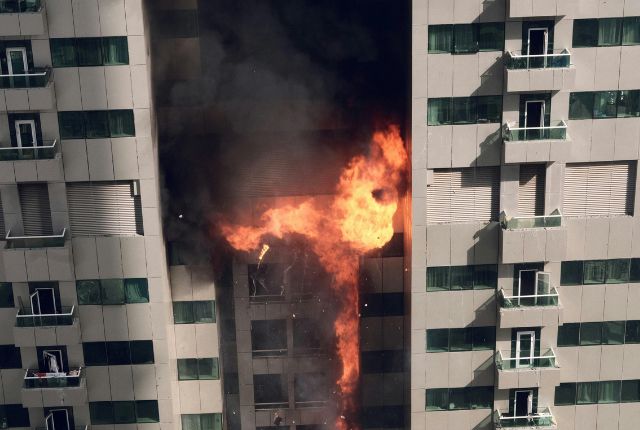
Smoke detectors and fire alarm systems are the first line of defense in any building fire. They are required to be tested and inspected on a regular schedule — typically annually, though some jurisdictions require more frequent checks. Ask your building manager when the last inspection took place and request to see the inspection report. If the response is vague or the records are unavailable, that is a significant red flag. A building where detection systems are not regularly verified is a building where a fire could go unnoticed until it is too late.
Are the Sprinkler Systems Fully Operational?
Automatic sprinkler systems are among the most effective fire suppression tools in any building. However, sprinkler systems require regular maintenance, including flow testing, valve inspections, and verification that no heads are obstructed or painted over. In older buildings, sprinkler systems may not cover all areas — including storage rooms, mechanical spaces, or retrofit areas. Ask specifically whether the entire building is covered and when the system was last flow-tested. Understanding how fires spread in tall buildings makes it clear why a partial or compromised sprinkler system is a serious concern.
Is There a Fire Command Center and How Is It Monitored?
Modern high-rise buildings are equipped with fire command centers — centralized stations where fire alarm signals, sprinkler activations, elevator controls, and communication systems converge. Ask whether your building has a fire command center, where it is located, and whether it is staffed around the clock or monitored remotely. In the event of a fire, the fire command center is where firefighters will coordinate their response. A building without a properly maintained command center may experience delays in emergency response that cost lives.
Questions About Evacuation Routes and Emergency Plans
How Many Stairwells Does the Building Have and Are They Pressurized?
The number and condition of stairwells directly determine how quickly residents can evacuate. Ask how many stairwells serve your floor, whether they are pressurized to prevent smoke infiltration, and whether they have been inspected for obstructions. Pressurized stairwells use fans to maintain positive air pressure that keeps smoke out — a feature that can mean the difference between a survivable descent and a smoke-filled nightmare. Buildings without pressurized stairwells are significantly more dangerous during a fire, particularly on upper floors.
Does the Building Have a Written Emergency Evacuation Plan?
Every high-rise building should have a documented emergency evacuation plan that is specific to its layout, occupancy, and systems. Ask to see this plan. It should detail evacuation routes for each floor, assembly points outside the building, procedures for residents with disabilities, and communication protocols during an emergency. If your building manager cannot produce this document — or if the plan has not been updated in years — that is a warning sign that the building’s high-rise evacuation preparedness may be inadequate.
When Was the Last Full Building Fire Drill Conducted?
Fire drills are not just for schools and offices. High-rise residential buildings should conduct periodic evacuation drills to ensure that residents know what to do and that building systems perform as expected under simulated emergency conditions. Ask when the last drill took place, how many residents participated, and what lessons were learned. A building that has never conducted a fire drill is a building where evacuation during a real fire will be chaotic, slow, and potentially fatal.
Questions About Building Infrastructure and Compliance
Is the Building Compliant with Current Fire Safety Codes?
Fire safety codes are updated regularly to reflect new knowledge about fire behavior, building materials, and emergency response. Older buildings may have been built to codes that are now considered insufficient. Ask whether your building meets current fire safety requirements or whether it has been grandfathered under older codes. If the building has not been retrofitted to meet modern standards, understand what specific protections may be missing — and what that means for your safety.
What Fire-Resistant Materials Were Used in Construction?
The materials used in a building’s construction directly affect how quickly a fire can spread and how long the structure can maintain its integrity. Ask about the fire rating of the building’s structural elements, including floors, walls, and doors. Fire-rated doors and walls are designed to contain fire and smoke for a specified period, giving residents time to evacuate. If your building uses cladding or exterior materials, ask specifically about their fire rating — particularly in light of high-profile cladding fires in recent years.
Are There Personal Evacuation Devices Available for Upper Floor Residents?
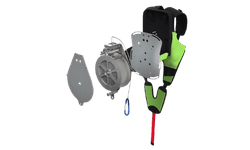
For residents on upper floors, traditional evacuation routes may not be sufficient in every scenario. Ask your building manager whether the building has considered supplementary evacuation options, such as personal descent devices. The SkySaver rescue backpack is a certified personal evacuation device that enables controlled descent from any floor via a window or balcony. It requires no training, works for all ages and abilities, and is certified by ASTM, ANSI, CE, TUV, and NFPA. Buildings that proactively equip upper floors with devices like SkySaver demonstrate a commitment to resident safety that goes well beyond minimum compliance. Explore the SkySaver product range to find the right solution for your home.
What Is the Building’s Insurance Status for Fire-Related Events?
While this may seem like a question for the building’s board or management company rather than a fire safety question, understanding the building’s fire insurance status reveals a great deal about how seriously the building takes its fire safety obligations. Insurers conduct their own risk assessments, and buildings with poor fire safety records or outdated systems may face higher premiums or difficulty obtaining coverage. Ask whether the building’s fire insurance is current and whether the insurer has identified any deficiencies that need to be addressed.
Knowing how to behave during a fire is essential, but knowing the condition of your building’s fire safety systems before an emergency strikes is equally important. Do not wait for a fire to discover that your building’s protections are inadequate. Ask these questions today, and take the steps necessary to ensure that your home is as safe as it should be.
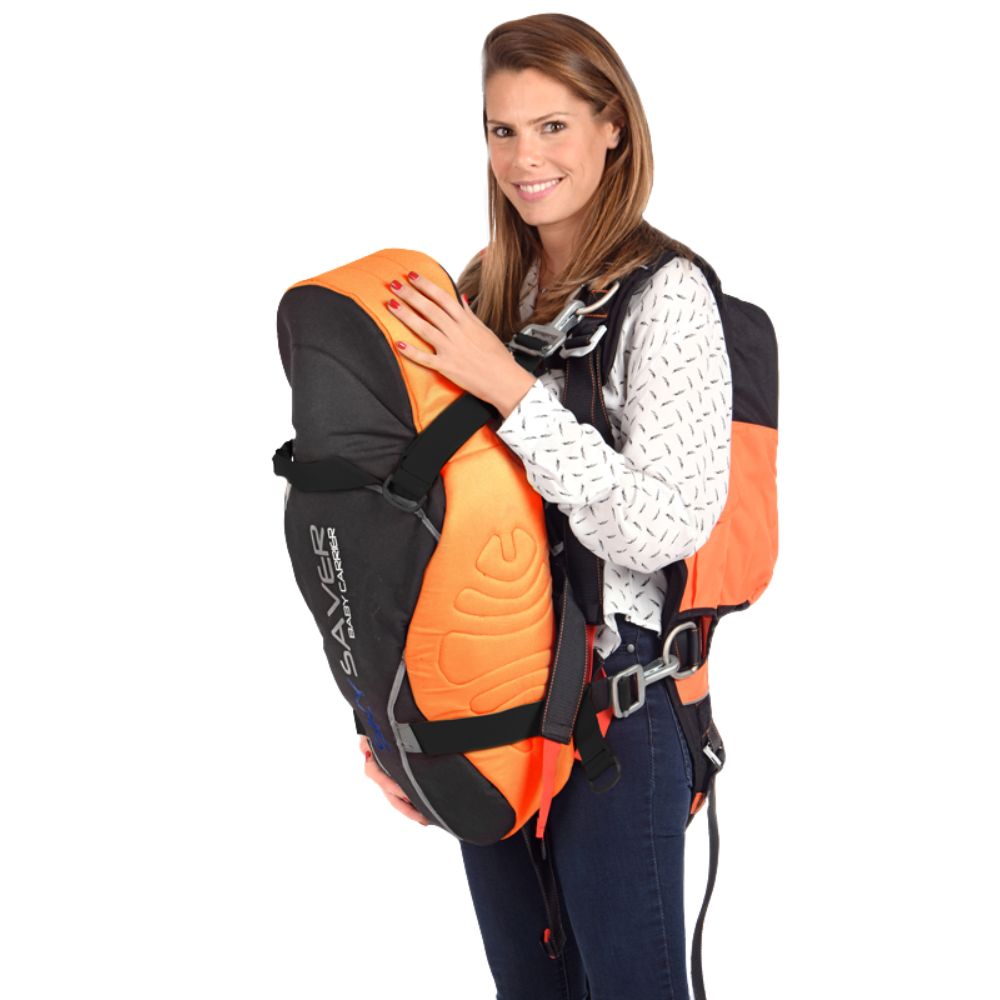
Attachable Baby Harness
Lightweight safety harness for fast and secure infant evacuation in high-rise emergencies.
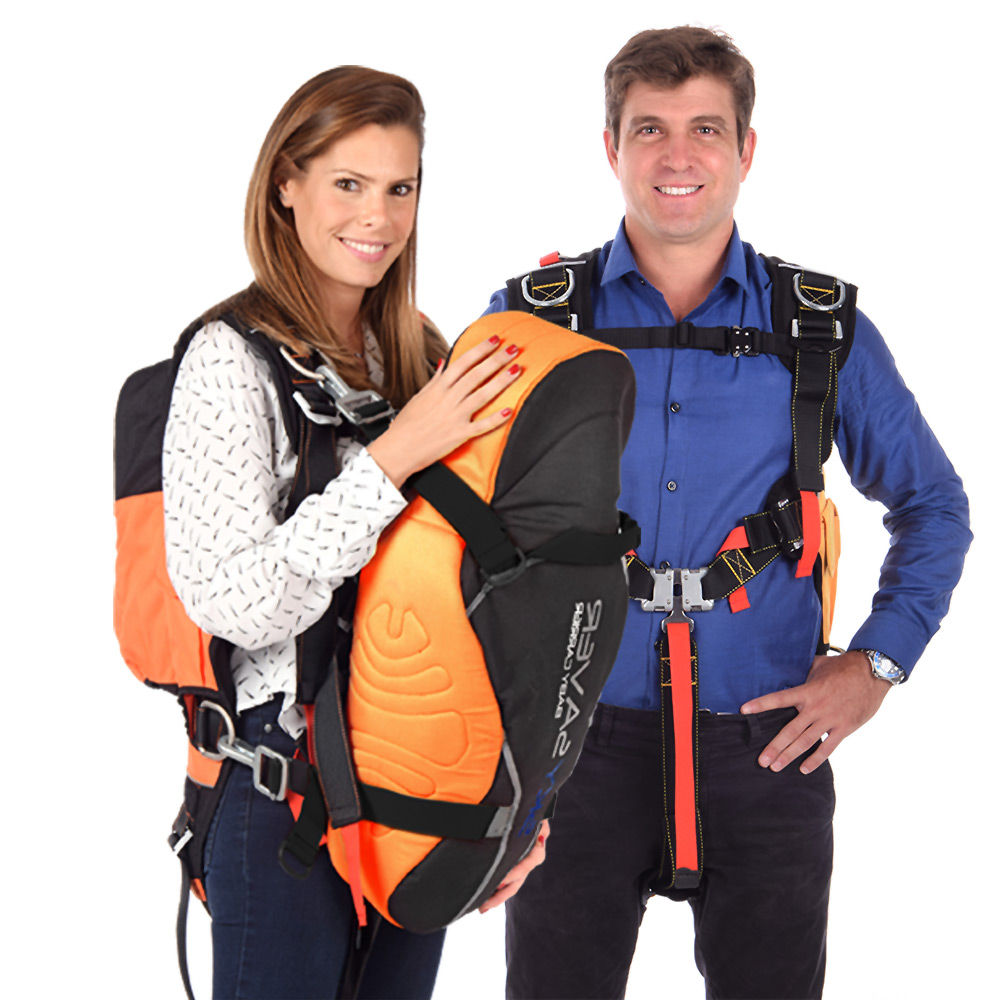
Parent Package
Complete emergency evacuation kit for the parent and dependant. Fast, safe descent from high-rise buildings.
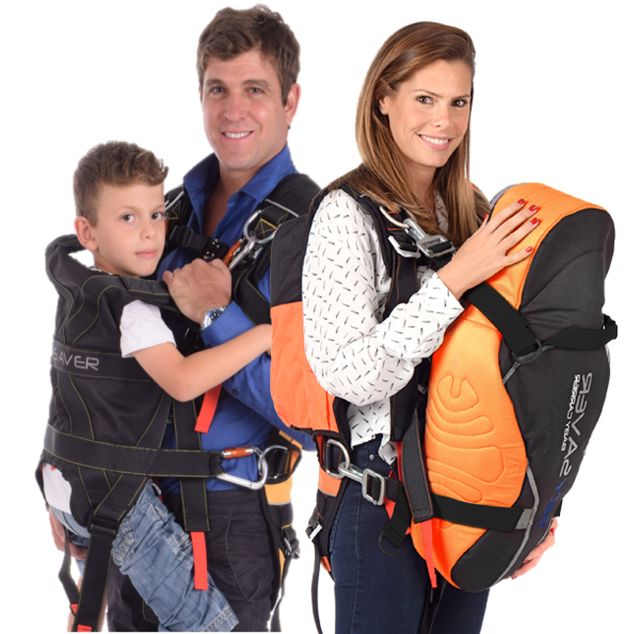
Parent Edition
Complete high-rise evacuation solution for a parent, maximum safety and fast deployment.
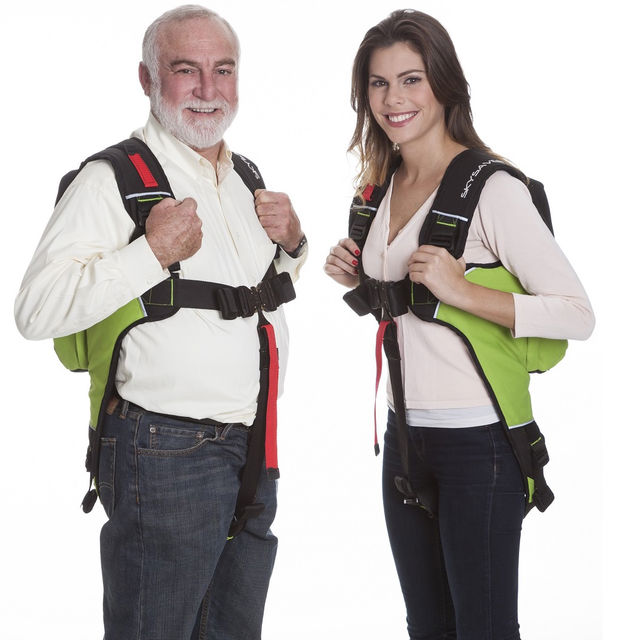
Single Self-Rescue Kit
Complete emergency evacuation kit for high-rise fast, safe descent during critical emergencies.
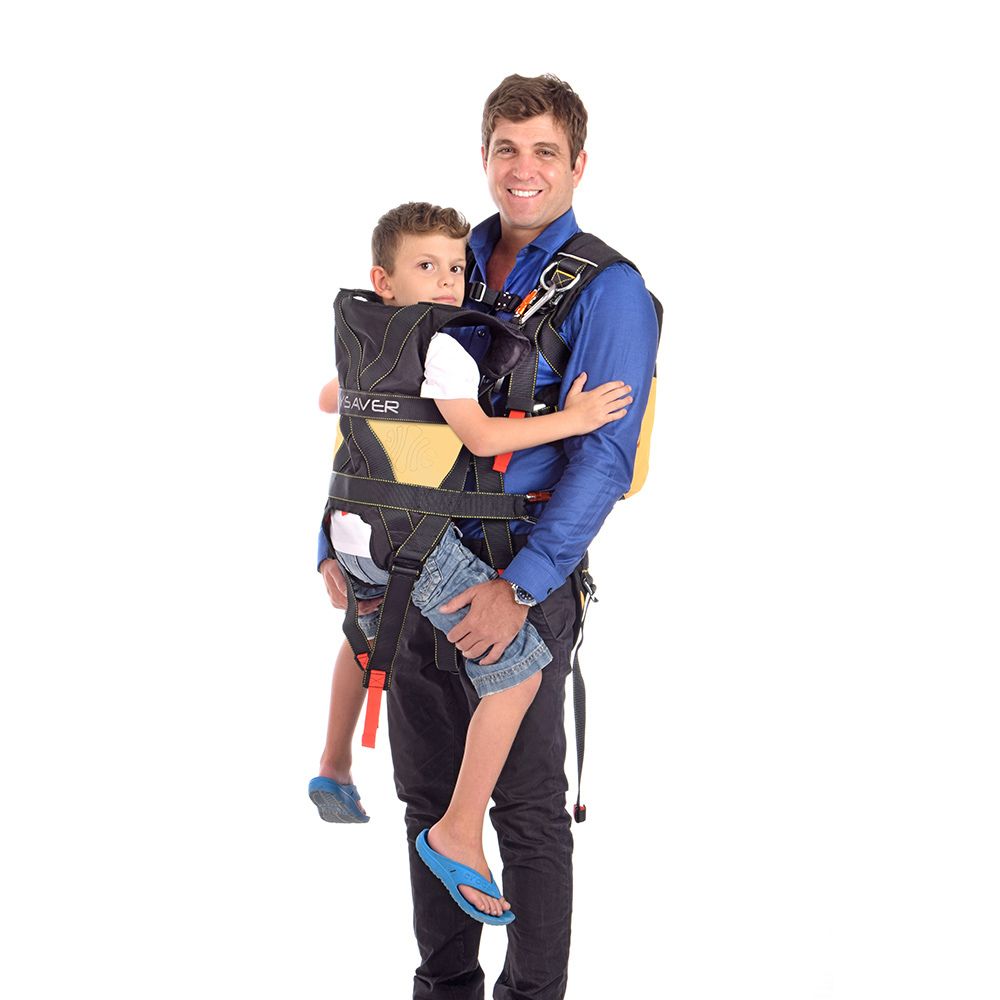
Attachable Child Harness
Lightweight child safety harness designed for secure, controlled evacuation from high-rise buildings.
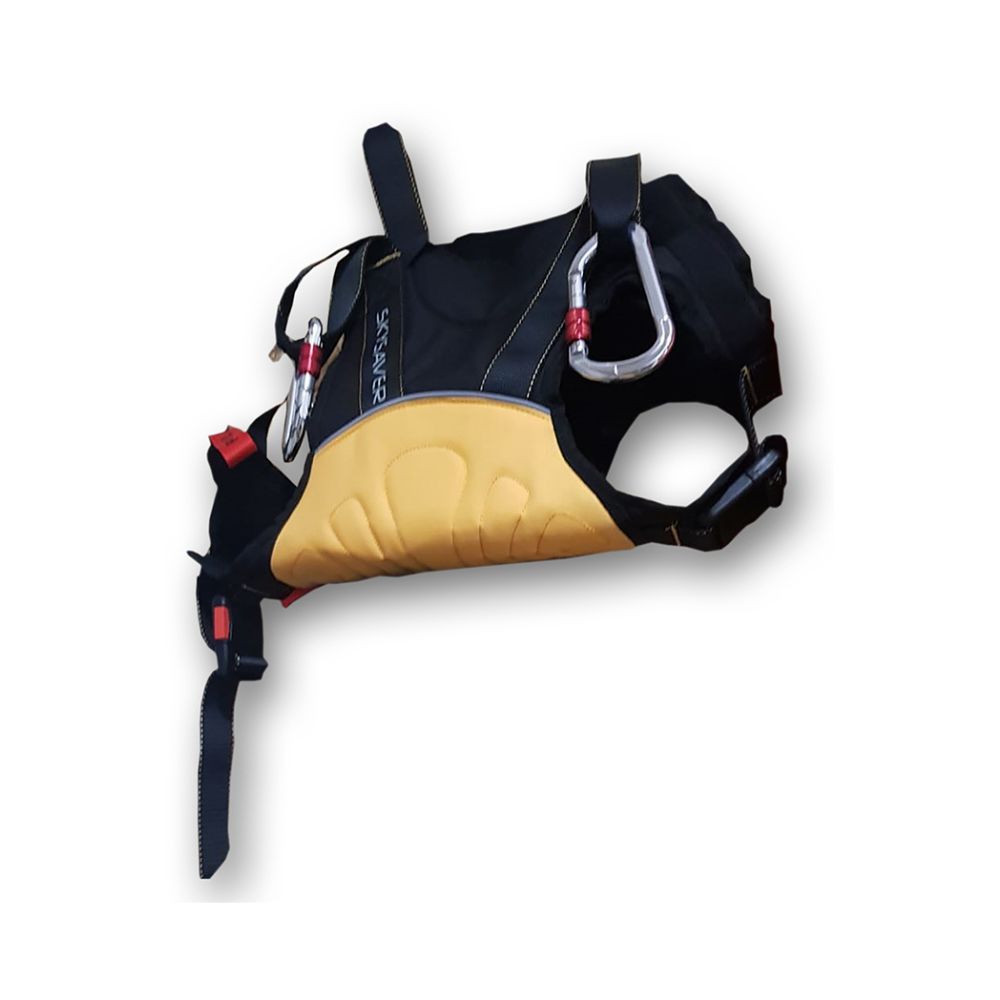
Attachable Pet Harnesses
Secure, lightweight safety harness designed for fast and controlled pet evacuation from high-rise buildings.

single Self-Rescue Harnesseses
Professional external safety harness for secure personal evacuation from high-rise buildings.
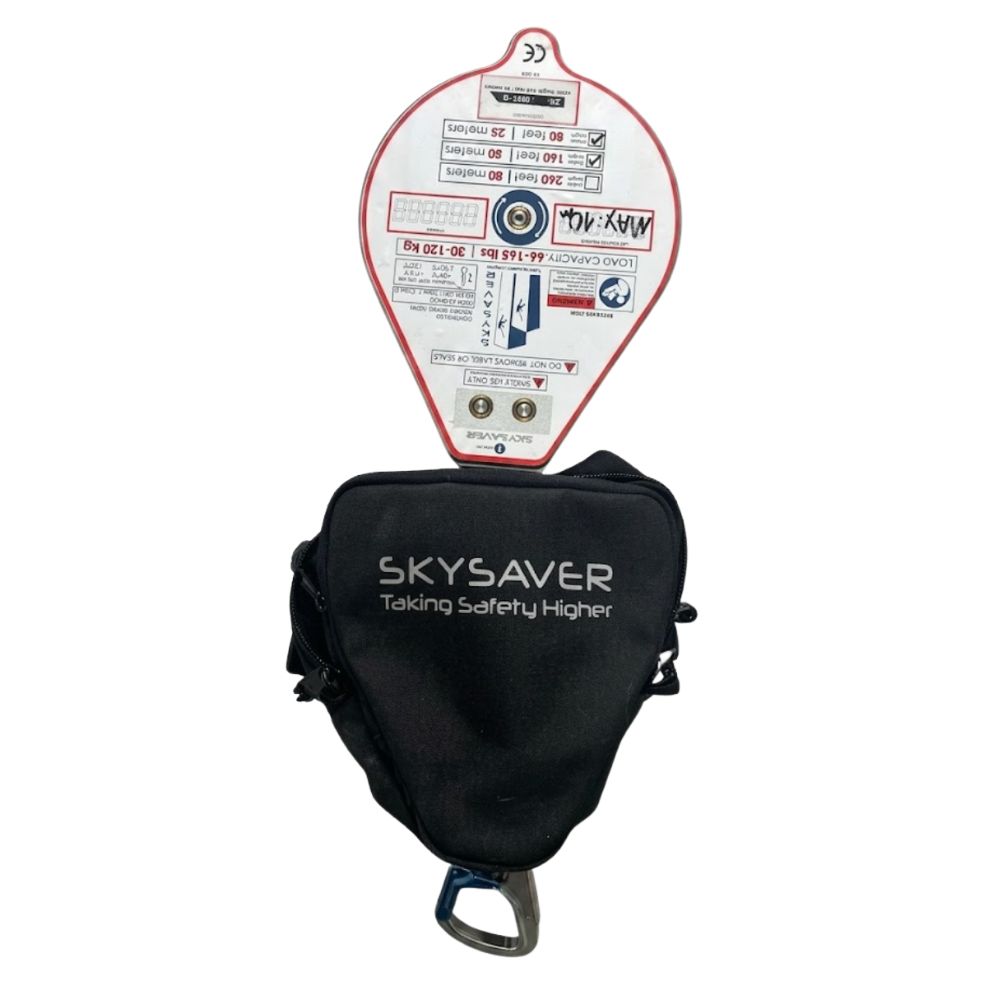
Controlled Descent Device (CDD)
External CDD unit for safe, controlled descent during high-rise emergency evacuation.