The short-term rental market has transformed how millions of travelers find accommodation worldwide, and platforms like Airbnb have made it easier than ever for property owners to list their homes, apartments, and investment units. But with the opportunity of hosting comes a serious obligation that too many hosts overlook: fire safety for Airbnb hosts. Guests arriving at an unfamiliar property in an unfamiliar city are uniquely vulnerable in a fire emergency, and the host who fails to account for this is taking on both moral and legal risk.
Unlike hotel chains that operate under strict fire codes enforced by regular inspections, short-term rental properties often fall into a regulatory gray area. In many jurisdictions, the legal requirements for fire safety in Airbnb listings are evolving rapidly — and hosts who do not stay informed risk fines, liability lawsuits, and the devastating possibility that a preventable tragedy occurs in their property.
Understanding Your Legal Obligations as a Short-Term Rental Host
Fire safety regulations for short-term rentals vary significantly by city, state, and country. However, certain baseline requirements are common across most jurisdictions, and hosts should treat these as the absolute minimum standard of care. Working smoke detectors on every level of the property, and ideally in every bedroom and adjacent hallway, are required by law in virtually every developed market. Carbon monoxide detectors are also mandatory in properties with gas appliances, fireplaces, or attached garages.
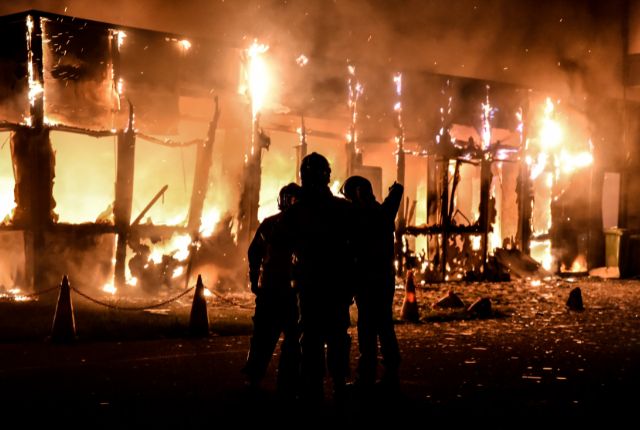
Beyond detection, many municipalities now require short-term rental hosts to provide fire extinguishers in accessible locations, maintain clear and unobstructed exit routes, and post emergency evacuation information in a visible area within the property. Some cities — particularly those with dense high-rise rental markets — have begun requiring hosts to register with local fire departments and undergo periodic inspections. Failure to comply with these requirements can result in significant fines, loss of operating licenses, and personal liability in the event of a fire-related injury or death.
Liability Exposure That Every Host Must Understand
When a guest is injured in a fire at your rental property, the question of liability turns on what safety measures were in place and whether the host exercised reasonable care. Insurance policies — including Airbnb’s Host Protection Insurance — often contain exclusions related to fire safety negligence. If an investigation determines that smoke detectors were missing, fire exits were blocked, or the host failed to comply with local fire codes, the host may bear personal financial and legal responsibility for injuries, deaths, and property damage.
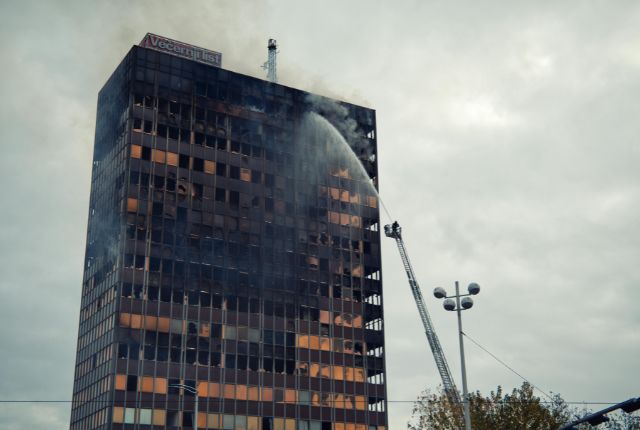
This liability extends beyond the physical property. If a guest in your high-rise Airbnb unit is unable to evacuate because they were not informed about emergency procedures or because the building’s high-rise evacuation protocols were not communicated, the host may be held accountable for that failure of preparation. The standard of care for short-term rental operators is rising, and courts are increasingly willing to hold hosts to the same standards as commercial hospitality providers.
Best Practices That Go Beyond the Legal Minimum
Meeting the minimum legal requirements is not enough to ensure your guests’ safety — or to fully protect yourself as a host. The best Airbnb hosts treat fire safety as a core component of the guest experience, not an afterthought. Start by providing clear, written emergency instructions in the property. These instructions should include the location of all exits, the nearest fire extinguisher, how to activate the building’s fire alarm, and what to do if evacuation through corridors is not possible.
For properties in high-rise buildings, this guidance is especially critical. Guests who are unfamiliar with the building will not know where the stairwells are, whether the building uses phased evacuation, or what the assembly point is outside. A simple, laminated card placed next to the front door can provide all of this information at a glance. Guests should also be made aware of how to contact emergency services in the local area, particularly international travelers who may not know the local emergency number.
Responsible hosts also understand that how people behave during a fire is heavily influenced by their environment and level of preparation. A guest who has been briefed on the building’s fire safety features is far more likely to respond effectively than one who has received no guidance at all.
Equipping Your Property with the Right Safety Tools
Beyond smoke detectors and fire extinguishers, forward-thinking hosts are equipping their properties with additional safety tools that provide a genuine advantage in an emergency. Fire blankets, emergency flashlights, and first aid kits are inexpensive additions that demonstrate a commitment to guest safety. For high-rise properties, the SkySaver rescue backpack represents the most advanced level of personal fire safety available to property owners.
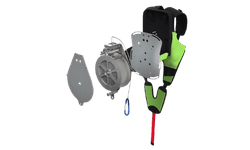
SkySaver is a compact, personal evacuation device that enables controlled descent from any floor through a window or balcony. It requires no training, no assembly, and no prior experience. The three-step process — buckle up, clip to the anchor, and descend — can be performed by anyone, including guests who have never encountered the device before. For Airbnb hosts operating in high-rise buildings, providing a SkySaver device in the unit sends an unmistakable message: this host takes safety seriously.
SkySaver devices are certified by ASTM, ANSI, CE, TUV, and NFPA, and are backed by Lloyd’s of London insurance for eight consecutive years. They are available in configurations suitable for individuals, couples, and families, and the SkySaver product range includes dedicated harnesses for children and pets. For properties that market themselves as family-friendly, this level of safety preparation is a powerful differentiator.
Fire Safety as a Competitive Advantage
In an increasingly competitive short-term rental market, safety is becoming a deciding factor for discerning guests. Travelers are reading reviews more carefully, asking more questions about safety features, and choosing properties that demonstrate a genuine commitment to their wellbeing. A listing that highlights comprehensive fire safety measures — including personal evacuation devices — stands out from the thousands of properties that offer nothing beyond the bare minimum.
More importantly, investing in fire safety is simply the right thing to do. As a host, you are inviting people into a space that you control, in a building they do not know, in a situation where they are relying entirely on the preparations you have made. That trust carries real weight, and honoring it through thorough safety preparation is both a moral imperative and a sound business practice.
Whether you host occasionally or manage a portfolio of rental properties, taking fire safety seriously protects your guests, your reputation, and your financial interests. Explore the full range of apartment fire safety resources and discover how SkySaver can help you provide the highest standard of protection for every guest who walks through your door.
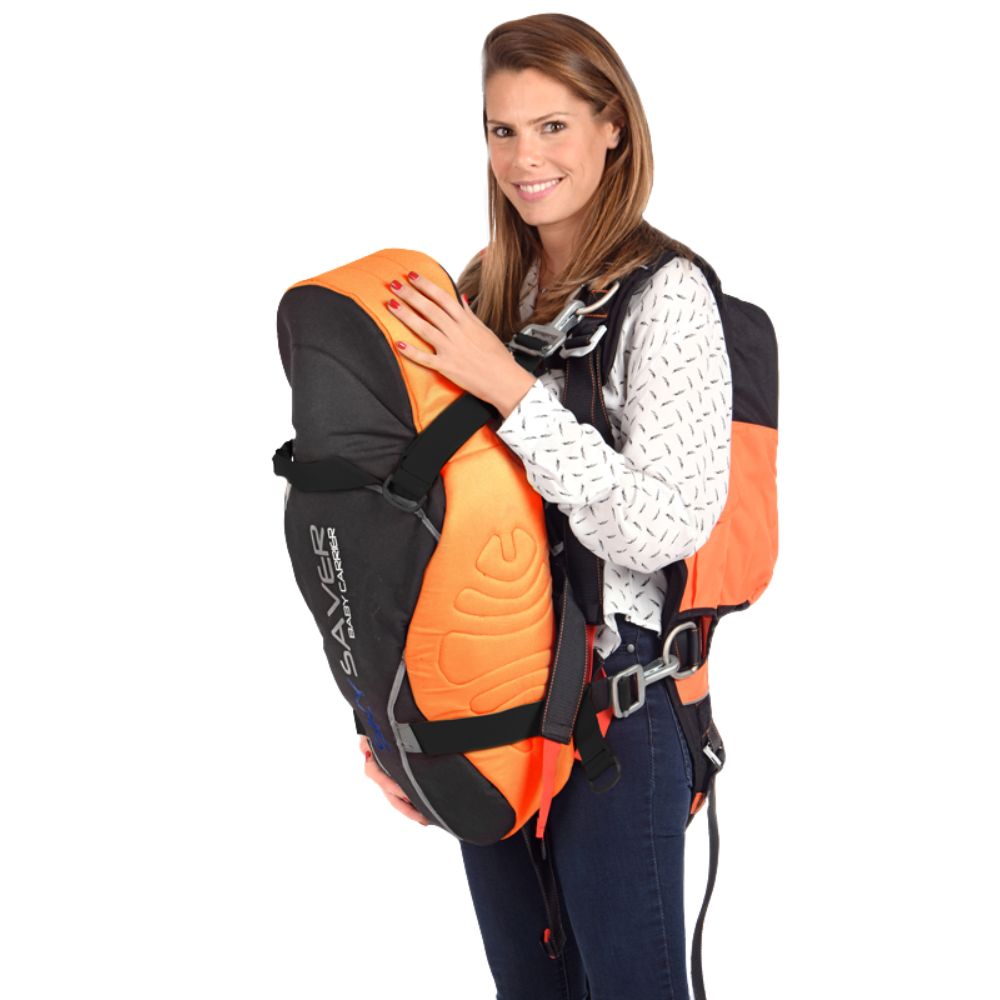
Attachable Baby Harness
Lightweight safety harness for fast and secure infant evacuation in high-rise emergencies.
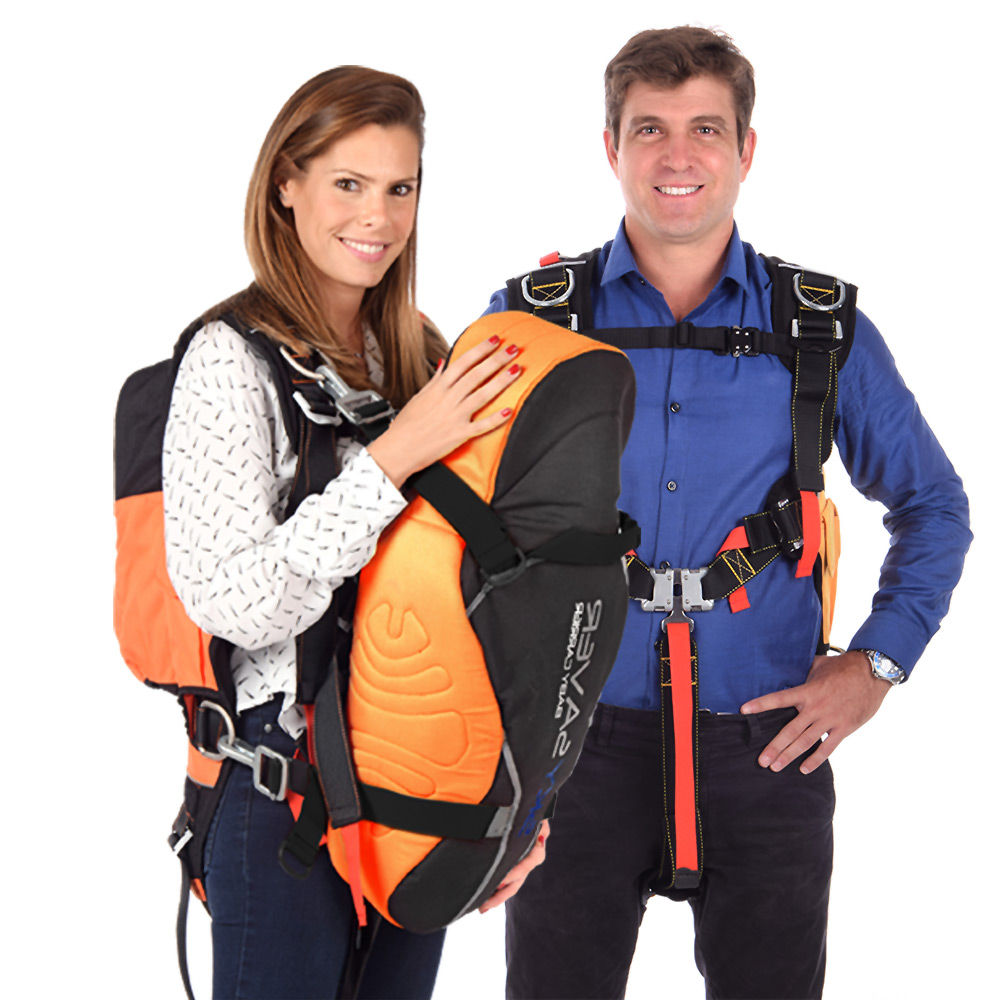
Parent Package
Complete emergency evacuation kit for the parent and dependant. Fast, safe descent from high-rise buildings.
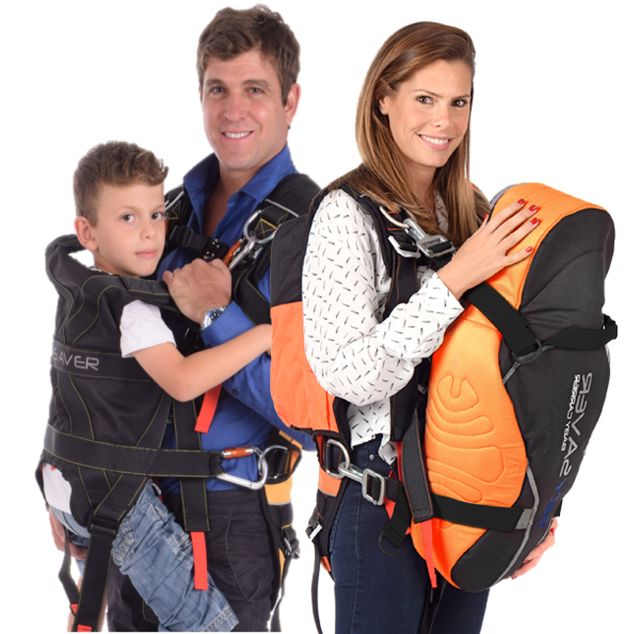
Parent Edition
Complete high-rise evacuation solution for a parent, maximum safety and fast deployment.
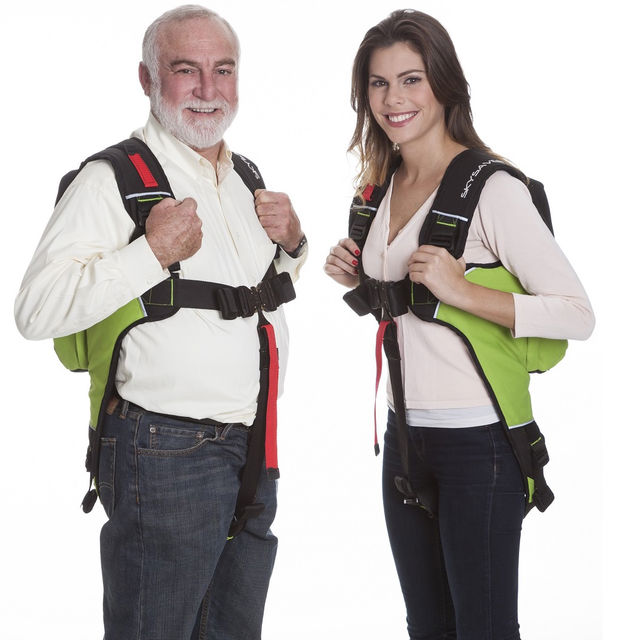
Single Self-Rescue Kit
Complete emergency evacuation kit for high-rise fast, safe descent during critical emergencies.
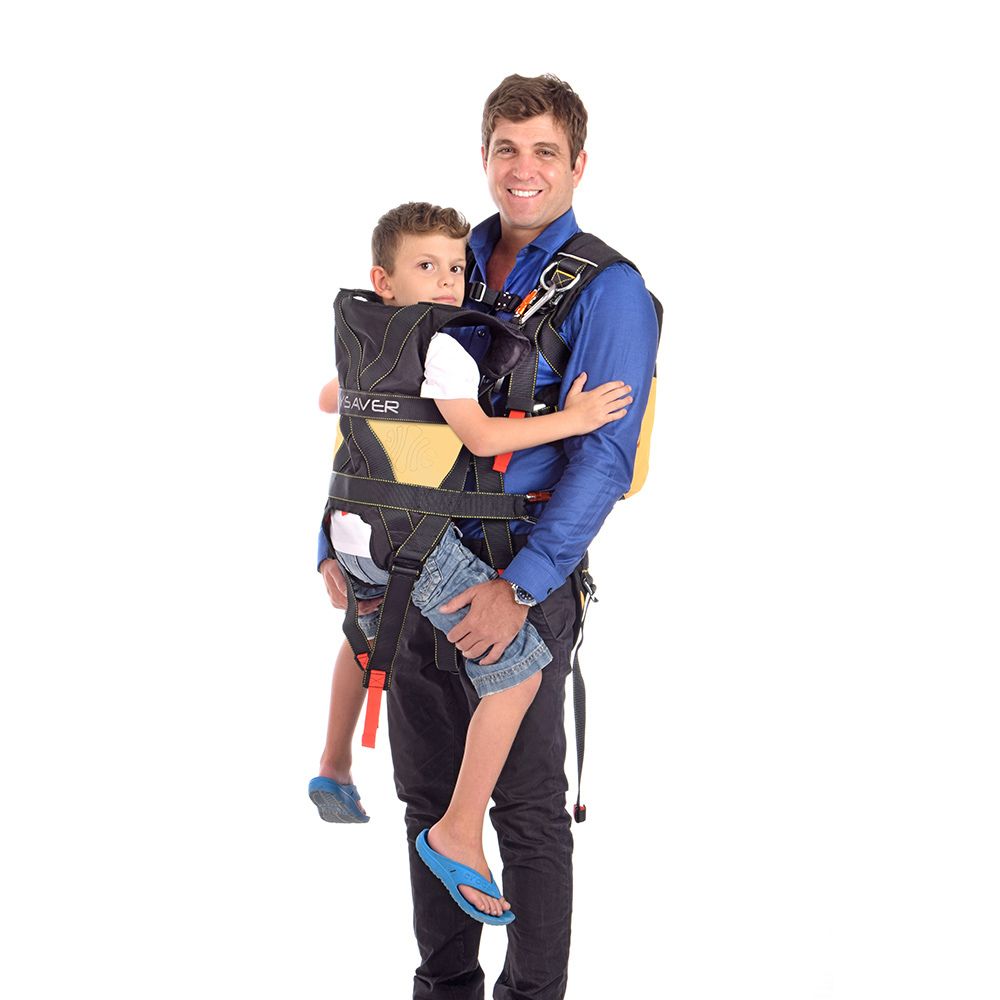
Attachable Child Harness
Lightweight child safety harness designed for secure, controlled evacuation from high-rise buildings.
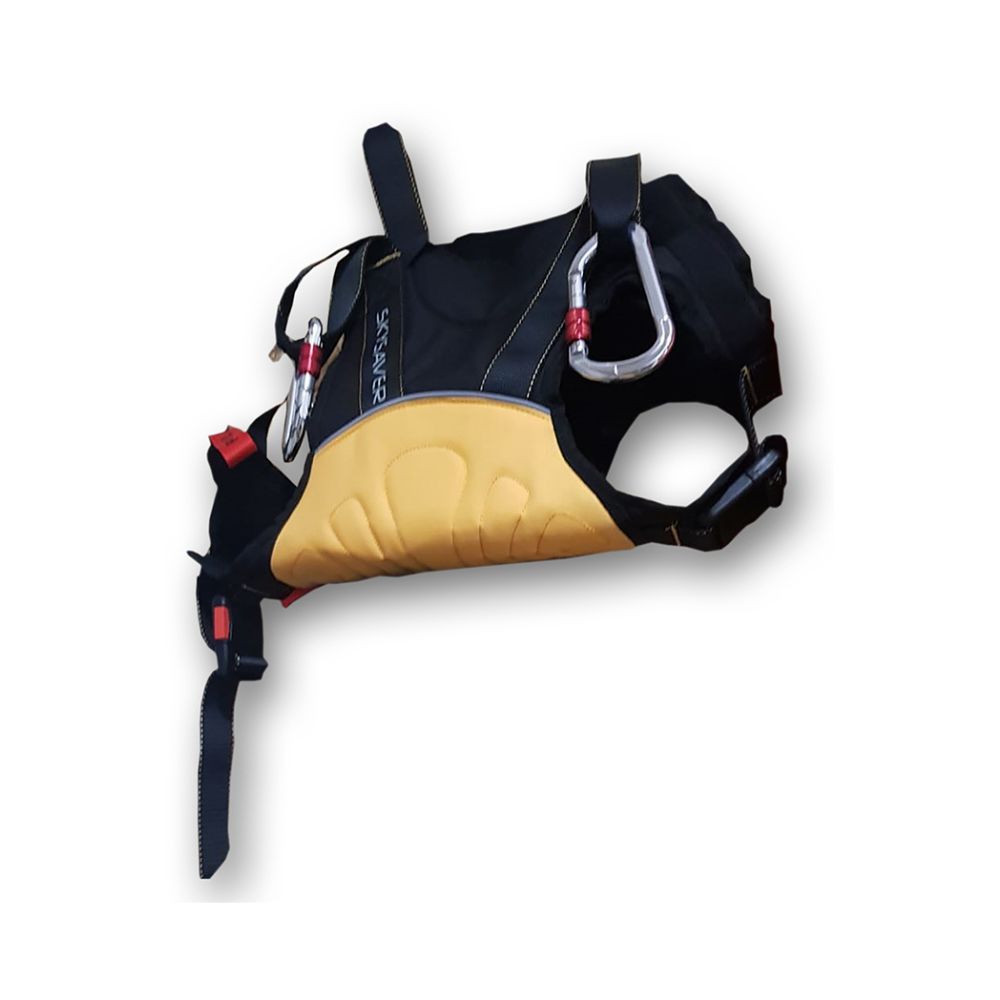
Attachable Pet Harnesses
Secure, lightweight safety harness designed for fast and controlled pet evacuation from high-rise buildings.
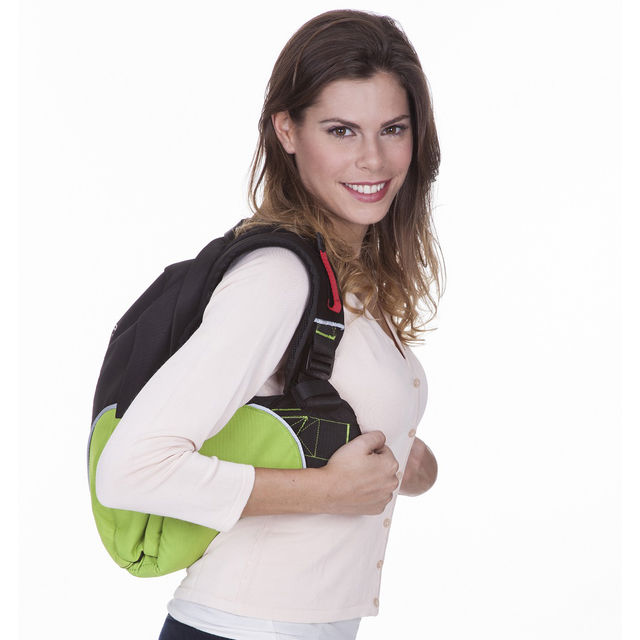
single Self-Rescue Harnesseses
Professional external safety harness for secure personal evacuation from high-rise buildings.
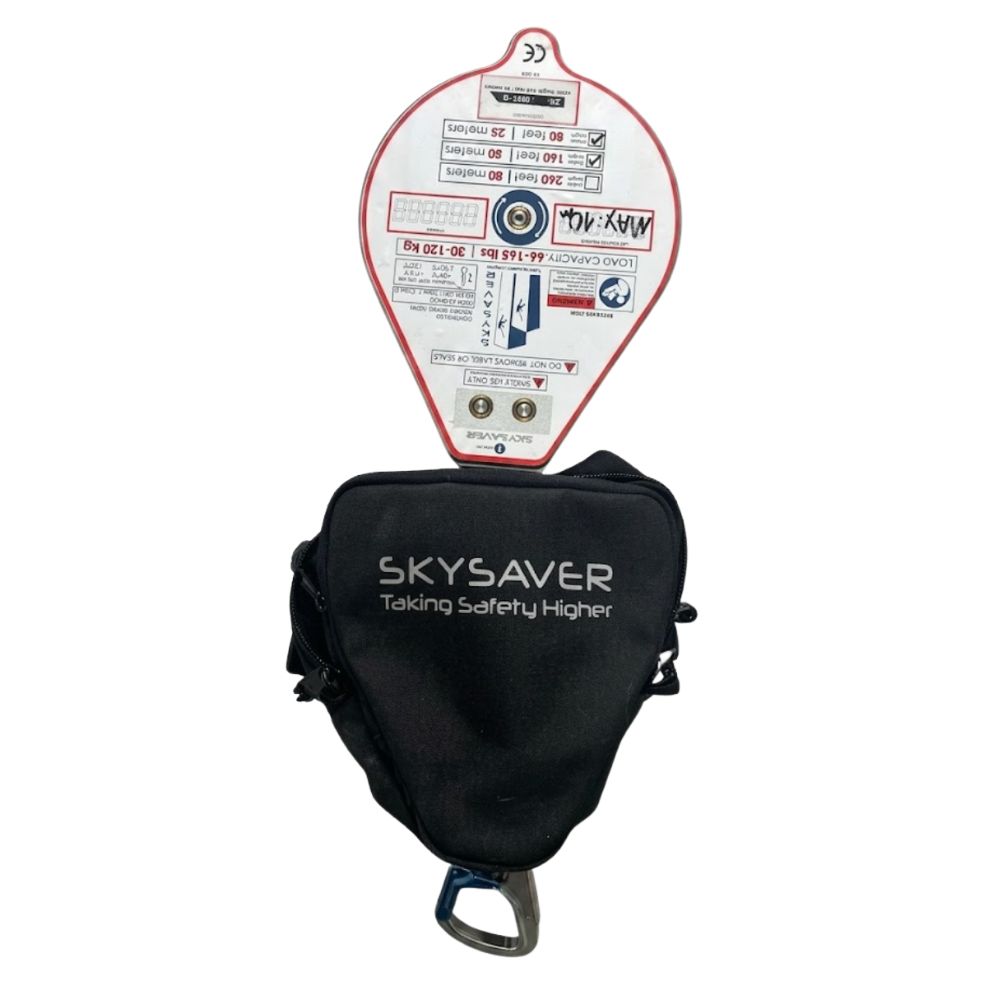
Controlled Descent Device (CDD)
External CDD unit for safe, controlled descent during high-rise emergency evacuation.