Home › Industries
Industries & Applications

Configured Around the People, the Descent and the Anchor Point

Rescue and evacuation needs arise across many elevated environments. SkySaver solutions can support selected applications in fire and rescue, industrial work at height, cranes, ropeways, and buildings, subject to product suitability and site-specific procedures.

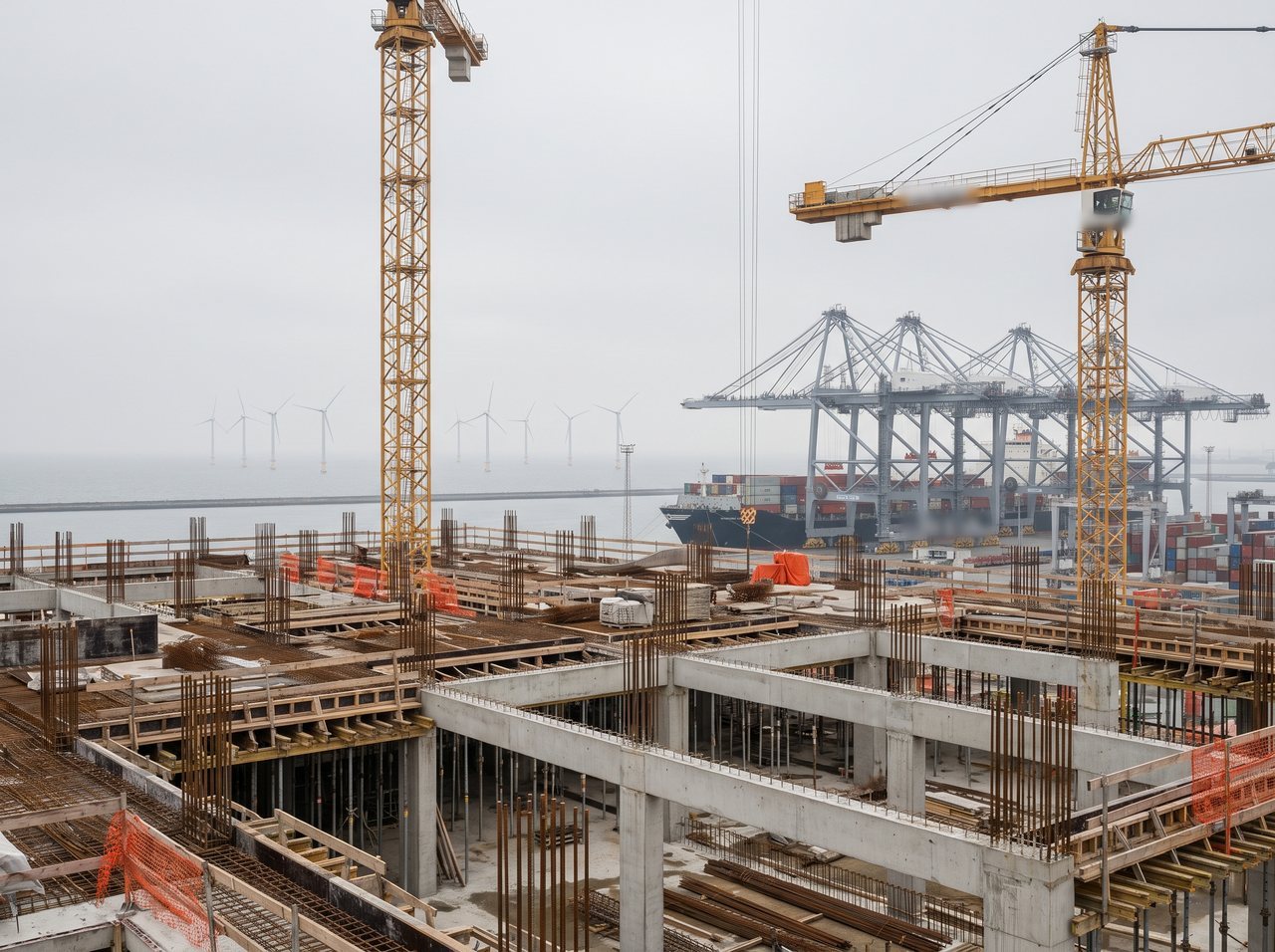
Tower cranes over a new building frame, with a harbour and offshore wind turbines beyond
How the Products Work Together

Five Ways to Use SkySaver

Harnesses support the person, descent devices control the descent, and anchorage connects the system to a suitable structural point. Together they support five ways of getting people down safely.

01

Individual Evacuation

A person wears a harness with an integrated descent device and descends from an assessed exit location when the normal route is unavailable.

02

Adult With a Dependent

A parent harness and a dependent attachment let an adult descend together with an infant, a child or a pet. The combination must suit both users and the combined load.

03

Assisted Rescue

A trained helper or rescue team fits the person with a suitable harness or rescue interface and controls the descent with a compatible external descent device.

04

Sequential Evacuation

Several people descend one after another from a shared exit point, using a multi-person descent device and interchangeable harnesses, with a receiving team below.

05

Post-Fall Recovery

A worker left suspended in fall-arrest equipment is connected, transferred and lowered as part of a planned rescue, where the worker can be reached from a safe position.

Eleven Markets

Where the Products Apply

Each market lists typical buyers, representative scenarios and the points to confirm before a configuration is selected.

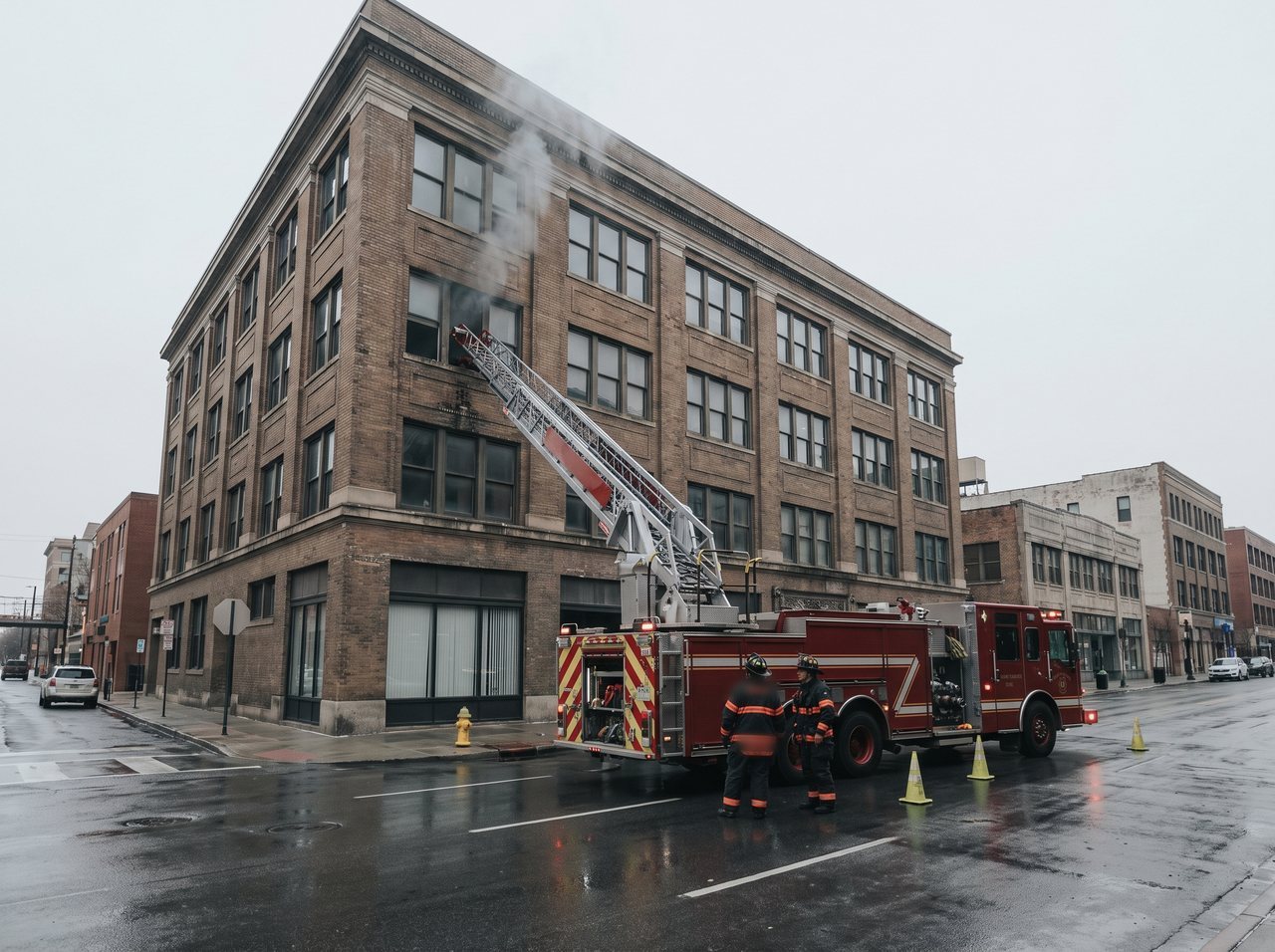
A fire engine's aerial ladder extended toward the upper floors of an office building
Market 01

Fire & Rescue Services

Equip the people being rescued, support organized civilian evacuation, and give responders configuration options for different rescue tasks.

Typical buyersFire departments, technical rescue teams, USAR units and emergency-response organizations.

  • Rapid victim harness applicationA responder fits a rescue harness to a civilian who needs help leaving an elevated location, then manages the lowering from the rescue position with a compatible external descent system.
  • Sequential civilian evacuationResponders prepare and lower civilians one after another, with a receiving team at the landing area. Interchangeable harnesses keep the preparation cycle moving.
  • Adult-and-dependent evacuationA rescuer or another designated adult descends with an infant, a child or a pet secured in the matching attachment, giving a defined option for people who cannot evacuate on their own.
  • Casualty lowering in technical rescueRope-rescue, USAR, industrial-response and military rescue teams build a suitable harness into a planned casualty-lowering operation, adding a rescue interface where a casualty needs more body or medical support.
  • Responder emergency escapeA responder needs an alternative way down when normal egress is lost. Selection accounts for protective clothing, carried equipment and the responder's existing harness.

Compatibility with breathing apparatus and other personal protective equipment must be confirmed before a configuration is selected.

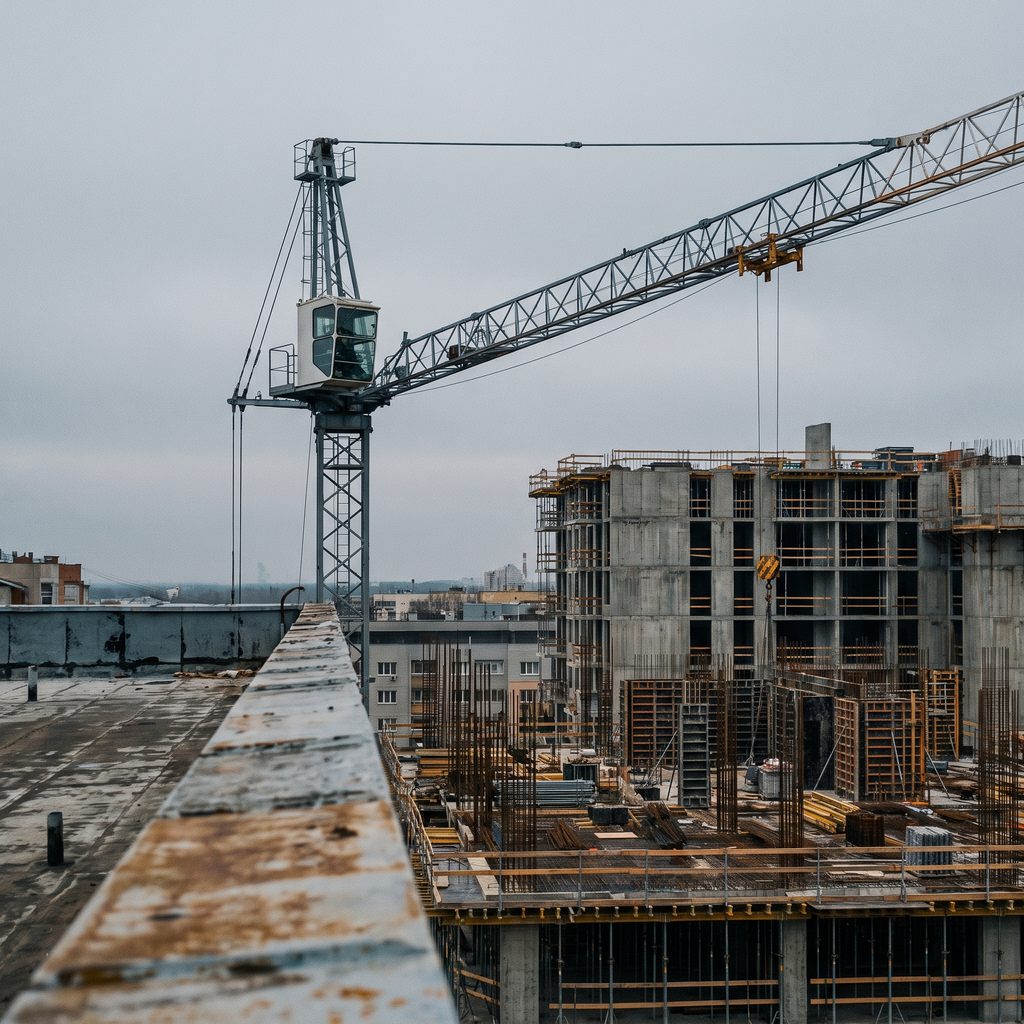
The upper floors of a multi-story building
Market 02

Buildings & Property Management

Plan evacuation options around the occupants, the usable exit locations and the assistance available in each property.

Typical buyersFacilities management companies, property owners, hotel operators, developers and institutional facilities teams.

  • Individual occupant evacuationAn occupant needs an alternative way down from a designated window, balcony or other assessed exit location when normal access cannot be used.
  • Occupants with dependentsAn adult evacuates with an infant, a child or a pet using a parent harness and the matching dependent attachment.
  • Staff-assisted evacuationTrained staff or responders help a person who cannot fit or use the system independently. The plan defines who prepares the occupant, who controls the descent and who receives them below.
  • Sequential evacuation for managed propertiesA facilities team equips designated shared evacuation points, so trained personnel can prepare and lower occupants one after another across hotels, offices and institutional facilities, with a receiving team below.

For larger installations, assess occupancy, exit access, anchorage, storage and staffing. Room count alone does not determine the number or placement of systems.

A tower crane operator cab high above a construction site
Market 03

Tower Cranes & Construction

Address the loss of normal crane access, and the recovery of workers who cannot descend on their own.

Typical buyersCrane owners, rental companies, contractors, site safety managers and construction rescue providers.

  • Operator emergency escapeAn operator needs an alternative way down when the crane's usual ladder or access path is unavailable. The exit position must give a clear route past the crane and the structures around it.
  • Assisted evacuation from the crane structureA worker can no longer return safely from an elevated access point or section of the crane, and a planned rescue configuration lowers them from a suitable location.
  • Rescue after a fallA worker is left suspended in fall-arrest equipment. Where the worker can be reached from a safe position, remote connection can support a planned load-transfer and lowering procedure.

Determine the descent distance from the actual rescue position, not from the crane's nominal height.

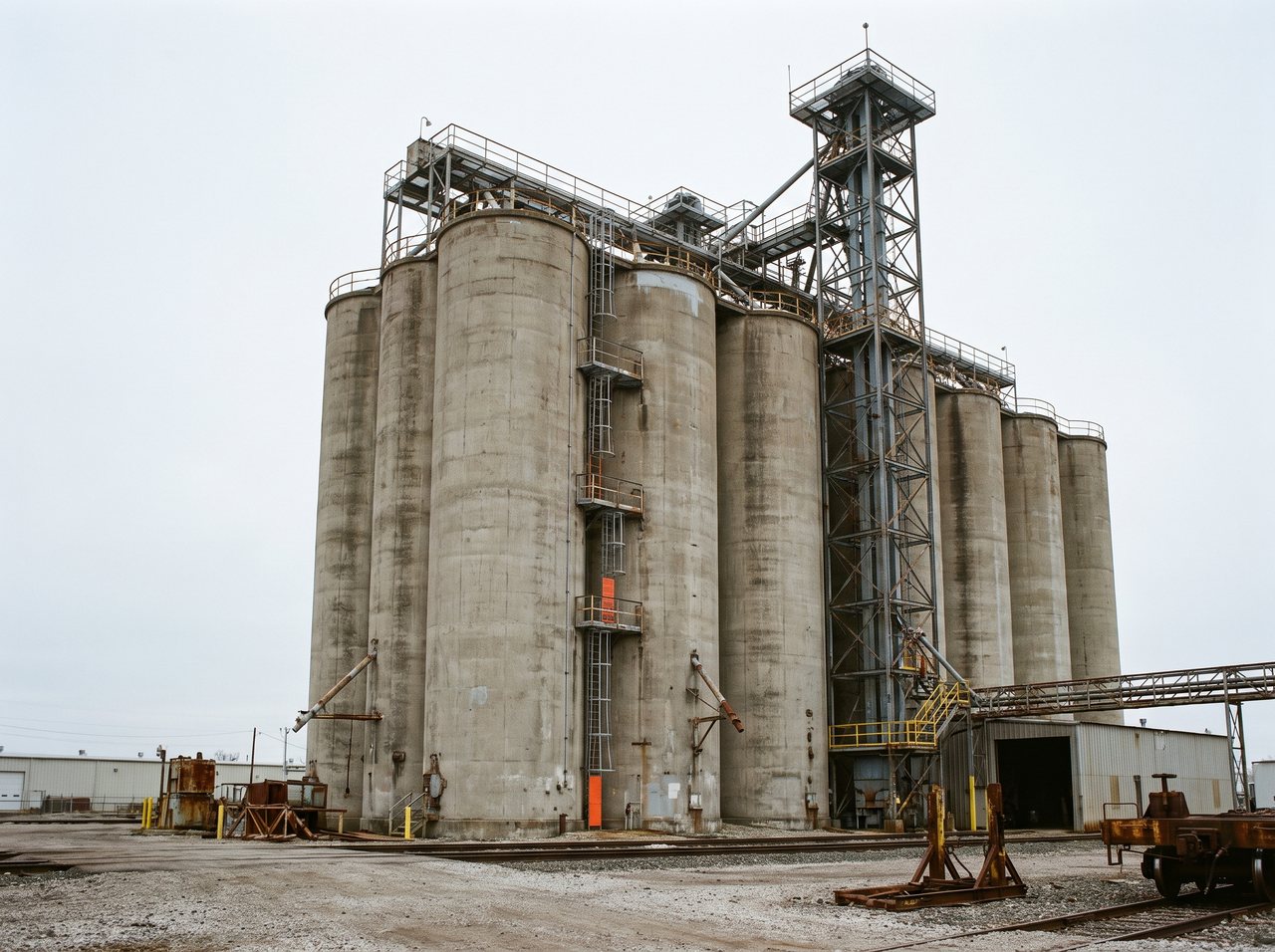
Concrete silos with caged ladders, catwalks and a steel elevator tower at an industrial site
Market 04

Industrial Facilities & Manufacturing

Provide defined escape and rescue options for elevated work locations that can become isolated during an incident.

Typical buyersPlant operators, manufacturing groups, maintenance contractors and industrial emergency-response teams.

  • Escape from an elevated work areaA worker needs to leave a platform, conveyor access area, mezzanine or process structure when its normal stairs or access route cannot be used.
  • Casualty lowering for maintenance workersA worker becomes ill or injured at height, and a rescue team selects the body support and descent arrangement that suit the casualty.
  • Suspended-worker recoveryA maintenance or façade worker is suspended after a fall. The rescue plan identifies a reachable connection point, a controlled load-transfer method and a clear lowering route.
  • Planned equipment placementSelected systems are positioned near assessed elevated work zones, so escape and rescue equipment can be reached promptly. Quantities and placement follow the site rescue plan.

A descent configuration does not by itself establish suitability for confined-space entry, retrieval or rescue.

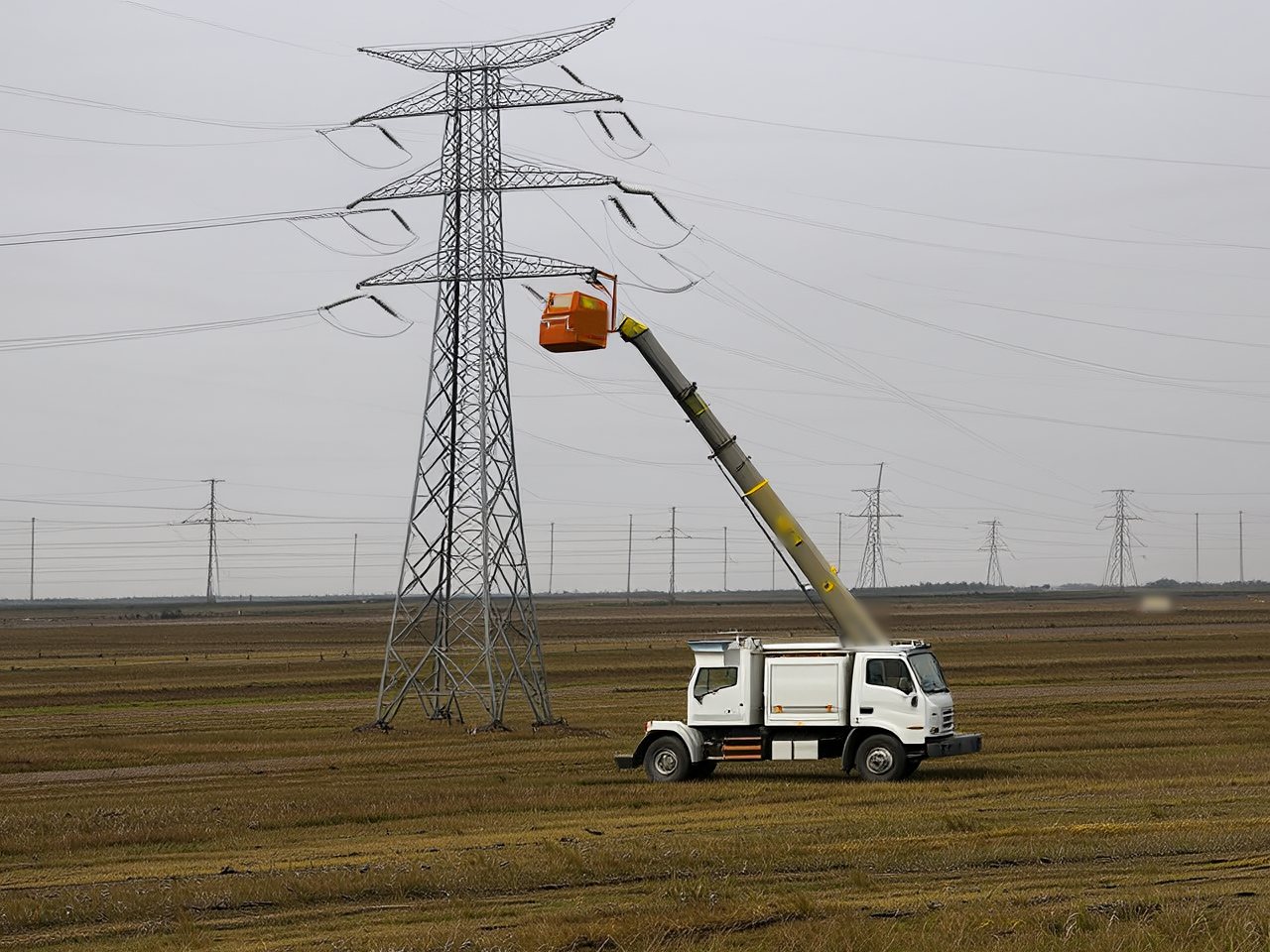
A utility bucket truck with its boom raised beside a high-voltage transmission pylon in open farmland
Market 05

Utilities & Aerial Work Platforms

Address disabled elevated platforms and the rescue of workers who cannot use their normal way down.

Typical buyersElectricity and utility providers, line-maintenance contractors, fleet operators and aerial-platform service companies.

  • Disabled bucket or platformA bucket or work platform cannot be returned safely to ground level, and the operator needs a planned alternative descent from an assessed exit position.
  • Incapacitated platform occupantA coworker or rescue team helps a person who cannot leave the platform independently, accounting for the platform edge, body support and access for the assisting person.
  • Pole and transmission-structure rescueA worker can no longer descend from a pole or elevated utility structure. The rescue plan addresses obstructions, the worker's existing equipment and the receiving location.
  • Post-fall recoveryA worker remains suspended after a fall. Remote connection can help where the worker is reachable from a safe position, provided the method also releases or transfers the existing load safely.

These are evacuation concepts, not a claim of electrical insulation or of suitability near energized conductors. Electrical hazards must be resolved in the site-specific equipment selection and rescue plan.

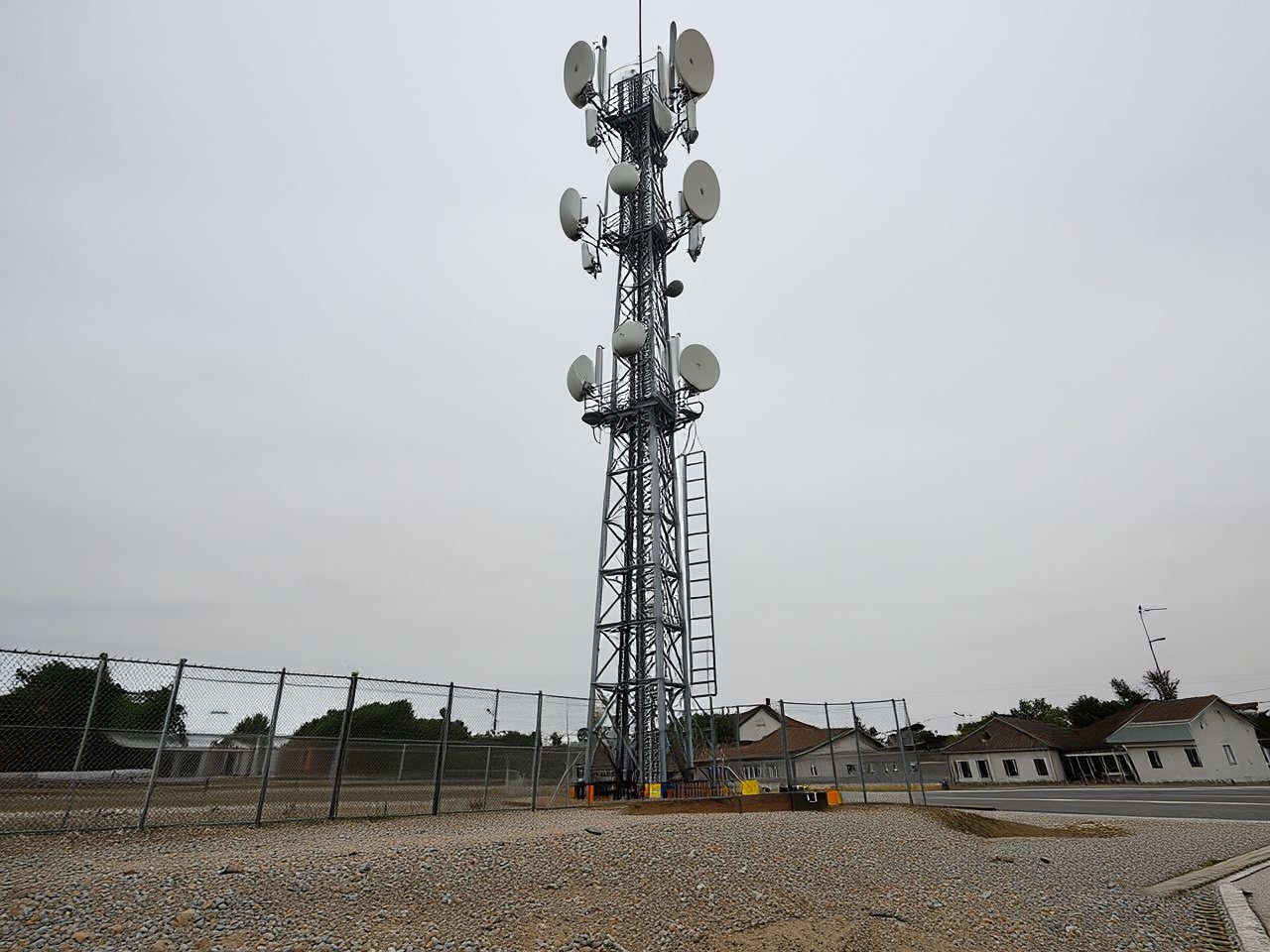
A steel lattice telecommunications tower with antennas and dishes in a fenced compound
Market 06

Telecommunications & Tower Operations

Support emergency descent and worker recovery on towers, rooftop installations and elevated communications structures.

Typical buyersTelecommunications operators, tower owners, infrastructure contractors and specialist tower-rescue teams.

  • Alternative descent from a work positionA technician needs an escape route when the normal climbing system or access path is unavailable. The planned descent must clear antennas, bracing, cables and adjacent structures.
  • Rescue of an incapacitated technicianA technician becomes ill or injured at an elevated work position, and a rescue team prepares a lowering configuration suited to the technician's condition and existing equipment.
  • Recovery following a fallA worker is suspended in fall-arrest equipment. The rescue method covers access, connection, load transfer and the path to a safe receiving position.

Check the actual lowering distance and the entire descent path. A tower's nominal height alone does not establish a suitable configuration.

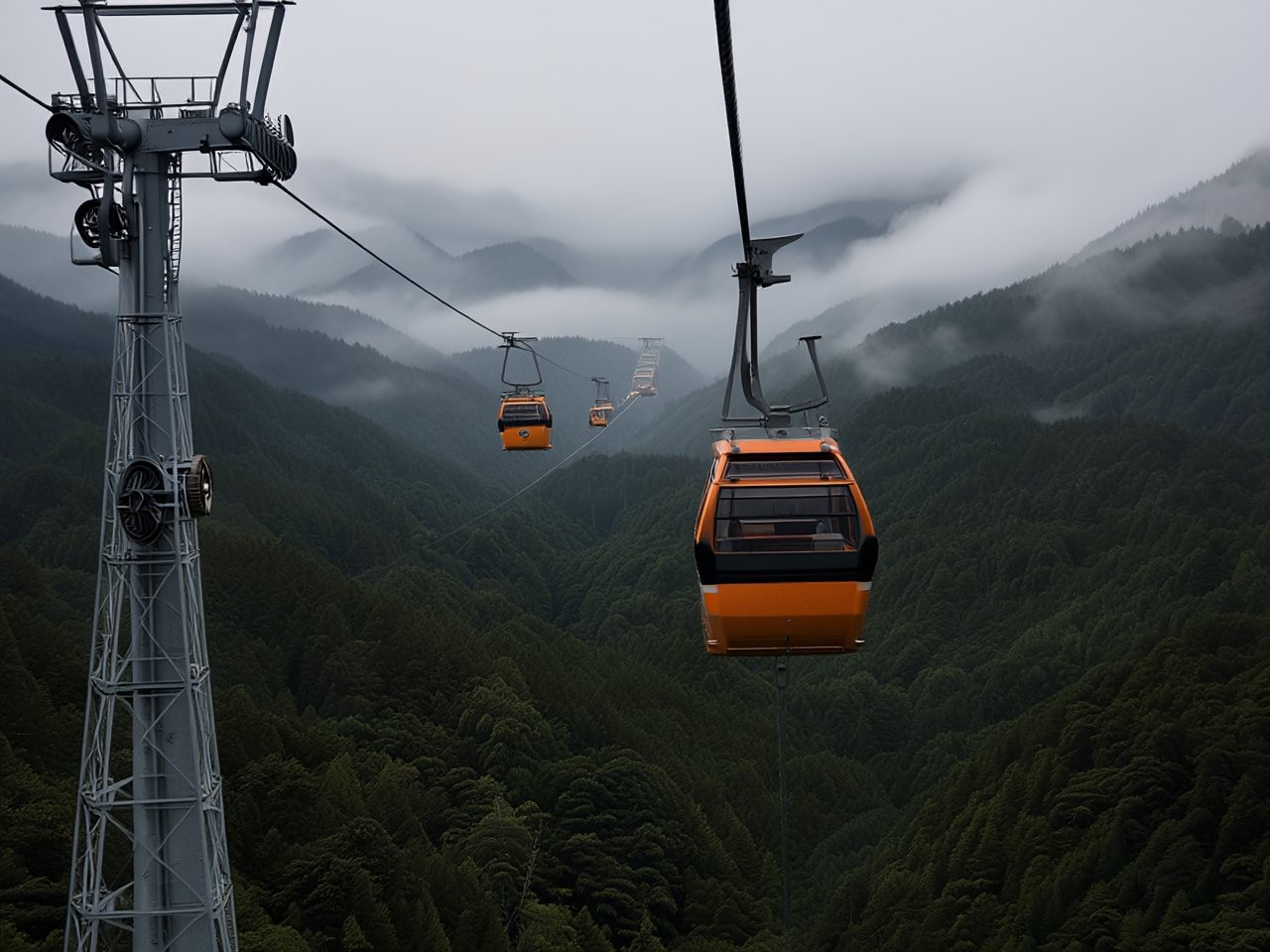
Orange gondola cabins on a mountain ropeway above a forested valley
Market 07

Ropeways & Cable Cars

Organize passenger evacuation from stranded cabins, with particular attention to preparation, dependent passengers and reception below.

Typical buyersRopeway operators, cable-car system suppliers, maintenance providers and specialist passenger-rescue teams.

  • Sequential passenger evacuationA trained rescue team prepares passengers in turn and lowers them from a designated cabin exit to a controlled receiving area.
  • Adult-and-dependent descentA passenger or designated rescuer descends with an infant, a child or a pet in the matching attachment, where combined-load and cabin-exit requirements are met.
  • Passengers needing additional assistanceA passenger cannot fit the harness, move to the exit or descend without help. The rescue plan defines the support needed inside the cabin and during lowering.
  • Maintenance-worker emergency escapeA worker needs an alternative way down from an assessed maintenance platform or ropeway structure.

Confirm cabin anchorage, access, cable length, terrain clearance, wind conditions and the receiving area. Sequential evacuation over longer distances requires a configuration confirmed for that duty.

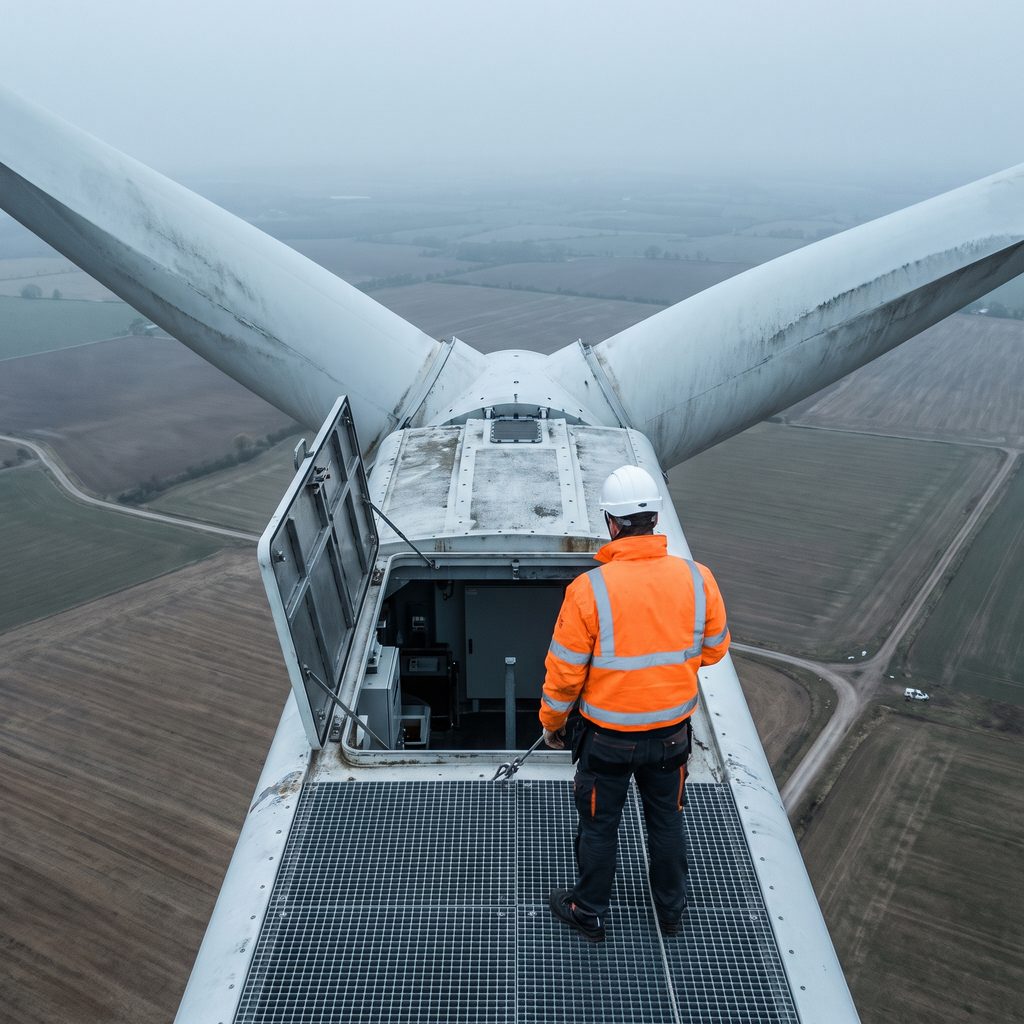
A technician on the nacelle of a wind turbine
Market 08

Wind Energy

Assess alternative egress and assisted rescue from elevated turbine work positions.

Typical buyersWind-farm operators, turbine manufacturers, service contractors and wind-sector rescue teams.

  • Emergency nacelle or tower egressA technician needs an alternative route when internal access is unavailable. The selected exit must give a clear descent path past the turbine and its equipment.
  • Assisted rescue of a technicianA technician can no longer use the normal access system. The rescue plan covers movement to the exit, suitable casualty support and controlled lowering.
  • Recovery after a fall during maintenanceA worker is suspended in existing fall-arrest equipment, and a planned rescue method provides connection, load transfer and lowering from an accessible rescue position.

The actual descent distance must fall within the catalogued range of the selected configuration. Work positions beyond it require a different, specifically confirmed solution.

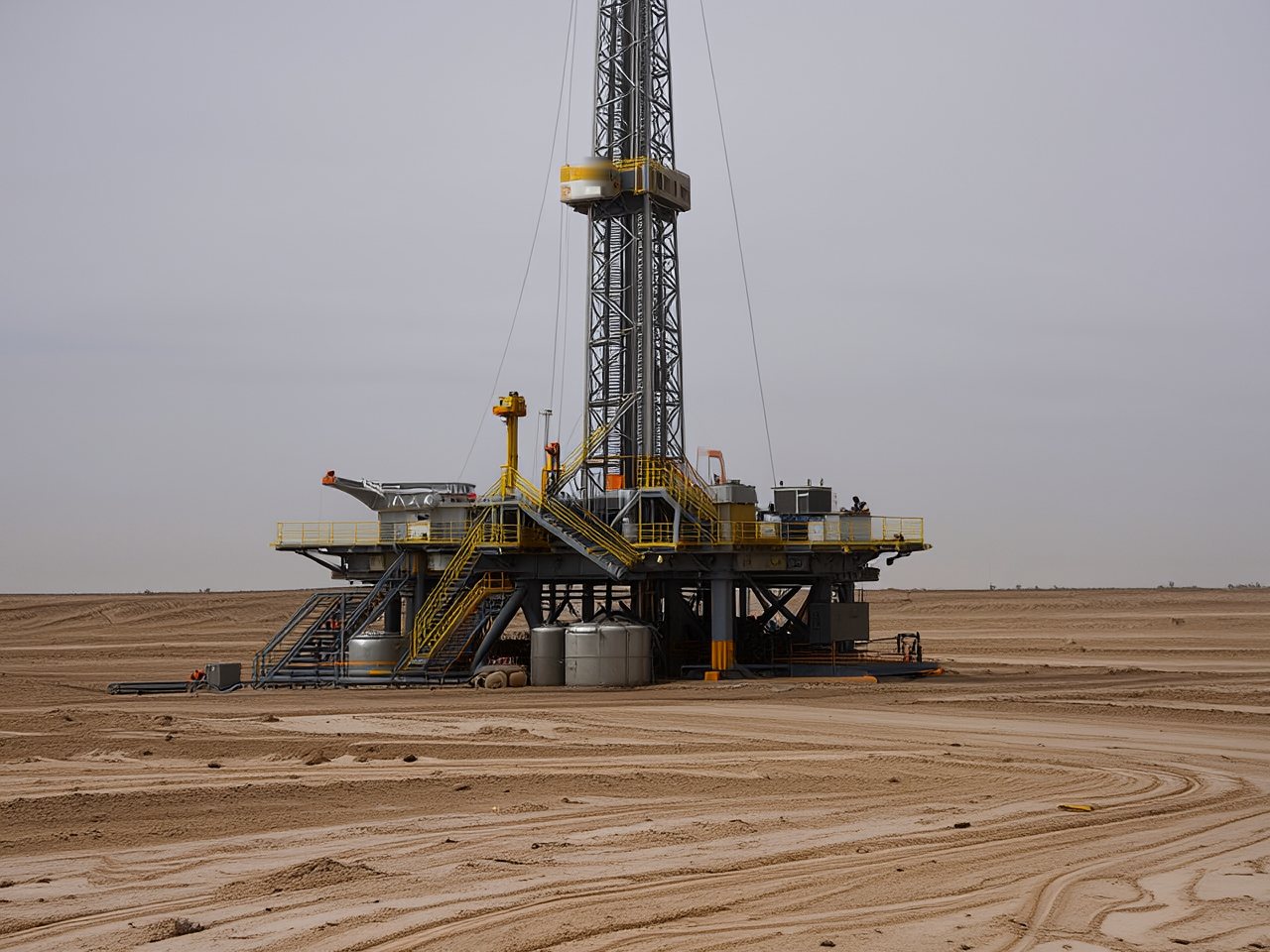
An onshore drilling rig with a steel derrick and external stairways on a dusty well pad
Market 09

Oil & Gas Facilities

Evaluate alternative escape routes and casualty lowering from elevated drilling and processing structures.

Typical buyersOnshore operators, drilling contractors, process-facility owners and specialist industrial-response teams.

  • Escape from a derrick or elevated platformA worker needs to leave an elevated work position when the usual route is blocked or unsafe. The descent route must lead away from the incident to an assessed receiving area.
  • Casualty lowering from process structuresA worker becomes incapacitated on an elevated platform, and the response team selects a rescue interface and lowering method that fit both the casualty and the access restrictions.
  • Post-fall worker recoveryA worker is suspended after a fall during maintenance or inspection. The rescue arrangement must address access, transfer from the fall-arrest system and a clear lowering route.

Hazardous-area, explosion-protection, chemical-exposure and heat-resistance requirements must be confirmed for these environments before a system is specified.

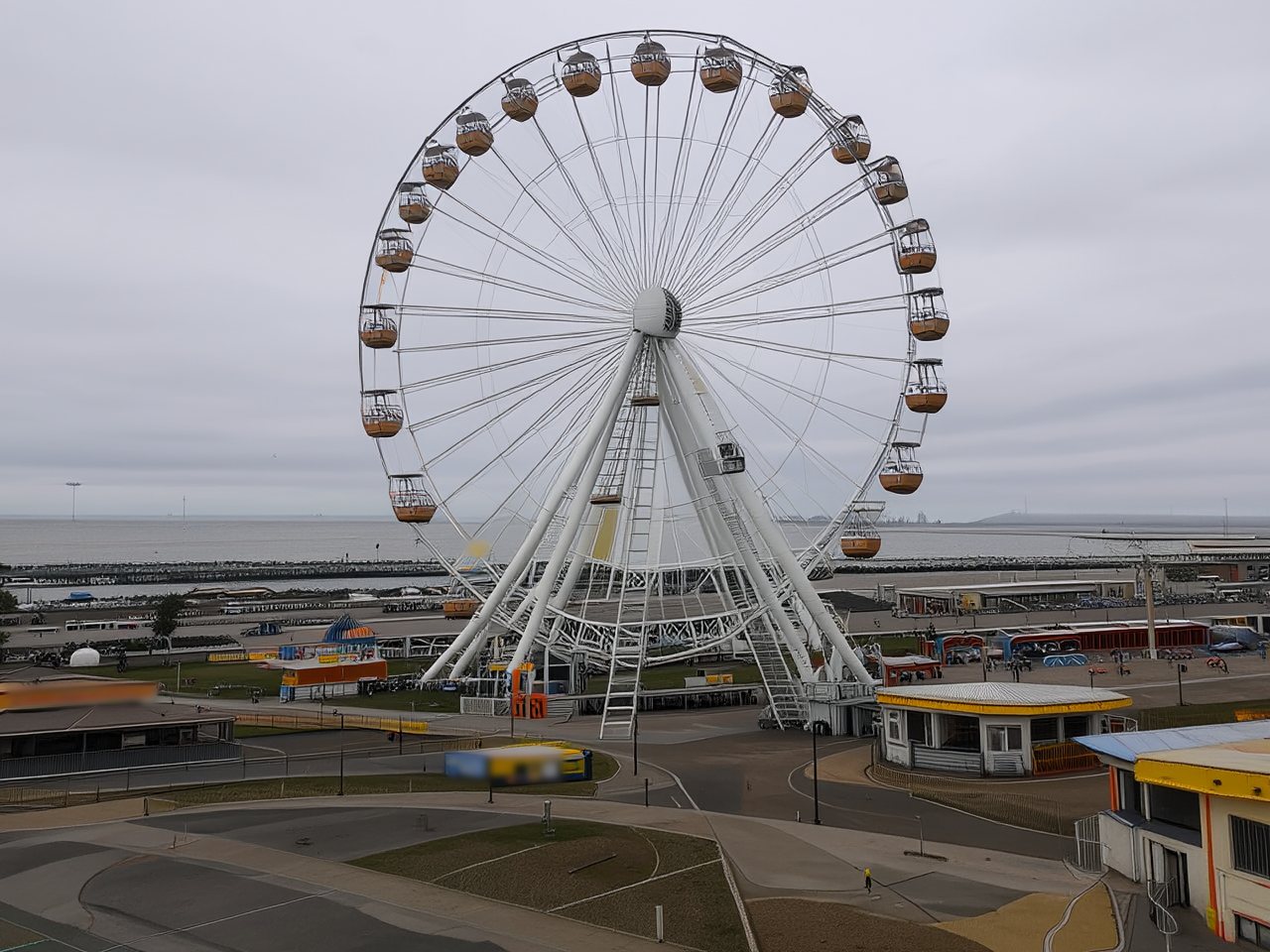
A large observation wheel in an amusement park by the water
Market 10

Amusement Parks & Elevated Attractions

Plan the evacuation of guests from assessed elevated attractions when normal unloading cannot be completed.

Typical buyersAttraction operators, park owners, ride manufacturers, maintenance providers and specialist rescue contractors.

  • Organized evacuation of stranded guestsA rescue team prepares and lowers guests from an accessible, designated rescue position on a suitable attraction. The evacuation plan defines preparation and reception responsibilities.
  • Children and guests needing assistanceA child or another guest cannot use the selected evacuation method independently. The plan identifies the support needed and, where suitable, an adult-and-dependent descent.
  • Maintenance-personnel rescueA maintenance worker becomes stranded or incapacitated on an elevated attraction structure, and a planned descent or assisted-rescue arrangement provides access to a safe receiving area.

Suitability is specific to each attraction. Confirm the rescue exit, restraints, anchor locations, structural obstructions, passenger support and descent distance with the responsible operator and manufacturer.

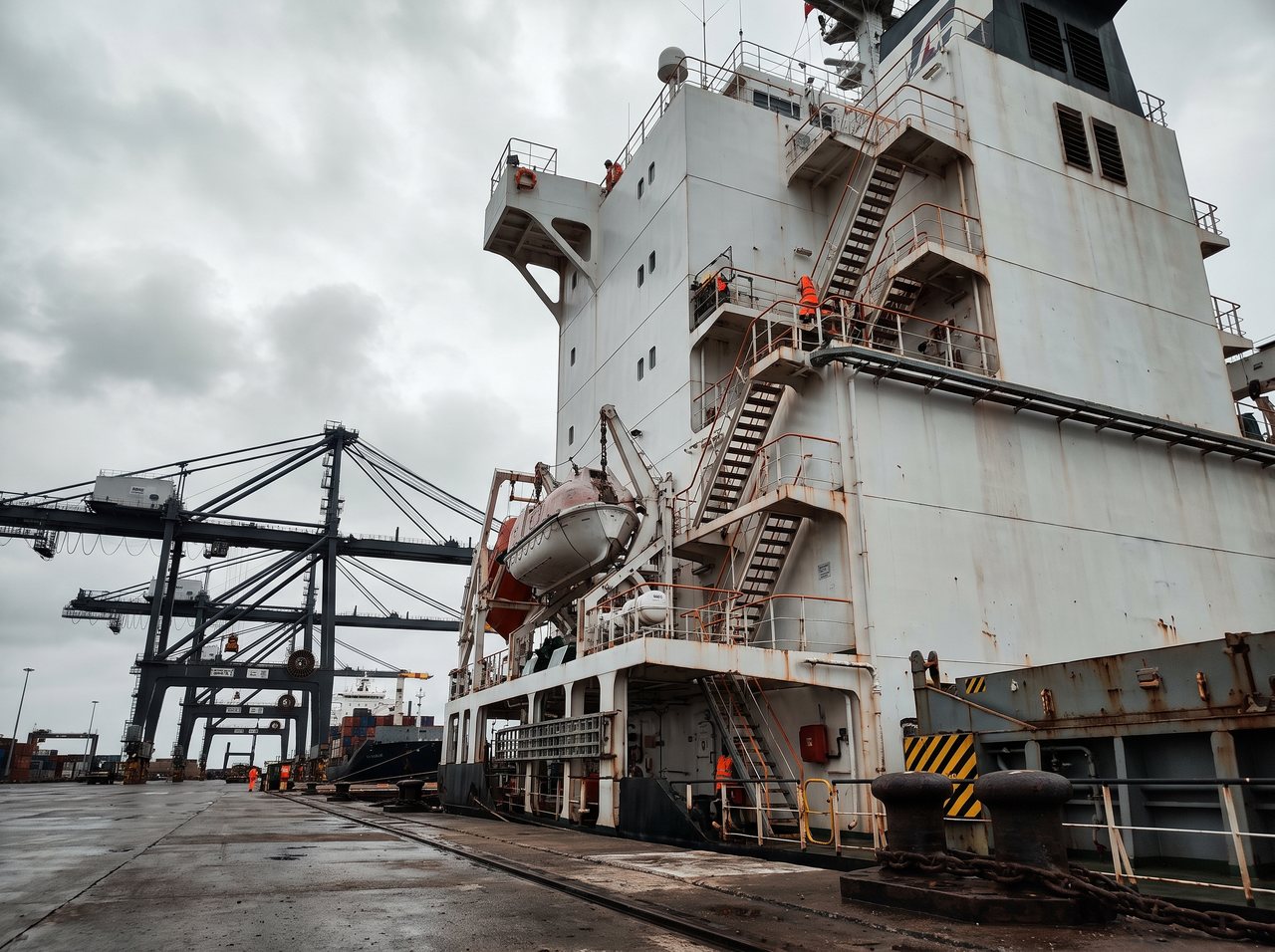
A cargo ship berthed beside container cranes, with crew on its exterior stairways
Market 11

Shipyards & Maritime Maintenance

Address escape and worker rescue from elevated shipyard and maintenance positions with defined landing areas.

Typical buyersShipyards, ship-repair facilities, marine maintenance contractors and dockside emergency-response teams.

  • Escape from an elevated maintenance areaA worker needs an alternative way down from an assessed ship structure, dry-dock platform or maintenance access area when normal access is unavailable.
  • Assisted worker evacuationAn injured or ill worker cannot leave an elevated maintenance position independently, and a rescue team selects suitable casualty support and a controlled lowering method.
  • Recovery after a fallA worker is suspended during dockside or ship-maintenance work, and a planned rescue method provides connection, controlled load transfer and lowering to an assessed receiving position.

These applications concern defined work locations and landing areas. They do not cover abandoning a vessel or lowering personnel into water.

Application Planning

Choosing the Right Configuration

Start with the people who may need to evacuate, the distance they need to descend and the location they would leave from. Then consider who can act independently, who needs assistance, and which product combination fits.

STEP 1

Identify

Who needs to evacuate, from where, and over what distance?

STEP 2

Select

Choose the harness, descent device, attachments and anchorage.

STEP 3

Confirm

Check compatibility, ratings, anchor suitability and a clear landing area.

STEP 4

Prepare

Follow the product instructions and arrange any required training or assistance.

This page is an applications overview. Final equipment selection, anchorage, compatibility, training, inspection and rescue procedures must follow the applicable product instructions and site-specific safety requirements.

Contact SkySaver

Tell Us What You Need.

Share the location, the descent height, the number of people and whether anyone may need help or a dependent attachment. Photos or drawings of the proposed exit and landing area help our team understand the setting. Enquiries about distribution and representation are welcome through the same form.