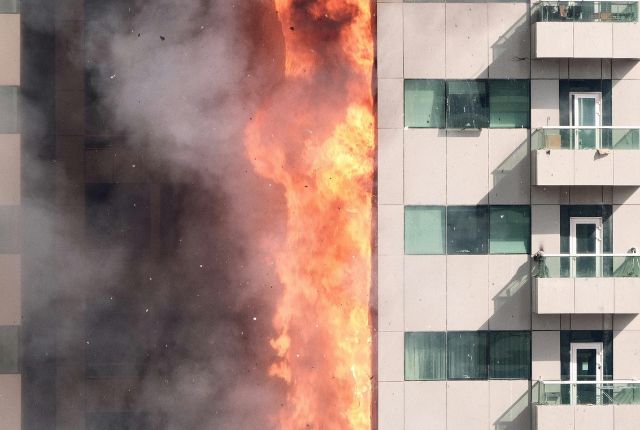
Few scenarios are more terrifying than discovering that fire has cut off your only way out of a building. Whether you live in a high-rise apartment, a mid-rise residential complex, or even a multi-story office building, there may come a moment during a fire when the hallway, stairwell, or corridor you planned to use for evacuation is engulfed in flames or filled with deadly smoke. In those critical moments, the decisions you make and the tools you have available will determine whether you survive. Understanding what to do when your primary exit is blocked can transform a moment of panic into a sequence of life-saving actions.
Recognizing When Your Exit Is Compromised
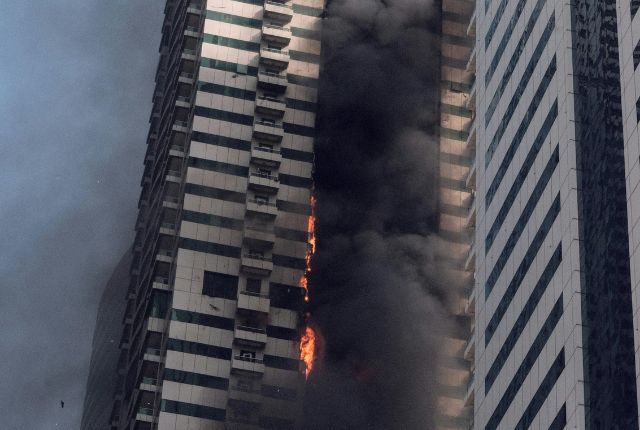
Before opening any door during a fire, you should always check it for heat using the back of your hand. Touch the door itself, the handle, and the frame around the edges. If any of these feel hot, fire is likely burning on the other side and opening the door could expose you to a backdraft or wall of flame. Even if the door feels cool, open it slowly and be prepared to slam it shut if you encounter heavy smoke or visible fire. Smoke that is thick and dark — particularly black smoke — indicates intense burning and toxic gases that can incapacitate you within seconds. If you see these conditions, your exit is compromised and you need an alternative plan immediately.
Listen carefully for sounds that indicate fire progression. Crackling, popping, and roaring sounds suggest active burning nearby. Glass breaking, structural groaning, and the sound of falling debris indicate that the fire may be weakening the building’s structure. If you hear these warning signs from the direction of your planned escape route, treat your exit as blocked even before you physically encounter flames or smoke.
Immediate Actions When Trapped by Fire
The first priority when your exit is blocked is to create a defensible space. Return to your apartment or the nearest room with a door you can close between yourself and the fire. Close the door firmly and seal the gaps along the bottom and sides using wet towels, sheets, or clothing. This creates a barrier that significantly slows the entry of smoke into your space. Even a properly sealed interior door can provide substantial protection for an extended period, buying you critical time for rescue or alternative escape.
Move to a room with windows if possible. Windows serve two purposes in this situation: they provide fresh air and they give you visibility to rescuers. Open the window slightly from the top to let out any smoke that has entered your room, and from the bottom to bring in fresh air. If smoke is entering from outside, close the window and move to a different room. Call emergency services immediately and provide your exact location — building address, floor number, apartment number, and which side of the building your windows face. This information helps firefighters locate you quickly.
Alternative Escape Through Windows
For residents on the first or second floor, escaping through a window may be a viable option even without specialized equipment. However, for anyone above the second floor, jumping from a window is extremely dangerous and often fatal. This is precisely why personal evacuation devices are not just convenient accessories but genuine life-saving equipment. A controlled descent device allows you to turn any window into a safe exit point, regardless of how high above the ground you are.
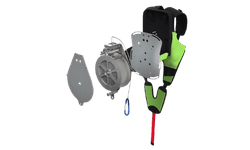
The SkySaver Single Self-Rescue Kit is designed for exactly this scenario. When fire blocks your door and stairwell, you can deploy the device at your window, attach the harness, and lower yourself safely to the ground. The entire process takes under sixty seconds, making it practical even in a rapidly deteriorating situation. Unlike rope ladders or improvised climbing methods, a controlled descent device manages your speed automatically, ensuring a safe descent even if you are panicked, injured, or physically exhausted from smoke exposure.
What Not to Do When Trapped
Panic is the greatest enemy in a fire emergency. Resist the urge to make dangerous decisions driven by fear. Never attempt to run through a smoke-filled hallway, as even a short exposure to superheated toxic smoke can cause fatal lung damage. Do not try to use elevators during a fire — they can malfunction, stop at the fire floor, or fill with smoke. Avoid breaking windows unless you have a specific plan for using them as an escape route, because broken windows can create air currents that actually draw fire and smoke toward your location.
Do not assume that because you cannot see flames, it is safe to move through smoke. Carbon monoxide and hydrogen cyanide — two of the most common gases produced by building fires — are invisible and odorless at dangerous concentrations. A hallway that appears to contain only light smoke may actually harbor lethal gas concentrations. The safest approach is to stay in your sealed room and wait for rescue unless you have a reliable alternative escape method like a controlled descent device.
Preparing Before an Emergency Happens
The time to develop your blocked-exit plan is now, not during a fire. Walk through your home and identify every possible exit point. Know which windows open, how they open, and what is below them. If you live in a high-rise building, invest in a personal descent device and install the anchor bracket near your chosen escape window. Practice putting on the harness so that the motions become familiar and can be performed even in darkness or while under extreme stress.
Keep a fire safety kit near your designated escape window containing the descent device, a flashlight, a whistle for attracting attention, and a wet cloth in a sealed bag for breathing protection. The SkySaver rescue system is compact enough to store in a closet or under a bed, ready for instant deployment. For families with children, the Family Edition provides the capability to evacuate together, ensuring that no family member is left behind when the primary exit is blocked.
Every Second Counts
Fire doubles in size approximately every sixty seconds under favorable conditions. When your exit is blocked, the window of opportunity for safe escape narrows rapidly. Having a pre-planned alternative escape route and the equipment to execute it is not excessive preparation — it is responsible safety planning. Whether you are a single professional living on the twentieth floor or a family of four in a suburban apartment complex, the ability to escape when your only door is blocked by fire could be the most important capability you ever invest in. Explore the complete range of personal rescue solutions at the SkySaver shop and ensure that a blocked exit never becomes a dead end.
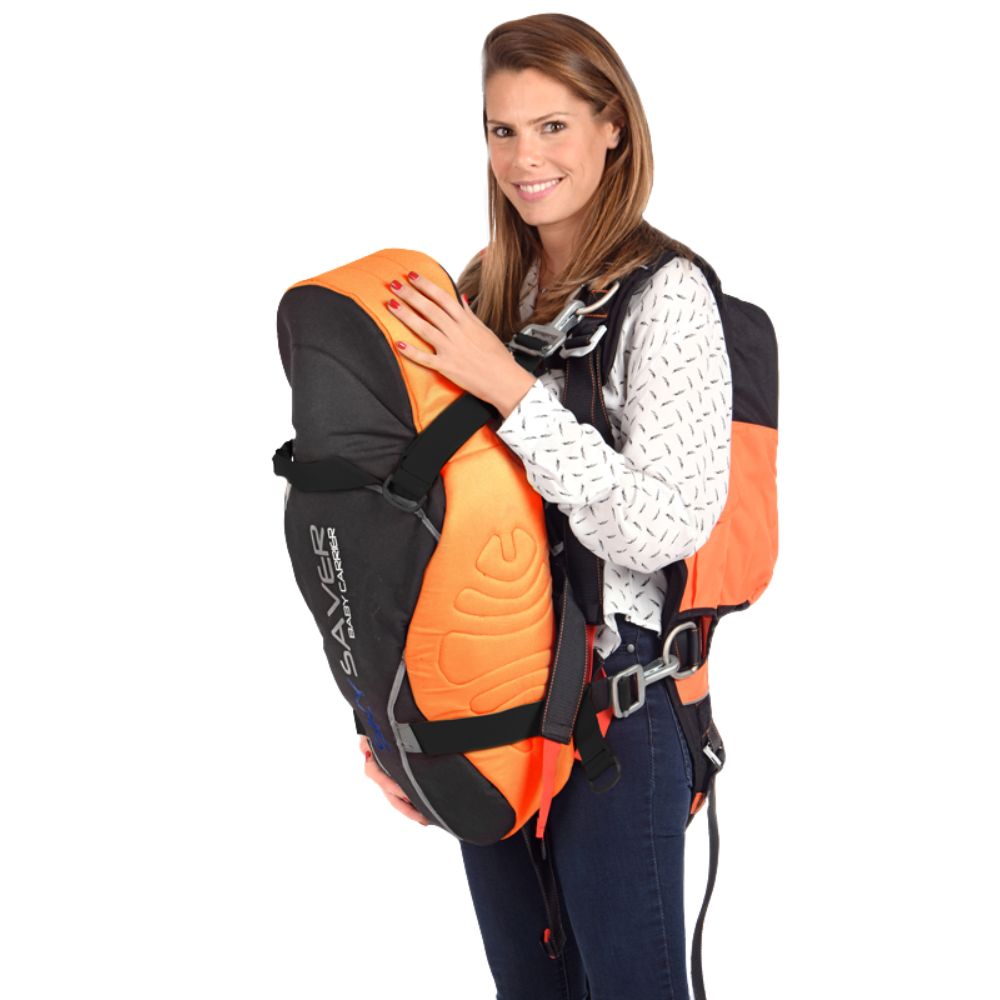
Attachable Baby Harness
Lightweight safety harness for fast and secure infant evacuation in high-rise emergencies.
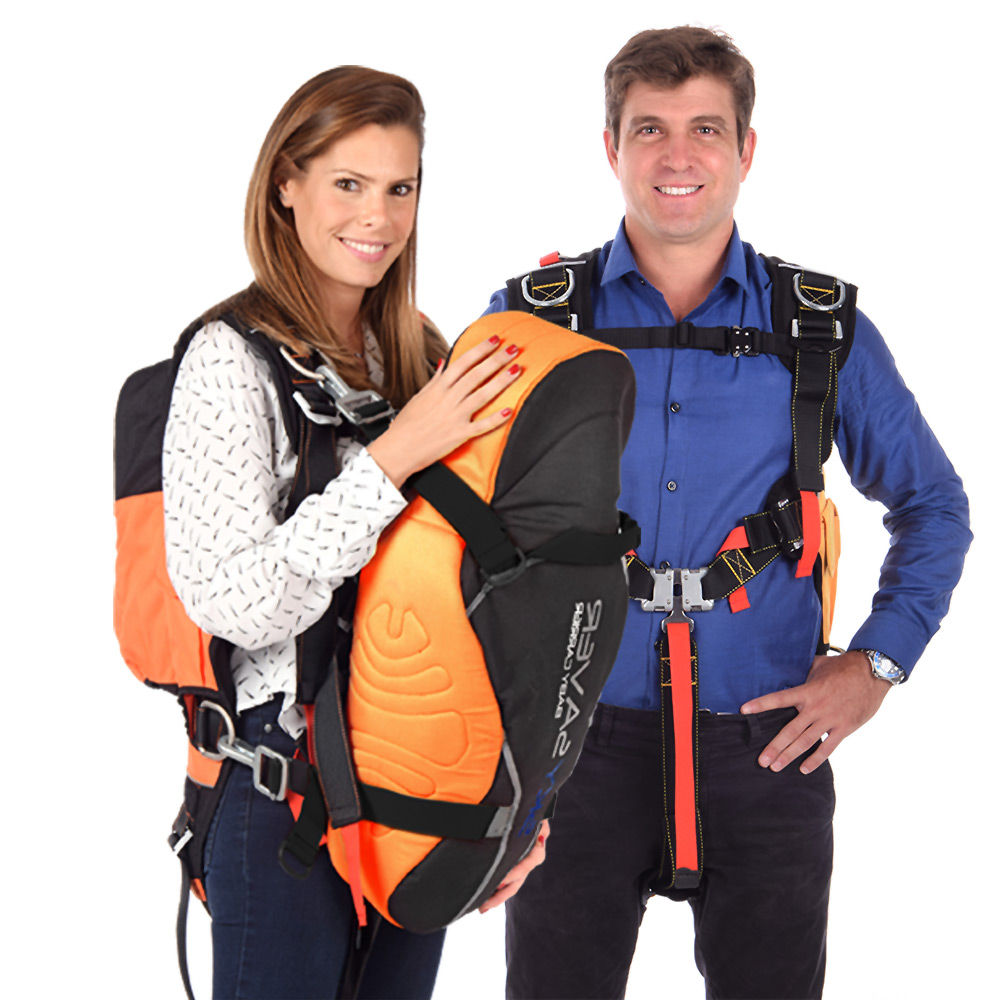
Parent Package
Complete emergency evacuation kit for the parent and dependant. Fast, safe descent from high-rise buildings.
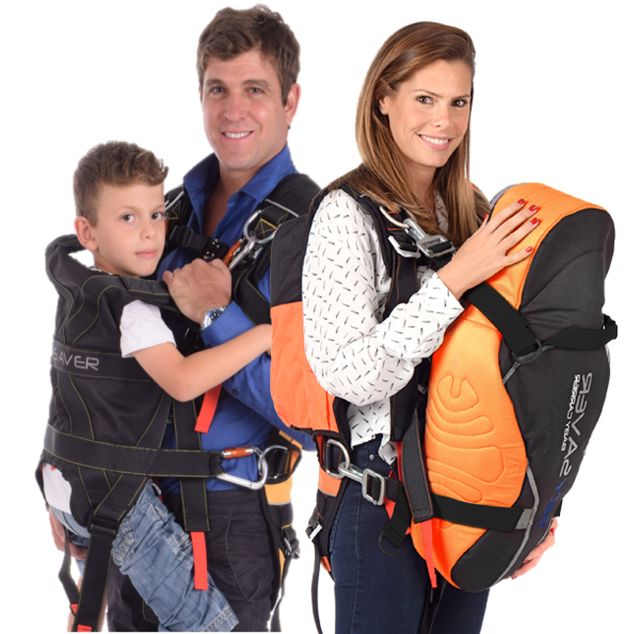
Parent Edition
Complete high-rise evacuation solution for a parent, maximum safety and fast deployment.
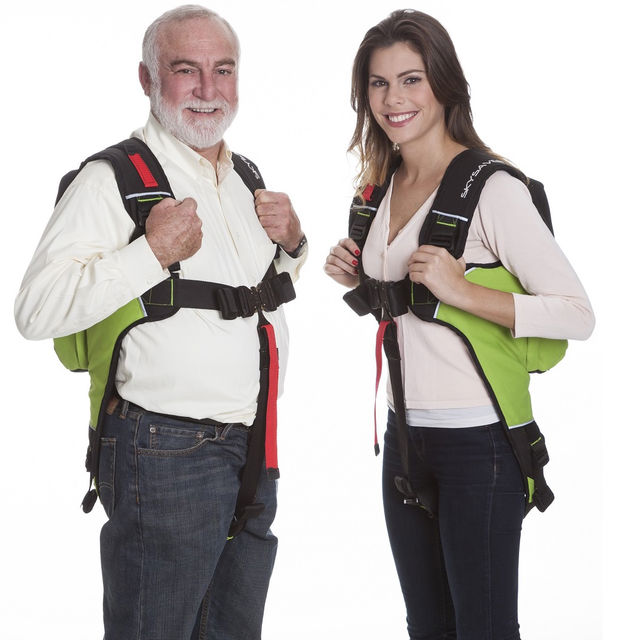
Single Self-Rescue Kit
Complete emergency evacuation kit for high-rise fast, safe descent during critical emergencies.
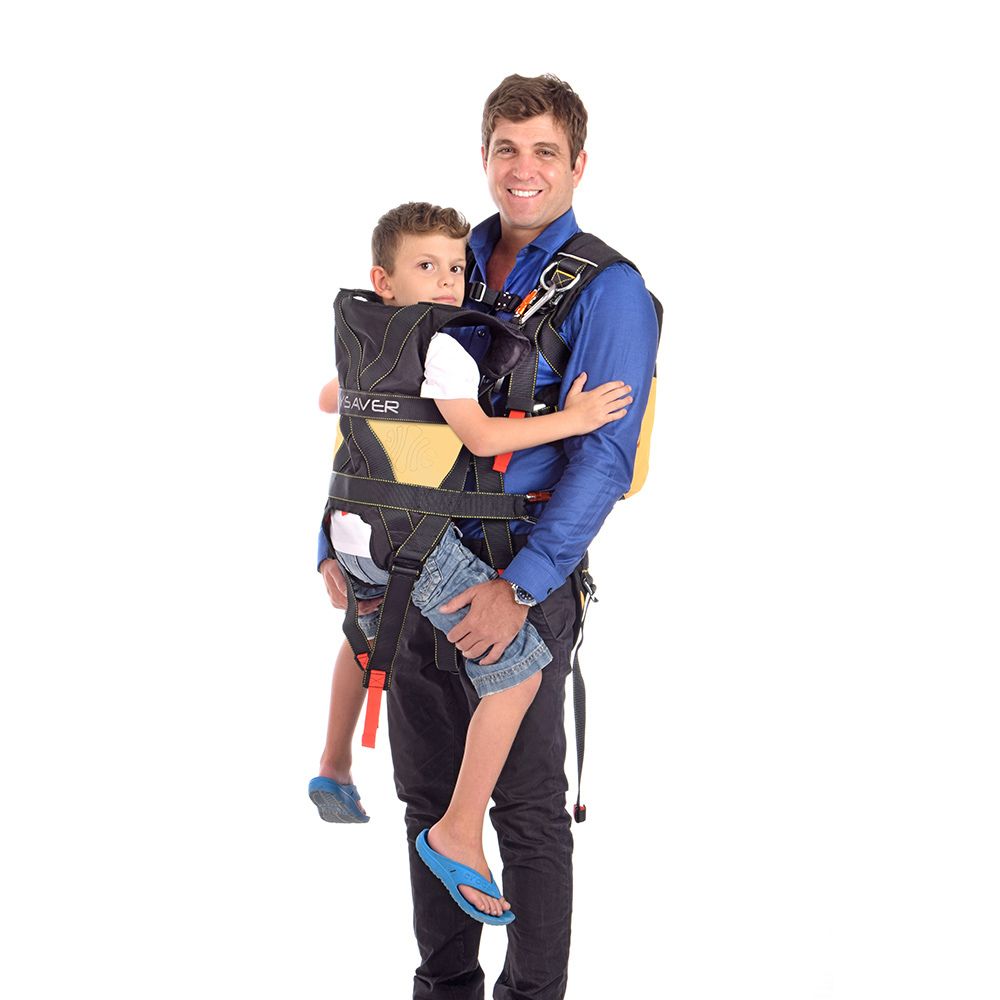
Attachable Child Harness
Lightweight child safety harness designed for secure, controlled evacuation from high-rise buildings.
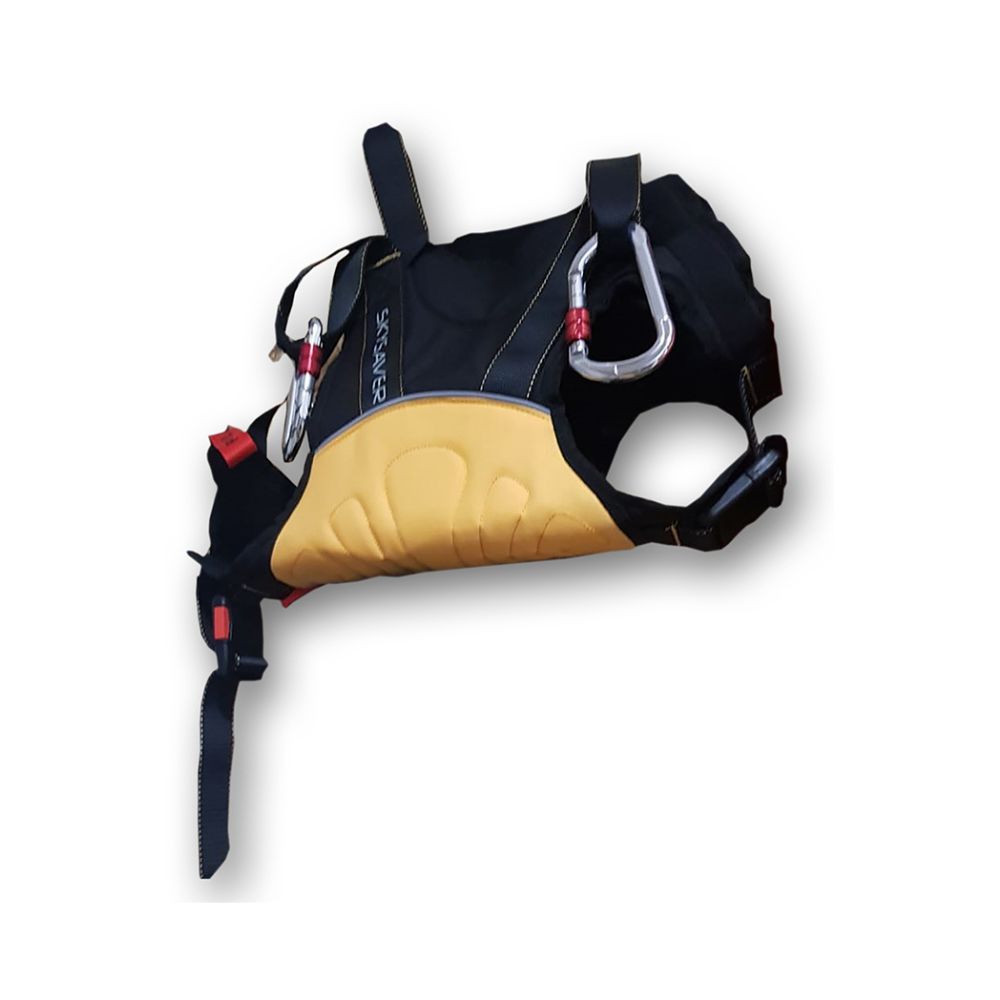
Attachable Pet Harnesses
Secure, lightweight safety harness designed for fast and controlled pet evacuation from high-rise buildings.
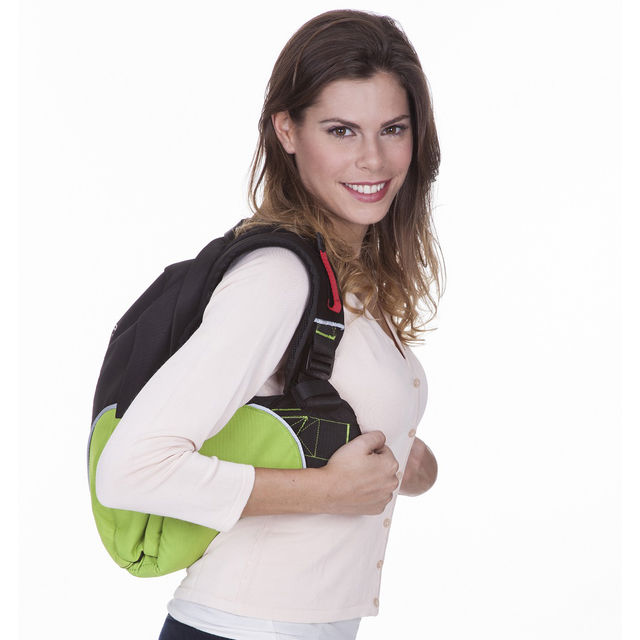
single Self-Rescue Harnesseses
Professional external safety harness for secure personal evacuation from high-rise buildings.
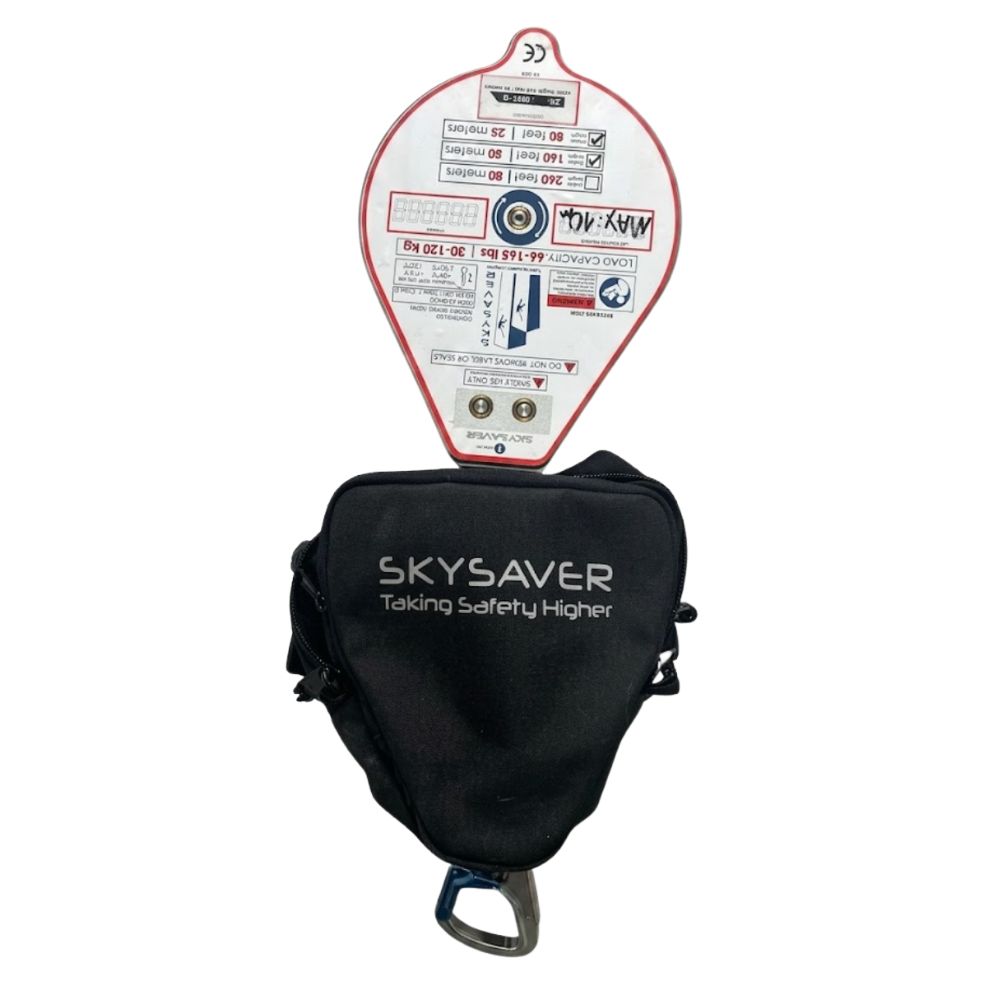
Controlled Descent Device (CDD)
External CDD unit for safe, controlled descent during high-rise emergency evacuation.