South America is experiencing a remarkable vertical transformation. From the gleaming financial towers of Santiago to the soaring residential complexes of Buenos Aires and the rapidly expanding skylines of Bogota and Lima, the continent’s cities are reaching higher than ever before. This vertical growth reflects booming economies, urbanization pressures, and a desire to establish architectural landmarks that compete on the global stage. Yet as these towers push ever higher into the sky, the question of how they protect their occupants from fire becomes increasingly urgent. Fire safety in South American skyscrapers presents a unique set of challenges shaped by the continent’s diverse regulatory environments, seismic activity, and the rapid pace of construction that sometimes outstrips the evolution of safety standards.
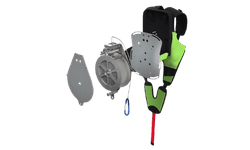
For the millions of people who live and work in South America’s tallest buildings, understanding how these structures approach fire safety is not just interesting trivia. It is essential knowledge that could mean the difference between life and death in an emergency. Personal preparedness remains the most reliable defense against fire risk in any building, and equipping yourself with tools like a SkySaver personal rescue device ensures you have an escape option regardless of your building’s specific safety features.
South America’s Tallest Towers: An Overview
The race to build tall in South America has accelerated dramatically over the past two decades. Santiago, Chile, has emerged as the continent’s undisputed leader in supertall construction. The Gran Torre Santiago, completed in 2013, stands at approximately 300 meters and held the title of South America’s tallest building for years. This mixed-use tower, which houses offices, a hotel, and a shopping center, set a new standard for what was possible on the continent and inspired a wave of ambitious construction projects across the region.
Buenos Aires has long been South America’s most densely built city, with a skyline defined by elegant residential towers and modern office buildings. The Alvear Tower, completed in 2017, rises 235 meters above the fashionable Puerto Madero district and combines luxury residential units with a five-star hotel. Bogota, Colombia, has seen explosive vertical growth in recent years, with towers like the BD Bacata reaching 216 meters and introducing mixed-use supertall development to a city previously characterized by mid-rise construction. Sao Paulo, Brazil’s financial capital and one of the most populous cities in the Western Hemisphere, continues to add tall buildings to its already impressive skyline at a remarkable pace.
Each of these cities operates under different national building codes and local regulations, creating a patchwork of fire safety standards that can vary significantly from one country to the next. Our comprehensive examination of how building codes for fire safety differ around the world provides important context for understanding why the same height of building might offer very different levels of fire protection depending on where in South America it is located.
Fire Safety Challenges Unique to South America
South American skyscrapers face several fire safety challenges that are relatively unique to the region, shaped by geographic, economic, and regulatory factors that distinguish them from their counterparts in North America, Europe, or Asia.
Seismic Activity and Fire Risk
The western edge of South America sits along the Pacific Ring of Fire, one of the most seismically active zones on the planet. Chile, Peru, Ecuador, and Colombia all experience significant earthquake activity, and their tall buildings must be designed to withstand substantial seismic forces. This seismic reality has a direct impact on fire safety because earthquakes can trigger fires by rupturing gas lines, damaging electrical systems, and displacing flammable materials, while simultaneously compromising the structural integrity of fire suppression systems. A building that survives an earthquake structurally intact may still face a devastating fire if its sprinkler systems, water supply lines, or fire-rated barriers have been damaged by the shaking.
Chilean building codes, widely regarded as the most advanced in South America for seismic design, require tall buildings to incorporate seismically resilient fire protection systems. This includes flexible connections in sprinkler piping that can accommodate building movement without rupturing, seismically braced fire-rated walls and ceilings, and backup water supplies for firefighting that are independent of potentially damaged municipal systems. The intersection of earthquake and fire risk in tall buildings is a critical concern that we explored in depth in our article on surviving combined fire and earthquake disasters in high-rise buildings.
Regulatory Variation and Enforcement
Fire safety regulation in South America varies enormously from country to country and sometimes from city to city within the same country. Chile and Colombia have made significant investments in modernizing their building codes and fire safety requirements over the past two decades, while other nations in the region may still rely on older standards that do not fully address the challenges of contemporary supertall construction. Even in countries with robust codes on paper, enforcement can be inconsistent, particularly in cities experiencing rapid construction booms where building inspection departments may be overwhelmed by the volume of new projects requiring review.
This regulatory variation means that two buildings of similar height in different South American cities might have dramatically different fire safety provisions. One might feature state-of-the-art sprinkler systems, pressurized stairwells, and designated refuge floors, while another might rely primarily on basic fire alarms and conventional stairwell access. For occupants, this variation underscores the importance of understanding what specific fire safety features your particular building offers rather than making assumptions based on its impressive appearance.
Firefighting Infrastructure Limitations
Professional firefighting capabilities vary significantly across South American cities. While major metropolitan areas like Santiago, Buenos Aires, and Sao Paulo have invested in modern aerial ladder trucks and specialized high-rise firefighting equipment, even these cities face limitations in responding to fires in their tallest buildings. Most aerial ladder trucks can reach only seven to ten stories, meaning that for the upper floors of any skyscraper, occupants must rely entirely on the building’s internal fire protection systems and their own preparedness to stay safe until firefighters can reach them through internal access routes.
In smaller cities experiencing rapid vertical growth, the gap between building height and firefighting capability can be even more pronounced. Our article on fire risks in the world’s fastest-growing cities examines how this infrastructure gap creates particular dangers in rapidly urbanizing areas where construction outpaces the expansion of emergency response capabilities.
Notable Fire Safety Innovations in the Region
Despite these challenges, South American architects and engineers have made noteworthy contributions to fire safety innovation in tall buildings. Chilean engineers have been particularly pioneering in developing construction techniques that integrate seismic resilience with fire protection, creating buildings that can maintain their fire safety capabilities even after significant earthquake events. The use of performance-based fire engineering, which designs fire safety systems based on specific risk analysis rather than prescriptive code requirements alone, has gained increasing traction among South American developers working on supertall projects.
Several recent South American skyscraper projects have incorporated international best practices including dedicated firefighter elevators, advanced smoke management systems, and AI-enhanced fire detection networks that can identify fire signatures in their earliest stages. The integration of smart building technology with fire safety systems represents a promising direction for the region, allowing buildings to respond more rapidly and precisely to fire events than traditional detection systems permit.
Personal Safety for South American High-Rise Residents
Regardless of which South American city you call home and how advanced your building’s fire safety systems may be, personal preparedness remains your most reliable protection. Start by learning everything you can about your specific building’s fire safety features, including the locations of all stairwells, the presence and condition of sprinkler systems, and whether your building has designated refuge areas or floors. If this information is not readily available, ask your building management directly, as they are typically required to provide this information to occupants upon request.
Develop and practice a personal evacuation plan that accounts for multiple scenarios, including the possibility that your primary escape route may be blocked by fire or smoke. Familiarize yourself with our 60-second survival checklist for building fires, which provides a practical framework for rapid decision-making when every moment counts. And consider equipping yourself with a SkySaver rescue device, which provides an independent means of controlled descent from any floor when conventional exits are compromised.
South America’s skylines will continue to reach higher as the continent’s cities grow and prosper. By combining the best available building technology with personal awareness and readiness, residents of these impressive towers can enjoy the views from the top while maintaining confidence in their ability to reach safety if an emergency ever occurs.
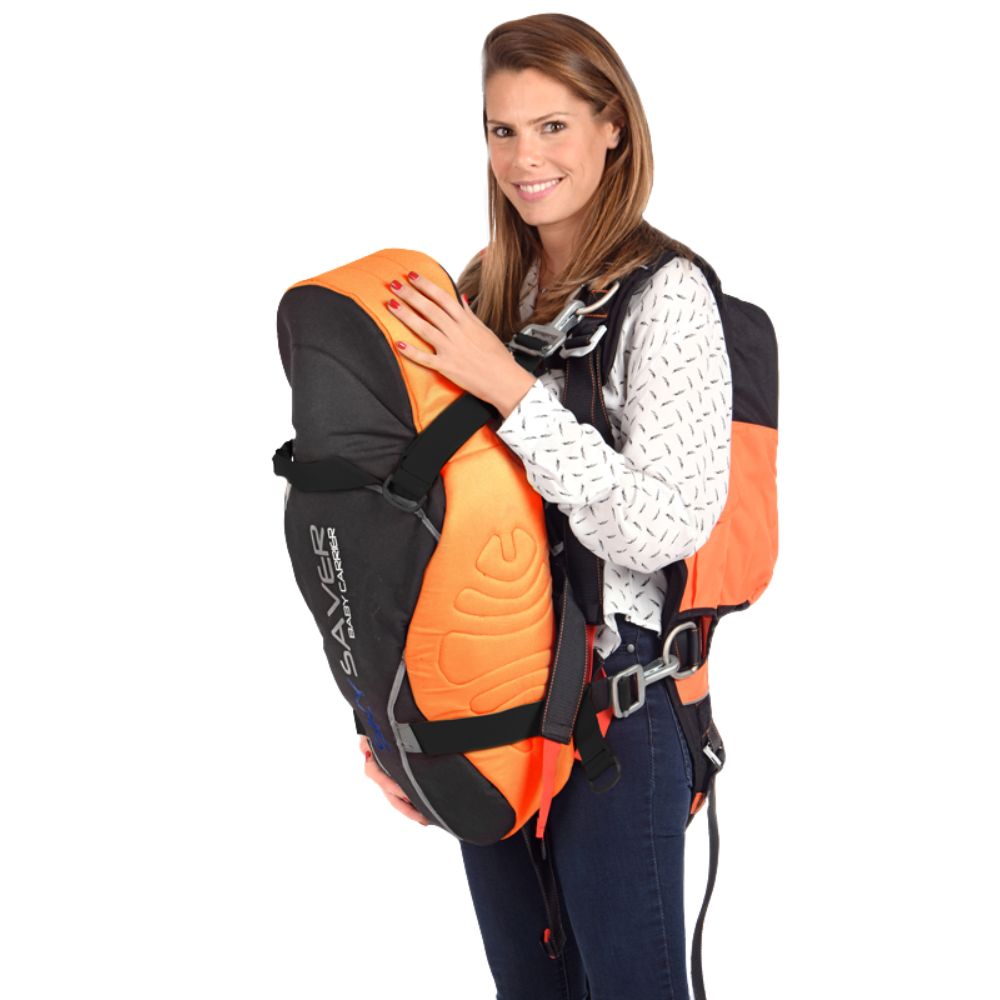
Attachable Baby Harness
Lightweight safety harness for fast and secure infant evacuation in high-rise emergencies.
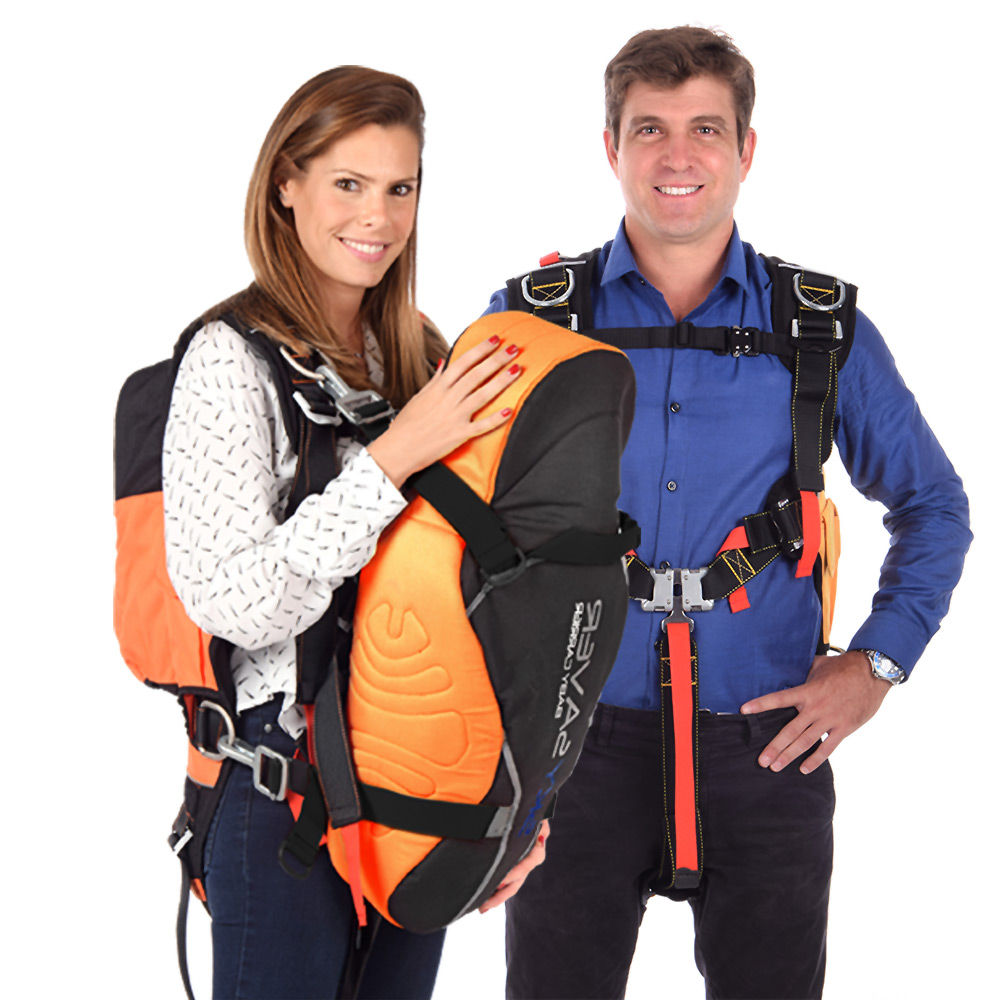
Parent Package
Complete emergency evacuation kit for the parent and dependant. Fast, safe descent from high-rise buildings.
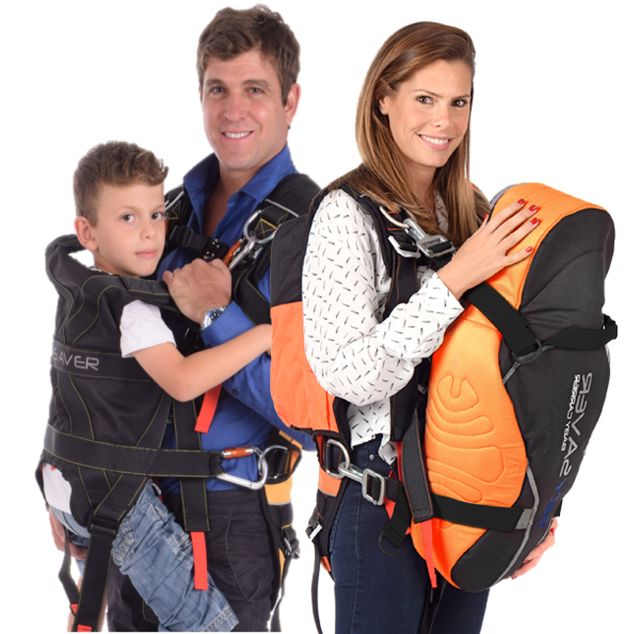
Parent Edition
Complete high-rise evacuation solution for a parent, maximum safety and fast deployment.
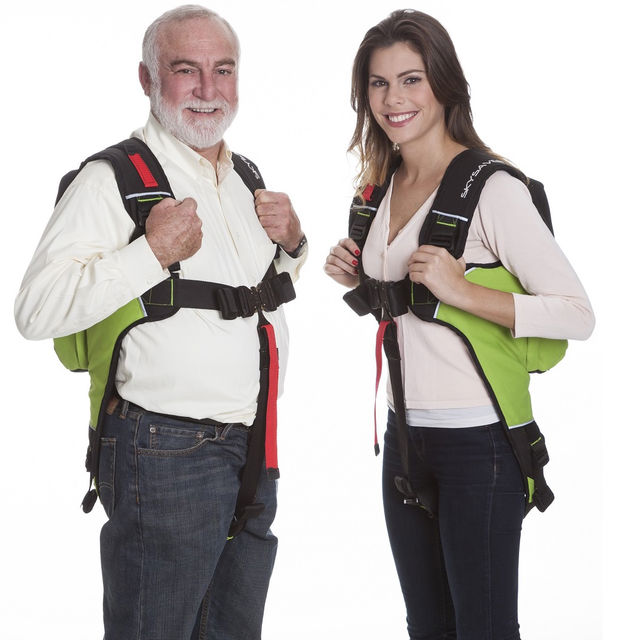
Single Self-Rescue Kit
Complete emergency evacuation kit for high-rise fast, safe descent during critical emergencies.
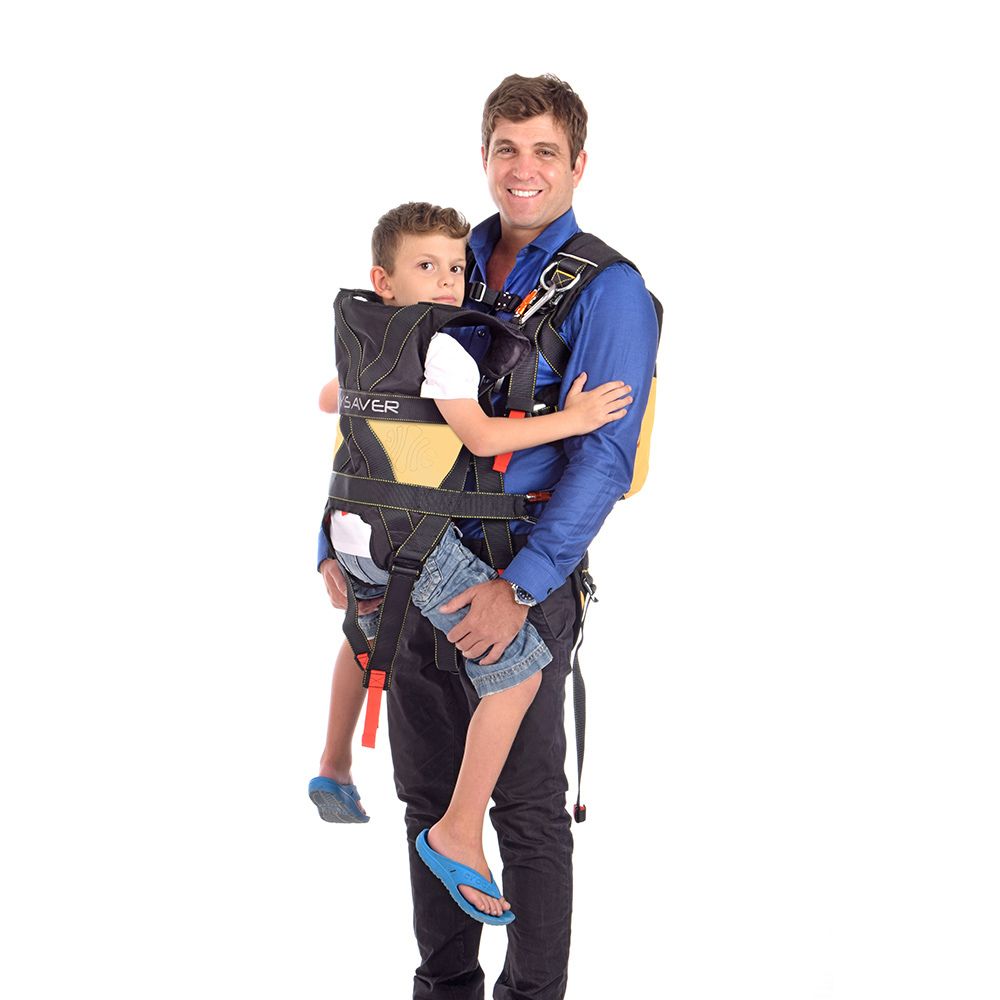
Attachable Child Harness
Lightweight child safety harness designed for secure, controlled evacuation from high-rise buildings.
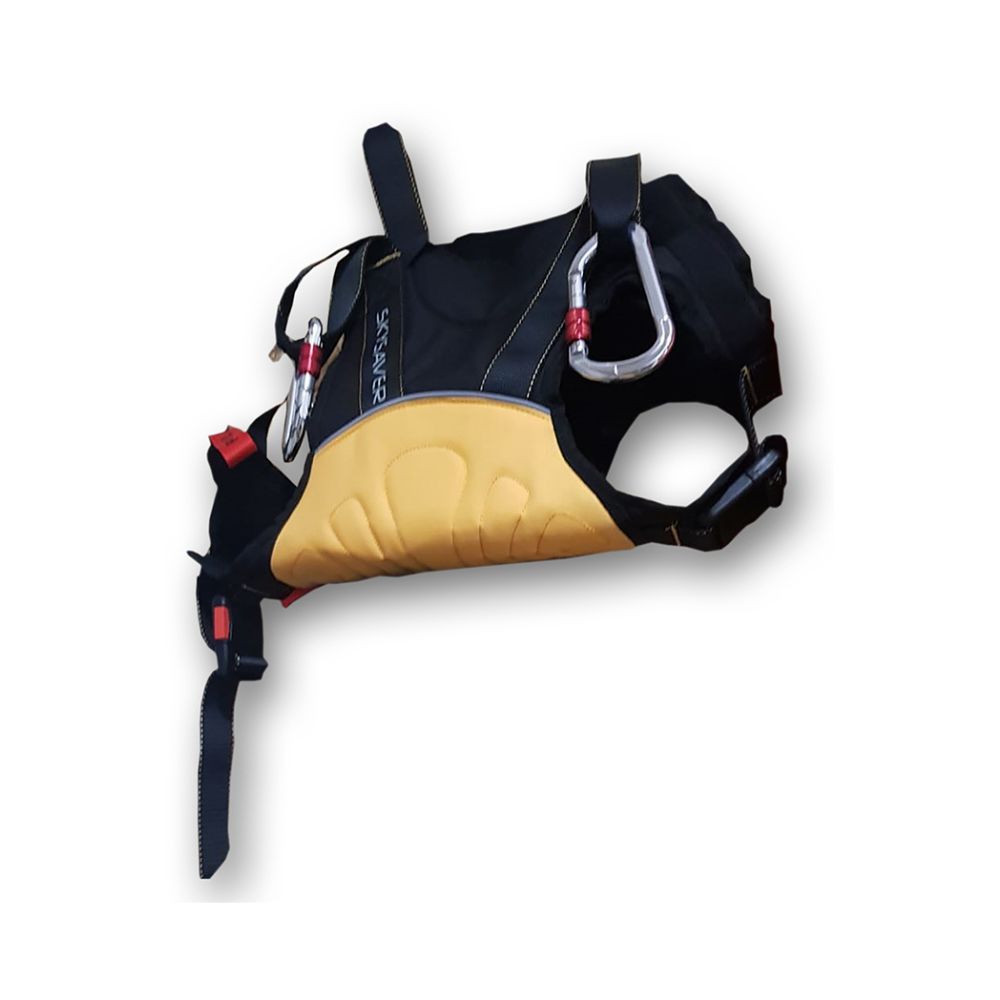
Attachable Pet Harnesses
Secure, lightweight safety harness designed for fast and controlled pet evacuation from high-rise buildings.

single Self-Rescue Harnesseses
Professional external safety harness for secure personal evacuation from high-rise buildings.
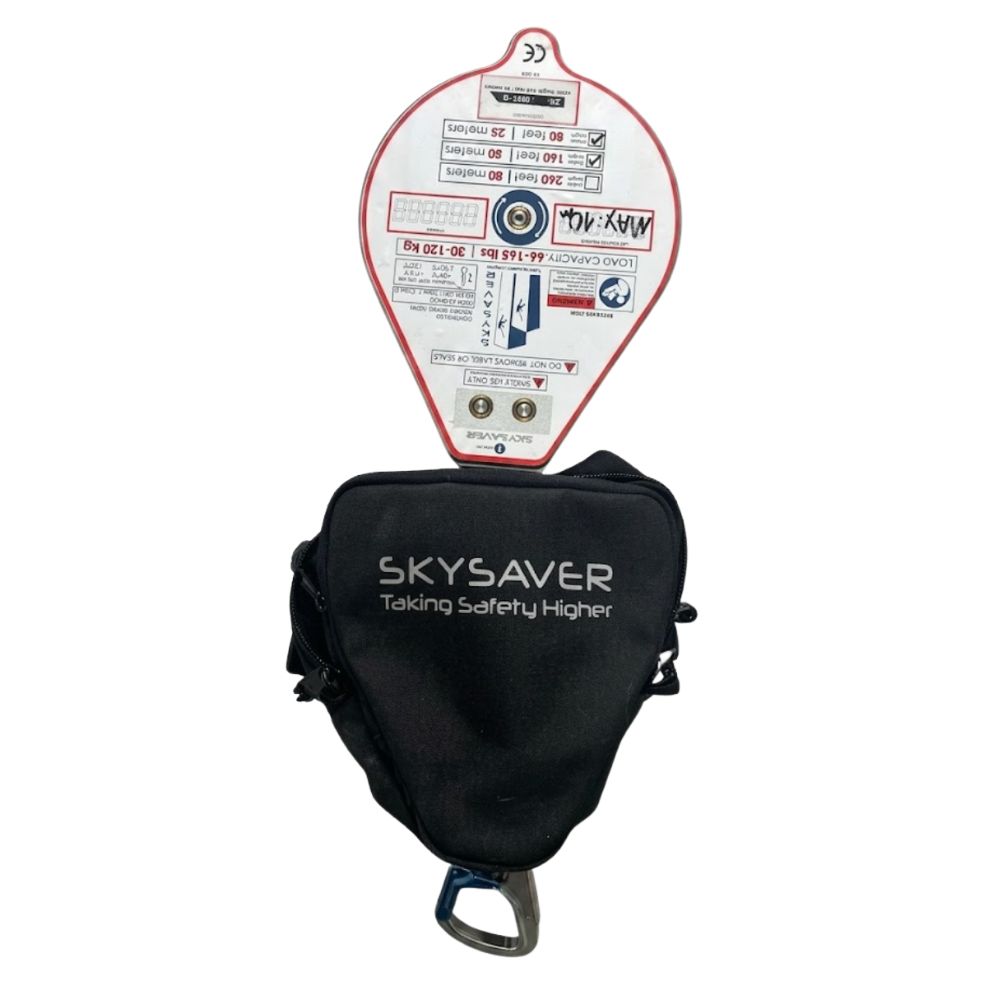
Controlled Descent Device (CDD)
External CDD unit for safe, controlled descent during high-rise emergency evacuation.