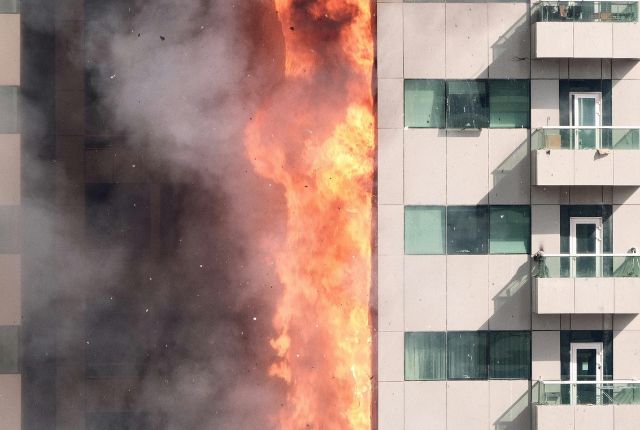
In virtually every fire safety briefing, building orientation, and emergency preparedness guide, the same instruction is repeated: in case of fire, use the stairs, not the elevator. This advice is fundamentally sound because elevators can malfunction, fill with smoke, or deliver occupants directly into the fire floor. But what most people never consider is the terrifying possibility that the stairwells themselves, the very escape routes they are counting on, can become impassable death traps during a high-rise fire. When smoke, heat, and structural failures compromise stairwell integrity, the occupants who followed all the rules and headed for the stairs can find themselves trapped in the most dangerous place in the building.
This is not a theoretical concern. It has happened repeatedly in high-rise fires throughout history, and it remains one of the most significant vulnerabilities in tall building fire safety today. Understanding why and how stairwells fail during fires is essential knowledge for anyone who lives or works above the reach of fire department ladders. More importantly, it underscores why having a personal alternative escape method, such as a SkySaver controlled descent device, can be the difference between life and death when the stairs are no longer an option.
How Smoke Transforms Stairwells Into Vertical Chimneys
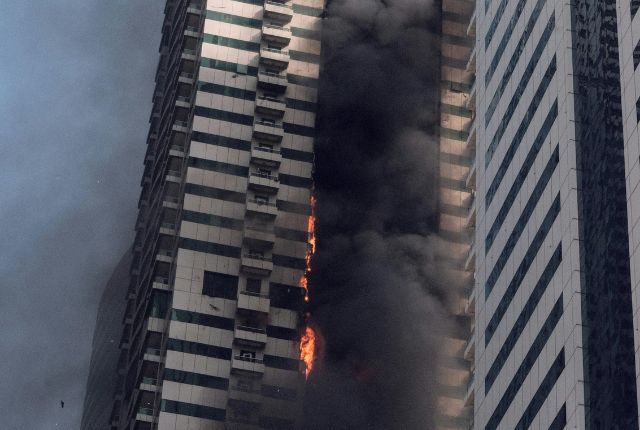
The most common and most deadly way stairwells become death traps is through smoke infiltration. Stairwells in high-rise buildings are essentially vertical shafts that extend from the ground floor to the roof, and they are subject to a powerful physical phenomenon known as the stack effect. In a fire scenario, hot smoke rises naturally through any available vertical opening, and stairwells provide a near-perfect pathway for this upward migration. Even when stairwell doors are designed to be self-closing and fire-rated, a single door propped open, held open by panicking evacuees, or damaged by the fire can allow massive quantities of toxic smoke to flood the entire stairwell within minutes.
Once smoke enters a stairwell, it rises rapidly, filling the shaft from the top down. Occupants descending from upper floors may initially encounter clear air on their floor but walk into an increasingly dense wall of toxic smoke as they descend toward the fire floor. The visibility within a smoke-filled stairwell can drop to zero within seconds, leaving evacuees unable to see the steps beneath their feet, the handrails beside them, or the floor number markers on the walls. In this blinding environment, people stumble, fall, pile up on landings, and become unable to continue either up or down.
The toxicity of modern fire smoke makes this situation exponentially more dangerous than mere reduced visibility. Contemporary building materials, furnishings, and electronics produce smoke containing hydrogen cyanide, carbon monoxide, hydrogen chloride, and dozens of other toxic compounds when they burn. A few breaths of concentrated fire smoke can cause disorientation, loss of consciousness, and death in a matter of minutes. Our article on what happens to your body in a smoke-filled room details exactly how rapidly smoke inhalation can incapacitate even healthy, fit individuals.
Structural Failures and Overcrowding
Beyond smoke, stairwells face additional threats during high-rise fires that can render them completely impassable. In buildings with older construction or inadequate fire-rating, the intense heat of a nearby fire can compromise the structural integrity of stairwell walls, doors, and supports. Steel components can lose their strength at elevated temperatures, concrete can spall and crack, and fire-rated doors can fail under sustained thermal assault. When a stairwell wall or door fails, the stairwell is instantly exposed to the full force of the fire, creating an impassable barrier for anyone above or below that point.
Overcrowding presents another critical danger that is rarely discussed in standard fire safety training. In a building with hundreds or thousands of occupants, the stairwells can become severely congested during a full-building evacuation. Research has shown that descent rates in congested stairwells can slow to a fraction of normal walking pace, with occupants spending long periods standing still on landings waiting for the flow to move. For occupants on upper floors of very tall buildings, a congested stairwell evacuation can take well over an hour, during which conditions in the stairwell may continue to deteriorate as the fire spreads.
The problem is compounded when evacuees encounter injured, elderly, or mobility-impaired individuals in the stairwell who are moving more slowly or have stopped entirely. While helping fellow evacuees is a natural and admirable response, it can create bottlenecks that trap large numbers of people in a space that may be filling with smoke. The Grenfell Tower tragedy provided a devastating illustration of how quickly stairwell conditions can deteriorate when a fire overwhelms a building’s passive fire protection systems.
When the Only Exit Is Not Through the Stairs
The fundamental vulnerability of stairwell-dependent evacuation becomes most apparent in the scenarios where it matters most: when a fire is large, fast-moving, or located in a position that compromises the building’s primary escape routes. In many high-rise buildings, particularly older ones, there may be only one or two stairwells serving all floors. If fire or smoke compromises even one of these stairwells, the remaining evacuation capacity may be entirely insufficient for the number of occupants who need to escape.
Fire on a lower floor presents a particularly dangerous scenario for occupants above. To reach ground level via the stairs, these occupants must descend past the fire floor, potentially passing through the most dangerous zone in the building. If smoke has filled the stairwell at or near the fire floor, there is no way to descend past that point safely. Occupants are then forced to retreat upward, moving away from the exit and toward the roof, where rescue by helicopter is rarely possible in practice due to heat, smoke, and wind conditions above a burning building.
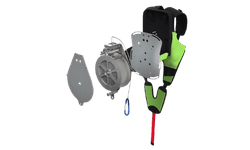
This is precisely the scenario that makes personal controlled descent devices invaluable. The SkySaver rescue backpack provides an entirely independent escape route that bypasses the stairwells completely. By allowing controlled descent from any window or balcony, it gives occupants an exit option that does not depend on stairwell conditions, building systems, or fire department response times. The device contains an integrated harness and fire-resistant cable that enables safe descent at a controlled speed, regardless of the floor height. For families, SkySaver offers attachable child harnesses and even family editions that allow parents to evacuate with their children.
Design Flaws That Make Stairwells More Dangerous
Not all stairwells are created equal, and certain design characteristics make some far more vulnerable to failure during fires than others. Older buildings constructed before modern fire codes were adopted often feature stairwells with inadequate fire-rating, meaning the walls, doors, and structural elements surrounding the stairwell may not withstand prolonged exposure to fire. Some older buildings have stairwells that open directly into corridors without vestibules or lobbies, allowing smoke to enter the stairwell freely whenever a door is opened.
Scissor stairwells, a design where two separate stairways intertwine within a single shaft to save floor space, present particular risks because a fire that compromises the shaft can potentially affect both stairwells simultaneously, eliminating all stairwell evacuation options at once. While modern building codes in many jurisdictions have moved away from scissor stairwells in favor of fully separated stairway enclosures, many existing buildings still feature this potentially dangerous configuration.
The presence or absence of stairwell pressurization systems is perhaps the single most important factor determining whether a stairwell will remain tenable during a fire. Pressurization systems pump fresh air into the stairwell, creating a positive pressure differential that prevents smoke from entering when doors are opened. Buildings with properly functioning pressurization systems offer dramatically better stairwell conditions during fires than those without. However, these systems can fail due to mechanical problems, power outages, or simply being overwhelmed by a fire that opens too many pathways for smoke to enter. Our guide on assessing whether your high-rise building is fire safe explains what features to look for and what questions to ask your building management.
Protecting Yourself When Stairwells Fail
The most effective protection against stairwell failure during a high-rise fire is a combination of knowledge, preparation, and equipment. Start by understanding your building’s specific stairwell configuration. Know how many stairwells your building has, where they are located relative to your unit or office, and whether they are pressurized. If your building has only a single stairwell or features an older design without pressurization, your risk is significantly higher and your need for alternative escape planning is correspondingly greater.
Develop an evacuation plan that includes scenarios where the stairwells are not usable. Identify alternative escape routes, including windows or balconies that could serve as descent points with a controlled descent device. Practice your evacuation plan regularly, and ensure that every member of your household knows the plan and can execute it under stress. Our guide to staying calm during high-rise emergencies provides practical breathing and mental techniques that help maintain clear thinking when panic threatens to take over.
Most importantly, do not assume that following the standard advice of using the stairs will always be sufficient. The tragic history of high-rise fires has demonstrated repeatedly that stairwells can and do fail. Having a SkySaver controlled descent device stored and ready in your home or office gives you an escape option that is completely independent of the building’s stairwell system. In the moments when the stairs become impassable and the fire department has not yet arrived, that independence could be the thing that saves your life and the lives of your family.
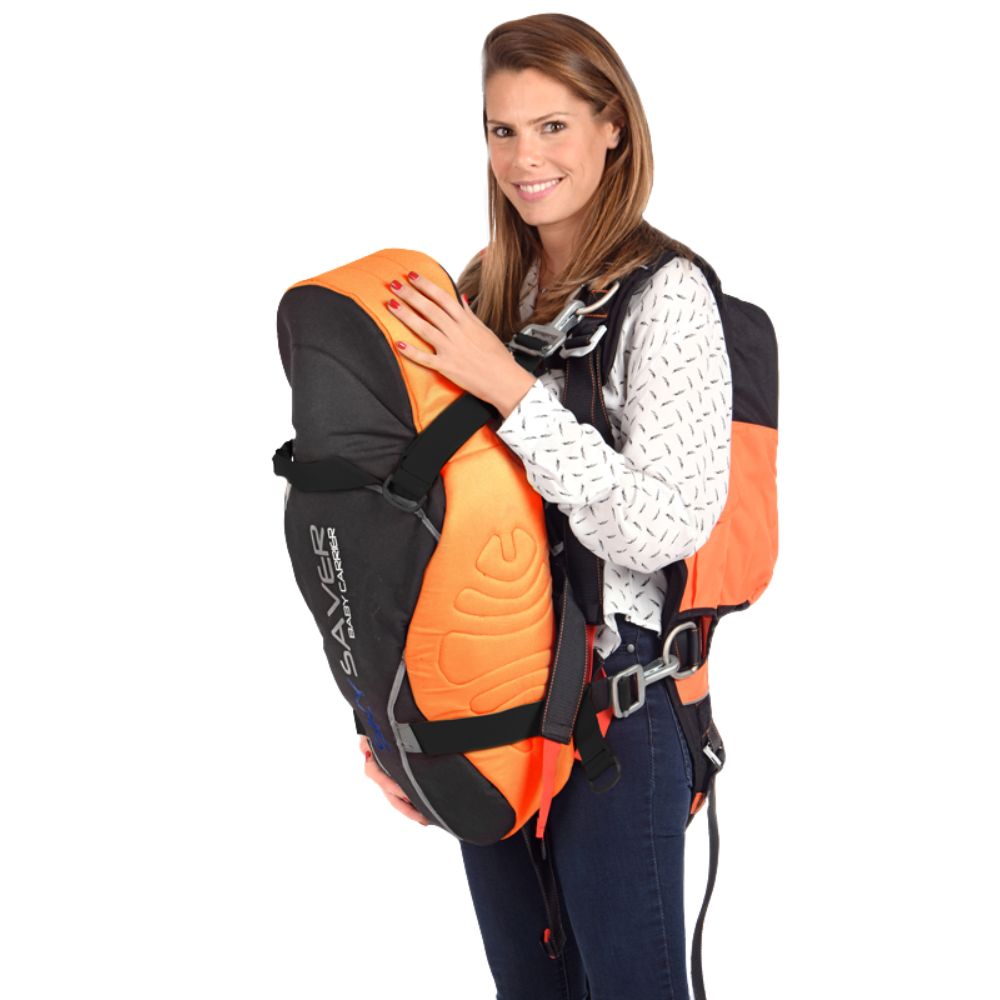
Attachable Baby Harness
Lightweight safety harness for fast and secure infant evacuation in high-rise emergencies.
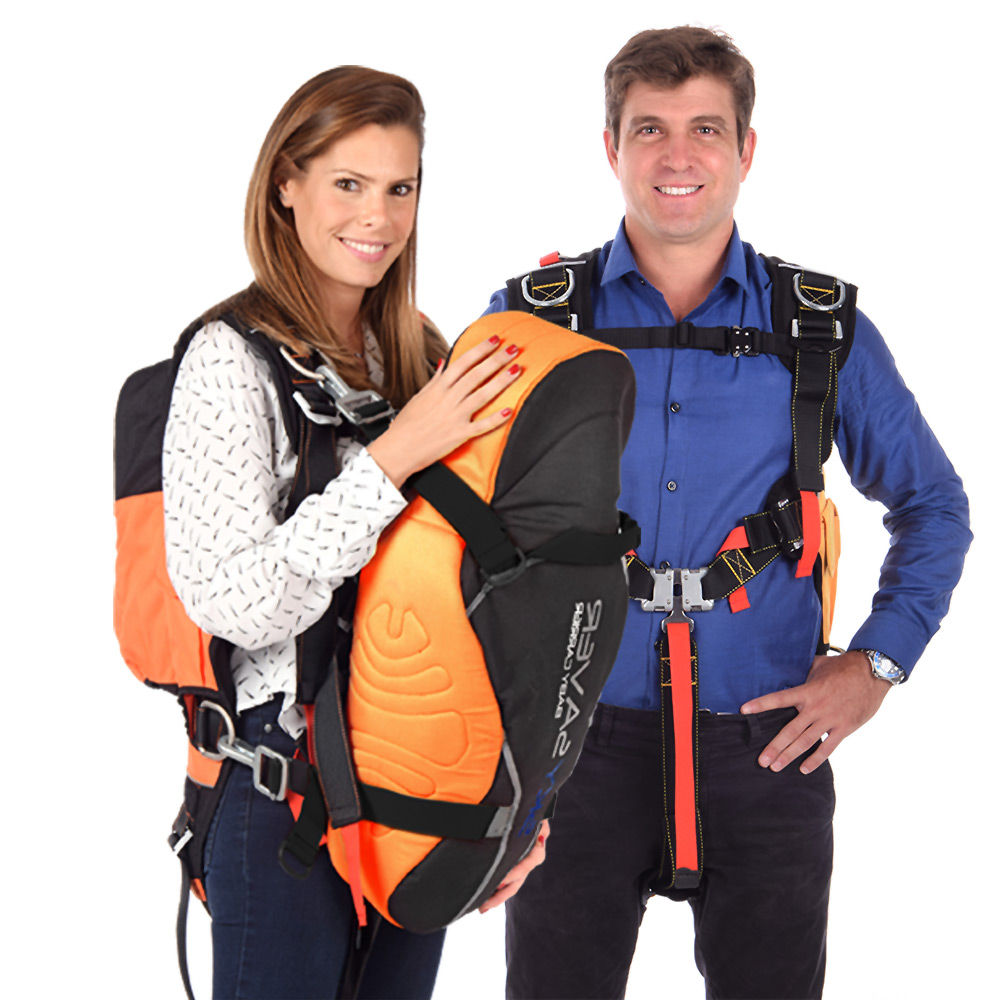
Parent Package
Complete emergency evacuation kit for the parent and dependant. Fast, safe descent from high-rise buildings.
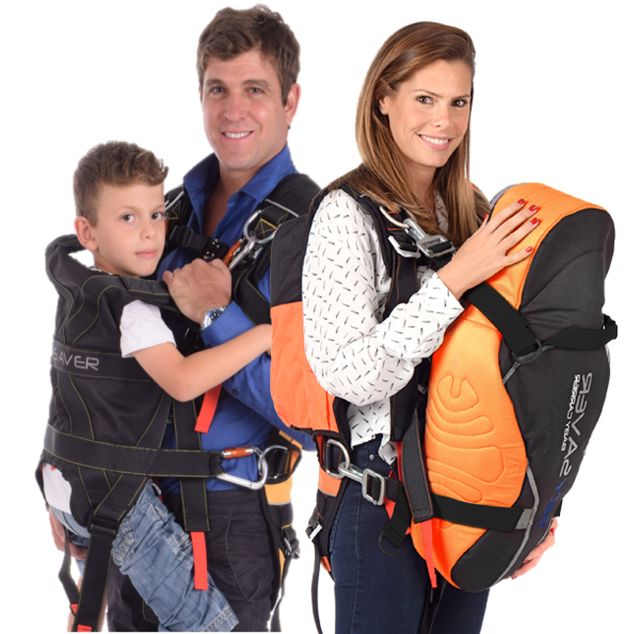
Parent Edition
Complete high-rise evacuation solution for a parent, maximum safety and fast deployment.
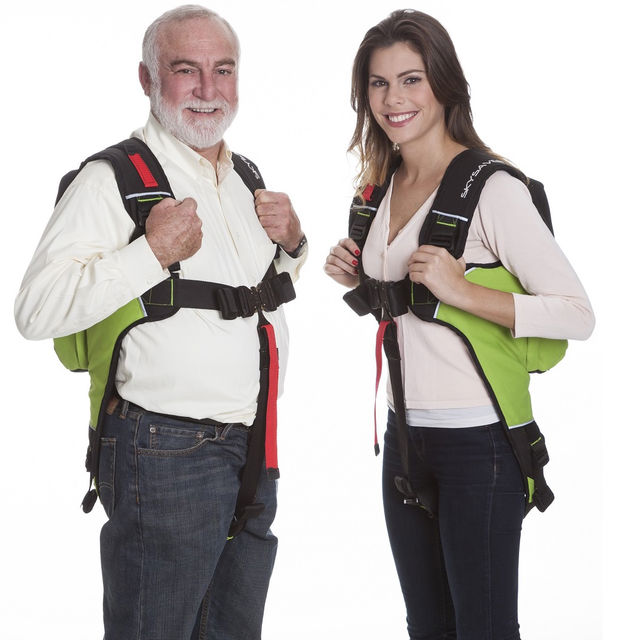
Single Self-Rescue Kit
Complete emergency evacuation kit for high-rise fast, safe descent during critical emergencies.
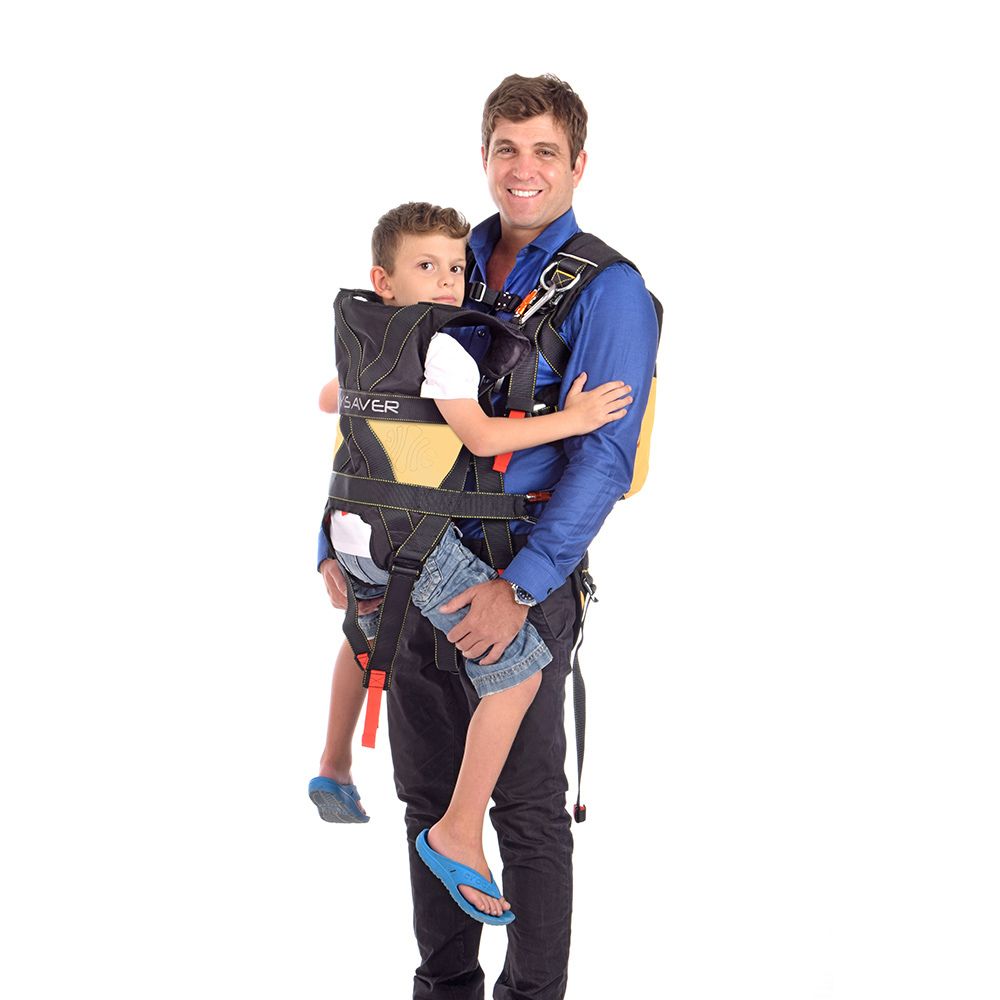
Attachable Child Harness
Lightweight child safety harness designed for secure, controlled evacuation from high-rise buildings.
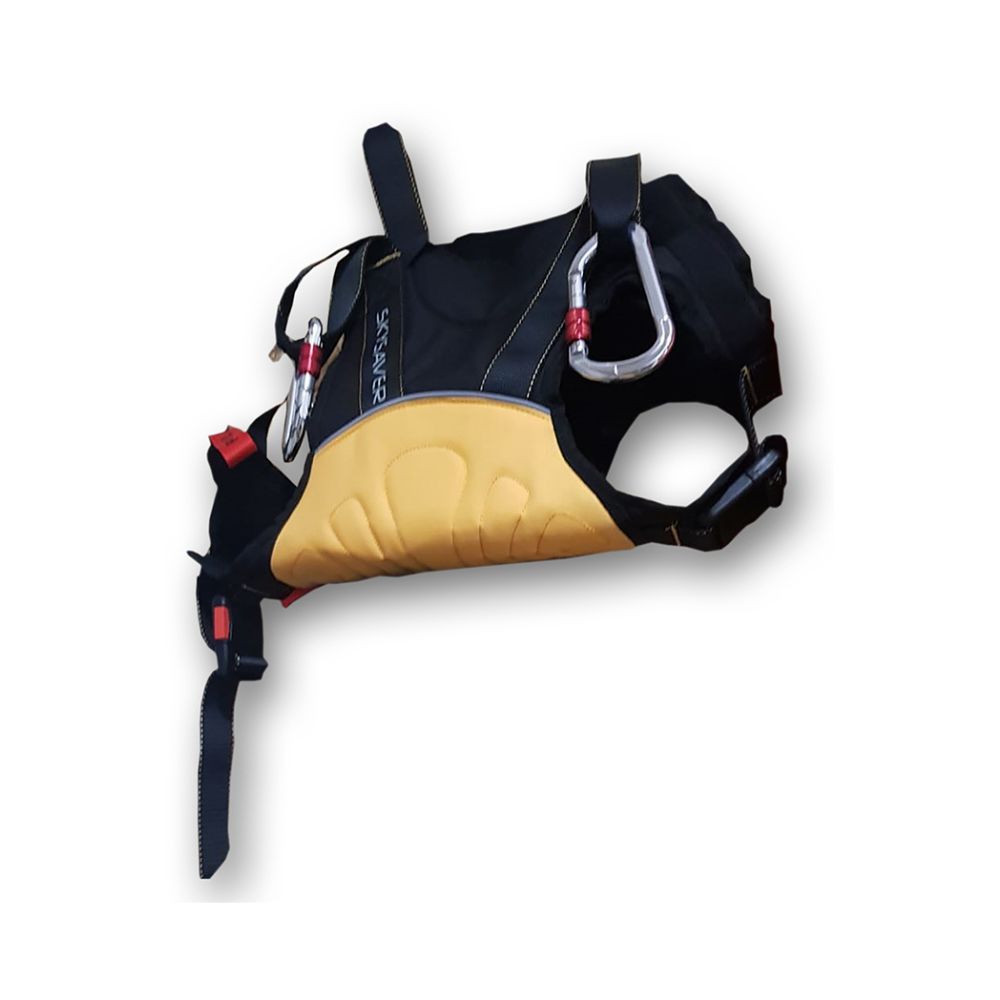
Attachable Pet Harnesses
Secure, lightweight safety harness designed for fast and controlled pet evacuation from high-rise buildings.

single Self-Rescue Harnesseses
Professional external safety harness for secure personal evacuation from high-rise buildings.
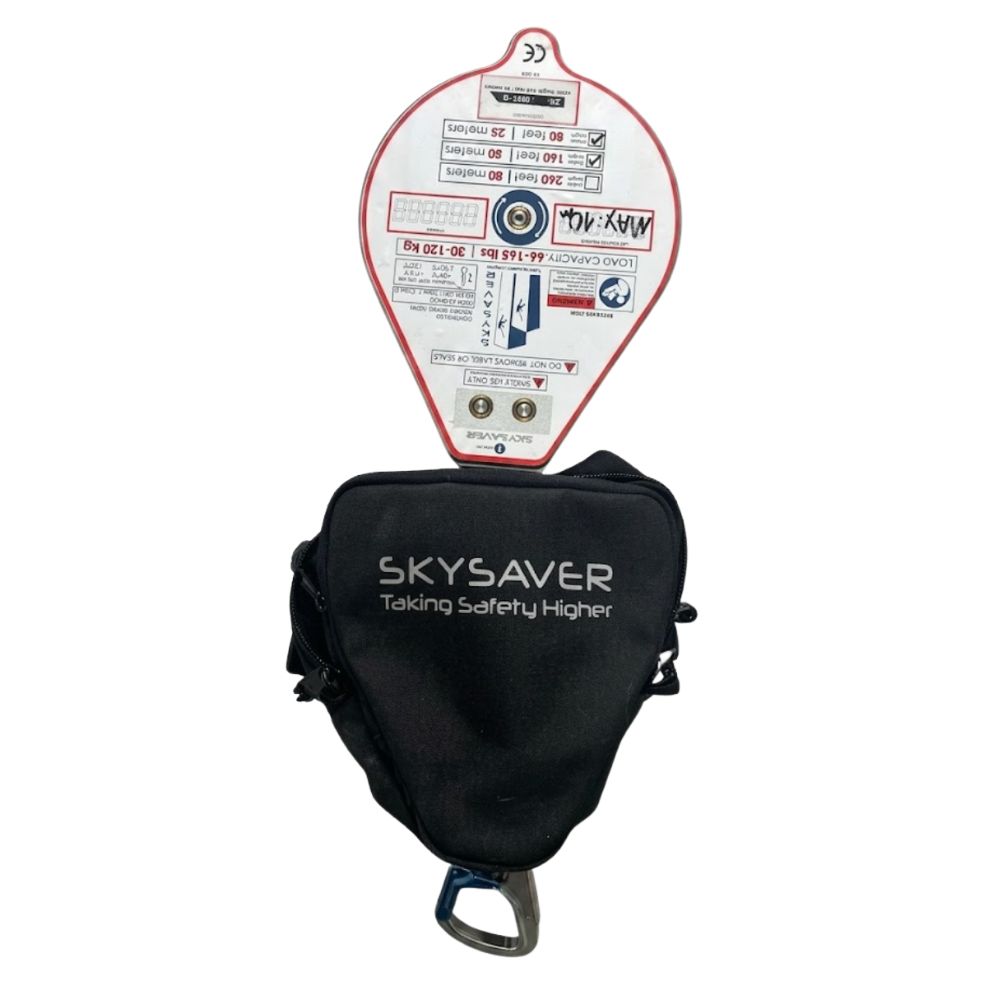
Controlled Descent Device (CDD)
External CDD unit for safe, controlled descent during high-rise emergency evacuation.