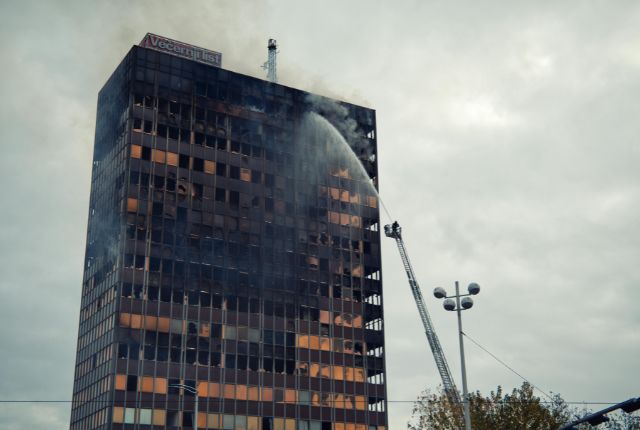
Ultra-tall buildings — skyscrapers exceeding forty or fifty floors — present evacuation challenges that are fundamentally different from those of conventional high-rise structures. The sheer vertical distance between upper floors and the ground, combined with massive occupant loads, complex building systems, and the extended time required for emergency services to reach upper levels, demands evacuation solutions specifically designed for extreme-height scenarios. As cities worldwide continue to build taller, the need for effective skyscraper emergency escape technology has never been more urgent.
Unique Challenges of Ultra-Tall Evacuation
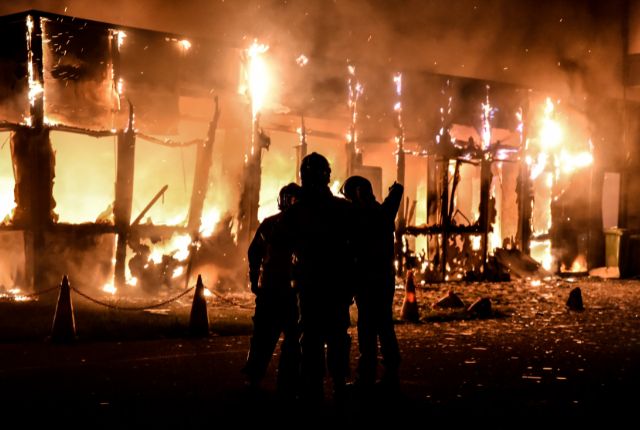
The primary challenge of skyscraper evacuation is time. Descending fifty or more flights of stairs takes a physically fit adult approximately twenty to thirty minutes under calm conditions. During a fire, with crowded stairwells, smoke infiltration, and panic-driven behavior, this timeframe can extend dramatically. For elderly residents, people with disabilities, or families with young children, stairwell descent from extreme heights may be physically impossible.
Fire department response capabilities have a hard ceiling — literally. Aerial ladders reach approximately eight floors. Specialized high-rise rescue teams require substantial time to ascend and deploy. Helicopter rescue from rooftops is limited by wind conditions, smoke plumes, and rooftop access design. For occupants on the fiftieth floor or above, the gap between when they need help and when professional rescuers can physically reach them can extend to an hour or more.
Current Skyscraper Safety Technologies
Modern super-tall buildings incorporate several technologies designed to mitigate evacuation challenges. Sky lobbies — intermediate floors with dedicated express elevators — break the building into manageable evacuation zones. Refuge floors at regular intervals provide protected gathering spaces with independent ventilation, communication systems, and fire suppression. Evacuation elevators with backup power and fire-resistant construction allow controlled vertical movement even during emergencies.
Building management systems use artificial intelligence to analyze fire conditions in real time and direct occupants toward the safest available evacuation routes. Dynamic signage systems change wayfinding information based on which stairwells and corridors are compromised. These technologies represent significant advances in building-level evacuation management, but they share a common limitation: they depend on building infrastructure that may itself be damaged or compromised by the emergency.
Personal Escape Solutions for Extreme Heights
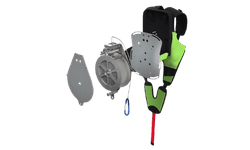
Personal controlled descent devices offer a critical capability that building-level systems cannot replicate: complete independence from building infrastructure. The SkySaver CDD works from any height, making it equally effective from the tenth floor or the hundredth. The device uses a high-strength cable and friction braking mechanism that automatically controls descent speed regardless of the vertical distance involved. For occupants of super-tall buildings, this represents the most reliable escape option when all internal routes are blocked.
The SkySaver Single Self-Rescue Kit is available in models with cable lengths matched to specific building heights, ensuring that even occupants of the tallest residential towers have access to a complete descent solution. The kit stores compactly in any apartment closet, requires no batteries or electronic components, and can be deployed in under sixty seconds — a critical advantage when fire conditions are deteriorating rapidly on upper floors of a skyscraper.
The Future of Skyscraper Evacuation
As buildings continue to grow taller, evacuation technology must evolve in parallel. Research into drone-assisted rescue, external climbing platforms, and advanced materials for fire-resistant construction continues to push the boundaries of what is possible. However, the most effective safety strategy for today’s skyscraper residents combines the building’s engineered safety systems with personal evacuation equipment that works independently of everything else.
The SkySaver Family Edition ensures that families in ultra-tall buildings can evacuate together, with specialized harnesses for children of all ages. Whether you live on the twentieth floor or the eightieth, personal descent capability from SkySaver provides the ultimate safety net. Visit the SkySaver shop to explore solutions designed for the unique challenges of skyscraper living.
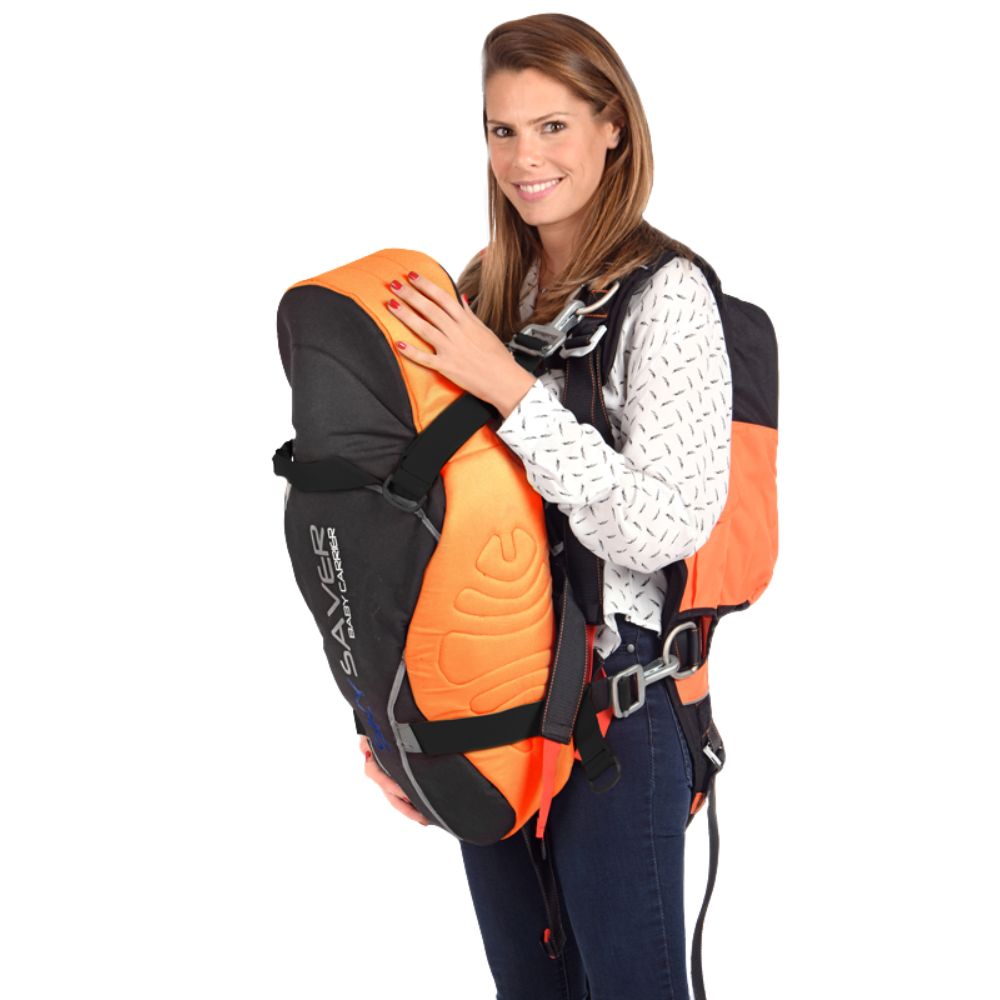
Attachable Baby Harness
Lightweight safety harness for fast and secure infant evacuation in high-rise emergencies.
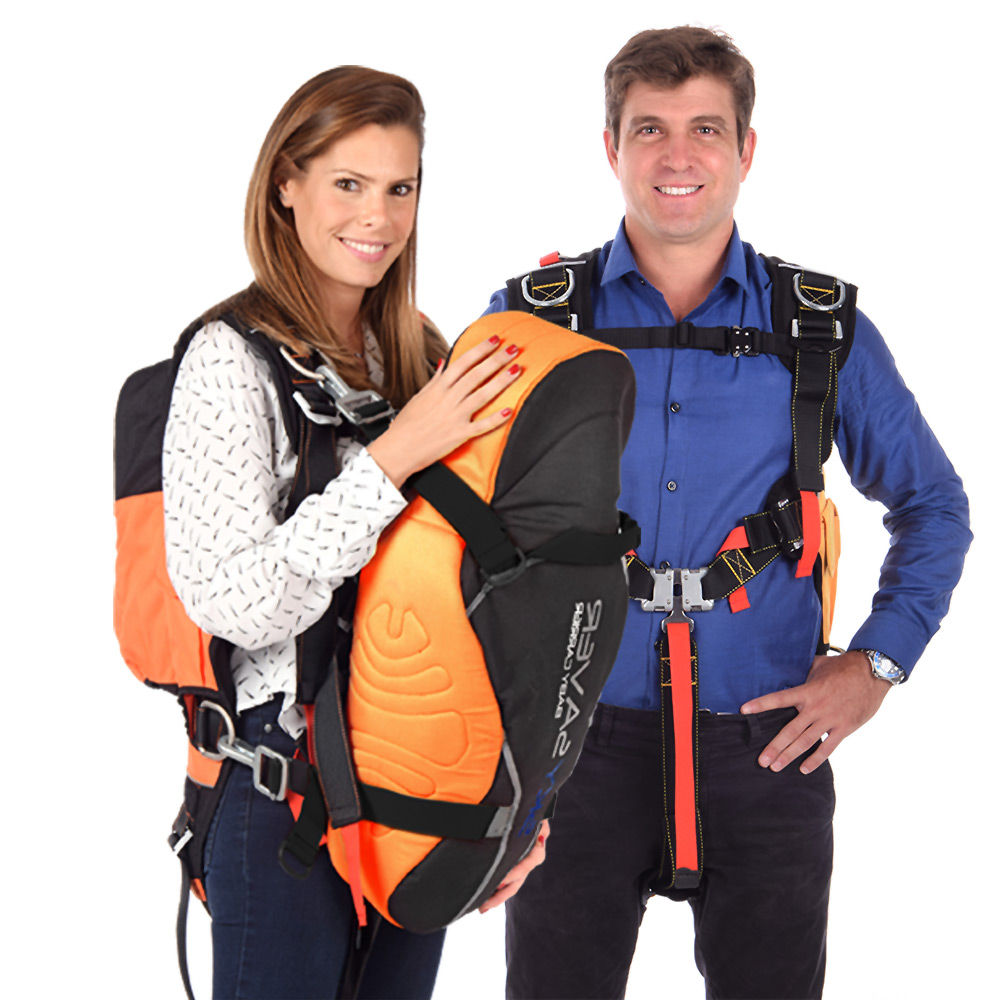
Parent Package
Complete emergency evacuation kit for the parent and dependant. Fast, safe descent from high-rise buildings.
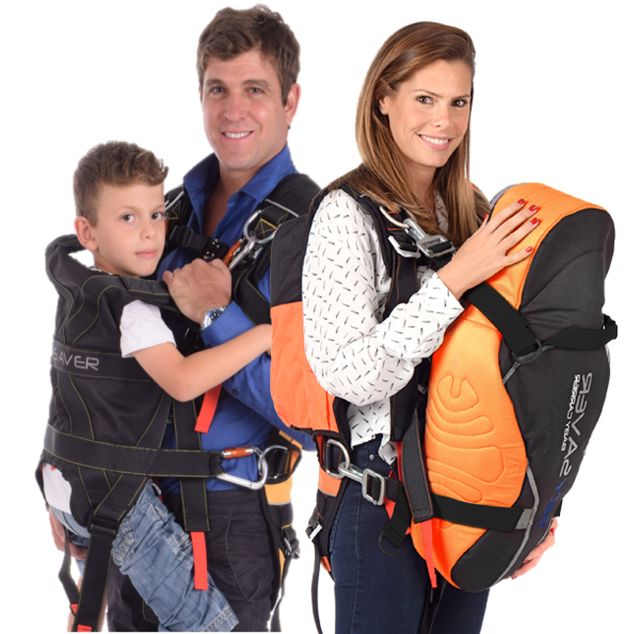
Parent Edition
Complete high-rise evacuation solution for a parent, maximum safety and fast deployment.
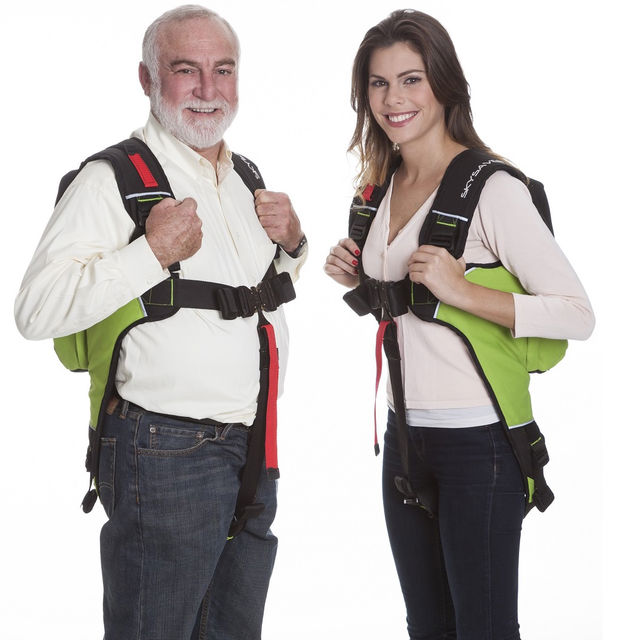
Single Self-Rescue Kit
Complete emergency evacuation kit for high-rise fast, safe descent during critical emergencies.
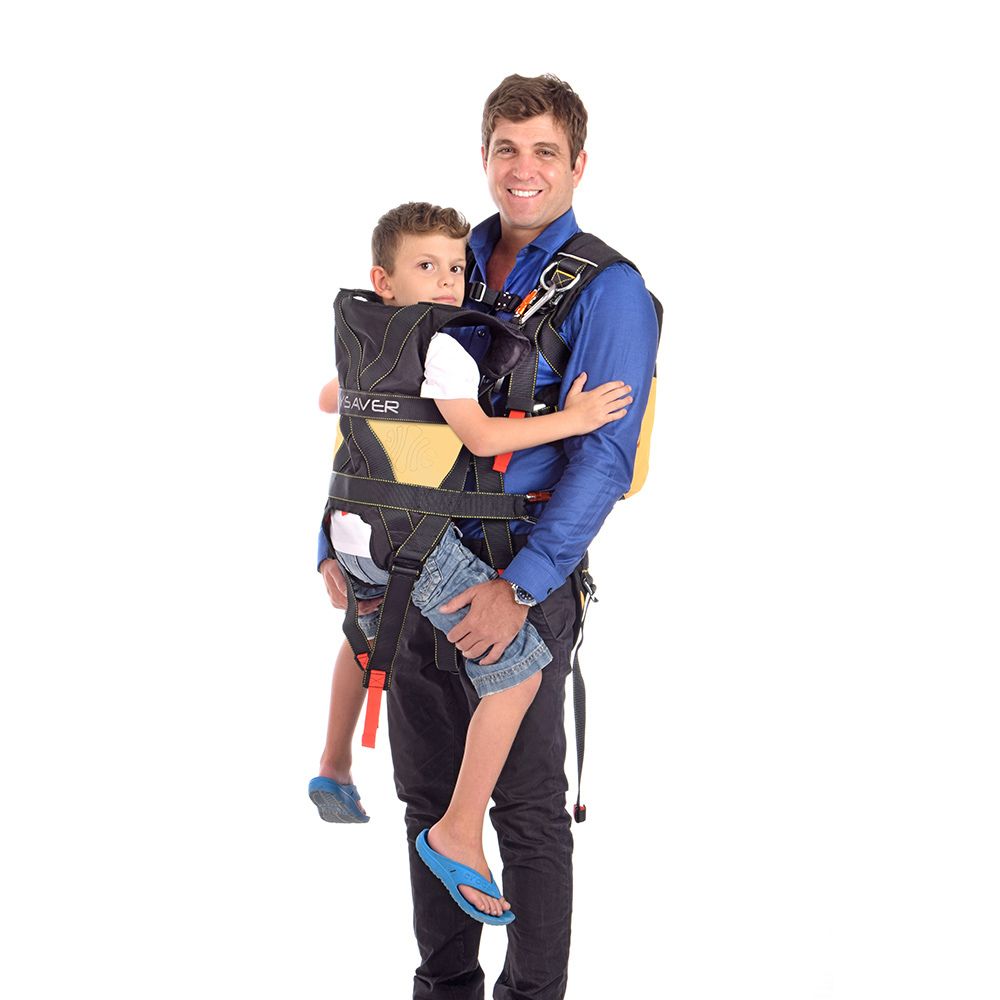
Attachable Child Harness
Lightweight child safety harness designed for secure, controlled evacuation from high-rise buildings.
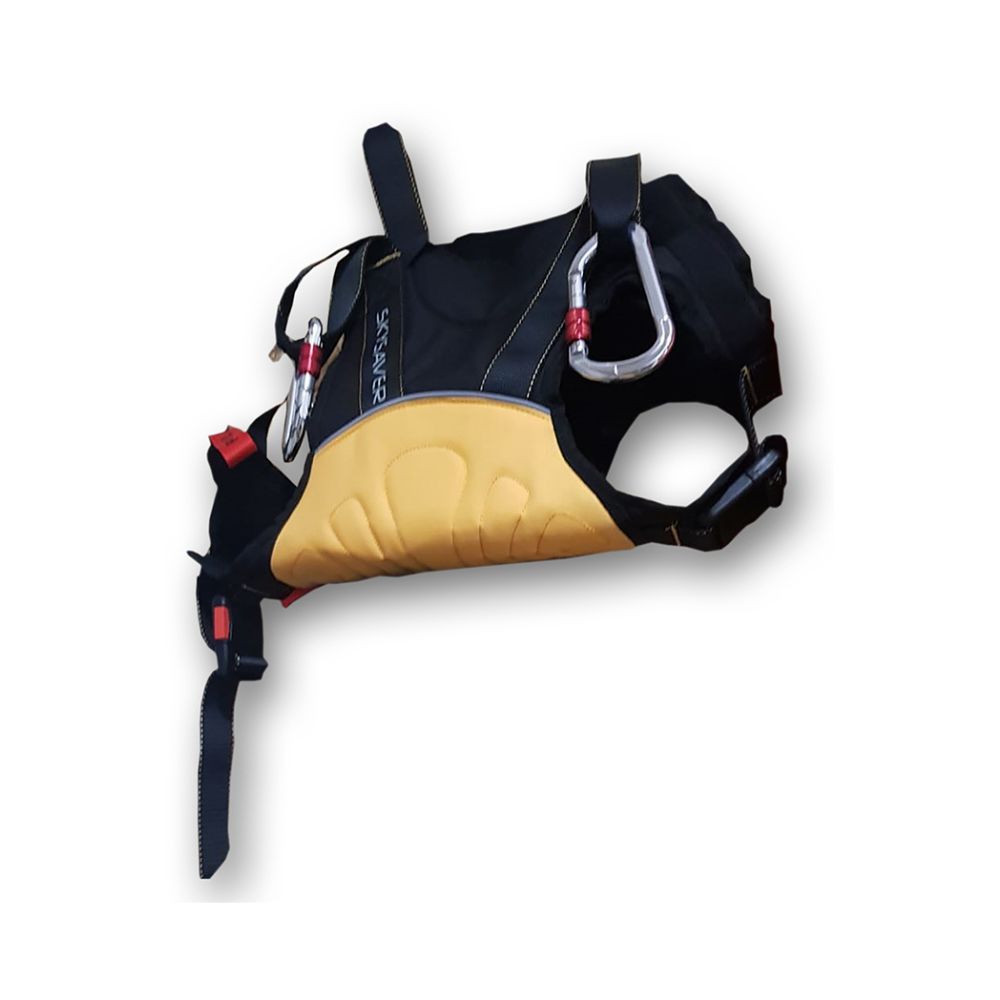
Attachable Pet Harnesses
Secure, lightweight safety harness designed for fast and controlled pet evacuation from high-rise buildings.
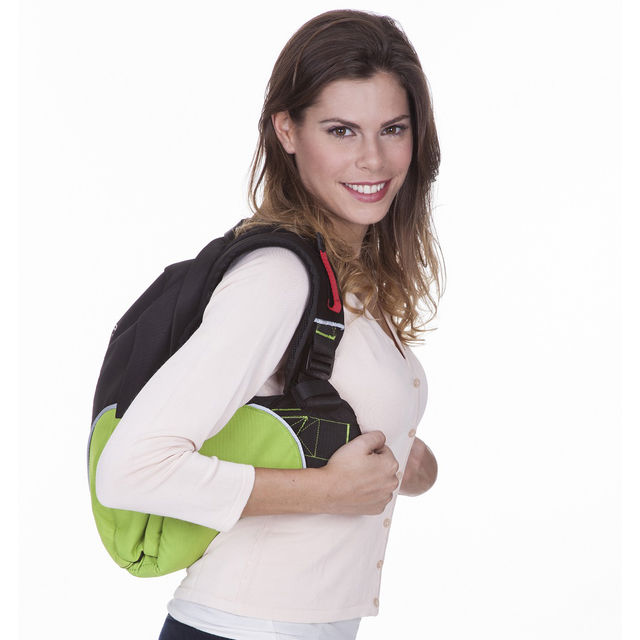
single Self-Rescue Harnesseses
Professional external safety harness for secure personal evacuation from high-rise buildings.
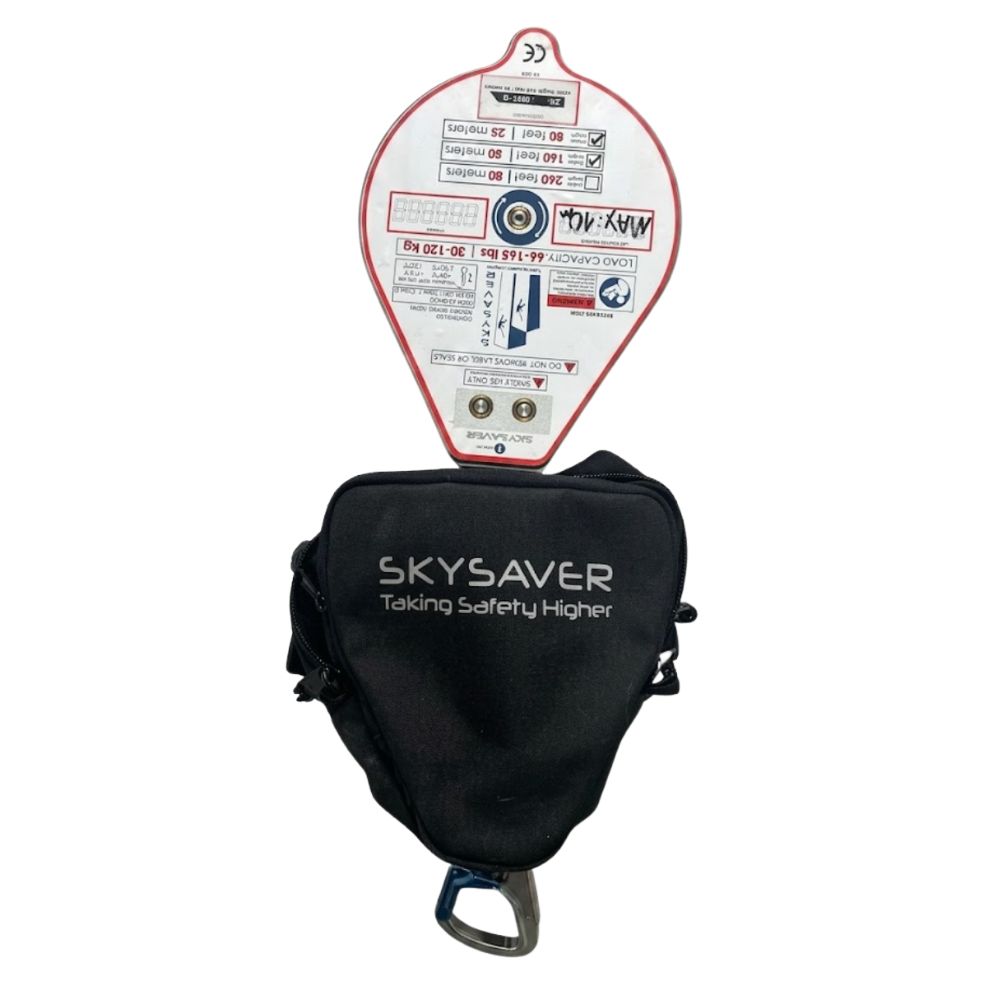
Controlled Descent Device (CDD)
External CDD unit for safe, controlled descent during high-rise emergency evacuation.