How much do you really know about fire safety? Most people consider themselves reasonably well-informed on the topic — they know that smoke alarms save lives, that you should not use elevators during a fire, and that you should get out of a burning building as quickly as possible. But fire safety knowledge goes considerably deeper than these broad principles, and the gap between what people think they know and what is actually true can be life-threatening in an emergency. Test your knowledge against some of the most important and commonly misunderstood aspects of fire safety.
How Well Do You Know the Speed of Fire?
One of the most consequential misconceptions about fire is how quickly it spreads. Most people significantly underestimate the speed at which a small fire becomes uncontrollable. In reality, a fire in a room with standard household furnishings can double in size roughly every minute, and can transition from a small, containable flame to a fully involved room fire in under three minutes. The phenomenon of flashover — where every combustible surface in a room simultaneously reaches ignition temperature — can make a survivable room unsurvivable in a fraction of a second.
Understanding the true speed of fire is important because it fundamentally changes how you should think about emergency response. Many people imagine they would have time to gather valuables, alert family members, and make considered decisions. In a real residential fire, you may have thirty seconds to get out before conditions become untenable. This is why fire safety professionals universally emphasize rehearsal and advance planning — there is no time for deliberation in the moment. As our detailed analysis of how fires spread in tall buildings explains, this timeline becomes even more compressed in multi-story environments.
Common Fire Safety Myths — And the Truth
Several widely held beliefs about fire safety are not just inaccurate — they are dangerous. The belief that you have time to retrieve important items before evacuating has cost lives. The belief that smoke hoods are unnecessary because you can hold your breath through a smoke-filled corridor is wrong — the toxic components of fire smoke cause physiological effects that cannot be mitigated by breath-holding alone. The belief that fire escapes are always safe and reliable ignores the reality that many older fire escapes are structurally compromised and may not support the weight of a person attempting to descend them under emergency conditions.
Perhaps the most dangerous myth is that high-rise fires are someone else’s problem — that fire suppression systems, emergency services, and building management will handle any emergency before it reaches your floor. While these systems are important and save many lives, they are not infallible and they do not guarantee the safety of every occupant. As explored in our article on common myths about fire safety, the gap between popular belief and fire science reality is wide enough to be genuinely hazardous.
Do You Know What to Do in a High-Rise Fire?
High-rise fire response requires knowledge that goes beyond standard residential fire safety advice. Do you know whether to shelter in place or evacuate during a high-rise fire? The answer is: it depends on your specific circumstances. If the fire is on a distant floor and your stairwells are smoke-free, evacuation may be appropriate. If smoke has already filled the stairwell, sheltering in your unit with sealed door gaps may be safer than attempting to descend through toxic air.
Do you know how to determine whether a stairwell is safe before entering it? Touch the door — not the handle, which can conduct heat — with the back of your hand. If it feels warm, conditions on the other side may be dangerous. If smoke is visible under the door, the stairwell is almost certainly compromised. Do you have a plan for the scenario where both stairwells are inaccessible? If you live above the third floor and have not considered this question, you have a gap in your emergency preparedness that deserves immediate attention.
Is Your Emergency Equipment Actually Ready?
Having smoke alarms is not the same as having functioning smoke alarms. Studies consistently show that a significant percentage of residential smoke alarms are non-functional — typically due to dead or missing batteries, or alarms that have exceeded their operational lifespan. Smoke alarms should be tested monthly and replaced every ten years. Do you know when your smoke alarms were installed and when they last passed a function test?
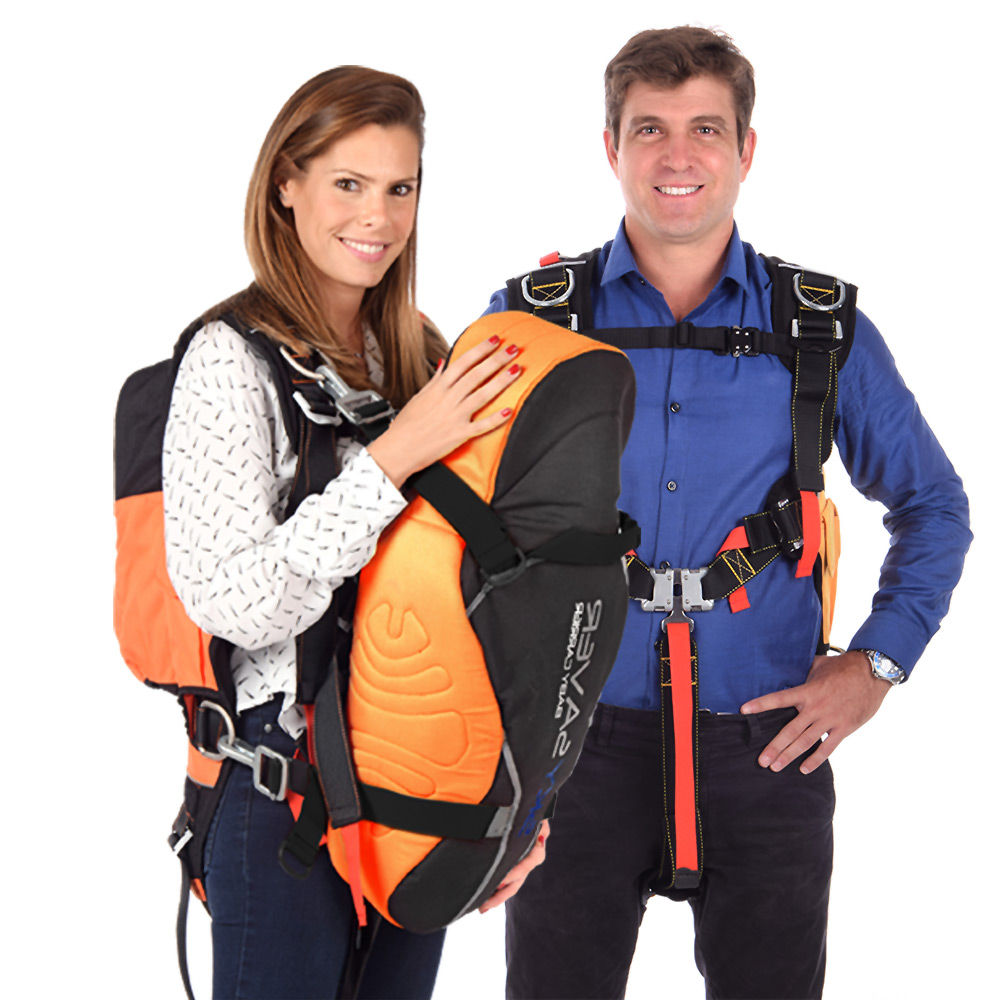
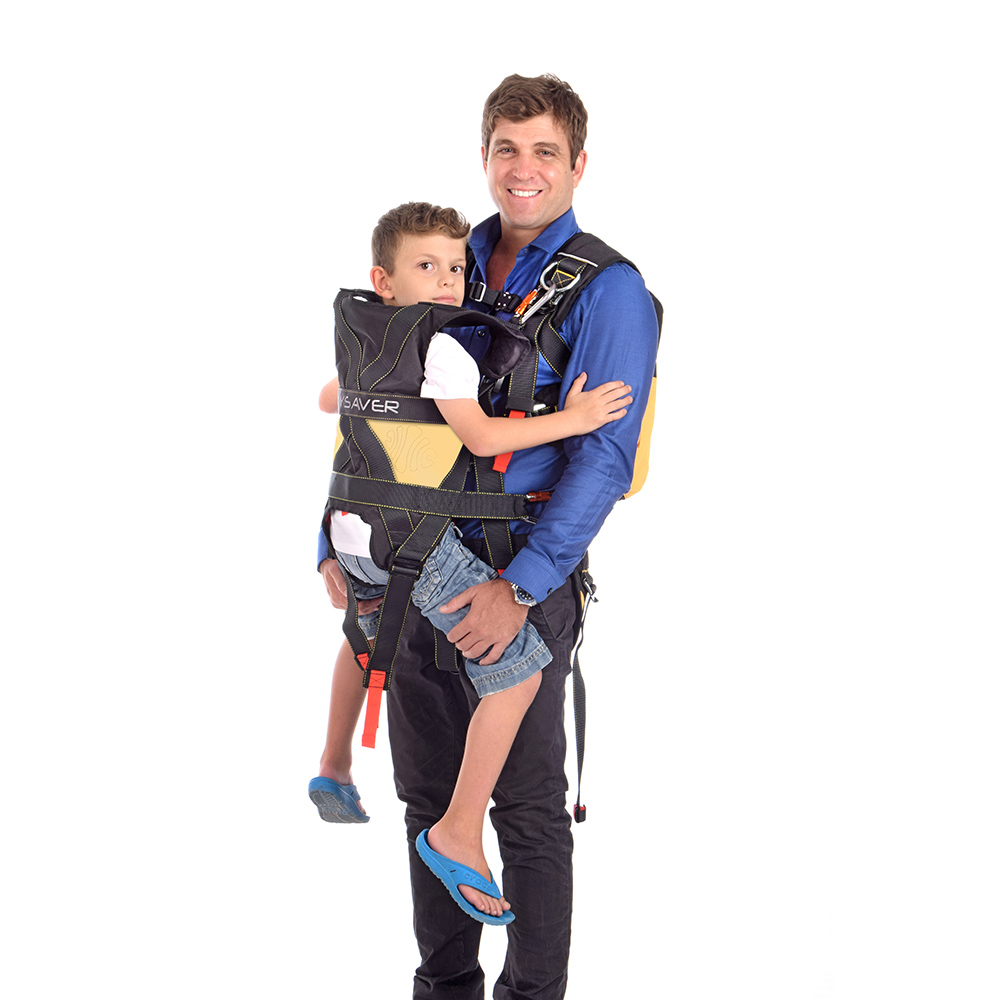
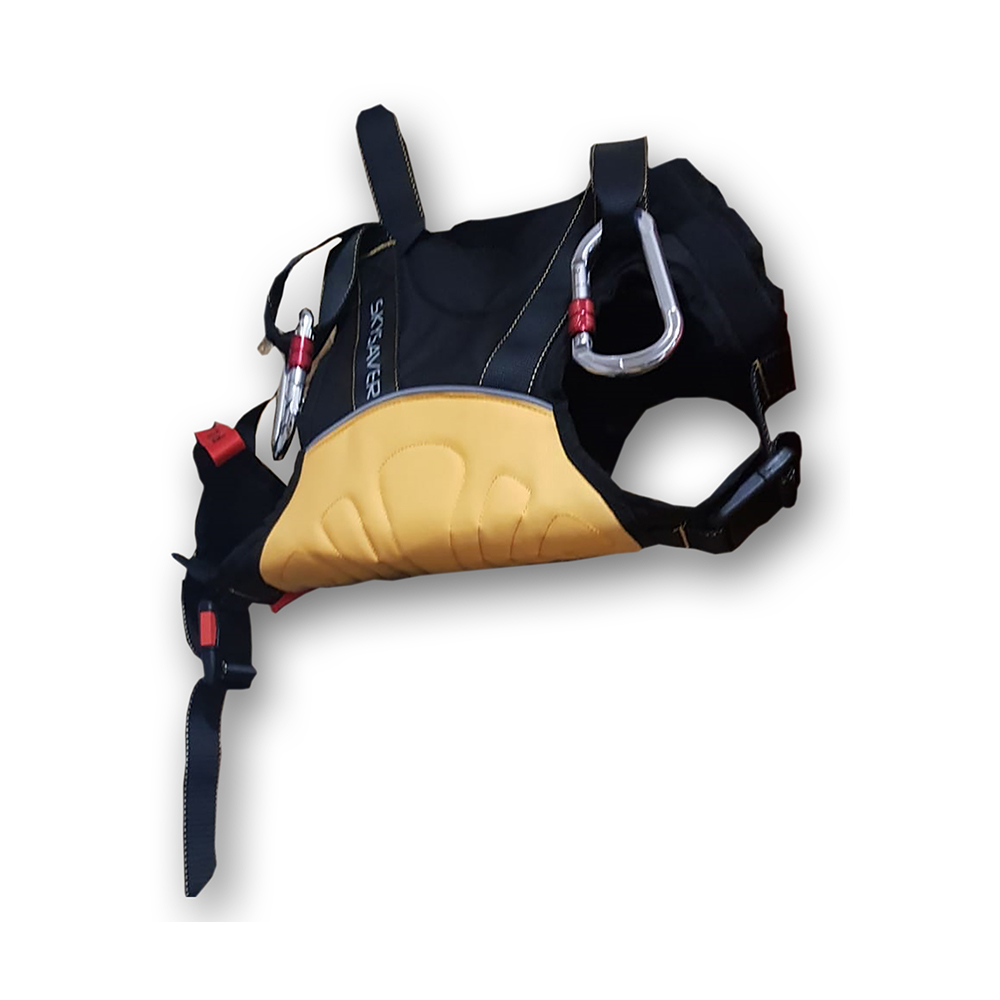
For high-rise residents, emergency preparedness should also include equipment specific to the vertical escape challenge. A controlled-descent device — stored where it can be accessed quickly, with an anchor point installed near a window — provides an option that building systems and emergency services cannot guarantee. Do you have this equipment? Do you know where it is? Does every member of your household know how to use it?
Taking Your Preparedness to the Next Level
If this review has revealed gaps in your knowledge or equipment, the good news is that addressing them is entirely achievable. Start with the basics: test your smoke alarms, review your escape routes, and have a clear conversation with every member of your household about what to do if a fire alarm sounds. Then move to the specifics of your building: review the evacuation procedures provided by building management, identify the stairwells and their locations relative to your unit, and consider what additional equipment is appropriate for your floor level.
SkySaver exists to close the gap between standard building safety and genuine personal preparedness for high-rise residents. Explore SkySaver’s personal escape solutions and ensure that your preparedness extends to every scenario you might face.