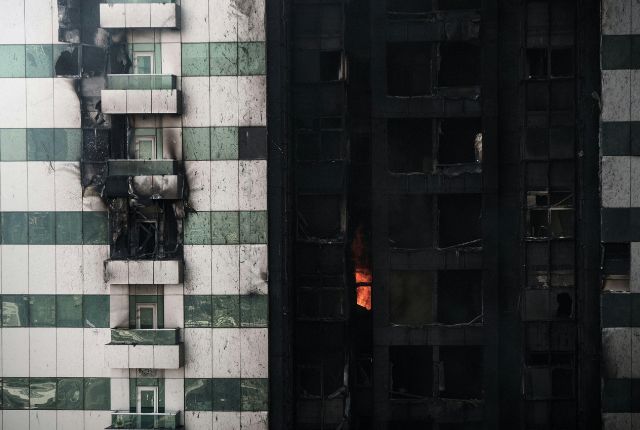
High-rise buildings require a comprehensive suite of safety equipment that goes beyond what is standard in low-rise residential or commercial structures. The unique challenges of height — extended evacuation times, limited fire department reach, and the potential for rapid vertical fire spread — demand specialized equipment and systems at both the building infrastructure level and the individual occupant level. This guide covers the essential safety equipment that every high-rise building should have to protect its occupants during fire and other emergencies.
Building-Level Fire Detection and Suppression
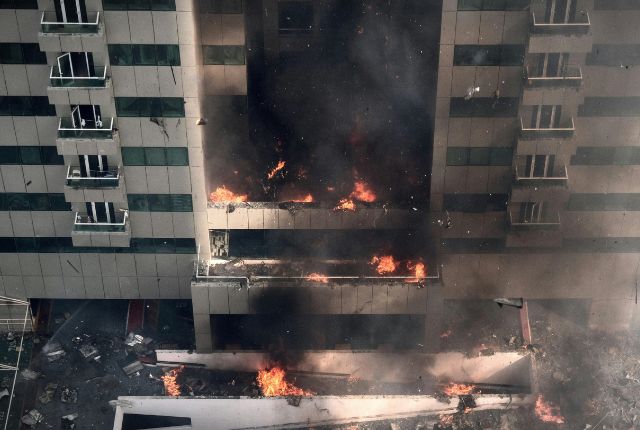
Automatic sprinkler systems are the single most effective fire suppression technology in high-rise buildings. Modern sprinkler systems are zoned by floor and area, activating only in the immediate vicinity of detected heat. This targeted approach controls fires while minimizing water damage to unaffected areas. Building codes in virtually every developed country require sprinkler systems in high-rise construction, and retrofitting older buildings with sprinklers has been linked to dramatic reductions in fire fatalities.
Smoke detection systems in high-rise buildings should include both individual unit detectors and common area monitoring. Interconnected detection networks ensure that fires detected in one area trigger alerts throughout the building, giving all occupants maximum warning time. Advanced systems integrate with building management platforms to provide specific fire location data to responding fire departments.
Stairwell Safety Equipment
Pressurization systems maintain positive air pressure in stairwells, preventing smoke infiltration from fire floors. These systems use fans and ductwork to push clean air into stairwells at a rate that exceeds any smoke leakage through doors and gaps. Emergency lighting — typically battery-backed LED systems — ensures that stairwells remain navigable even during power failures. Photoluminescent markings on stair edges and handrails provide wayfinding guidance even if all lighting fails.
Fire-rated stairwell doors with automatic closing mechanisms are essential. Doors that are propped open by occupants for convenience negate the entire pressurization system and allow smoke to flow freely into escape routes. Modern systems include electromagnetic hold-open devices that release automatically when the fire alarm activates.
Personal Safety Equipment for Residents
Beyond building-level systems, individual occupants should maintain personal safety equipment in their units. Every apartment should have working smoke detectors, a fire extinguisher rated for kitchen and electrical fires, and a flashlight with fresh batteries. For residents above the reach of fire department ladders — generally above the eighth floor — a personal controlled descent device is the most critical piece of safety equipment they can own.
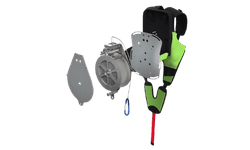
The SkySaver Single Self-Rescue Kit provides a complete personal evacuation system that works from any floor through any window. Unlike building-wide systems that may fail or become inaccessible during a fire, a personal descent device remains available to the individual regardless of building conditions. The SkySaver CDD represents proven technology used worldwide for personal high-rise evacuation.
Communication and Warning Systems
Building-wide public address systems enable emergency managers to deliver floor-specific evacuation instructions, directing occupants toward safe routes and away from danger areas. Two-way communication systems in stairwells and refuge areas allow fire wardens to report conditions and receive guidance. Emergency telephone systems provide direct connections to building management and emergency services from common areas on each floor.
Building a Complete Safety Profile
No single piece of equipment provides complete fire safety for a high-rise building. The most effective approach combines building-level infrastructure with personal safety equipment for every occupant. Building managers should ensure that all systems are regularly inspected and maintained, while individual residents should invest in personal safety equipment from SkySaver. Explore the full range of personal high-rise safety solutions at the SkySaver shop.
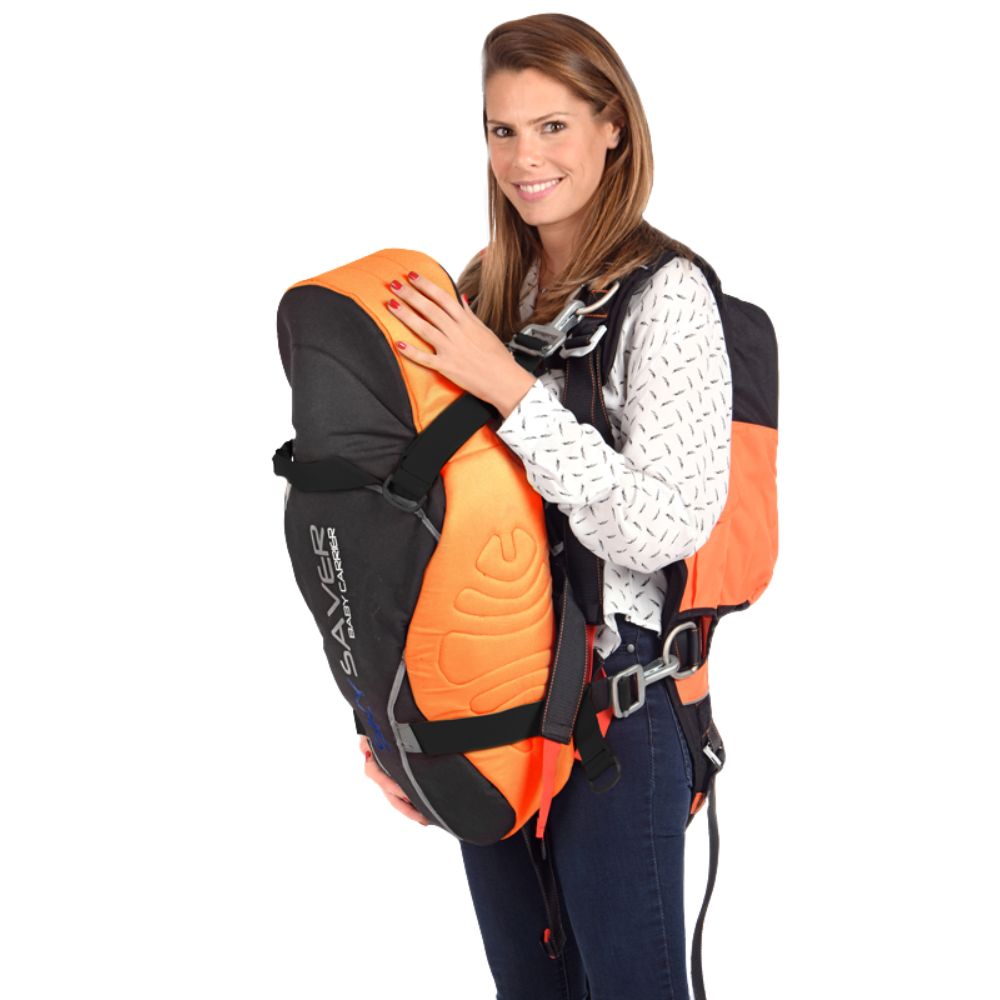
Attachable Baby Harness
Lightweight safety harness for fast and secure infant evacuation in high-rise emergencies.
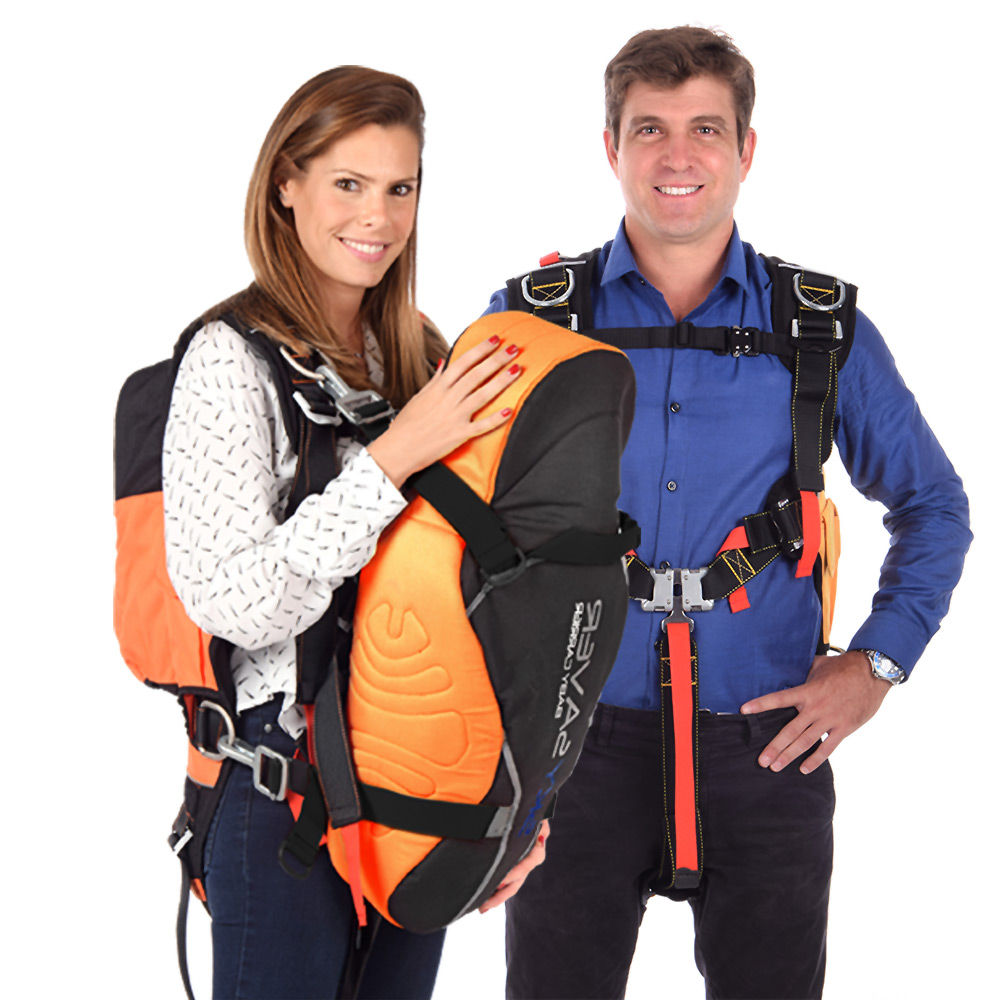
Parent Package
Complete emergency evacuation kit for the parent and dependant. Fast, safe descent from high-rise buildings.
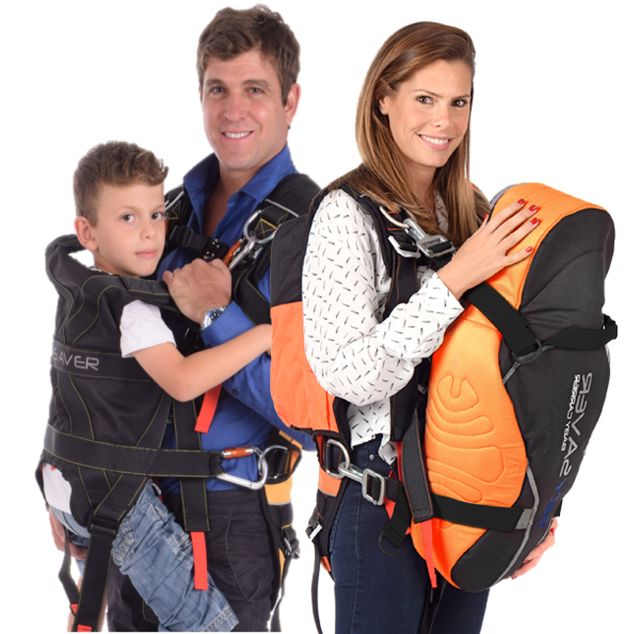
Parent Edition
Complete high-rise evacuation solution for a parent, maximum safety and fast deployment.
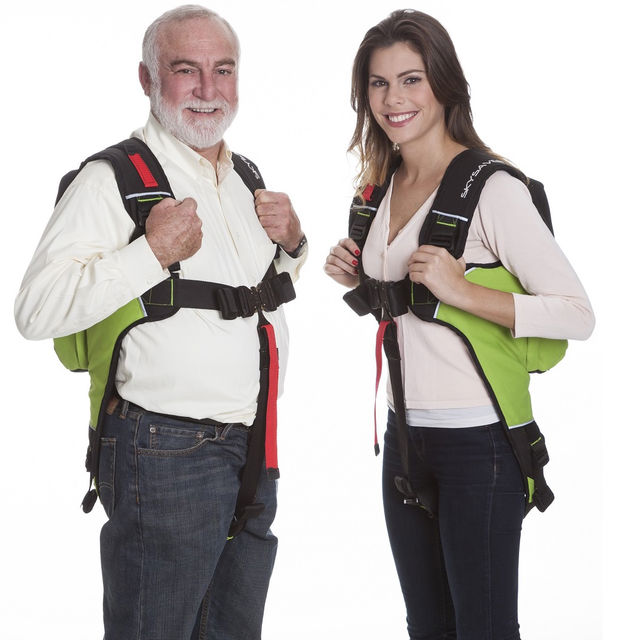
Single Self-Rescue Kit
Complete emergency evacuation kit for high-rise fast, safe descent during critical emergencies.
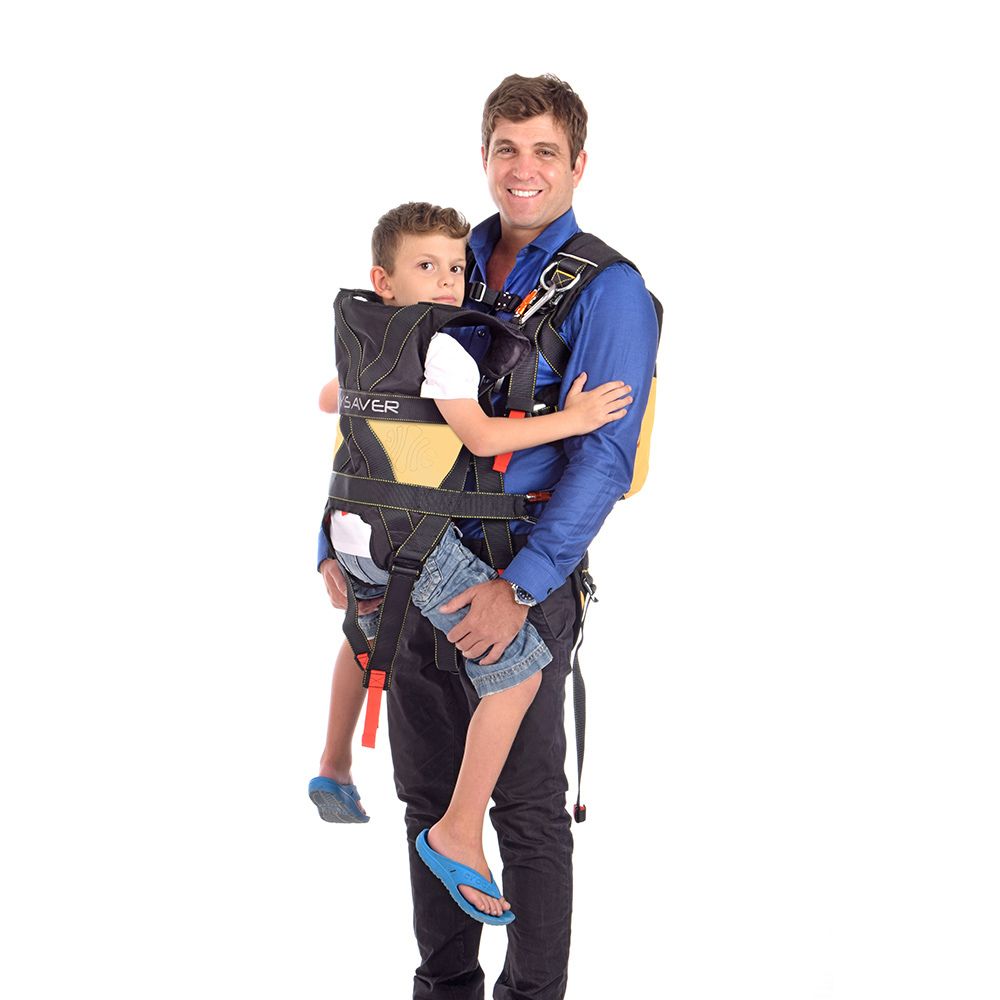
Attachable Child Harness
Lightweight child safety harness designed for secure, controlled evacuation from high-rise buildings.
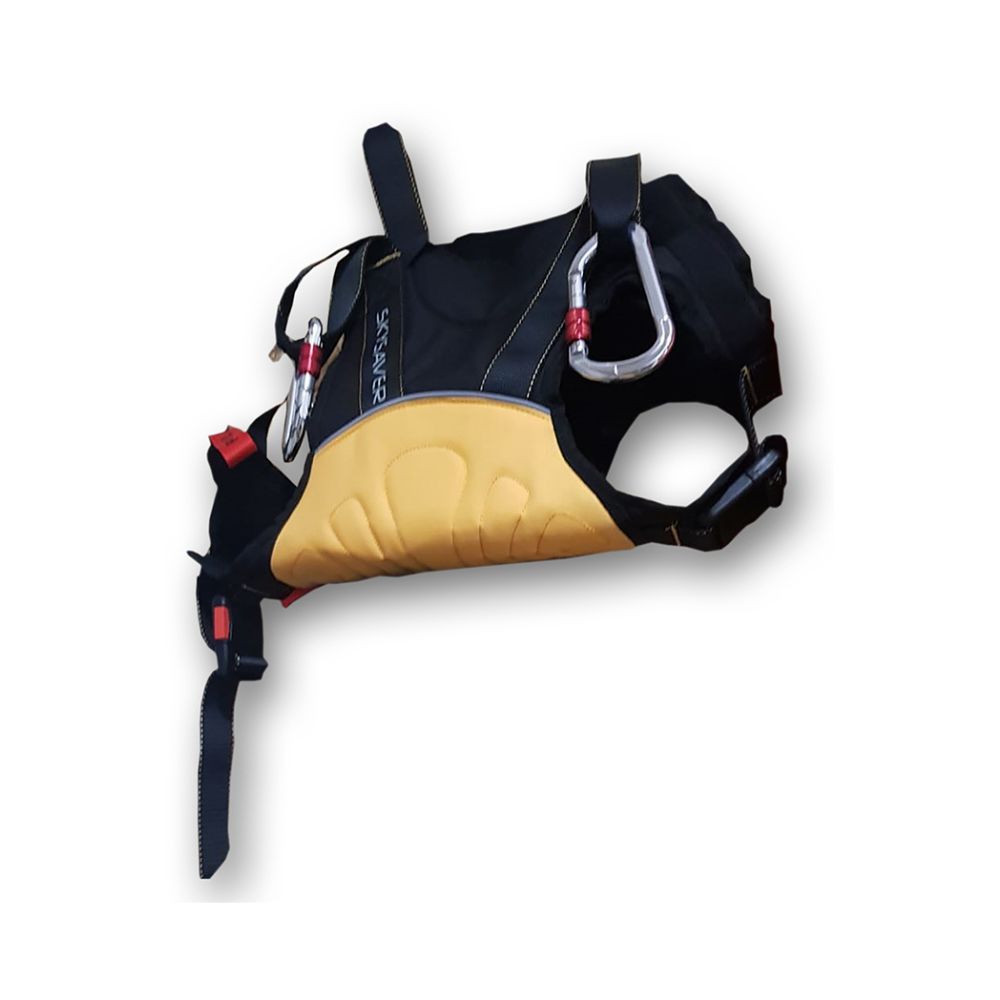
Attachable Pet Harnesses
Secure, lightweight safety harness designed for fast and controlled pet evacuation from high-rise buildings.
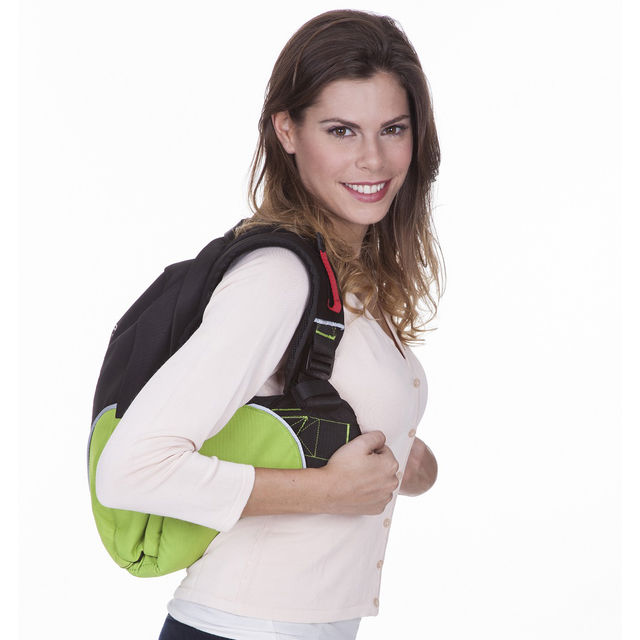
single Self-Rescue Harnesseses
Professional external safety harness for secure personal evacuation from high-rise buildings.
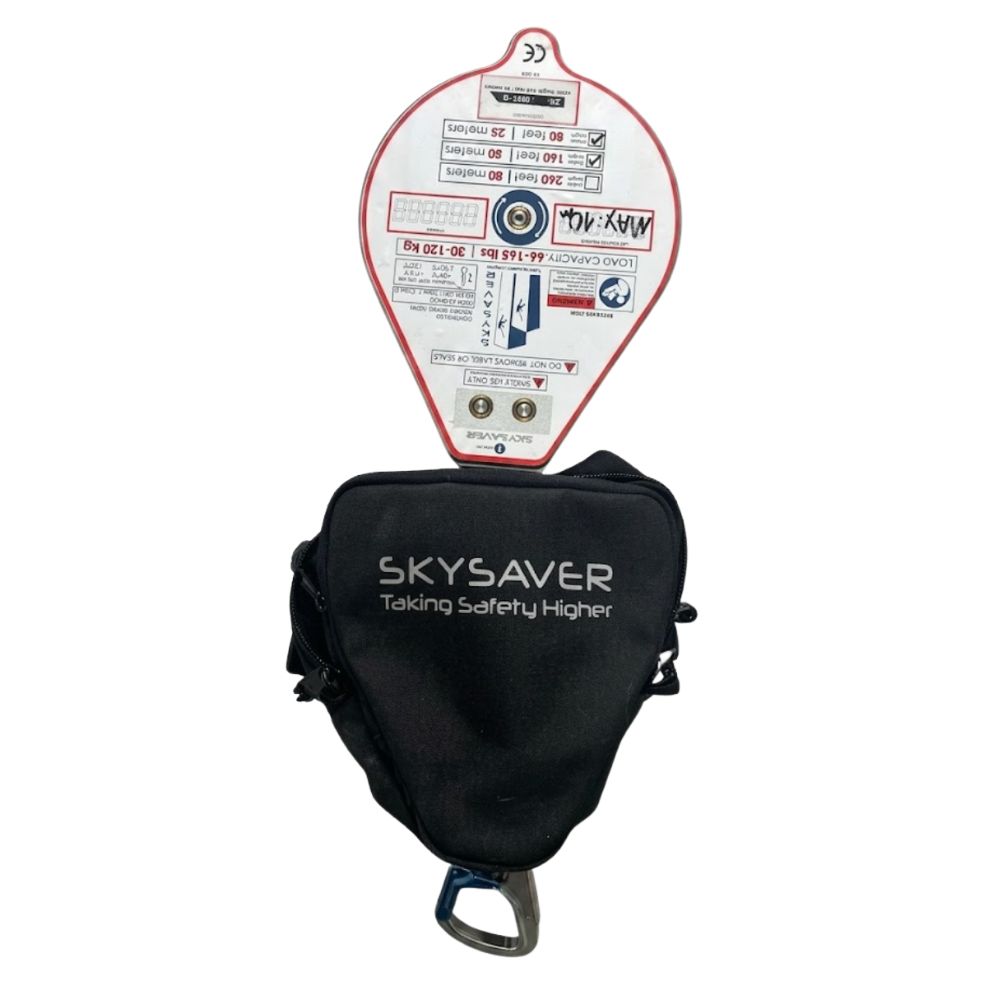
Controlled Descent Device (CDD)
External CDD unit for safe, controlled descent during high-rise emergency evacuation.