When it comes to evacuating high-rise buildings during emergencies, building managers and safety professionals constantly evaluate different technologies. The Neri Go Lift is one such solution that has attracted attention in the evacuation equipment market. Designed as a motorized evacuation lift, the Neri Go system aims to transport mobility-impaired individuals down stairwells during emergencies when standard elevators are out of service. But how does this approach compare to other evacuation technologies, and is it the most effective solution for high-rise residents seeking reliable fire escape options?
What Is the Neri Go Evacuation Lift?
The Neri Go Lift is a battery-powered evacuation chair designed to carry a single person down a stairwell during an emergency. Unlike standard evacuation chairs that require a trained operator to physically guide the chair down each step, the Neri Go uses a motorized track system that grips the stair edges and controls the descent speed automatically. The device is typically stored on designated floors of a building and requires a trained attendant to operate it during an evacuation scenario.
The concept behind the Neri Go addresses a real and serious problem: people with mobility impairments, elderly residents, and individuals with temporary injuries cannot use stairwells effectively during a fire. Traditional evacuation plans often leave these individuals waiting in areas of refuge for firefighter assistance, which can take considerable time during a large-scale emergency. The Neri Go attempts to bridge this gap by providing a mechanical means of stairwell descent.
Limitations of Stairwell-Based Evacuation Systems
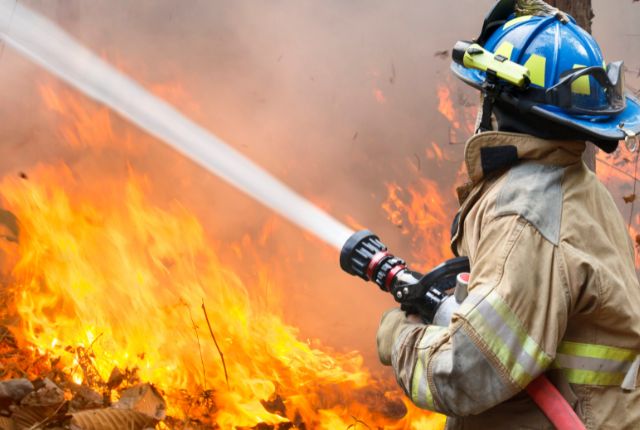
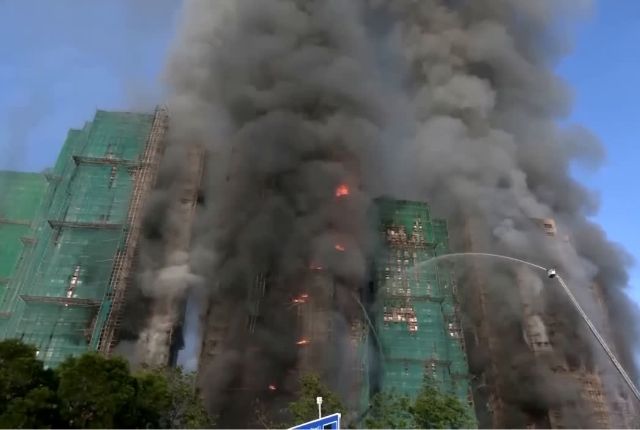
While the Neri Go Lift and similar stairwell evacuation devices serve an important purpose, they share a fundamental limitation: they depend entirely on the stairwell remaining safe and accessible. During a high-rise fire, stairwells frequently become compromised by smoke infiltration, structural damage, or fire spread. When smoke fills a stairwell, any device that requires traveling through that stairwell becomes unusable regardless of how sophisticated its mechanical design may be.
Stairwell-based evacuation also presents significant time constraints. Even with a motorized system like the Neri Go, descending dozens of floors takes considerable time — time during which fire conditions can deteriorate rapidly. In a building with multiple mobility-impaired residents, the sequential nature of stairwell evacuation means that some individuals must wait while others are transported first. This queuing problem becomes more severe in taller buildings and during emergencies affecting multiple floors simultaneously.
Additionally, stairwell evacuation devices require trained operators. During an emergency, the designated operators may not be present in the building, may be unable to reach the device, or may themselves need to evacuate. This dependency on human operators introduces a point of failure that personal evacuation devices eliminate entirely.
Personal Descent Devices: A Different Approach
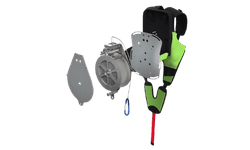
Controlled descent devices take a fundamentally different approach to high-rise evacuation. Rather than navigating through the building’s internal infrastructure, these devices allow individuals to evacuate directly from their apartment or office through a window. The SkySaver CDD exemplifies this approach — a compact, backpack-style device that uses a friction-controlled cable system to lower the user safely from any height to the ground.
The key advantage of a personal descent device is independence. There is no need for a trained operator, no dependency on stairwell conditions, and no waiting for sequential evacuation of other building occupants. Each resident has their own device, stored in their own unit, ready for immediate deployment. The SkySaver Single Self-Rescue Kit can be deployed in under sixty seconds, providing an escape route that bypasses the building’s internal corridors and stairwells entirely.
Comparing Cost and Practicality
The Neri Go Lift and similar motorized evacuation chairs represent a significant investment for building management. The devices require regular maintenance, battery charging, and periodic training sessions for designated operators. They serve a limited number of occupants per device and must be strategically positioned throughout the building to be effective. For very tall buildings, multiple units are needed on different floors, increasing both the initial investment and ongoing maintenance costs.
Personal controlled descent devices like those offered by SkySaver distribute both the cost and the capability across individual units. Each resident or office occupant can own their personal evacuation device, eliminating the need for centralized equipment management. The devices require no batteries, no regular maintenance beyond periodic inspection, and no specialized training to operate. This distributed model scales naturally with building occupancy and ensures that every individual has access to their own escape route.
Which Solution Is Right for Your Building?
The most effective high-rise safety strategy combines multiple evacuation technologies rather than relying on any single system. Stairwell evacuation devices like the Neri Go Lift serve an important role for buildings where stairwell access is likely to remain viable and where trained operators are consistently available. However, they should not be the sole evacuation solution for mobility-impaired residents in high-rise buildings.
Personal controlled descent devices provide a critical backup when stairwell-based evacuation fails. For families with children, the SkySaver Family Edition enables parents to evacuate with their children, while specialized harnesses accommodate family members of all ages. The ability to evacuate independently, without relying on building systems or other people, represents the highest level of personal fire safety preparedness.
Whether your building currently uses a Neri Go Lift, traditional evacuation chairs, or no specialized evacuation equipment at all, adding a personal descent device to your safety plan ensures that you always have an escape option available. Visit the SkySaver shop to explore the full range of personal rescue solutions and take control of your own high-rise safety.
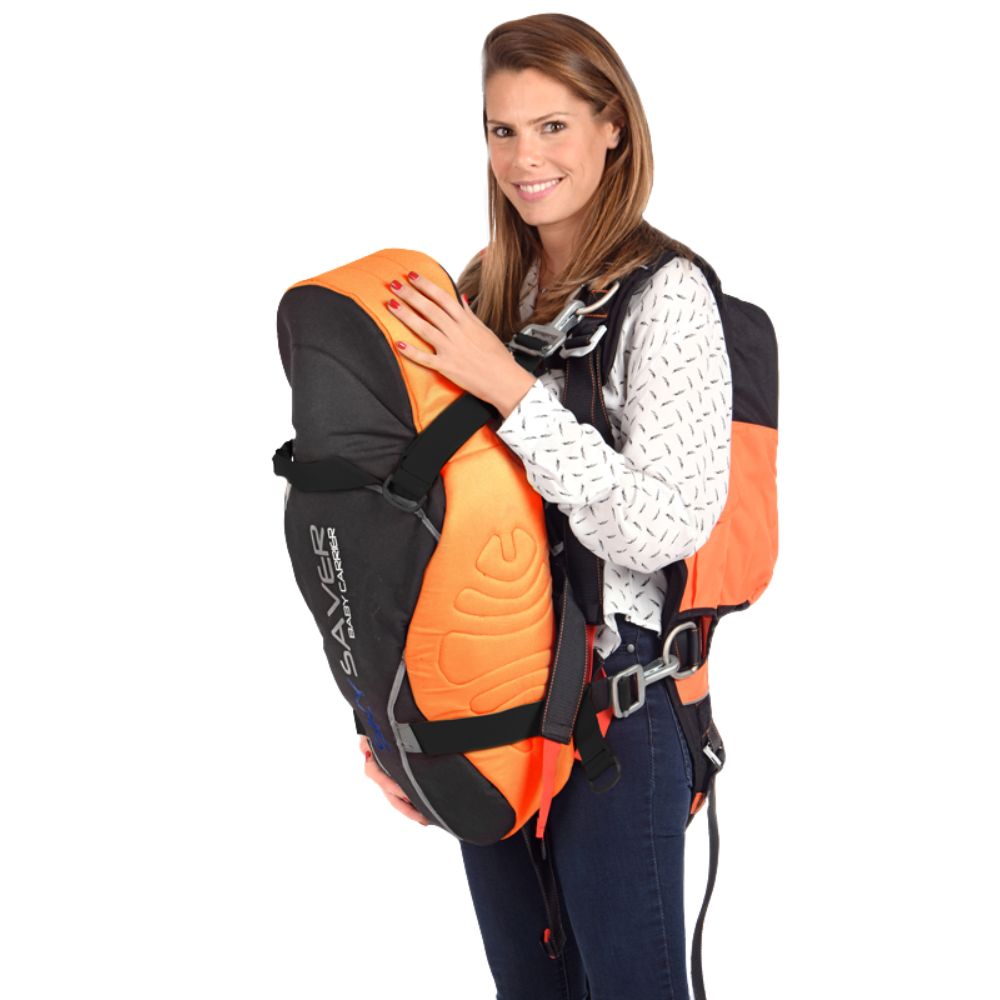
Attachable Baby Harness
Lightweight safety harness for fast and secure infant evacuation in high-rise emergencies.
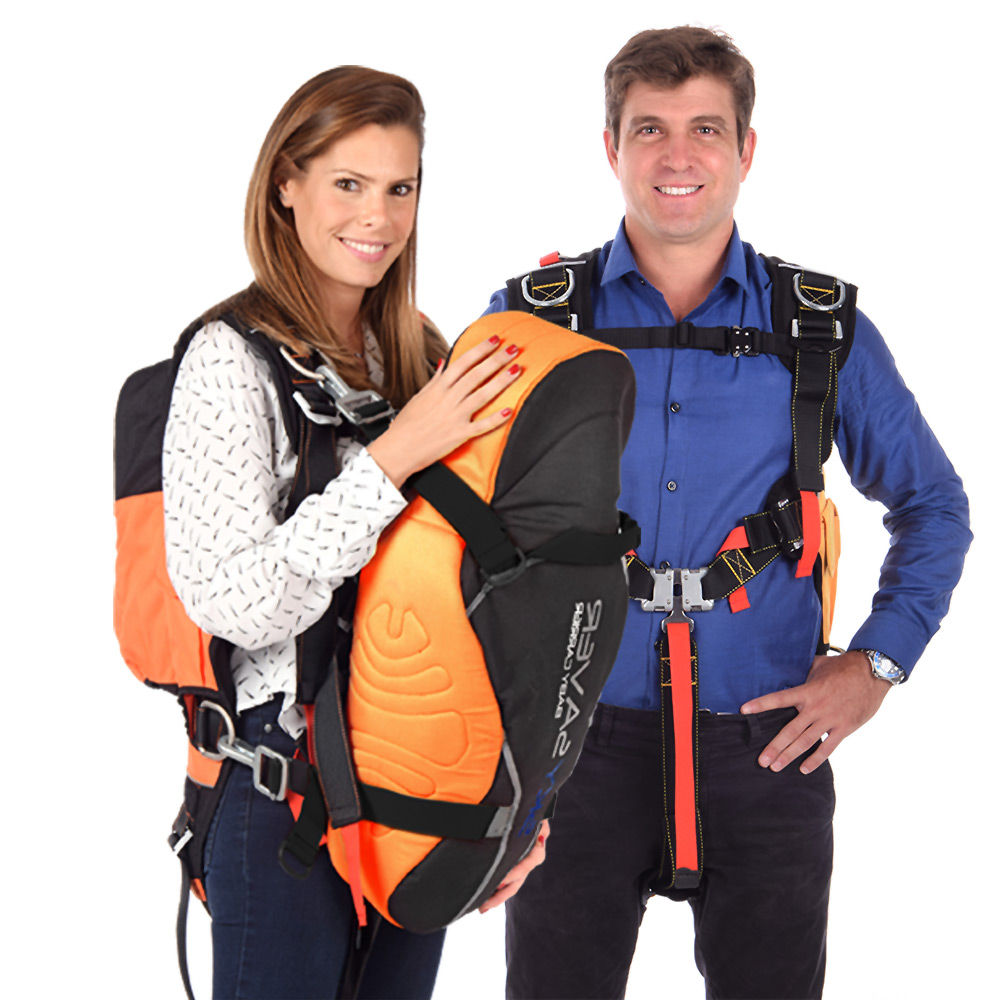
Parent Package
Complete emergency evacuation kit for the parent and dependant. Fast, safe descent from high-rise buildings.
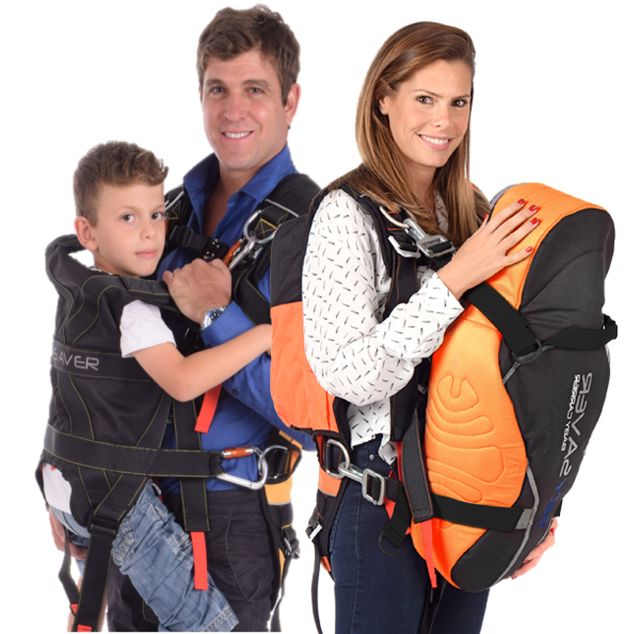
Parent Edition
Complete high-rise evacuation solution for a parent, maximum safety and fast deployment.
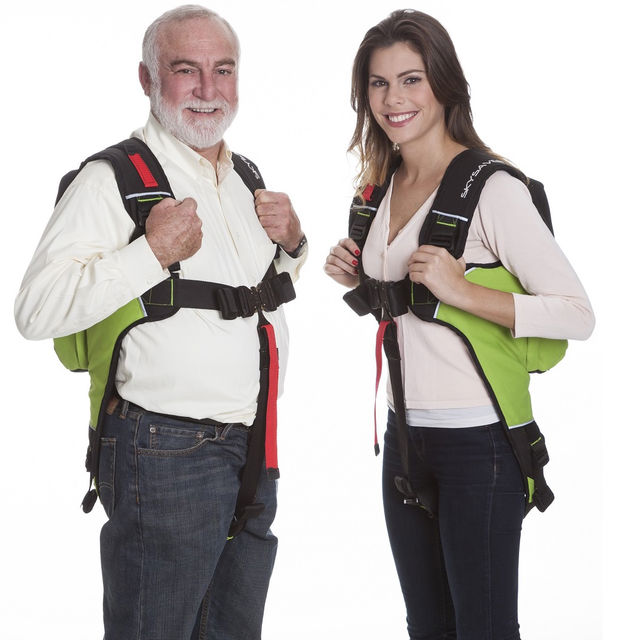
Single Self-Rescue Kit
Complete emergency evacuation kit for high-rise fast, safe descent during critical emergencies.
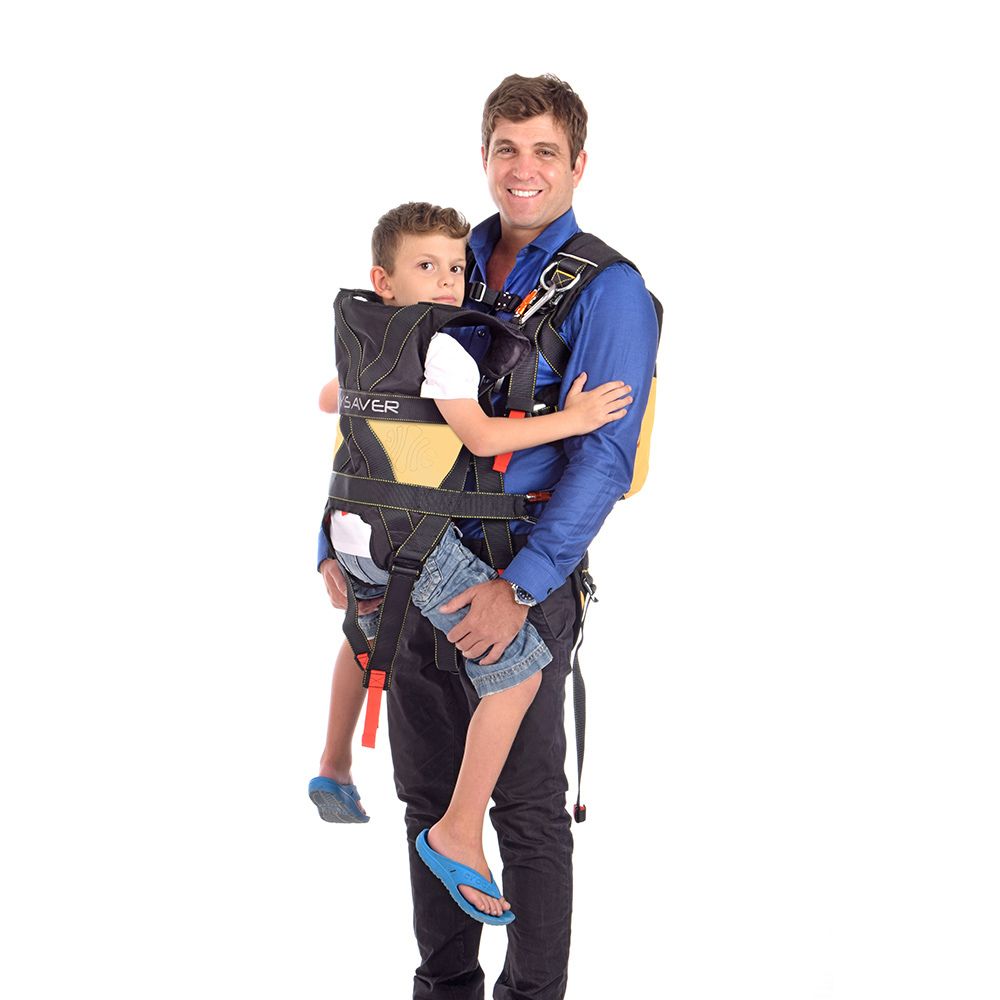
Attachable Child Harness
Lightweight child safety harness designed for secure, controlled evacuation from high-rise buildings.
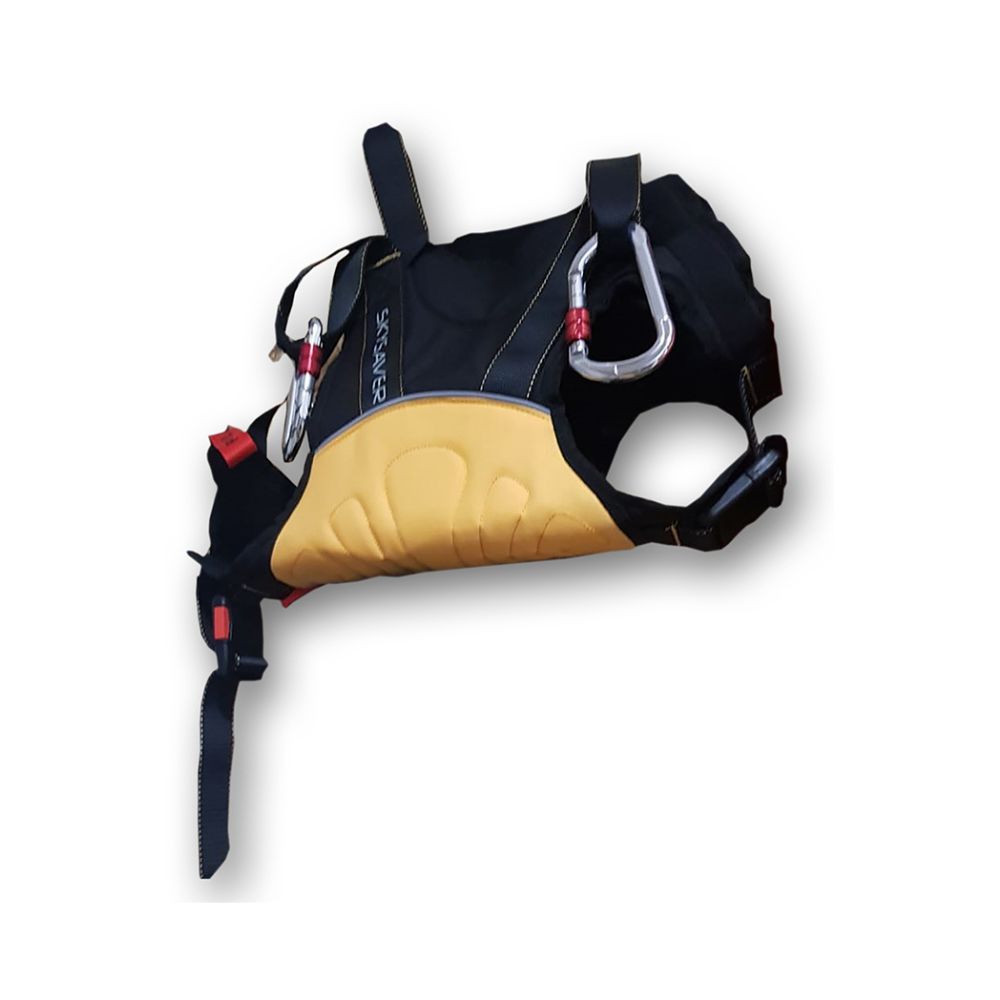
Attachable Pet Harnesses
Secure, lightweight safety harness designed for fast and controlled pet evacuation from high-rise buildings.
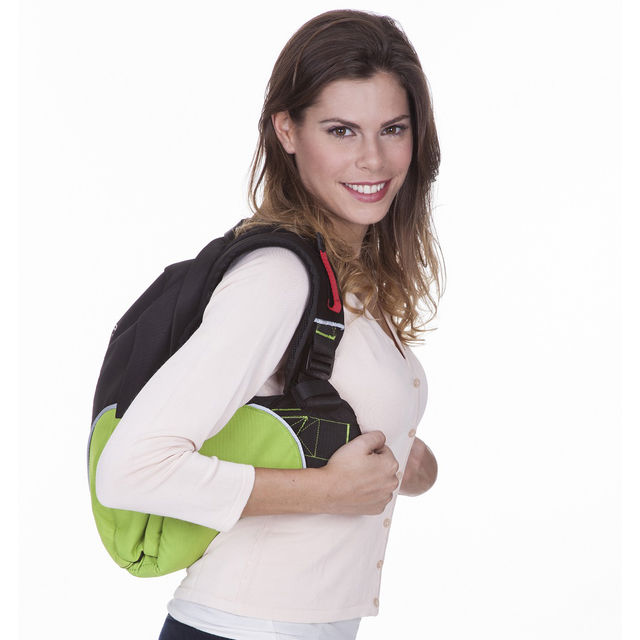
single Self-Rescue Harnesseses
Professional external safety harness for secure personal evacuation from high-rise buildings.
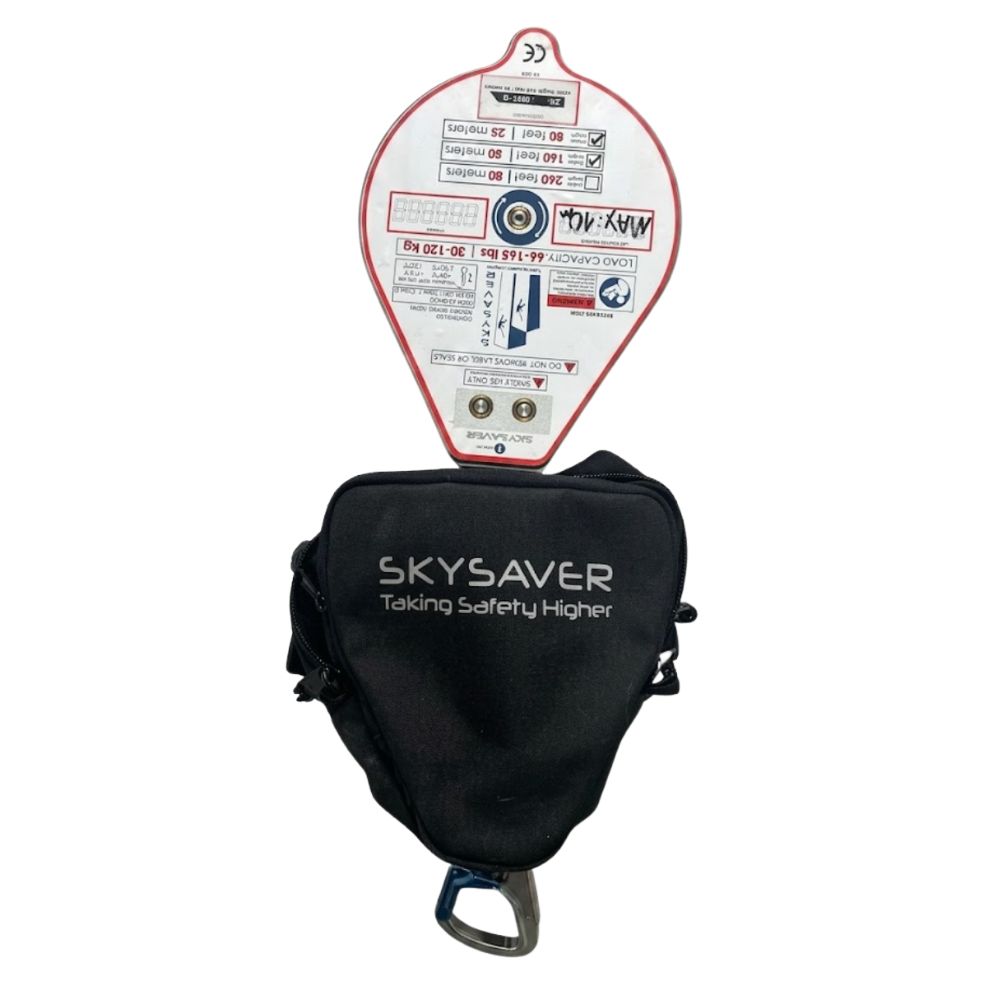
Controlled Descent Device (CDD)
External CDD unit for safe, controlled descent during high-rise emergency evacuation.