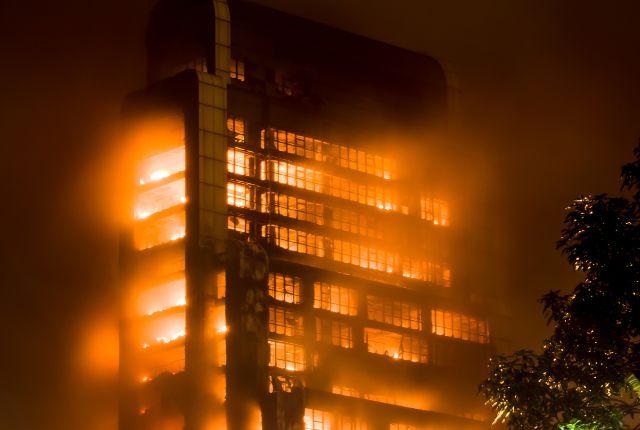
When a fire breaks out on the upper floors of a high-rise building, the question of how emergency responders reach trapped occupants becomes critically important. High-rise rescue operations are among the most complex and dangerous activities that fire departments undertake, requiring specialized equipment, extensive training, and precise coordination. Understanding how firefighters approach high-rise rescues — and where their capabilities have inherent limitations — helps building occupants appreciate why personal evacuation preparedness is essential.
The Challenge of Reaching Upper Floors
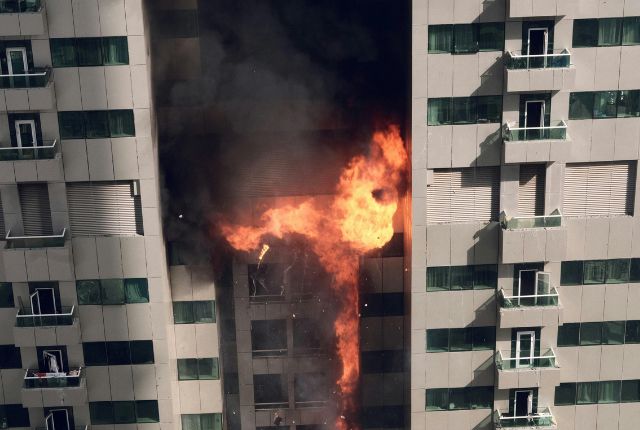
Standard fire department aerial ladders and tower platforms have a maximum reach of approximately 30 meters, equivalent to roughly the eighth or ninth floor of a typical building. For anyone located above this height, exterior access by fire department equipment is not possible without specialized high-rise rescue teams. These teams use rope-based access techniques, building-mounted crane systems, or in rare cases, helicopter rescue operations — all of which require significant time to deploy.
The time factor is critical. From the moment a fire is reported to the arrival of the first fire engine, several minutes pass. Additional time is needed to assess the situation, establish water supply, and begin interior operations. High-rise rescue teams, if available, must transport their specialized equipment to the staging floor, which itself may require climbing many flights of stairs with heavy gear. The total elapsed time from fire report to actual rescue contact with trapped occupants on upper floors can easily exceed thirty minutes in a large building.
Interior Fire Attack and Search Operations
Firefighters conducting interior operations in a high-rise building face unique physical and logistical challenges. Crews must climb stairwells wearing full protective equipment and carrying tools, hoses, and self-contained breathing apparatus that together weigh over thirty kilograms. Physical exhaustion from stairwell ascent significantly impacts crew effectiveness, requiring frequent rotation and rest periods that further extend operation timelines.
Search and rescue operations in smoke-filled environments are conducted primarily by touch and sound, as visibility drops to near zero in heavy smoke conditions. Firefighters work in teams, maintaining physical contact with walls and using thermal imaging cameras to locate victims. The search process is methodical but slow, with each apartment or office requiring individual attention. In a building with hundreds of units, searching every space takes hours — time that occupants trapped by fire may not have.
Why Personal Evacuation Devices Fill the Gap
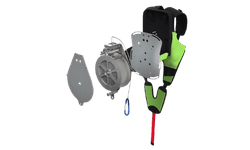
The operational realities of high-rise firefighting create an inherent gap between when occupants need rescue and when professional rescuers can reach them. Personal controlled descent devices bridge this gap by giving each resident the ability to self-evacuate without waiting for fire department assistance. The SkySaver Single Self-Rescue Kit deploys in under sixty seconds, meaning a resident can begin their descent to safety while fire crews are still arriving at the building.
The SkySaver CDD complements fire department operations by reducing the number of people requiring rescue. Every occupant who self-evacuates is one fewer person that overtaxed rescue teams must locate and extract, freeing firefighters to focus on occupants who cannot help themselves — the elderly, disabled, injured, and young children. The Family Edition extends this self-rescue capability to families with children.
Supporting Professional Rescue Efforts
Building occupants can significantly improve the effectiveness of high-rise rescue operations through proper preparation. Maintaining clear access to stairwells, keeping fire doors closed, and ensuring that apartment numbers are clearly visible all help firefighters navigate the building efficiently. Calling emergency services with specific location information — floor number, apartment number, and window orientation — provides rescuers with the data they need to prioritize their search.
Having a personal evacuation device does not replace the need for professional fire protection, but it provides a critical capability during the gap between fire detection and firefighter arrival. Visit the SkySaver shop to explore personal rescue solutions that work alongside professional fire services to provide complete high-rise safety for you and your family.
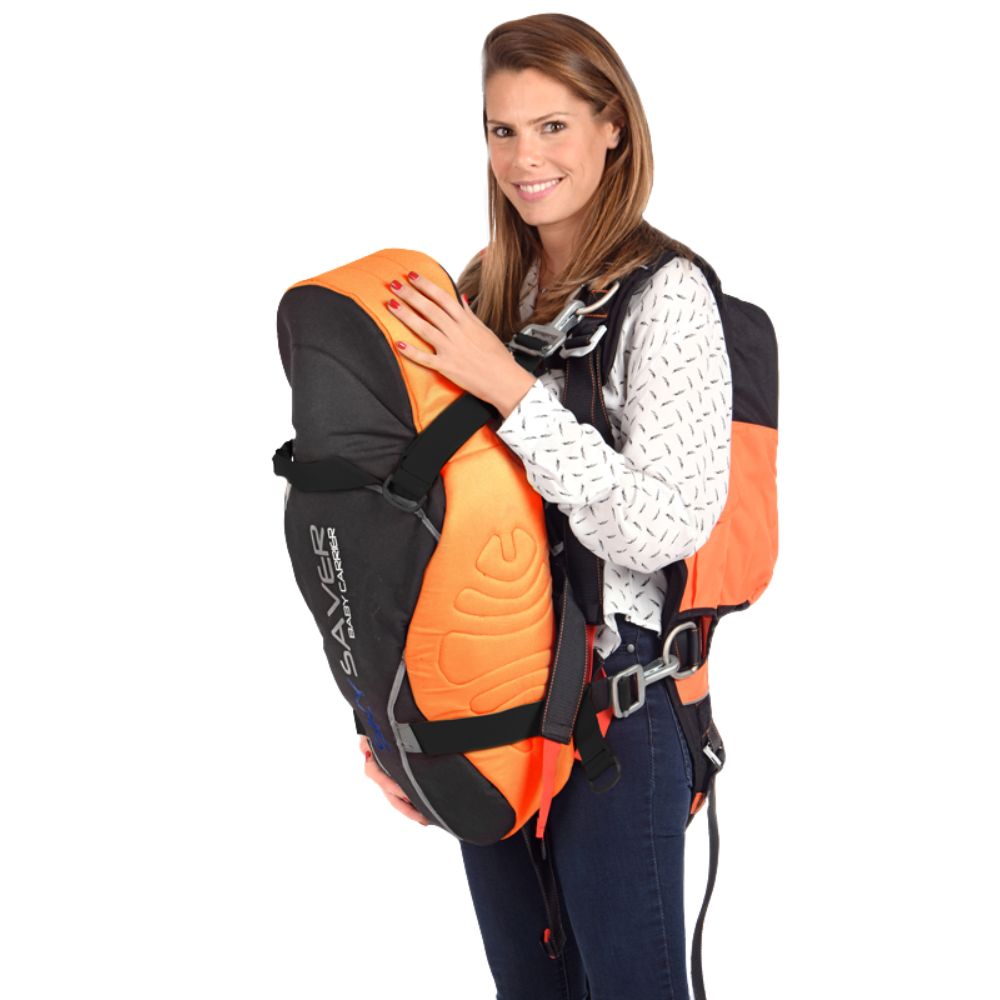
Attachable Baby Harness
Lightweight safety harness for fast and secure infant evacuation in high-rise emergencies.
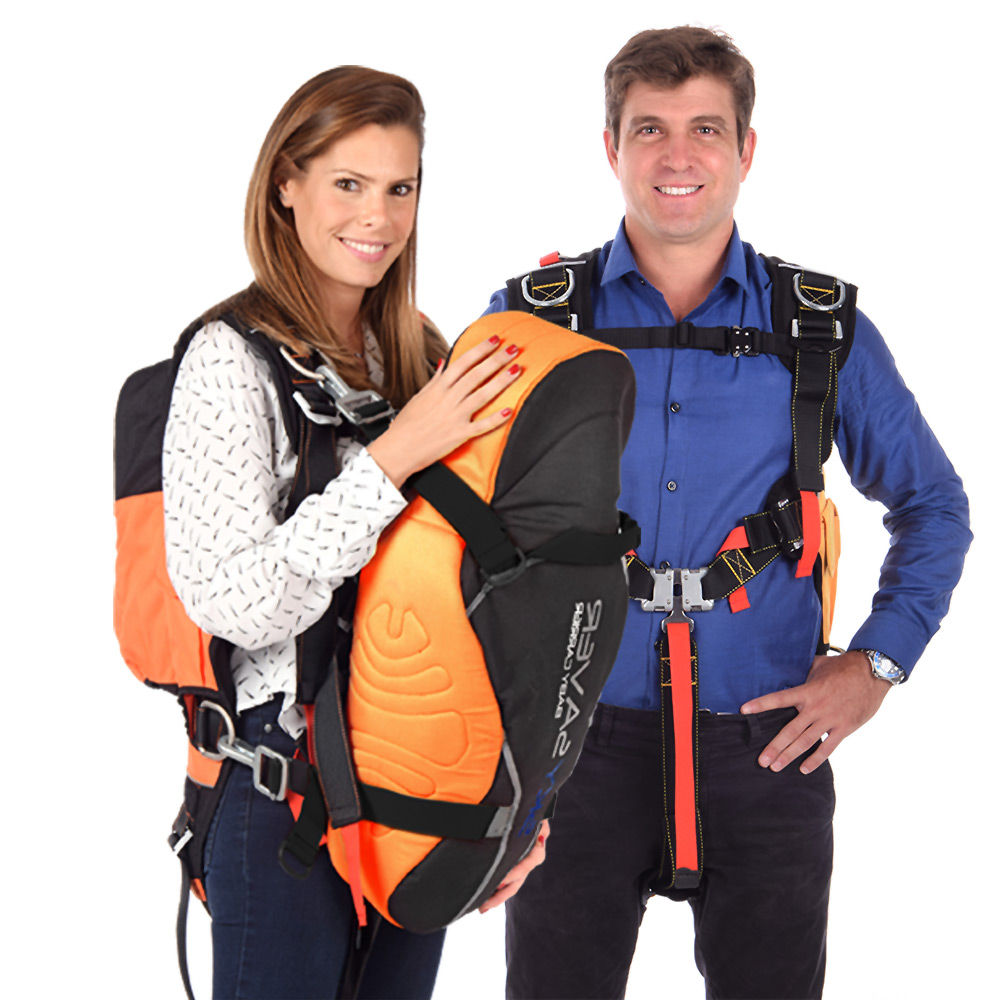
Parent Package
Complete emergency evacuation kit for the parent and dependant. Fast, safe descent from high-rise buildings.
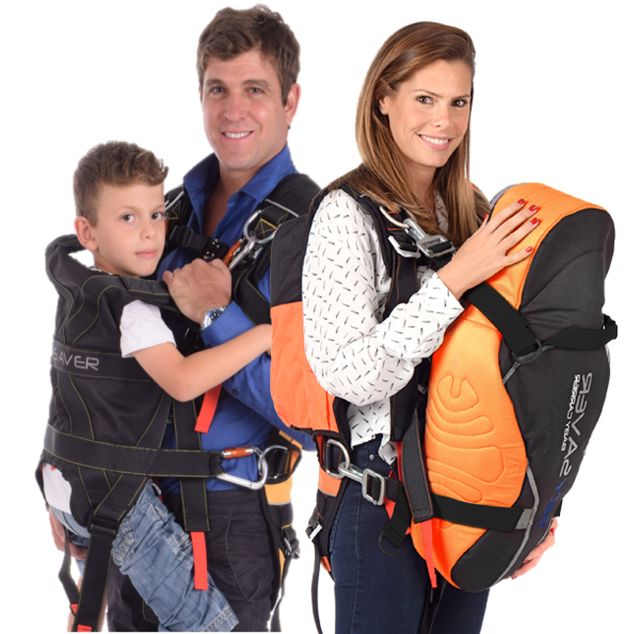
Parent Edition
Complete high-rise evacuation solution for a parent, maximum safety and fast deployment.
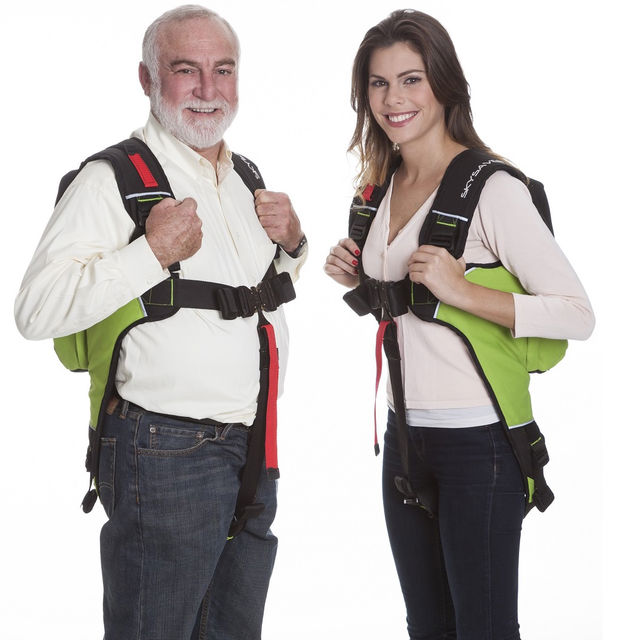
Single Self-Rescue Kit
Complete emergency evacuation kit for high-rise fast, safe descent during critical emergencies.
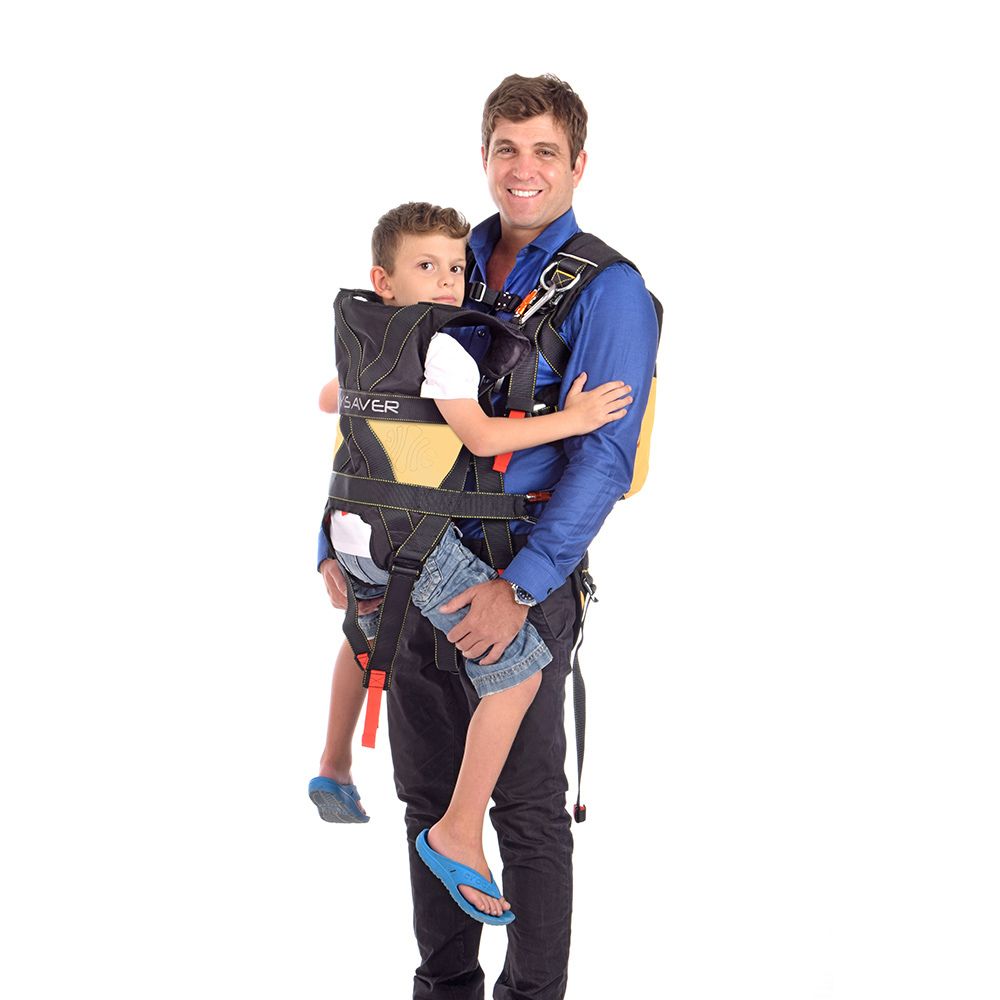
Attachable Child Harness
Lightweight child safety harness designed for secure, controlled evacuation from high-rise buildings.
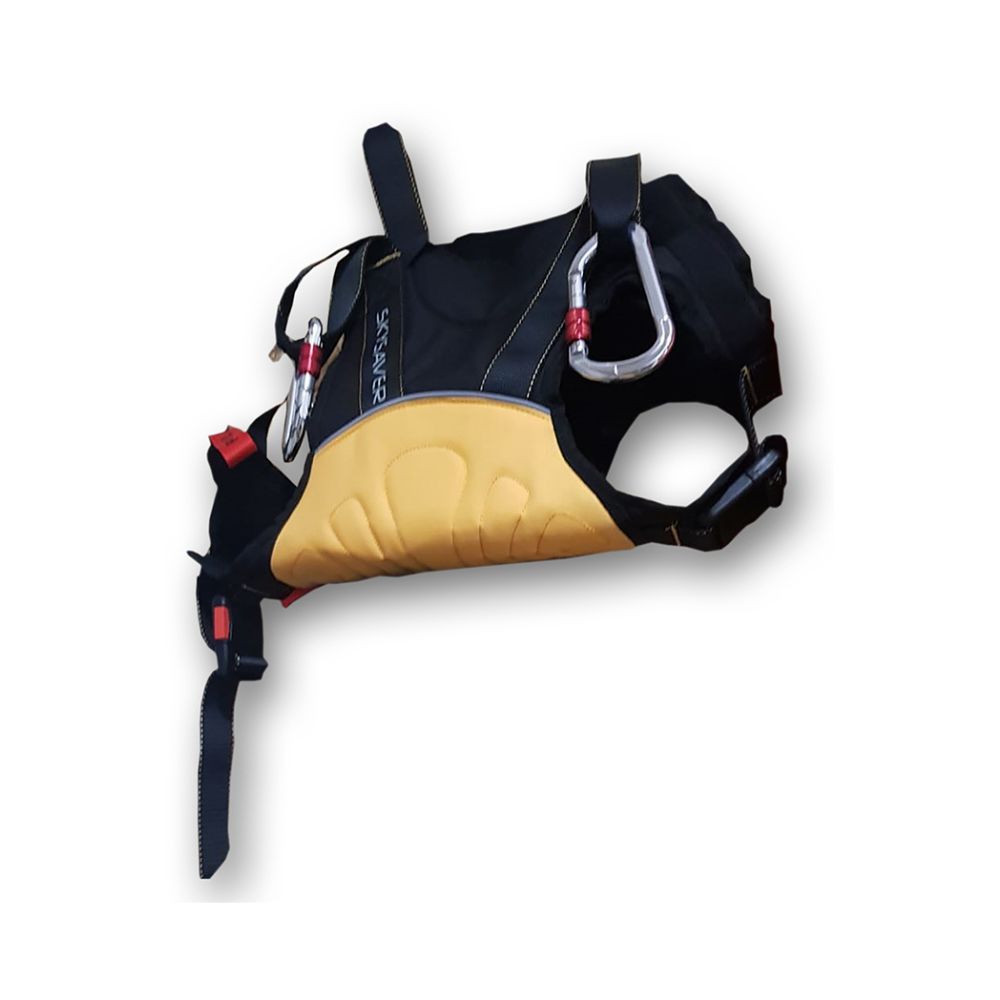
Attachable Pet Harnesses
Secure, lightweight safety harness designed for fast and controlled pet evacuation from high-rise buildings.
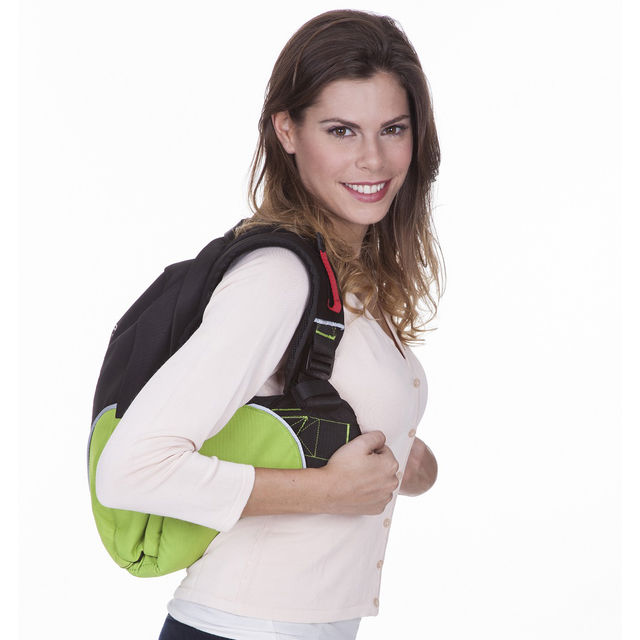
single Self-Rescue Harnesseses
Professional external safety harness for secure personal evacuation from high-rise buildings.
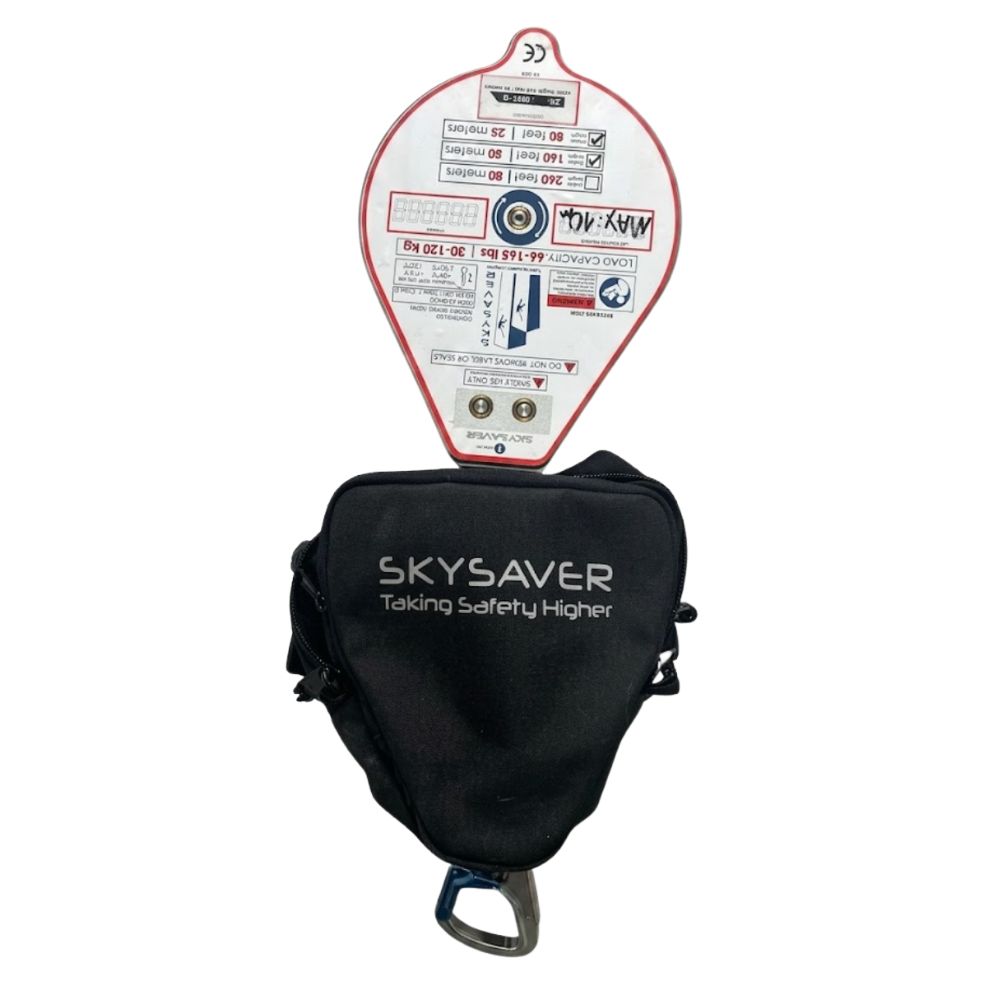
Controlled Descent Device (CDD)
External CDD unit for safe, controlled descent during high-rise emergency evacuation.