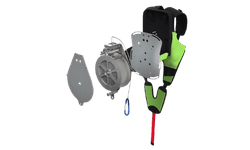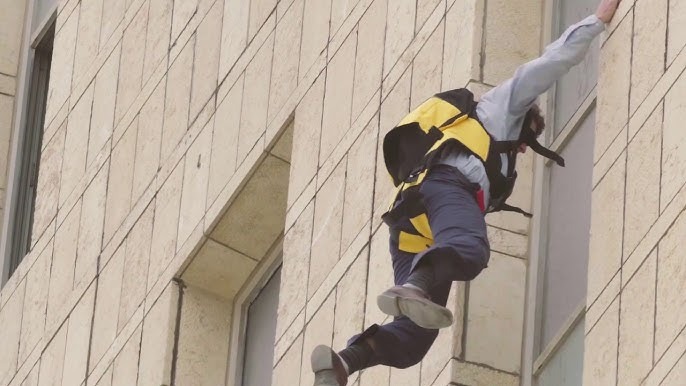
The evolution of fire escape devices for high-rise buildings spans more than a century, from the earliest rope-based escape systems to today’s sophisticated controlled descent technology. Each generation of devices has been shaped by lessons learned from devastating building fires and by advances in materials science, mechanical engineering, and safety standards. Understanding this evolution helps building occupants appreciate the technology available today and make informed decisions about their personal fire safety investments.
Traditional Fire Escape Devices
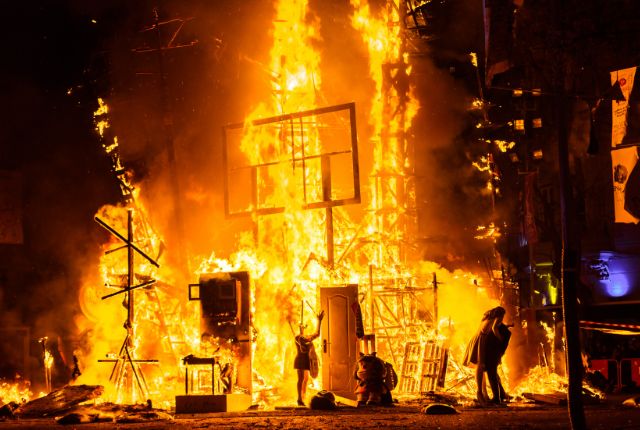
The earliest fire escape devices were remarkably simple: knotted ropes, canvas chutes, and external metal ladders bolted to building facades. External fire escape staircases — the zigzagging metal structures still visible on older buildings in many cities — became standard in the late nineteenth and early twentieth centuries. While revolutionary for their time, these external staircases suffered from weather exposure, corrosion, obstruction by residents storing items on platforms, and a terrifying open-air descent experience that many people were unable to complete during an emergency.
The mid-twentieth century saw the development of enclosed stairwells as the primary evacuation route for high-rise buildings. Fire-rated construction, pressurization systems, and emergency lighting transformed stairwells from simple corridors into engineered safety systems. This approach remains the foundation of high-rise evacuation today, though its limitations become increasingly apparent as buildings grow taller and occupant loads increase.
Modern Personal Fire Escape Devices
The most significant advancement in personal fire escape technology has been the development of controlled descent devices. These compact, self-contained systems use friction-based braking mechanisms to lower a person from any height at a consistent, safe speed. Unlike earlier rope or ladder systems that required physical strength, climbing ability, and considerable courage, controlled descent devices are passive — the user puts on a harness, clips to an anchor, and the device manages the entire descent automatically.
The SkySaver CDD represents the current state of the art in personal fire escape technology. Its friction-controlled cable system works reliably regardless of user weight, weather conditions, or building height. The Single Self-Rescue Kit packages this technology into a complete, ready-to-deploy evacuation system. For families, the Family Edition includes child harness attachments, ensuring that modern fire escape technology protects every family member.
What Makes Modern Devices Superior
Modern controlled descent devices solve the three fundamental problems that plagued earlier fire escape devices: they require no physical strength or climbing ability, they work at any height without modification, and they operate automatically without user skill or training. A seventy-year-old resident with arthritis can use a SkySaver device just as effectively as a young athlete. The same device that works from the fifth floor works from the fiftieth. No training sessions, no practice climbs, no complex procedures to remember under extreme stress.
These advances have transformed personal fire escape from something that only fit, brave, and trained individuals could accomplish into a capability accessible to every building occupant. Visit the SkySaver shop to explore the latest in high-rise fire escape technology and invest in a device that represents a century of engineering evolution focused on one goal: getting you safely to the ground.
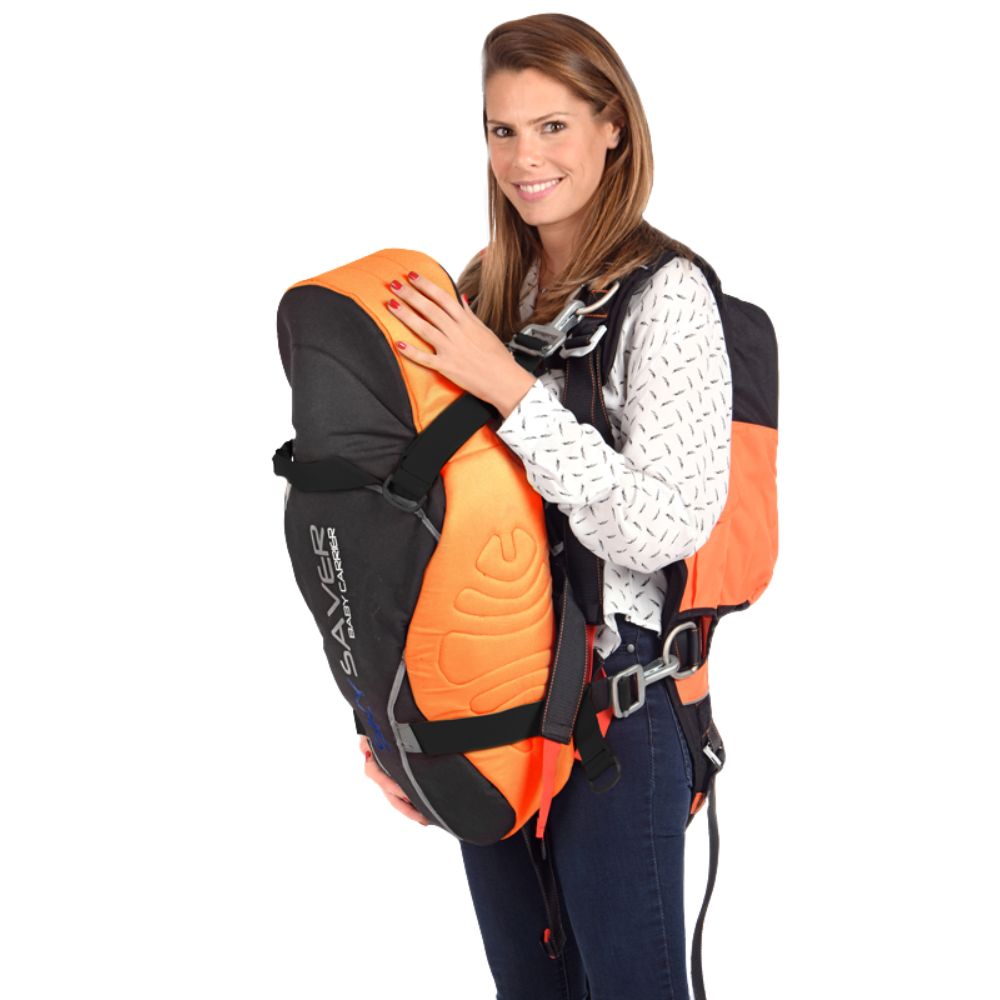
Attachable Baby Harness
Lightweight safety harness for fast and secure infant evacuation in high-rise emergencies.
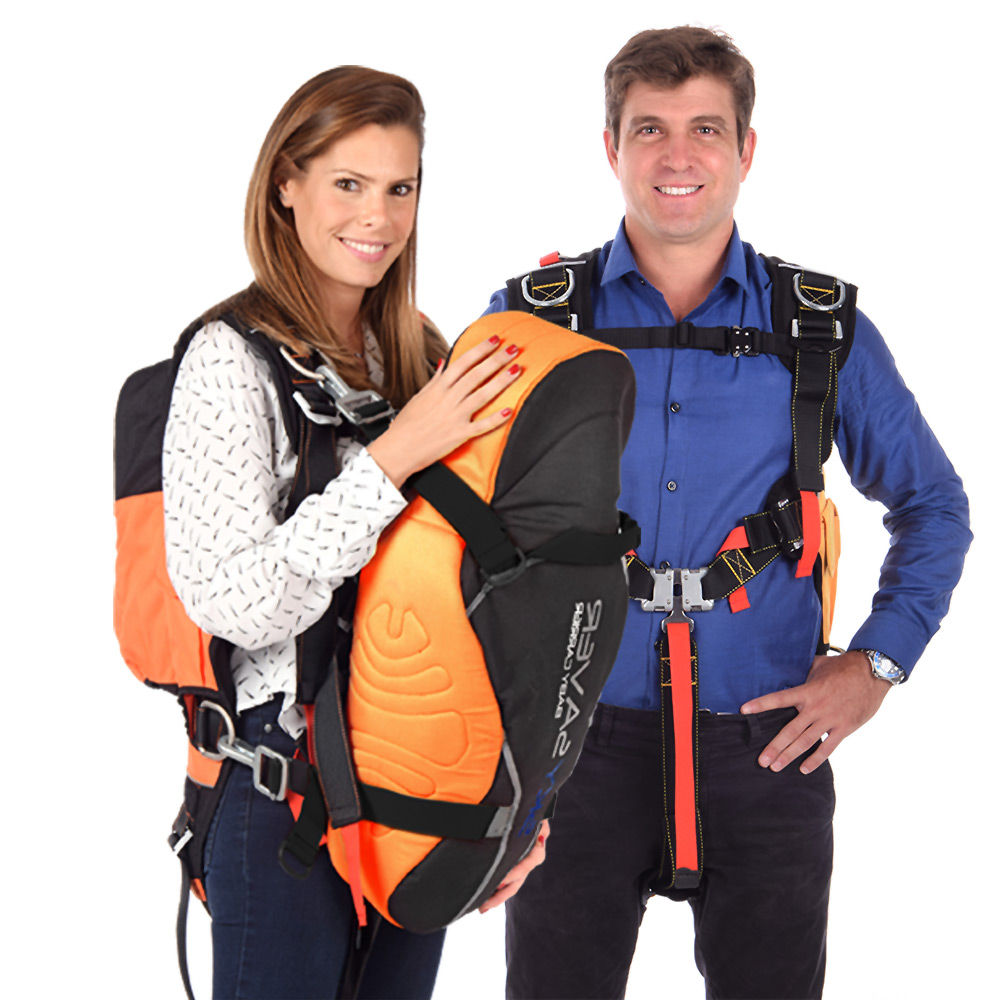
Parent Package
Complete emergency evacuation kit for the parent and dependant. Fast, safe descent from high-rise buildings.
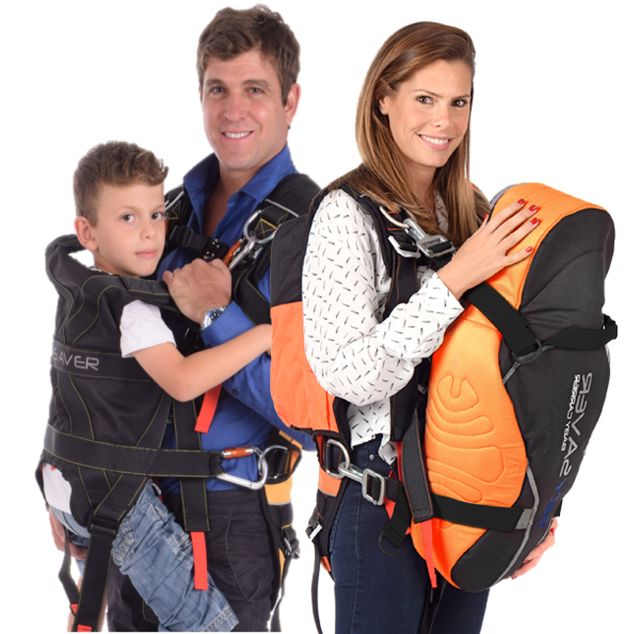
Parent Edition
Complete high-rise evacuation solution for a parent, maximum safety and fast deployment.
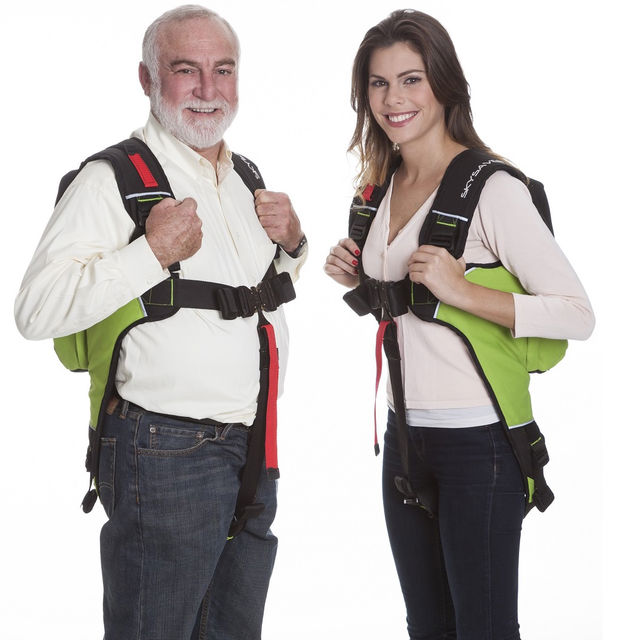
Single Self-Rescue Kit
Complete emergency evacuation kit for high-rise fast, safe descent during critical emergencies.
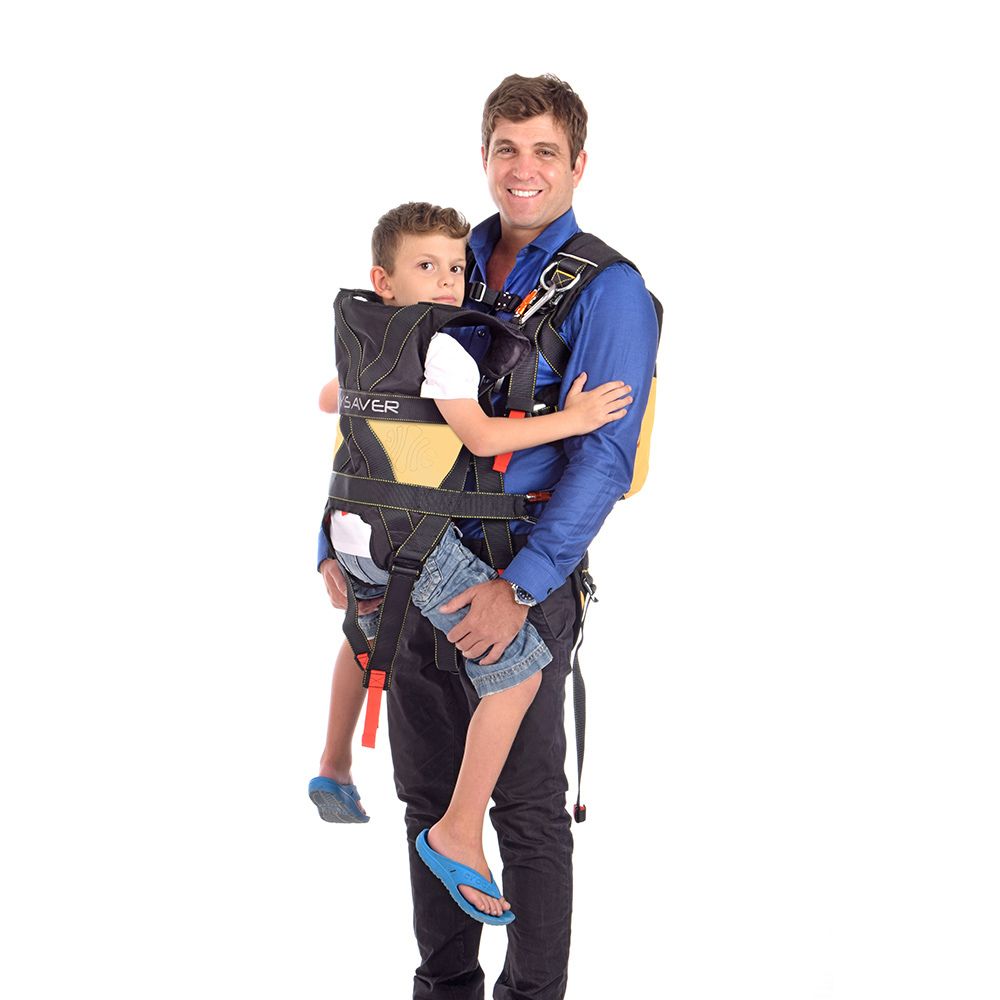
Attachable Child Harness
Lightweight child safety harness designed for secure, controlled evacuation from high-rise buildings.
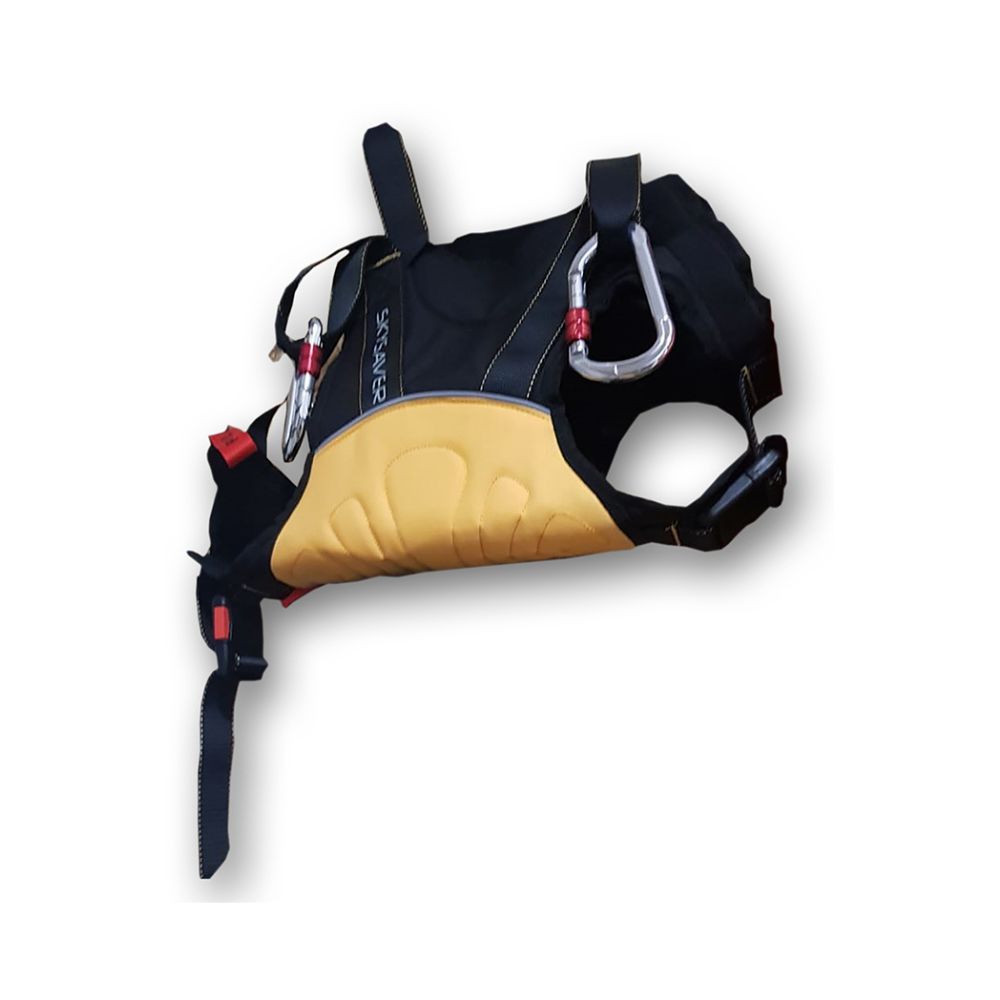
Attachable Pet Harnesses
Secure, lightweight safety harness designed for fast and controlled pet evacuation from high-rise buildings.
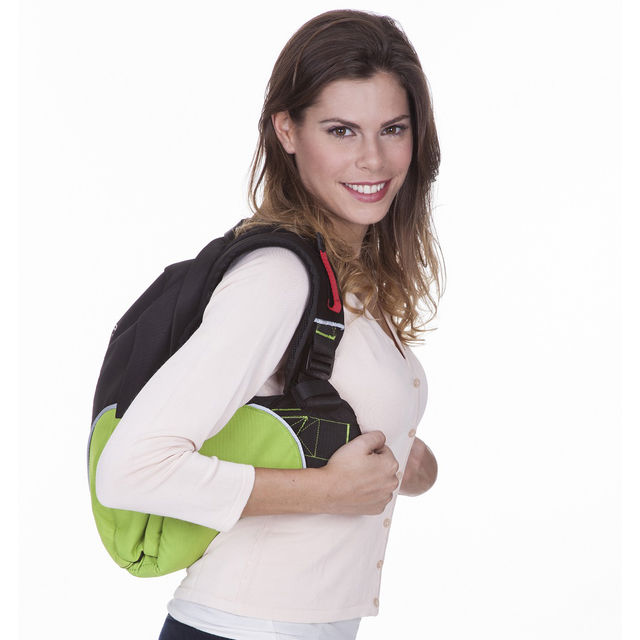
single Self-Rescue Harnesseses
Professional external safety harness for secure personal evacuation from high-rise buildings.
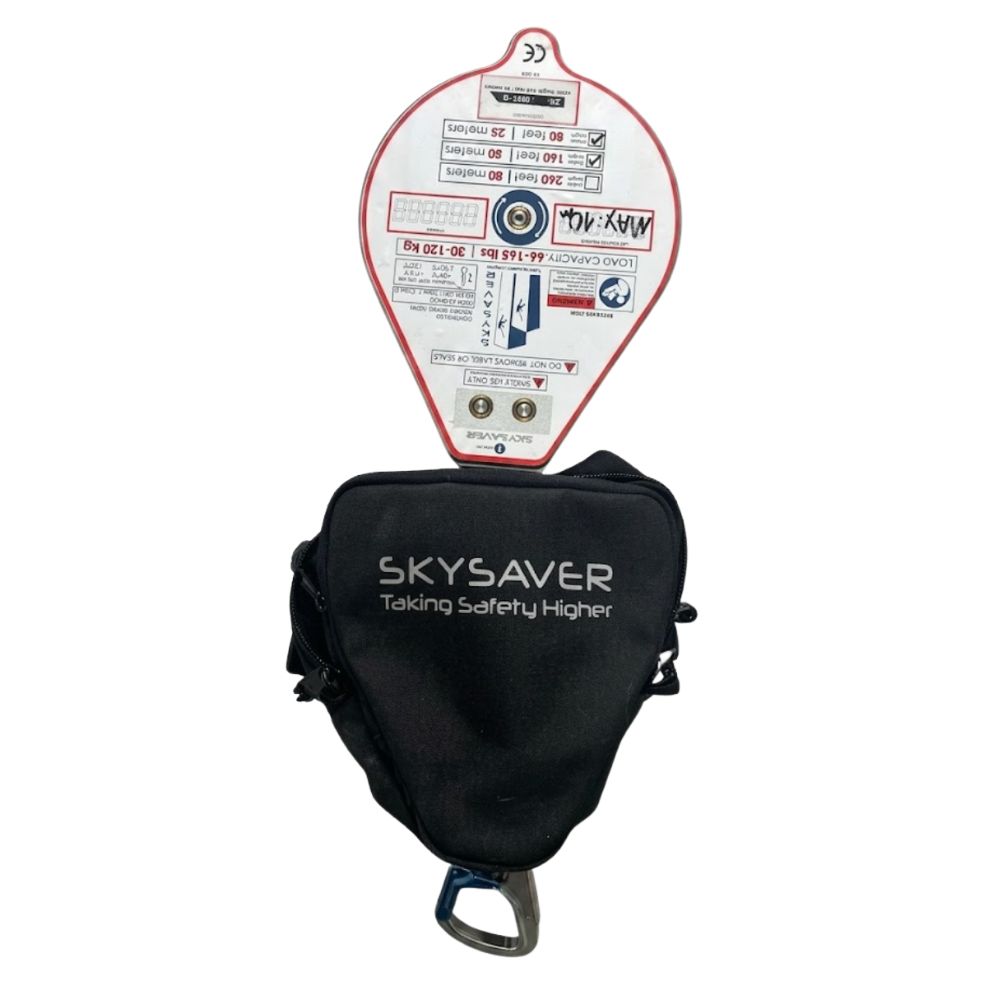
Controlled Descent Device (CDD)
External CDD unit for safe, controlled descent during high-rise emergency evacuation.