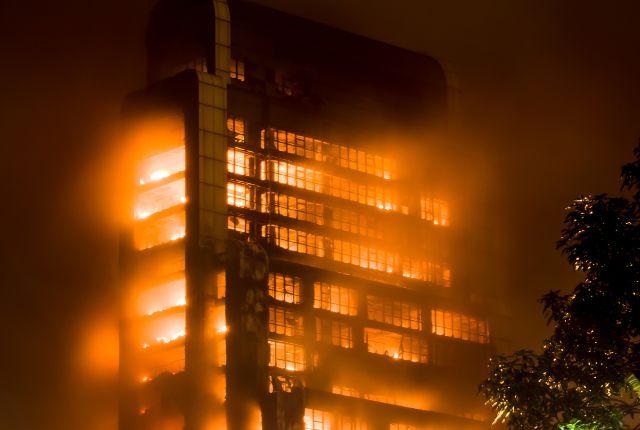
Effective high-rise evacuation planning is the difference between an orderly, life-saving response and a chaotic disaster. Every year, building fires claim lives that could have been saved with proper evacuation procedures. Whether you are a building manager responsible for hundreds of occupants or an individual resident concerned about your family’s safety, understanding how to plan for high-rise evacuation is a critical life skill that demands serious attention and regular practice.
The Foundation of Evacuation Planning
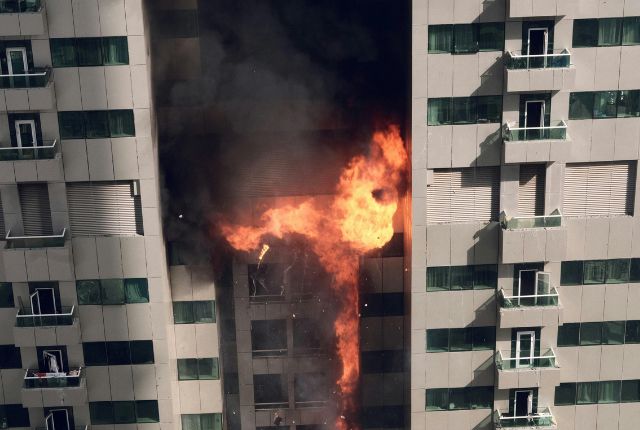
Every high-rise evacuation plan must address four fundamental questions: How will occupants be alerted? Where will they go? How will they get there? And what happens if the primary plan fails? The alert system combines automatic fire detection with manual alarm activation and voice communication. Evacuation routes must be clearly marked, well-lit, and regularly inspected. The primary evacuation method is typically stairwell descent, but backup methods must exist for when stairwells become compromised.
Modern evacuation planning recognizes that a single strategy cannot address every scenario. A fire on the fifth floor requires a different response than a fire on the fiftieth. Smoke in one stairwell may leave another stairwell clear. A daytime emergency with full building occupancy differs dramatically from a nighttime event with sleeping residents. Comprehensive planning accounts for these variables and provides occupants with decision frameworks rather than rigid instructions.
Individual Evacuation Preparedness
Building-level planning provides the framework, but individual preparedness determines personal outcomes. Every resident should know the locations of all stairwells on their floor, have walked the route to each exit at least once, and maintain a mental map of their floor layout that they can follow in darkness or through smoke. Keep shoes, a flashlight, and your apartment keys near your bed so you can evacuate quickly if an alarm wakes you at night.
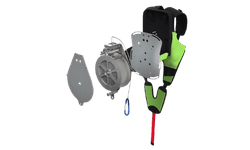
For residents above the reach of fire department ladders — generally above the eighth floor — personal evacuation equipment is essential. A SkySaver Single Self-Rescue Kit stored near a designated escape window provides an independent evacuation route when stairwells are blocked. The SkySaver CDD requires no training and deploys in under sixty seconds, making it practical even in rapidly deteriorating conditions.
Special Considerations for Vulnerable Populations
Evacuation plans must account for occupants who cannot independently navigate stairwells. This includes elderly residents with mobility limitations, wheelchair users, people with visual or hearing impairments, and families with young children. Building management should maintain a voluntary registry of residents who may need assistance and share this information with local fire departments. Buddy systems pairing able-bodied residents with those needing help ensure that vulnerable individuals are not left behind.
The SkySaver Family Edition addresses family evacuation specifically, with child harness attachments that allow parents to descend with young children who cannot use stairs quickly enough during an emergency. This capability fills a critical gap in traditional evacuation plans that assume all occupants can walk down stairs.
Practice Makes the Plan Work
An evacuation plan that exists only on paper provides false security. Regular drills — at least annually for residential buildings and quarterly for commercial properties — test both the plan and the occupants’ ability to execute it. Drills should vary in scenario, timing, and complexity to prevent routine complacency. After each drill, debrief with participants to identify confusion points, bottlenecks, and equipment issues.
Personal equipment practice is equally important. Residents with controlled descent devices should practice putting on their harness in darkness until the process becomes automatic. Understanding how to seal a room against smoke, signal rescuers from a window, and assess whether a door is safe to open are skills that must be rehearsed before they are needed. Visit the SkySaver shop to ensure the most critical element of your personal evacuation plan — a proven descent device — is ready when you need it.
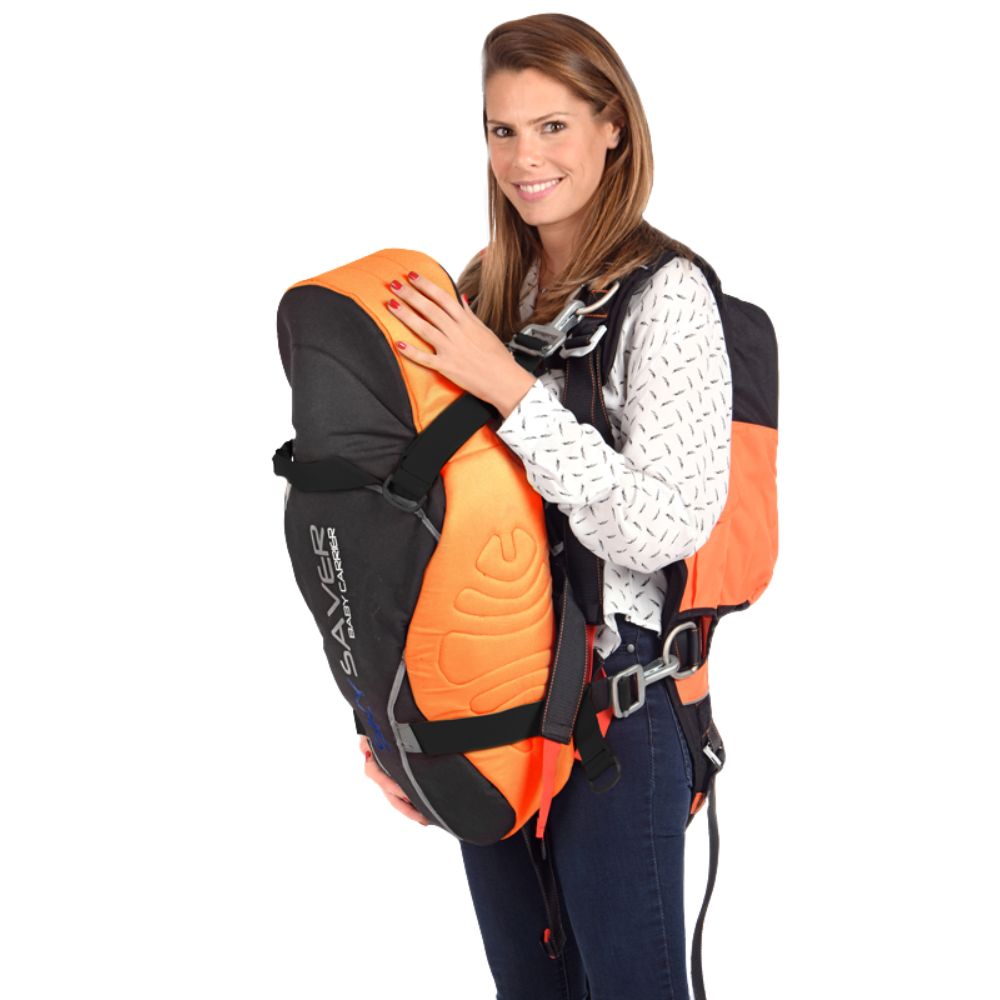
Attachable Baby Harness
Lightweight safety harness for fast and secure infant evacuation in high-rise emergencies.
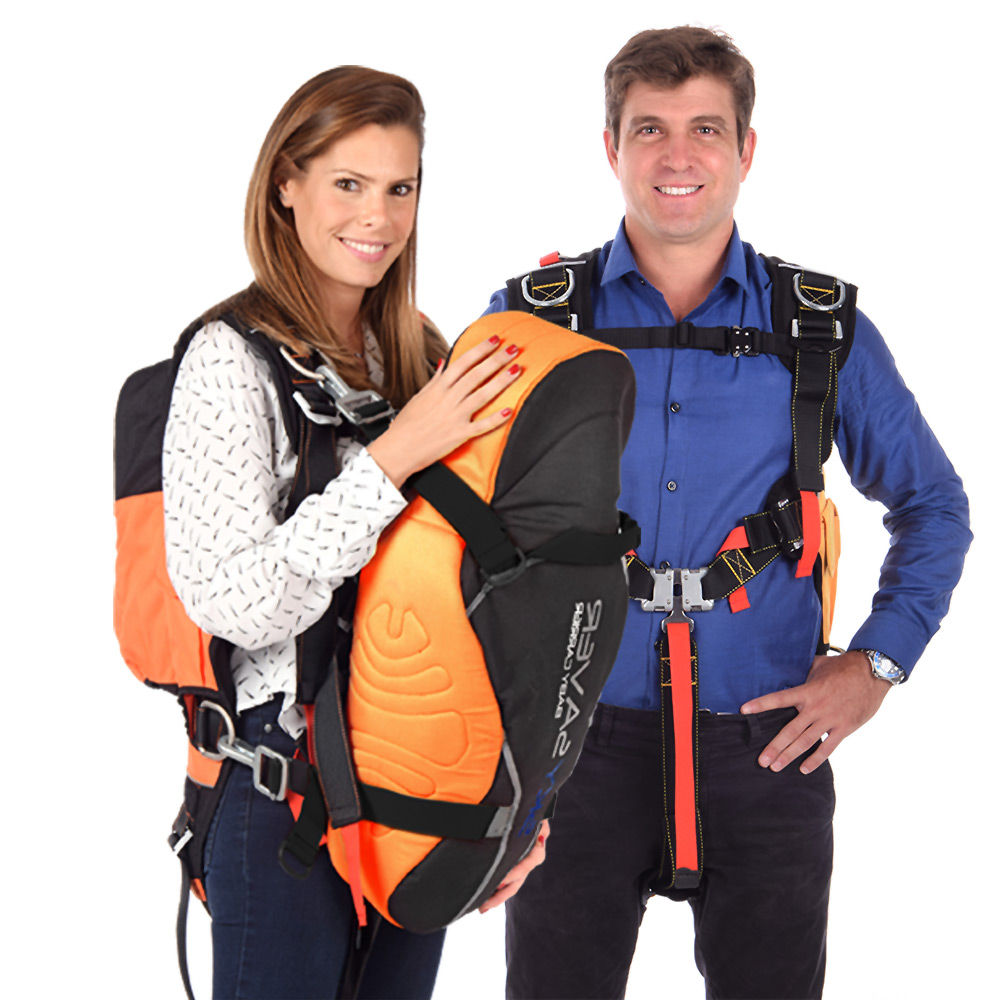
Parent Package
Complete emergency evacuation kit for the parent and dependant. Fast, safe descent from high-rise buildings.
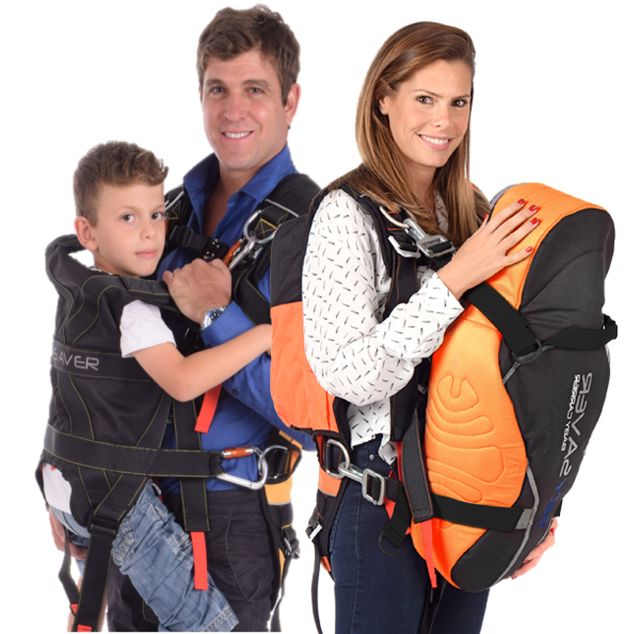
Parent Edition
Complete high-rise evacuation solution for a parent, maximum safety and fast deployment.
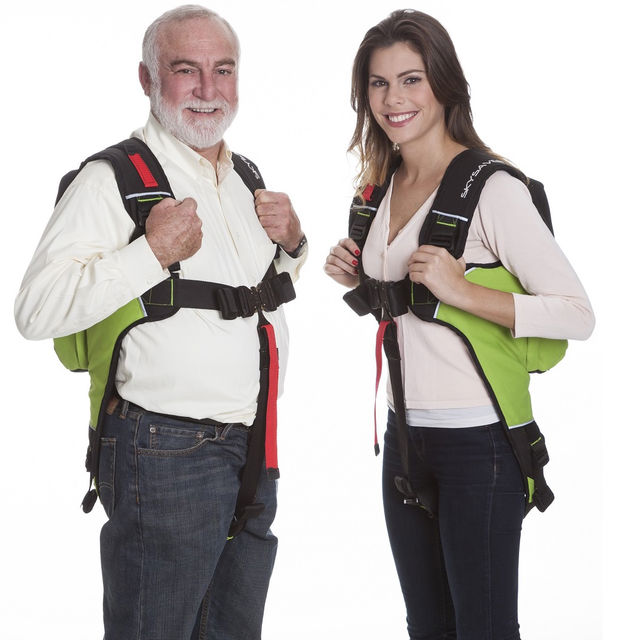
Single Self-Rescue Kit
Complete emergency evacuation kit for high-rise fast, safe descent during critical emergencies.
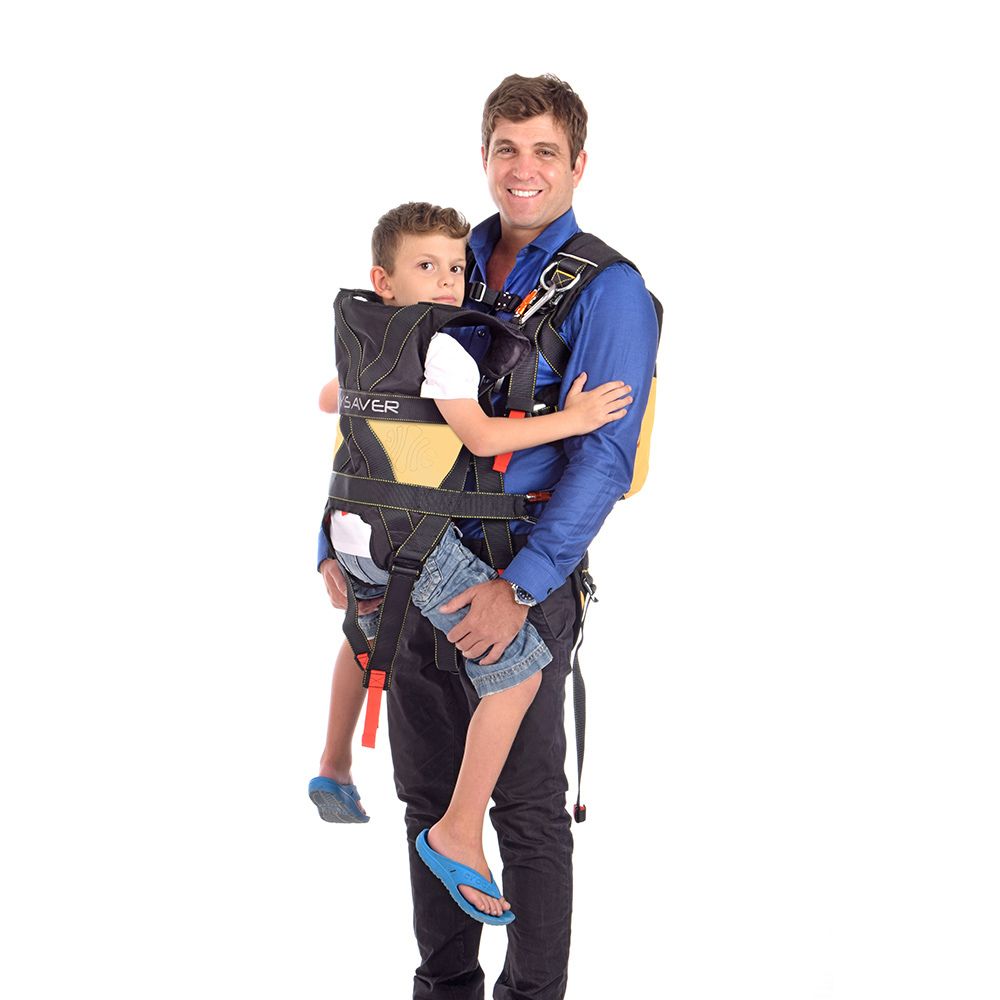
Attachable Child Harness
Lightweight child safety harness designed for secure, controlled evacuation from high-rise buildings.
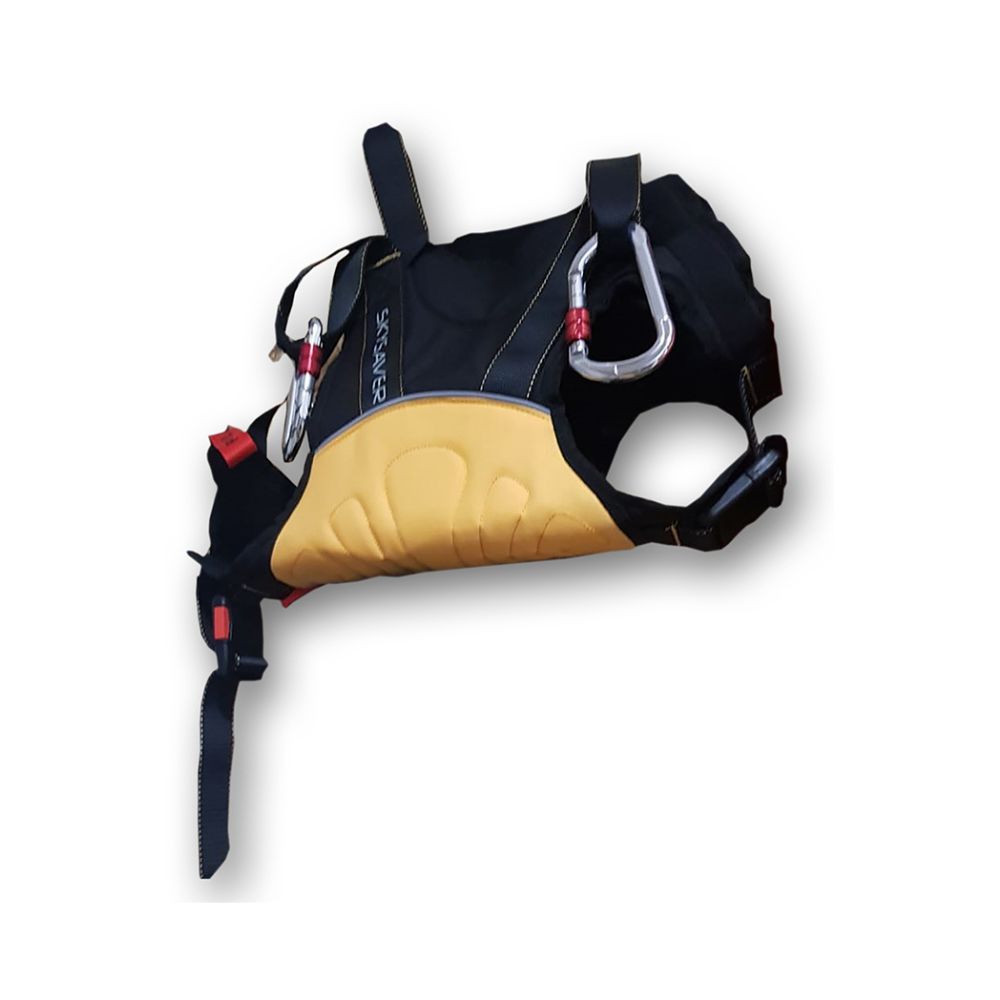
Attachable Pet Harnesses
Secure, lightweight safety harness designed for fast and controlled pet evacuation from high-rise buildings.
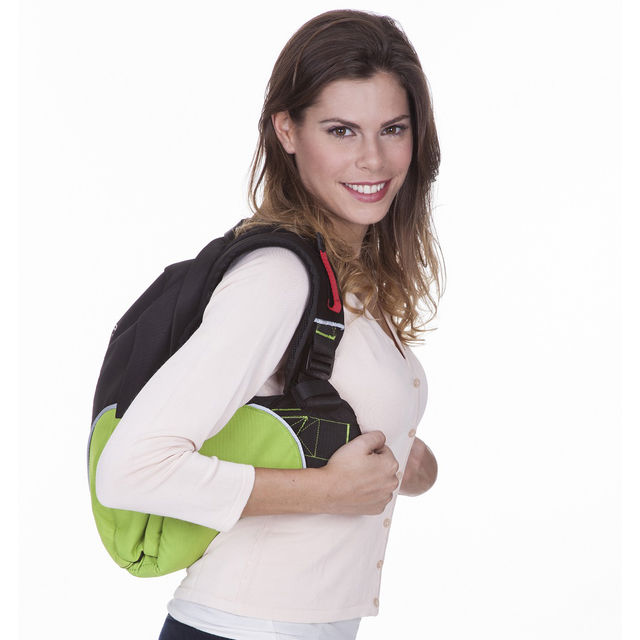
single Self-Rescue Harnesseses
Professional external safety harness for secure personal evacuation from high-rise buildings.
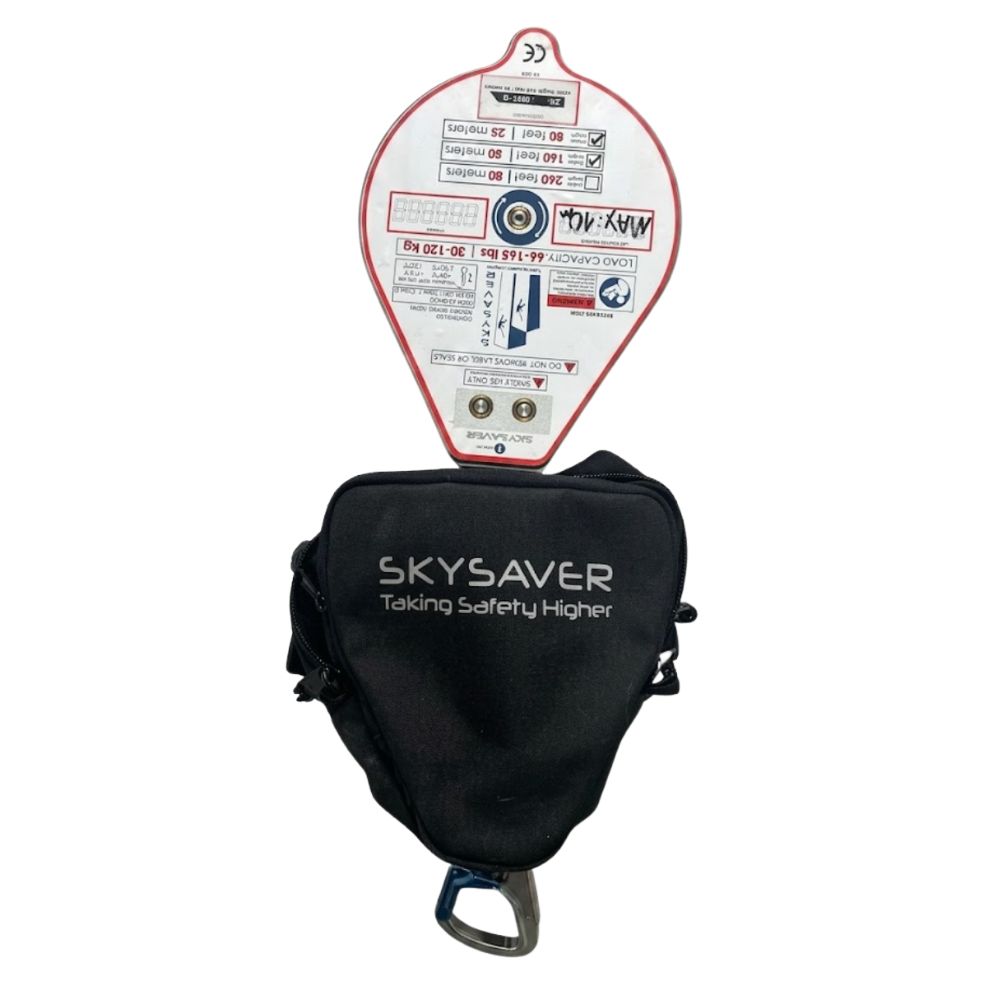
Controlled Descent Device (CDD)
External CDD unit for safe, controlled descent during high-rise emergency evacuation.