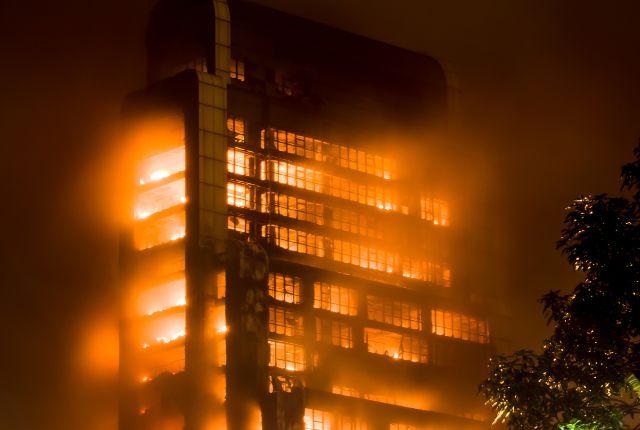
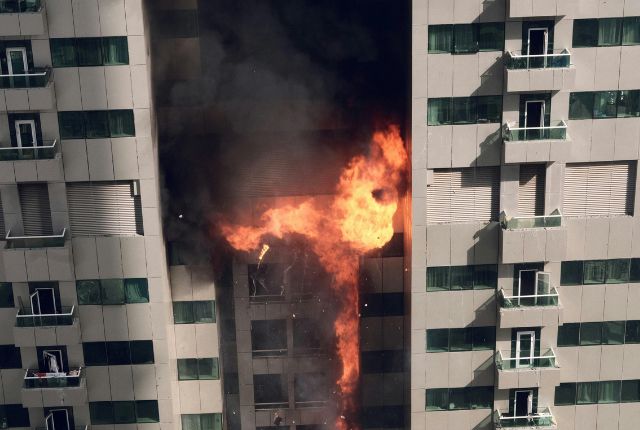
As cities around the world continue building taller residential and commercial towers, the question of how to safely evacuate these structures during emergencies becomes increasingly critical. High-rise escape systems encompass a broad range of technologies designed to move people from upper floors to safety when conventional exit routes are compromised. From building-integrated infrastructure to personal portable devices, the landscape of escape system technology has evolved significantly in recent years. This guide provides a comprehensive overview of the major high-rise escape system categories, helping building managers, property developers, and individual residents make informed decisions about their safety investments.
Building-Integrated Escape Systems
Building-integrated escape systems are permanently installed as part of a building’s safety infrastructure. These include evacuation elevators, external escape chutes, refuge floors, and pressurized stairwell systems. Evacuation elevators are specially designed lifts with independent power supplies, fire-resistant shafts, and pressurized cabins that can continue operating during a fire. Several modern skyscrapers incorporate these systems, though they require substantial additional construction cost and ongoing maintenance to remain operational.
Refuge floors — dedicated levels within tall buildings designed to serve as safe gathering points during emergencies — have become standard requirements in many building codes for structures above a certain height. These floors feature enhanced fire resistance, independent ventilation, and communication systems to coordinate with fire departments. While refuge floors provide temporary safety, they do not solve the fundamental problem of getting people out of the building entirely.
External escape chutes and slide systems represent another category of building-integrated solutions. These enclosed tubes or track systems are mounted on building exteriors and allow occupants to slide from upper floors to ground level. While effective for rapid mass evacuation in controlled environments like industrial facilities, they present challenges for residential buildings including aesthetic concerns, weather exposure, maintenance costs, and accessibility limitations for elderly or mobility-impaired residents.
Personal Portable Escape Systems
Personal portable escape systems represent a fundamentally different philosophy: rather than relying on building-wide infrastructure, each individual or family unit has their own escape capability. This category includes controlled descent devices, personal emergency ladders, and rescue harness systems. The primary advantage of personal systems is their independence from building infrastructure — they work even when building systems fail, stairwells are blocked, or emergency responders cannot reach you in time.
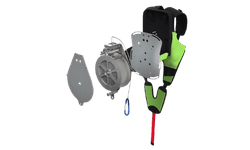
The SkySaver CDD is a leading example of personal portable escape technology. This controlled descent device uses a high-strength cable and friction braking mechanism enclosed in a compact backpack-style unit. Users attach a harness, connect to a pre-installed wall anchor near a window, and the device automatically controls their descent to the ground at a safe speed. No training, no batteries, and no reliance on building systems — just personal, immediate escape capability stored right in your home.
The SkySaver Single Self-Rescue Kit packages this technology into a complete solution that includes the descent device, harness, and wall anchor. For families, the Family Edition adds child harness attachments, enabling parents to evacuate with young children who cannot use the device independently.
Comparing System Effectiveness
The effectiveness of any high-rise escape system depends on several key factors: deployment speed, reliability under fire conditions, accessibility for all building occupants, and independence from external factors. Building-integrated systems offer the advantage of serving many occupants simultaneously but depend on proper maintenance, structural integrity during fire, and availability of trained operators or automated control systems.
Personal portable systems excel in deployment speed and reliability. A controlled descent device from SkySaver can be deployed in under sixty seconds, operates purely on mechanical principles without electronic components that could fail, and provides each user with their own dedicated escape route. The trade-off is that these devices serve one person or family unit at a time, making them personal safety equipment rather than mass evacuation infrastructure.
The most comprehensive approach to high-rise escape combines both system types: building-integrated infrastructure for primary evacuation pathways, supplemented by personal descent devices as backup escape routes for every occupied unit. This layered strategy ensures that if one system fails or becomes inaccessible, alternative escape options remain available.
Emerging Technologies in High-Rise Escape
Innovation in high-rise escape technology continues to accelerate. Drone-based rescue concepts are being explored for delivering emergency equipment to trapped occupants or even transporting individuals from rooftops. Smart building systems that use sensors and artificial intelligence to dynamically route evacuees through the safest available pathways are being integrated into new construction. External rescue platforms — essentially elevator systems that climb building exteriors — have been deployed by some fire departments for reaching occupants beyond the reach of aerial ladders.
Despite these advances, the fundamental principle of personal preparedness remains paramount. No building-wide technology can guarantee reaching every occupant in every scenario. Having a personal escape device that you control, that requires no external power or coordination, and that works from any floor through any window remains the most reliable form of high-rise fire safety.
Making Your Choice
Whether you are a building developer planning fire safety systems for a new tower, a property manager upgrading an existing building’s safety equipment, or an individual resident wanting to protect your family, the choice of high-rise escape system should prioritize proven technology, ease of use, and reliability under worst-case conditions. Explore the complete range of personal high-rise escape solutions at the SkySaver shop and invest in safety technology that puts escape capability directly in your hands.
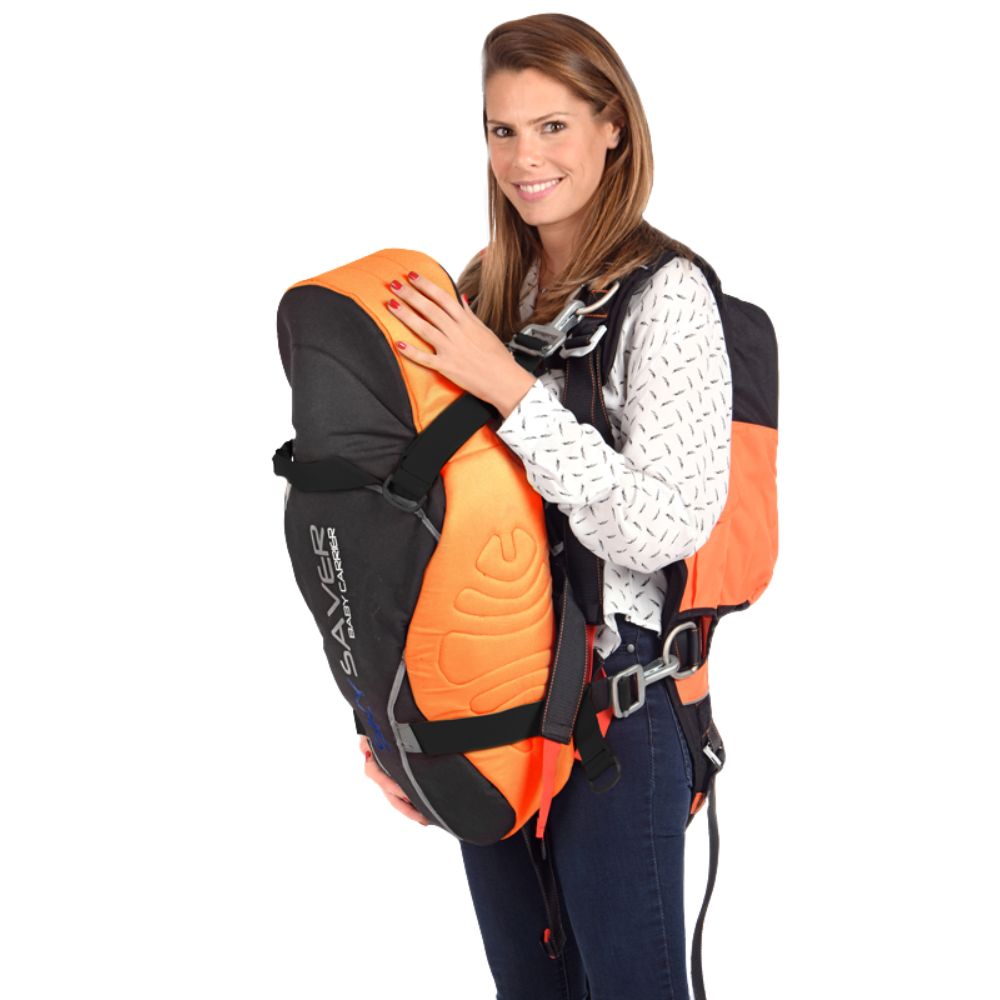
Attachable Baby Harness
Lightweight safety harness for fast and secure infant evacuation in high-rise emergencies.
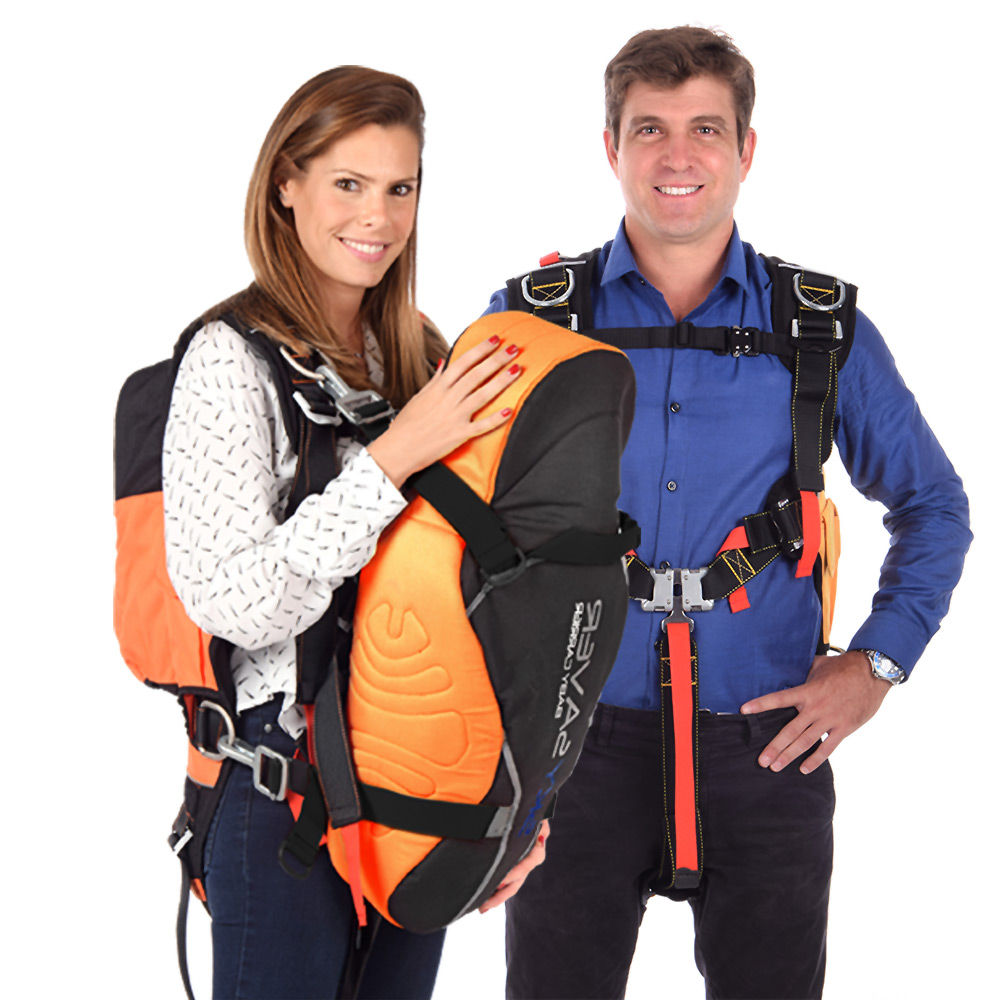
Parent Package
Complete emergency evacuation kit for the parent and dependant. Fast, safe descent from high-rise buildings.
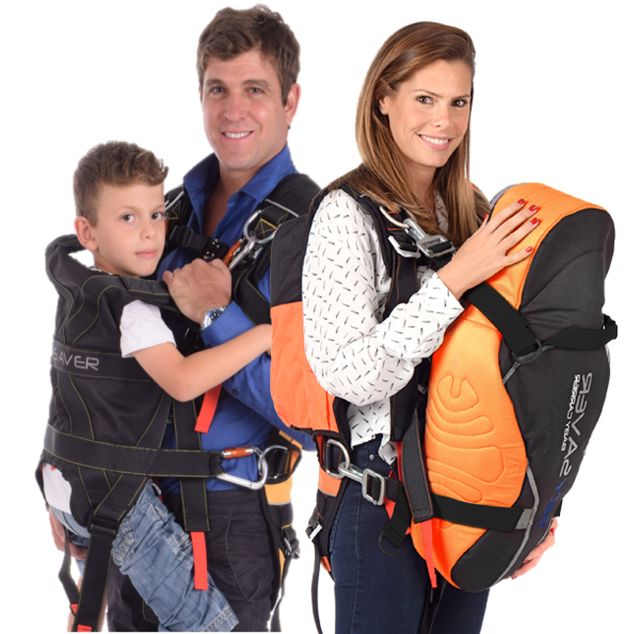
Parent Edition
Complete high-rise evacuation solution for a parent, maximum safety and fast deployment.
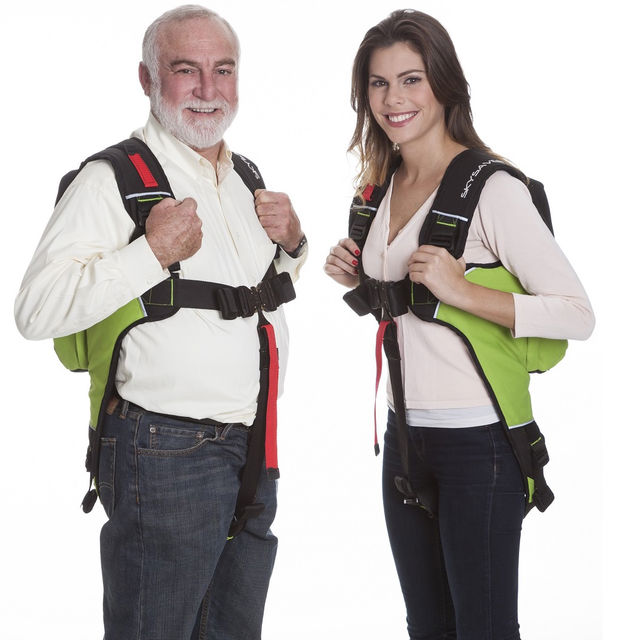
Single Self-Rescue Kit
Complete emergency evacuation kit for high-rise fast, safe descent during critical emergencies.
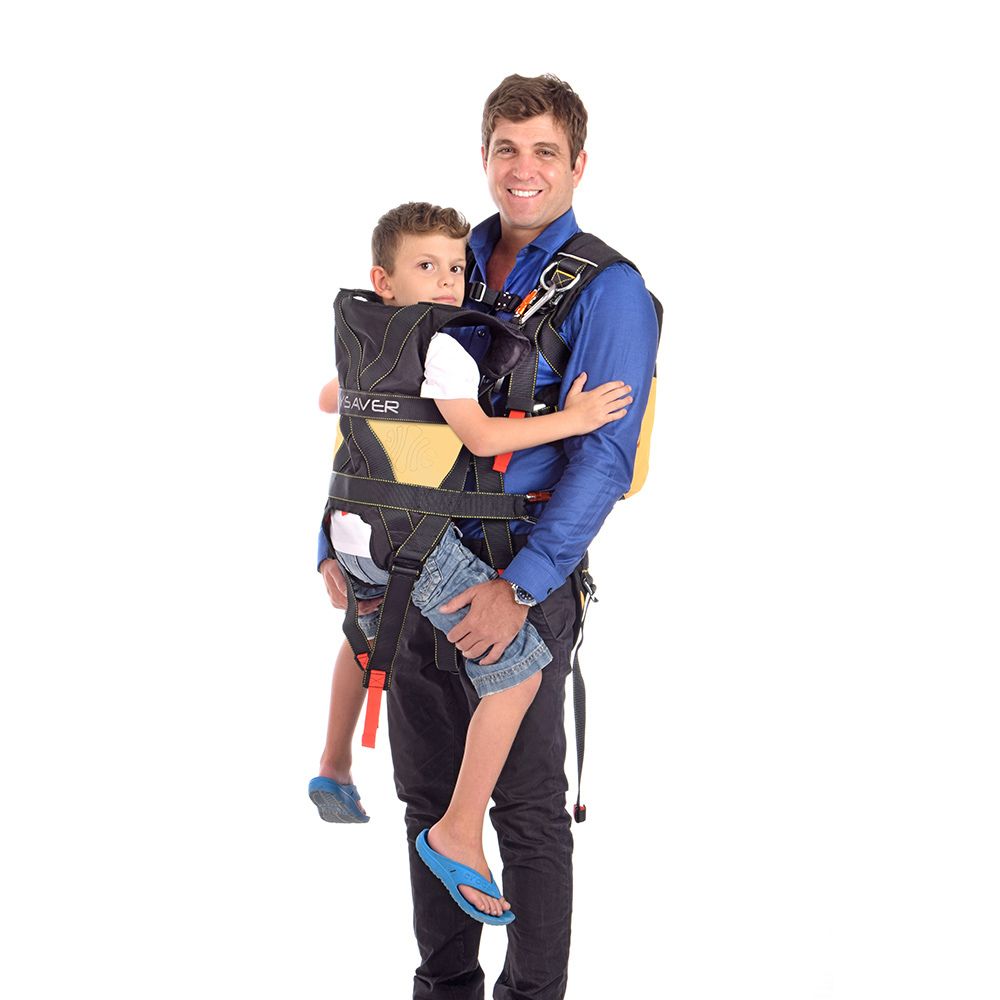
Attachable Child Harness
Lightweight child safety harness designed for secure, controlled evacuation from high-rise buildings.
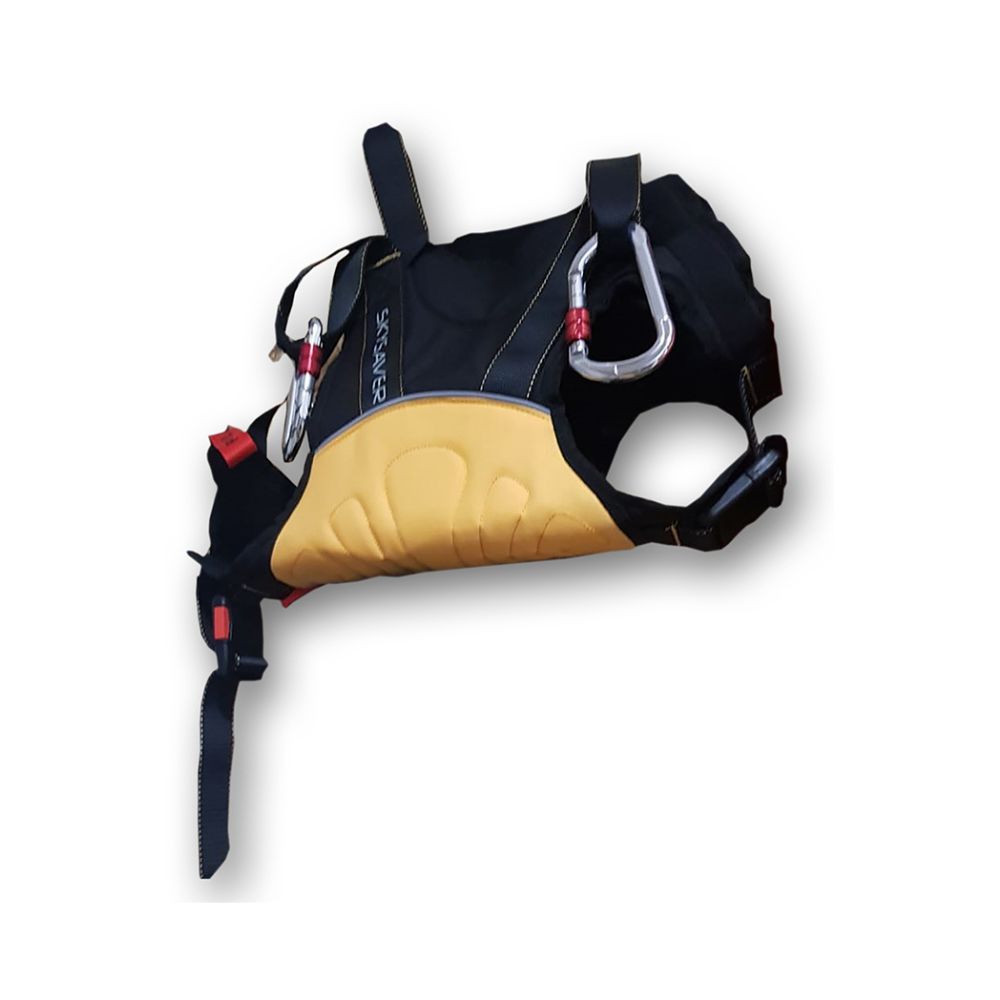
Attachable Pet Harnesses
Secure, lightweight safety harness designed for fast and controlled pet evacuation from high-rise buildings.
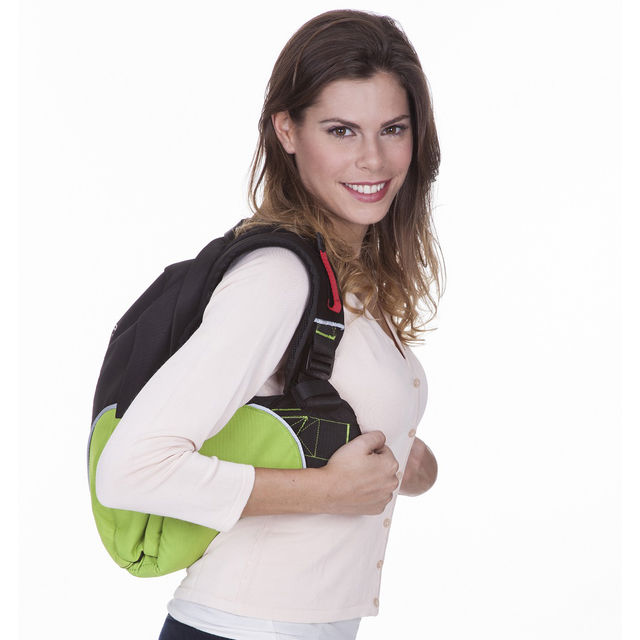
single Self-Rescue Harnesseses
Professional external safety harness for secure personal evacuation from high-rise buildings.
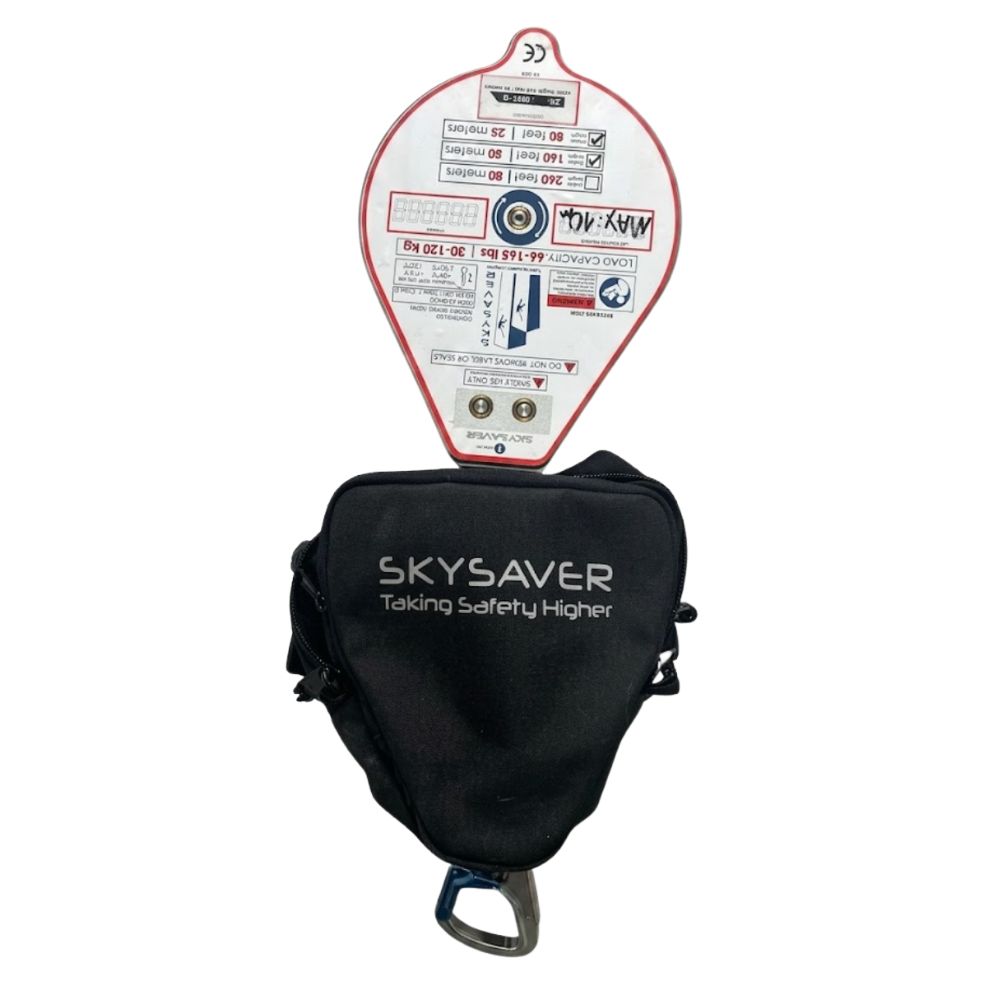
Controlled Descent Device (CDD)
External CDD unit for safe, controlled descent during high-rise emergency evacuation.