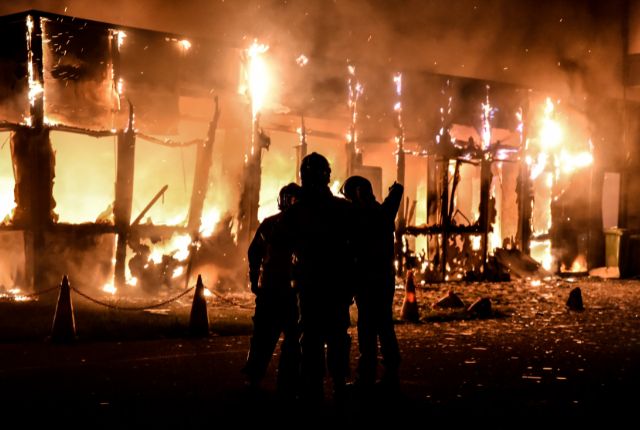
The image of firefighters rushing into burning buildings is deeply embedded in our collective consciousness. It represents extraordinary courage — human beings running toward danger that everyone else is fleeing from. But the future of urban firefighting is being reshaped by a new class of first responders that never feel fear, never need to breathe, and can operate in temperatures and conditions that would be instantly fatal to any human. Firefighting robots are transitioning from experimental prototypes to operational assets in fire departments around the world, and their impact on high-rise fire safety is poised to be revolutionary.
The development of firefighting robots is driven by a stark and sobering reality: firefighting remains one of the most dangerous professions in the world. Every year, firefighters are killed or seriously injured in structural fires, often in situations where the conditions inside a building exceed human survivability. High-rise fires present particular dangers because of the distance between the fire and the safety of the street, the limited water supply that must be pumped to upper floors, and the complexity of navigating smoke-filled stairwells and corridors while carrying heavy equipment. Robots capable of entering these environments, suppressing fires, and locating victims have the potential to save not only civilian lives but firefighter lives as well.
Ground-Based Firefighting Robots: The First Wave
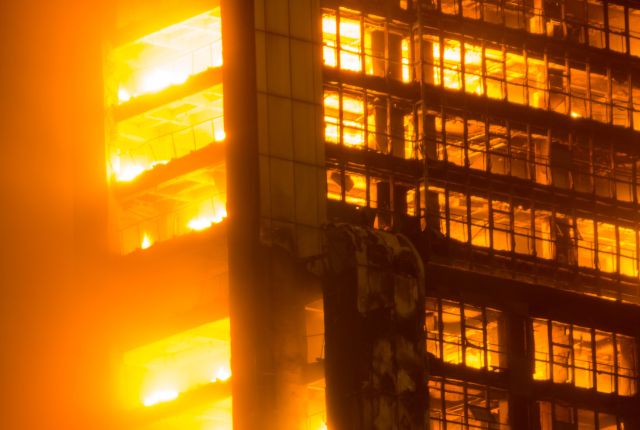
The most mature category of firefighting robots are ground-based tracked or wheeled platforms that can enter buildings, navigate obstacles, and deliver high-volume water or foam directly to the fire source. These machines, some weighing several hundred pounds and others compact enough to fit through standard doorways, are equipped with thermal cameras, environmental sensors, and remotely controlled water cannons. They can operate in zero-visibility smoke conditions, withstand temperatures that would incapacitate a firefighter in seconds, and maintain water delivery for extended periods without fatigue.
Several cities have already deployed ground-based firefighting robots operationally. These machines have proven their value in scenarios where sending human firefighters would be too dangerous — heavily involved structural fires, fires in buildings with suspected hazardous materials, and fires where structural collapse is imminent. In high-rise contexts, ground-based robots face the additional challenge of navigating stairwells and elevator shafts to reach upper floors, a problem that engineers are addressing through more agile designs, lighter weight construction, and the development of robots specifically engineered for vertical movement within buildings.
Aerial Firefighting Drones: Eyes and Arms in the Sky
While ground-based robots work from inside the building, aerial drones are providing unprecedented capabilities from the outside. Large-format firefighting drones can carry water or fire suppressant payloads to specific floors of a high-rise building, delivering targeted suppression to fire locations that are beyond the reach of ground-based hose streams. These drones can reach the upper floors of tall buildings in seconds, providing immediate suppression capability while ground crews are still setting up their operations.
The reconnaissance capabilities of firefighting drones are equally transformative. Equipped with thermal imaging cameras, drones can fly around the exterior of a burning building and create a real-time heat map showing the exact location and intensity of the fire on each floor. This information, transmitted directly to incident commanders on the ground, enables strategic decisions about where to deploy resources and which areas of the building to prioritize for search and rescue. Drones equipped with AI-powered sensors can even detect human heat signatures through windows, identifying floors where victims may be trapped and guiding rescue teams to their exact locations.
Snake Robots and Micro-Robots: Searching Where Humans Cannot Go
One of the most challenging aspects of high-rise fire response is searching for victims in areas that are inaccessible or too dangerous for human entry. Collapsed ceilings, debris-blocked corridors, and spaces filled with toxic gases can all prevent firefighters from conducting thorough searches. A new generation of small, agile robots is being developed to address this gap. Snake robots — long, flexible machines that can slither through narrow openings, over rubble, and around obstacles — are designed to penetrate collapsed structures and locate victims using cameras and microphones.
Micro-robots, some small enough to fit in the palm of a hand, represent the next frontier in search capabilities. These tiny machines can enter spaces through ventilation ducts, gaps in walls, and other openings that no human or conventional robot could access. Equipped with miniaturized cameras and environmental sensors, they can map the interior conditions of a fire-damaged building, identify pockets where survivors may be sheltering, and relay this information to rescue teams outside. For residents trapped in high-rise apartments by fire, these technological scouts could provide the first contact with rescue operations and the first indication that help is on the way.
The Human-Robot Partnership in Fire Response
It is important to understand that firefighting robots are not replacing human firefighters — they are enhancing and protecting them. The most effective model of robot deployment in fire response is one of partnership, where robots handle the most dangerous tasks while human firefighters provide the judgment, adaptability, and decision-making that machines cannot yet replicate. A robot can enter a fully involved fire room to suppress flames, making it safe enough for a human team to follow and conduct rescue operations. A drone can identify the precise location of a trapped victim, enabling a rescue team to take the most direct and safest route to reach them.
This partnership model is particularly valuable in high-rise firefighting, where the logistical challenges are enormous. Transporting equipment, water supply, and personnel to upper floors of a burning building is physically exhausting and time-consuming. Robots that can ascend independently, carry equipment, and begin suppression operations while human teams are en route can compress response timelines dramatically. In a high-rise fire, where conditions can become unsurvivable within minutes, this time savings translates directly into lives saved and improved outcomes for trapped occupants.
What Firefighting Robots Mean for High-Rise Residents
For people who live and work in high-rise buildings, the advancement of firefighting robotics is encouraging news that nonetheless comes with an important caveat: these technologies do not eliminate the need for personal preparedness. Even the most advanced robotic systems take time to deploy and position. During those critical first minutes of a high-rise fire — when conditions deteriorate fastest and when most fatalities occur — residents must rely on their own emergency preparations and evacuation capabilities.
The smart approach to high-rise fire safety combines faith in advancing technology with investment in personal readiness. Know your building’s evacuation routes. Practice your emergency plan regularly. Maintain functioning smoke and carbon monoxide detectors. And ensure that you have personal evacuation equipment accessible and ready to use, because in those first critical minutes before any external help — human or robotic — can arrive, your preparedness is your greatest asset. Firefighting robots are changing the future of emergency response, but personal safety will always begin with the individual.
The Road Ahead: Smarter, Faster, More Capable
The pace of innovation in firefighting robotics is accelerating rapidly. Within the next decade, we can expect to see autonomous robots that can navigate buildings independently, make real-time decisions about fire suppression strategies, and coordinate with each other in swarm formations to tackle complex fires from multiple directions simultaneously. These advances, combined with improvements in AI, sensor technology, and battery capacity, will create a new generation of fire safety tools that fundamentally change what is possible in urban emergency response. For high-rise communities worldwide, these robotic allies represent a future where the tallest buildings are also among the safest.
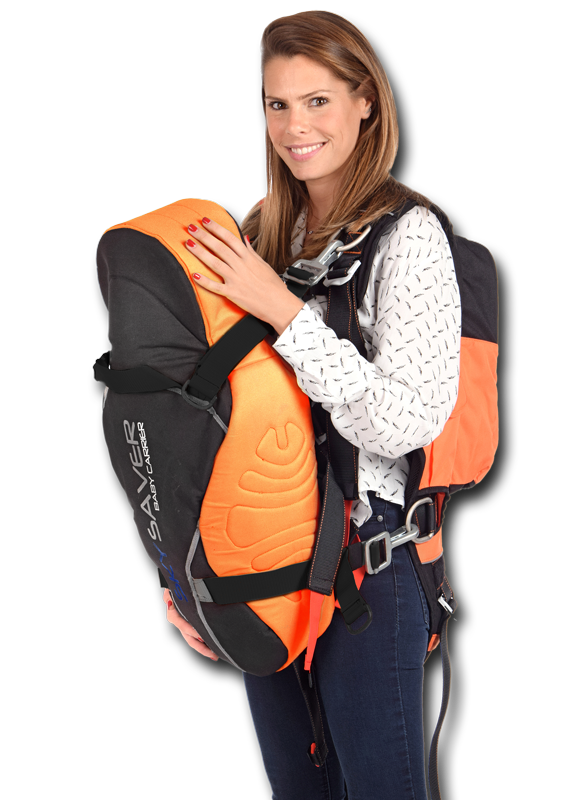
Attachable Baby Harness
Lightweight safety harness for fast and secure infant evacuation in high-rise emergencies.
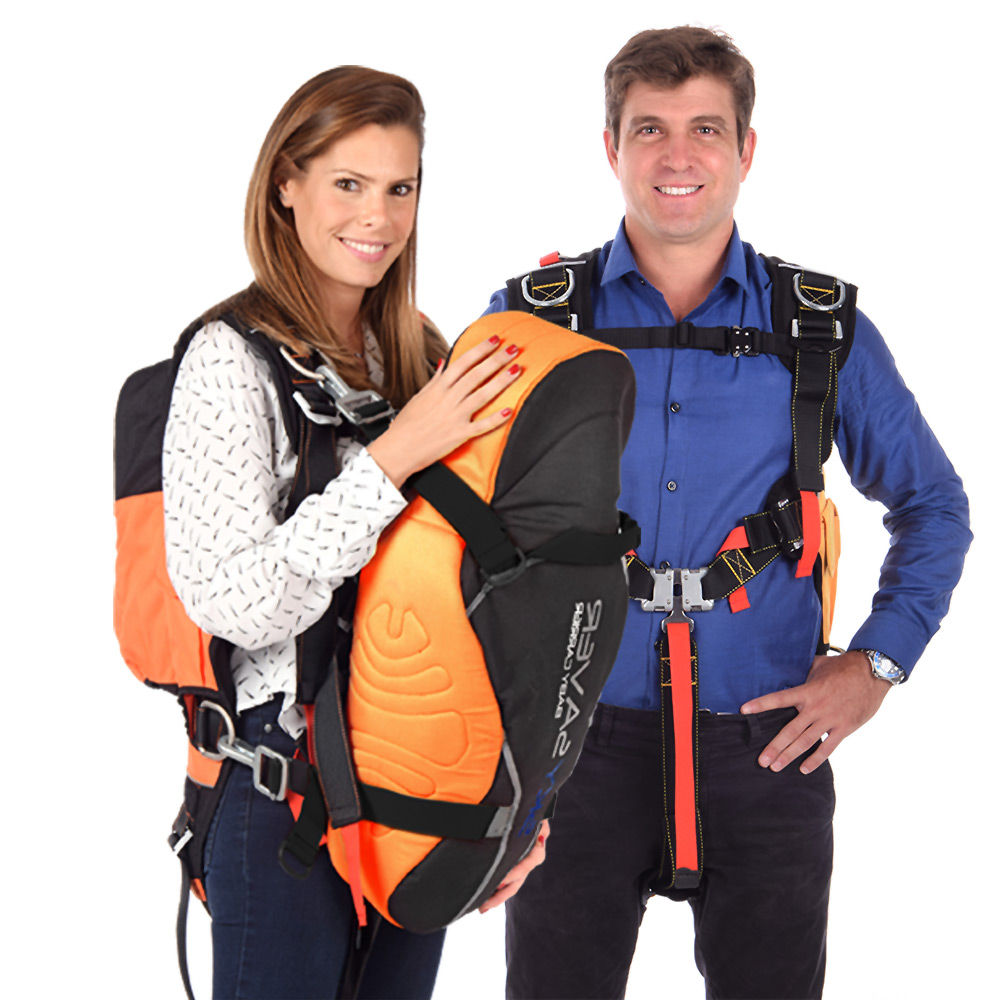
Parent Package
Complete emergency evacuation kit for the parent and dependant. Fast, safe descent from high-rise buildings.
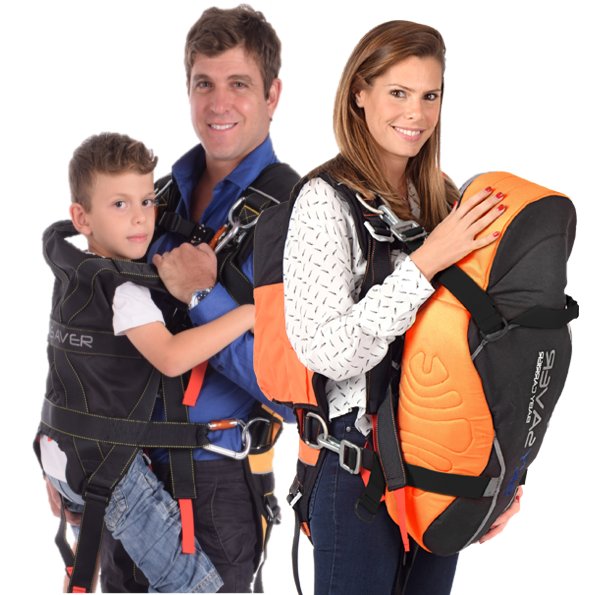
Parent Edition
Complete high-rise evacuation solution for a parent, maximum safety and fast deployment.

Single Self-Rescue Kit
Complete emergency evacuation kit for high-rise fast, safe descent during critical emergencies.
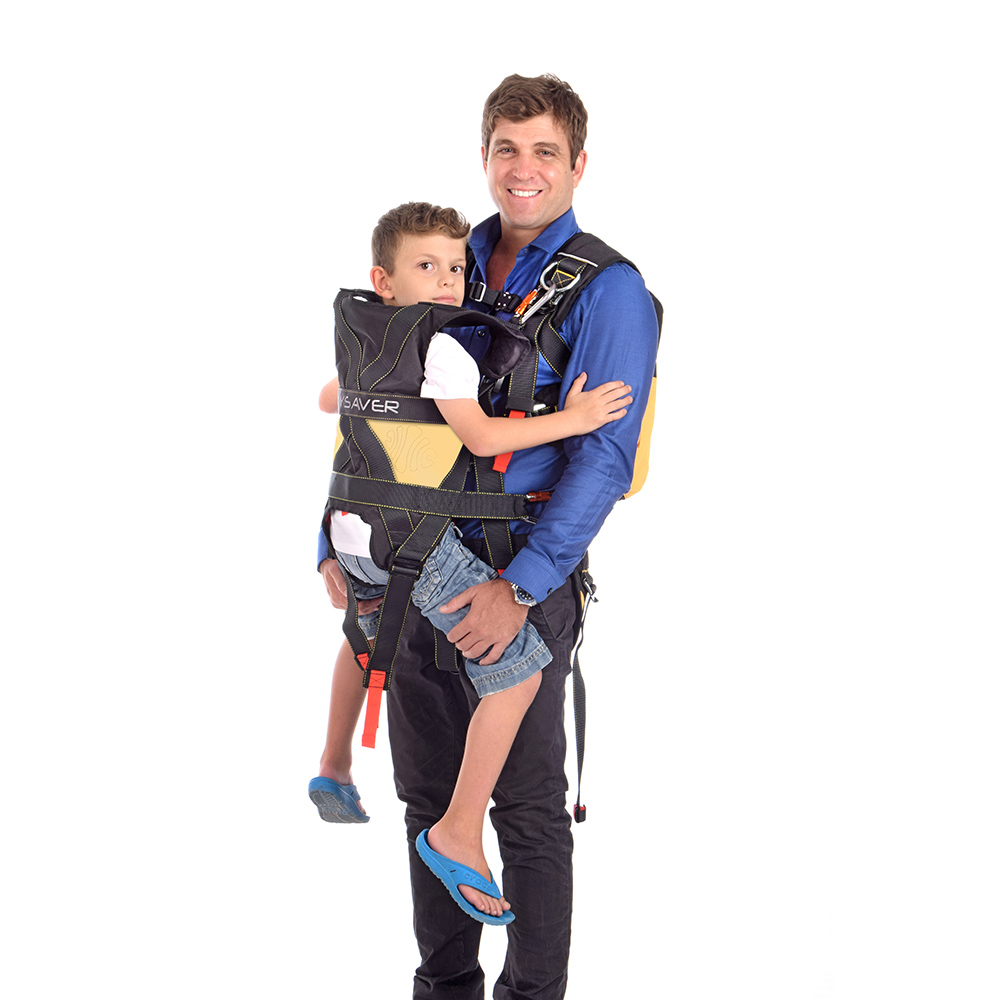
Attachable Child Harness
Lightweight child safety harness designed for secure, controlled evacuation from high-rise buildings.
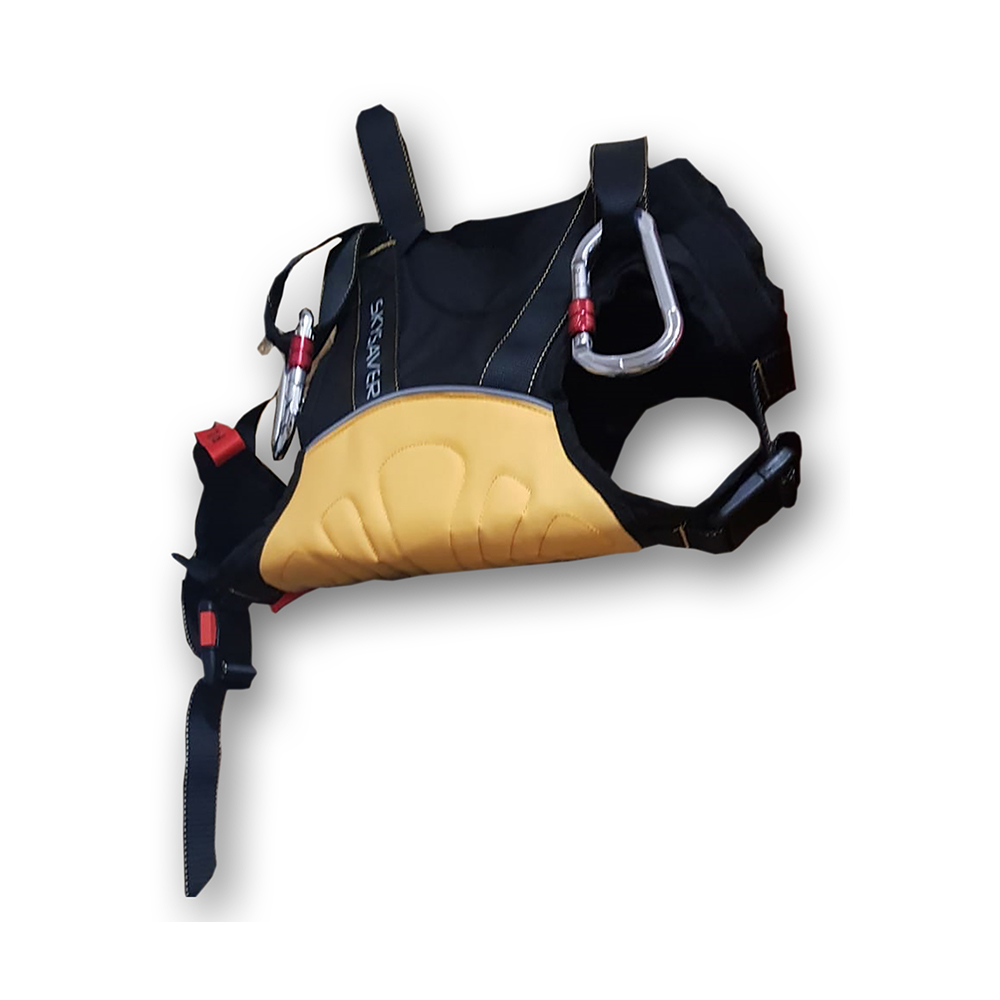
Attachable Pet Harnesses
Secure, lightweight safety harness designed for fast and controlled pet evacuation from high-rise buildings.

single Self-Rescue Harnesseses
Professional external safety harness for secure personal evacuation from high-rise buildings.
Controlled Descent Device (CDD)
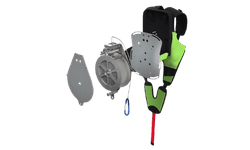
Advanced backpack-based evacuation unit with harness attachment option for high-rise emergencies.