For millions of pet owners living in apartments and high-rise buildings, their animals are not accessories — they are family. Yet when it comes to emergency evacuation planning, pets are too often an afterthought. Fire safety with pets requires deliberate planning, specific preparations, and the understanding that in a crisis, your animal companions will be frightened, disoriented, and entirely dependent on you to get them to safety. The time to figure out how to evacuate with your pets is not during the emergency. It is right now.
According to fire safety organizations, an estimated half a million pets are affected by home fires each year in the United States alone. Pets can be trapped by fast-moving smoke, hidden in places that are difficult to reach, or simply unable to navigate evacuation routes designed for humans. For pet owners in high-rise buildings, where evacuation is inherently more complex and time-sensitive, the challenge is even greater.
Why Pets Are Especially Vulnerable in High-Rise Fires

Animals respond to fire differently than humans. While people may recognize the smell of smoke or the sound of an alarm and begin to take action, many pets react to the stress of a fire by hiding — burrowing under furniture, retreating to closets, or wedging themselves into tight spaces where they feel protected. This instinctive behavior, which serves animals well in the wild, can be deadly in a burning building. A cat hiding under a bed or a dog cowering behind a couch may be nearly impossible to find in a smoke-filled apartment, and the time spent searching for a hidden animal can put both the pet and the owner at serious risk.
Smoke affects animals more quickly and more severely than humans. Dogs and cats have higher respiratory rates and smaller lung capacities relative to their body size, which means they inhale more toxic gases per unit of body weight. Birds, with their uniquely efficient respiratory systems, are even more vulnerable — toxic fumes that might take minutes to affect a human can incapacitate a bird in seconds. Understanding how fires and smoke spread in tall buildings reinforces why rapid evacuation — for every member of the household, including animals — is the single most important priority.
The Stairwell Challenge with Animals
Evacuating a high-rise building with pets presents practical challenges that many owners do not consider until they are facing them in real time. Carrying a large dog down twenty or thirty flights of stairs is physically exhausting and significantly slows the evacuation of everyone behind you. Cats, if not secured in a carrier, may panic in the stairwell and escape, creating a dangerous situation for both the animal and other evacuees. Even leashed dogs can become unpredictable under extreme stress, pulling, bolting, or refusing to move.
Building a Pet-Inclusive Evacuation Plan
A pet-inclusive evacuation plan starts with the same fundamentals as any household emergency plan, with specific additions to account for your animal’s needs. The first step is to identify where your pets are most likely to be during different times of day, and to plan how you will secure them quickly. Keep carriers, leashes, and harnesses in accessible locations near your primary exit. For cats, consider leaving a carrier open in the home at all times so the animal is accustomed to it and less likely to resist being placed inside during an emergency.
Practice evacuation drills with your pets. This may sound unusual, but animals that have experienced the routine of being leashed, placed in a carrier, and walked through the building’s stairwell are far more likely to cooperate during a real evacuation. The goal is to reduce the novelty and stress of the experience as much as possible.
Place pet alert stickers on your front door and apartment windows. These stickers inform firefighters that animals are inside and specify the type and number of pets. In a scenario where you are unable to return for your pet, this information can guide rescue efforts. Include your veterinarian’s contact information and any critical medical needs (such as medications) in your emergency kit. Learning how to behave during a fire extends to planning for every dependent in your household, including your animals.
When Traditional Exits Are Not Available
In a high-rise fire, there are scenarios where corridors fill with smoke, stairwells become impassable, and the only viable exit is through a window or balcony. For pet owners, this creates a terrifying dilemma: how do you get your animal to safety when the stairs are not an option?
The SkySaver rescue backpack addresses this challenge directly. SkySaver is a personal evacuation device that enables controlled descent from any floor through a window or balcony, and the SkySaver product range includes dedicated harnesses designed specifically for pets. This means that when standard evacuation routes fail, you and your animal can descend together to safety — without relying on rescue teams that may take too long to reach your floor.
The SkySaver system is certified by ASTM, ANSI, CE, TUV, and NFPA, and has been insured by Lloyd’s of London for eight consecutive years. The three-step process — buckle up, clip to the anchor, descend — requires no prior training and can be performed even under the extreme stress of a fire emergency. For families that include pets, knowing that a safe exit exists for every member of the household — human and animal alike — provides genuine peace of mind.
Prevention: Reducing Fire Risk When You Have Pets
Pets are not only victims of fires — in some cases, they are the cause. Curious animals can knock over candles, chew through electrical cords, or activate stove burners. The National Fire Protection Association has identified pets as the cause of an estimated one thousand home fires per year in the United States. Simple precautions can significantly reduce this risk: use flameless candles, cover stove knobs with protective guards, secure exposed wiring, and never leave open flames unattended in areas accessible to your pets.
Crate training offers an additional layer of safety. An animal in a crate cannot knock over a candle or chew through a cord, and in the event of a fire, a crated animal is already contained and can be evacuated more quickly. For birds and small animals, ensure that cages are positioned away from windows where direct sunlight could overheat the enclosure, and away from the kitchen where cooking fumes can be harmful.
Your pets depend on you for everything — food, shelter, companionship, and safety. Including them in your apartment fire safety plan is not an optional extra. It is an essential part of responsible pet ownership, and it begins with the recognition that in an emergency, no family member — whether they walk on two legs or four — should be left behind.
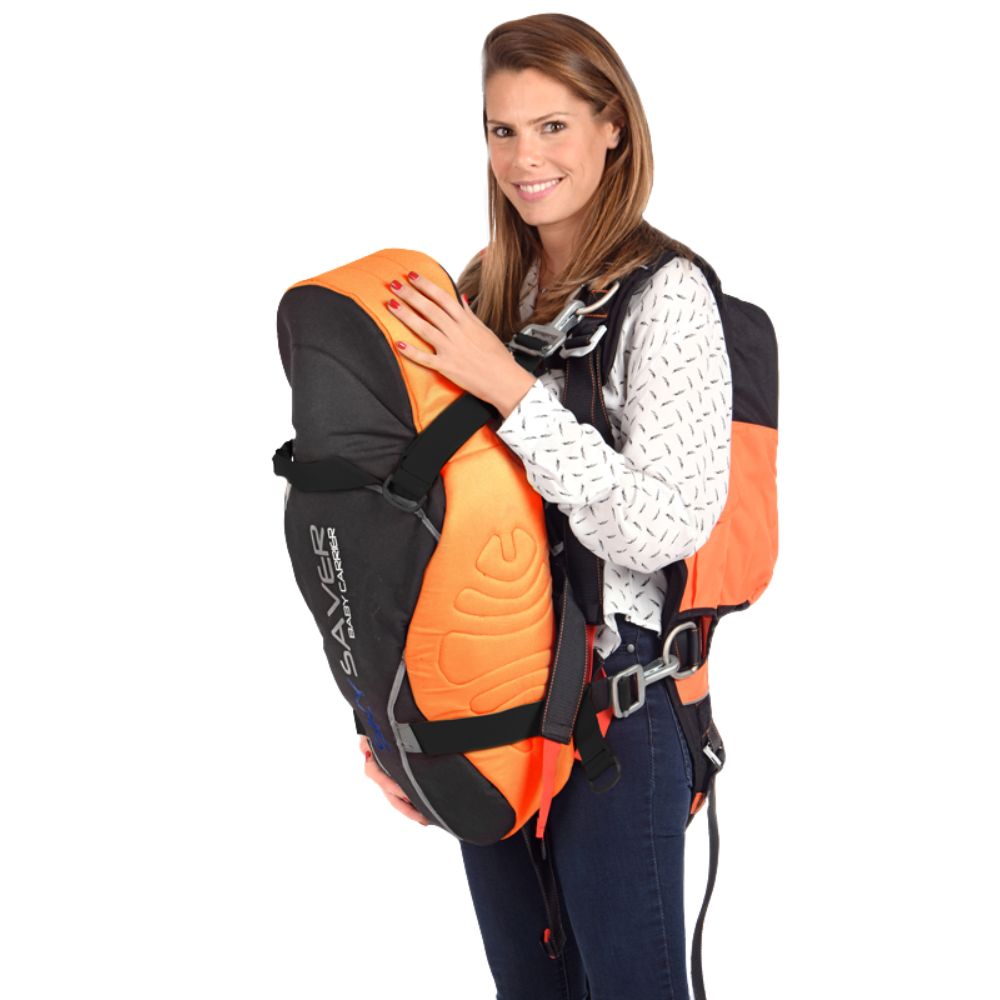
Attachable Baby Harness
Lightweight safety harness for fast and secure infant evacuation in high-rise emergencies.

Parent Package
Complete emergency evacuation kit for the parent and dependant. Fast, safe descent from high-rise buildings.
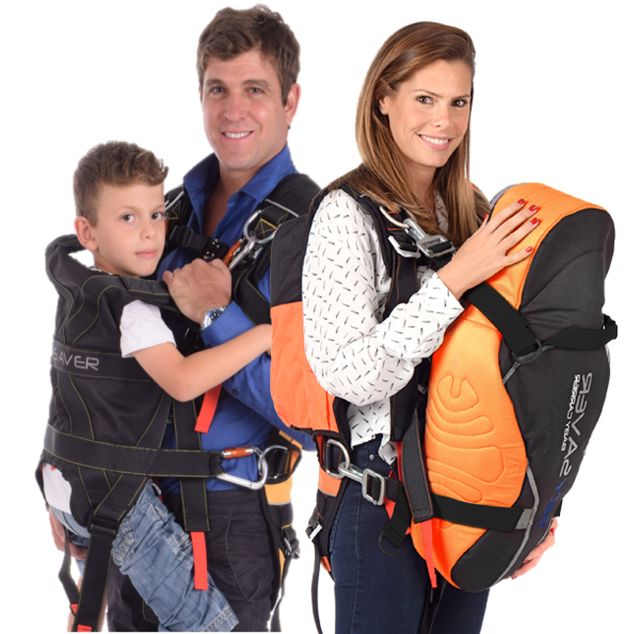
Parent Edition
Complete high-rise evacuation solution for a parent, maximum safety and fast deployment.
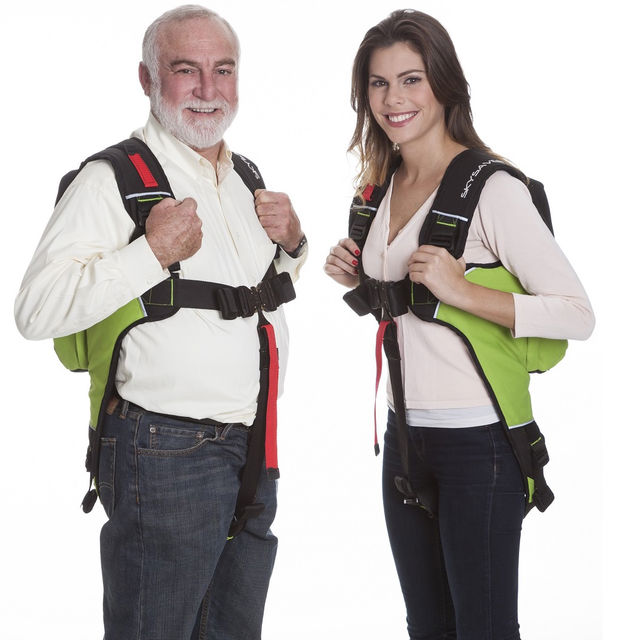
Single Self-Rescue Kit
Complete emergency evacuation kit for high-rise fast, safe descent during critical emergencies.
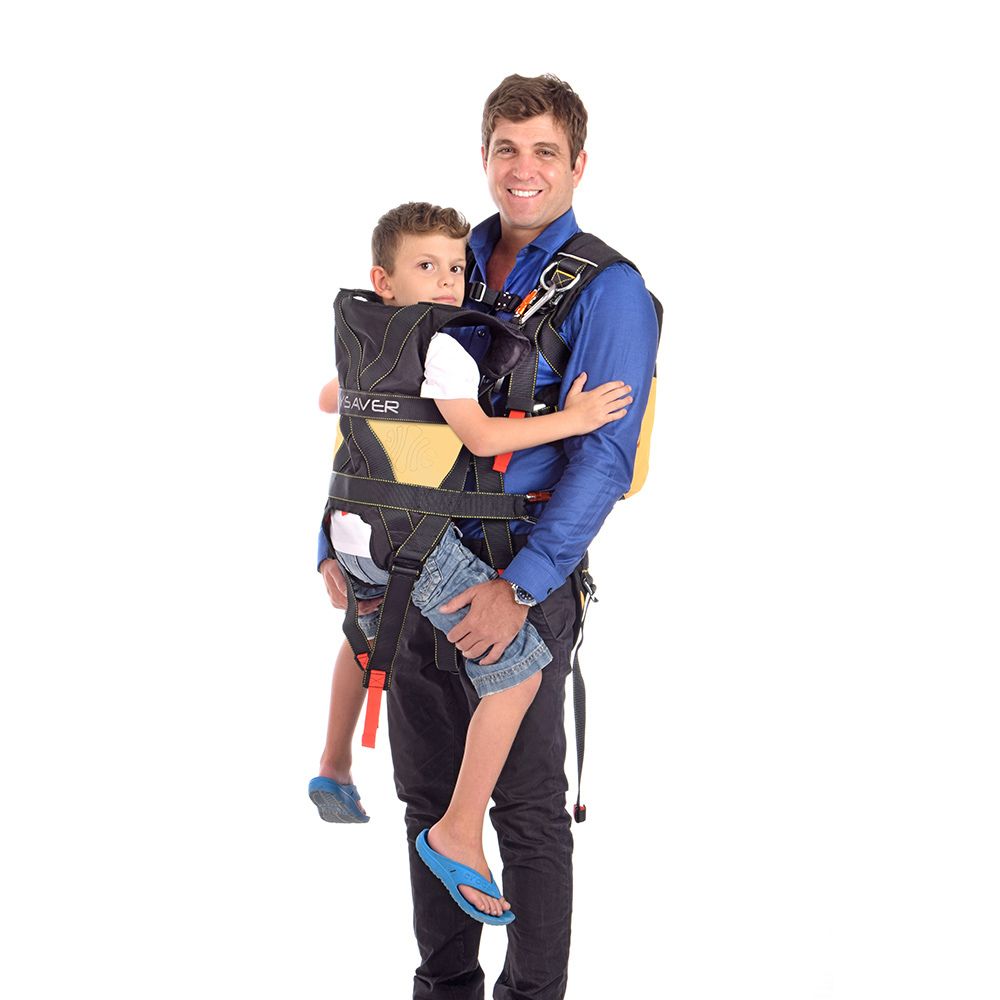
Attachable Child Harness
Lightweight child safety harness designed for secure, controlled evacuation from high-rise buildings.
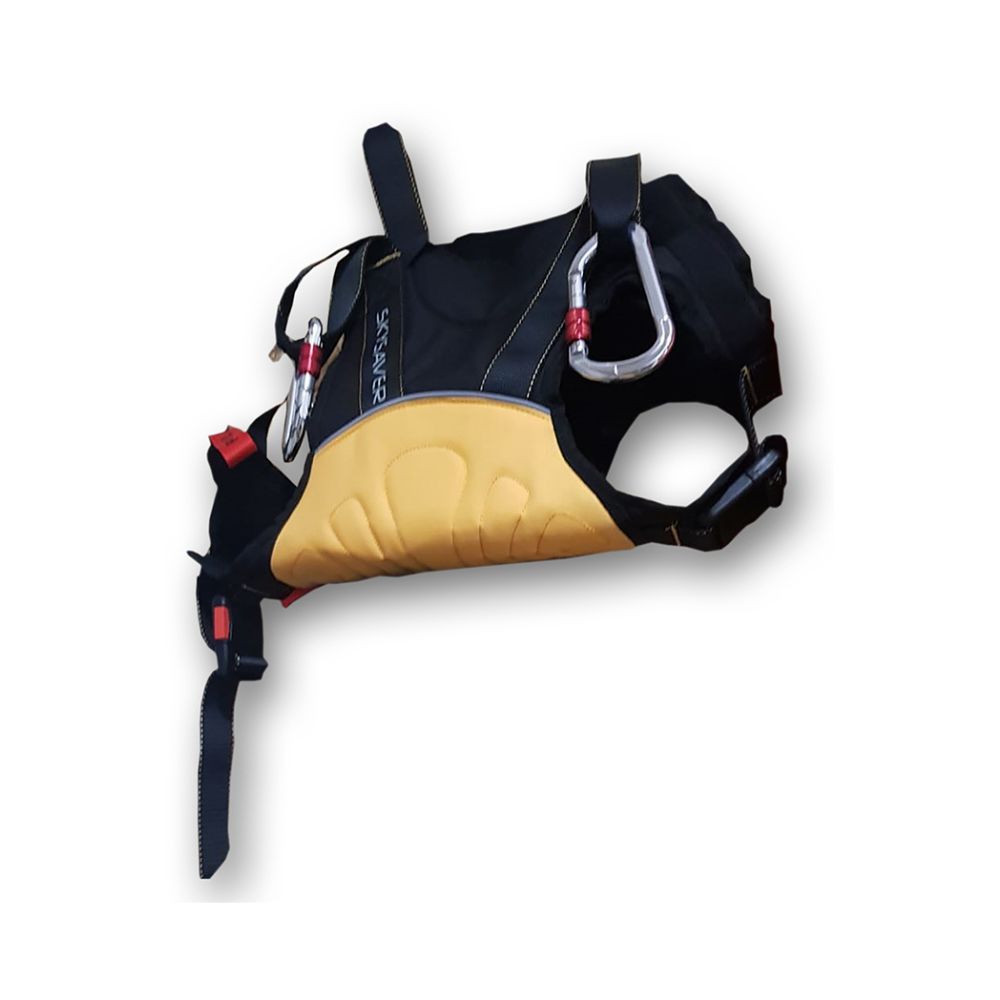
Attachable Pet Harnesses
Secure, lightweight safety harness designed for fast and controlled pet evacuation from high-rise buildings.

single Self-Rescue Harnesseses
Professional external safety harness for secure personal evacuation from high-rise buildings.
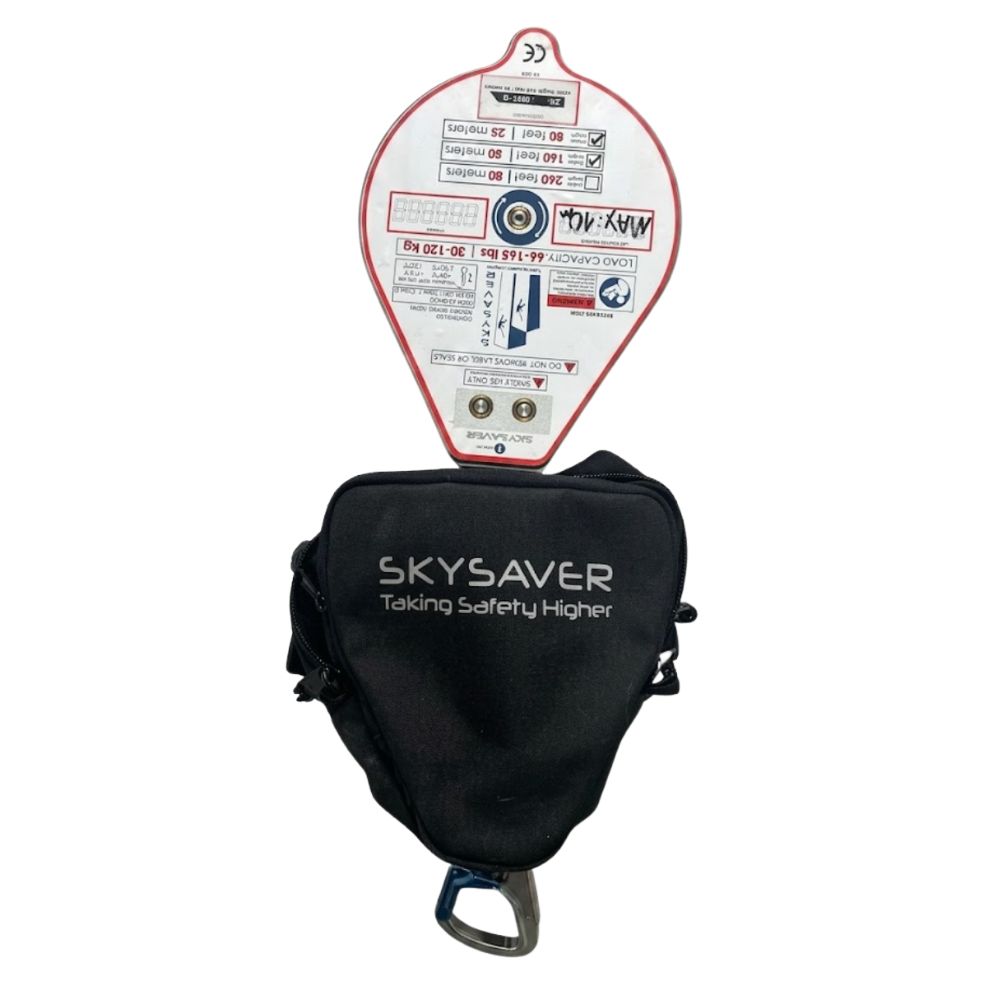
Controlled Descent Device (CDD)
External CDD unit for safe, controlled descent during high-rise emergency evacuation.