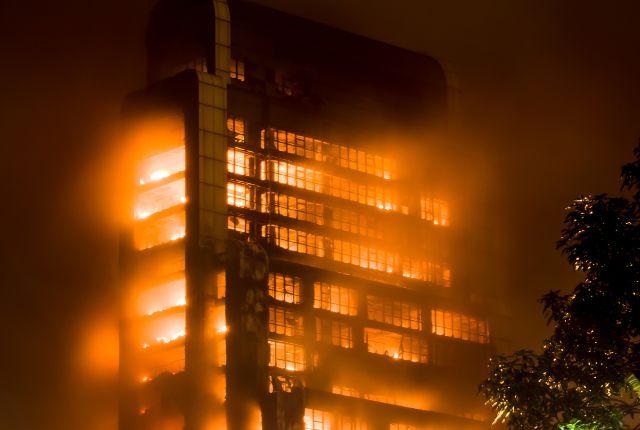
High-rise fires pose a disproportionate threat to elderly residents and people with disabilities. While able-bodied individuals may be able to descend dozens of flights of stairs in an emergency, those with mobility impairments, chronic health conditions, or age-related limitations face a fundamentally different reality. For these vulnerable populations, conventional evacuation strategies are often inadequate or entirely impossible, making specialized fire safety planning not just important but essential for survival.
Why Standard Evacuation Plans Fail Vulnerable Populations
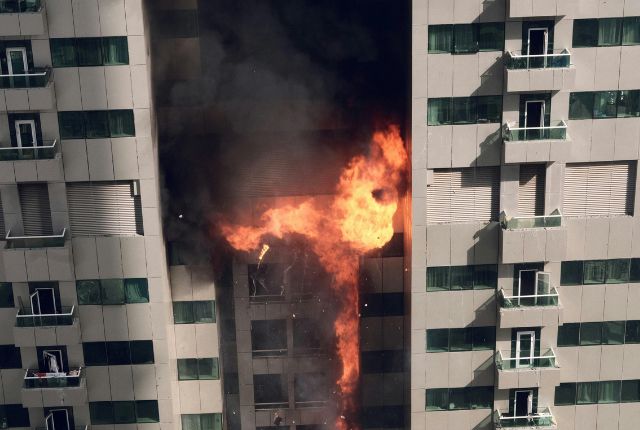
Standard high-rise evacuation plans are built around a simple assumption: everyone can walk down the stairs. This assumption excludes a significant portion of building occupants. Elderly residents who use walkers, wheelchairs, or simply cannot manage multiple flights of stairs find themselves trapped when elevators are shut down during a fire. People with visual impairments may struggle to navigate smoke-filled corridors. Those with respiratory conditions like COPD or severe asthma face heightened danger from even small amounts of smoke that healthy individuals might tolerate during evacuation.
Building codes in many jurisdictions require areas of refuge — designated safe zones on each floor where people who cannot use stairs can wait for firefighter assistance. However, these areas of refuge have serious limitations. They depend on firefighters arriving quickly, having enough personnel to carry or assist multiple individuals, and the fire not spreading to compromise the refuge area itself. In a large-scale emergency where multiple residents need assistance simultaneously, the rescue process can take dangerously long. Every additional minute spent waiting in a burning building increases the risk of smoke inhalation, heat exposure, and structural collapse.
The Unique Challenges of Aging in High-Rise Buildings
Many elderly residents moved into their high-rise apartments decades ago when they were fully mobile and capable of managing stairs. As they age, their ability to evacuate diminishes gradually, often without them fully recognizing the growing danger. A resident who could comfortably walk down fifteen flights of stairs at age sixty may find the same task impossible at age seventy-five. Conditions such as arthritis, heart disease, balance disorders, and reduced stamina all contribute to evacuation difficulty. Yet many of these residents remain in their apartments without updating their emergency plans to account for their changed physical capabilities.
Cognitive decline presents another layer of complexity. Residents with dementia or Alzheimer’s disease may become confused during the chaos of a fire alarm, potentially wandering toward danger rather than safety. They may not remember evacuation routes or may resist assistance from neighbors or emergency responders. Caregivers and family members of these individuals must develop specific protocols that account for confusion and disorientation during high-stress emergency situations.
Personal Evacuation Solutions for Mobility-Impaired Residents
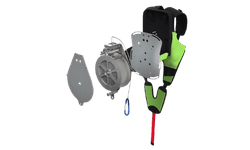
The most effective approach to fire safety for vulnerable populations combines building-level systems with personal evacuation equipment. Controlled descent devices represent a breakthrough for residents who cannot use stairwells. The SkySaver Single Self-Rescue Kit requires minimal physical effort to operate — the user simply puts on a harness, clips into the anchor point, and the device automatically lowers them to the ground at a safe speed. Unlike stairwell evacuation, which demands significant cardiovascular endurance and leg strength, a controlled descent device works with gravity to do the heavy lifting.
For elderly residents who live with caregivers or family members, the SkySaver Family Edition provides a solution that allows one person to assist another during evacuation. The system is designed so that even someone with limited technical knowledge can operate it under stress. The SkySaver CDD features an intuitive design that prioritizes simplicity, requiring no batteries, no complex assembly, and no prior training to use effectively in an emergency.
Building a Comprehensive Fire Safety Plan for Vulnerable Residents
Creating an effective fire safety plan for elderly or disabled residents requires thinking beyond standard evacuation routes. The first step is a thorough assessment of the individual’s physical capabilities and limitations. Can they hear a fire alarm? Can they see well enough to navigate a hallway filled with smoke? Can they physically reach and open a window? These questions determine what equipment and assistance will be needed during an emergency.
Smoke detectors should be installed in every room, with interconnected units that trigger simultaneously so that the resident receives the earliest possible warning regardless of their location in the apartment. For hearing-impaired individuals, strobe light alarms and bed-shaker alert systems provide alternative notification methods. Fire extinguishers should be lightweight and positioned at accessible heights. A personal controlled descent device from SkySaver should be stored near the designated escape window, with the anchor bracket pre-installed so that deployment requires only putting on the harness and clipping in.
The Role of Community and Neighbors in Emergency Preparedness
High-rise communities have a collective responsibility to look after vulnerable residents during emergencies. Building management should maintain a voluntary registry of residents who may need assistance during evacuation, sharing this information with local fire departments so that rescue teams can prioritize these individuals upon arrival. Neighbors can participate in buddy systems where able-bodied residents are paired with those who need help, checking on them immediately when an alarm sounds.
Regular fire drills that include participation from elderly and disabled residents help identify gaps in evacuation plans before a real emergency occurs. These drills should test not just the resident’s ability to respond but also the effectiveness of their personal safety equipment. Practicing with a controlled descent device during a calm, controlled setting builds confidence and muscle memory that can prove invaluable during the panic of an actual fire.
Investing in Safety Before an Emergency Strikes
The time to address fire safety for vulnerable high-rise residents is before a crisis occurs. Families should have honest conversations with elderly relatives about their evacuation capabilities and work together to implement practical solutions. A personal rescue kit stored in a closet provides peace of mind that is difficult to quantify but impossible to overvalue. When traditional evacuation methods are not an option, having an independent escape system transforms a potentially fatal situation into a survivable one. Visit the SkySaver shop to explore solutions designed to protect those who are most vulnerable during high-rise fire emergencies.
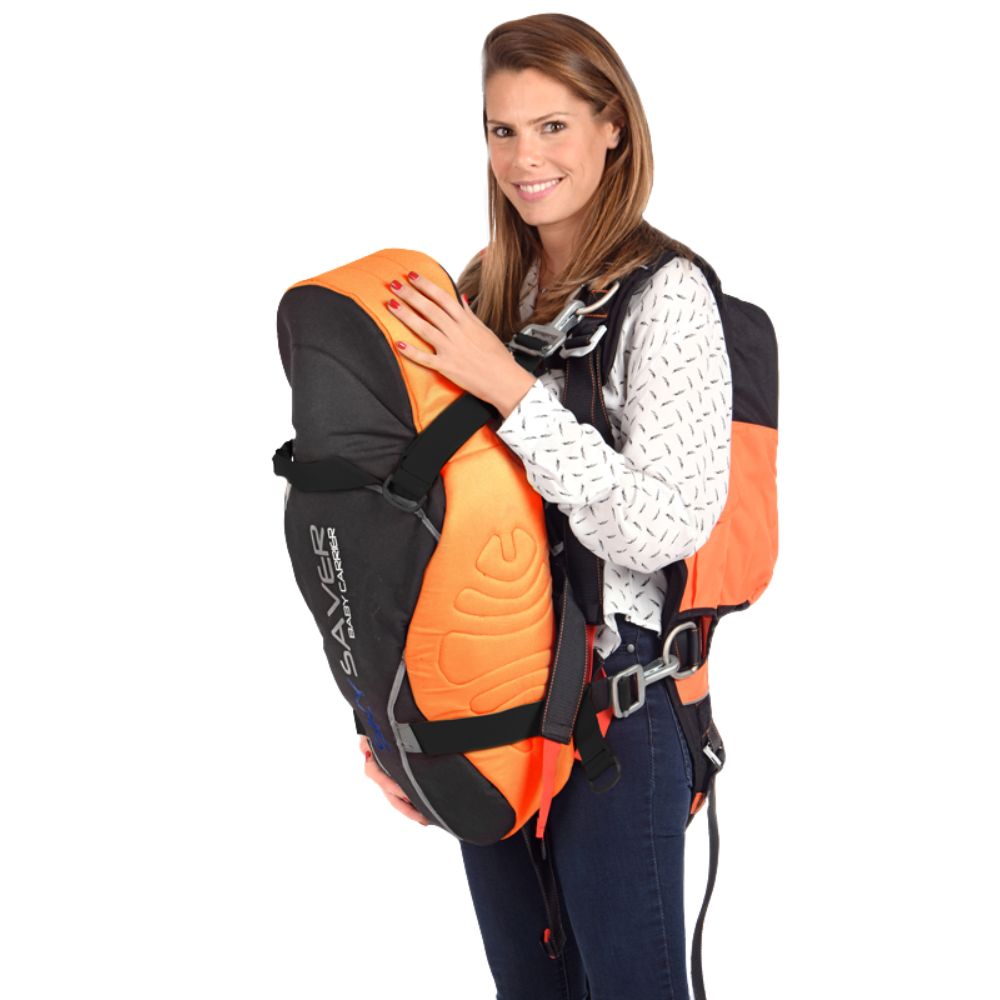
Attachable Baby Harness
Lightweight safety harness for fast and secure infant evacuation in high-rise emergencies.
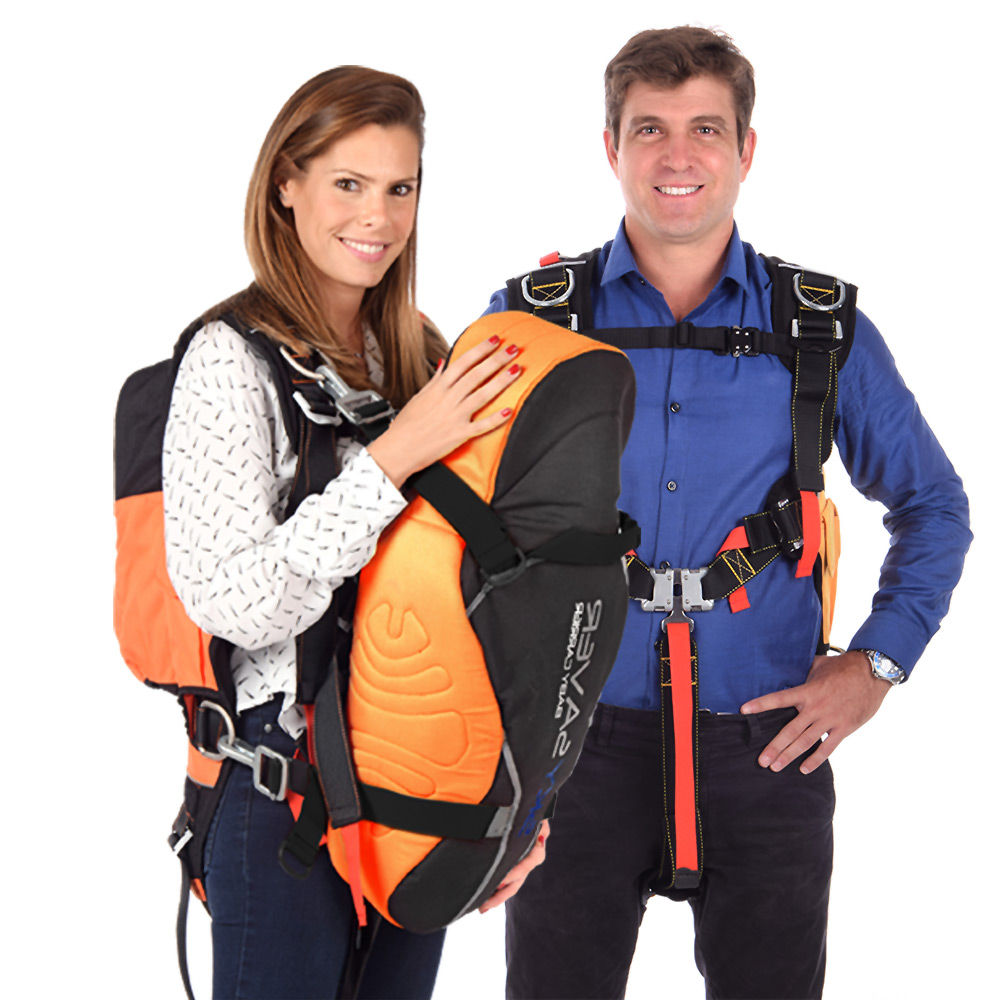
Parent Package
Complete emergency evacuation kit for the parent and dependant. Fast, safe descent from high-rise buildings.
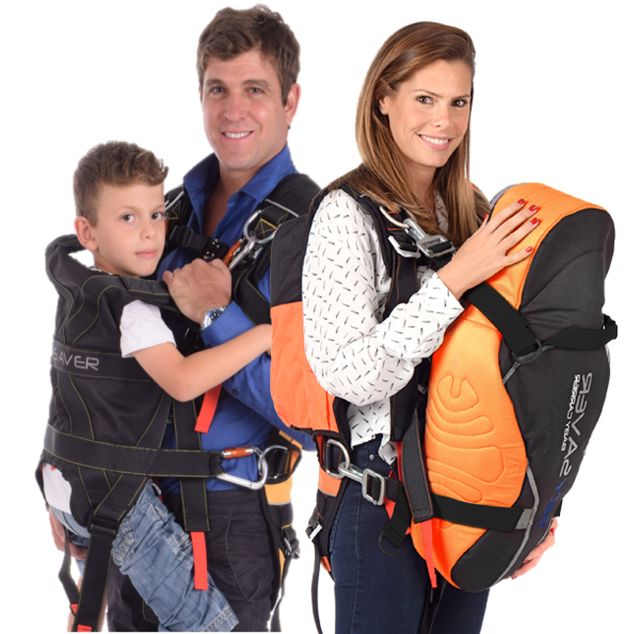
Parent Edition
Complete high-rise evacuation solution for a parent, maximum safety and fast deployment.
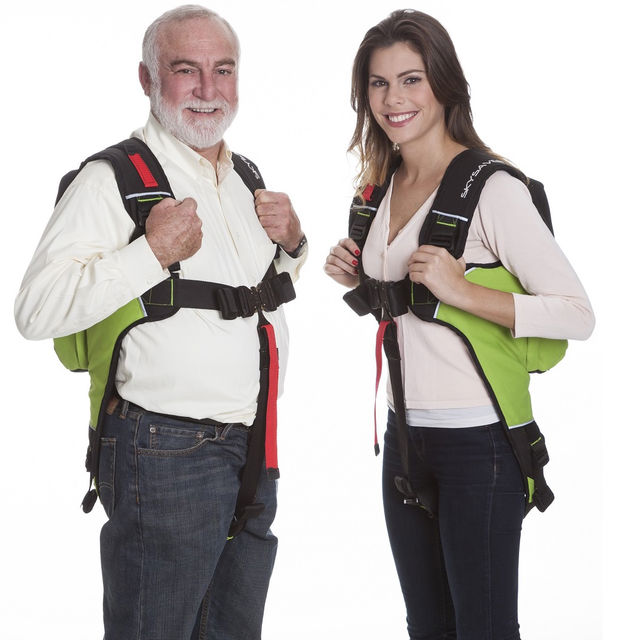
Single Self-Rescue Kit
Complete emergency evacuation kit for high-rise fast, safe descent during critical emergencies.
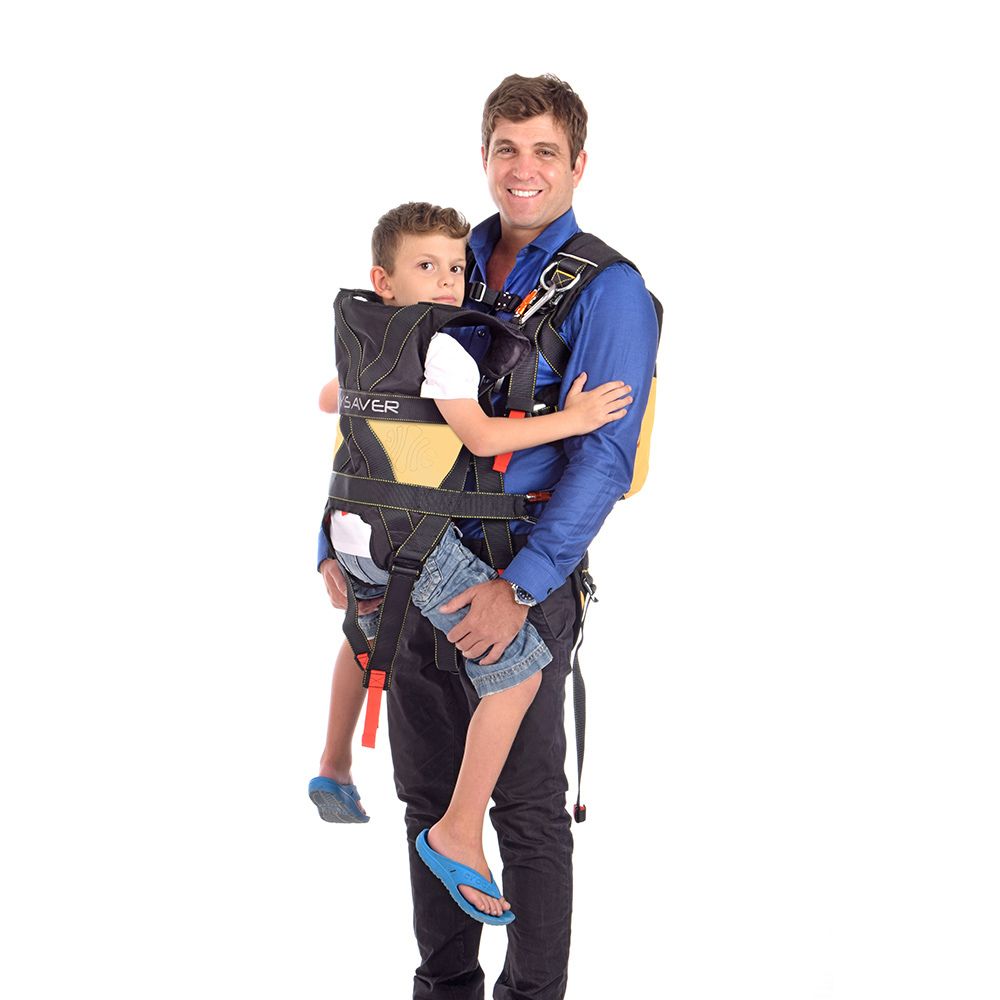
Attachable Child Harness
Lightweight child safety harness designed for secure, controlled evacuation from high-rise buildings.
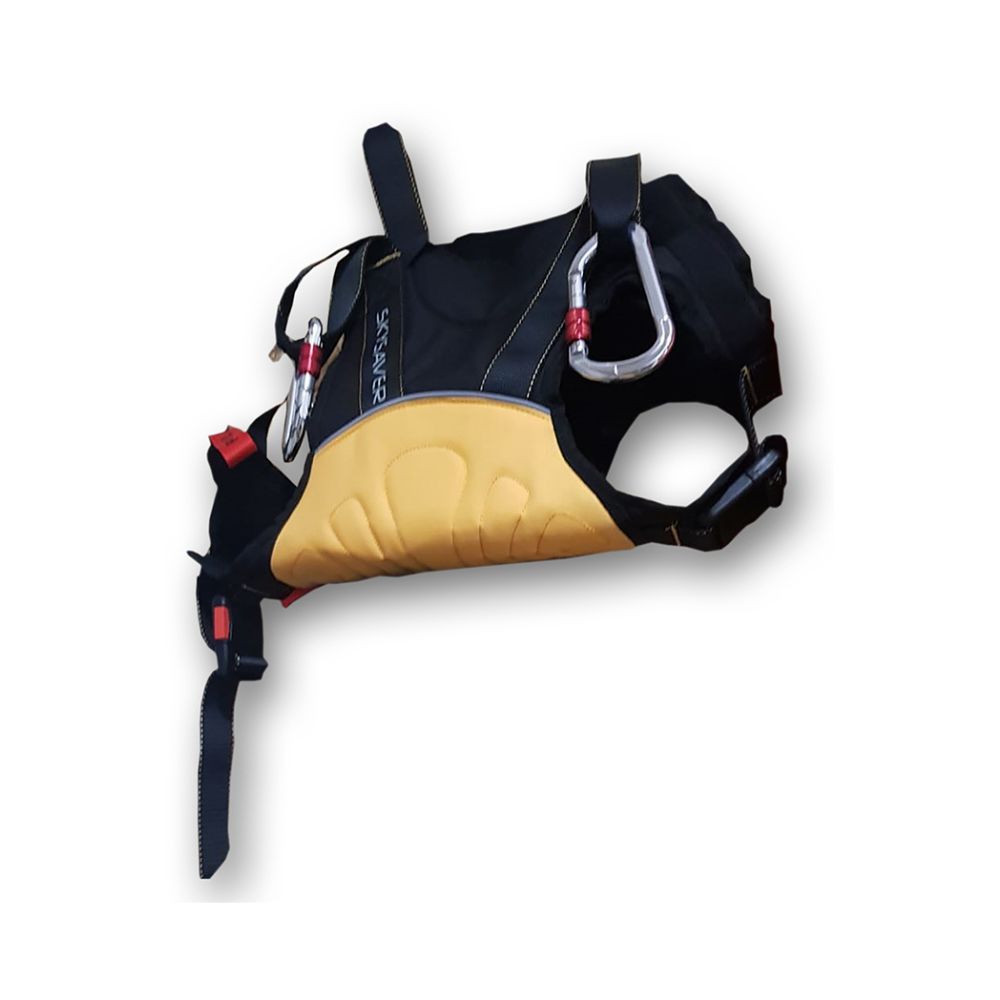
Attachable Pet Harnesses
Secure, lightweight safety harness designed for fast and controlled pet evacuation from high-rise buildings.
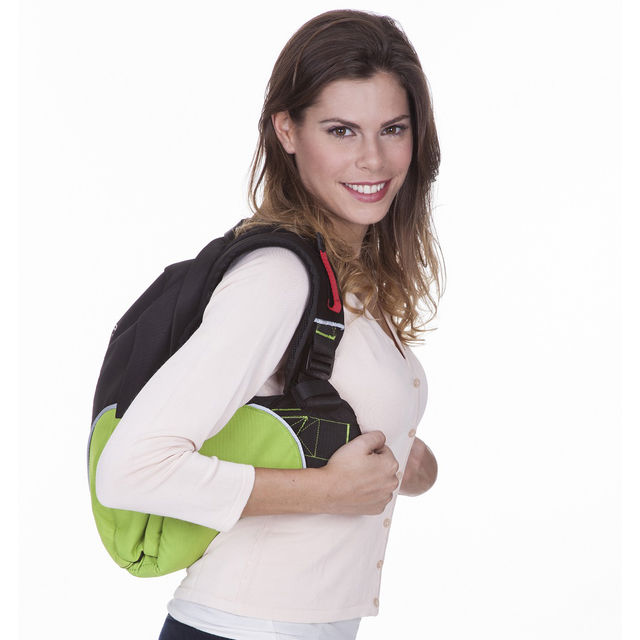
single Self-Rescue Harnesseses
Professional external safety harness for secure personal evacuation from high-rise buildings.
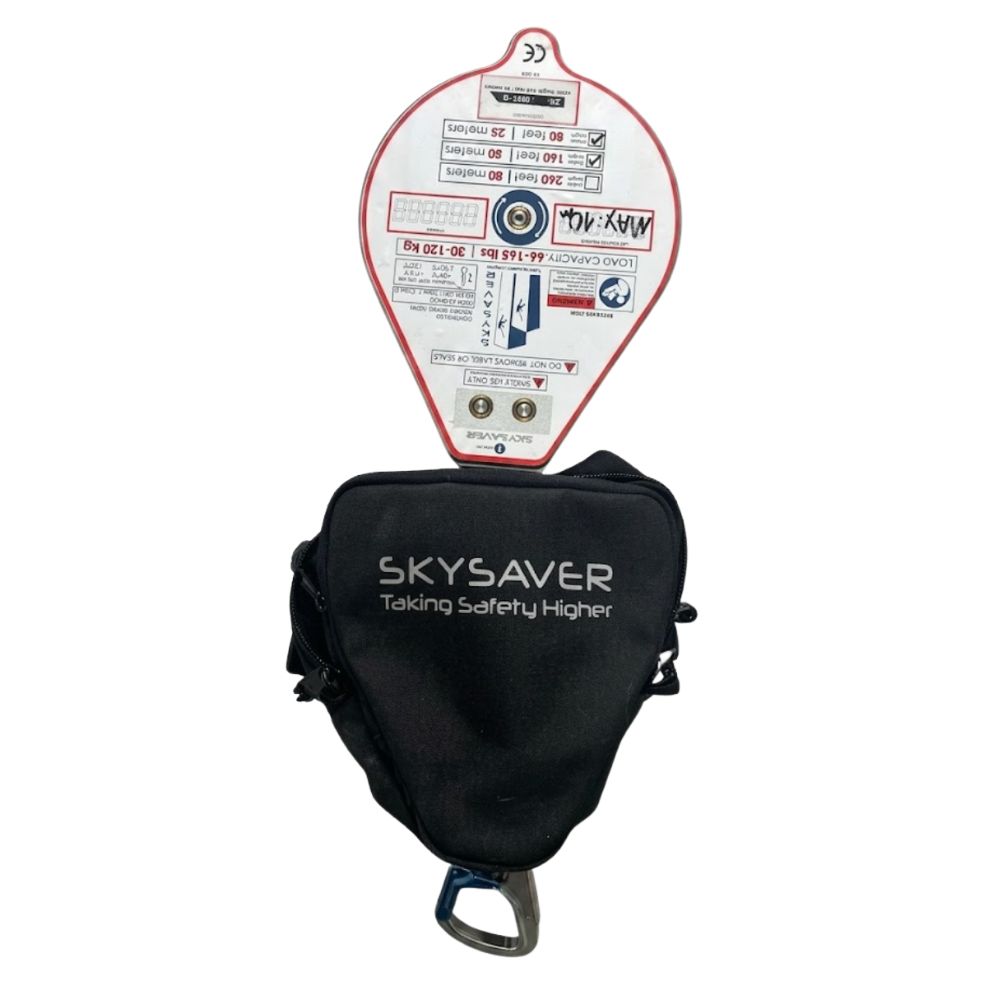
Controlled Descent Device (CDD)
External CDD unit for safe, controlled descent during high-rise emergency evacuation.