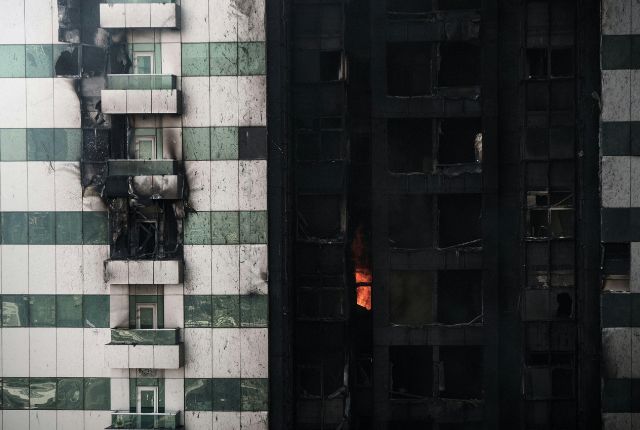
Renting an apartment comes with a unique set of fire safety challenges that many tenants overlook. Unlike homeowners who have full control over their property’s safety features, renters must work within the constraints of their lease agreements, building management decisions, and shared building infrastructure. However, being a renter does not mean being powerless when it comes to fire safety. A thorough fire safety checklist tailored specifically for apartment renters can dramatically reduce your risk and ensure that you and your family are prepared for the unexpected.
Assessing Your Apartment’s Fire Safety Before Moving In
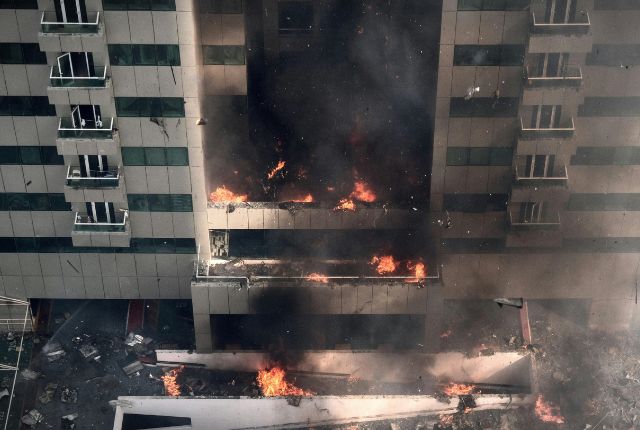
The best time to evaluate fire safety is before you sign a lease. During apartment viewings, take note of critical safety features. Check that smoke detectors are installed in every bedroom, the hallway, and the kitchen area. Test them if possible — a working smoke detector is the single most important factor in surviving a residential fire. Look for fire extinguishers in common areas and note the location of fire exits on your floor. Verify that exit doors open easily and are not blocked or locked from the inside. Ask the landlord about the building’s fire alarm system, sprinkler coverage, and when the last fire safety inspection was conducted.
Pay attention to the building’s overall condition. Cluttered hallways, propped-open fire doors, and non-functioning emergency lighting are all warning signs that building management may not take fire safety seriously. Check the condition of electrical outlets and wiring visible in your unit — frayed wires, sparking outlets, and overloaded circuits are among the leading causes of apartment fires. If you notice any of these issues, request repairs in writing before moving in and keep copies of all correspondence for your records.
Essential Fire Safety Equipment for Every Renter
Regardless of what your building provides, there are several pieces of fire safety equipment that every apartment renter should own personally. A multipurpose fire extinguisher rated ABC should be kept in the kitchen, which is where most apartment fires originate. Learn how to use it before an emergency — the PASS method of Pull, Aim, Squeeze, and Sweep takes only seconds to learn but could save your life and your home. Replace the extinguisher according to the manufacturer’s recommended schedule, typically every five to twelve years depending on the type.
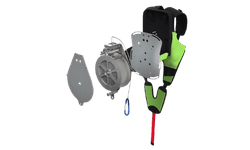
Additional smoke detectors beyond what the landlord provides give you an extra layer of protection. Battery-operated models require no installation and can be placed on shelves or mounted with adhesive strips that do not damage walls. Carbon monoxide detectors are equally important, especially if your building uses gas heating or has an attached garage. A fire escape ladder is essential for anyone living on the second or third floor. For residents on higher floors, a personal controlled descent device like the SkySaver Single Self-Rescue Kit provides a reliable escape route that does not depend on stairwells or building systems.
Creating Your Personal Evacuation Plan
Every renter should have a documented evacuation plan that accounts for multiple scenarios. Identify at least two ways out of every room in your apartment — typically the door and a window. Know the locations of all stairwells on your floor and which direction they are from your apartment door. Walk the evacuation route from your apartment to the building exit during daylight hours so you can navigate it in darkness or through smoke. Choose a meeting point outside the building where family members or roommates will gather after evacuating.
Consider scenarios where your primary exit is blocked. If fire or smoke prevents you from using the hallway, which room in your apartment gives you the best options? Ideally, this would be a room with a window facing the street where rescuers can see you, with a door you can close and seal against smoke. Store your emergency equipment in or near this room. A SkySaver CDD mounted near your designated escape window transforms that window from a dead end into a viable exit route, giving you independence from building evacuation systems that may fail during a major fire.
Fire Prevention Habits That Save Lives
Prevention is always better than evacuation. Develop daily habits that reduce your fire risk significantly. Never leave cooking unattended on the stove — unattended cooking is the number one cause of apartment fires worldwide. Keep flammable materials like dish towels, paper towels, and curtains away from the stove and oven. Avoid overloading electrical outlets with multiple power strips daisy-chained together, and never run extension cords under rugs where heat buildup can go unnoticed.
If you smoke, do so only outdoors and use deep, sturdy ashtrays that cannot tip over. Never smoke in bed or when drowsy. Keep candles away from flammable materials and never leave them burning in an unoccupied room. Use timers on space heaters and maintain at least one meter of clearance between any portable heater and furniture, curtains, or bedding. Before going to sleep each night, do a quick safety check: stove off, candles extinguished, space heaters off, and nothing blocking your exits.
Know Your Rights and Your Landlord’s Responsibilities
As a renter, you have legal rights regarding fire safety that vary by jurisdiction but generally include the right to functioning smoke detectors, accessible fire exits, and a building that meets local fire codes. If your landlord fails to maintain these basic safety standards, document the issues, report them in writing, and contact your local fire marshal or building inspector if necessary. Keep copies of all reports and communications. In many jurisdictions, tenants can withhold rent or break a lease without penalty if the landlord fails to address serious fire safety violations.
Renter’s insurance is another critical component of your fire safety strategy. While it will not prevent a fire, it protects your financial security if one occurs. Standard renter’s insurance policies cover personal belongings, temporary housing costs if your apartment becomes uninhabitable, and liability if a fire originating in your unit affects neighboring apartments. The cost is typically modest — far less than the cost of replacing your possessions after a fire.
Investing in Your Safety Is Always Worth It
Fire safety equipment is an investment that you hope never to use, but one that becomes invaluable the moment an emergency occurs. For high-rise apartment renters, a personal evacuation device from SkySaver is arguably the most important piece of safety equipment you can own. It provides a guaranteed exit when stairwells are blocked, elevators are disabled, and fire department ladders cannot reach your floor. The Family Edition ensures that every member of your household can evacuate safely, including children who might otherwise be trapped. Browse the full range of personal rescue solutions at the SkySaver shop and make fire safety a priority in your rented home today.
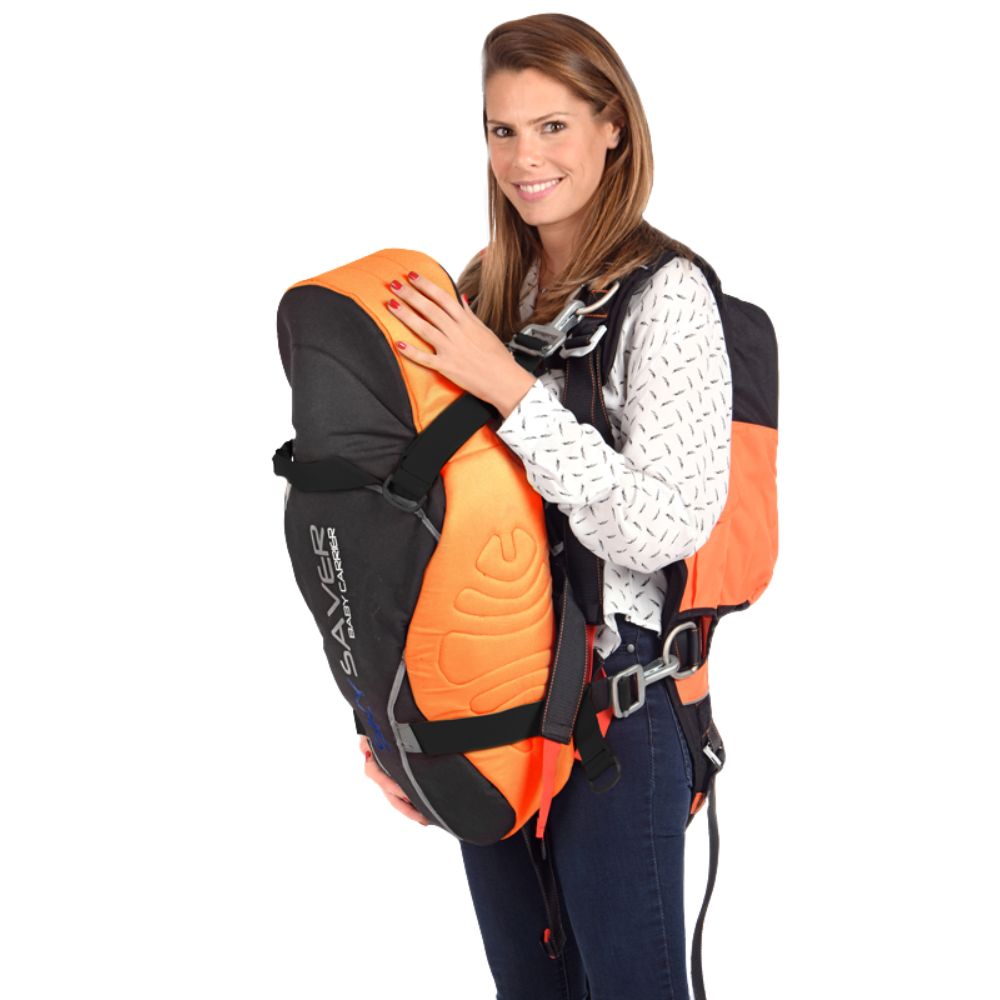
Attachable Baby Harness
Lightweight safety harness for fast and secure infant evacuation in high-rise emergencies.

Parent Package
Complete emergency evacuation kit for the parent and dependant. Fast, safe descent from high-rise buildings.

Parent Edition
Complete high-rise evacuation solution for a parent, maximum safety and fast deployment.
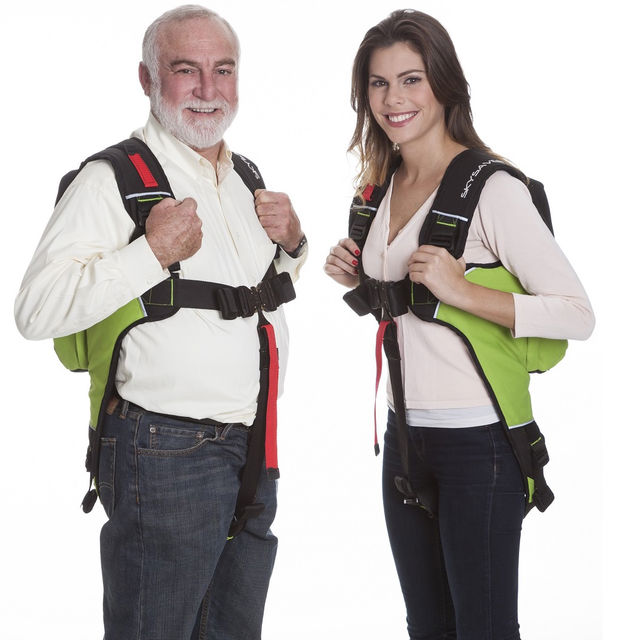
Single Self-Rescue Kit
Complete emergency evacuation kit for high-rise fast, safe descent during critical emergencies.
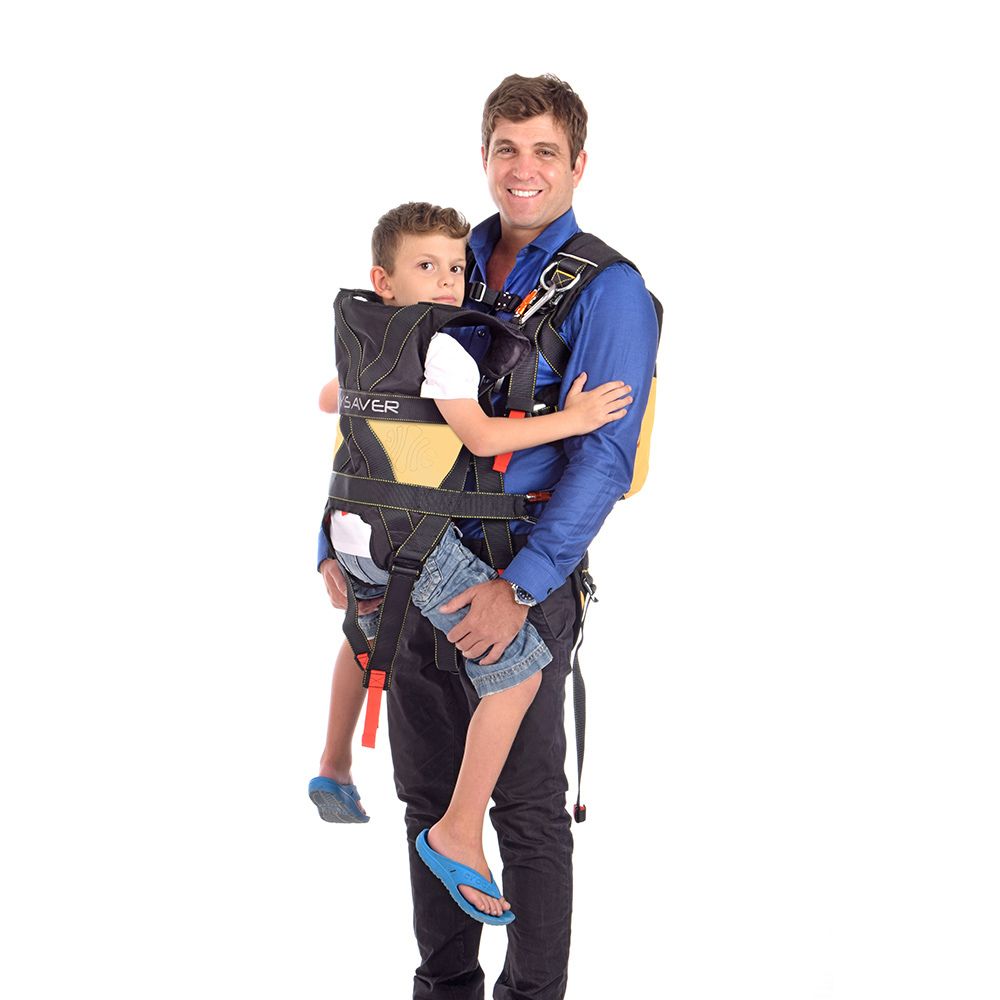
Attachable Child Harness
Lightweight child safety harness designed for secure, controlled evacuation from high-rise buildings.
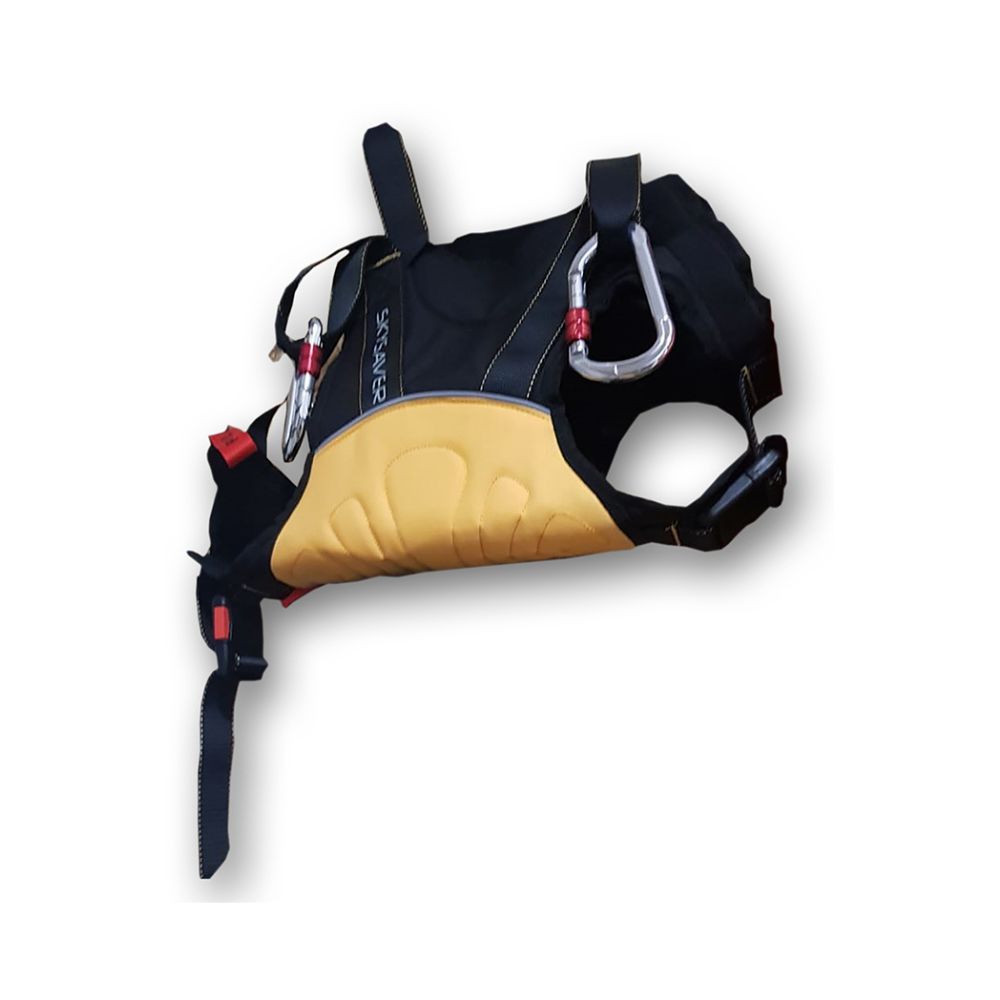
Attachable Pet Harnesses
Secure, lightweight safety harness designed for fast and controlled pet evacuation from high-rise buildings.

single Self-Rescue Harnesseses
Professional external safety harness for secure personal evacuation from high-rise buildings.
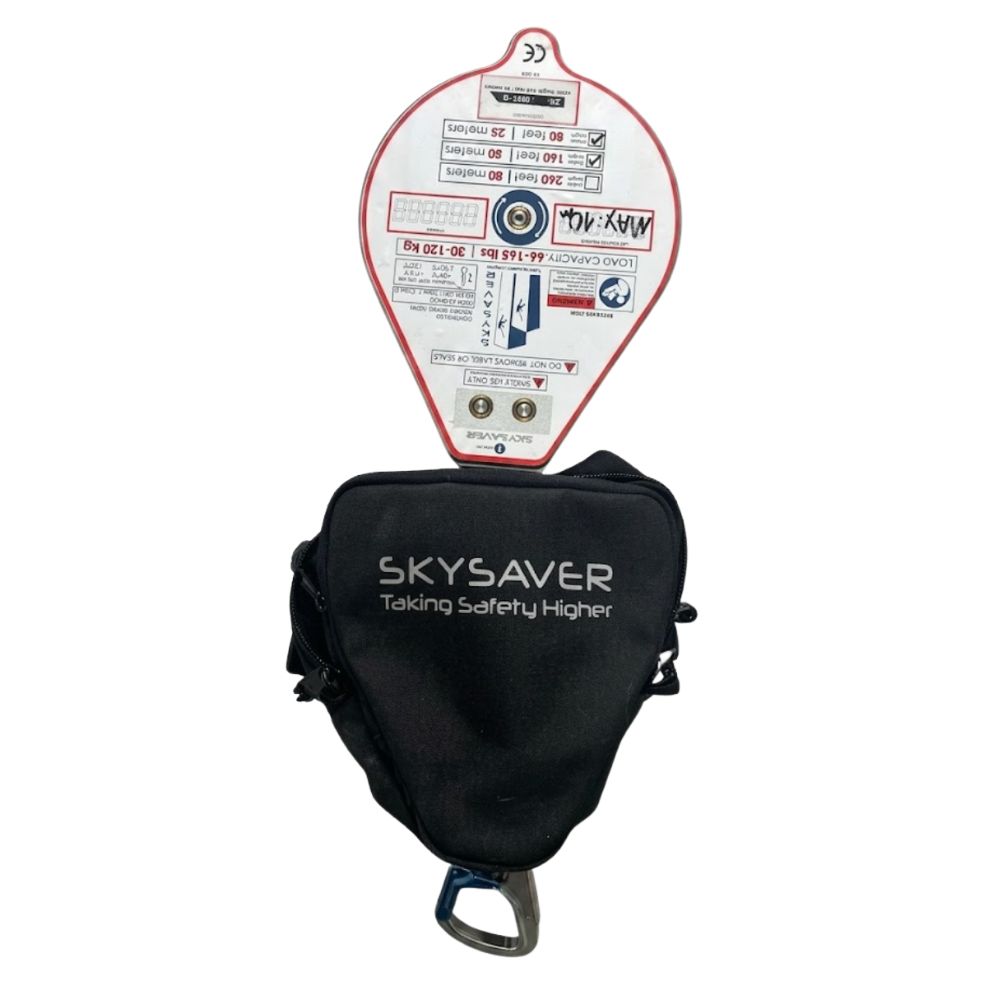
Controlled Descent Device (CDD)
External CDD unit for safe, controlled descent during high-rise emergency evacuation.