Fire escape chutes have been used as emergency egress systems for decades, primarily in industrial, military, and commercial applications. These enclosed vertical or spiral tube systems allow building occupants to slide from upper floors to ground level, offering an alternative to stairwells that may be compromised by fire, smoke, or structural damage. As interest in high-rise safety continues to grow, fire escape chutes are frequently discussed as potential solutions for residential buildings. This comprehensive guide examines how chute systems work, where they are effective, and how they compare to modern personal evacuation technology.
Types of Fire Escape Chute Systems
Fire escape chutes come in several configurations, each designed for specific building types and evacuation requirements. Vertical drop chutes use a straight or near-vertical tube that runs along the building’s exterior from an upper floor entry point to a ground-level exit. Speed is controlled through the tube’s internal friction characteristics — the material, diameter, and surface texture are engineered to slow the occupant’s descent to a safe speed without requiring any action from the user.
Spiral chutes wrap around a central column or follow a helical path down the building exterior. The spiral configuration naturally limits descent speed through centrifugal friction as the occupant moves around each turn. Spiral chutes tend to be bulkier than vertical systems but offer more consistent speed control across different user weights. They are commonly seen on industrial structures like grain silos, oil platforms, and manufacturing facilities.
Deployable chutes are stored in compact housings and deploy when activated, either mechanically or using compressed air. These systems save space and protect the chute material from weather degradation when not in use. However, the deployment mechanism adds complexity and a potential failure point that permanent installations avoid. Some deployable systems are designed for single use and must be replaced after deployment, adding to their long-term cost.
Advantages of Chute-Based Evacuation
Fire escape chutes offer several genuine advantages for specific applications. They can handle multiple evacuees in rapid succession, making them efficient for buildings with large occupant loads. A well-designed chute system can evacuate one person every few seconds, significantly faster than stairwell descent for most building heights. The enclosed design provides some protection from external hazards like falling debris, weather, and fire exposure during the descent.
Chute systems require minimal user skill or training. The occupant simply enters the tube opening and gravity does the work, with the chute’s built-in friction characteristics controlling speed automatically. This simplicity is valuable during emergencies when occupants may be disoriented, panicked, or physically compromised by smoke exposure.
Limitations for Residential High-Rise Buildings
Despite their effectiveness in industrial settings, fire escape chutes face significant barriers to widespread residential adoption. The most obvious challenge is aesthetics — a large tube system mounted on the exterior of a residential building dramatically affects its appearance and can reduce property values. Building management associations and municipal planning departments frequently resist exterior-mounted evacuation infrastructure in residential neighborhoods.
Cost is another substantial barrier. A building-wide chute system requires entry points on every floor, structural reinforcement to support the chute’s weight, and ongoing maintenance to ensure the internal surfaces remain clean and functional. The total installation cost for a high-rise building can be substantial, and these costs are typically passed to residents through building maintenance fees.
Accessibility limitations exclude a significant portion of building occupants. Wheelchair users, individuals with severe mobility impairments, and people with claustrophobia may be unable to safely use a chute system. Very young children and elderly residents may also face difficulties entering the chute opening or maintaining a safe position during descent. Buildings with chute systems must still provide alternative evacuation methods for these populations.
Personal Controlled Descent: The Modern Alternative
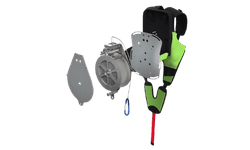
For residential high-rise buildings where chute installation is impractical, personal controlled descent devices provide an individualized solution. The SkySaver CDD gives each resident their own escape capability through any window, without requiring any external building modification beyond a simple wall anchor. Unlike a chute that serves a single entry point per floor, a controlled descent device works from wherever the user is — their own apartment.
The SkySaver Single Self-Rescue Kit weighs a fraction of what even a single-floor chute installation weighs and stores in any closet. There are no building-wide installation costs, no aesthetic impact, and no ongoing maintenance burden on building management. For families, the Family Edition allows parents and children to evacuate together, addressing the accessibility gap that chute systems cannot resolve for young children.
Choosing the Right Evacuation Approach
Fire escape chutes remain valuable for specific applications — industrial facilities, commercial buildings with trained occupants, and new construction where chute access points can be integrated into the architectural design from the outset. For existing residential high-rise buildings and for individual residents seeking personal safety solutions, controlled descent devices from SkySaver offer superior practicality, accessibility, and value. Explore the complete range of personal evacuation technology at the SkySaver shop and choose a solution that puts escape capability directly in your hands.
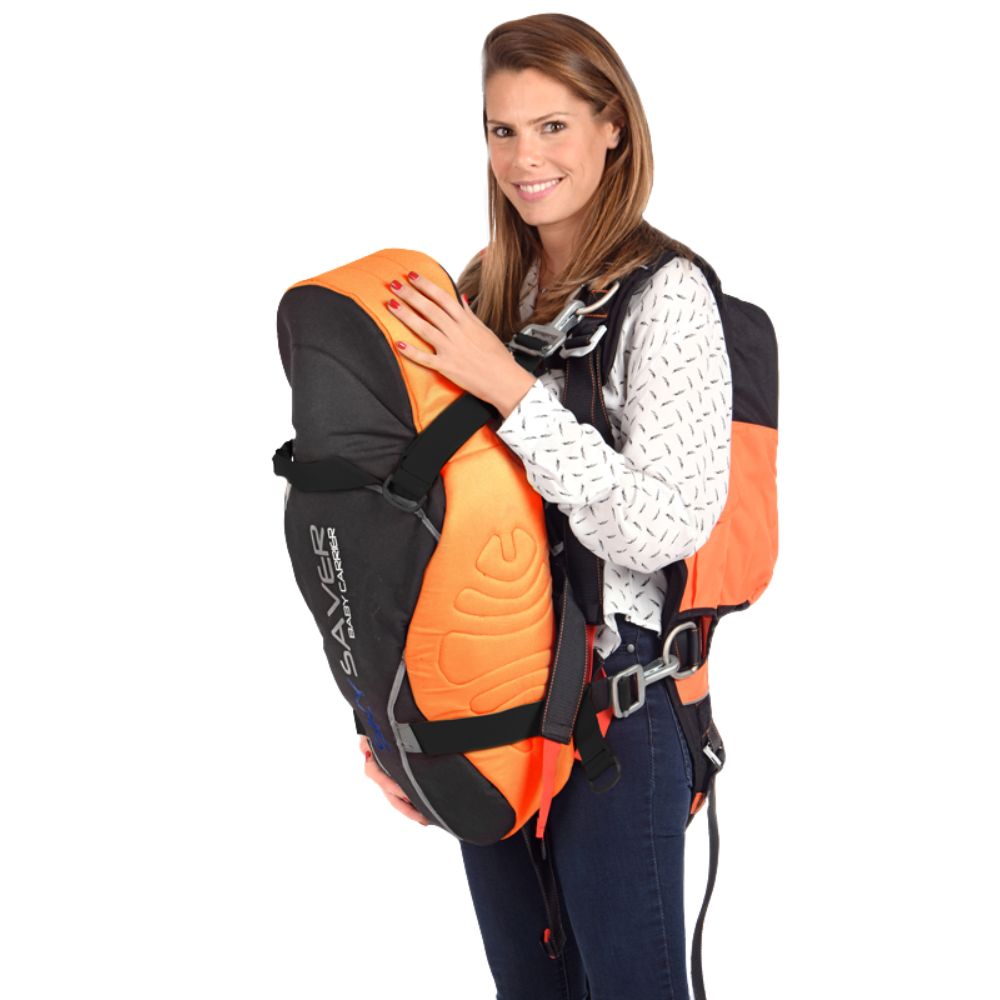
Attachable Baby Harness
Lightweight safety harness for fast and secure infant evacuation in high-rise emergencies.
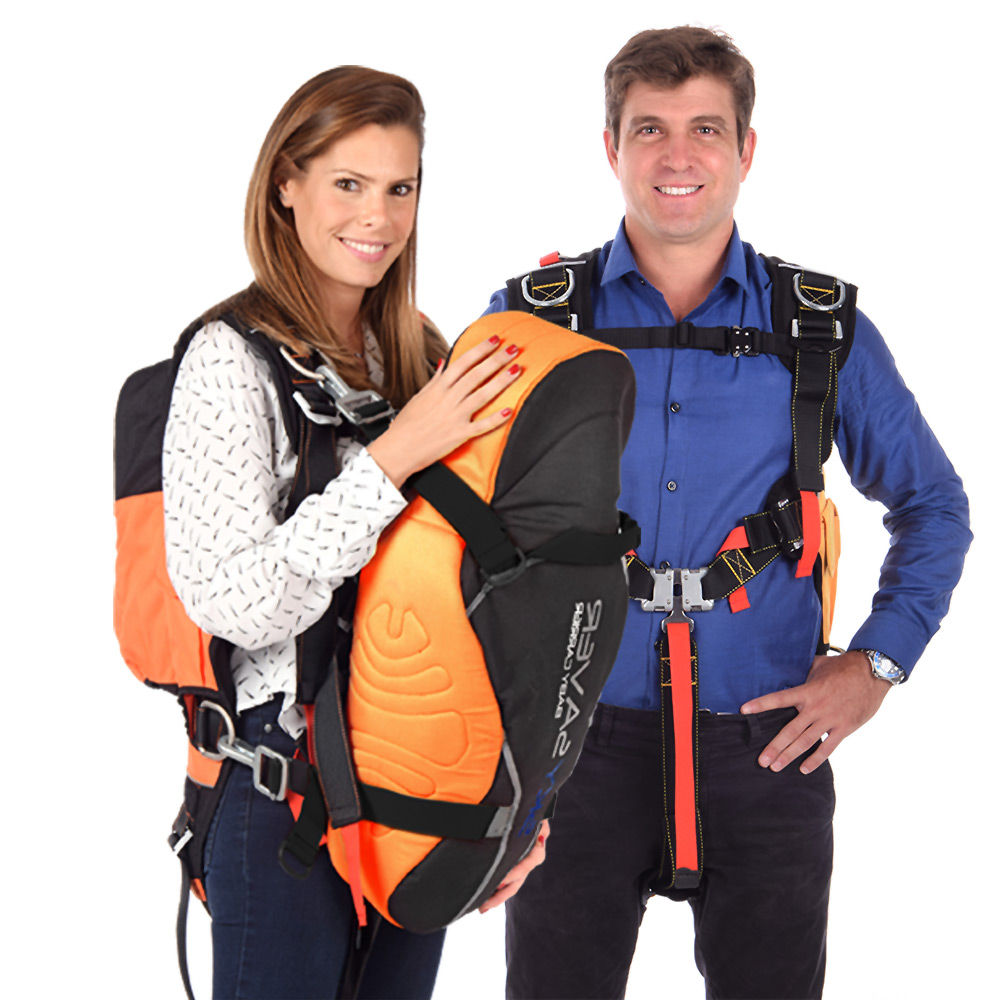
Parent Package
Complete emergency evacuation kit for the parent and dependant. Fast, safe descent from high-rise buildings.
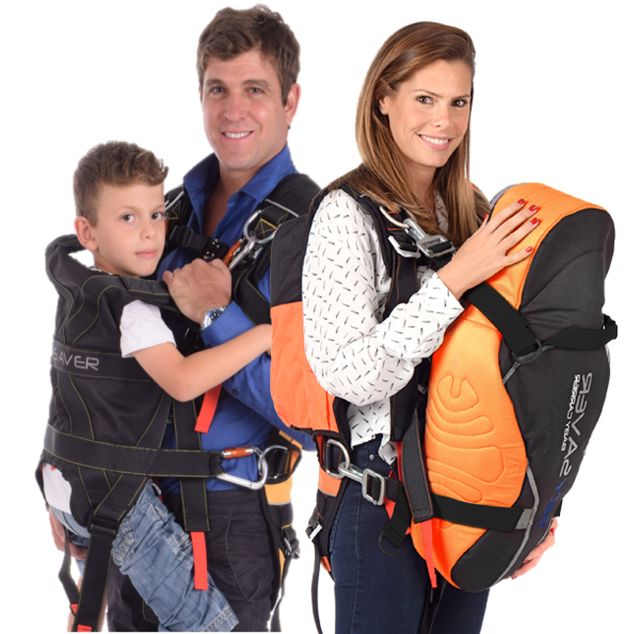
Parent Edition
Complete high-rise evacuation solution for a parent, maximum safety and fast deployment.
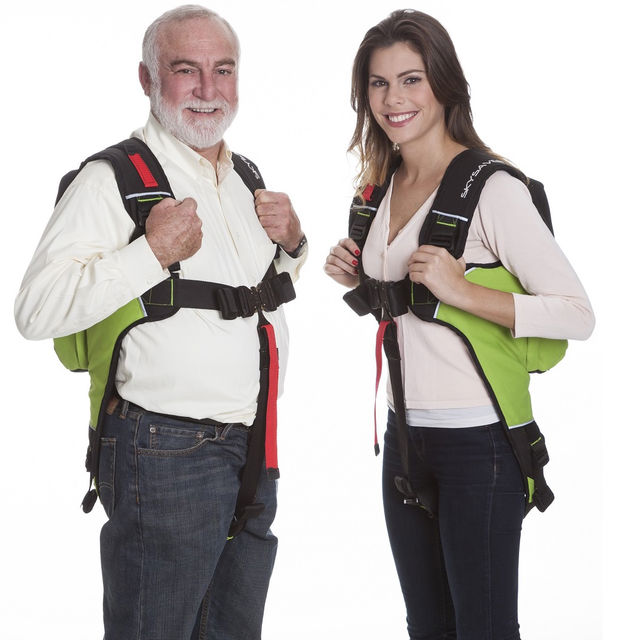
Single Self-Rescue Kit
Complete emergency evacuation kit for high-rise fast, safe descent during critical emergencies.
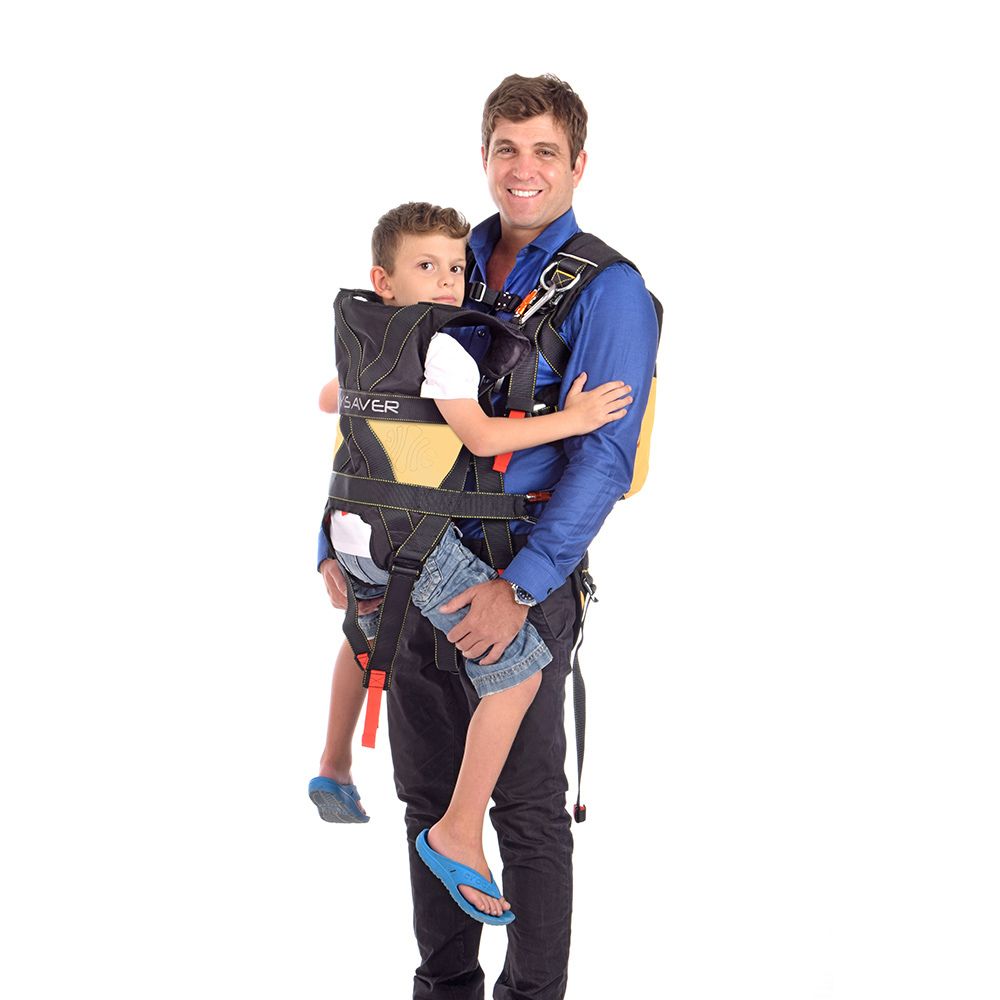
Attachable Child Harness
Lightweight child safety harness designed for secure, controlled evacuation from high-rise buildings.
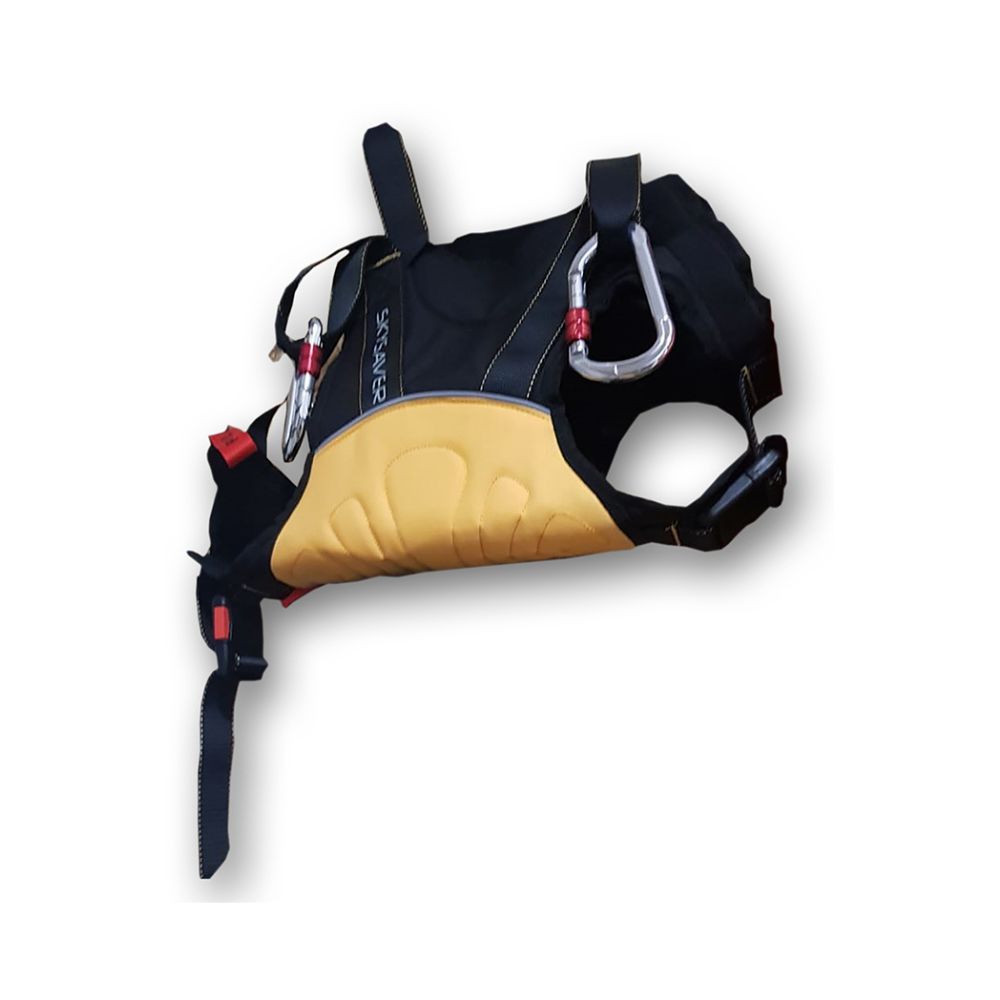
Attachable Pet Harnesses
Secure, lightweight safety harness designed for fast and controlled pet evacuation from high-rise buildings.
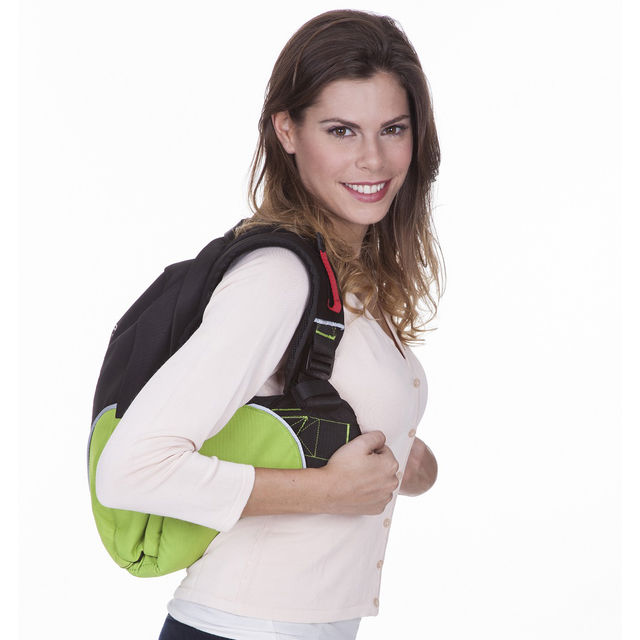
single Self-Rescue Harnesseses
Professional external safety harness for secure personal evacuation from high-rise buildings.
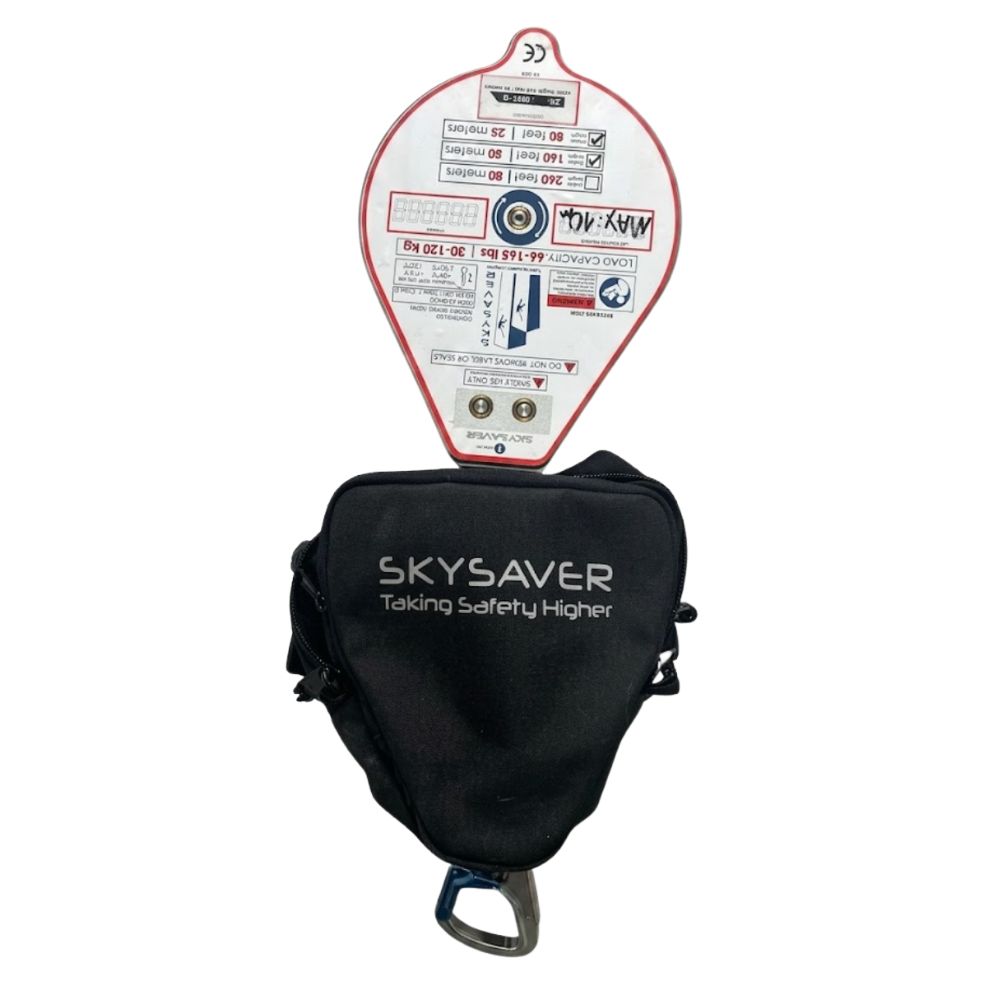
Controlled Descent Device (CDD)
External CDD unit for safe, controlled descent during high-rise emergency evacuation.