Proper evacuation equipment is the backbone of any building’s emergency preparedness strategy. From fire extinguishers and smoke detectors to specialized rescue devices and communication systems, the equipment a building provides — and that individual occupants maintain — determines how effectively people can escape during an emergency. This guide covers the essential evacuation equipment categories that every commercial and residential building should have in place, with particular attention to the specialized needs of multi-story structures.
Fire Detection and Warning Equipment
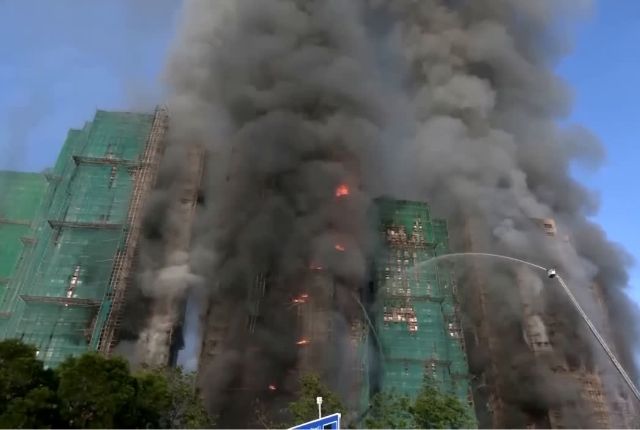
The first and most critical category of evacuation equipment is fire detection. Smoke detectors, heat sensors, and flame detection systems provide the earliest possible warning that a fire has started. In commercial buildings, these systems are typically hardwired, monitored, and connected to automatic notification systems. In residential buildings, individual smoke detectors in each unit are supplemented by common-area detection systems that trigger building-wide alarms.
Warning systems must be audible and visible throughout the building. Speakers deliver voice announcements with specific evacuation instructions, while strobes and flashing lights alert hearing-impaired occupants. Modern systems provide zone-specific messaging, telling occupants on different floors whether to evacuate immediately, shelter in place, or prepare to evacuate on further instruction.
Fire Suppression Equipment
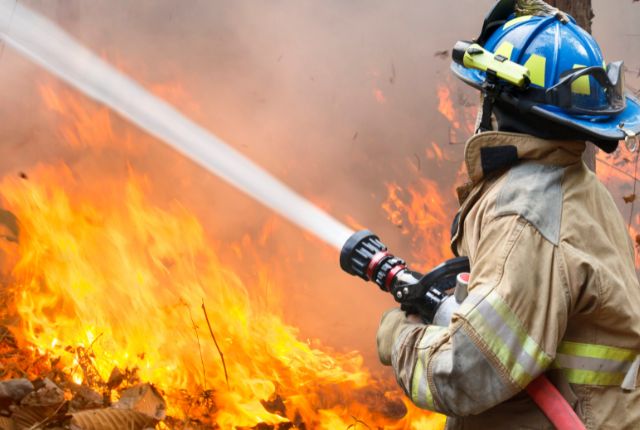
Portable fire extinguishers should be available on every floor of a commercial building and in every residential unit. ABC-rated extinguishers handle the most common fire types — ordinary combustibles, flammable liquids, and electrical fires. Building occupants should know the location of the nearest extinguisher and understand the PASS technique: Pull the pin, Aim at the base, Squeeze the handle, and Sweep side to side.
Automatic sprinkler systems represent the most effective building-wide suppression technology. Sprinklers activate individually in response to heat, applying water directly to the fire source while leaving unaffected areas dry. In high-rise buildings, sprinklers have been demonstrated to control or extinguish fires before they can spread beyond the room of origin in the vast majority of cases.
Personal Evacuation Equipment
For multi-story buildings, personal evacuation equipment bridges the gap between building-wide systems and individual safety. Evacuation chairs allow trained personnel to assist mobility-impaired occupants down stairwells. Emergency lighting and glow-in-the-dark wayfinding markers guide evacuees through darkened corridors and stairwells. Personal smoke hoods provide a few minutes of respiratory protection during evacuation through lightly smoky areas.
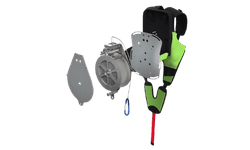
For high-rise residents, the most important personal evacuation equipment is a controlled descent device. The SkySaver Single Self-Rescue Kit provides an independent escape route through any window, working when all other exit routes are blocked. The SkySaver CDD uses automatic speed control to ensure safe descent regardless of the user’s weight or physical condition. For families, the Family Edition includes child harness attachments for complete family evacuation capability.
Communication Equipment
Emergency communication systems enable coordination between building management, occupants, and emergency services during an evacuation. Two-way radios for fire wardens, intercom systems in stairwells and refuge areas, and dedicated emergency phone lines provide essential communication channels when cellular networks may be overwhelmed by call volume during a major emergency.
Building Your Equipment Strategy
The most effective evacuation equipment strategy layers building-wide systems with personal equipment for every occupant. Building managers should ensure compliance with all applicable fire codes while encouraging residents to invest in personal safety equipment. Visit the SkySaver shop to explore the personal evacuation equipment that completes your building’s safety profile and gives every occupant independent escape capability.
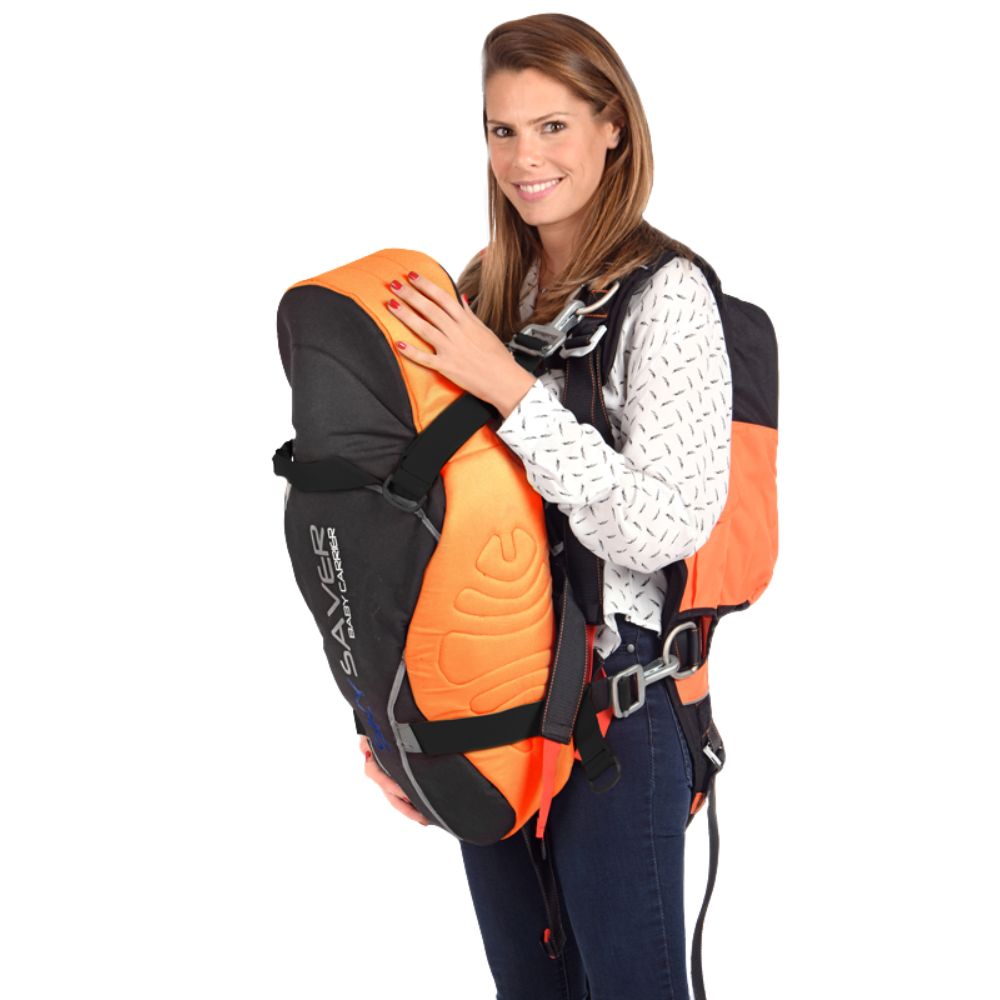
Attachable Baby Harness
Lightweight safety harness for fast and secure infant evacuation in high-rise emergencies.
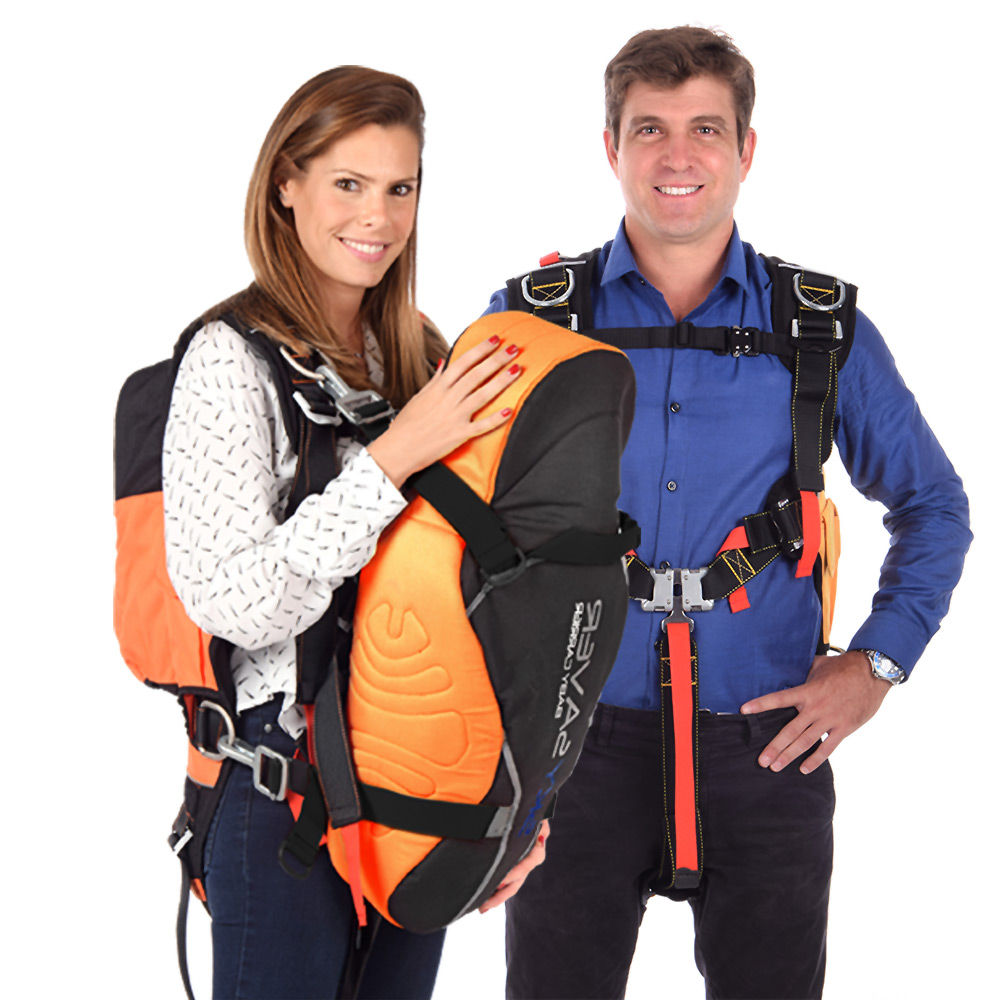
Parent Package
Complete emergency evacuation kit for the parent and dependant. Fast, safe descent from high-rise buildings.
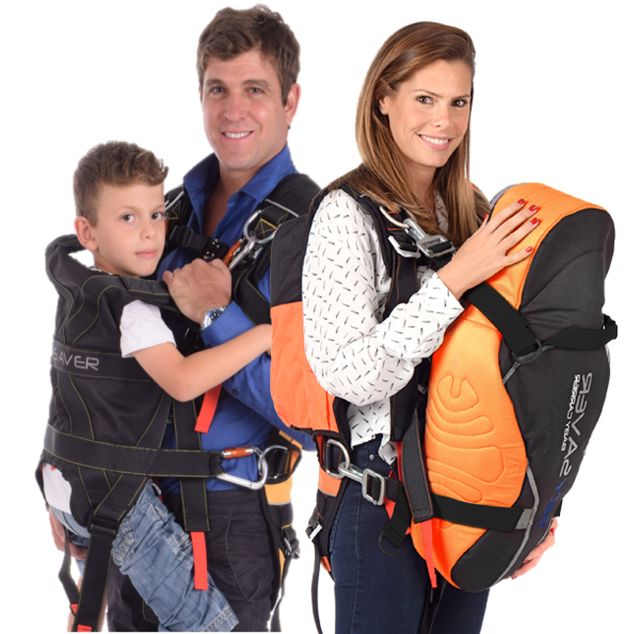
Parent Edition
Complete high-rise evacuation solution for a parent, maximum safety and fast deployment.
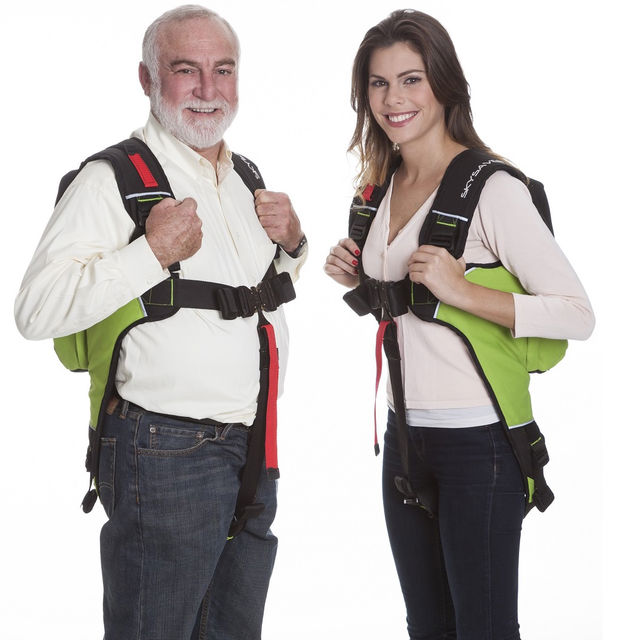
Single Self-Rescue Kit
Complete emergency evacuation kit for high-rise fast, safe descent during critical emergencies.
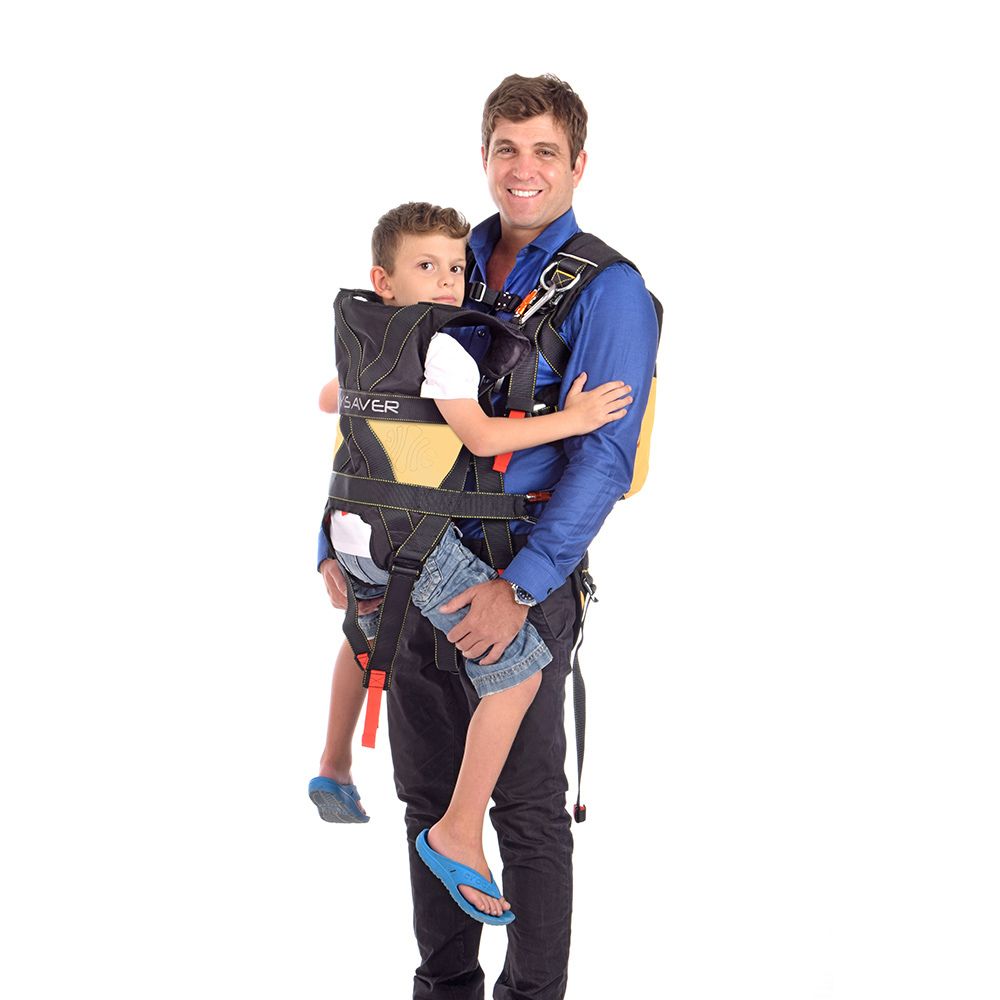
Attachable Child Harness
Lightweight child safety harness designed for secure, controlled evacuation from high-rise buildings.
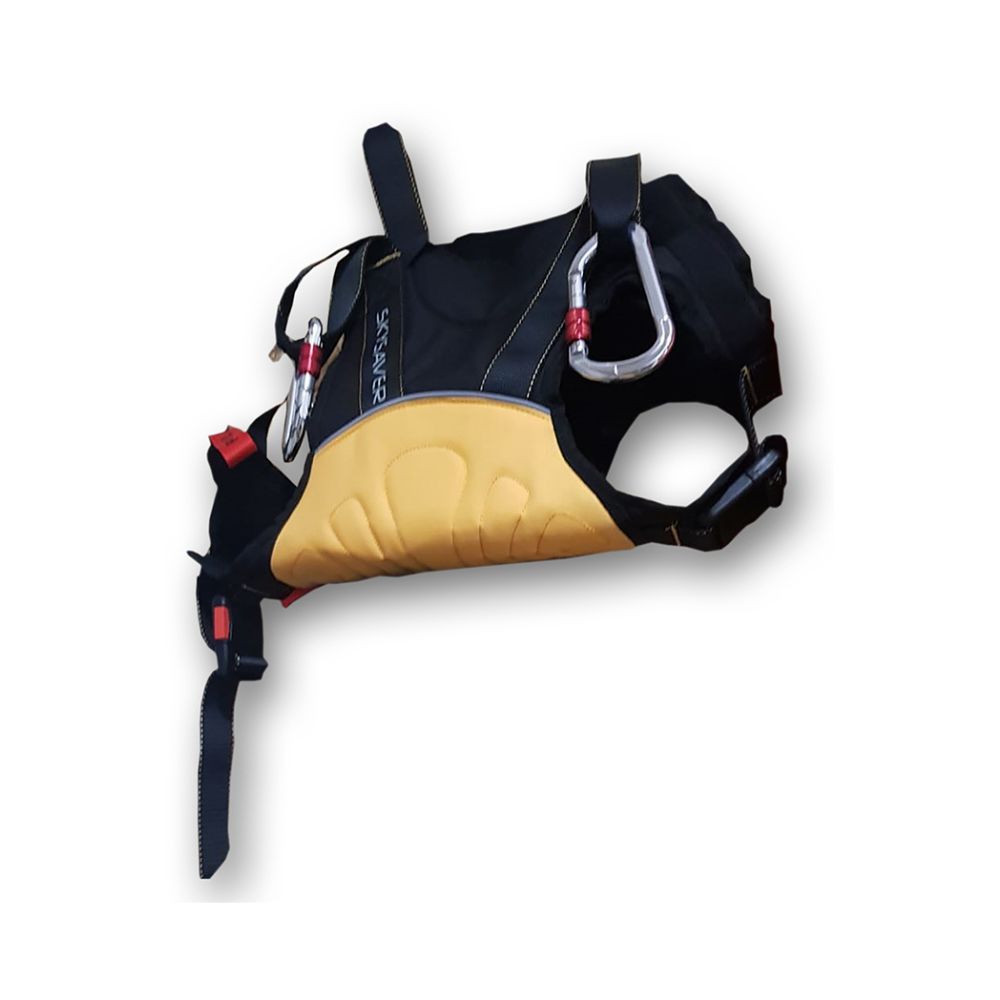
Attachable Pet Harnesses
Secure, lightweight safety harness designed for fast and controlled pet evacuation from high-rise buildings.
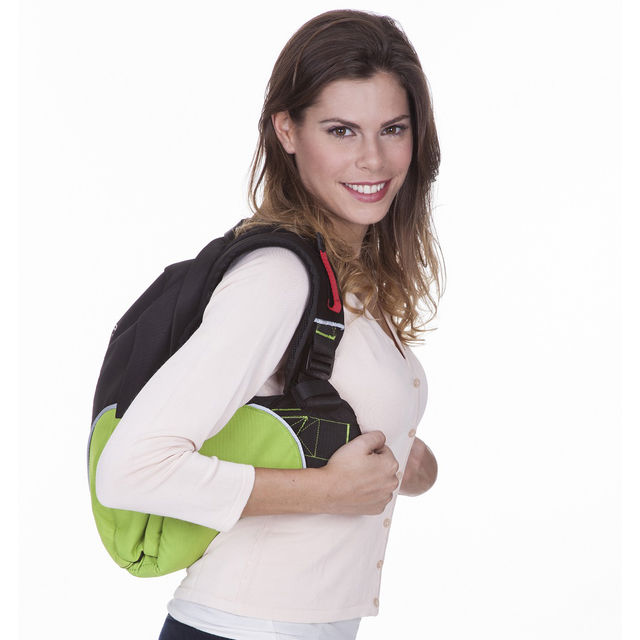
single Self-Rescue Harnesseses
Professional external safety harness for secure personal evacuation from high-rise buildings.
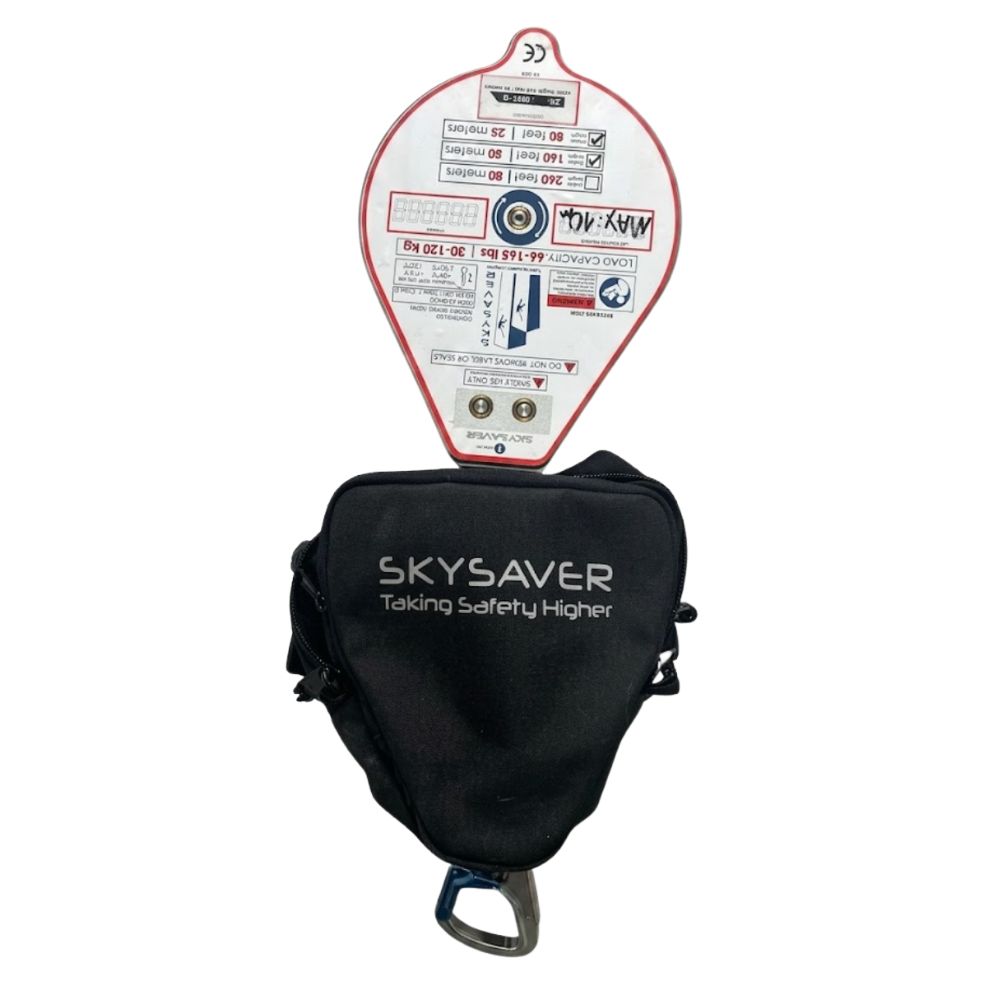
Controlled Descent Device (CDD)
External CDD unit for safe, controlled descent during high-rise emergency evacuation.