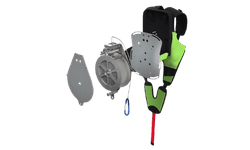
When a personal safety device is designed for use in an emergency, the question of mechanical performance — whether it works — is only part of the evaluation. Equally important is the question of whether real people, in the physical and psychological conditions of a genuine emergency, can actually use it correctly and quickly. This is the domain of ergonomic testing: the systematic evaluation of how well a device fits, feels, and operates within the constraints and capabilities of the human body and mind under stress.

Why Ergonomics Matter in Emergency Equipment
A device that performs perfectly in engineering tests but that real users cannot operate correctly under pressure provides no meaningful safety benefit. The history of emergency equipment design includes numerous examples of devices that were technically sound but ergonomically flawed — equipment that required too many steps, that was too heavy to handle under panic, or that demanded fine motor skills that are significantly compromised under adrenaline and fear.
Fire emergencies are among the most psychologically disruptive events that a person can experience. The combination of disorienting alarms, visible or smelled smoke, shouting, and the acute awareness of danger creates a cognitive state in which complex procedures become extremely difficult to execute correctly. Research on emergency response behavior consistently shows that under high stress, people revert to practiced, automatic responses — and that novel, multi-step procedures are frequently executed incorrectly or abandoned entirely.
SkySaver’s Approach to Ergonomic Design
SkySaver’s development process incorporated ergonomic evaluation from the beginning, not as an afterthought at the end of the engineering process. The fundamental design goal — that the device should be usable by any person, regardless of physical fitness, prior training, or experience with safety equipment — shaped every aspect of the product’s design, from the weight distribution of the backpack to the simplicity of the harness attachment system.
The three-step operation of the SkySaver device — strap on the backpack, clip to the anchor, step out — was the result of extensive simplification. Earlier design iterations included more steps, more components, and more user decisions. Each additional step or decision point represents an opportunity for error under stress. The design process worked backward from the goal of maximum usability under emergency conditions, eliminating complexity wherever it was not essential to performance.

Who Was Tested?
Meaningful ergonomic testing requires a test population that reflects the actual range of people who will use the device in a real emergency. This means not just young, physically fit adults operating the device under calm conditions, but individuals across a wide range of ages, body types, and physical capabilities — including older adults, people with limited mobility, and individuals who have never previously encountered the device. SkySaver’s ergonomic testing involved participants from across this spectrum, evaluating not just whether they could operate the device but how long it took, where they encountered difficulties, and what design changes could resolve those difficulties.
The harness system, in particular, went through multiple design iterations based on ergonomic feedback. A harness that is easy to put on correctly while seated and calm becomes much more challenging when the user is standing, anxious, and potentially in poor light or smoky conditions. The final harness design reflects numerous refinements aimed at making correct operation intuitive and fast under exactly these conditions.
Weight, Packaging, and the Backpack Form Factor
The decision to house the SkySaver device in a backpack was itself an ergonomic choice. A backpack is a form factor that the vast majority of adults are familiar with, know how to put on quickly, and are comfortable wearing while moving. Alternative form factors — harness cases, belt-worn pouches, or wall-mounted systems — all presented ergonomic trade-offs that the backpack design resolved most effectively for the broadest range of users.
The weight of the packed device was another carefully considered parameter. A device that is too heavy to be comfortably stored in a bedroom or quickly grabbed in an emergency negates many of its practical benefits. The SkySaver backpack is designed to be light enough for comfortable handling by the full range of intended users, while housing all the necessary components — cable, braking mechanism, harness, and anchor — in a compact and accessible configuration.
Certification of Ergonomic Performance
Alongside the mechanical safety certifications covered by SII and international standards testing, SkySaver’s ergonomic performance is documented through the testing process and informs the user guidance and training materials provided with the device. Users who take a few minutes to familiarize themselves with the device before an emergency — opening the backpack, handling the harness, understanding the anchor attachment — will find the actual emergency operation significantly faster and more intuitive than those who encounter the device for the first time in a crisis.
At SkySaver, we believe that the best emergency device is one that requires the least emergency thinking to operate. Explore SkySaver’s personal escape solutions and experience firsthand the ergonomic design choices that make it accessible to every member of your household.
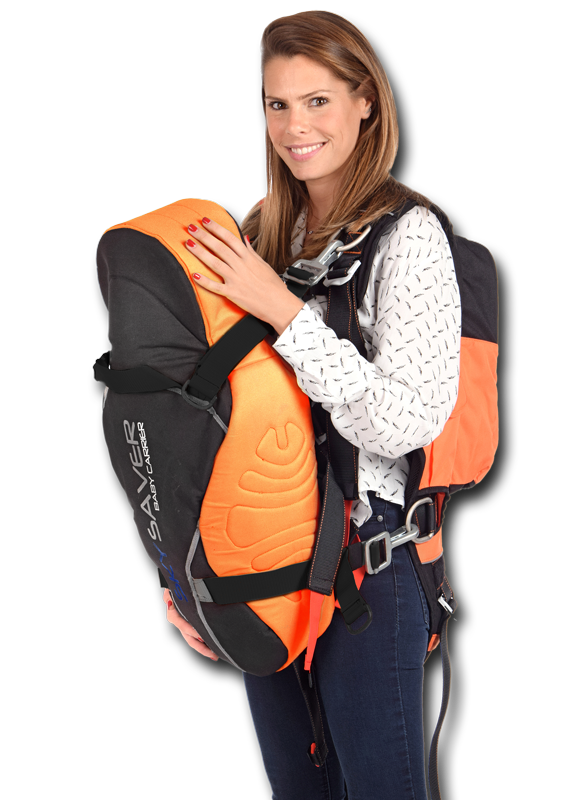
Attachable Baby Harness
Lightweight safety harness for fast and secure infant evacuation in high-rise emergencies.
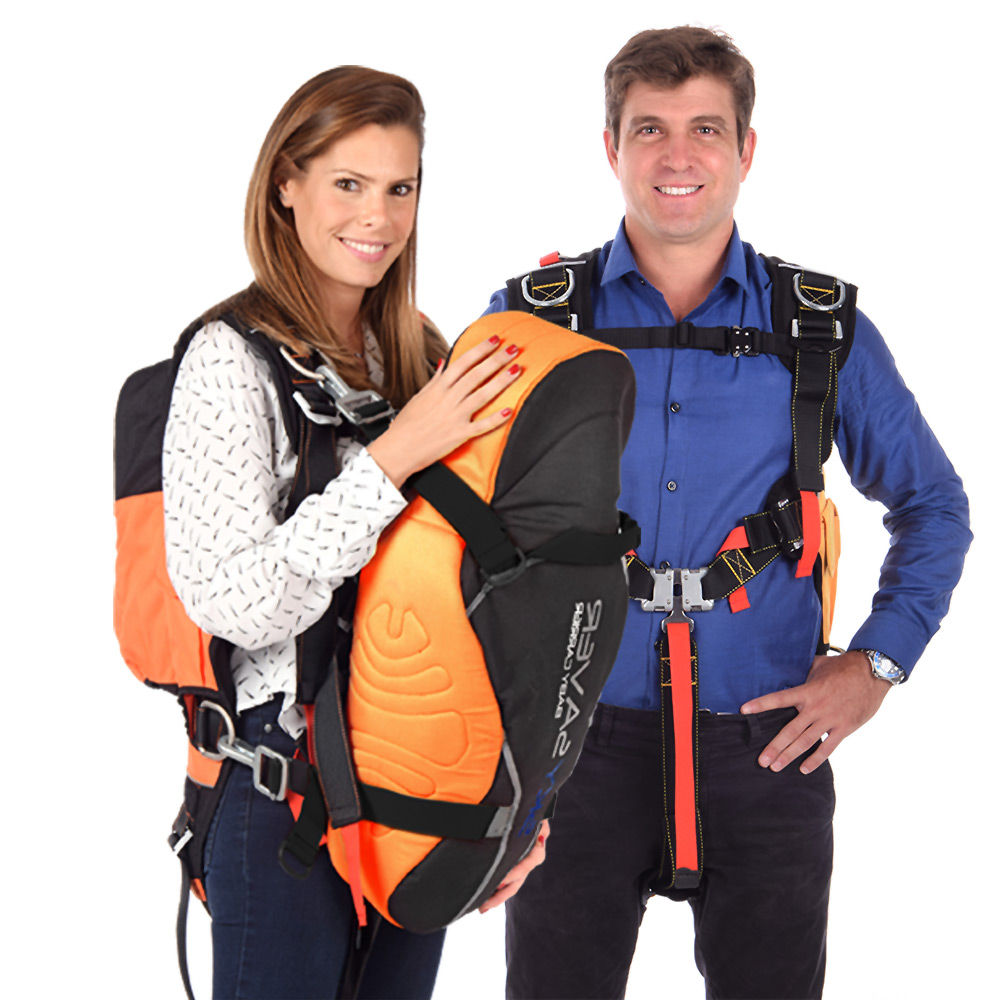
Parent Package
Complete emergency evacuation kit for the parent and dependant. Fast, safe descent from high-rise buildings.
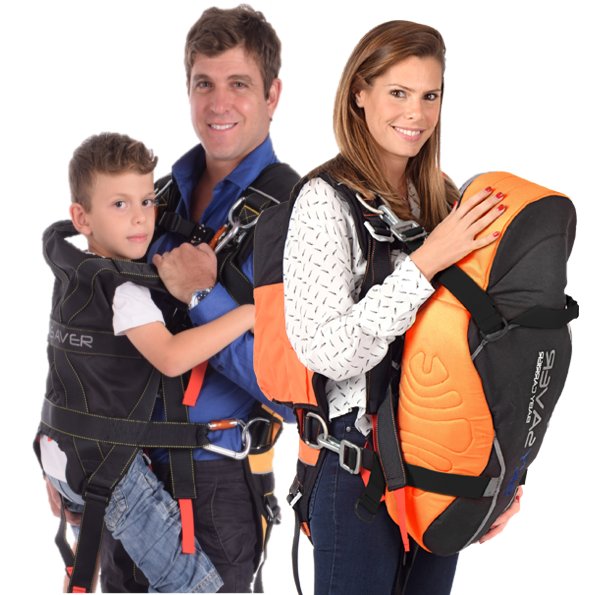
Parent Edition
Complete high-rise evacuation solution for a parent, maximum safety and fast deployment.

Single Self-Rescue Kit
Complete emergency evacuation kit for high-rise fast, safe descent during critical emergencies.
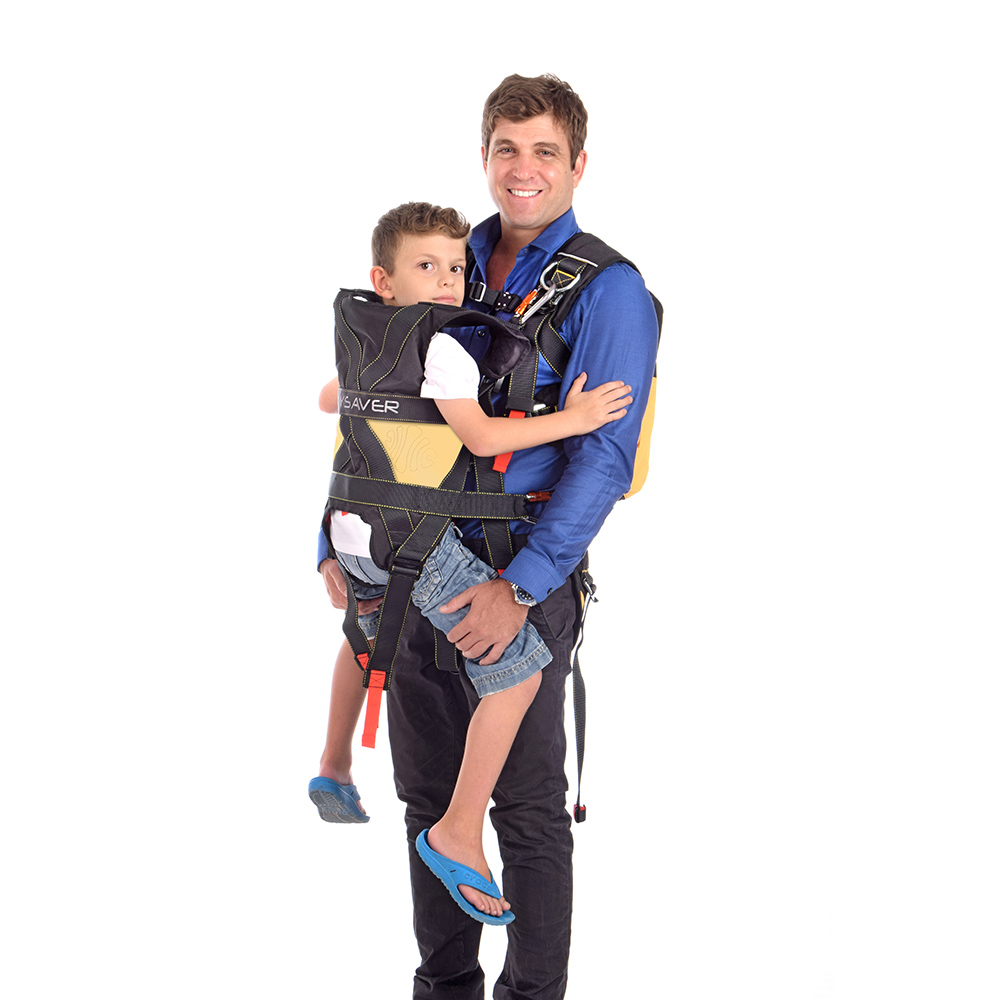
Attachable Child Harness
Lightweight child safety harness designed for secure, controlled evacuation from high-rise buildings.
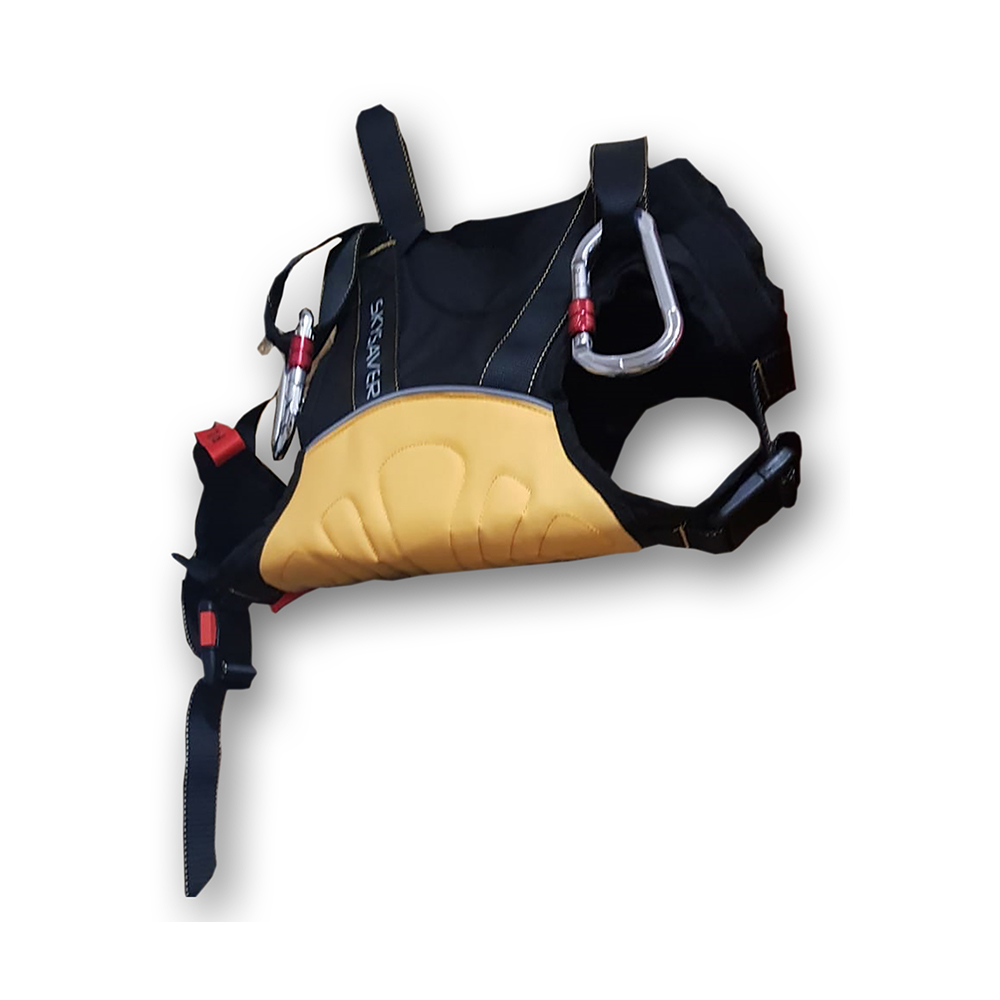
Attachable Pet Harnesses
Secure, lightweight safety harness designed for fast and controlled pet evacuation from high-rise buildings.

single Self-Rescue Harnesseses
Professional external safety harness for secure personal evacuation from high-rise buildings.
Controlled Descent Device (CDD)
Advanced backpack-based evacuation unit with harness attachment option for high-rise emergencies.