When a fire breaks out in a building, professional help may be minutes or even hours away. In those critical moments between fire detection and rescue arrival, your ability to self-rescue can determine whether you survive. Emergency self-rescue encompasses the knowledge, skills, and equipment that allow building occupants to evacuate independently without waiting for firefighter assistance. For high-rise residents in particular, self-rescue capability is not optional — it is essential.
Assessing Your Situation
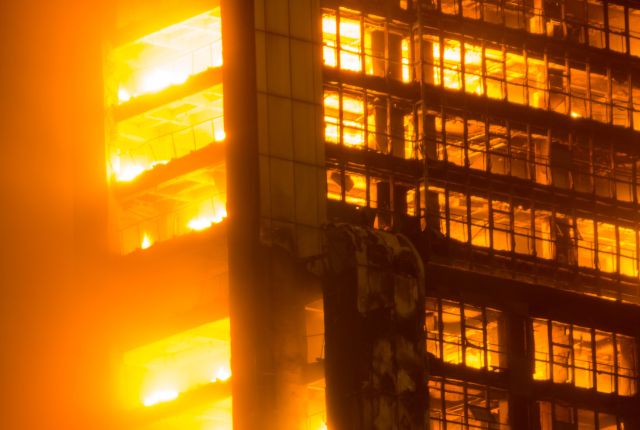
The first step in any self-rescue scenario is rapid situation assessment. Before taking any action, you need to determine three things: where the fire is relative to your location, what exit routes are available, and what equipment you have access to. Touch doors before opening them — a hot door means fire on the other side. Look for smoke in hallways — thick smoke means the corridor is not safe for passage. Listen for fire sounds — crackling and roaring indicate active burning nearby.
If your primary exit route through the hallway and stairwell is clear of heavy smoke, use it immediately. Walk briskly, stay low if there is light smoke, and proceed to the nearest stairwell. Do not use elevators. If the stairwell is also clear, descend to ground level and exit the building. This is the simplest and most common self-rescue scenario.
Self-Rescue When Exits Are Blocked
When fire or smoke blocks your hallway or stairwell access, your self-rescue options narrow to window-based evacuation. Return to your apartment, close and seal the door against smoke, and move to a room with windows. This is where pre-positioned equipment becomes critical. A personal controlled descent device like the SkySaver Single Self-Rescue Kit transforms your window from a dead end into a viable escape route.
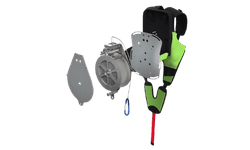
The self-rescue sequence with a controlled descent device is straightforward: retrieve the device from its storage location near your escape window, put on the harness, clip to the pre-installed wall anchor, and step out the window. The SkySaver CDD handles everything else automatically — its friction braking mechanism controls your descent speed to a safe, consistent rate regardless of your weight. No technical skill required, no complex procedures to remember under stress.
Protecting Yourself While Awaiting Rescue
If you do not have a descent device and cannot safely reach a stairwell, your self-rescue strategy shifts to survival in place until firefighters arrive. Seal your room against smoke by stuffing wet towels under doors and covering vents. Stay near windows for fresh air access. Signal your location to rescuers using a flashlight, bright clothing hung from the window, or a whistle. Call emergency services with your exact location information.
Stay low — toxic gases and heat rise, so the air near the floor is coolest and most breathable. Cover your nose and mouth with a wet cloth. Do not break windows unless absolutely necessary for air, as broken glass cannot be closed if conditions change and outside smoke needs to be blocked.
Preparing for Self-Rescue
Effective self-rescue begins with preparation long before an emergency occurs. Install a SkySaver CDD anchor bracket near your designated escape window. Store the descent device where you can find it in complete darkness. Practice putting on the harness until the process becomes automatic. For families, the Family Edition ensures that children can evacuate with parents using specialized harness attachments.
Self-rescue capability is the most empowering investment in personal safety you can make. Rather than depending entirely on building systems and emergency services — both of which can fail or be delayed — a personal descent device from SkySaver puts your survival directly in your own hands. Visit the SkySaver shop to choose the self-rescue solution that fits your building and family needs.
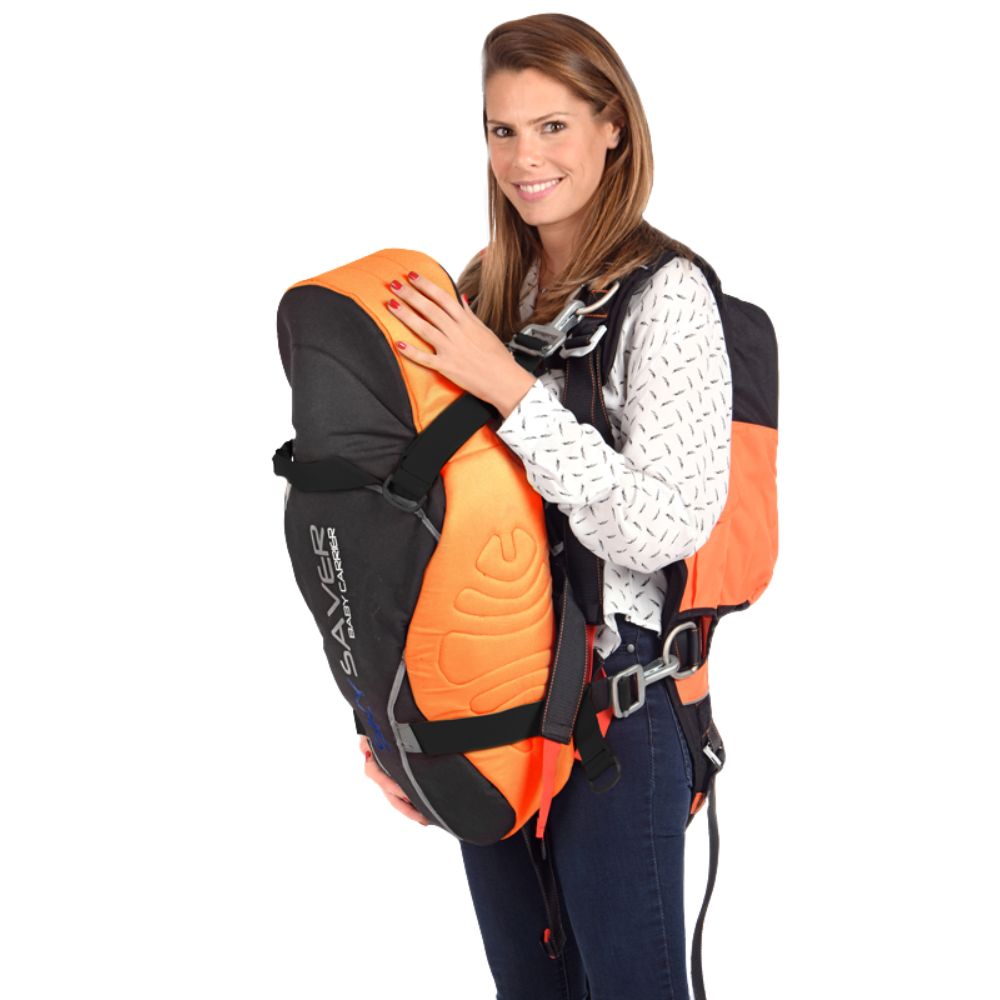
Attachable Baby Harness
Lightweight safety harness for fast and secure infant evacuation in high-rise emergencies.
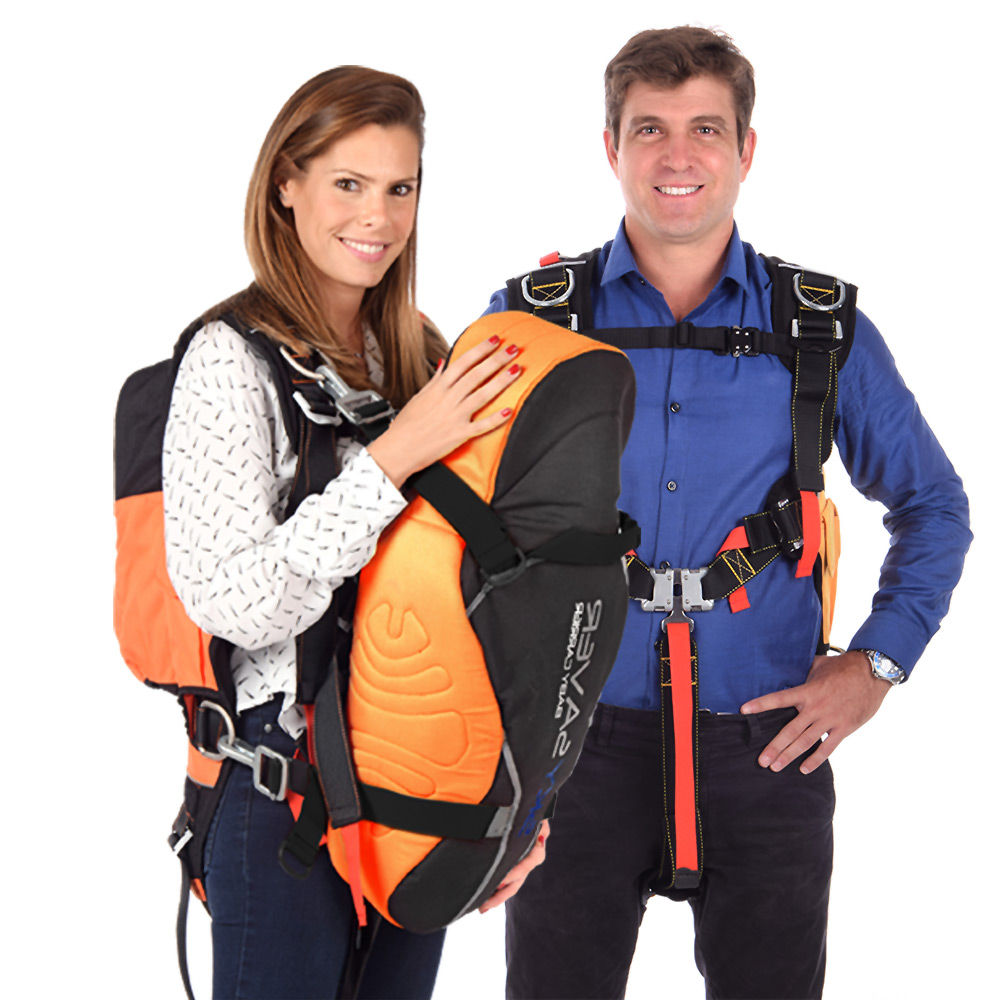
Parent Package
Complete emergency evacuation kit for the parent and dependant. Fast, safe descent from high-rise buildings.
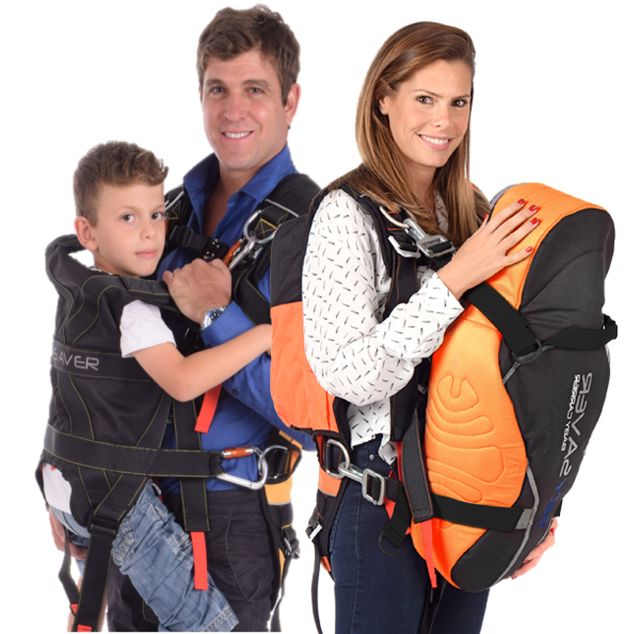
Parent Edition
Complete high-rise evacuation solution for a parent, maximum safety and fast deployment.
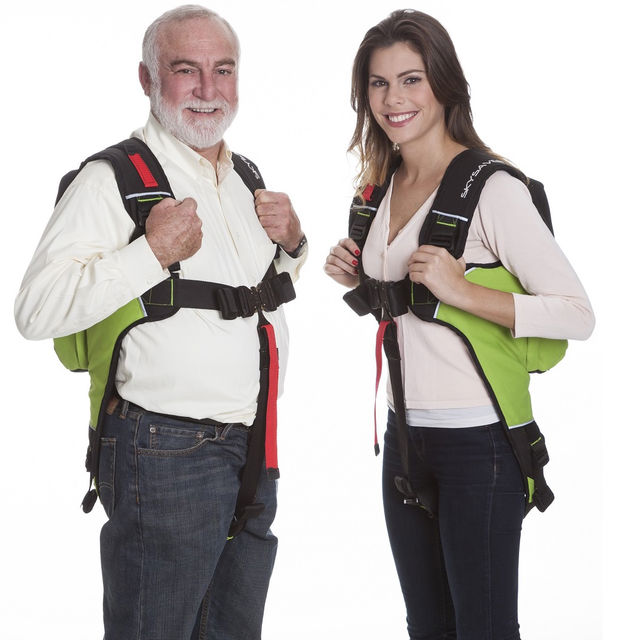
Single Self-Rescue Kit
Complete emergency evacuation kit for high-rise fast, safe descent during critical emergencies.
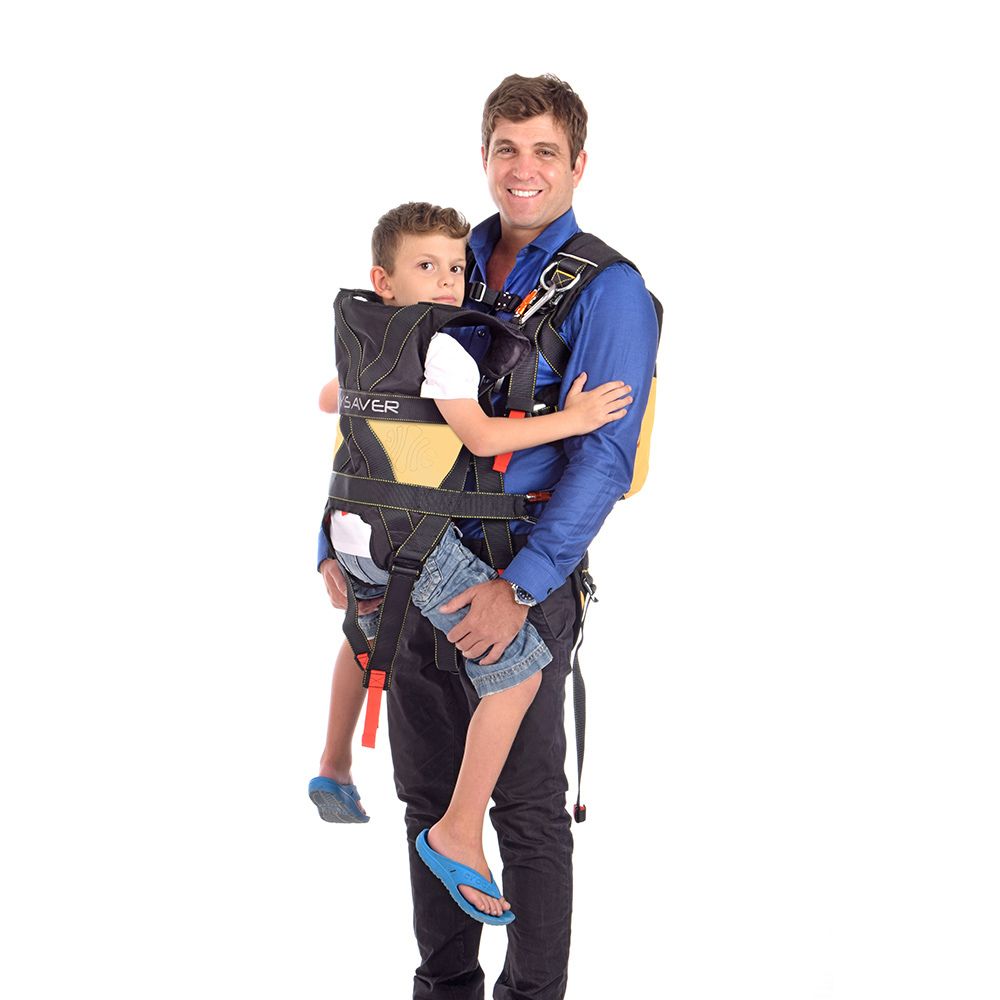
Attachable Child Harness
Lightweight child safety harness designed for secure, controlled evacuation from high-rise buildings.
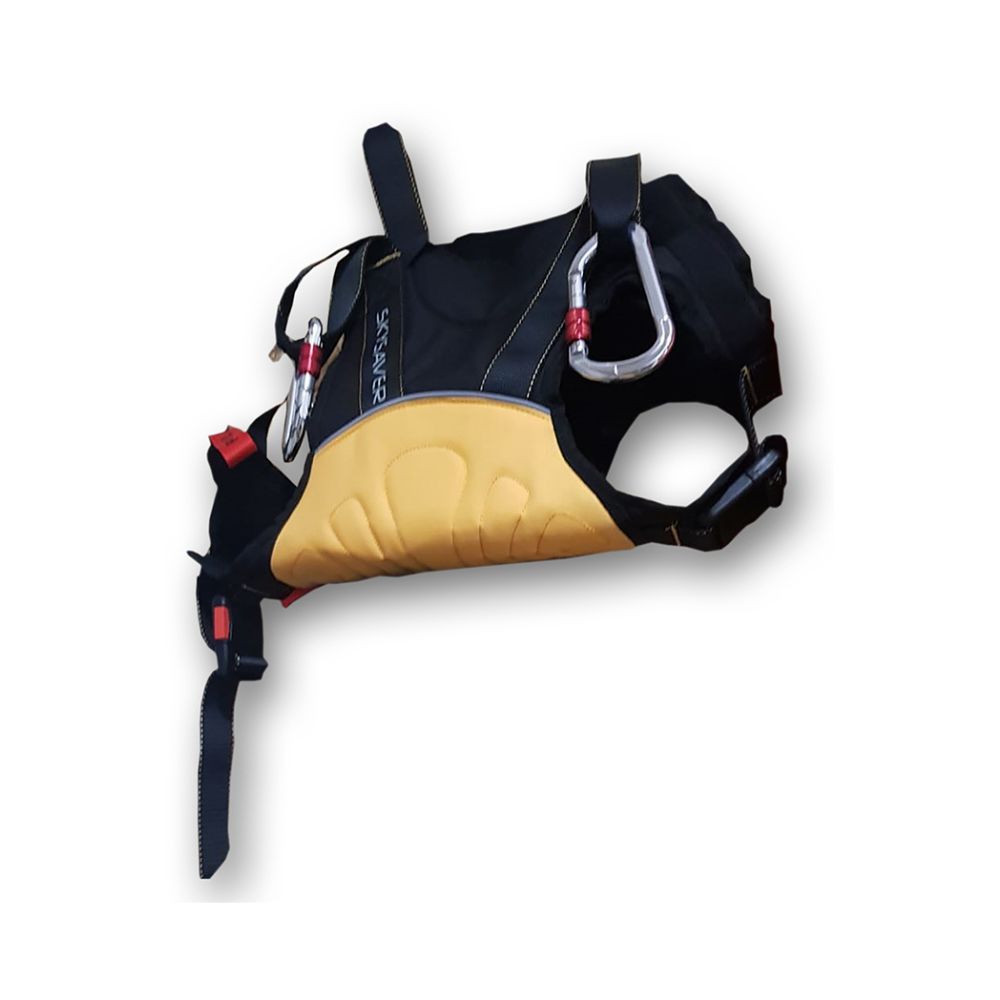
Attachable Pet Harnesses
Secure, lightweight safety harness designed for fast and controlled pet evacuation from high-rise buildings.
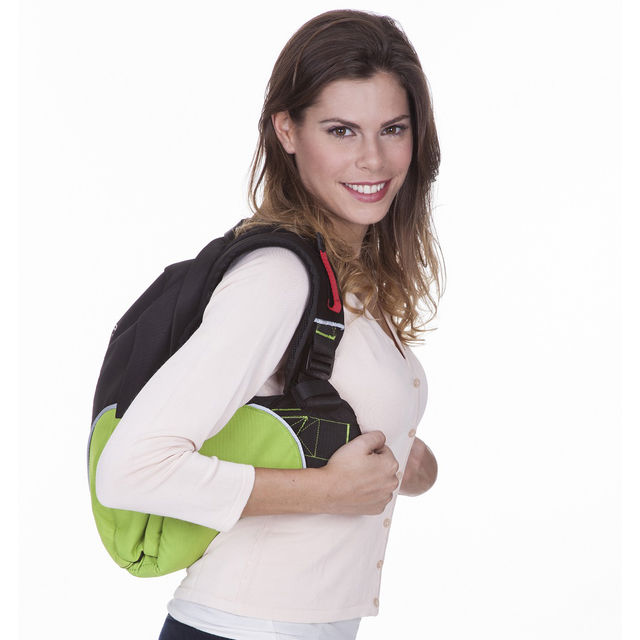
single Self-Rescue Harnesseses
Professional external safety harness for secure personal evacuation from high-rise buildings.
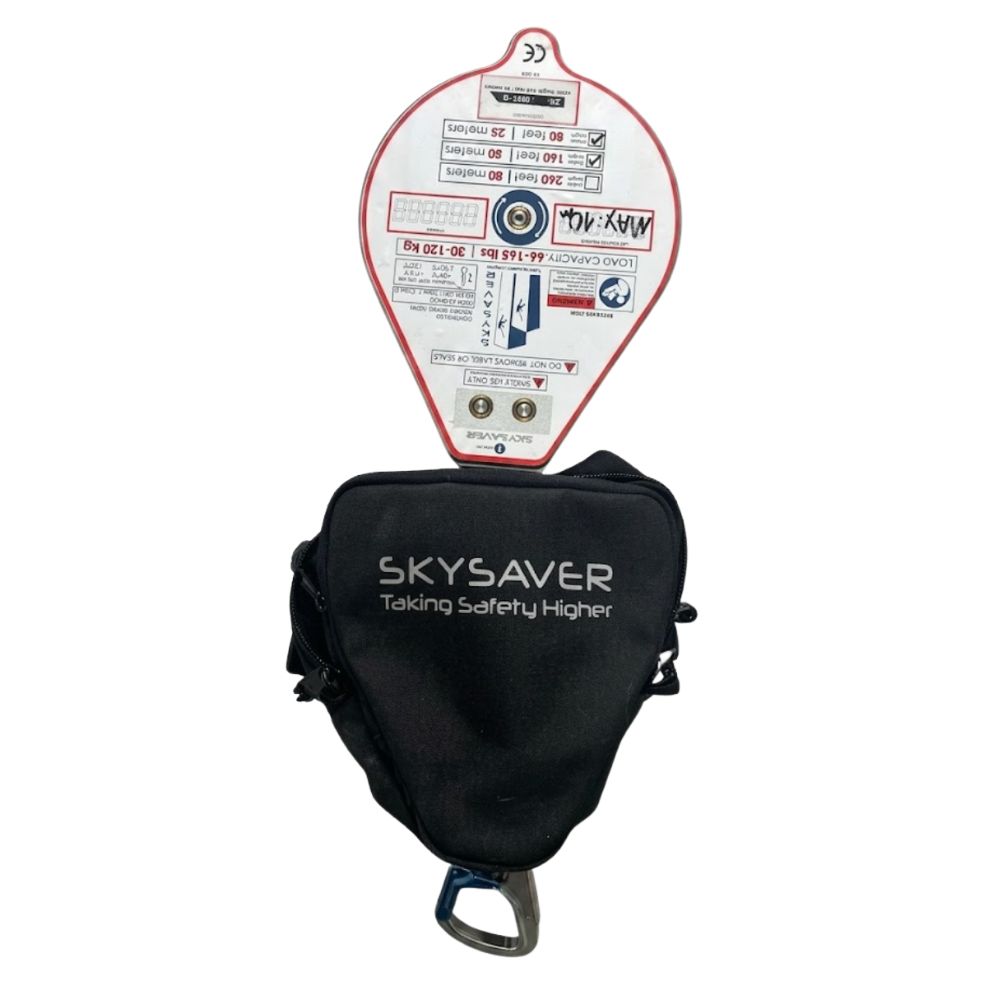
Controlled Descent Device (CDD)
External CDD unit for safe, controlled descent during high-rise emergency evacuation.