Designing and implementing an effective emergency evacuation system for a high-rise building is one of the most complex challenges in modern building safety engineering. As structures reach fifty, seventy, or even a hundred floors, the fundamental question of how to safely move hundreds or thousands of occupants from upper levels to the ground during a fire or other emergency requires solutions that go far beyond traditional stairwell-based approaches. Building managers, property developers, and safety consultants must understand the full spectrum of available evacuation technologies to create comprehensive systems that protect every occupant in every scenario.
Components of a Modern Evacuation System
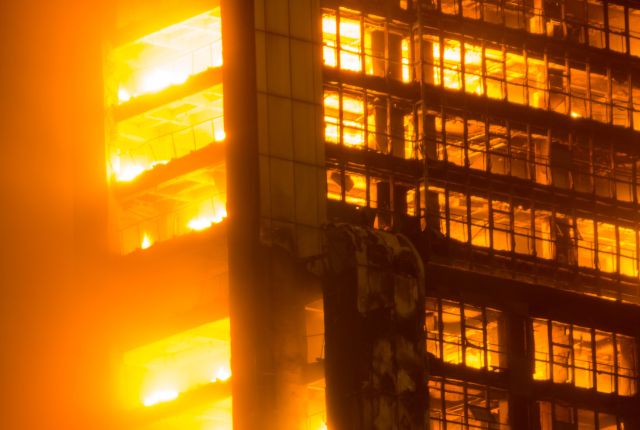
A comprehensive emergency evacuation system for a high-rise building integrates multiple layers of technology, each addressing a different aspect of the evacuation challenge. The foundation remains the building’s stairwell system — pressurized, fire-rated enclosures with emergency lighting, clear signage, and anti-slip surfaces. Modern building codes typically require at least two independent stairwells serving every floor, with smoke control systems that maintain breathable air quality during emergencies.
Fire detection and alarm systems form the early warning layer. Interconnected smoke detectors, heat sensors, and manual pull stations must provide building-wide notification within seconds of a fire being detected. Advanced systems integrate with building management platforms to identify the fire’s location, automatically adjust HVAC systems to prevent smoke spread, and provide floor-specific evacuation instructions through public address systems and visual displays.
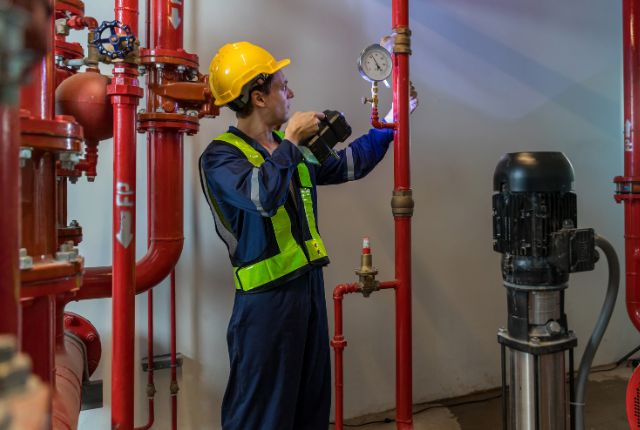
Sprinkler systems serve as the first line of active fire suppression, controlling or extinguishing fires before they grow large enough to threaten evacuation routes. Modern high-rise sprinkler systems are zoned and monitored, providing building management and fire departments with real-time data about which zones have activated and where the fire is most intense. This information directly supports evacuation decision-making by identifying which stairwells and corridors remain safe for use.
Beyond Stairwells: Advanced Evacuation Technologies
For buildings where stairwell capacity is insufficient for the occupant load, or where the building height makes stairwell descent impractical for significant portions of the population, supplementary evacuation technologies become essential. Evacuation elevators — purpose-built lifts with independent power supplies, pressurized shafts, and fire-resistant construction — can move large numbers of people rapidly from upper floors to ground level. Several countries now require evacuation elevators in buildings above certain heights.
Refuge floors provide intermediate safe zones within very tall buildings, allowing occupants to gather in fire-protected spaces while awaiting sequential evacuation or firefighter assistance. These floors typically feature enhanced structural fire resistance, independent ventilation systems, fire suppression, and communication equipment. While refuge floors do not complete the evacuation, they significantly reduce the immediate danger facing occupants who cannot descend the full height of the building quickly.
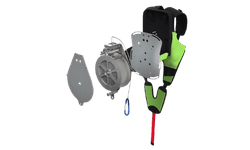
Personal controlled descent devices add a critical layer of individual capability to any building-wide evacuation system. The SkySaver CDD provides each resident or office occupant with an independent escape route through their own window, functioning regardless of the status of building-wide systems. When stairwells are compromised, elevators are unavailable, and refuge floors are beyond reach, a personal descent device becomes the last line of defense between an occupant and a fatal outcome.
Designing for Vulnerable Populations
An effective evacuation system must account for the full range of physical abilities within a building’s population. Elderly residents, people with disabilities, pregnant women, and young children all face unique evacuation challenges that standard stairwell-based systems do not adequately address. The Americans with Disabilities Act and equivalent international regulations require accessible evacuation provisions, but compliance with minimum standards does not guarantee safety during an actual emergency.
Evacuation chairs — both manual and motorized — provide stairwell descent capability for wheelchair users and others with mobility impairments. However, these devices require trained operators and depend on stairwells remaining passable. The SkySaver Single Self-Rescue Kit offers a complementary solution that works independently of stairwells, providing window-based evacuation capability for individuals who cannot navigate stairs. The Family Edition extends this capability to families with young children through specialized harness attachments.
Emergency Communication and Coordination
Modern evacuation systems rely heavily on communication technology to coordinate the movement of occupants and emergency responders. Two-way voice communication systems in stairwells and refuge areas allow fire wardens to report conditions and receive instructions from building command centers. Mass notification systems deliver targeted messages to specific floors or zones, directing occupants toward the safest available evacuation routes and away from compromised areas.
Integration with local fire department dispatch systems enables real-time information sharing between building management and responding units. Fire departments arriving at a building with advanced evacuation systems can immediately access data about fire location, stairwell conditions, sprinkler activation status, and the locations of occupants who may be trapped or require assistance. This information dramatically improves rescue efficiency and helps prioritize resources where they are needed most.
The Complete Evacuation Strategy
No single technology provides a complete evacuation solution for a high-rise building. The most effective approach layers multiple systems — stairwells, elevators, refuge areas, personal descent devices, and communication networks — to ensure that every occupant has at least two independent escape options available during any emergency scenario. Building managers should assess their specific building characteristics, occupant demographics, and local fire service capabilities when designing their evacuation strategy.
For building managers and individual residents looking to add personal evacuation capability to their existing safety infrastructure, SkySaver offers a range of controlled descent devices suitable for residential and commercial applications. Visit the SkySaver shop to explore solutions that complement your building’s evacuation system and provide every occupant with independent escape capability.
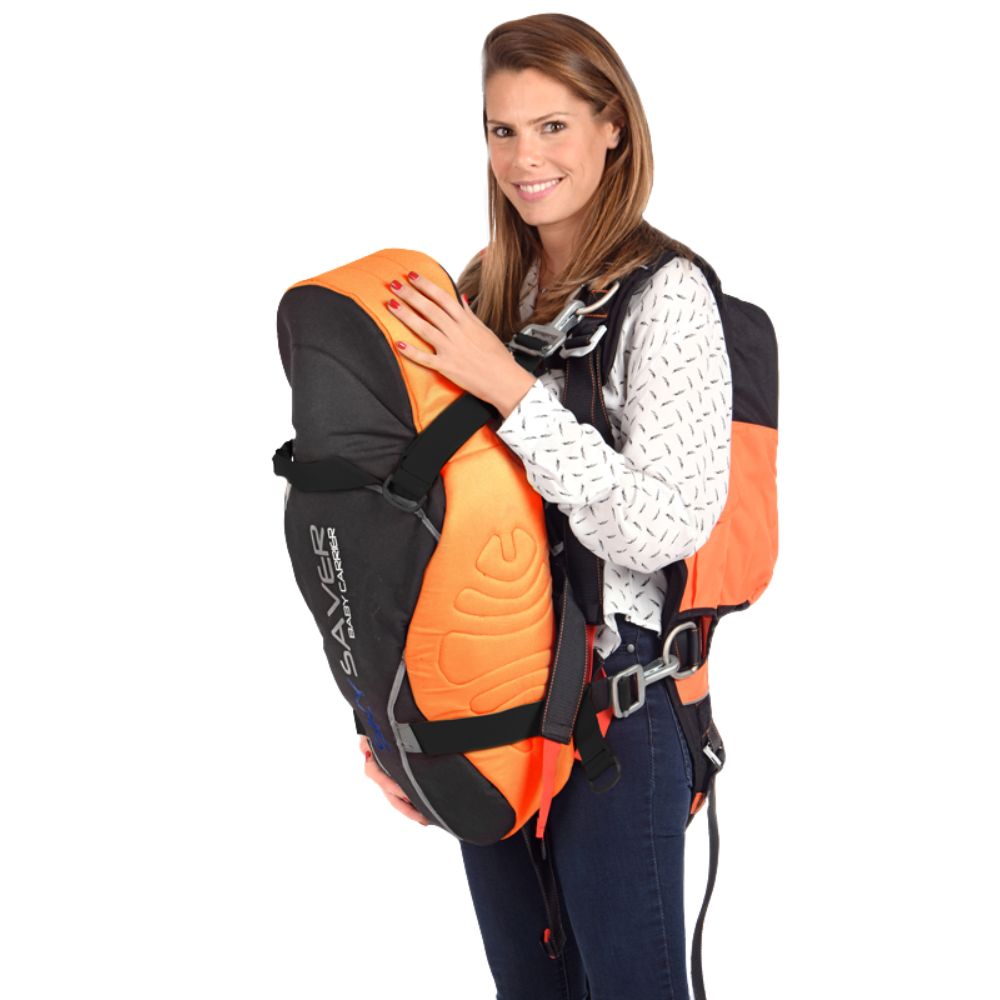
Attachable Baby Harness
Lightweight safety harness for fast and secure infant evacuation in high-rise emergencies.
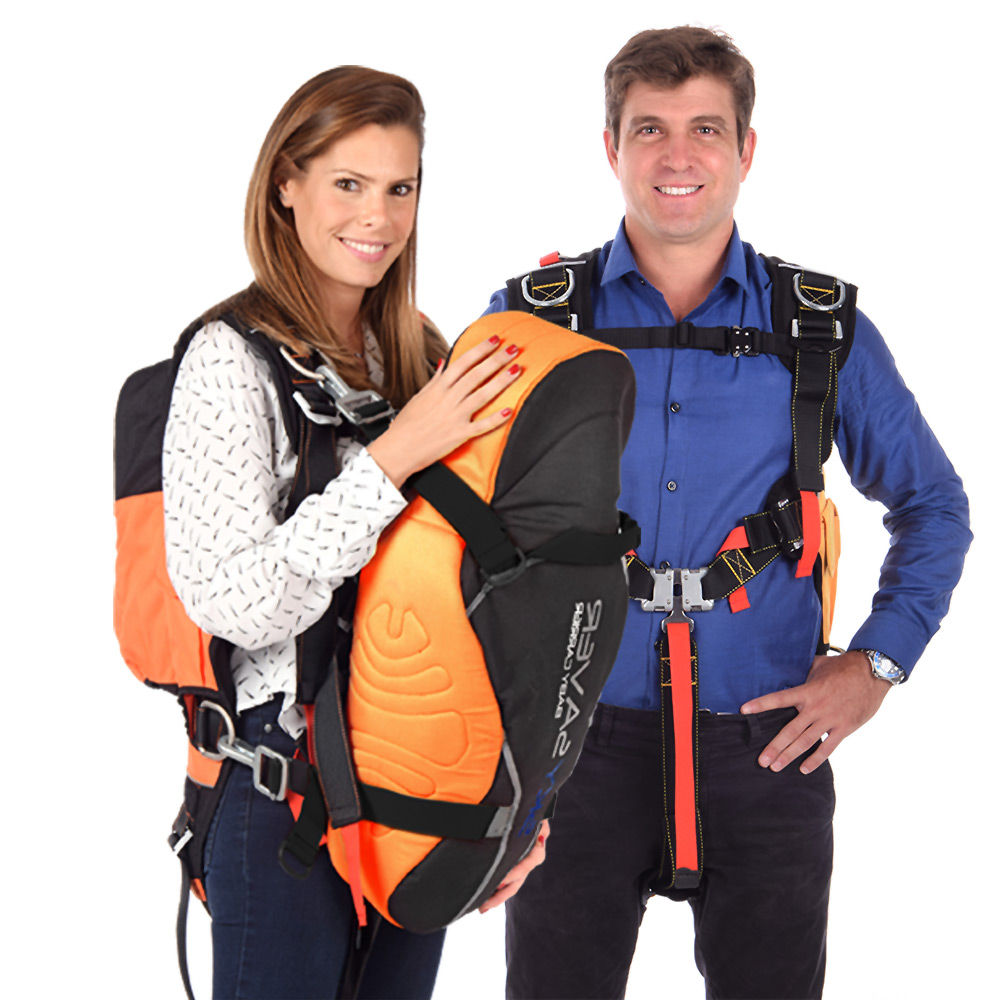
Parent Package
Complete emergency evacuation kit for the parent and dependant. Fast, safe descent from high-rise buildings.
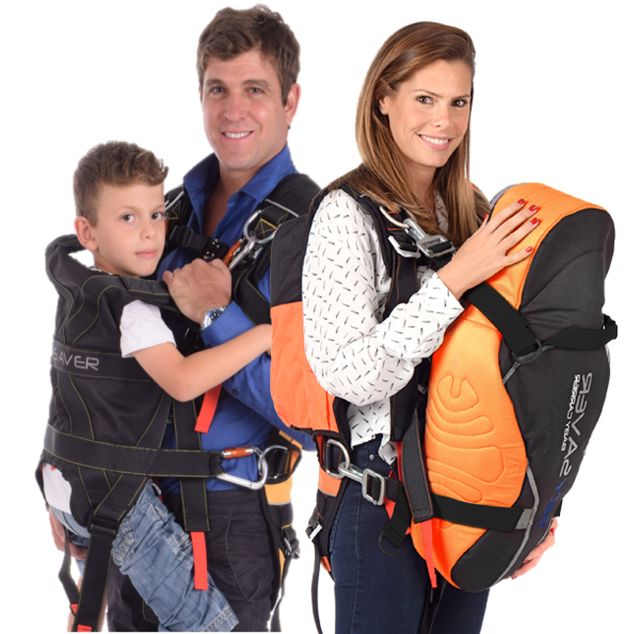
Parent Edition
Complete high-rise evacuation solution for a parent, maximum safety and fast deployment.
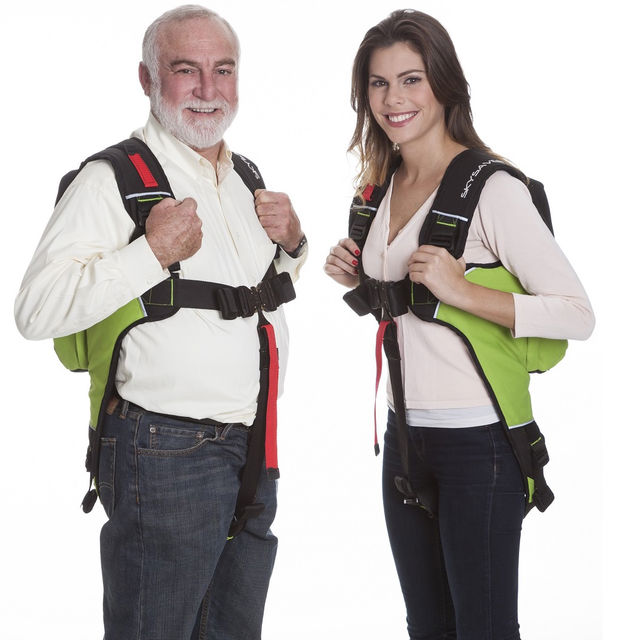
Single Self-Rescue Kit
Complete emergency evacuation kit for high-rise fast, safe descent during critical emergencies.
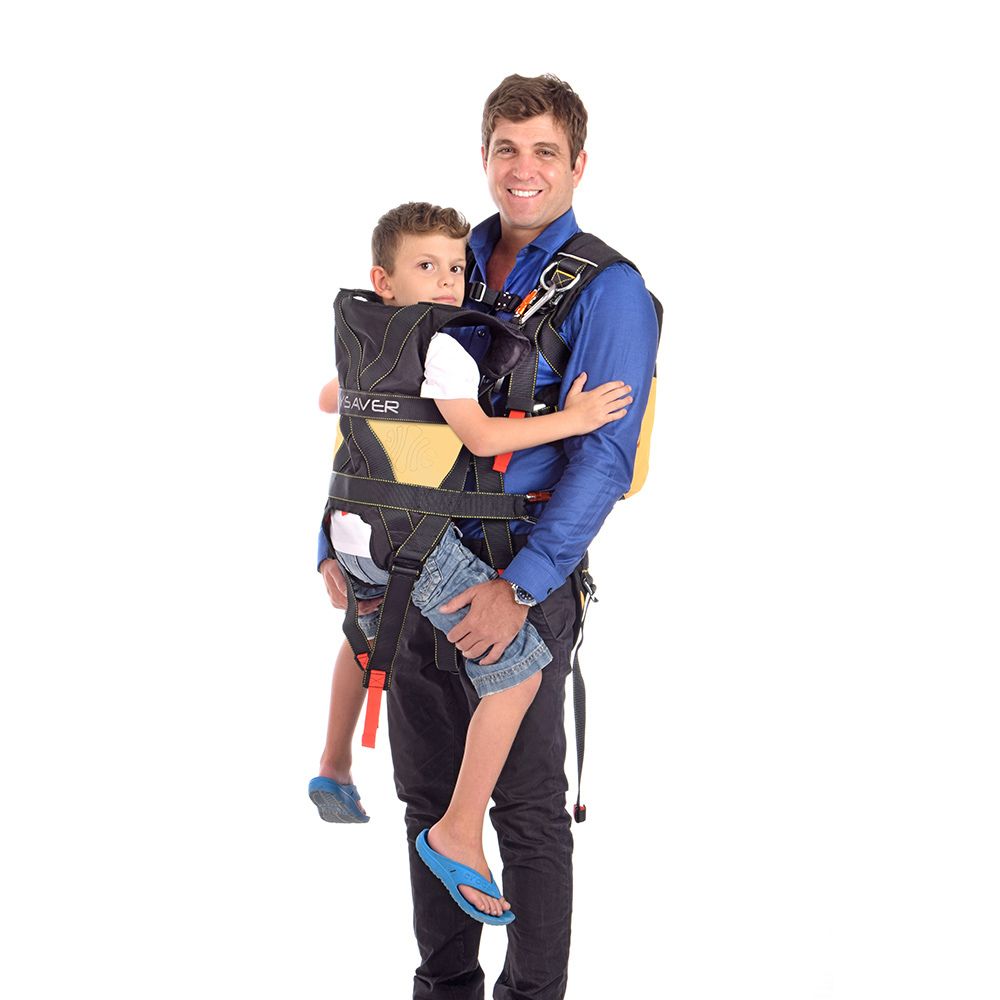
Attachable Child Harness
Lightweight child safety harness designed for secure, controlled evacuation from high-rise buildings.
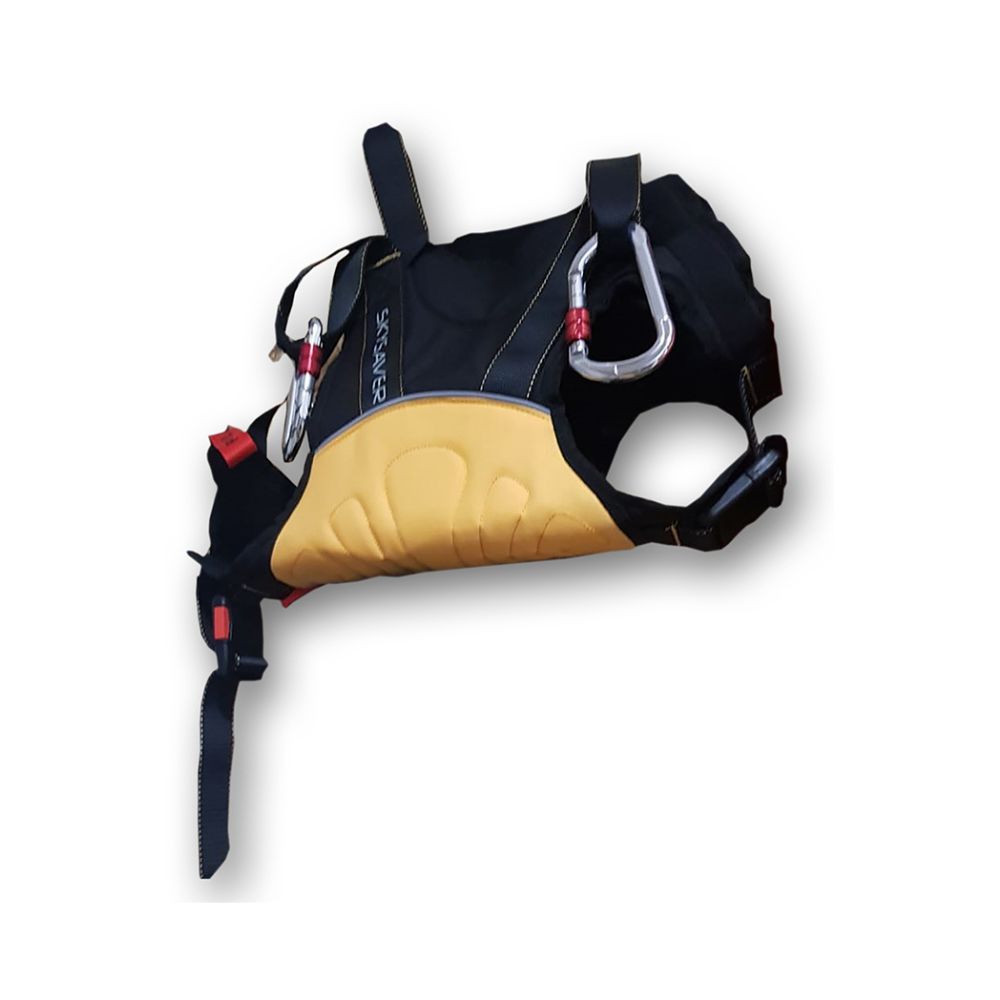
Attachable Pet Harnesses
Secure, lightweight safety harness designed for fast and controlled pet evacuation from high-rise buildings.
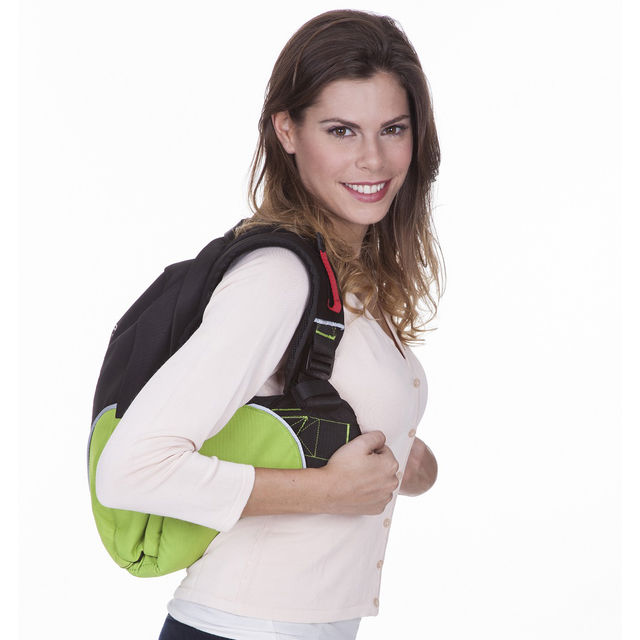
single Self-Rescue Harnesseses
Professional external safety harness for secure personal evacuation from high-rise buildings.
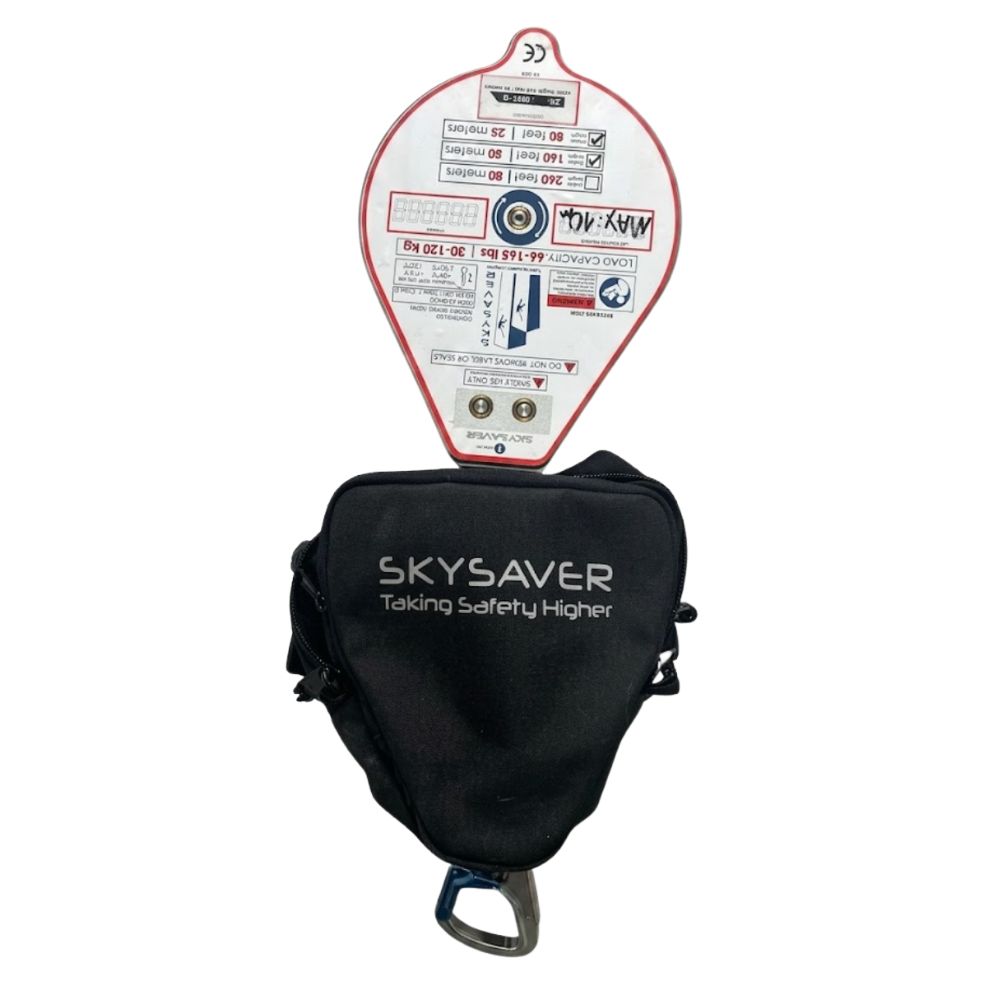
Controlled Descent Device (CDD)
External CDD unit for safe, controlled descent during high-rise emergency evacuation.