Emergency chutes have been a staple of evacuation planning in industrial and military settings for decades. These enclosed vertical tubes allow building occupants to slide rapidly from upper levels to ground level, providing an alternative to stairwells during emergencies. As high-rise construction continues to accelerate globally, interest in emergency chute technology for residential and commercial buildings has grown significantly. This article examines the different types of emergency chutes, their applications, and how they compare to modern personal evacuation alternatives.
Types of Emergency Evacuation Chutes
Emergency chutes come in three primary configurations. Vertical drop chutes use a straight tube with internal friction control to manage descent speed. Spiral chutes wrap around a central axis, using the spiral geometry to naturally limit speed through centrifugal friction. Deployable chutes are stored in compact housings and inflate or unfurl when activated, providing temporary evacuation capability that can be packed away after use.
Each type has specific advantages. Vertical chutes are the fastest for evacuation throughput, allowing one person to enter every few seconds. Spiral chutes offer more consistent speed control across different body weights. Deployable chutes save space and protect the chute material from weather when not in use, though they add mechanical complexity.
Applications and Limitations
Emergency chutes excel in industrial environments with trained workforces — oil platforms, manufacturing plants, and military installations use them extensively. For residential buildings, challenges include aesthetic impact, weather exposure, accessibility for elderly and disabled occupants, and the physical demands of entering and navigating an enclosed tube during a panic situation.
Rescue chutes typically serve a single entry point per floor, requiring all evacuees on that floor to reach a specific location. If fire blocks the path to the chute entry, occupants on that floor lose access to the system entirely. This single-point-of-access limitation contrasts sharply with personal descent devices that work from any window in any apartment.
Personal Descent: The Individual Solution
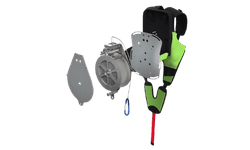
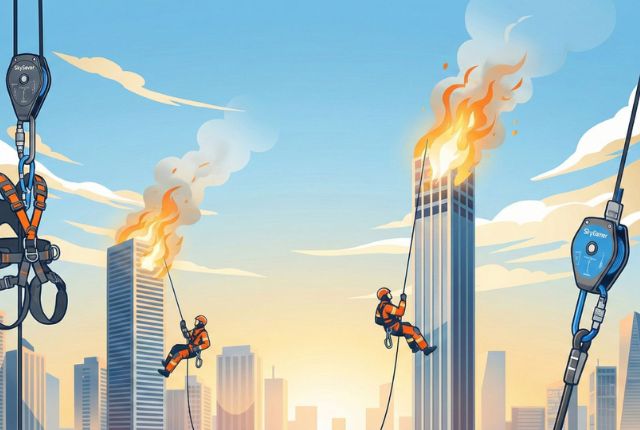
The SkySaver CDD provides each resident with their own evacuation point through their own window — no shared infrastructure, no waiting, no dependence on reaching a specific location. The Single Self-Rescue Kit deploys in under sixty seconds and works for occupants of all ages and physical abilities. For families, the Family Edition ensures children can evacuate safely with parents. Visit the SkySaver shop to explore personal alternatives to building-wide chute systems.
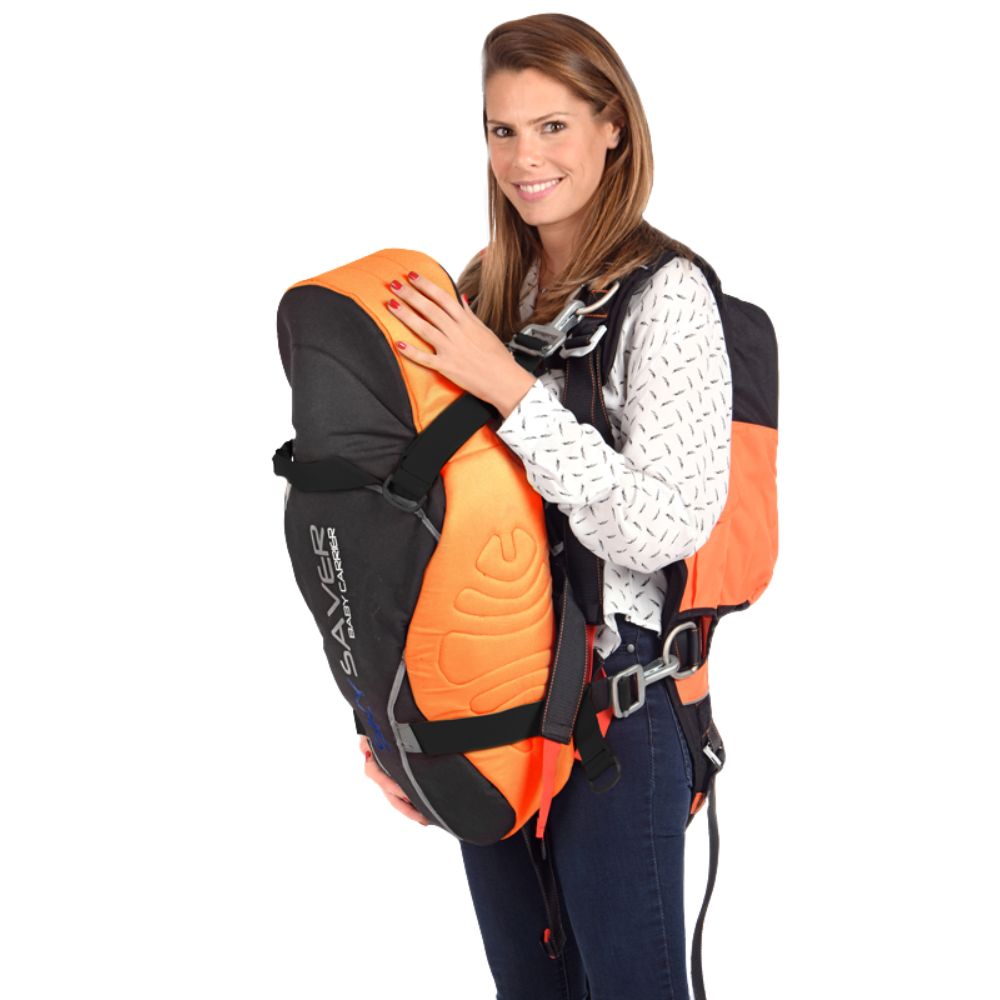
Attachable Baby Harness
Lightweight safety harness for fast and secure infant evacuation in high-rise emergencies.
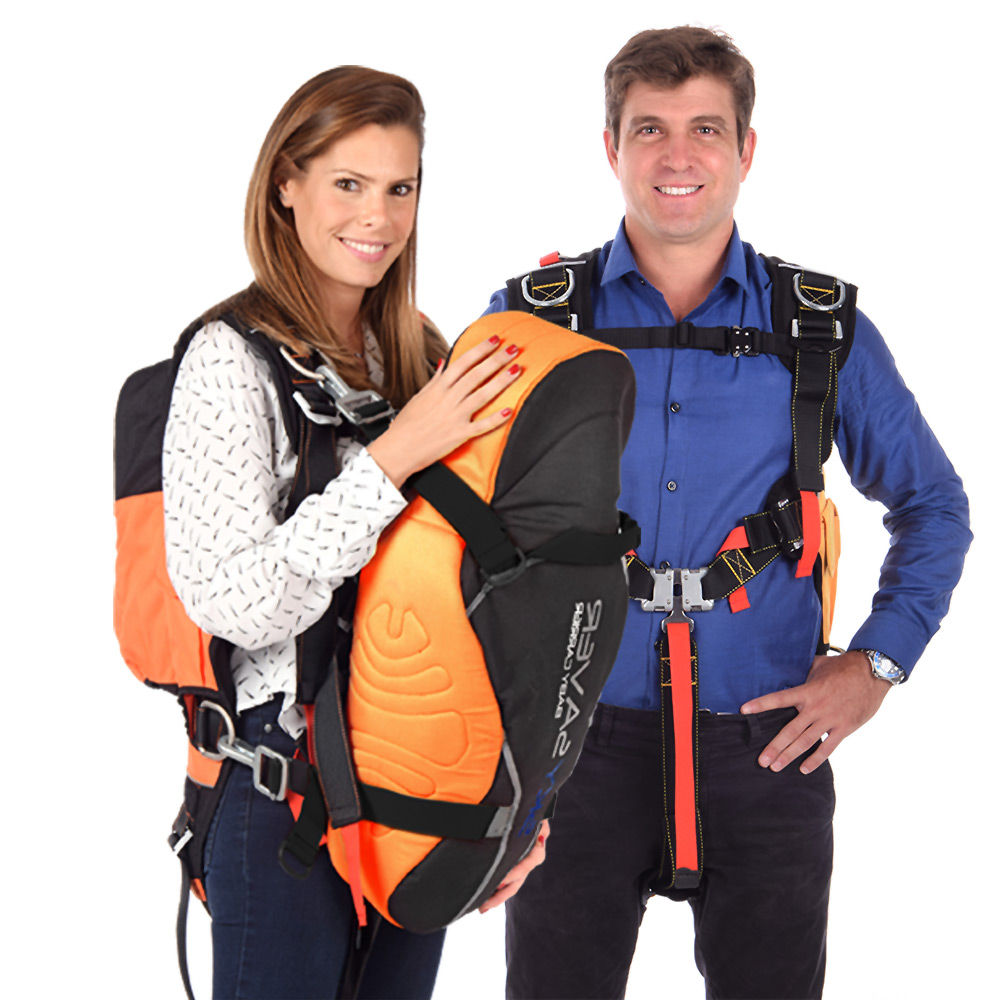
Parent Package
Complete emergency evacuation kit for the parent and dependant. Fast, safe descent from high-rise buildings.
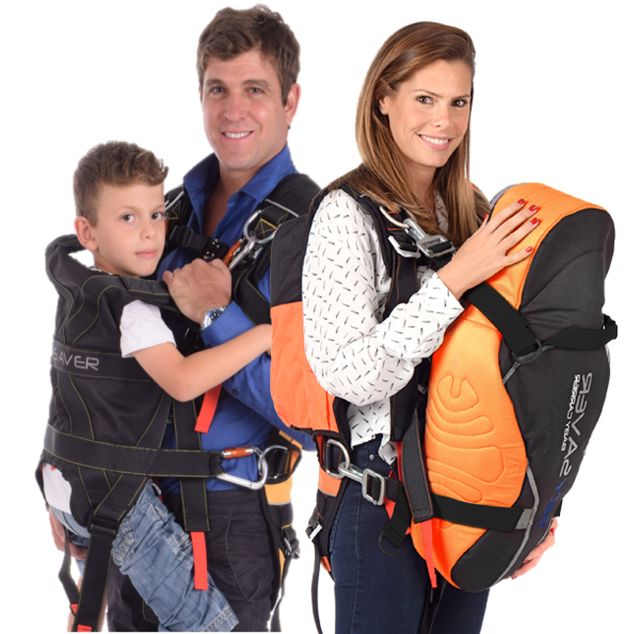
Parent Edition
Complete high-rise evacuation solution for a parent, maximum safety and fast deployment.
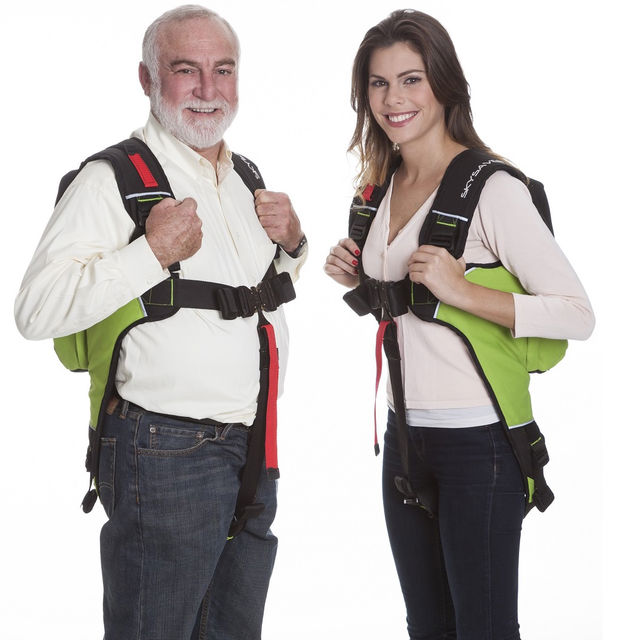
Single Self-Rescue Kit
Complete emergency evacuation kit for high-rise fast, safe descent during critical emergencies.
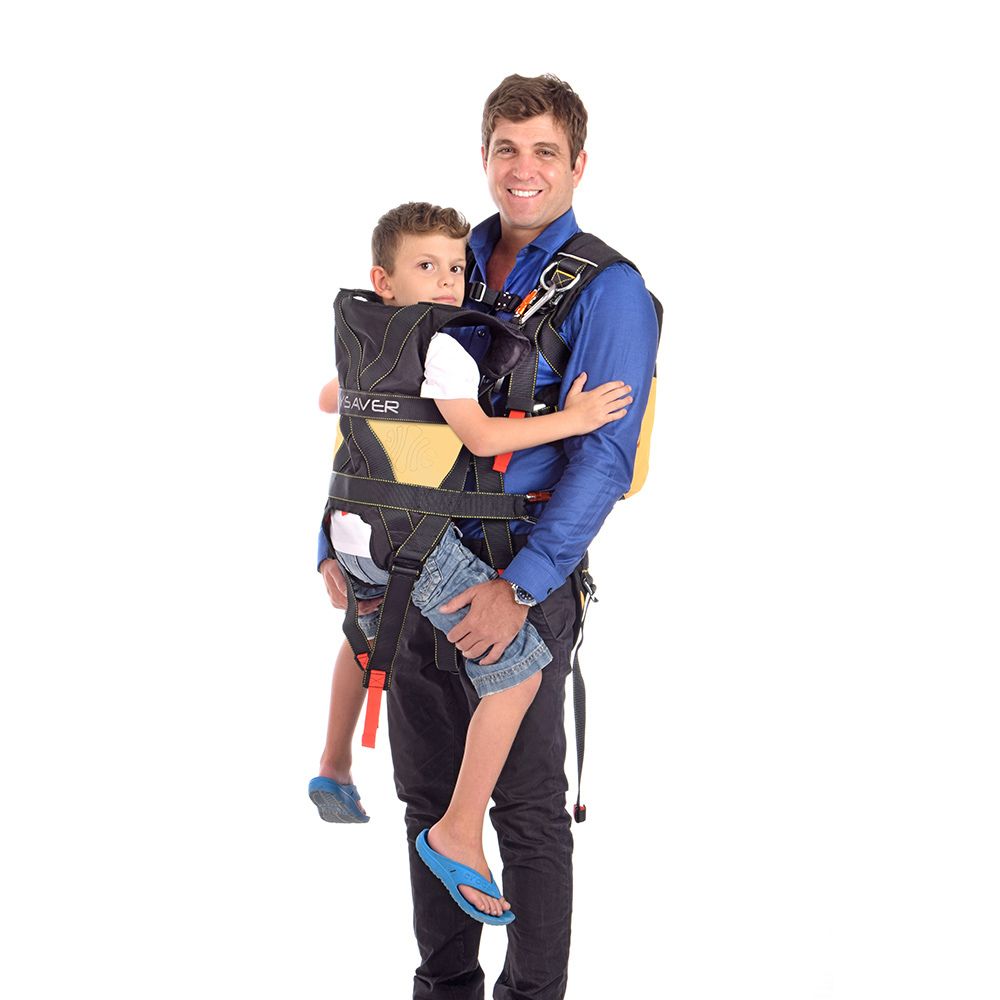
Attachable Child Harness
Lightweight child safety harness designed for secure, controlled evacuation from high-rise buildings.
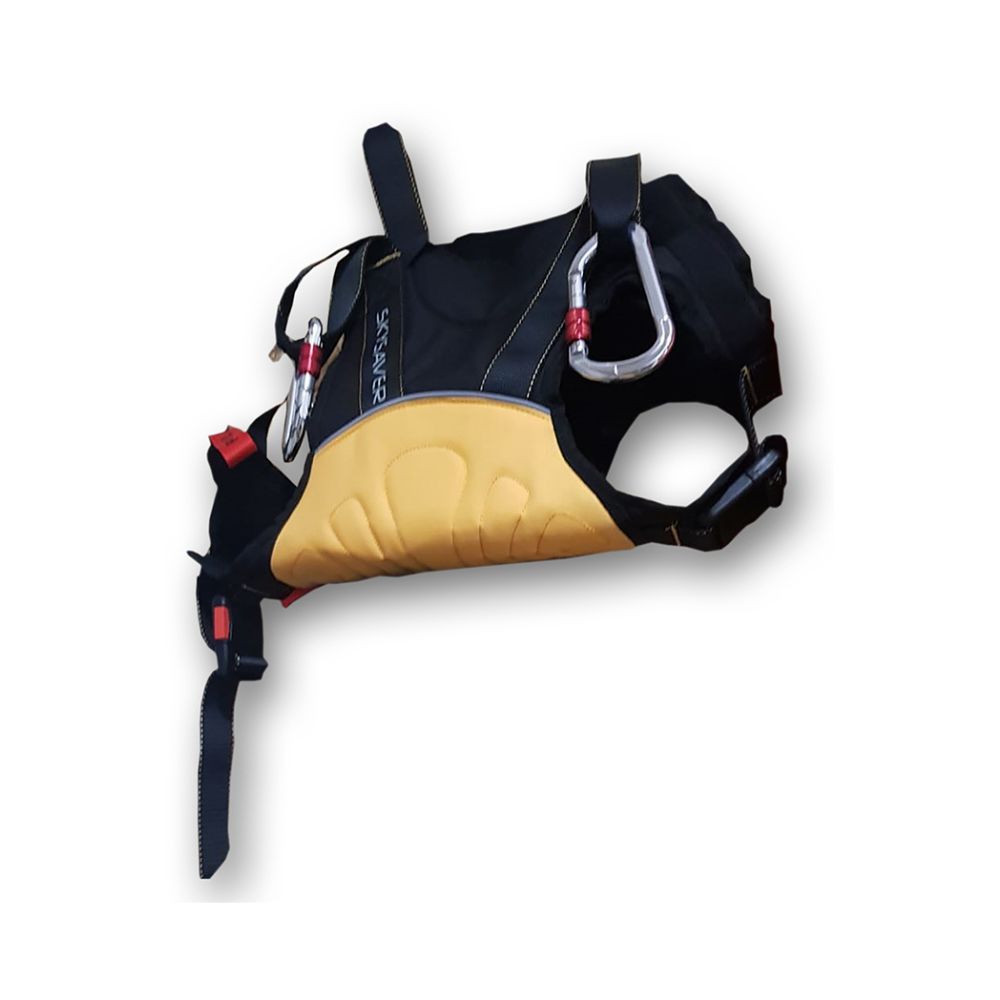
Attachable Pet Harnesses
Secure, lightweight safety harness designed for fast and controlled pet evacuation from high-rise buildings.
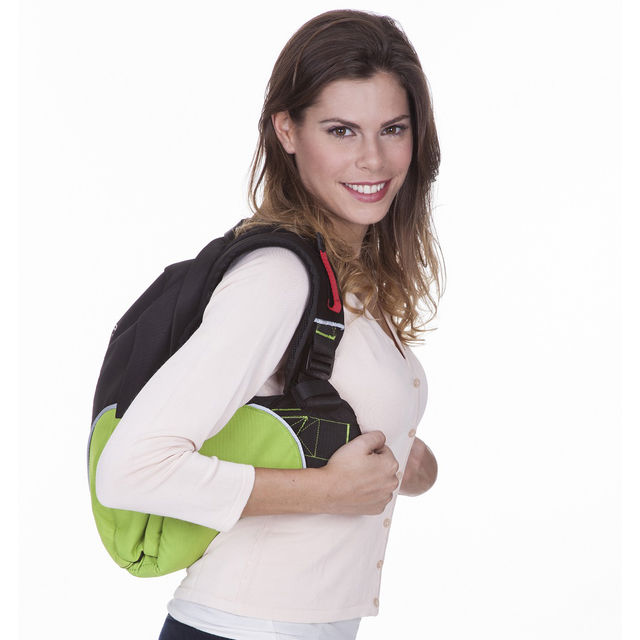
single Self-Rescue Harnesseses
Professional external safety harness for secure personal evacuation from high-rise buildings.
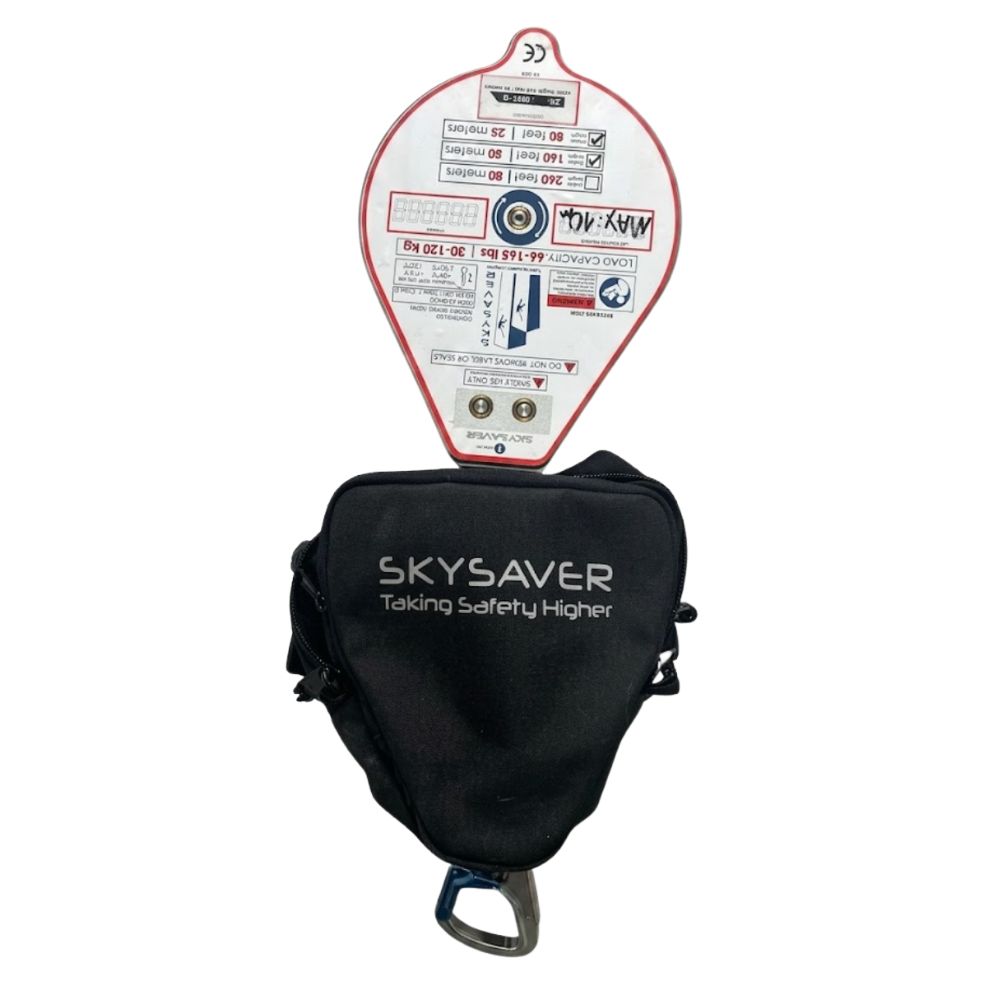
Controlled Descent Device (CDD)
External CDD unit for safe, controlled descent during high-rise emergency evacuation.