On New Year’s Eve, approximately 10 months ago, a hotel in Dubai went up in flames. The 63-storey skyscraper was believed to have been engulfed due to a pair of curtains catching fire. The fire spread at an alarming rate, prompting a major investigation. How did the fire spread so fast? Did something fuel it? Was there cause for alarm? At least 60 people were injured in the fire, including one person suffering from a heart attack. Since 2012, three skyscrapers have caught fire in Dubai, and that should definitely be cause for concern regarding the safety of Dubai’s high-rise buildings. But again, why did this one burn so quickly?
Buildings of that stature do not generally seem to go up in flames that quickly, so something must have fueled such a blaze. Building and safety experts say that the speed at which the fire spread was due to the material used for the building’s siding (which are called composite panel cladding) not being designed to meet safety standards. There are fire-resistant cladding that can be used, however, this did not seem to be the case in Dubai. Experts are not even sure of how many skyscrapers around the world are built with this kind of flammable paneling, thus making them at risk for the same fate as this Dubai hotel.
Thom Bohlen, the chief technical officer at the Middle East Center for Sustainable Development in Dubai had this to say; “It’s like a wildfire going up the sides of the building. It’s very difficult to control and it’s very fast. It happens extremely fast.”
The numbers of high-rise buildings throughout the world are on the rise (the top six cities in the world have nearly 20,000 high rises altogether), and there is no telling what kind of fire risk exists. This is due to there not being enough information regarding how many high rises have been built using building panels that are not fire resistant. The main issue with these panels lie with their core, which are all or mostly polyethylene, which is a common type of plastic. Andy Dean, an expert on the subject said “The ones with the 100 percent polyethylene core can burn quite readily. Some of the older, even fire-rated, materials still have quite a lot of polymer in them.”
To be clear, these panels do not ignite the fires themselves. They are responsible for the speed at which a fire can spread throughout the building. If installed in a straight line, with no interruption, these panels can hasten the speed of a fire lighting up the side of a skyscraper, as seen in this Dubai fire.
Just about a year prior to this fire, in November 2014, a 23-storey apartment building went up in flames in Melbourne, Australia. The fire ascended 20 storeys in about 6 minutes and did millions of dollars of damage to the building. While no one was hurt, what was found in the aftermath of the fire was concerning. About 50 buildings in the city and around 1,700 in Victoria, were built with a similar, flammable siding.
Said panels have been banned in the UK since 1980, and have been outlawed in the United Arab Emirates since 2013 (stating that fire-retardant cladding must be used on buildings taller than 15 meters). This only applies to new buildings built since the law was introduced, as it would be quite expensive to repanel all of the buildings that already have such panels. This is problematic as well, due to the claim that up to 70% of the skyscrapers in Dubai built before this law was put in place may be covered with the flammable panels.
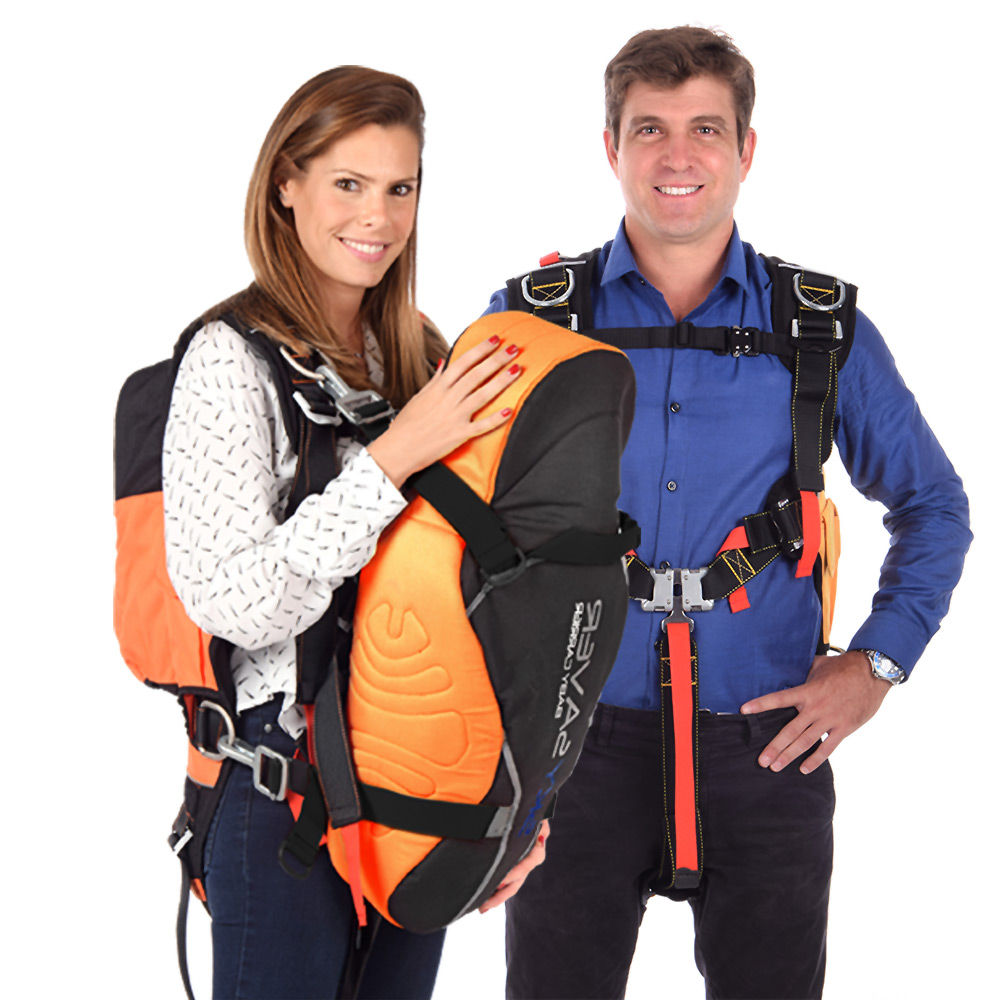
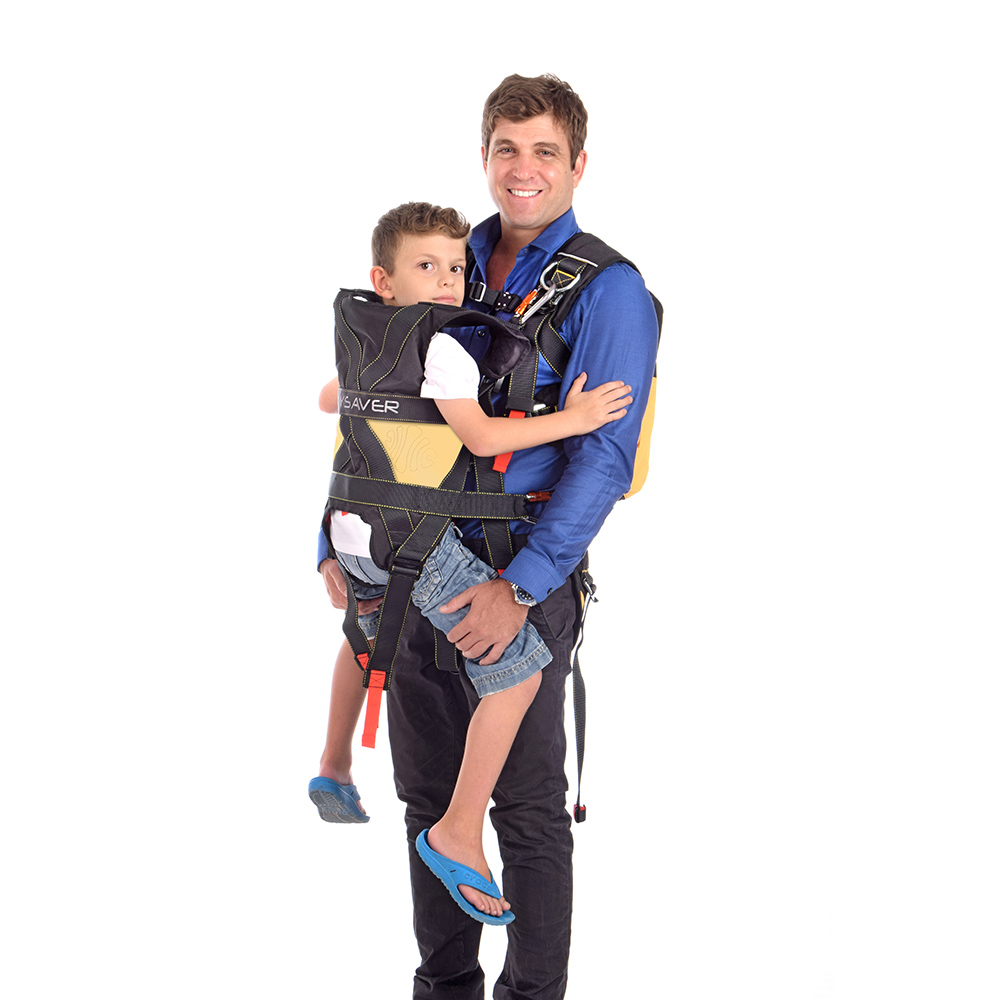
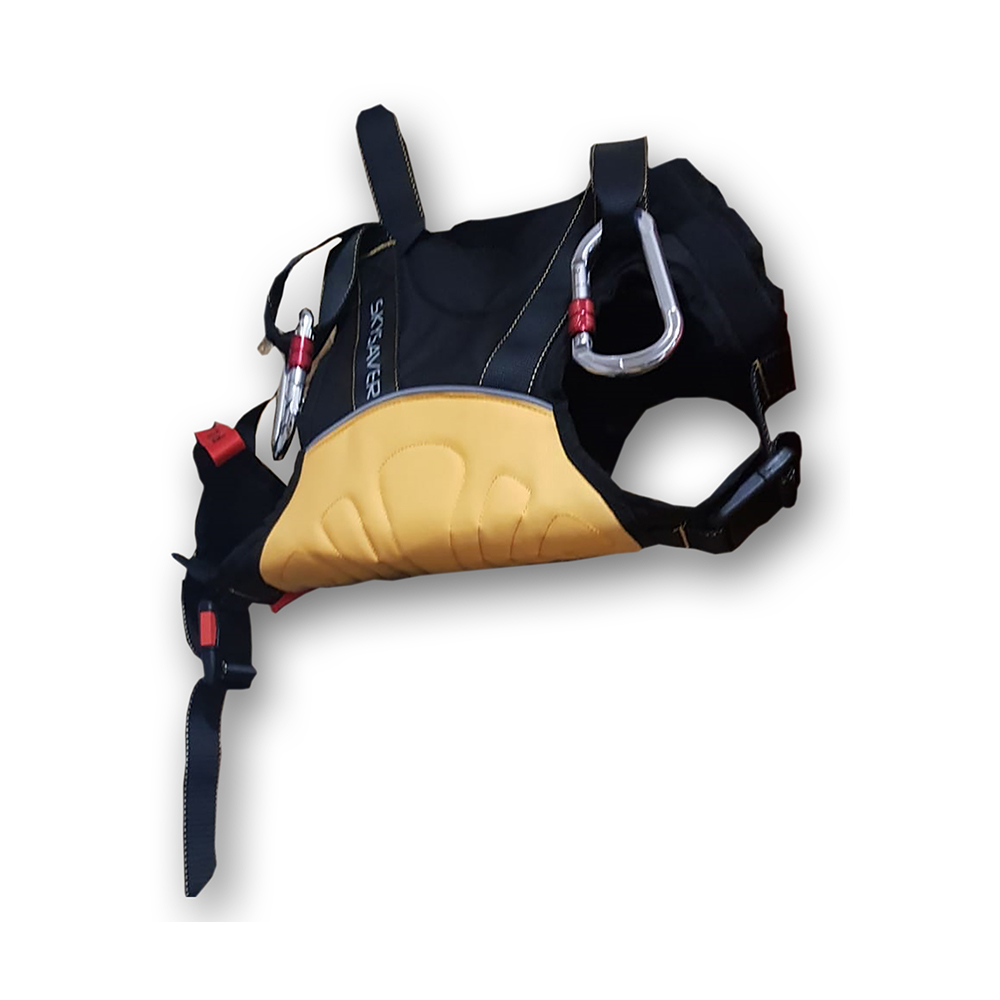
Have an action emergency plan, practice it, and know how to maintain your composure, because you never know when something like this could happen to your building. It was reported that a man attempted to rappel from the 48th floor to safety during this fire, and while the current longest model of SkySaver does not reach such lengths, it’s always best to own one just in case you find yourself in a similar situation, with no other options (assuming you live up to the 25th floor, give or take).