Home » SOME OF THE MOST DEADLY FIRES OF 2015 | SKYSAVER RESCUE BACKPACKS
SOME OF THE MOST DEADLY FIRES OF 2015 | SKYSAVER RESCUE BACKPACKS
Fire remains one of humanity’s most destructive and unforgiving forces. Despite remarkable advances in building codes, fire detection technology, and emergency response capabilities, the year 2015 served as a grim reminder that deadly fires continue to claim lives across every continent and in every type of structure. From industrial warehouse explosions in China to residential fires in New York City and apartment blazes in South Korea, 2015 produced a tragic catalogue of preventable fire disasters. Each incident carries lessons that fire safety professionals and ordinary citizens alike should internalize — because understanding how and why these fires turned fatal is the first step toward ensuring they never happen again.
The Tianjin Warehouse Explosion, China
On August 12, 2015, one of the most catastrophic fire incidents of the entire year unfolded at a warehouse in Tianjin, China. The facility stored what officials described as “dangerous goods” — a classification that would prove tragically understated. Two massive explosions rocked the site in rapid succession, both of which were detected and measured by seismologists. The first blast registered as the equivalent of three tons of TNT; the second, more devastating explosion measured the equivalent of 21 tons. The force was felt and heard from many miles away.
Over 50 people were killed in the disaster, including 12 firefighters who responded to the initial blaze only to be caught in the second explosion. More than 700 individuals were injured, with over 70 sustaining serious injuries. Approximately 100 fire trucks were dispatched to the scene. Eyewitnesses described the experience as surreal and terrifying. Canadian teacher Monica Andrews, speaking to the BBC, recounted: “I looked out the window and the sky was red. I just watched a second explosion go off and it was just pure chaos — everyone leaving their apartment buildings thinking it was an earthquake, cars trying to leave the complex. It was crazy, the amount of light that this explosion and fire lit up.” The Tianjin disaster underscored the catastrophic consequences of inadequate hazardous materials management and the life-threatening conditions that firefighters face when responding to industrial fire events.
Brooklyn, New York: A Family Devastated
On a Friday night in March 2015, a fire in a Brooklyn home became the deadliest residential fire New York City had seen since 2007. Seven children, ranging in age from five to sixteen years old, were killed. The fire was traced to a malfunctioning electric hotplate that an Orthodox Jewish mother had been using to keep food warm for her family on the Sabbath. Only two people survived: the mother and one of her daughters, both of whom managed to jump from second-floor windows before the fire consumed the home.
Mayor Bill de Blasio arrived at the scene the following morning and reflected: “You can literally see what was a home for a large, strong family and now it’s wiped out, every room empty, burned and charred. This is a tragedy that has very few examples to look at — it’s so painful, it’s so difficult.” The Brooklyn fire highlights a danger that many families overlook: everyday cooking appliances, when they malfunction, can become the ignition point for lethal fires. Understanding the major causes of residential fires and ensuring that kitchen appliances are properly maintained and supervised can make an enormous difference in household fire safety.
Paris, France: A Deadly Early Morning Blaze
In the early hours of a Wednesday morning, fire broke out in the 18th arrondissement of Paris. The blaze required more than 100 firefighters to contain and ultimately claimed eight lives, including two children. Only four survivors emerged from the building. Reports indicated that some residents attempted to escape through windows as the fire spread — a desperate measure that in many cases proves to be the only available option when interior stairwells are blocked by flames or smoke. Roughly fifteen surrounding buildings were affected, and the fire was widely described as one of the deadliest Paris had experienced in more than a decade.
The Paris fire illustrates a pattern that appears repeatedly in high-rise and multi-story fire fatalities: when interior egress is blocked, residents face an agonizing choice between remaining inside and attempting an unassisted descent from a window. For this reason, understanding whether a window can serve as a safe exit is critical knowledge for anyone living above the ground floor. The answer depends heavily on building height, terrain, and whether the resident has access to a controlled descent device.
Maysville, Kentucky: A Community in Mourning
A Tuesday morning house fire in northern Kentucky claimed five lives in 2015, including a mother and three young children found together in the same area of their apartment — a heartbreaking detail suggesting that the family was attempting to flee or shelter together when the fire overtook them. Fire Chief Ron Rice described the scene simply: “It’s just a tragedy.” The Maysville fire is a stark reminder that in residential fires, the difference between survival and fatality can come down to seconds — and that having a practiced evacuation plan, working smoke detectors, and a clear understanding of exit routes can be the decisive factors. Our guide on how to create an emergency action plan walks through the steps every household should take before a fire emergency occurs.
Uijeongbu, South Korea: Fire Spreads Between Buildings
In January 2015, a fire originating in a 10-story apartment block in Uijeongbu, a city north of Seoul, spread to neighboring structures before approximately 160 firefighters were able to bring it under control. Four people died and more than a hundred were injured, with at least seven in critical condition from smoke inhalation. The Uijeongbu fire illustrates a particularly dangerous dynamic in densely constructed urban environments: fire that originates in one structure can rapidly migrate to adjacent buildings, significantly expanding the scope of the emergency and complicating evacuation and firefighting efforts. For a detailed understanding of this phenomenon, our article on how fires spread in tall buildings explains the mechanisms that allow fire to travel vertically and horizontally through high-rise structures.
The Lessons These Fires Leave Behind
Taken together, the deadly fires of 2015 reveal several recurring themes. Faulty appliances and improperly stored hazardous materials are common ignition sources. Multi-story and high-rise structures create conditions where fire can spread rapidly to upper floors, trapping residents who cannot safely reach ground level via stairs. Smoke inhalation — not flames — is frequently the primary cause of death in building fires, often incapacitating victims before they can escape. And in multiple incidents, survivors credited window exits as their only viable means of escape.
These realities point directly to the importance of personal evacuation preparedness for anyone living or working above the ground floor. The SkySaver rescue backpack was designed specifically to address the survival gap that exists when a building’s interior escape routes become inaccessible. By enabling a controlled, safe descent directly from a window, it provides residents of high-rise buildings with an evacuation option that does not depend on stairwells, elevators, or the arrival of emergency services. In situations like those seen in Paris or Uijeongbu — where flames blocked exits and residents had no safe way out — a SkySaver device could represent the difference between life and death.
The fires of 2015 were tragedies. But they are also teachers. Their lessons are clear: prevention matters, preparation matters, and having the right tools available before a fire starts matters most of all. Explore SkySaver’s range of emergency descent devices and ensure that you and those you care about have a real escape option ready when it counts.
Don't Wait for an Emergency to Find Your Way Out

Attachable Baby Harness
Lightweight safety harness for fast and secure infant evacuation in high-rise emergencies.
$250
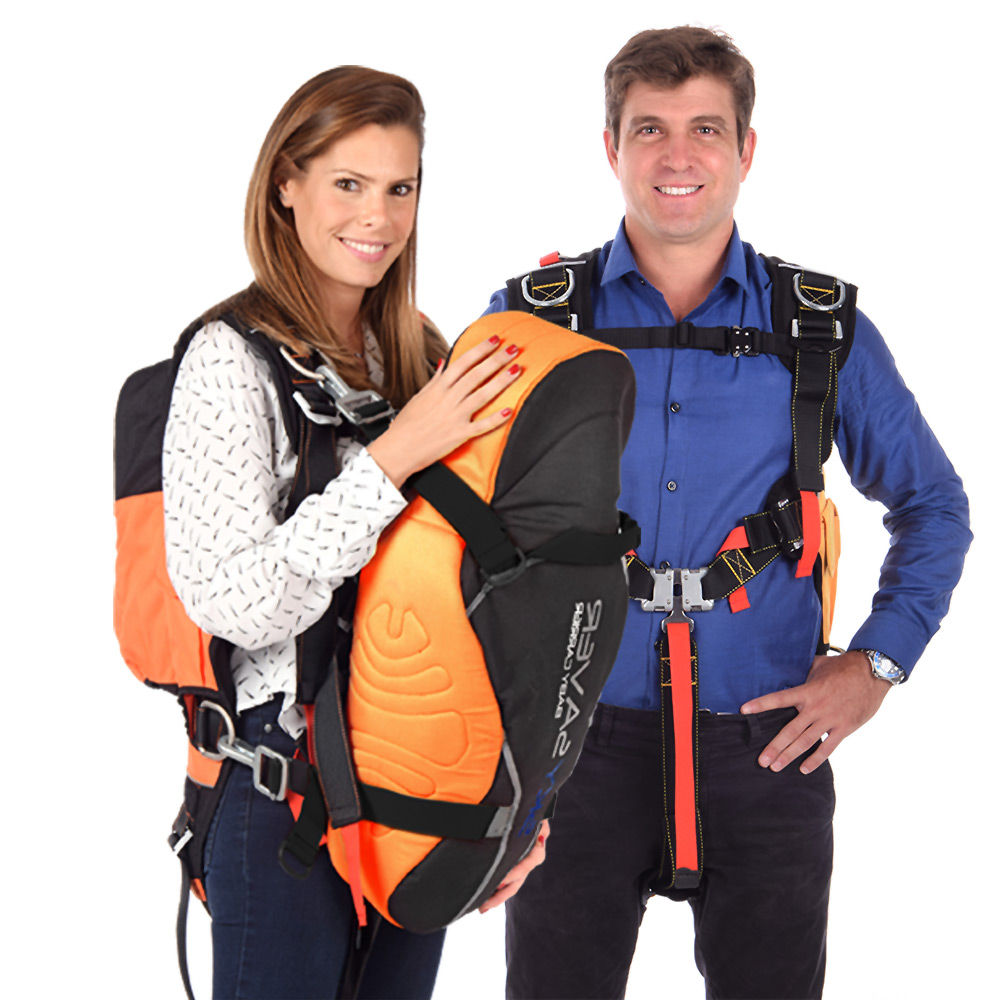
Parent Package
Complete emergency evacuation kit for the parent and dependant. Fast, safe descent from high-rise buildings.
$2,220–$2,650

Parent Edition
Complete high-rise evacuation solution for a parent, maximum safety and fast deployment.
$2,120–$2,500

Single Self-Rescue Kit
Complete emergency evacuation kit for high-rise fast, safe descent during critical emergencies.
$1,860-$2,350
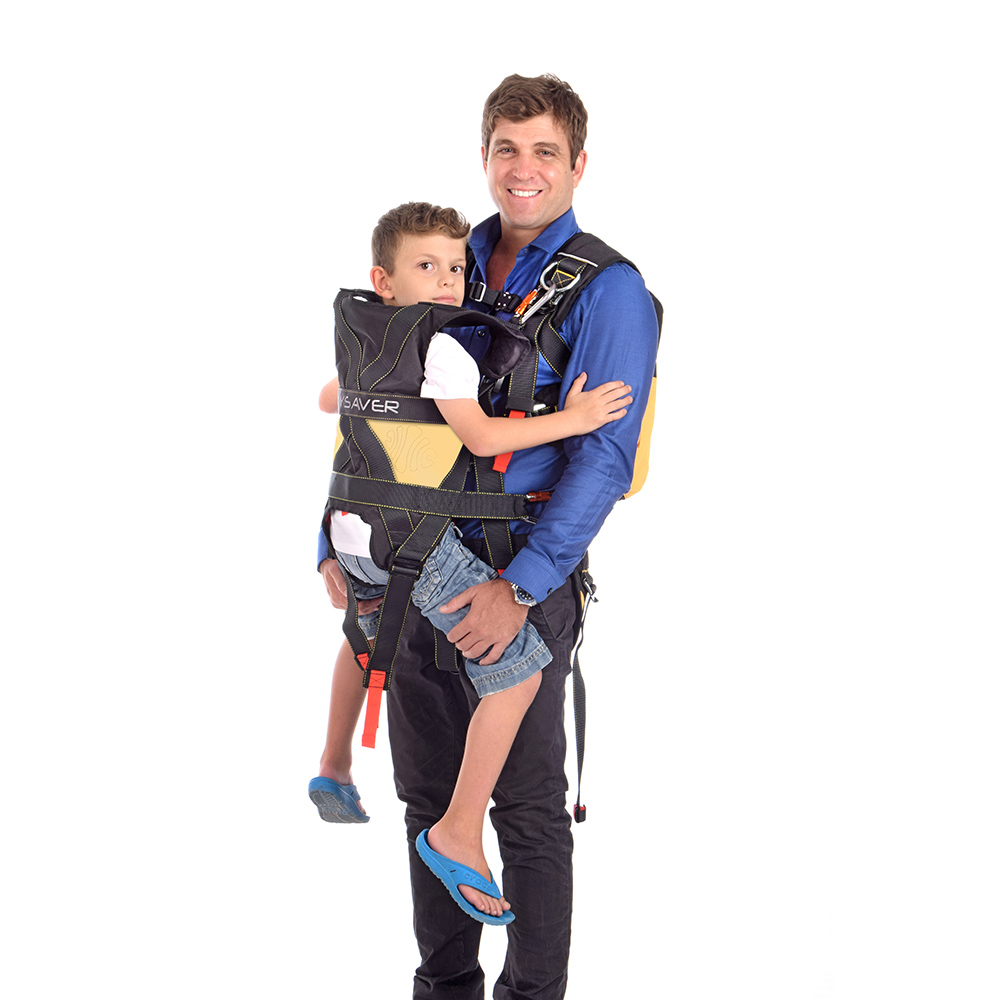
Attachable Child Harness
Lightweight child safety harness designed for secure, controlled evacuation from high-rise buildings.
$220
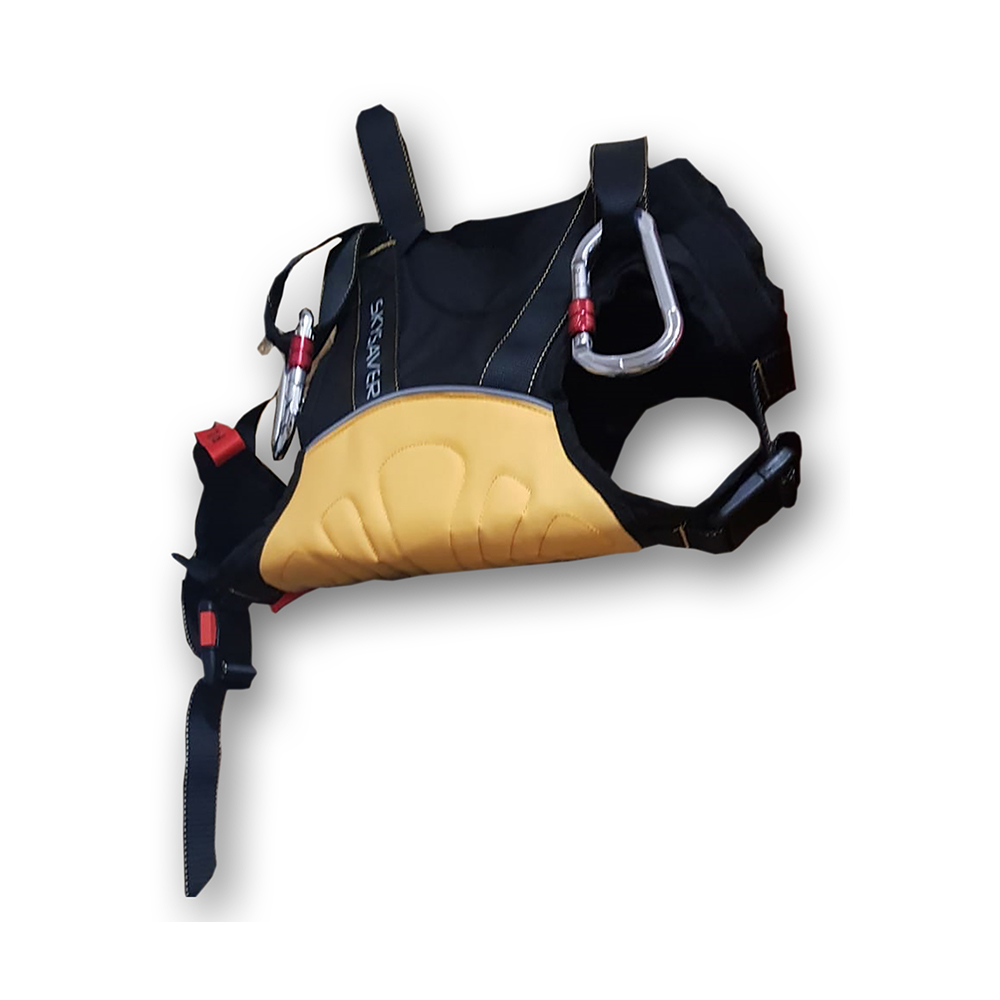
Attachable Pet Harnesses
Secure, lightweight safety harness designed for fast and controlled pet evacuation from high-rise buildings.
$200

single Self-Rescue Harnesseses
Professional external safety harness for secure personal evacuation from high-rise buildings.
$410-$650
Controlled Descent Device (CDD)
Advanced backpack-based evacuation unit with harness attachment option for high-rise emergencies.