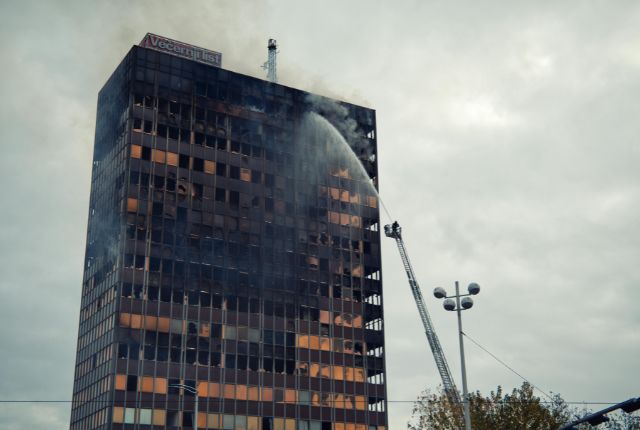
When a fire erupts in a high-rise building, the difference between survival and tragedy often comes down to one critical factor: whether residents have a reliable way to escape from upper floors. Traditional evacuation methods depend heavily on stairwells, elevators, and fire department ladders. Yet each of these options carries significant limitations that become painfully apparent when flames and smoke spread through a multi-story structure. Controlled descent devices represent a revolutionary approach to personal fire safety, offering residents an independent escape route that does not rely on building infrastructure or emergency responders arriving in time.
The Problem with Traditional High-Rise Evacuation
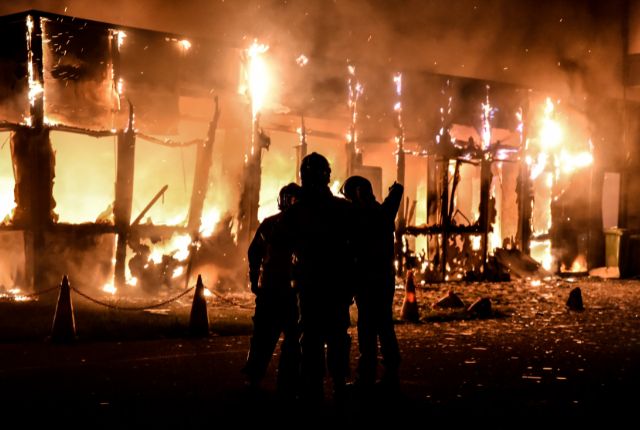
Most high-rise buildings were designed with a single primary evacuation strategy: walk down the stairs. Fire codes require enclosed stairwells with fire-rated doors, pressurization systems, and emergency lighting. In theory, these systems should allow orderly evacuation. In practice, they frequently fail during real emergencies. Smoke infiltrates stairwells through open doors, damaged seals, or failed pressurization fans. Once smoke fills a stairwell, it transforms from an escape route into a death trap. Studies of high-rise fire fatalities consistently show that a significant proportion of victims are found in or near stairwells they were attempting to use for evacuation.
Fire department aerial ladders typically reach only the seventh or eighth floor of a building. For anyone living or working above that height, external rescue by firefighters requires specialized rope teams or helicopter operations — both of which take considerable time to deploy. In a fast-moving fire, those precious minutes can mean the difference between life and death. This gap between where traditional rescue equipment can reach and where people actually live and work in modern high-rises creates a critical vulnerability that controlled descent devices are specifically designed to address.
How Controlled Descent Devices Work
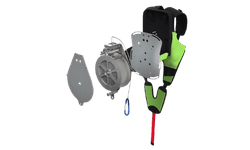
A controlled descent device, often called a CDD, is a personal safety system that allows an individual to lower themselves from a window or balcony at a safe, regulated speed. The core technology uses a friction-based braking mechanism that automatically controls the rate of descent regardless of the user’s weight. This means that whether you weigh 50 kilograms or 120 kilograms, you will descend at a consistent, safe speed — typically around one to two meters per second. There is no training required, no batteries to charge, and no complicated setup procedure.
The SkySaver CDD exemplifies this technology at its best. The device consists of a compact backpack-style unit containing a high-strength cable rated for hundreds of meters of descent. The user simply attaches the harness, secures the anchor point to a designated wall bracket near a window, and steps out. The internal braking mechanism engages automatically, lowering the person smoothly to the ground. The entire process from opening the backpack to beginning descent takes less than sixty seconds — a crucial advantage when every moment counts during a fire.
Why Every High-Rise Resident Needs a Personal Escape Plan
Relying solely on building fire safety systems is a gamble that many residents do not fully appreciate until it is too late. Sprinkler systems can malfunction or be overwhelmed by large fires. Fire alarms may give you warning, but they cannot physically remove you from a burning building. Even the best-maintained stairwells become questionable escape routes when a fire originates on a floor between you and the ground level. A personal controlled descent device eliminates this dependency on building systems and transforms every window into a potential exit.
The SkySaver Single Self-Rescue Kit is designed for exactly this purpose. It provides a complete personal evacuation system that can be stored in a closet and deployed in under a minute. For families, the SkySaver Family Edition allows parents to safely evacuate with children using specialized attachable harnesses. The Attachable Child Harness ensures that even the youngest family members can be brought to safety during a high-rise emergency.
Real-World Effectiveness and Global Adoption
Controlled descent devices have been adopted by military forces, offshore oil platforms, and commercial buildings worldwide for decades. The technology is proven, reliable, and requires virtually no maintenance. In Israel, where high-rise living is common and security threats necessitate robust emergency preparedness, controlled descent devices have become increasingly popular among residential building occupants. Fire departments in multiple countries have endorsed personal descent devices as a supplementary evacuation tool, recognizing that their rapid deployment capability fills a critical gap in high-rise fire response.
The effectiveness of these devices stems from their simplicity. Unlike complex mechanical systems that require regular servicing, a quality controlled descent device like those manufactured by SkySaver uses passive mechanical components that remain ready for deployment year after year. The devices are certified to international safety standards and undergo rigorous testing to ensure reliable performance under extreme conditions including high temperatures and heavy loads.
Making the Investment in Your Family’s Safety
The cost of a controlled descent device is modest compared to the value of the lives it protects. When you consider that a single high-rise apartment may cost hundreds of thousands of dollars, investing a fraction of that amount in a proven escape system is a straightforward decision. Many building management companies are beginning to include controlled descent devices in their safety equipment alongside fire extinguishers and smoke detectors, recognizing that comprehensive fire safety requires giving residents the ability to self-evacuate.
Whether you live on the tenth floor or the fiftieth, a controlled descent device provides something that no other fire safety equipment can offer: complete independence from building systems and emergency services during the most critical moments of a fire. Visit the SkySaver shop to explore the full range of personal rescue solutions and take the first step toward true high-rise fire safety for you and your family.
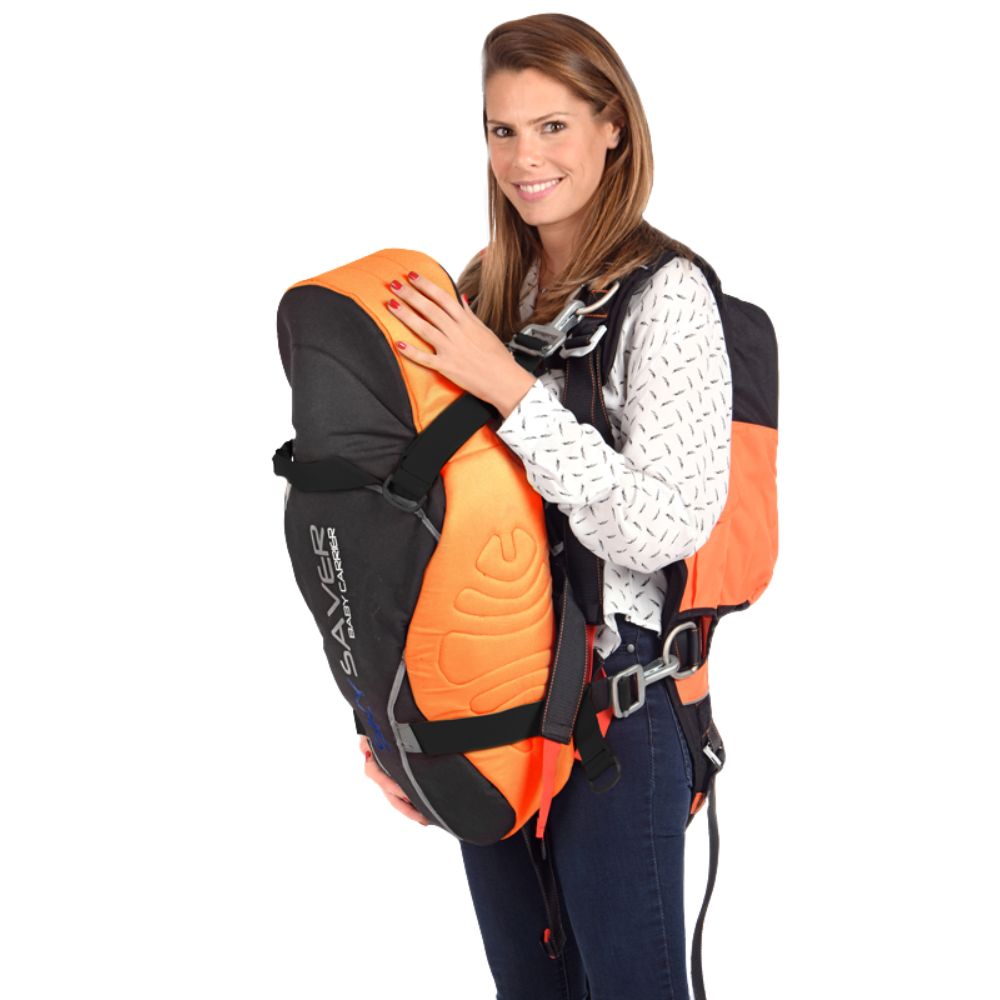
Attachable Baby Harness
Lightweight safety harness for fast and secure infant evacuation in high-rise emergencies.
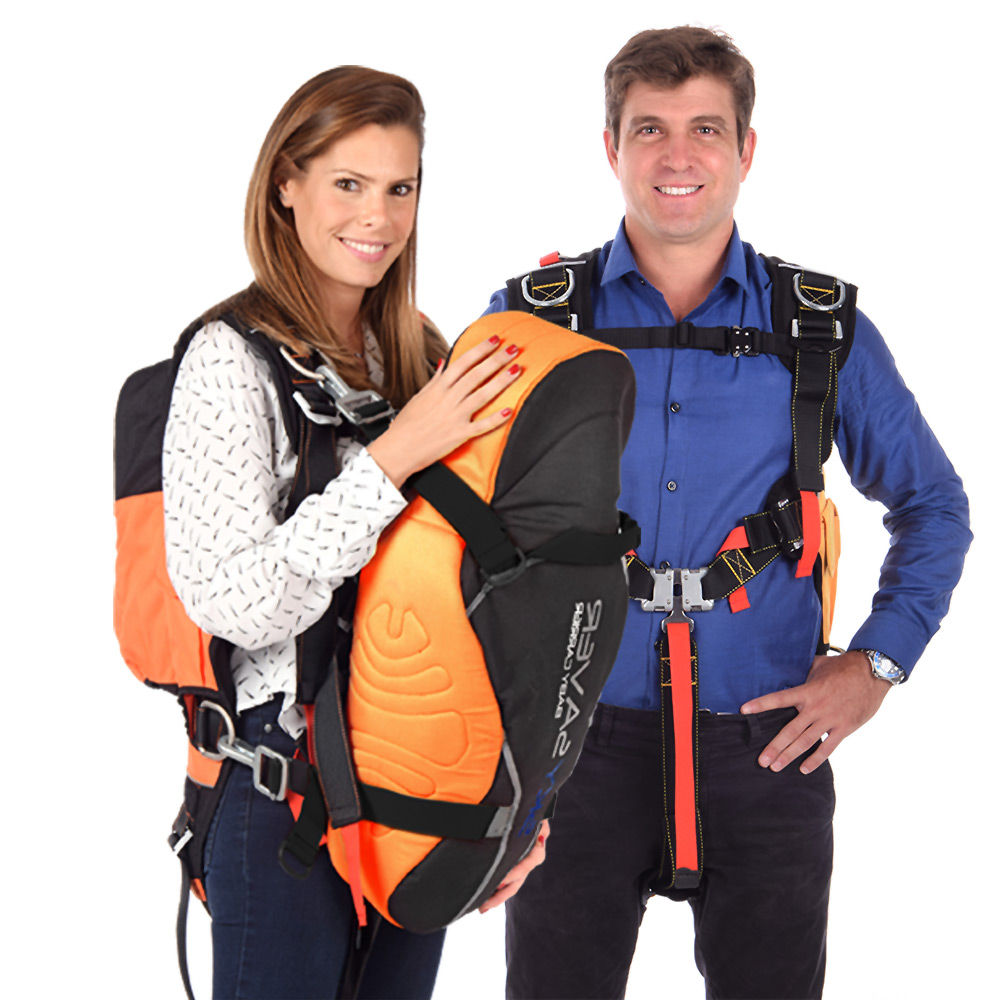
Parent Package
Complete emergency evacuation kit for the parent and dependant. Fast, safe descent from high-rise buildings.
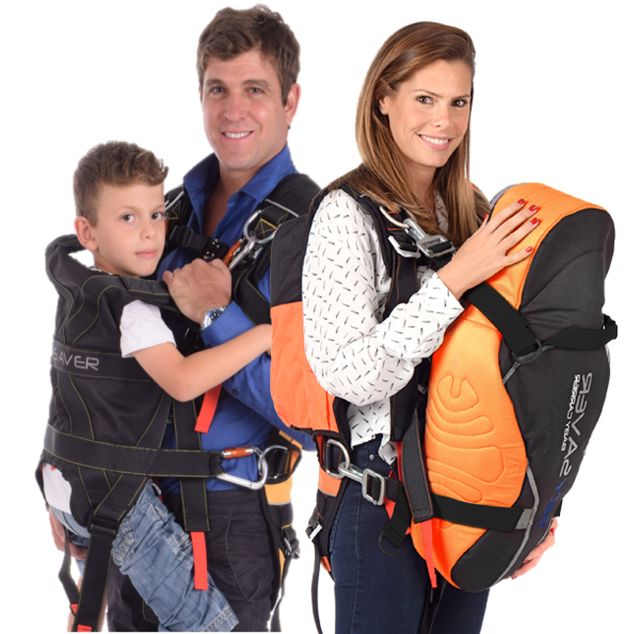
Parent Edition
Complete high-rise evacuation solution for a parent, maximum safety and fast deployment.
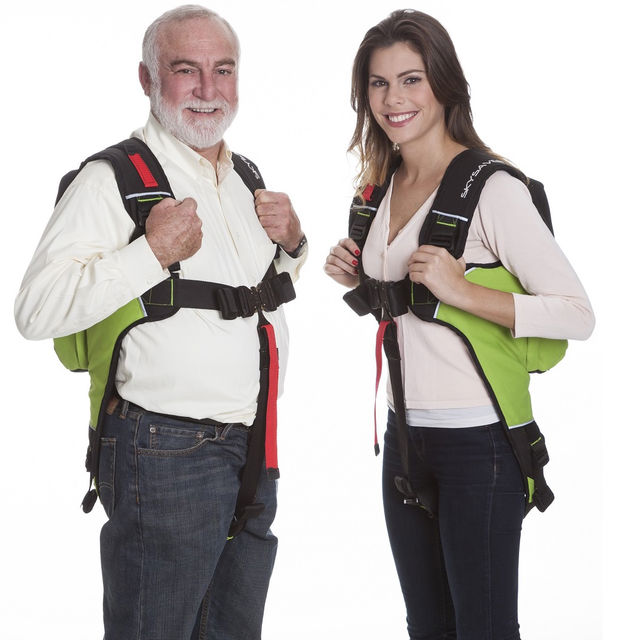
Single Self-Rescue Kit
Complete emergency evacuation kit for high-rise fast, safe descent during critical emergencies.
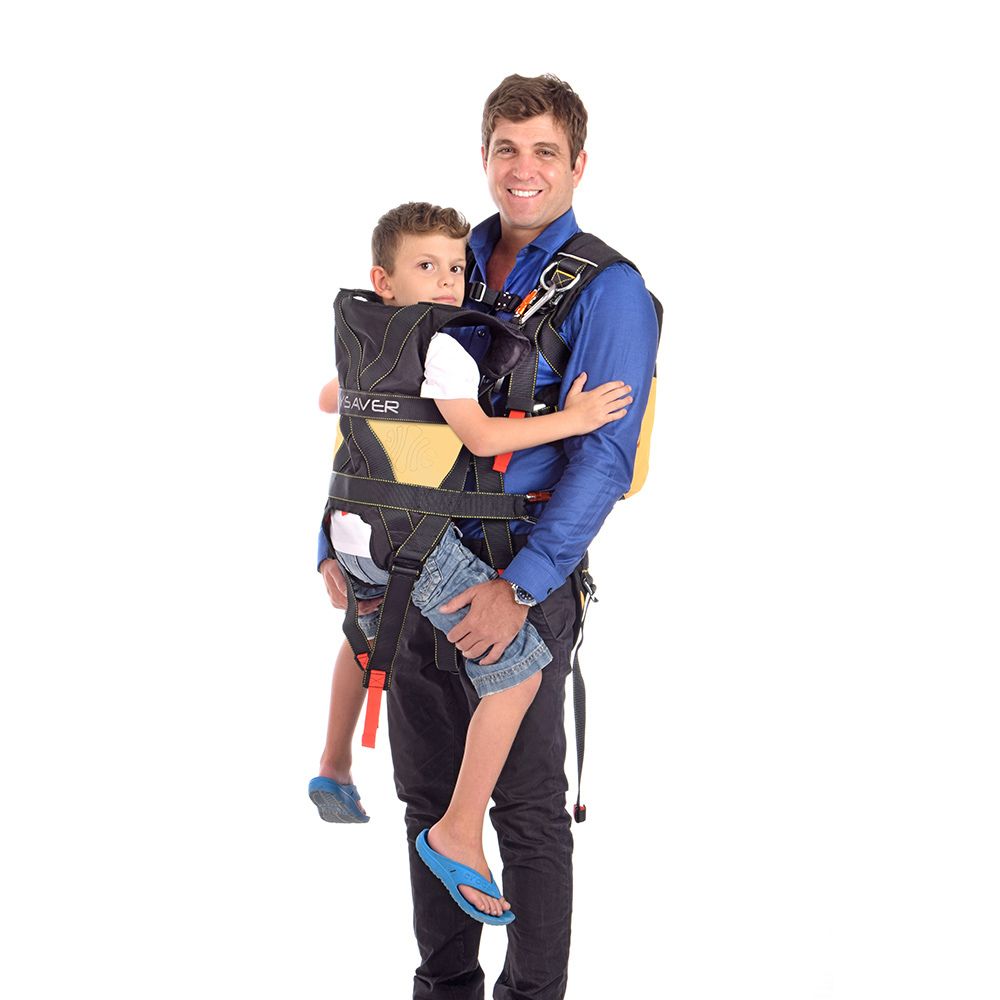
Attachable Child Harness
Lightweight child safety harness designed for secure, controlled evacuation from high-rise buildings.
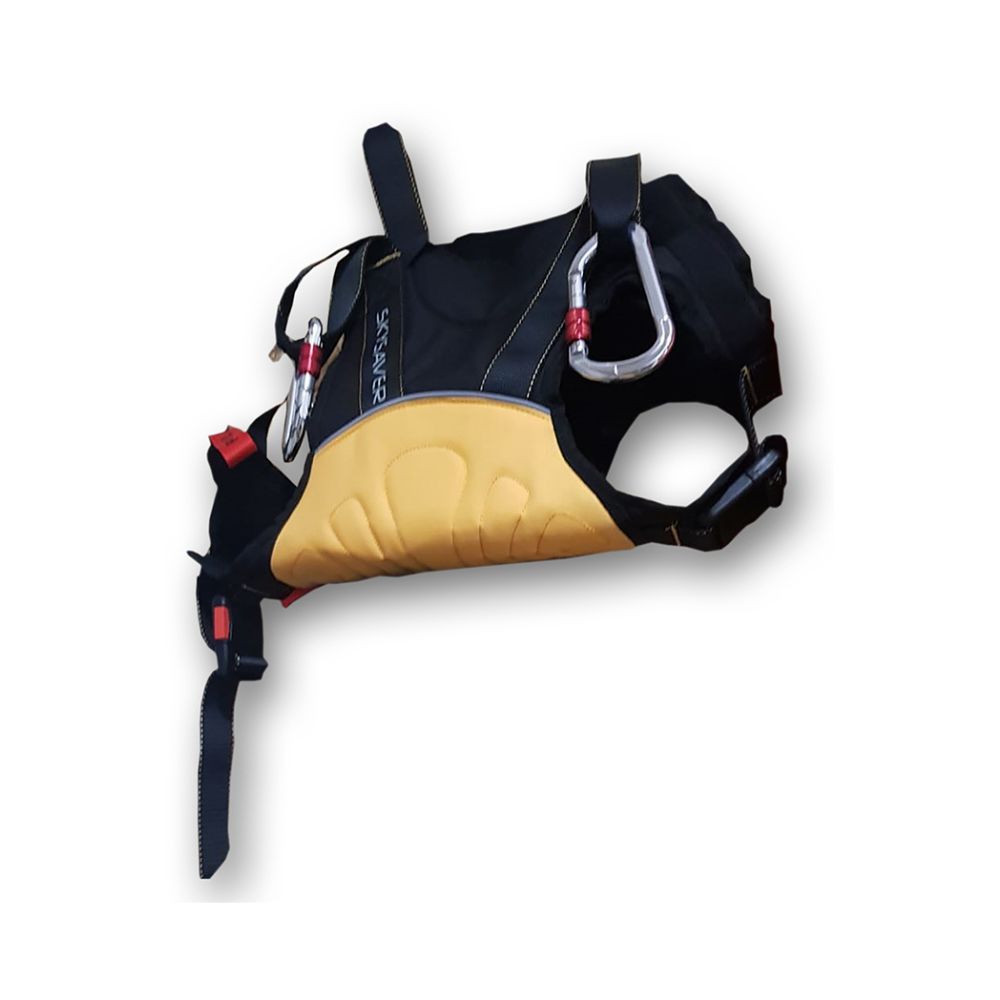
Attachable Pet Harnesses
Secure, lightweight safety harness designed for fast and controlled pet evacuation from high-rise buildings.
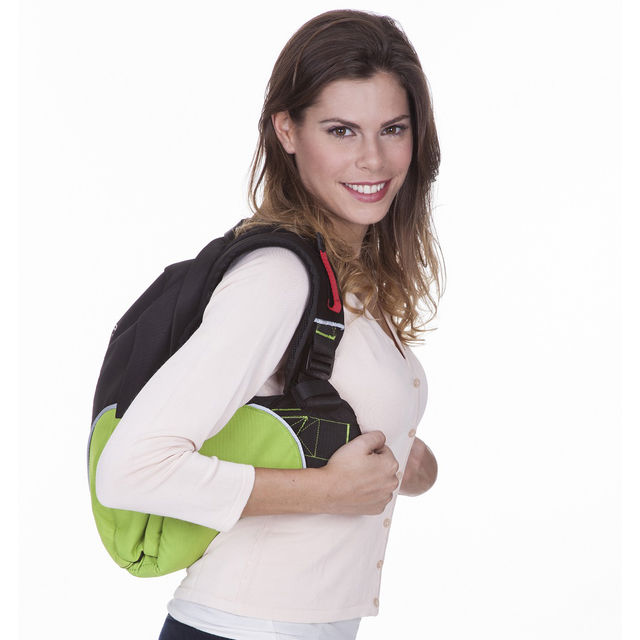
single Self-Rescue Harnesseses
Professional external safety harness for secure personal evacuation from high-rise buildings.
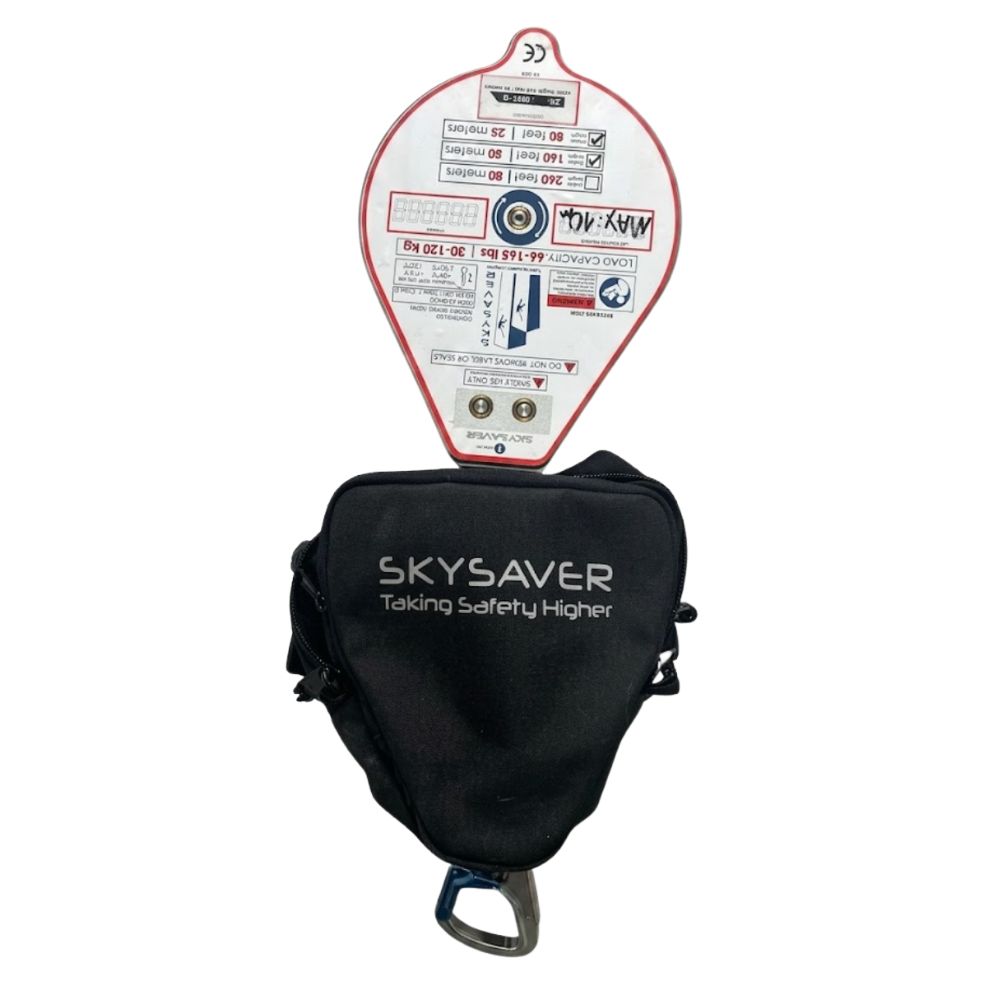
Controlled Descent Device (CDD)
External CDD unit for safe, controlled descent during high-rise emergency evacuation.