Emergency preparedness — the practice of planning and equipping oneself for potential disasters — has traditionally been associated with rural or suburban contexts: storing food, maintaining generators, having off-grid survival skills. But the majority of the world’s population now lives in urban environments, and the specific challenges of preparing for emergencies in a high-density city context are meaningfully different from those addressed by traditional preparedness culture. Urban preppers face a unique set of constraints and opportunities that require a tailored approach.
Space: The Urban Prepper’s Primary Constraint
In a rural home with significant storage space, accumulating emergency supplies — water, food, medical equipment, fuel — is largely a matter of budget and organization. In a city apartment, particularly in a high-rise building, storage space is a genuinely scarce resource. The idea of storing a month’s worth of water for a four-person household in a New York apartment is not just logistically challenging; for many urban residents it is physically impossible.
Urban preparedness requires a fundamentally different philosophy around storage: prioritize high-impact, low-volume items over bulk supplies. A compact water filtration system weighs a few ounces and can make any water source safe to drink. A well-chosen emergency kit containing first aid supplies, a few days of calorie-dense food, and key survival tools can fit in a standard backpack. The focus should be on items that provide maximum capability per unit of space.
The High-Rise Challenge
For urban preppers who live in high-rise apartments — which describes a significant proportion of city dwellers — there is an additional category of preparedness that has no real equivalent in low-rise living: vertical escape. In a natural disaster, power outage, or fire, a resident on the 20th floor cannot simply walk out the front door and drive away. If elevators are non-functional and stairwells are compromised, the options narrow dramatically.
This is why high-rise emergency preparedness must explicitly address vertical escape. The traditional prepper toolkit — food, water, first aid — is necessary but not sufficient for someone living fifty floors above the street. Understanding the realities of high-rise fire evacuation and equipping oneself with appropriate tools is an essential component of urban preparedness that is often overlooked in general preparedness guides.
Community and Building-Level Preparedness
One advantage that urban preppers have over their rural counterparts is density — the sheer number of people in close proximity. In a genuine emergency, this density can be a significant asset if building communities are organized. Residents who know their neighbors, building managers who have established emergency procedures, and organized floor wardens who are assigned responsibility for specific areas of the building can collectively respond to emergencies far more effectively than a collection of isolated individuals.
Urban preparedness at its most effective incorporates both individual readiness and community coordination. Knowing who on your floor has medical training, who has mobility limitations and may need assistance during evacuation, and who has supplies that could be shared in an extended emergency significantly improves the collective capability of everyone in the building. This is the social dimension of preparedness that pure equipment-focused approaches sometimes overlook.
Digital Dependency and Infrastructure Vulnerability
Modern urban life is deeply dependent on infrastructure that can become unavailable in an emergency: power, water, internet connectivity, and mobile networks. For most urban residents, these are not theoretical concerns — extended power outages occur regularly in cities, and their cascading effects on everything from water pressure to building access systems can be significant. Urban preparedness should account for multi-day scenarios without reliable power, running water, or digital communication.
Practical steps include maintaining a battery-powered or hand-crank radio for emergency broadcasts, keeping a supply of cash for situations where digital payment systems are unavailable, having a physical map of the local area, and knowing the locations of community emergency resources — hospitals, emergency shelters, water distribution points. Apps for preppers can be valuable tools in normal conditions, but they depend on power and connectivity that may not be available precisely when they are most needed.
SkySaver: Essential Urban Prepper Equipment
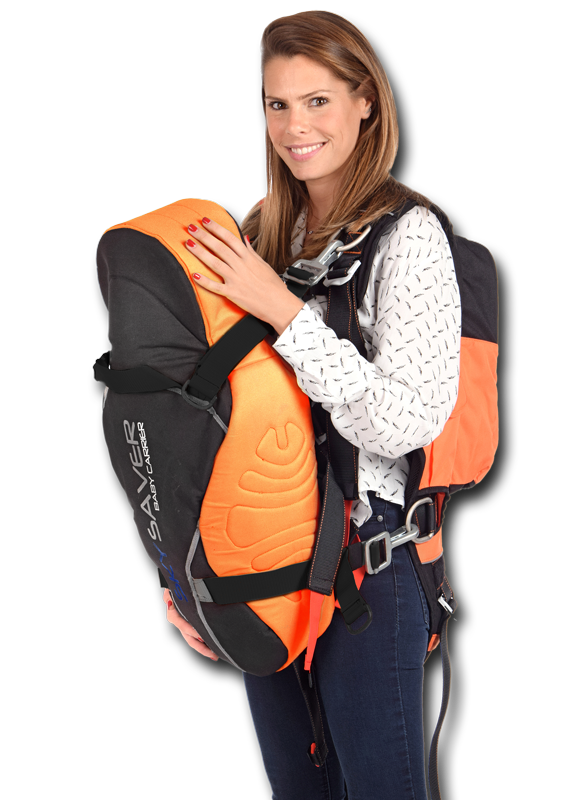
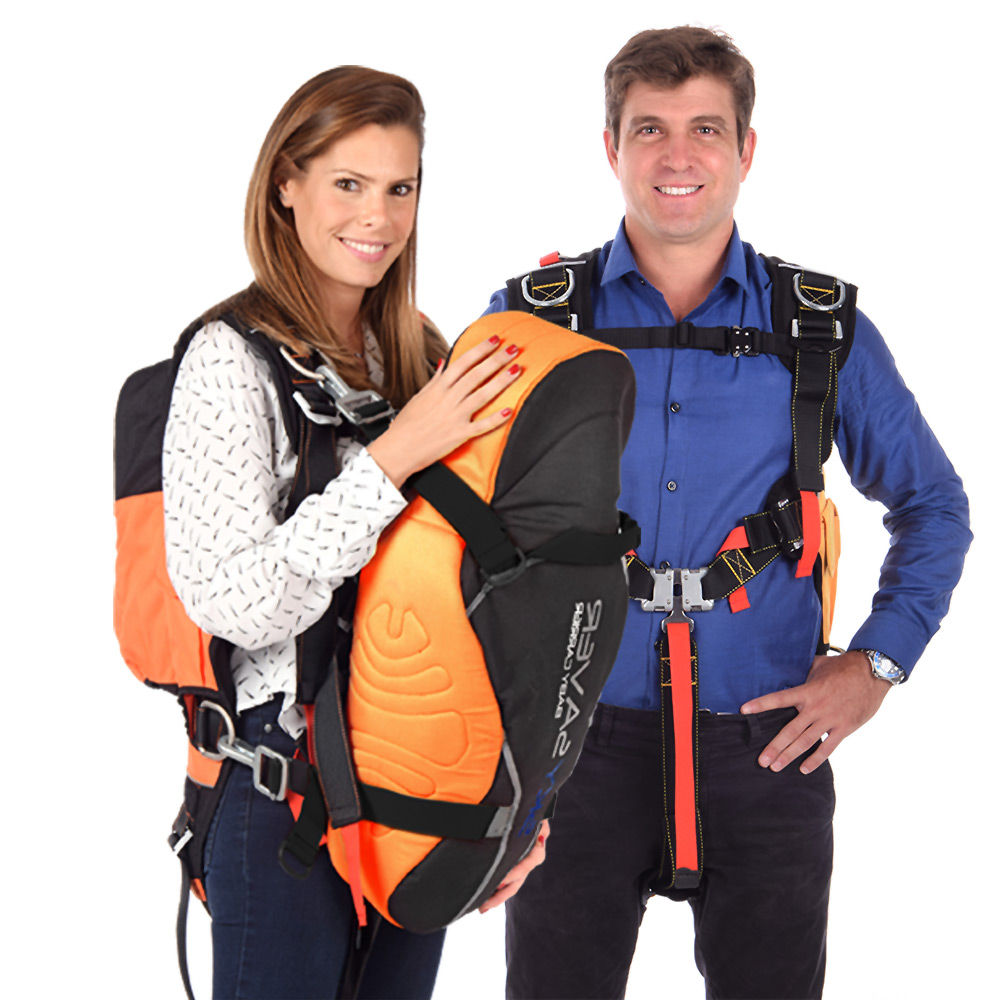
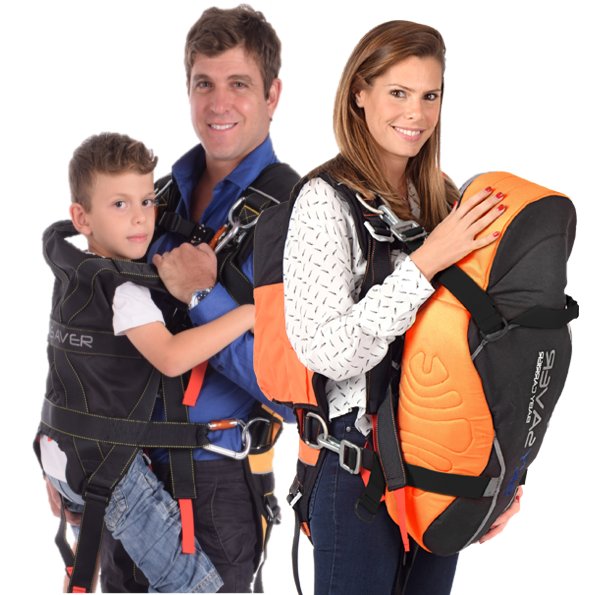
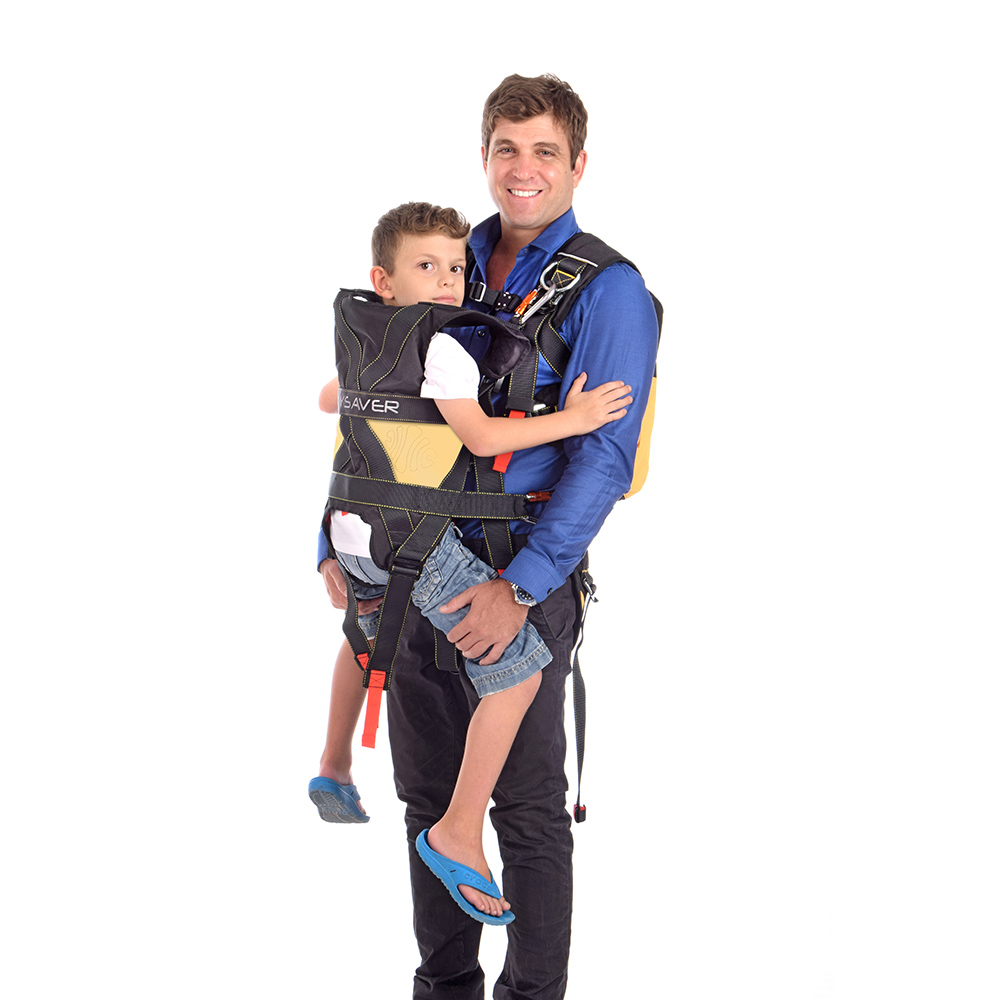
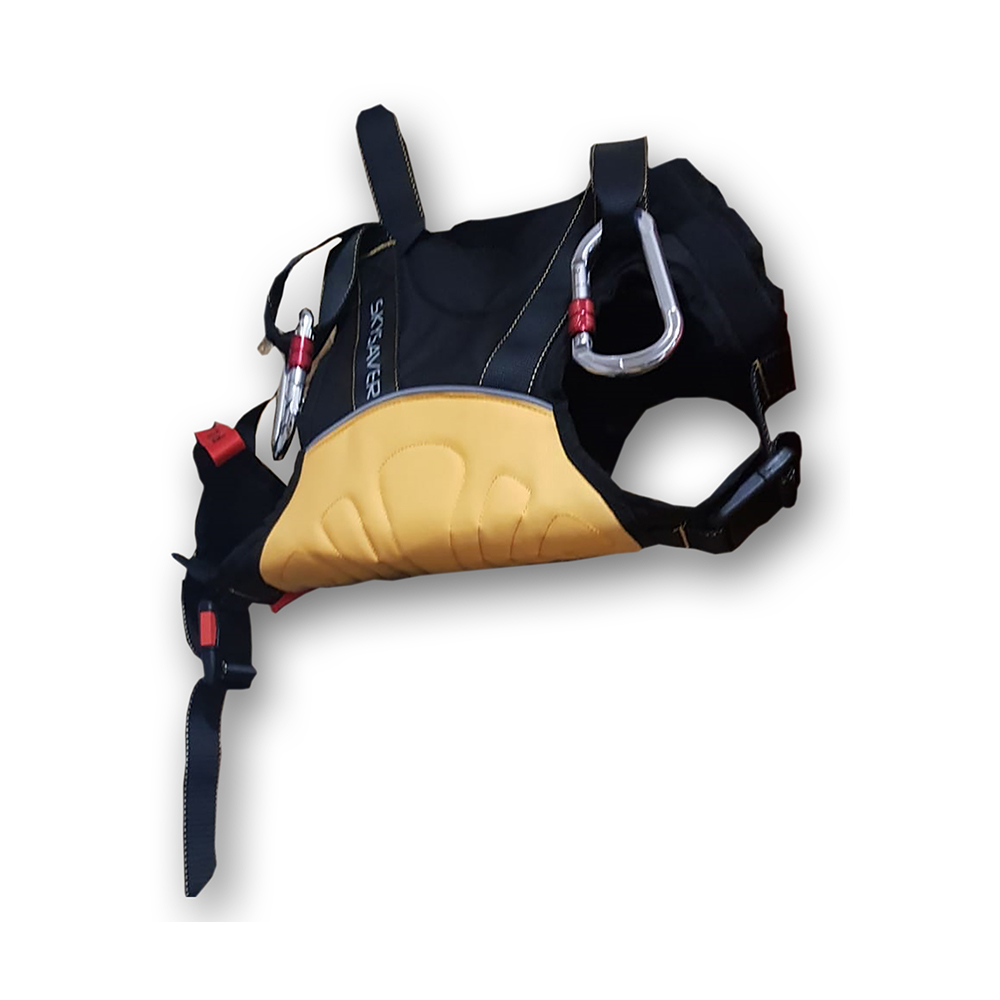
Among the items that distinguish a well-prepared urban high-rise resident from one who is relying on hope and luck, a controlled-descent escape device belongs near the top of the list. SkySaver‘s Controlled Descent Device is compact enough to store beside the bed, requires no training to operate, and provides a genuine, certified option for window-based evacuation from heights up to 25 stories. It is one of the few items that addresses a risk — being trapped above the ground in a fire or structural emergency — that has no other practical solution in an urban high-rise context.
Urban preparedness is not about paranoia or extreme scenarios. It is about being genuinely ready for the kinds of emergencies that actually occur in cities: fires, power outages, and occasionally more serious events. The right equipment, thoughtfully chosen for an urban high-rise context, makes that readiness achievable. Explore SkySaver’s personal escape solutions and add this essential tool to your urban preparedness kit.