There is something deeply primal about gathering around a campfire. The warmth, the crackling sound, the way the light dances across the faces of family and friends — it is one of the most universally enjoyed outdoor experiences. Yet campfires are also a significant source of wildland fires across the United States, with the majority of such fires attributable to human activity. Understanding and applying campfire safety principles is not just good practice — it is a responsibility every outdoor enthusiast carries when entering natural spaces.
Many adults recall receiving campfire safety guidance as children at summer camp or through scouting programs. But those lessons often fade over time, and the stakes are different when you are the responsible adult in the group — the one looking after children, pets, and fellow campers, and the one accountable for any fire that escapes control. A refresher on best practices is always worthwhile, because the consequences of a campfire gone wrong can be devastating not only to the people involved but to the surrounding ecosystem.

Before You Light: Planning and Site Selection
Campfire safety begins long before the first match is struck. The first step is always to check local fire regulations and weather conditions. Many national parks, forests, and wilderness areas impose fire bans during periods of high fire danger — dry, windy, hot conditions that allow fire to spread with terrifying speed. These bans carry the force of law, and violating them is not only dangerous but potentially a serious criminal offense if a fire results.
Weather is the invisible variable that determines how manageable a campfire will be. If the forecast calls for strong winds, low humidity, or elevated temperatures, the wise decision is to forgo the open fire entirely and use a portable camp stove instead. Wind can carry embers extraordinary distances, igniting dry grass or brush far from where you intended your fire to remain.
When selecting a site, always give first preference to an established campfire ring or pit. These pre-cleared, pre-ringed sites exist precisely to contain fires safely, and they spare the surrounding ground from further disturbance. If no established site is available, choose a location that is downwind of your camp, at least 15 feet from any tent, structure, tree line, or overhanging branch. Clear a 10-foot diameter of bare ground or rock around the fire location, scraping away dry grass, leaves, and other combustible debris. Ring the cleared pit with rocks to create a physical containment barrier.
Building and Managing Your Fire Responsibly
The size of a campfire should always be proportional to your actual needs. A fire with a diameter of approximately four feet and a height of no more than three feet is sufficient for warmth and cooking while remaining manageable. The instinct to build a large, impressive fire is understandable, but larger fires are significantly harder to control and extinguish completely, and they generate more airborne embers. Keep it practical.
Never use flammable liquids — gasoline, lighter fluid, alcohol — to start or accelerate a campfire. These substances cause explosive flare-ups that can instantly engulf nearby people or materials. Instead, use small dry twigs, pine needles, or purpose-made fire starters as tinder. Build up gradually from tinder to kindling to larger fuel. Only use coal and dry, dead wood as fuel material. Do not break branches from living trees — beyond being environmentally damaging, green wood burns poorly and produces excessive smoke.
Once your fire is lit, it must never be left unattended. This is not a guideline with exceptions. Even a calm, well-contained fire can shift unexpectedly with a change in wind direction, sending sparks into dry grass or nearby gear. Assign a responsible adult to monitor the fire at all times, and ensure that everyone in the group understands not to leave it unsupervised for any reason, even briefly.
If children or pets are part of your camping group, establish a clear perimeter around the fire and enforce it consistently. Children should be taught to respect the fire, stay at a safe distance, and immediately alert an adult if they see fire spreading beyond the ring. Matches and lighters must be kept out of reach of children at all times. Used matches should be cooled completely and disposed of in the fire before leaving the site.
Extinguishing Your Campfire: The Right Way
More campfire accidents occur during or after extinguishing than during the burning phase, often because the fire was not fully extinguished before the campers left. A fire that appears dead can smolder underground in root systems or in the ash layer for hours, reigniting when wind conditions change. Proper extinguishing takes time and thoroughness.
Begin extinguishing well before you plan to leave — at least 20 to 30 minutes before departure. Douse the fire and all embers thoroughly with water, using more than you think is necessary. Stir the ash and embers with a shovel, mixing them with the wet material to ensure all heat is dissipated. Add more water, stir again, and repeat until no steam or hissing remains. The test is simple: if you hold your hand close to the ash (without touching it) and feel no heat, the fire is fully out. If you feel any warmth, continue the dousing process.
If water is scarce, use dry soil or sand — but understand that this method is less reliable than water, as soil can insulate smoldering embers rather than extinguishing them. Water is always the preferred extinguishing medium. Once satisfied that the fire is completely dead, scatter the cooled ash to avoid leaving a concentrated heat source that could reignite.
Campfire Safety in the Broader Context of Fire Awareness
Campfire safety is part of a broader commitment to fire awareness that applies across all environments. The same principles of respect, preparation, and vigilance that protect a forest campsite also apply in urban and suburban settings. Understanding the major causes of fire helps put campfire risk in perspective — human behavior is the dominant variable in fire prevention, whether in the wilderness or in a high-rise apartment building.
The physical behavior of fire — how it spreads, accelerates, and interacts with different materials — is something every safety-conscious person benefits from understanding. The SkySaver blog on how fast fire spreads offers insight into the speed with which a small flame can become an uncontrollable blaze, a reality that applies as much to a campsite as to a building. Likewise, understanding the world’s worst wildfires provides sobering context for why campfire discipline matters at a societal scale.
For those who spend time in or near multi-story structures — whether returning from a camping trip to a hotel or living in a high-rise — the SkySaver rescue backpack represents an important complement to fire awareness. Designed for controlled descent from elevated windows when conventional evacuation routes are blocked, the SkySaver system gives residents and travelers an independent means of escape that conventional fire safety planning often overlooks.
Whether you are heading into the backcountry this weekend or simply reviewing your family’s overall safety preparedness, campfire discipline and fire safety knowledge work together as part of a coherent approach to personal and community protection. Take these principles seriously, share them with your group before every outdoor adventure, and make responsible fire management a non-negotiable part of your camping culture.
For the most comprehensive approach to emergency preparedness — indoors and out — explore SkySaver’s range of high-rise escape solutions and take the next step toward protecting yourself and those you love.
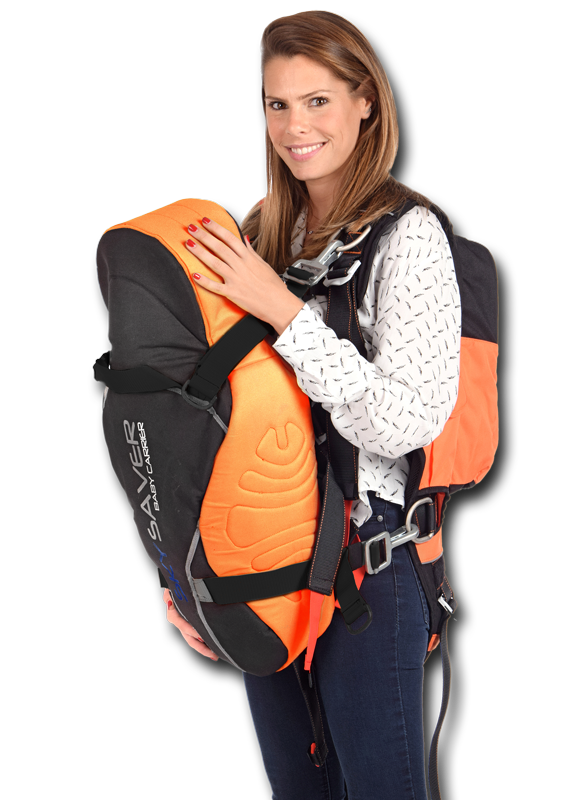
Attachable Baby Harness
Lightweight safety harness for fast and secure infant evacuation in high-rise emergencies.
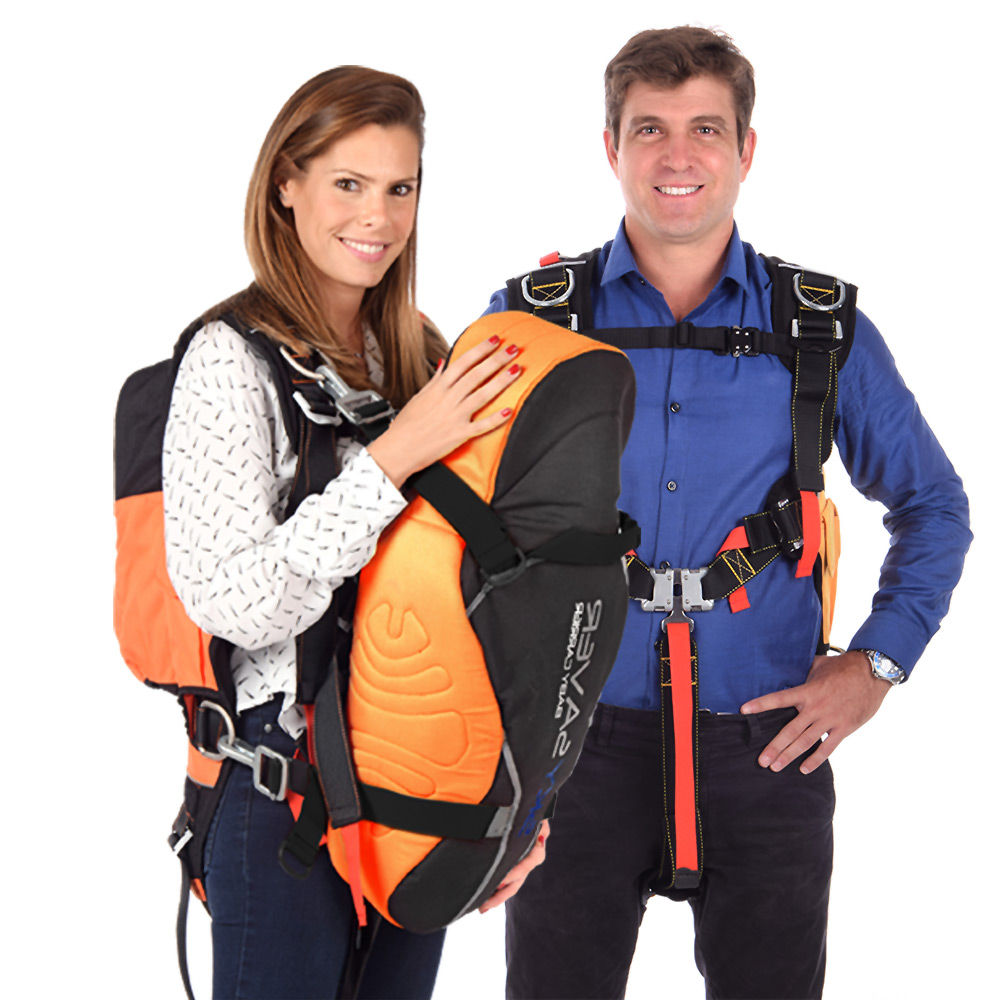
Parent Package
Complete emergency evacuation kit for the parent and dependant. Fast, safe descent from high-rise buildings.
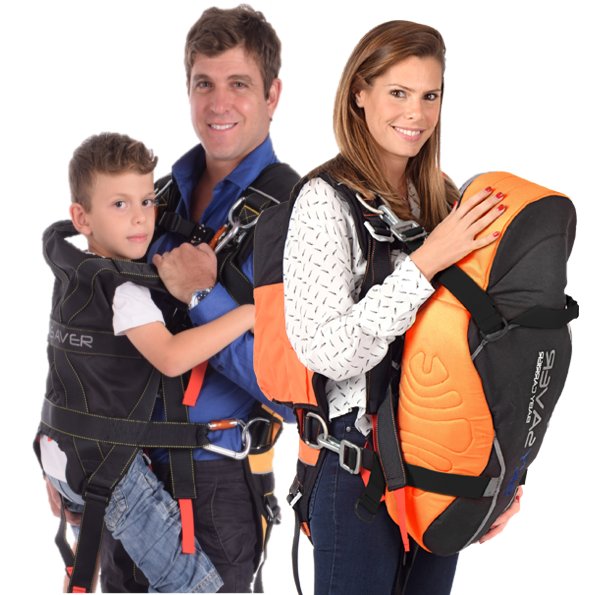
Parent Edition
Complete high-rise evacuation solution for a parent, maximum safety and fast deployment.

Single Self-Rescue Kit
Complete emergency evacuation kit for high-rise fast, safe descent during critical emergencies.
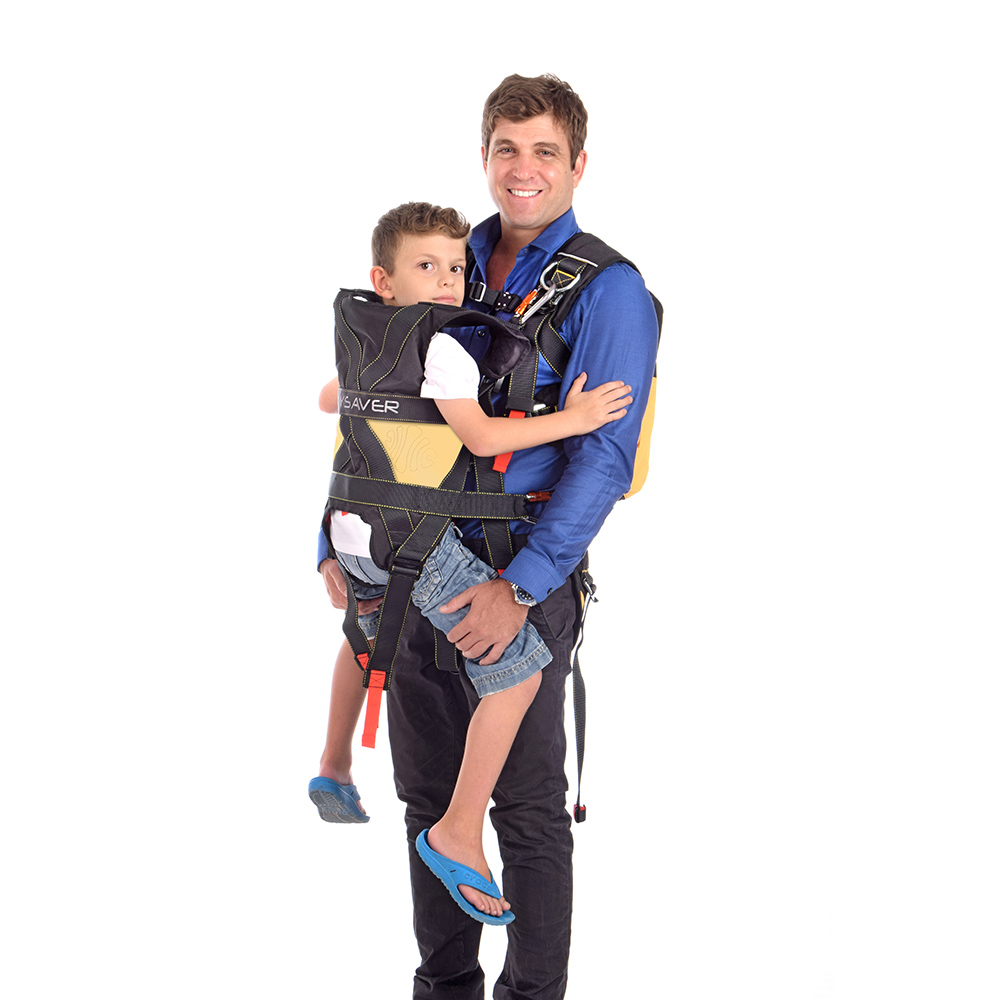
Attachable Child Harness
Lightweight child safety harness designed for secure, controlled evacuation from high-rise buildings.
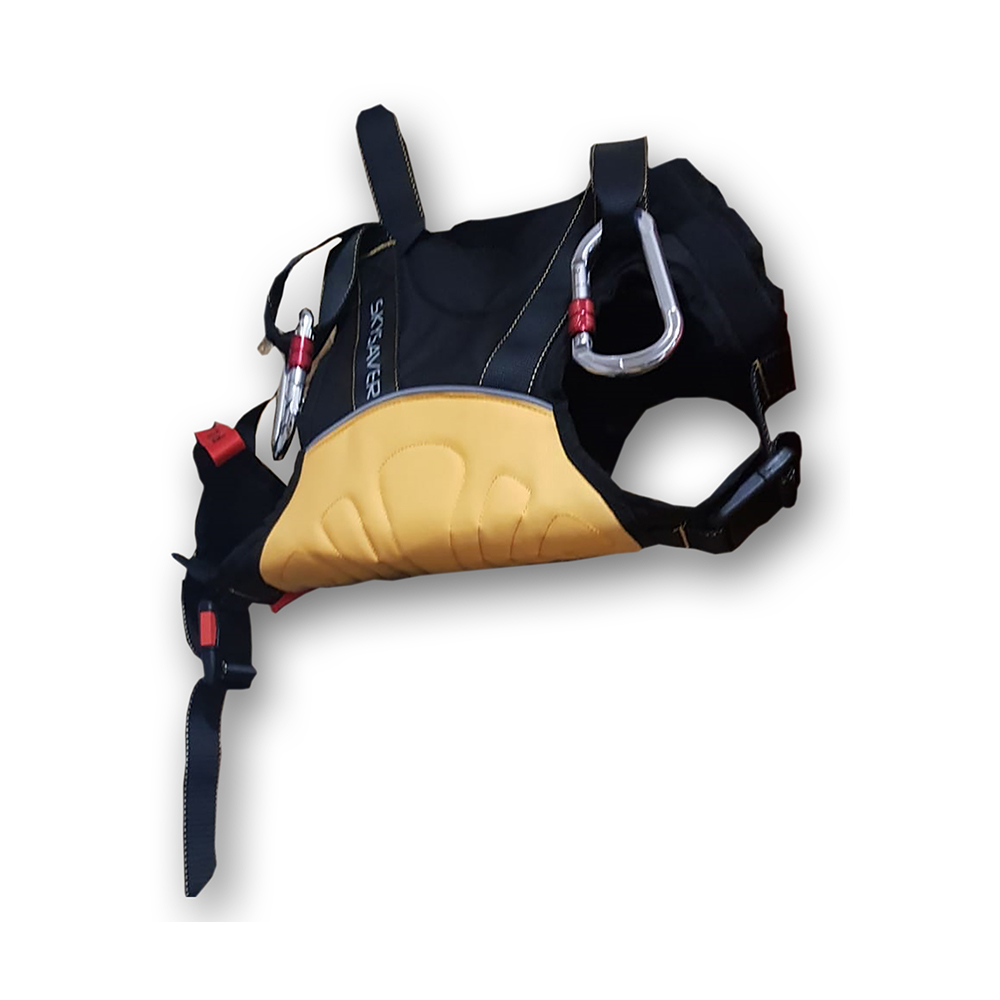
Attachable Pet Harnesses
Secure, lightweight safety harness designed for fast and controlled pet evacuation from high-rise buildings.

single Self-Rescue Harnesseses
Professional external safety harness for secure personal evacuation from high-rise buildings.
Controlled Descent Device (CDD)
Advanced backpack-based evacuation unit with harness attachment option for high-rise emergencies.