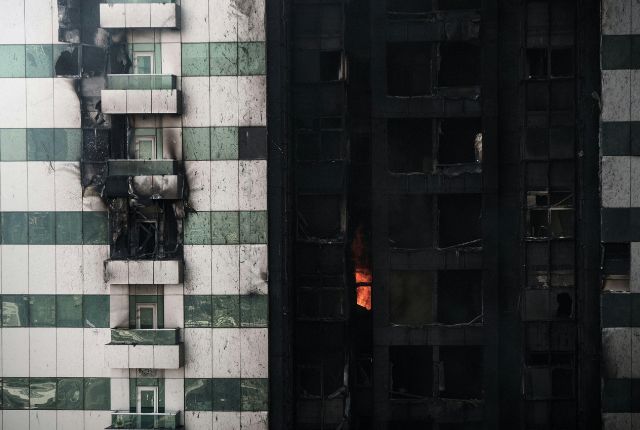
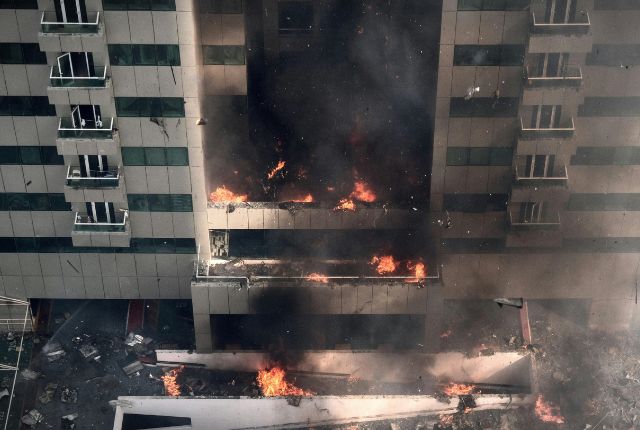
Building evacuation slides represent one of the more dramatic approaches to emergency egress from multi-story structures. Inspired by aircraft evacuation slides that deploy within seconds to allow rapid passenger exit, building-mounted slide systems aim to provide a fast, gravity-driven escape route from upper floors to ground level. These systems have gained attention from safety engineers, building developers, and the general public as cities continue to grow vertically. But how do building evacuation slides actually work, and are they a practical solution for residential high-rise buildings?
How Building Evacuation Slides Function
Building evacuation slides operate on a simple principle: use a smooth, enclosed or semi-enclosed track to allow occupants to slide from an upper floor to ground level under the force of gravity. The slide surface is typically made from fire-resistant polymers or coated metals designed to provide controlled friction — enough to prevent dangerous acceleration while still allowing efficient descent. Some systems use a spiral configuration wrapped around the building’s exterior, while others employ a straight or zigzag descent path.
The most advanced building slide systems include speed-control mechanisms built into the track surface. These may take the form of friction strips, speed bumps, or variable-angle sections that alternate between steeper acceleration zones and flatter deceleration zones. The goal is to maintain a descent speed that is fast enough for efficient evacuation but slow enough to be safe for occupants of varying sizes and physical conditions.
Deployment methods vary between systems. Some building evacuation slides are permanently installed and always ready for use, requiring occupants simply to access the entry point and begin their descent. Others are stored in compact housings and deploy mechanically or pneumatically when activated, similar to aircraft evacuation slides. Deployable systems save space and reduce weather exposure but add complexity and potential failure points during an actual emergency.
Where Building Slides Are Used Successfully
Building evacuation slides have found their greatest success in industrial and commercial applications where rapid mass evacuation is a priority. Oil refineries, chemical plants, and offshore platforms use enclosed slide systems to move large numbers of workers from elevated structures to ground level or lifeboat stations in minimal time. These installations benefit from trained workforces who regularly practice using the slides and from industrial environments where aesthetic concerns are secondary to safety function.
Some commercial buildings in Japan and South Korea have incorporated spiral slide systems as supplementary evacuation routes, reflecting these countries’ advanced approach to earthquake and fire safety in densely built urban environments. In these installations, the slides serve as alternatives to stairwells that may be blocked by structural damage during seismic events.
Challenges for Residential Applications
Translating building evacuation slide technology to residential high-rise settings presents significant challenges. The exterior-mounted hardware is visually intrusive and can face resistance from building management, residents concerned about property values, and local planning authorities. Maintenance requirements are substantial — slide surfaces must be kept clean, smooth, and free of debris to ensure safe operation. Weather exposure can degrade materials, create icy or wet conditions that affect descent speed, and require seasonal inspection and servicing.
Accessibility is a major concern. Elderly residents, people with mobility impairments, pregnant women, and individuals with certain medical conditions may be unable to safely use a slide system. Children present another challenge, as their smaller body size and lighter weight can result in either insufficient friction for speed control or difficulty navigating the entry point independently. These limitations mean that even buildings equipped with slide systems must maintain alternative evacuation methods for a significant portion of their occupant population.
Height limitations also apply. While slides work well for buildings of moderate height, the physics of friction-based descent becomes more challenging over very long distances. Heat buildup from extended friction contact, material fatigue, and the psychological challenge of a very long enclosed descent all become factors for taller buildings.
Personal Descent Devices: The Individual Alternative
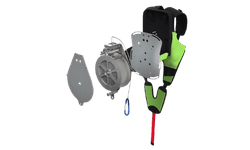
For residential high-rise buildings where slide installation is impractical, personal controlled descent devices offer an individualized solution that achieves the same fundamental goal — rapid descent from upper floors without using stairwells. The SkySaver CDD provides each resident with their own personal escape route through any window, without any exterior building modification beyond a simple wall anchor bracket.
Unlike building slides that serve one entry point per floor and require occupants to reach that specific location, a personal descent device works from wherever the user is — their own apartment window. The SkySaver Single Self-Rescue Kit stores compactly in any closet and deploys in under a minute. For families, the Family Edition allows parents and children to evacuate together safely.
Making an Informed Decision
Building evacuation slides serve a legitimate role in specific applications, particularly industrial facilities with trained workforces and moderate building heights. For residential high-rise buildings, the combination of installation challenges, maintenance demands, accessibility limitations, and aesthetic impact makes personal controlled descent devices a more practical and inclusive alternative. Visit the SkySaver shop to explore personal evacuation solutions that work for every resident, from every floor, through every window.
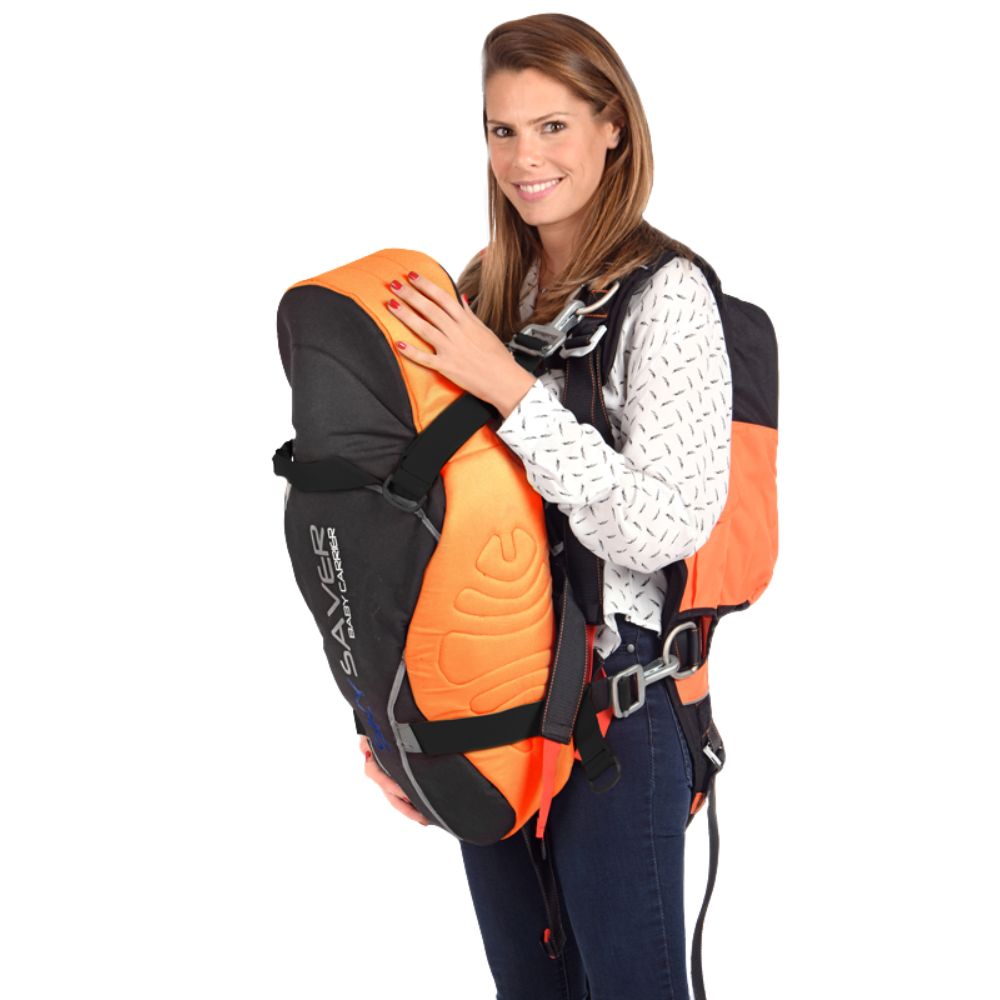
Attachable Baby Harness
Lightweight safety harness for fast and secure infant evacuation in high-rise emergencies.
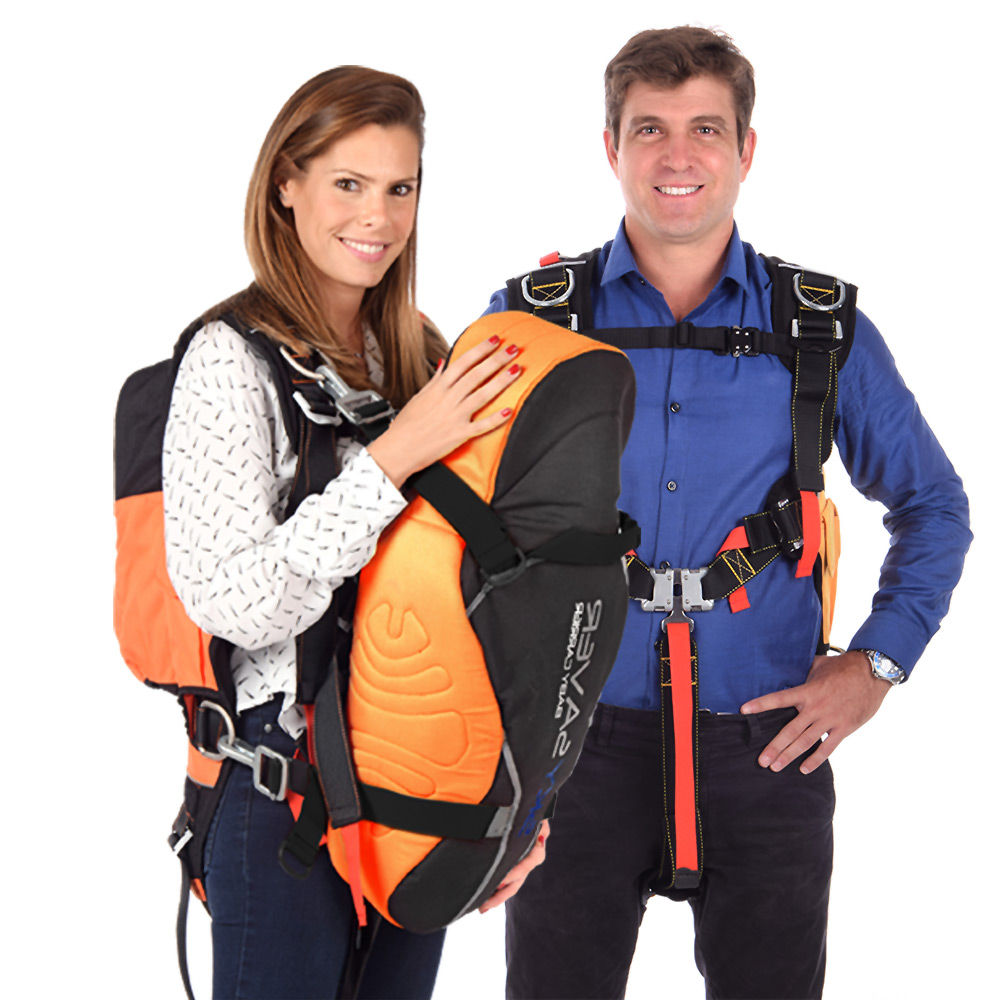
Parent Package
Complete emergency evacuation kit for the parent and dependant. Fast, safe descent from high-rise buildings.
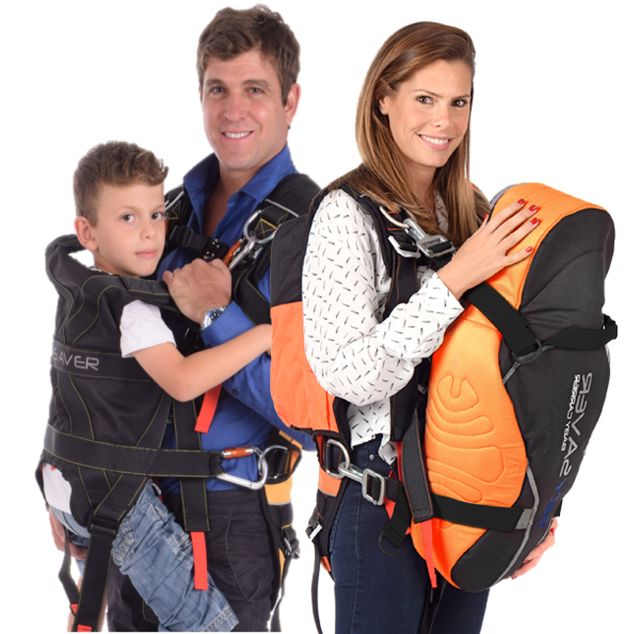
Parent Edition
Complete high-rise evacuation solution for a parent, maximum safety and fast deployment.
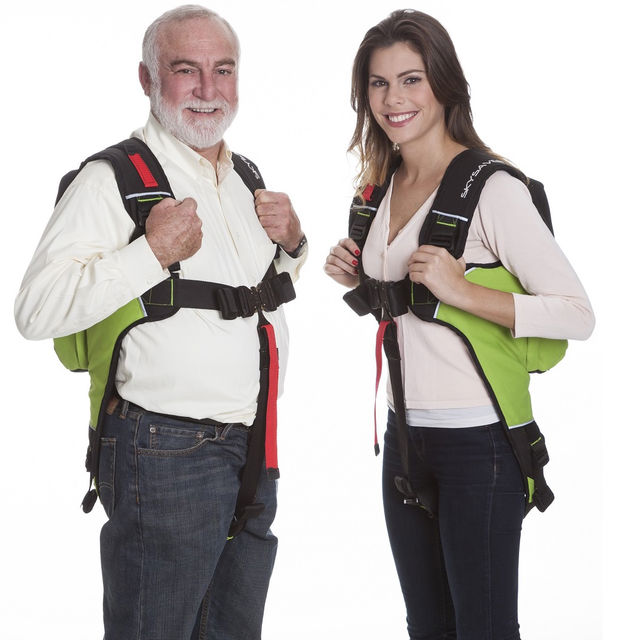
Single Self-Rescue Kit
Complete emergency evacuation kit for high-rise fast, safe descent during critical emergencies.
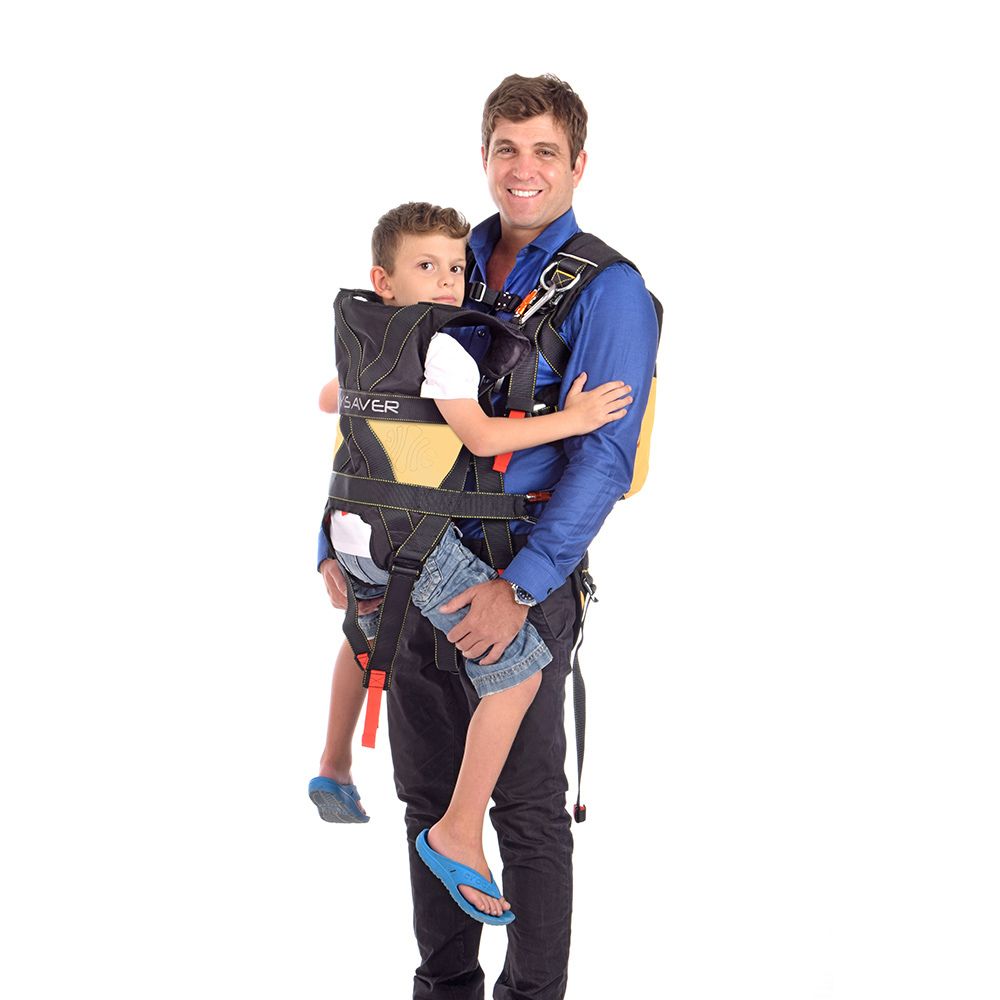
Attachable Child Harness
Lightweight child safety harness designed for secure, controlled evacuation from high-rise buildings.
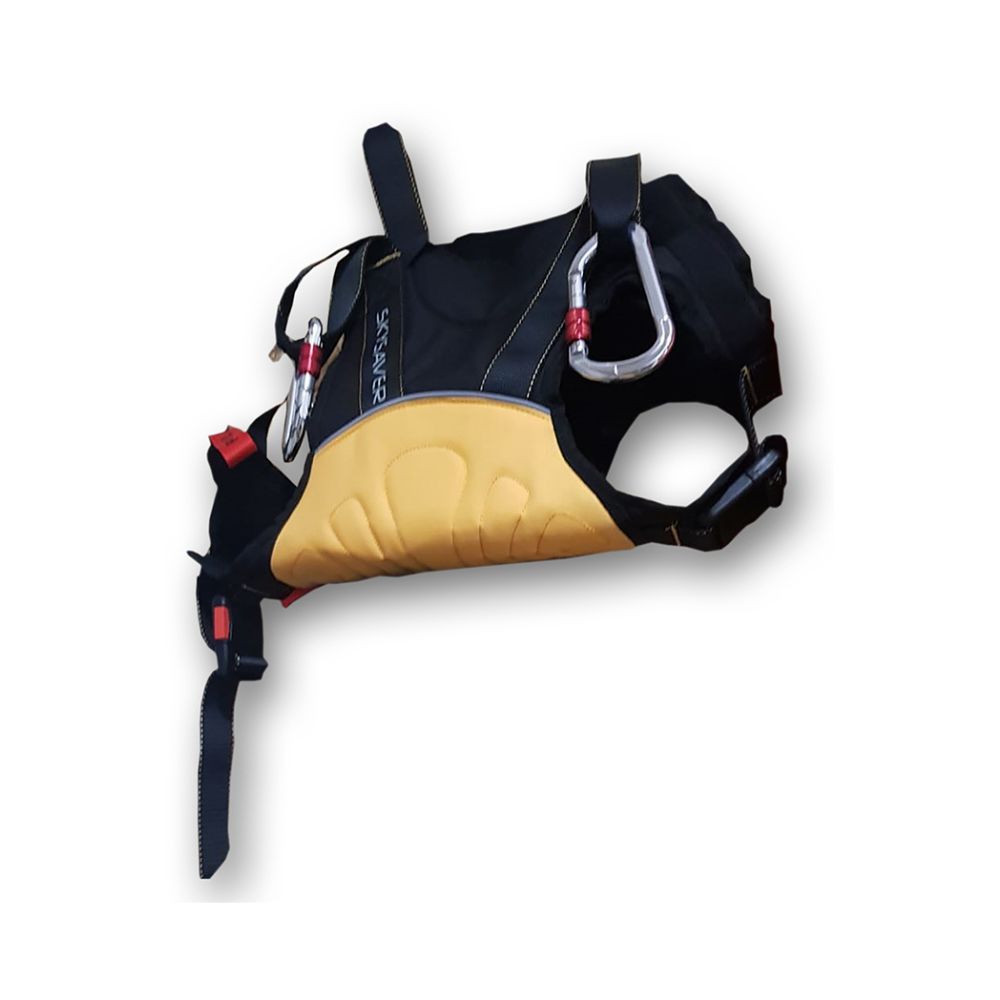
Attachable Pet Harnesses
Secure, lightweight safety harness designed for fast and controlled pet evacuation from high-rise buildings.
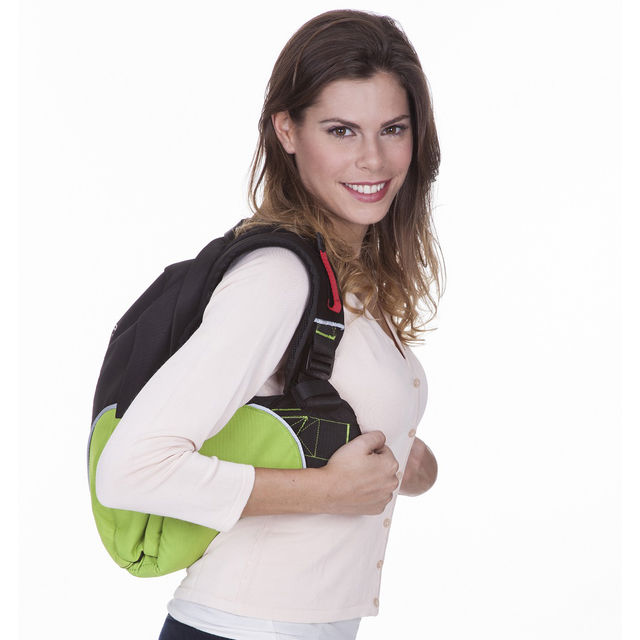
single Self-Rescue Harnesseses
Professional external safety harness for secure personal evacuation from high-rise buildings.
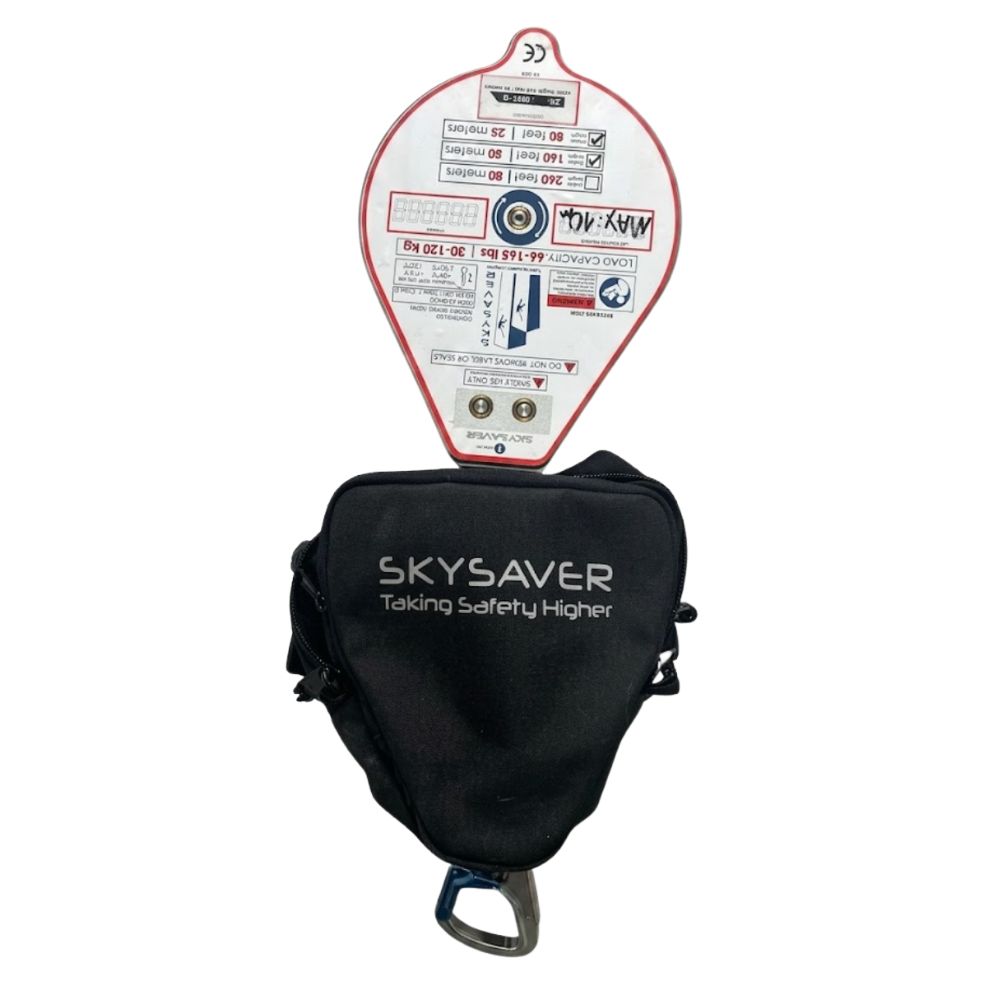
Controlled Descent Device (CDD)
External CDD unit for safe, controlled descent during high-rise emergency evacuation.