The global market for emergency evacuation devices has expanded dramatically as urbanization drives more people into high-rise living and working environments. From controlled descent devices and evacuation chairs to escape chutes and rescue platforms, the range of available technologies can be overwhelming for building managers and individual residents trying to determine which devices offer genuine life-saving capability. This comprehensive guide examines the major categories of emergency evacuation devices for high-rise buildings, comparing their effectiveness, practicality, and suitability for different scenarios.
Categories of Emergency Evacuation Devices
Emergency evacuation devices for high-rise buildings fall into several distinct categories, each designed to address specific aspects of the evacuation challenge. Understanding these categories is the first step toward making an informed safety investment.
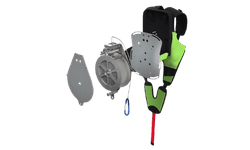
Controlled descent devices represent the most personal and immediately deployable category. These compact systems, typically stored in individual apartments or offices, allow a single person to lower themselves from a window to the ground using a cable and automatic braking mechanism. The SkySaver CDD is a leading example, offering a friction-controlled descent that works regardless of the user’s weight and requires no prior training. The key advantage of controlled descent devices is their independence — each person has their own device, ready for immediate use, without relying on building infrastructure or other people.
Evacuation chairs are designed to help mobility-impaired individuals descend stairwells with the assistance of an operator. These devices range from basic manual chairs to motorized units like the Neri Go Lift. While essential for accessibility, they depend on stairwells remaining passable and on trained operators being available during the emergency.
Escape chutes and tubes are large-format evacuation systems permanently installed on building exteriors. They allow occupants to slide from upper floors to ground level through an enclosed tube. These systems can handle high-volume evacuation but require significant building modification and ongoing maintenance.
What Makes an Effective Emergency Escape Device
When evaluating emergency evacuation devices, several critical factors determine real-world effectiveness. Speed of deployment is paramount — in a fire, conditions can deteriorate from manageable to lethal in minutes. A device that takes fifteen minutes to set up provides far less value than one that can be deployed in under sixty seconds. The SkySaver Single Self-Rescue Kit exemplifies rapid deployment design, with a complete setup time of less than one minute from storage to descent.
Ease of use under stress is equally important. During a fire, occupants experience elevated heart rates, impaired cognitive function, reduced visibility from smoke, and intense psychological pressure. Any evacuation device that requires complex procedures, specialized knowledge, or fine motor control may fail when people need it most. The best emergency escape devices use intuitive designs that work with minimal user input — put on the harness, clip in, and go.
Weight capacity and universality matter for family and commercial applications. A device that only works for adults within a narrow weight range leaves children, elderly family members, and larger individuals without protection. Top-tier devices accommodate a wide weight range and offer accessories for special situations. The SkySaver Family Edition addresses this by including harness attachments for children, ensuring that the entire family can evacuate together.
Comparing Device Types: Pros and Cons
Each category of evacuation device offers distinct advantages and limitations. Controlled descent devices excel in personal preparedness — they require no building-wide installation, no ongoing operational costs, and no coordination with other occupants. Their limitation is that they serve one person or family unit at a time, making them personal safety equipment rather than building-wide systems.
Building-installed systems like escape chutes and evacuation slides can handle higher volumes of evacuees simultaneously, making them potentially valuable for commercial buildings with large occupant loads. However, their high installation costs, ongoing maintenance requirements, aesthetic impact on building exteriors, and vulnerability to weather conditions limit their residential adoption.
Rope-based emergency escape devices offer a low-cost alternative but present significant safety risks. Without automatic speed control, users must manually regulate their descent, which becomes extremely difficult under stress, in wet conditions, or when hands are sweaty from heat exposure. The risk of rope burns, uncontrolled descent, and falls makes manual rope systems unsuitable for untrained users.
Regulatory Standards and Certification
Legitimate emergency evacuation devices must meet rigorous safety standards established by national and international regulatory bodies. In the United States, relevant standards include NFPA guidelines for building evacuation and ANSI standards for personal protective equipment. European markets reference CE marking and EN standards for descent devices. When evaluating any evacuation device, verify that it carries appropriate certifications from recognized testing laboratories.
SkySaver products are tested and certified to international safety standards, ensuring reliable performance under the extreme conditions encountered during actual building fires. This includes testing at elevated temperatures, with maximum weight loads, and after extended storage periods to verify that the devices remain functional when needed most.
Choosing the Right Device for Your Situation
For individual apartment residents and families, a personal controlled descent device offers the best combination of reliability, accessibility, and value. It provides an escape route that works independently of building systems, requires no special training, and remains ready for immediate deployment at any time. Building managers looking to enhance their property’s overall safety profile should consider making controlled descent devices available to all residents, either through bulk purchasing programs or by recommending them as standard safety equipment alongside smoke detectors and fire extinguishers.
Explore the complete range of certified emergency evacuation devices at the SkySaver shop and choose the solution that gives you and your family the confidence of knowing you can escape any high-rise emergency safely and independently.
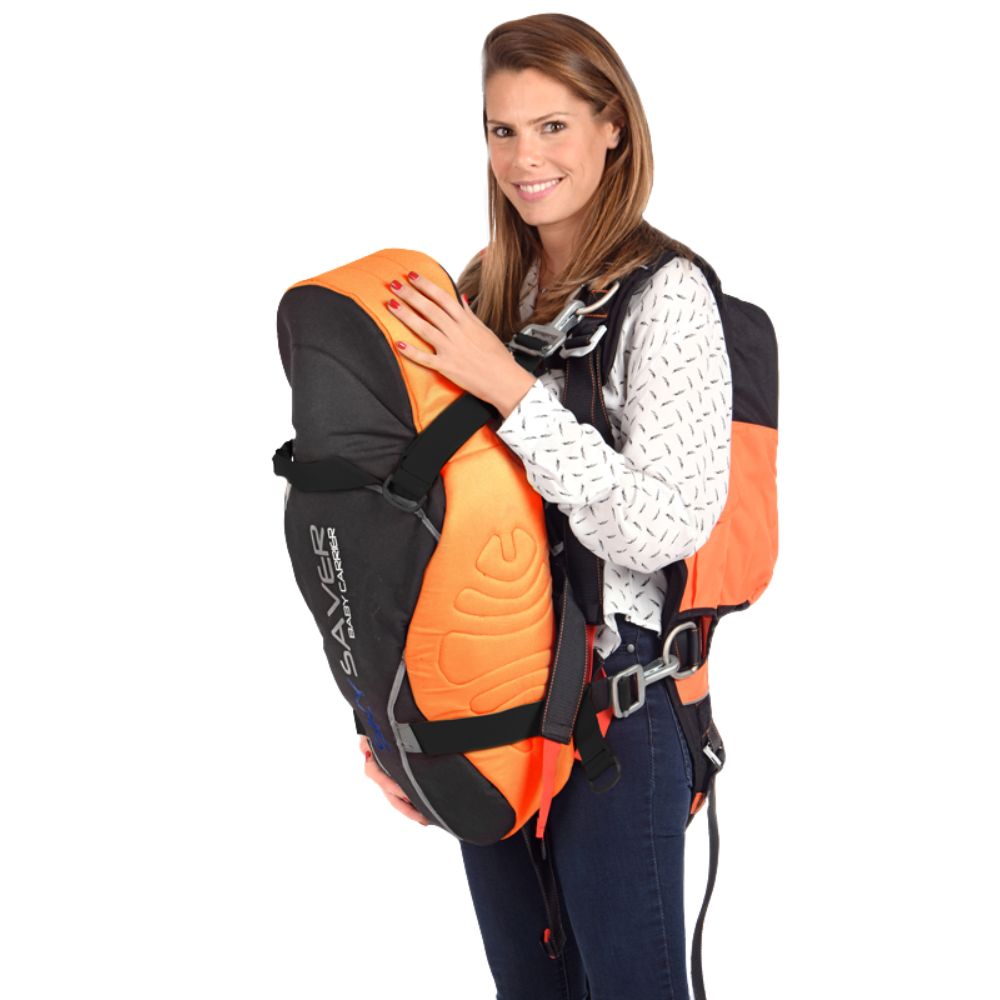
Attachable Baby Harness
Lightweight safety harness for fast and secure infant evacuation in high-rise emergencies.
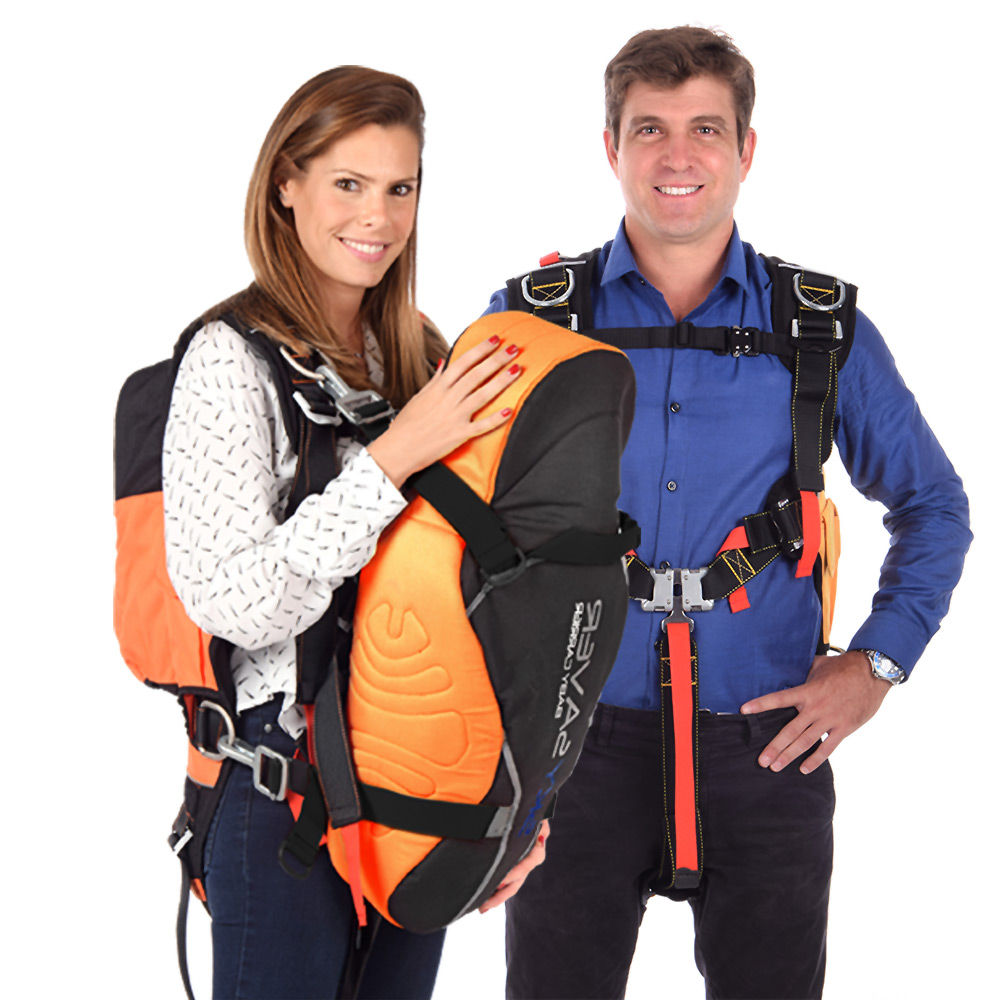
Parent Package
Complete emergency evacuation kit for the parent and dependant. Fast, safe descent from high-rise buildings.
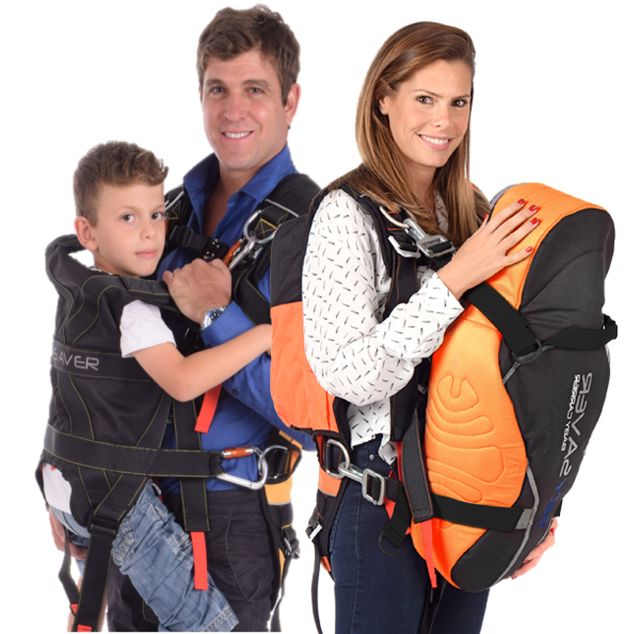
Parent Edition
Complete high-rise evacuation solution for a parent, maximum safety and fast deployment.
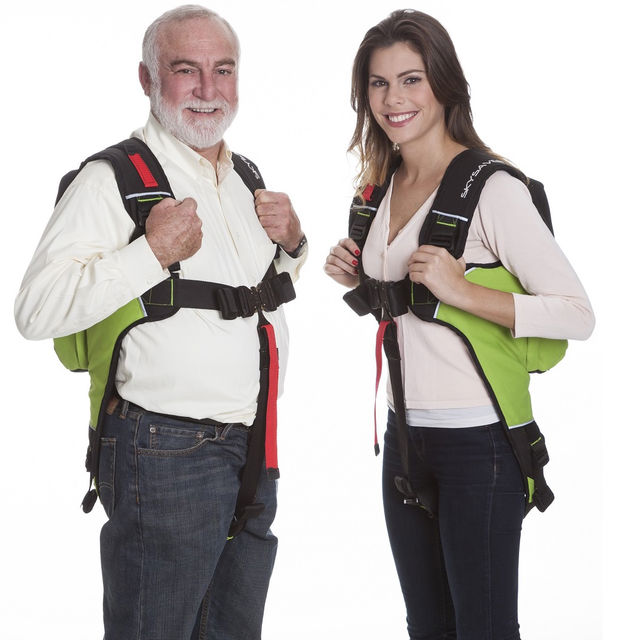
Single Self-Rescue Kit
Complete emergency evacuation kit for high-rise fast, safe descent during critical emergencies.
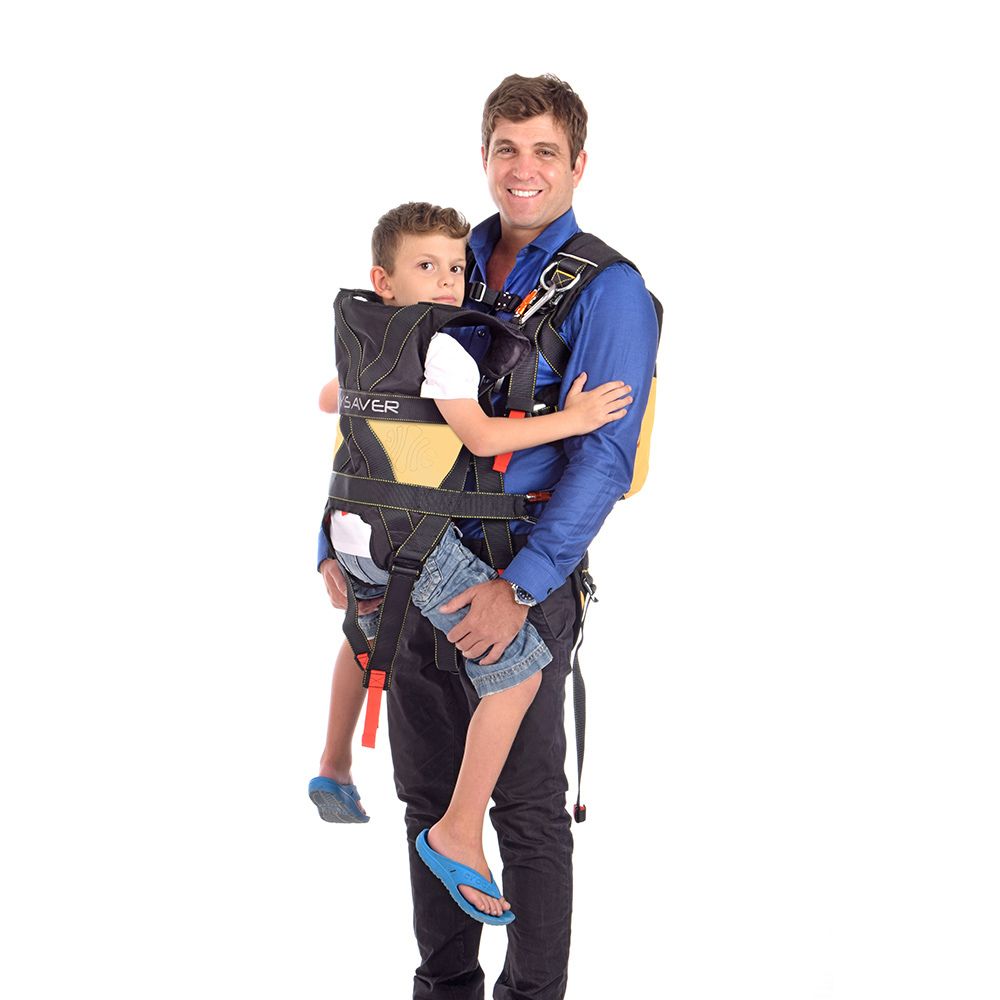
Attachable Child Harness
Lightweight child safety harness designed for secure, controlled evacuation from high-rise buildings.
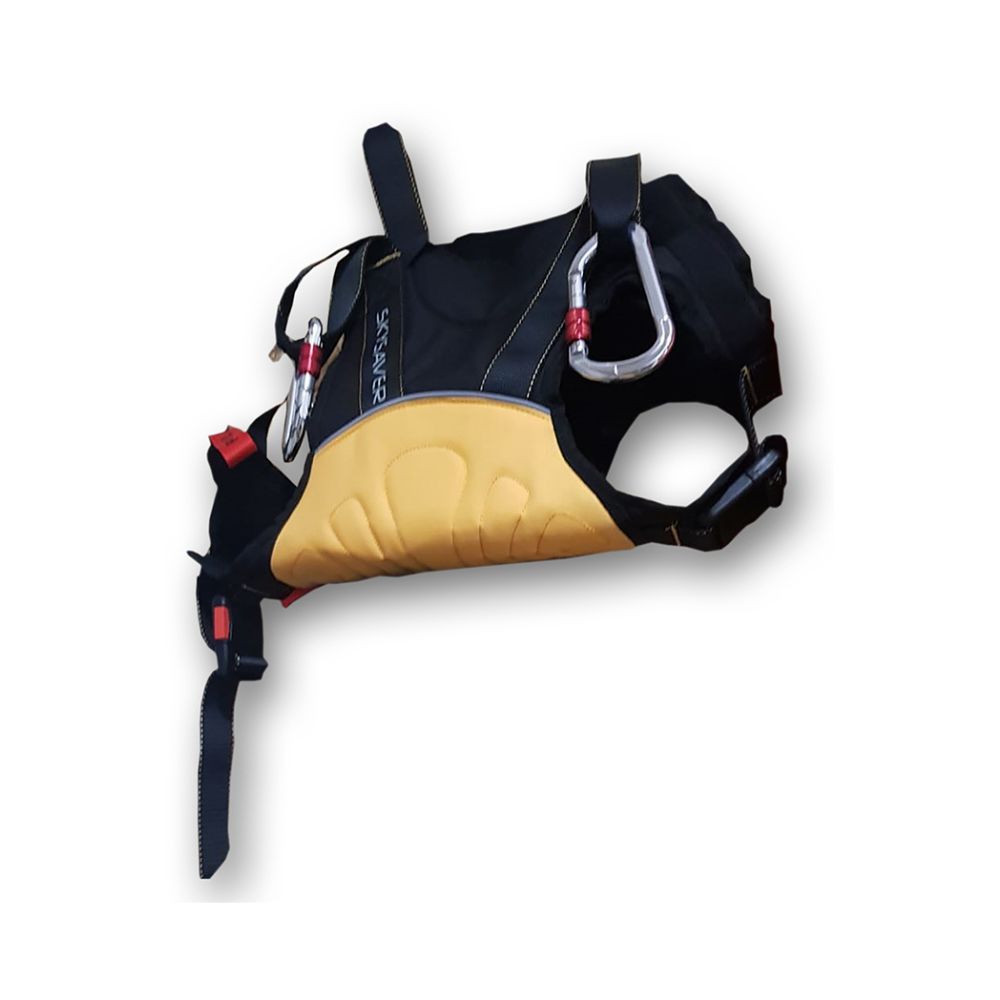
Attachable Pet Harnesses
Secure, lightweight safety harness designed for fast and controlled pet evacuation from high-rise buildings.
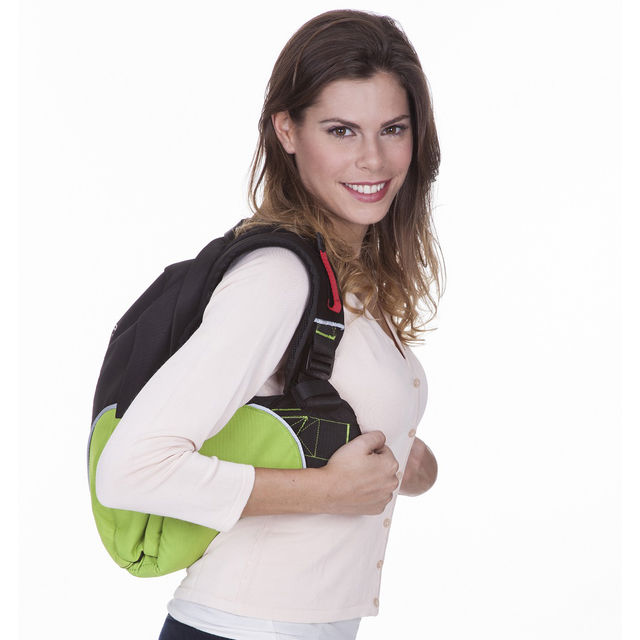
single Self-Rescue Harnesseses
Professional external safety harness for secure personal evacuation from high-rise buildings.
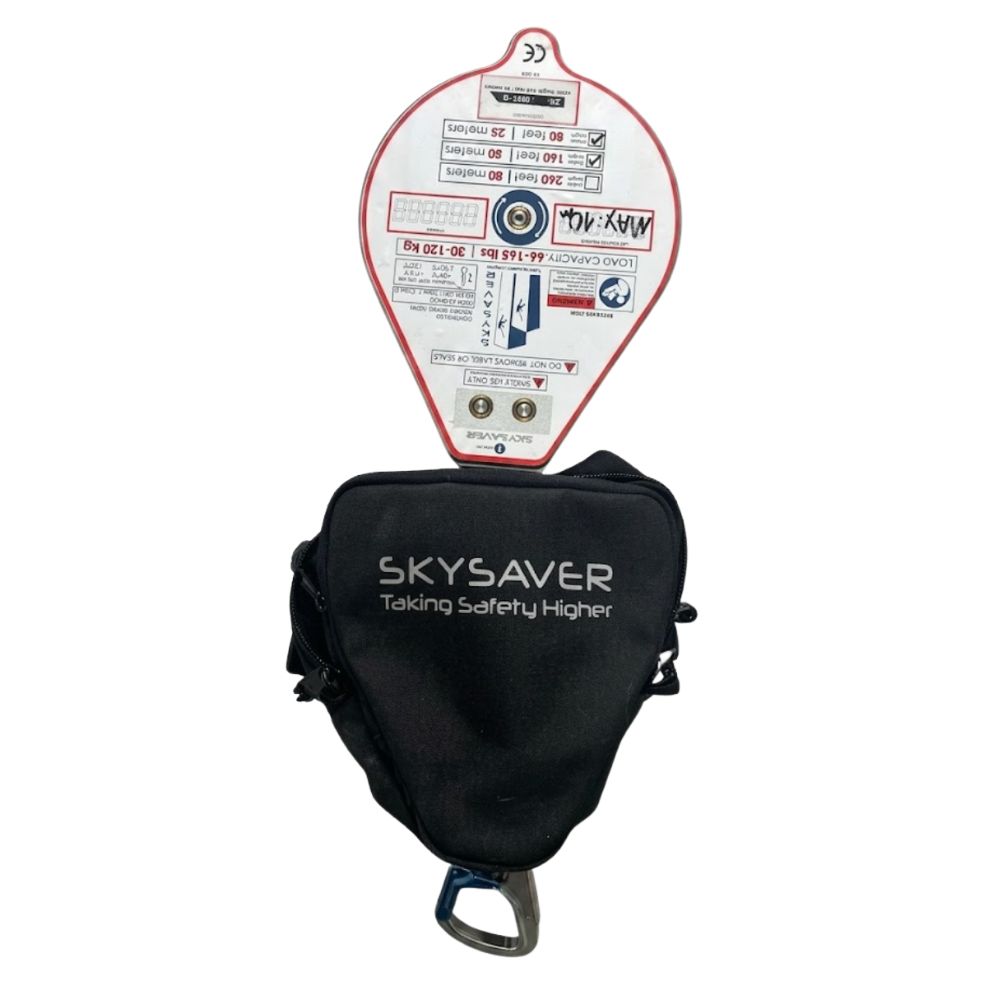
Controlled Descent Device (CDD)
External CDD unit for safe, controlled descent during high-rise emergency evacuation.