Most people think of house fires in predictable terms: an unattended stove, a cigarette left burning, a candle too close to a curtain. And while these are indeed the most common causes of residential fires, they represent only a fraction of the ways that fire can unexpectedly enter a home or building. The history of fire investigation is filled with incidents that began in ways that no one would have anticipated — and each of these cases carries lessons about the unpredictable nature of fire risk and the importance of being prepared for the unexpected.
When Everyday Objects Become Fire Hazards
One of the most counterintuitive fire causes involves glass objects left near windows on sunny days. A glass sphere, a crystal decoration, or even a filled water bottle can act as a lens, focusing sunlight onto a single point with enough intensity to ignite nearby flammable materials. Investigators have traced residential fires to this cause on multiple occasions — a glass bowl catching afternoon sunlight and directing it onto a wooden surface or paper materials with enough concentration to initiate combustion. The lesson here is that fire risk is not limited to items that intuitively seem dangerous.
Lithium-ion batteries — the power source for virtually every modern portable device — have also been responsible for an increasing number of fires, particularly as the density of stored energy in consumer batteries has increased. A battery that is overcharged, physically damaged, or manufactured with defects can enter a condition known as thermal runaway, generating intense heat and, in some cases, igniting the battery itself and surrounding materials. Fires traced to laptops, smartphones, e-cigarettes, and electric scooters have all been documented in recent years, and the trend shows no sign of reversing as battery-powered devices become more prevalent.
Natural Phenomena and Spontaneous Combustion
Spontaneous combustion — the ignition of a material without an external flame source — is not merely a myth or a figure of speech. Certain materials, including linseed oil-soaked rags, hay, and some composting organic materials, can generate enough heat through oxidation to reach ignition temperature without any external spark. Painters and contractors who use linseed-oil-based products are warned consistently about the risk of improperly disposing of used rags, which can self-ignite in a waste bin or pile. This is a well-documented, chemically understood phenomenon that has caused numerous structure fires.
Lightning, while obvious as a fire starter, frequently ignites fires in unexpected locations — not just where a strike directly contacts a structure, but where the electrical surge travels through wiring and causes arcing or overheating in walls and ceilings. These fires can smolder for extended periods before becoming apparent, making them particularly difficult to detect and contain.
Animal-Related Fire Incidents
It may seem implausible, but animals have been documented as the starting point for structure fires on multiple occasions. Rodents that chew through electrical wiring expose live conductors to each other or to nearby flammable materials. Birds building nests in or near electrical equipment have caused arcing and ignition. Even domestic animals have inadvertently activated stovetops or knocked candles from surfaces. Fire investigators recognize animal activity as a genuine, if uncommon, cause of residential fires.
Industrial and Chemical Causes
In industrial and commercial settings, fires have been traced to causes that would be difficult to anticipate without specific chemical knowledge. Certain combinations of common industrial chemicals — some of which individually appear entirely benign — can react exothermically when mixed, generating temperatures sufficient to initiate combustion. Fertilizer stored near diesel fuel, oxidizing agents in contact with organic materials, and cleaning solvents improperly stored near heat sources have all been responsible for significant industrial fires.
What Unusual Fire Causes Teach Us About Preparedness
The diversity of ways in which fires can start — from the mundane to the genuinely bizarre — reinforces a fundamental principle of fire safety: preparedness cannot be based on anticipating specific causes. It must be based on having systems and plans in place that respond effectively regardless of how a fire begins. Working smoke alarms on every level of the home provide the earliest possible warning. Clear escape routes that have been mentally rehearsed provide the best chance of a successful evacuation. And for those in high-rise buildings, personal escape equipment provides options when conventional exits are blocked.
Understanding the major causes of fire alongside these unusual cases gives a complete picture of the risk landscape and why comprehensive preparedness — rather than targeted prevention of specific causes — is the most effective approach. Creating a robust emergency action plan that accounts for the unexpected is the right response to a risk that is, by its nature, often unpredictable.
SkySaver: Prepared for the Unexpected
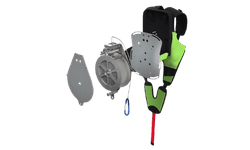
SkySaver‘s Controlled Descent Device works regardless of how a fire started. Whether the emergency is the result of a cooking accident, an electrical fault, or something no one would have anticipated, the SkySaver device provides high-rise residents with a window-based escape option that functions independently of stairwells, elevators, and building infrastructure. Get your SkySaver device today and be prepared for whatever form a fire emergency takes.

Attachable Baby Harness
Lightweight safety harness for fast and secure infant evacuation in high-rise emergencies.

Parent Package
Complete emergency evacuation kit for the parent and dependant. Fast, safe descent from high-rise buildings.

Parent Edition
Complete high-rise evacuation solution for a parent, maximum safety and fast deployment.

Single Self-Rescue Kit
Complete emergency evacuation kit for high-rise fast, safe descent during critical emergencies.

Attachable Child Harness
Lightweight child safety harness designed for secure, controlled evacuation from high-rise buildings.
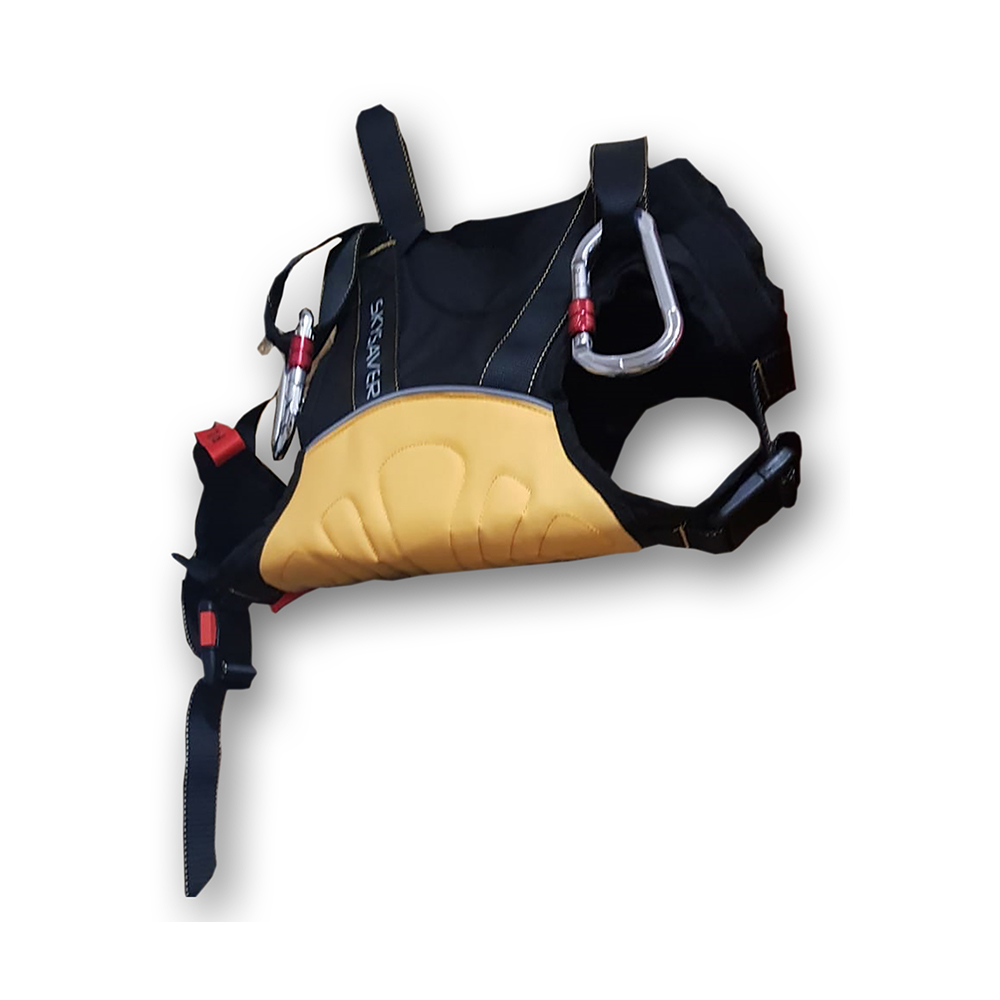
Attachable Pet Harnesses
Secure, lightweight safety harness designed for fast and controlled pet evacuation from high-rise buildings.

single Self-Rescue Harnesseses
Professional external safety harness for secure personal evacuation from high-rise buildings.
Controlled Descent Device (CDD)
Advanced backpack-based evacuation unit with harness attachment option for high-rise emergencies.