Fire is one of the most studied and yet endlessly fascinating forces in the natural world. We rely on it, fear it, and have built entire professions and technologies around understanding and managing it. Beyond the essential safety knowledge that everyone should carry, there is a rich body of facts about fire — its history, its physics, its cultural role — that most people have never encountered. Here are seven of the most interesting and illuminating facts about fire, drawn from history, science, and firefighting tradition.
The Mysterious Origins of the Fire Hydrant

The fire hydrant is one of the most recognizable pieces of urban infrastructure in the world, yet the identity of its inventor is genuinely uncertain — and the reason for that uncertainty is a remarkable historical irony. Many patents filed with the United States Patent Office were destroyed in a fire that swept through the building in 1836. Among the records lost were those related to early fire hydrant patents. Credit for the invention is most commonly attributed to Frederick Graff Sr., then Chief Engineer of the Philadelphia Waterworks, who is believed to have developed a working post-type hydrant in the early nineteenth century. The idea of a dedicated pressurized street connection for firefighting water proved transformative for urban fire management, enabling firefighters to tap into municipal water supplies without relying on bucket brigades or nearby wells.
Why Fire Stations Have Spiral Staircases

If you have ever wondered why older fire stations are equipped with spiral staircases rather than straight ones, the answer has nothing to do with aesthetics or space efficiency. In the era before motorized fire engines, fire wagons were pulled by horses stabled on the ground floor of the firehouse. The horses were intelligent animals and quickly learned to navigate their environment — including climbing straight staircases to reach the upper floors where grain and hay were stored. To prevent the horses from wandering upstairs and disrupting operations, fire station designers switched to spiral staircases, which the horses found difficult or impossible to ascend. It is a small, charming detail that connects the modern fire service to its working-animal origins.
The Extraordinary Temperature Range of Fire

Fire is not a fixed temperature phenomenon — its heat varies dramatically depending on the fuel, the oxygen supply, and the conditions of combustion. A typical candle flame burns at approximately 1,000 degrees Celsius (1,800 degrees Fahrenheit), which is already far beyond anything the human body can withstand. A wood fire in a fireplace burns at temperatures ranging from around 600 to 900 degrees Celsius. Industrial furnaces and metal-cutting processes push temperatures into the range of 1,500 degrees Celsius and beyond. At the extreme end of the cosmic scale, the core of a supernova — the explosion of a massive star — reaches temperatures of approximately one billion Kelvin, which makes every fire on Earth seem modest by comparison. Understanding the temperature of fire in a given context is important for safety professionals and engineers designing fire-resistant materials, because the same protective material that works against a residential fire may be entirely inadequate against an industrial or petrochemical fire.
When Candles Become a Fire Hazard

Candles are a significant and underappreciated source of residential fires. Left unattended near curtains, paper, or other combustible materials, a single candle can start a blaze that engulfs a room in minutes. The three days with the highest rates of home candle fires in the United States are Christmas Eve, Christmas Day, and New Year’s Day — a pattern that reflects both the increased use of candles as decorative and atmospheric elements during the holiday season and the tendency for people to become distracted by gatherings and celebrations. The lesson is straightforward: never leave candles burning in an unoccupied room, and keep them well away from anything that can catch fire. For a broader look at holiday fire risks, the SkySaver holiday fire safety guide covers the range of seasonal hazards that spike during the winter months.
The Leading Cause of Fire Deaths in the United States

Despite decades of public health campaigns and product safety regulations, smoking materials — cigarettes, cigars, pipes, and similar products — remain the leading cause of fire deaths in the United States. The mechanism is straightforward: a lit cigarette or cigar that is set down, dropped, or falls from the fingers of a drowsy smoker can smolder for an extended period before igniting upholstery, bedding, or other soft furnishings. By the time the fire becomes visible, the room may already be filling with toxic smoke. This is why smoking in bed is so extraordinarily dangerous — the combination of a drowsy occupant, highly flammable bedding, and a small heat source with staying power creates ideal conditions for a fatal fire. Understanding the major causes of fire provides essential context for anyone looking to reduce their household fire risk.
What the Color of Fire Reveals About Its Temperature

The color of a flame is a direct indicator of its temperature — a phenomenon that has practical applications in metalworking, chemistry, and fire investigation. At lower temperatures, around 525 to 1,000 degrees Celsius (980 to 1,800 degrees Fahrenheit), flames appear barely visible or dark cherry red. As temperatures climb to the range of 1,100 to 1,200 degrees Celsius (2,000 to 2,200 degrees Fahrenheit), the color shifts through deep orange to clear orange. At the highest temperatures achievable in ordinary combustion — around 1,300 to 1,500 degrees Celsius (2,400 to 2,700 degrees Fahrenheit) — flames appear whitish or dazzling white. This color progression follows the same physical principles as the color of heated metal, and it explains why professional metalworkers can assess the temperature of steel by its color during forging. In a fire safety context, the color and behavior of flames can provide firefighters with information about the fuel source and the stage of fire development.
The Scale of the American Firefighting Workforce

The firefighting community in the United States is enormous. As of recent data, the country employs approximately 1.1 million firefighters — approximately 30% of whom are career professionals and around 70% volunteers. This volunteer majority is a distinctive feature of American firefighting, with rural and suburban communities relying heavily on community members who receive training and serve without regular salary. The sheer scale of the firefighting workforce reflects the frequency and severity of fire incidents across the country. It also highlights the importance of individual fire preparedness — emergency services are a critical resource, but response times, particularly in high-density urban environments or multi-story buildings, mean that the first few minutes of a fire are often managed entirely by the occupants themselves.
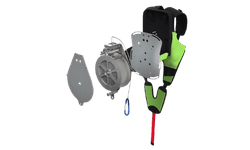
This is precisely the context in which tools like the SkySaver rescue backpack become essential. When professional help cannot reach upper floors in time, having the means to self-rescue from a high-rise window can be the decisive factor in a life-or-death situation. The more you understand about fire — its science, its history, and its behavior — the better equipped you are to make good decisions when it matters most. Explore SkySaver’s range of high-rise escape solutions and build a safety plan that reflects the real risks of fire in modern buildings.
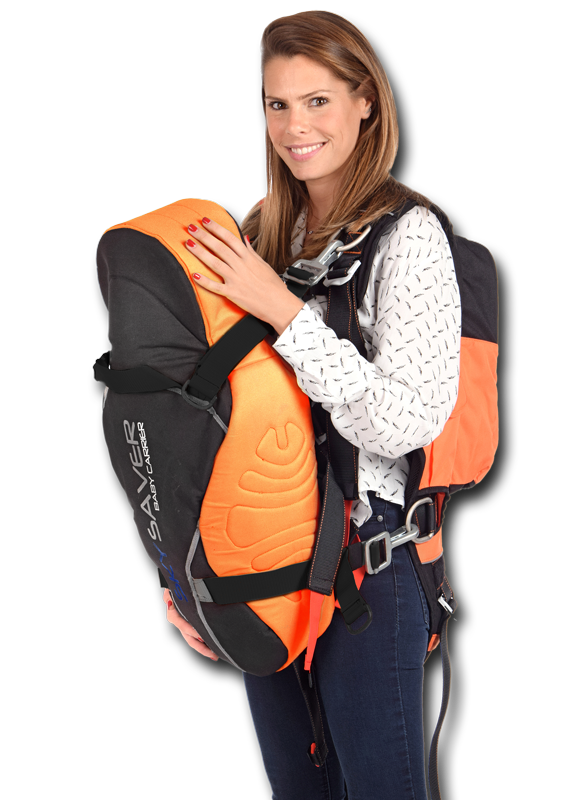
Attachable Baby Harness
Lightweight safety harness for fast and secure infant evacuation in high-rise emergencies.
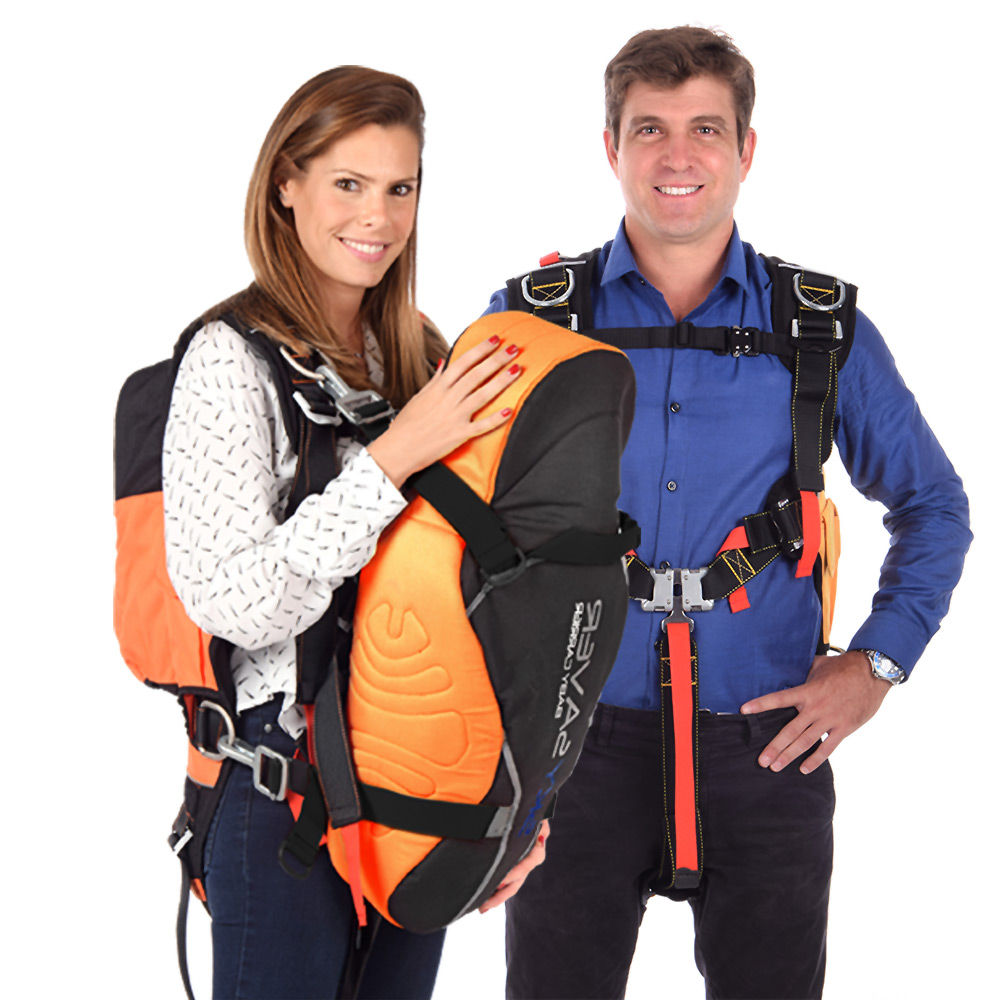
Parent Package
Complete emergency evacuation kit for the parent and dependant. Fast, safe descent from high-rise buildings.
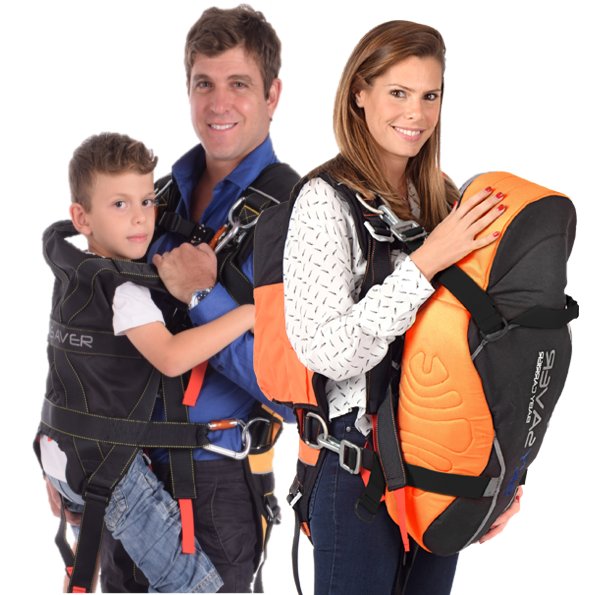
Parent Edition
Complete high-rise evacuation solution for a parent, maximum safety and fast deployment.

Single Self-Rescue Kit
Complete emergency evacuation kit for high-rise fast, safe descent during critical emergencies.
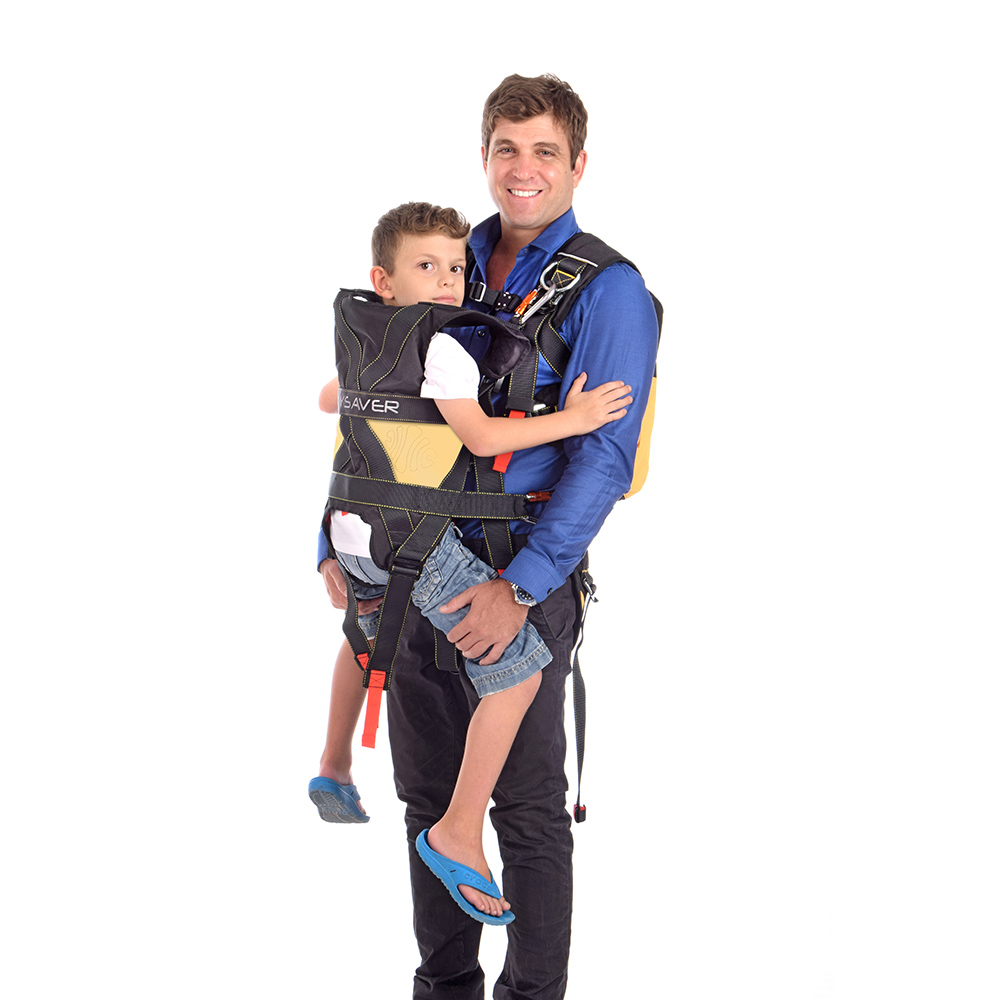
Attachable Child Harness
Lightweight child safety harness designed for secure, controlled evacuation from high-rise buildings.
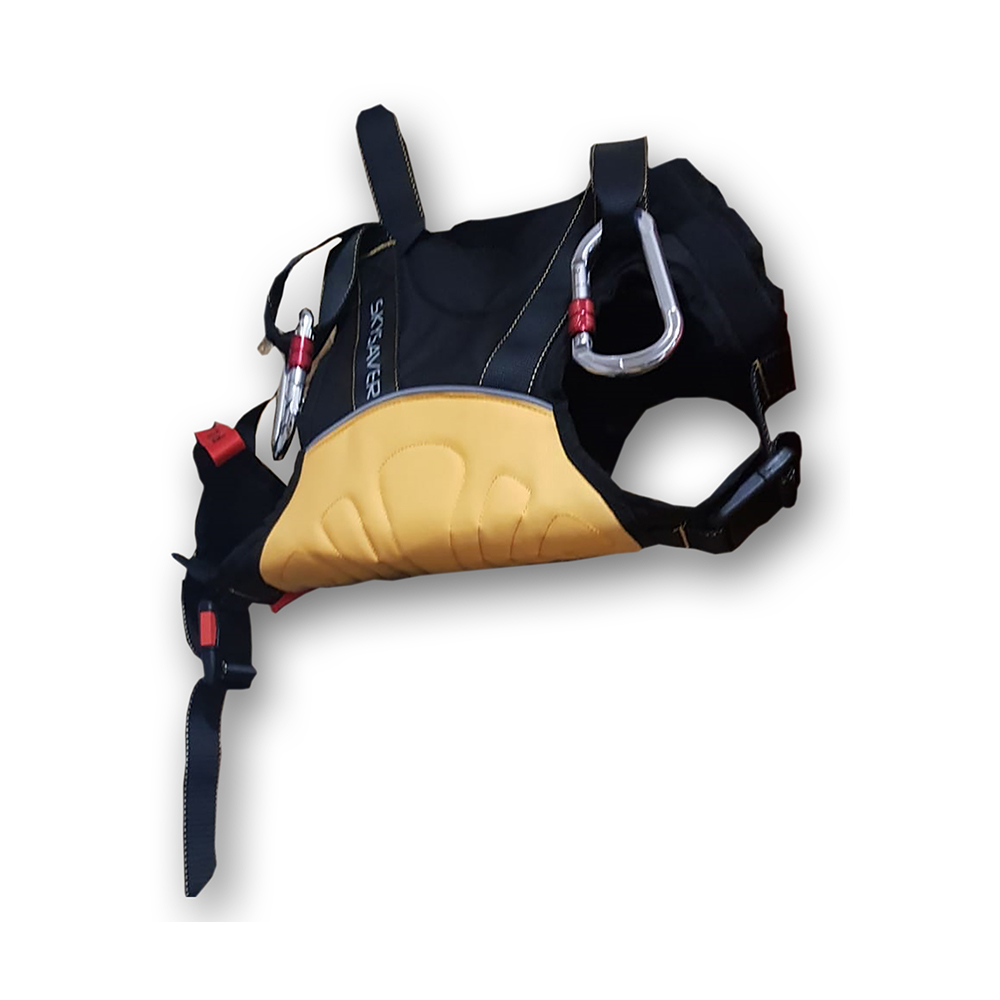
Attachable Pet Harnesses
Secure, lightweight safety harness designed for fast and controlled pet evacuation from high-rise buildings.

single Self-Rescue Harnesseses
Professional external safety harness for secure personal evacuation from high-rise buildings.
Controlled Descent Device (CDD)
Advanced backpack-based evacuation unit with harness attachment option for high-rise emergencies.