Independence Day is one of America’s most beloved and exuberant national celebrations. It is a day marked by community, patriotism, and a particular fondness for the kind of activities that, while joyful, carry real fire safety implications: outdoor grilling, consumer fireworks, bonfires, and gatherings that often extend well into the night. The Fourth of July is also, statistically, one of the most fire-dangerous days of the entire year. Understanding why — and what specific precautions to take — allows you to celebrate fully while keeping yourself, your family, and your neighbors safe.
Why Independence Day Is a High-Risk Fire Day
July is the peak month for grill fires in the United States, accounting for approximately 17 percent of all annual grill-related incidents. The combination of the summer heat, extended outdoor gatherings, alcohol consumption, and high volumes of fireworks use creates a confluence of fire hazards unlike any other day on the calendar. Roughly one quarter of all annual fireworks-related fires in the country occur on or around Independence Day alone. The 2014 data is striking: 18,500 fires nationwide were attributed to fireworks that year, resulting in approximately 10,500 emergency room visits. When you add grill fires to that total, the Fourth of July emerges clearly as a day that demands exceptional fire awareness.
Alcohol plays an underappreciated role in this risk profile. Impaired judgment significantly increases the likelihood of unsafe grilling behavior, improper fireworks handling, and failure to respond quickly when something goes wrong. Celebrating responsibly means designating someone sober to supervise grilling and fireworks activities — not as a way of diminishing the fun, but as a practical safety measure that protects everyone present.
Grilling Safety on the Fourth of July

The barbecue grill is as central to a Fourth of July celebration as the flag itself. Used properly, grilling is a perfectly safe activity. Used carelessly, it becomes one of the most common sources of residential fire during the summer months. According to fire incident data, the leading contributing factor in grill fires — responsible for approximately one in five incidents — is failure to clean the grill. Accumulated grease and fat residue inside the grill can ignite unexpectedly and cause a flash fire that quickly gets out of control. Before every cookout, inspect and clean your grill thoroughly. Remove grease buildup from the grates, drip trays, and interior surfaces.
The second most common cause of grill fires — responsible for about 17 percent of incidents — is something combustible being placed or left too close to the grill. This includes overhanging tree branches, wooden deck railings, tablecloths, paper plates, and dry grass. Before lighting the grill, survey the area and ensure a minimum clearance of several feet in all directions from combustible materials. Never use a propane or charcoal grill indoors, in a garage, or on an enclosed porch. Only use your grill in a fully open outdoor space.
For propane grills, inspect the hose and connections for damage or leaks before every use, particularly at the start of the season. Apply soapy water to the connections and watch for bubbles — any bubbling indicates a gas leak that must be addressed before lighting. If you smell gas while grilling, turn off the burners and the gas valve immediately. If the smell persists, move everyone away from the grill and call the fire department. Do not move the grill and do not attempt to relight it.
For charcoal grills, use only products specifically designed as charcoal starter fluid — never substitute gasoline, alcohol, or other flammable liquids, which can cause explosive flare-ups. After cooking, allow coals to cool completely before disposing of them. Hot coals can retain enough heat to start a fire for many hours. Once cooled, dispose of them in a dedicated metal container — never in a plastic trash can or cardboard box. Children and pets should be kept well away from the grilling area at all times. Never leave a lit grill unattended, even for a few minutes. For a broader look at the risks associated with outdoor grilling, our post on preventing and fighting grease fires is essential reading before any summer cookout.
Fireworks Safety: Know the Real Risk

Fireworks are visually spectacular and emotionally powerful — few sights are more stirring than a professional fireworks display lighting up the night sky above an American town on the Fourth of July. But consumer fireworks represent a substantially different risk profile than professional pyrotechnics, and that distinction matters enormously. Professional fireworks displays are conducted by trained technicians under controlled conditions, at a safe distance from spectators and structures. Consumer fireworks, by contrast, are handled by untrained individuals, often in close proximity to buildings, vehicles, and other people.
The injury data tells the story plainly. In 2014, over 10,500 people were treated in emergency rooms for fireworks injuries in the United States. Critically, roughly one quarter of those injuries were caused not by rockets or aerial shells but by sparklers — the consumer fireworks most commonly given to children. Sparklers burn at approximately 1,200 degrees Fahrenheit. For perspective: water boils at 212 degrees Fahrenheit, and glass melts at around 900 degrees Fahrenheit. A sparkler burns hotter than melted glass and can cause severe third-degree burns in an instant of contact.
The safest approach to fireworks on the Fourth of July is straightforward: attend a professional public fireworks display and leave consumer fireworks to trained professionals. If you are in a jurisdiction where consumer fireworks are legal and you choose to use them, follow these non-negotiable principles. Never allow children to handle any fireworks unsupervised, including sparklers. Light fireworks one at a time on a flat, stable surface away from buildings, vehicles, and dry vegetation. Never re-light a “dud” firework — wait 20 minutes, then soak it in water. Keep a bucket of water nearby at all times. After the display, thoroughly soak all spent fireworks with water before collecting them for disposal. Even fireworks that appear spent can retain heat or active material capable of re-igniting.
Celebrating Safely: A Complete Picture

Fire safety awareness on the Fourth of July is not about restricting celebration — it is about making celebration sustainable and tragedy-free. Every year, families face devastating loss on Independence Day because of preventable fire incidents. A grill left unattended for a few minutes, fireworks handled by someone who has been drinking, sparklers given to a young child without supervision — these are the moments that convert celebration into catastrophe. Understanding the most common causes of fire and staying alert throughout the day dramatically reduces the risk of an accident.
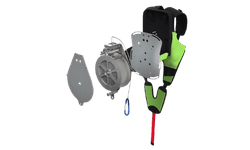
For residents of apartments, condominiums, and high-rise buildings, the Fourth of July also raises the importance of building-specific fire safety. Fireworks launched near multi-story structures can ignite balconies, rooftops, and exterior materials. Grilling on an apartment balcony — where it is permitted — creates concentrated fire risk in an elevated environment. Knowing your building’s fire evacuation plan and having a personal emergency escape solution in place before any holiday is essential. The SkySaver rescue backpack provides residents of high-rise buildings with the ability to descend safely from upper floors through a window when stairwells are blocked — an invaluable safeguard on a day when fire risk is elevated across the board.
This Independence Day, celebrate with full enthusiasm. Enjoy the grilled food, the community, the fireworks displays, and the spirit of the holiday. Just bring your fire safety awareness along for the celebration. Explore SkySaver’s range of emergency escape solutions and make sure your preparedness matches your patriotism.
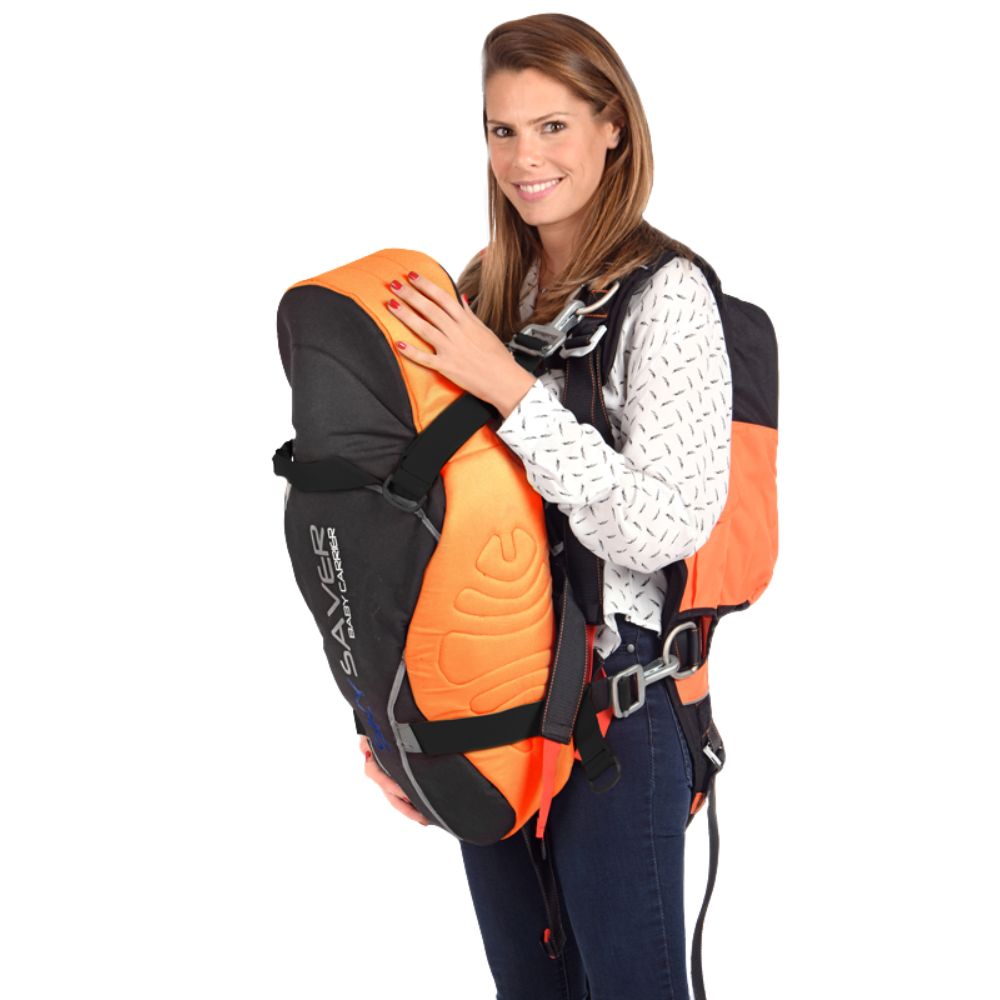
Attachable Baby Harness
Lightweight safety harness for fast and secure infant evacuation in high-rise emergencies.
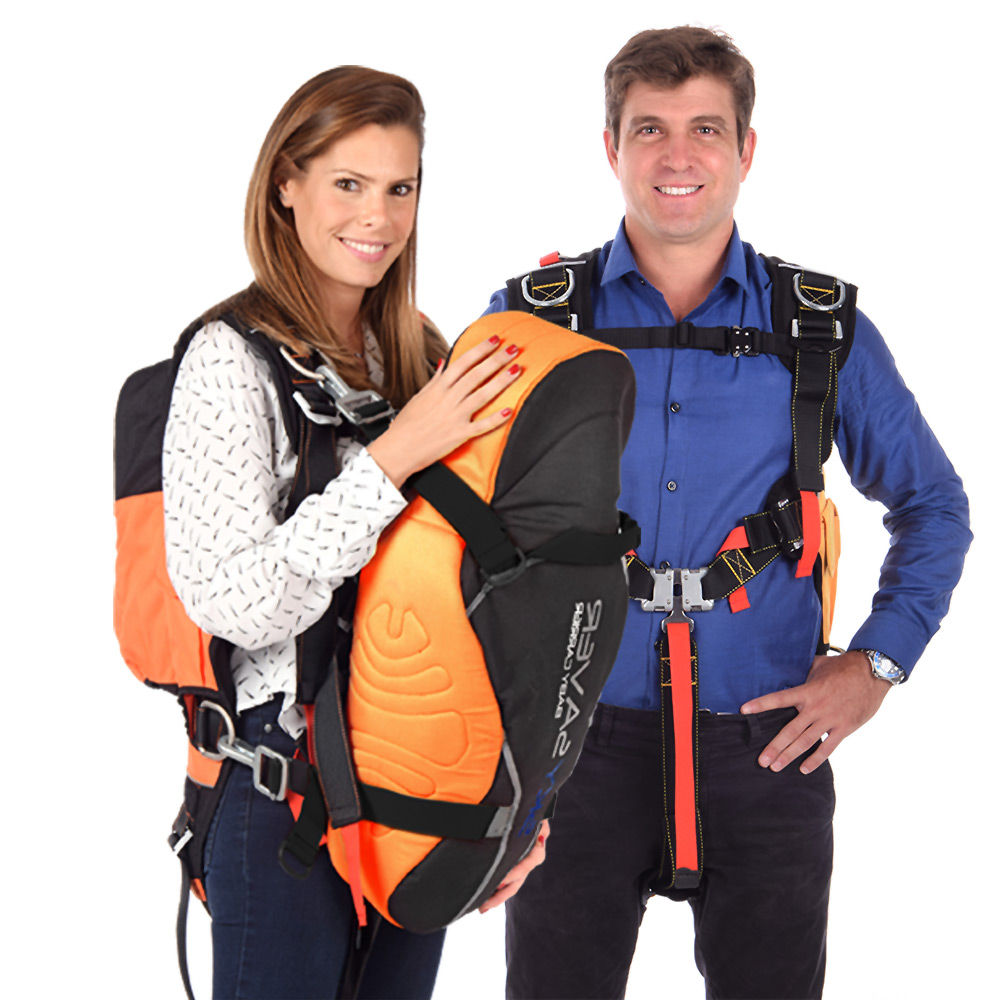
Parent Package
Complete emergency evacuation kit for the parent and dependant. Fast, safe descent from high-rise buildings.
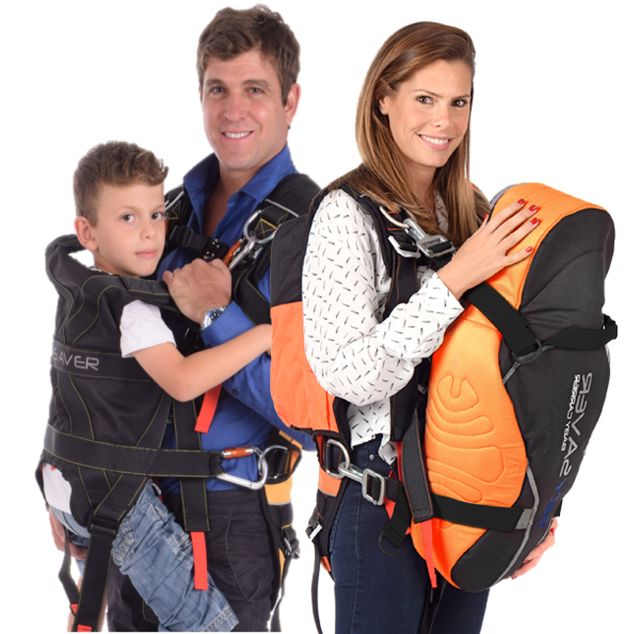
Parent Edition
Complete high-rise evacuation solution for a parent, maximum safety and fast deployment.
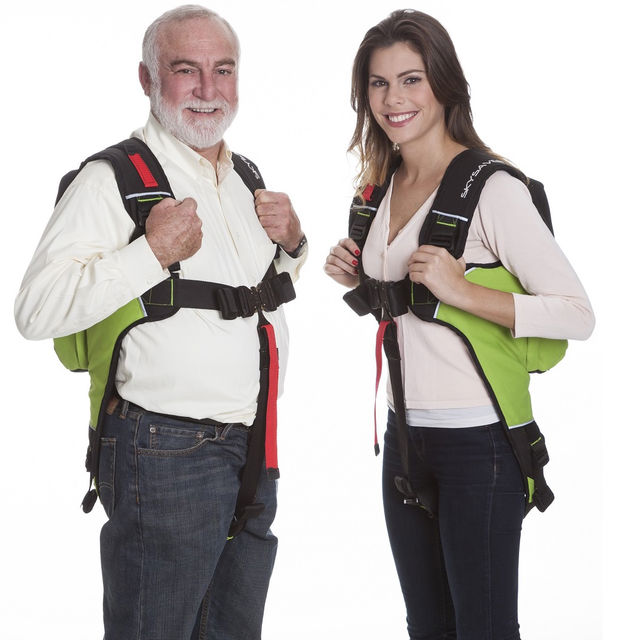
Single Self-Rescue Kit
Complete emergency evacuation kit for high-rise fast, safe descent during critical emergencies.
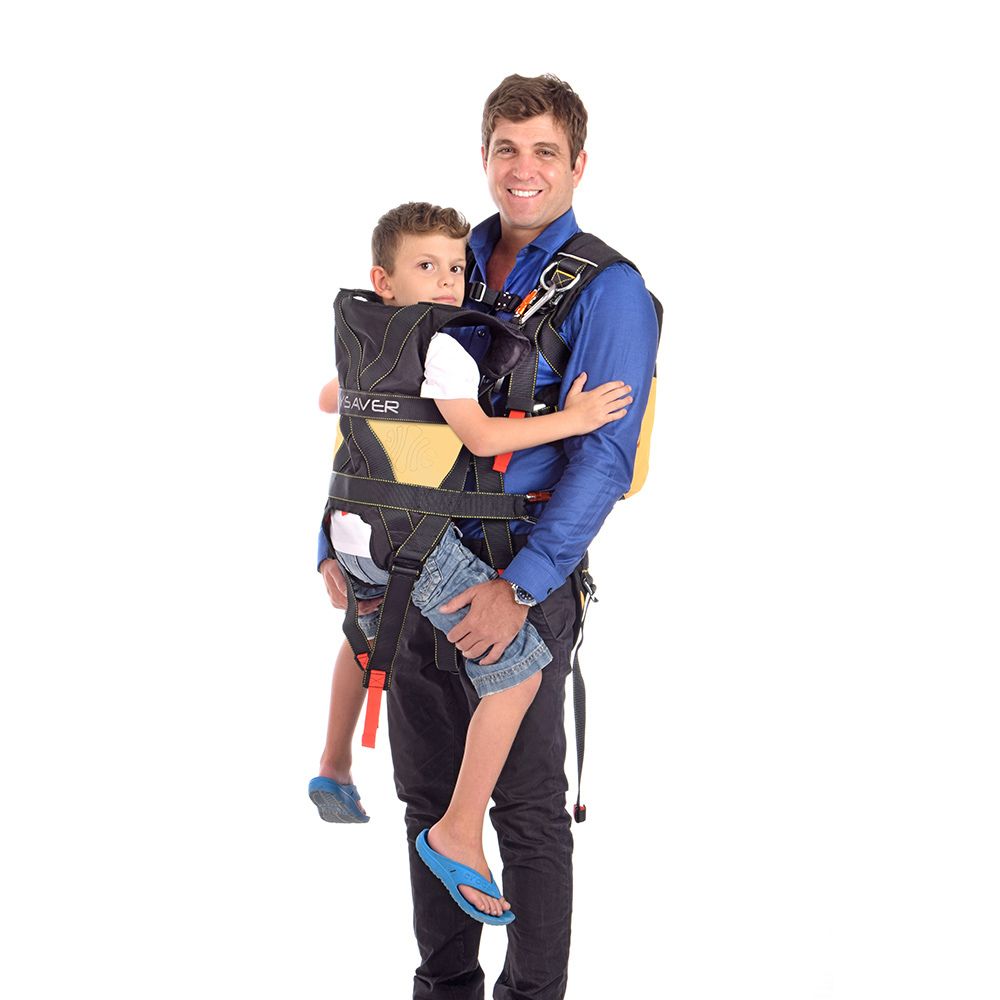
Attachable Child Harness
Lightweight child safety harness designed for secure, controlled evacuation from high-rise buildings.
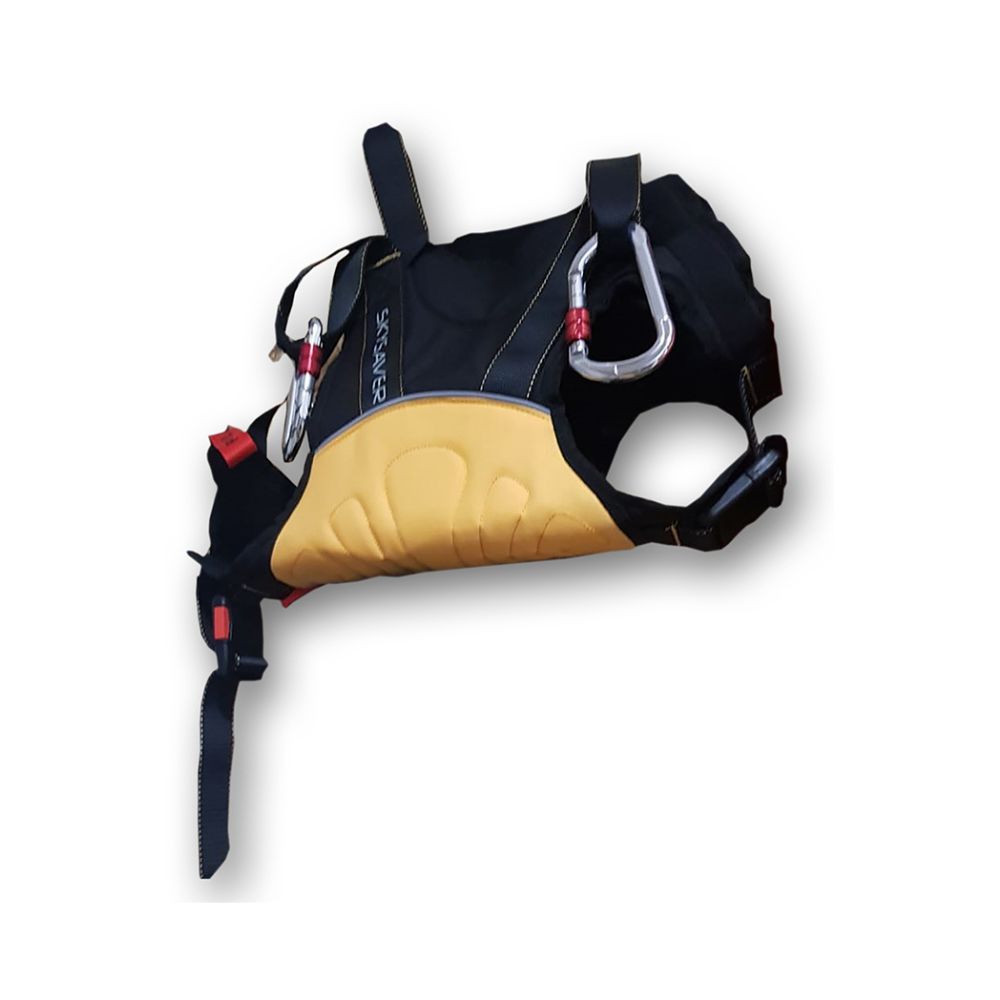
Attachable Pet Harnesses
Secure, lightweight safety harness designed for fast and controlled pet evacuation from high-rise buildings.
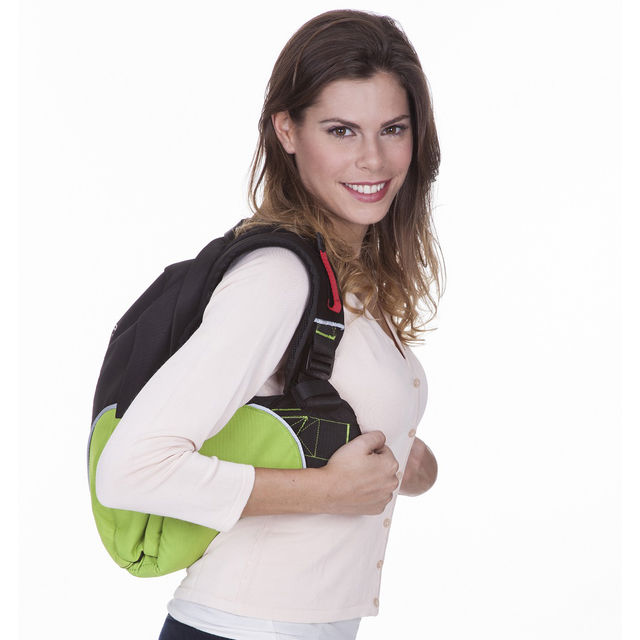
single Self-Rescue Harnesseses
Professional external safety harness for secure personal evacuation from high-rise buildings.
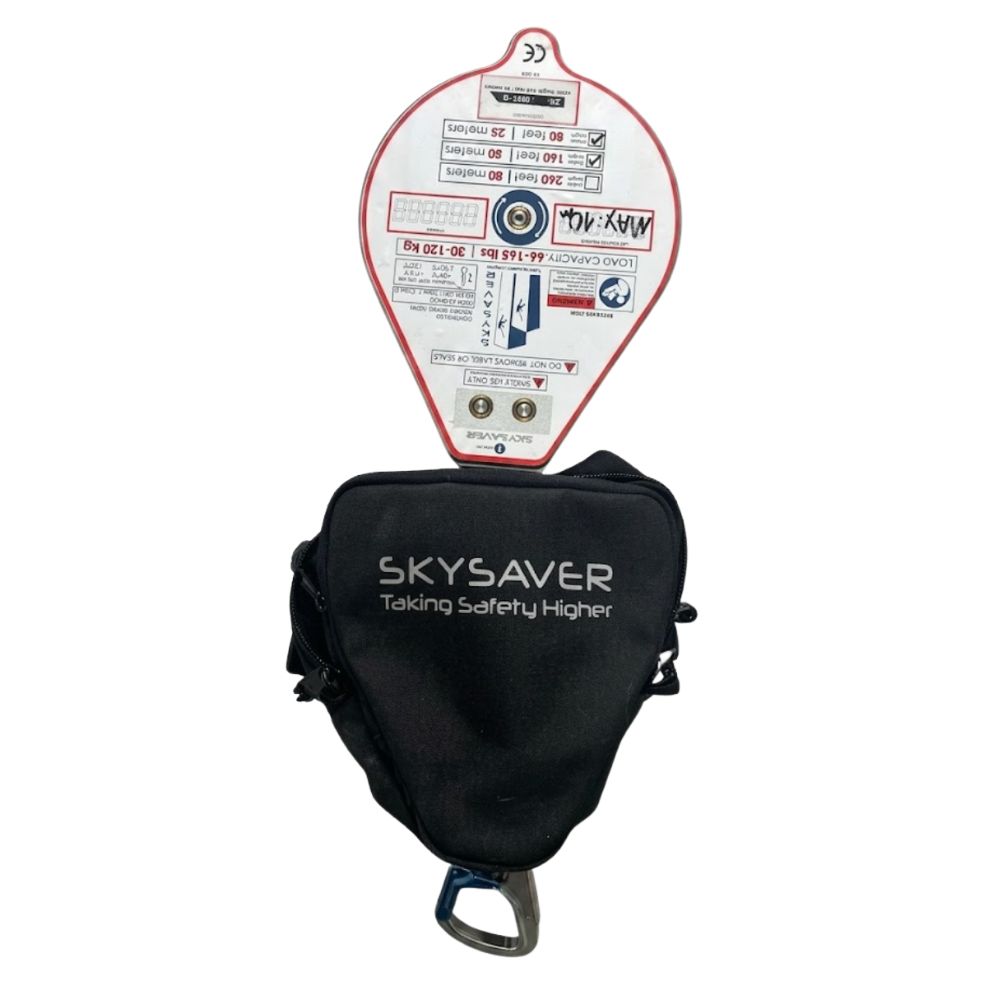
Controlled Descent Device (CDD)
External CDD unit for safe, controlled descent during high-rise emergency evacuation.