In 2014, the New York City Fire Department responded to more emergency calls than in any year in its modern history. The department’s personnel — nearly 10,000 uniformed firefighters and emergency medical technicians — handled an extraordinary volume of incidents, from structural fires and medical emergencies to rescue operations and hazardous material responses. While the FDNY is exceptional in scale and capability, the patterns of emergencies it recorded in 2014 reflect broader trends in urban fire risk that are relevant to anyone living or working in a high-density city environment.
What FDNY’s Record Year Reveals About Urban Fire Risk
New York City presents one of the most complex fire safety environments in the world. Millions of people live in buildings that range from century-old walk-ups to modern high-rises, with an enormous diversity in building materials, safety systems, and occupant demographics. The FDNY’s workload in 2014 was shaped by all of these factors — and the patterns that emerged from that year’s data offer important lessons for urban residents everywhere.
Cooking fires remained the leading cause of residential fire incidents, consistent with national trends. Electrical fires — caused by faulty wiring, overloaded circuits, and malfunctioning appliances — were the second most significant category. Smoking materials, heating equipment, and candles rounded out the major causes. Together, these categories accounted for the vast majority of residential fire calls, and the vast majority of them were preventable with proper habits and equipment.
The Challenge of High-Rise Response
What distinguishes urban fire departments from their suburban and rural counterparts is the frequency with which they respond to high-rise incidents. In a city like New York, a significant proportion of all residential fires occur in buildings of six stories or more — structures that present unique challenges for firefighting and evacuation alike. Getting equipment to upper floors takes time. Smoke travels through elevator shafts and stairwells faster than fire crews can ascend them. And occupants who attempt to evacuate during a high-rise fire sometimes make the crisis worse by flooding stairwells and impeding rescue operations.
The FDNY has long been a leader in developing high-rise firefighting protocols, and 2014 tested those protocols under extraordinary conditions. The lessons learned from high-volume years like this one have contributed to ongoing improvements in building codes, sprinkler requirements, and public education campaigns. But the fundamental challenge remains: in a serious high-rise fire, the gap between when an emergency begins and when emergency services can reach affected floors is measured in minutes — minutes during which conditions inside can deteriorate dramatically.
What the Data Means for High-Rise Residents
For the millions of people who live in high-rise buildings in New York and in cities around the world, FDNY’s busiest year is a reminder that urban fire risk is real, significant, and not adequately addressed by relying solely on building safety systems and emergency services. Sprinklers, fire alarms, and fire-rated doors are essential — but they are building-level protections, not personal escape plans.
Understanding how fires spread in tall buildings reveals why personal preparedness matters so much. Smoke reaches upper floors faster than fire. Evacuation routes can be compromised within minutes. And the response time of even an exceptional fire department like the FDNY cannot always bridge the gap between when danger begins and when a resident needs to move. This is not a criticism of emergency services — it is simply the physics of fire in a high-rise environment.
Personal Preparedness in a High-Density Urban Environment
Urban residents often have less space to store emergency equipment, and the density of high-rise living creates a false sense of security — surely, many people think, a building this size must have comprehensive safety systems. And many modern buildings do. But older buildings may have outdated systems, and no building-level protection fully replaces a personal escape plan that accounts for the scenario where primary exits are inaccessible.
Creating a household emergency plan is particularly important for high-rise urban residents. This plan should account for multiple exit scenarios, designate meeting points, and include an assessment of what personal safety equipment is appropriate for your specific building and floor level. For residents above the third floor, a controlled-descent device is a meaningful addition to that plan.
SkySaver and Urban High-Rise Safety
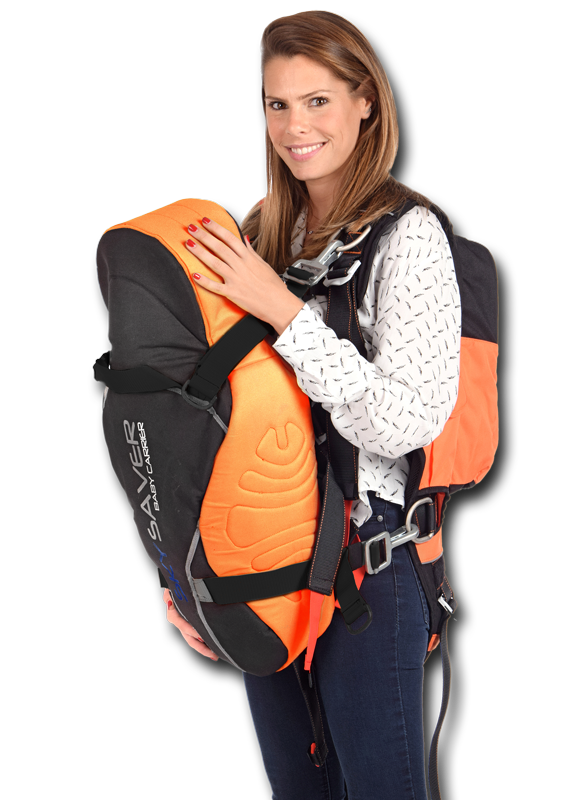
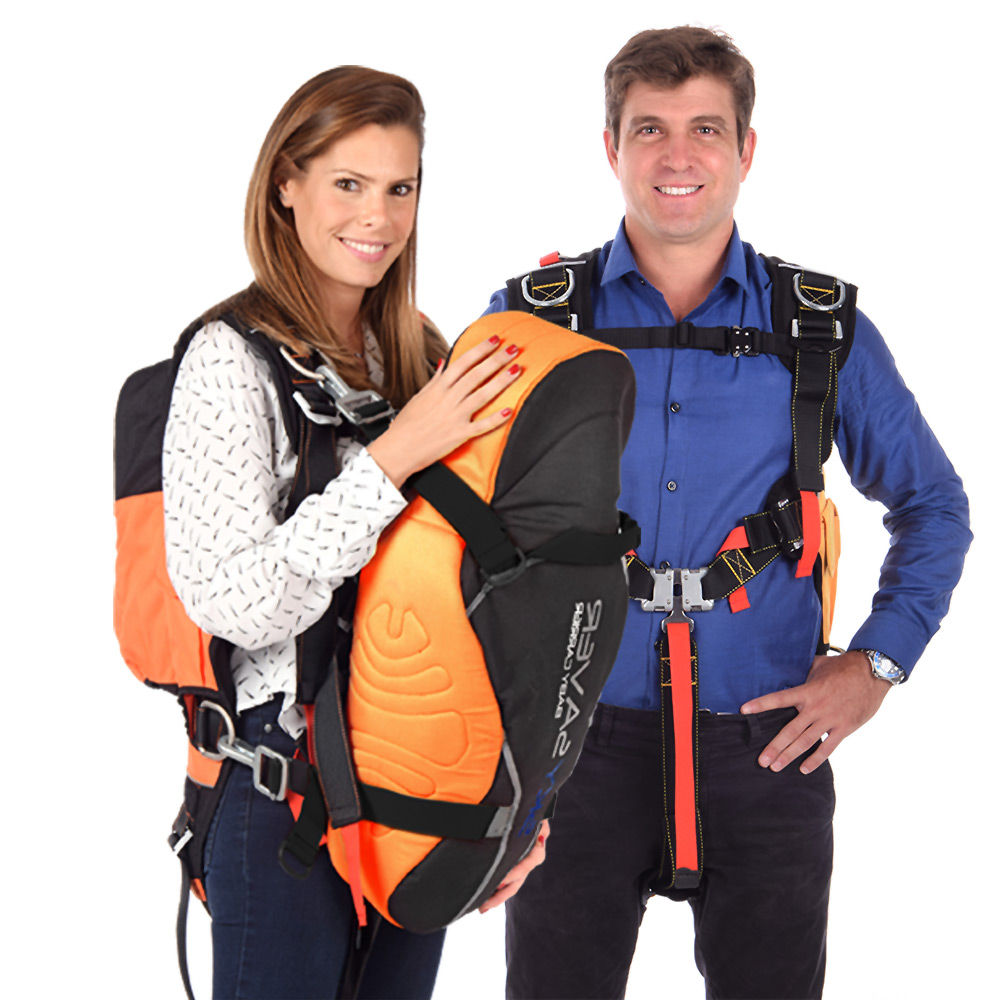
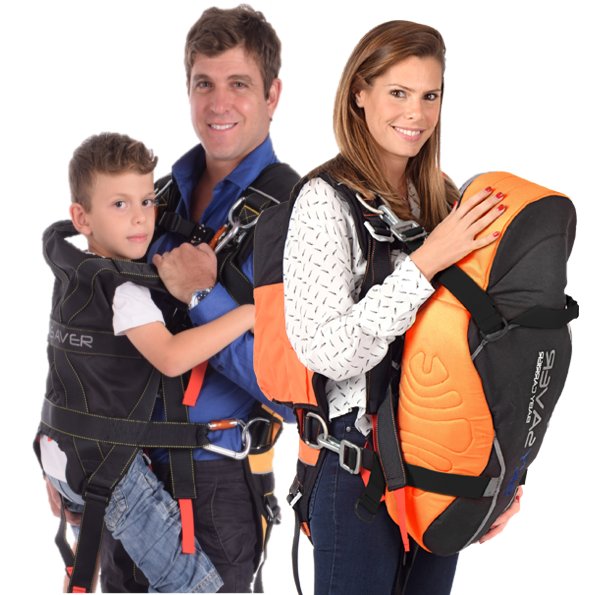
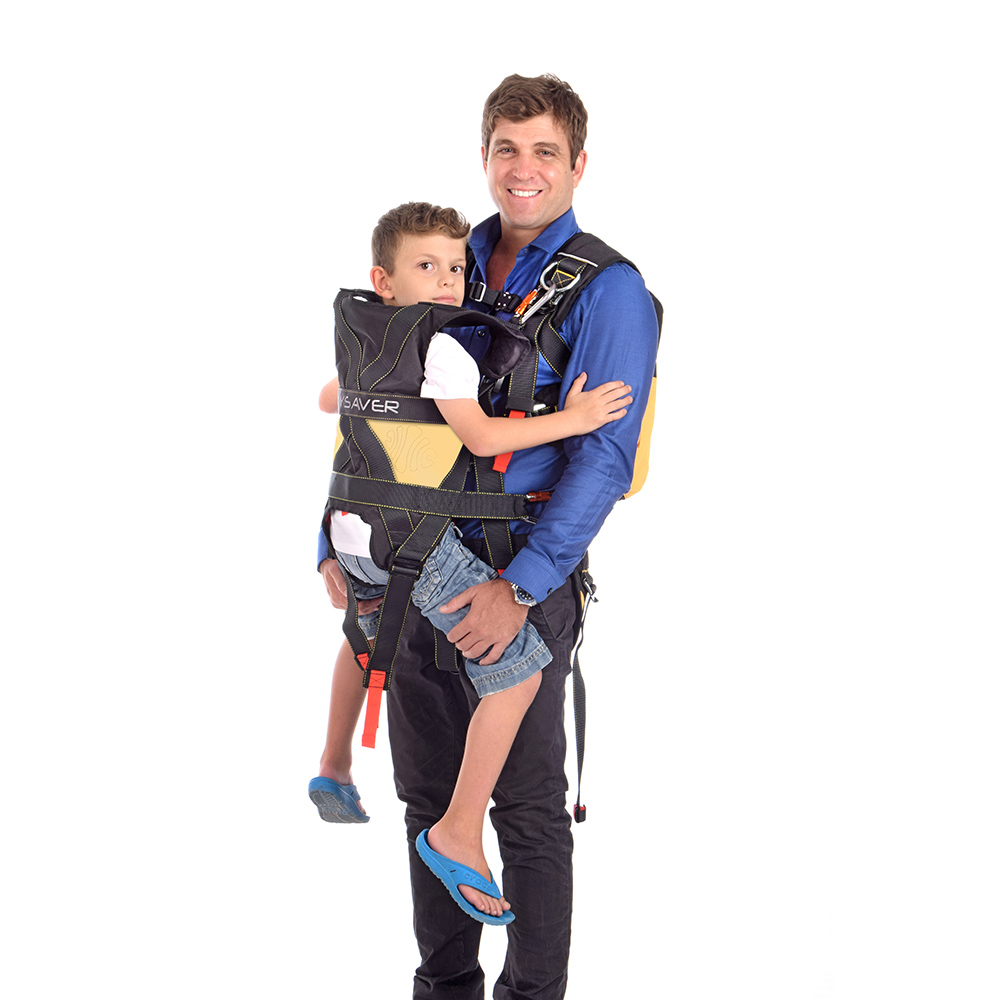
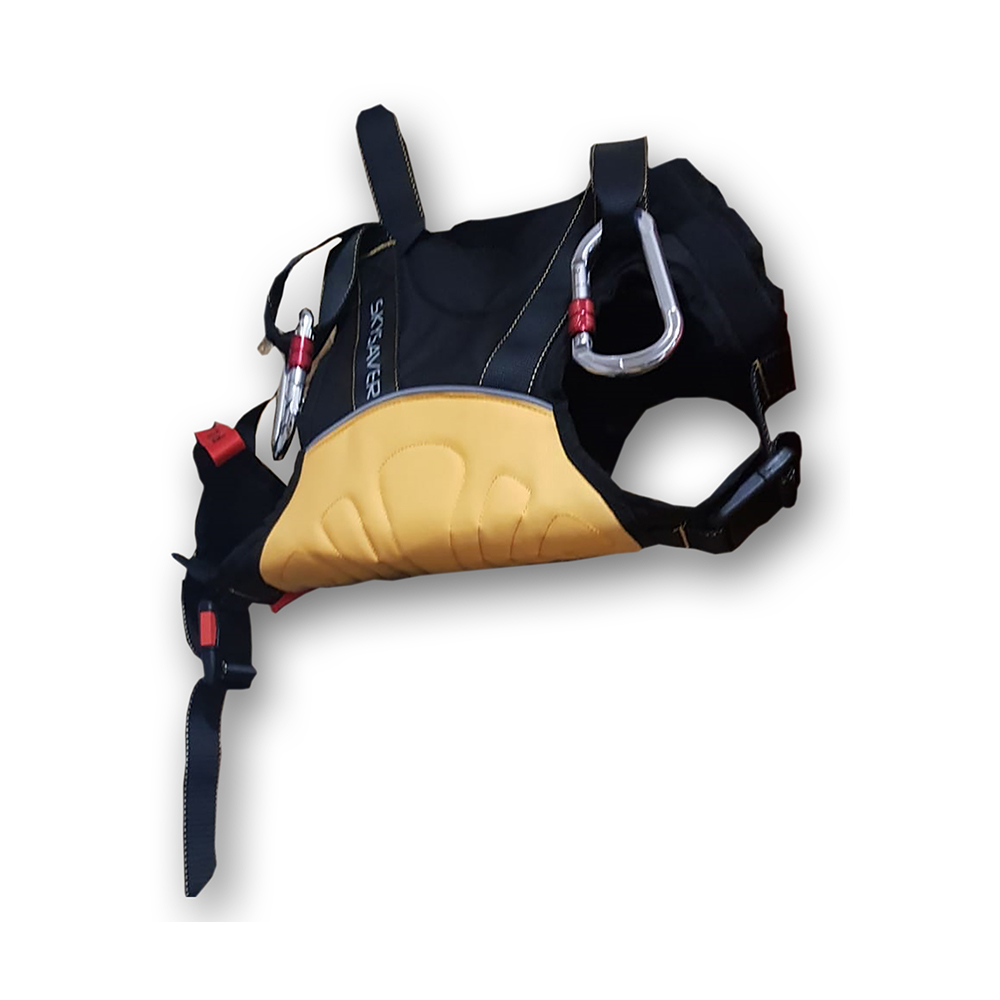
SkySaver was designed specifically with the urban high-rise resident in mind. Its Controlled Descent Device fits in a backpack, requires no training to operate, and enables safe window-based evacuation from up to 25 stories. In a city where high-rise living is the norm rather than the exception, having a personal escape device is as sensible as having a fire extinguisher — arguably more so, since the primary risk for high-rise occupants is not fire on their specific floor but smoke and inaccessible stairwells.
FDNY’s busiest year on record is a data point that high-rise residents should take seriously. Emergency services are exceptional — but they cannot guarantee your safety in the critical first minutes of a high-rise fire. Your own preparedness can. Explore SkySaver’s personal escape devices and take control of your safety in an urban high-rise environment.