When fire breaks out in a high-rise building, the decisions made in the first sixty seconds often determine who survives and who does not. Most people assume that their instincts will guide them correctly in an emergency — but research and real-world incident reports consistently show the opposite. Panic, hesitation, and counterintuitive choices claim lives that preparation and prior knowledge would have saved. Knowing exactly how to behave before you ever hear a fire alarm is not overcaution; it is one of the most practical things you can do for yourself and your family.
Before Any Emergency: Build Your Safety Foundation
Effective fire behavior begins well before any alarm sounds. The residents who fare best in fire emergencies are those who have done the preparatory work in advance — installed the right equipment, identified their escape routes, and rehearsed what they would do. Every high-rise home should have functioning smoke detectors on each level, at minimum one fire extinguisher in the kitchen, and a clear evacuation plan known to every occupant. If your building’s smoke detectors are older than ten years, they may not provide sufficient warning time and should be replaced.

For residents above the third floor, a personal controlled descent device is an essential part of this safety foundation. The ranking of fire safety and rescue items makes clear that while extinguishers and sprinklers address fire at its source, only a personal escape device addresses the scenario where the fire has grown beyond your ability to fight it and conventional exit routes are no longer viable. These tools work in combination, not as substitutes for one another.
Equally important is having a written emergency action plan. A plan that assigns responsibilities — who carries which child, who retrieves the escape device, who makes the call to emergency services — removes the burden of decision-making from a moment when panic makes good decisions almost impossible. The guide to creating a household emergency action plan provides a practical framework for developing one tailored to your specific home and family configuration.
The Critical First Moments After the Alarm Sounds
When you hear a fire alarm — whether in your own unit or from building-wide systems — your first instinct may be skepticism. False alarms are common, and the temptation to wait a moment to assess the situation before acting is understandable. Resist it. Treat every alarm as real until evidence on the ground confirms otherwise. The cost of evacuating unnecessarily is inconvenience. The cost of delaying evacuation in a real fire is potentially your life.

Before opening any door during a fire, test it with the back of your hand — not your palm, which is more sensitive and could be burned. Place the back of your hand against the door surface and feel the temperature. If the door is cool, open it slowly and carefully, standing to the side as you do so. If it is warm, proceed with caution — there may still be a passable route beyond it, but be prepared to retreat. If the door is hot, do not open it under any circumstances. A hot door typically indicates active fire or extreme heat on the other side; opening it can trigger a flashover, which transforms a dangerous room into an instantly lethal one. The detailed explanation of rollovers, flashovers, and backdrafts is essential reading for understanding why this precaution is so critical.
Moving Through a Smoke-Filled Environment
If your exit route is clear, move through it immediately. Do not stop to gather valuables, change clothes, or make additional calls. Take only what is immediately at hand — your phone if it is within reach, your keys if you need them for a car. Every second you spend inside a burning building is a second in which conditions are deteriorating.
If smoke is present in the corridor, stay low. The cleanest, most breathable air during a fire is found closest to the floor, where cooler and less contaminated air tends to pool. Crawl if necessary. Cover your nose and mouth with fabric — ideally dampened if water is immediately accessible. Smoke inhalation is responsible for the majority of fire fatalities, and even short exposures to high concentrations of carbon monoxide and hydrogen cyanide can cause rapid incapacitation. This is not a secondary concern — it is the primary one, as thoroughly discussed in the overview of common myths about fire safety, which addresses why many people fatally underestimate smoke.

Never use elevators during a fire under any circumstances. Elevator shafts act as vertical chimneys, and elevator mechanisms are frequently compromised by heat and smoke. Elevators have been responsible for numerous fire fatalities. Use the stairs only if they are clear of smoke. If the stairwell is smoky, return to your floor and pursue an alternative exit strategy.
When Normal Exits Are Blocked
If smoke or fire makes conventional exit routes impassable, do not succumb to the temptation to hide and wait. Concealing yourself in a closet or under a bed may feel protective, but it significantly increases the risk of being overcome by smoke before rescue arrives. Instead, move to a window in the room with the cleanest air, signal for attention if emergency services are visible, and prepare to use your personal escape device if you have one installed.
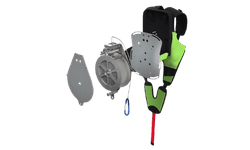
This is precisely the scenario for which the SkySaver rescue backpack was designed. When stairwells are compromised and waiting for rescue is not a viable option, SkySaver provides a controlled, independent means of descent from any window. The process is three steps: buckle on the harness, clip the carabiner to the pre-installed anchor, and step out to descend. The friction-based braking mechanism controls your speed automatically, lowering you safely to the ground without requiring any particular strength or skill. It is the backup plan that makes the difference when all other options have closed.
Essential Behaviors to Remember
Act immediately when the alarm sounds — every second of hesitation narrows your options. Stay low in smoky environments and protect your airways. Test doors before opening them and never open a hot door. Use stairs, never elevators. Call emergency services as early as possible, then continue your evacuation rather than waiting passively. If you catch fire, stop, drop, and roll — moving accelerates combustion. Establish a family meeting point outside the building before any emergency occurs, so that accountability is immediate after evacuation. And never re-enter a burning building once you are outside, regardless of what you left behind.
The time to internalize these behaviors is now, in a calm moment, not in the chaos of an actual emergency. Pair that knowledge with the right equipment, and get your SkySaver rescue backpack today to ensure that when the worst happens, you have both the knowledge and the means to get your family to safety.
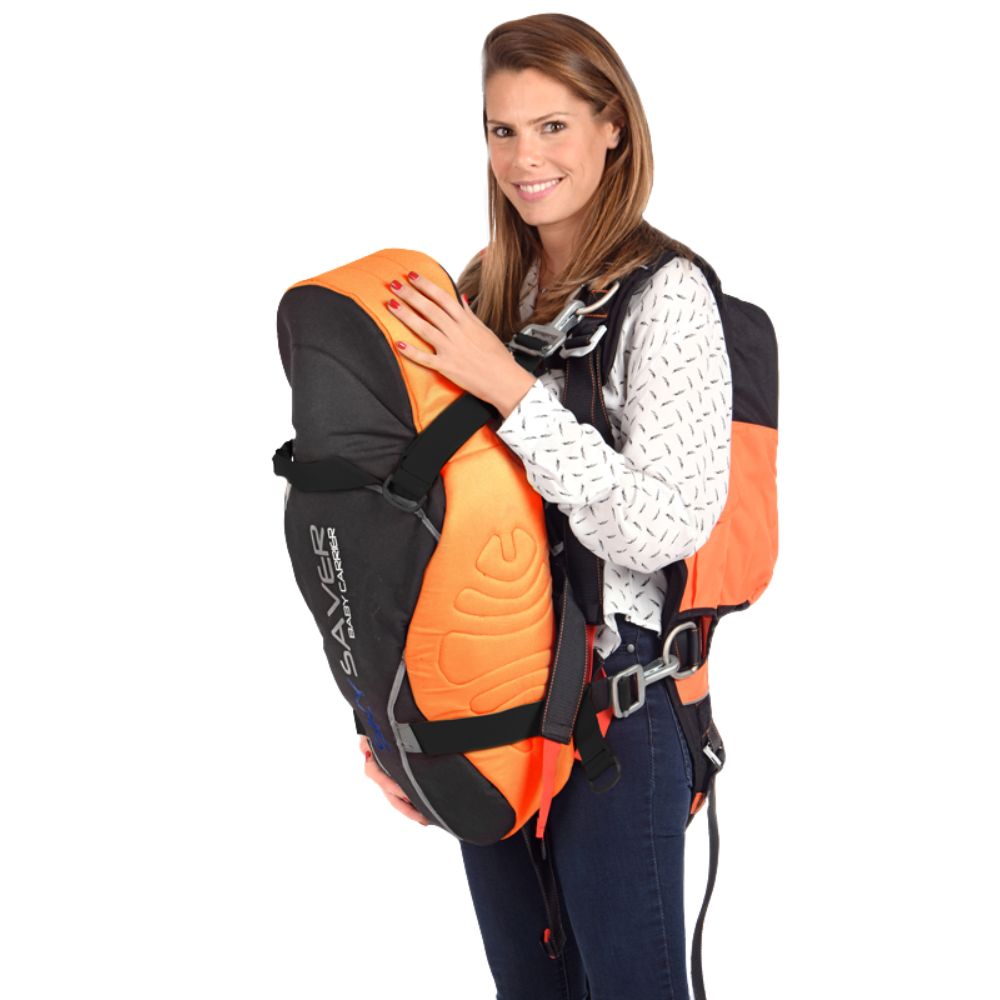
Attachable Baby Harness
Lightweight safety harness for fast and secure infant evacuation in high-rise emergencies.
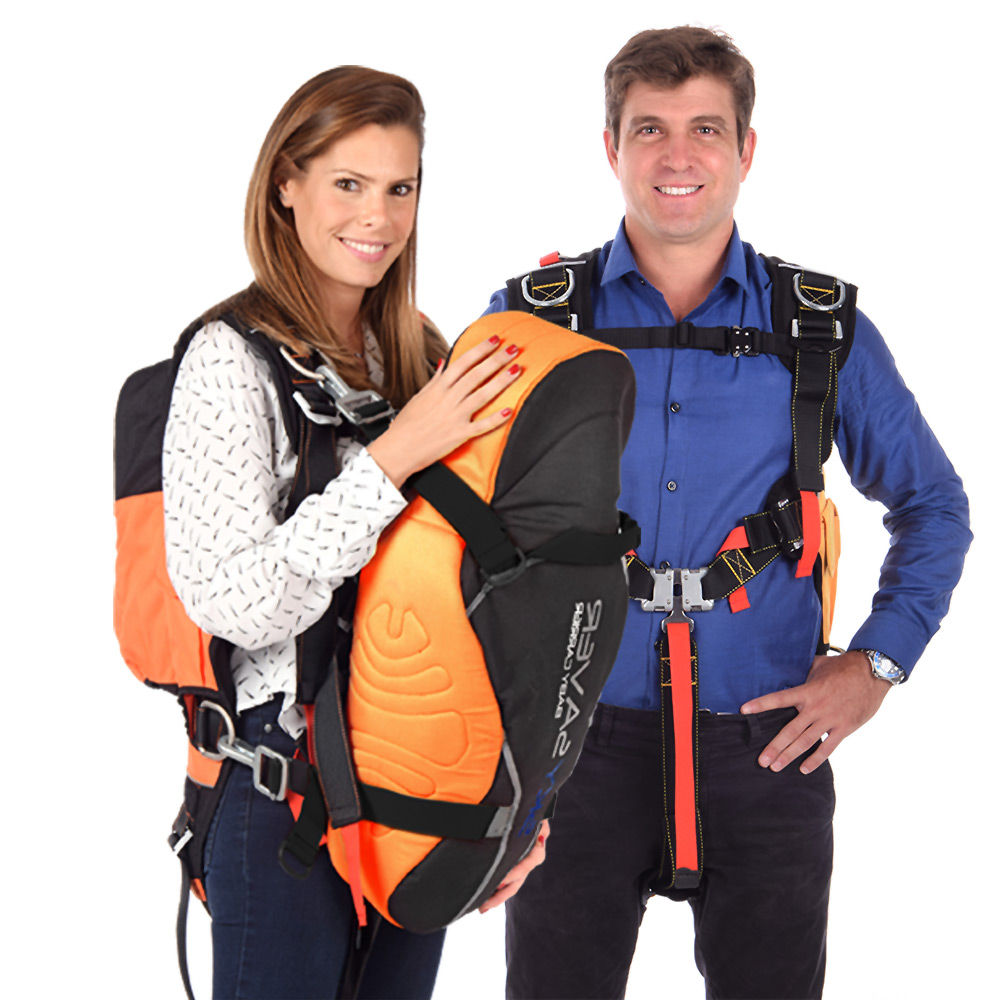
Parent Package
Complete emergency evacuation kit for the parent and dependant. Fast, safe descent from high-rise buildings.
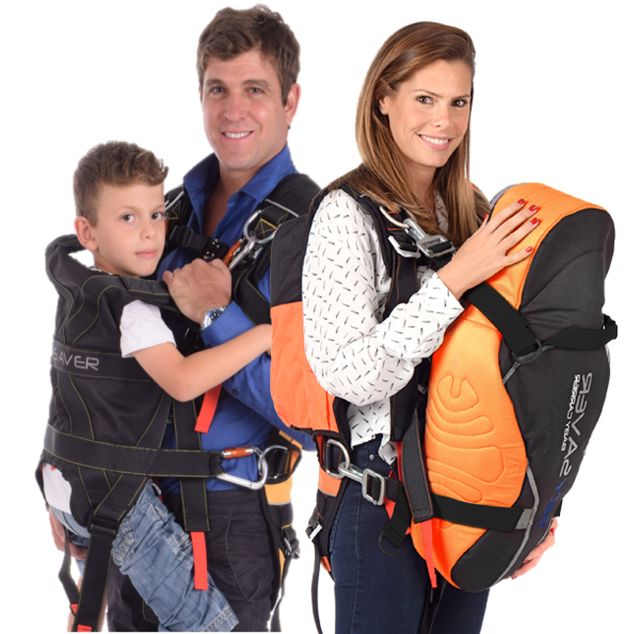
Parent Edition
Complete high-rise evacuation solution for a parent, maximum safety and fast deployment.
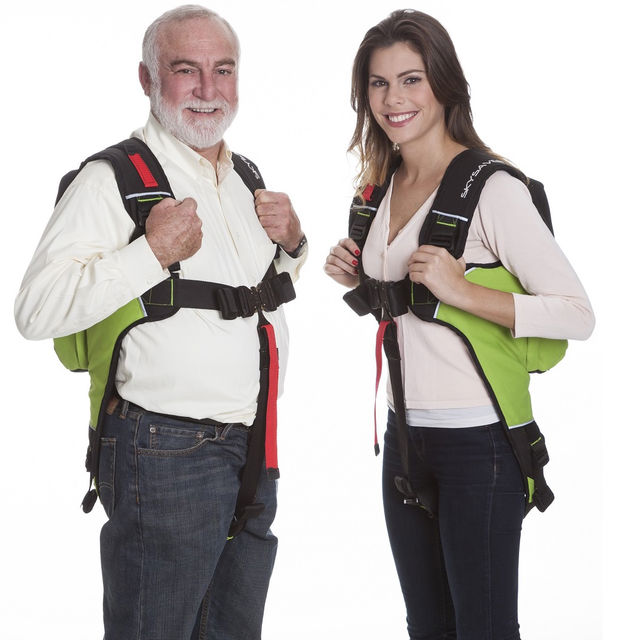
Single Self-Rescue Kit
Complete emergency evacuation kit for high-rise fast, safe descent during critical emergencies.
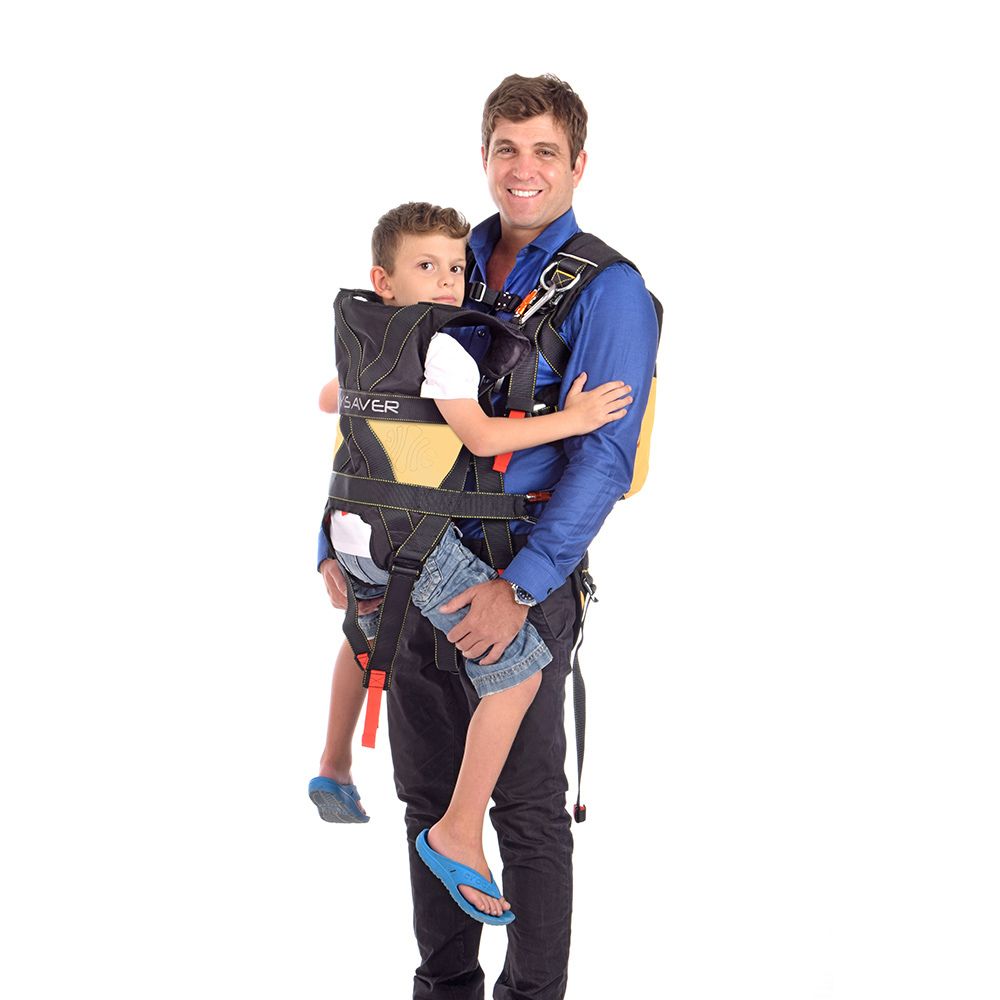
Attachable Child Harness
Lightweight child safety harness designed for secure, controlled evacuation from high-rise buildings.
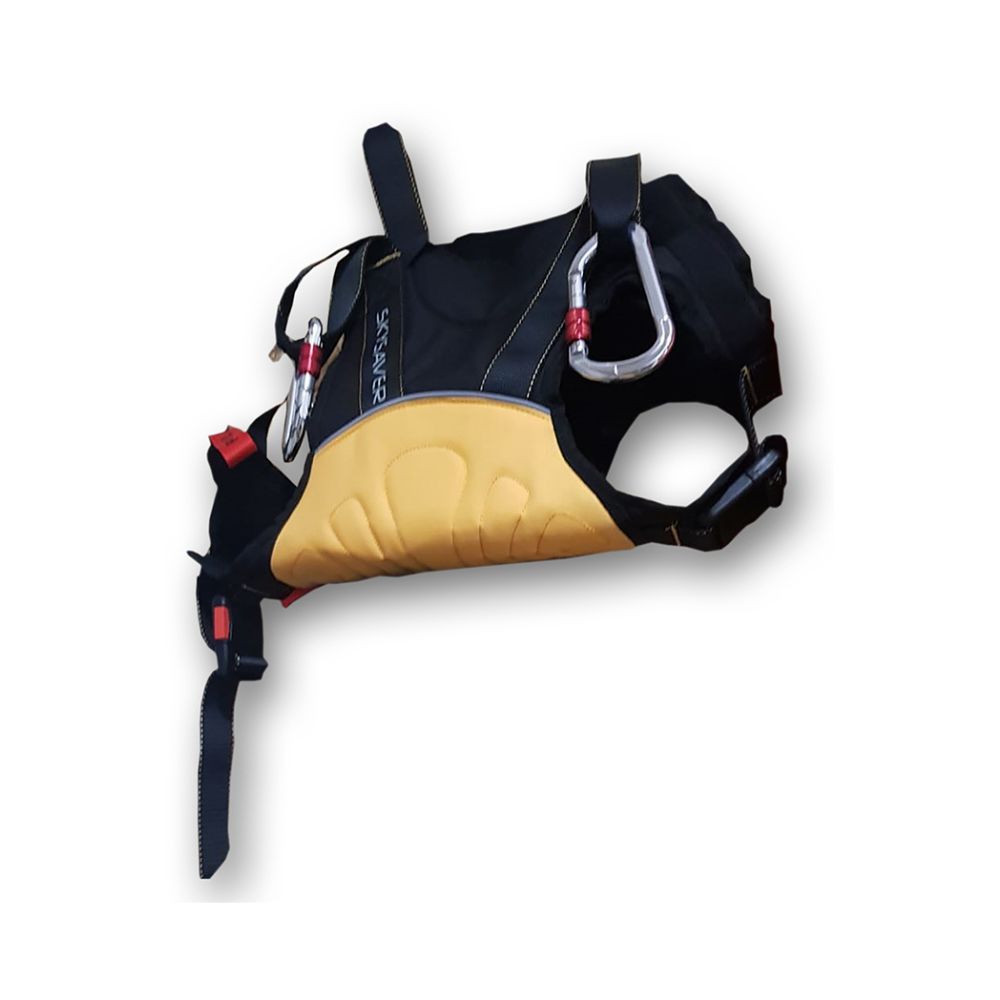
Attachable Pet Harnesses
Secure, lightweight safety harness designed for fast and controlled pet evacuation from high-rise buildings.
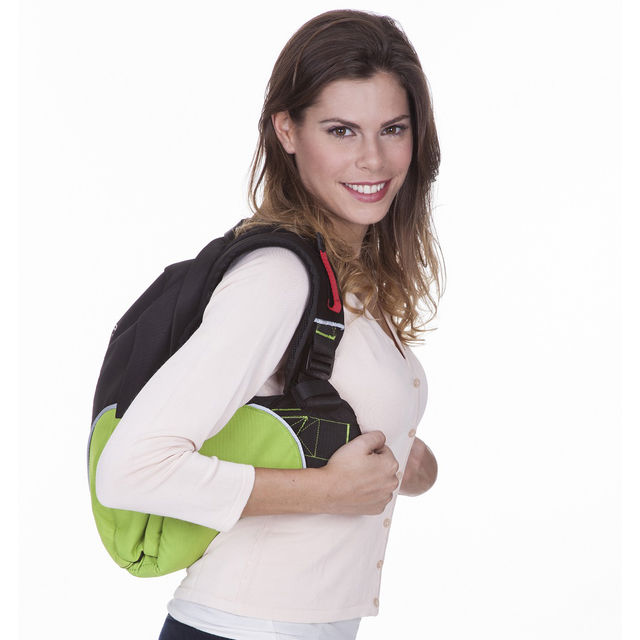
single Self-Rescue Harnesseses
Professional external safety harness for secure personal evacuation from high-rise buildings.
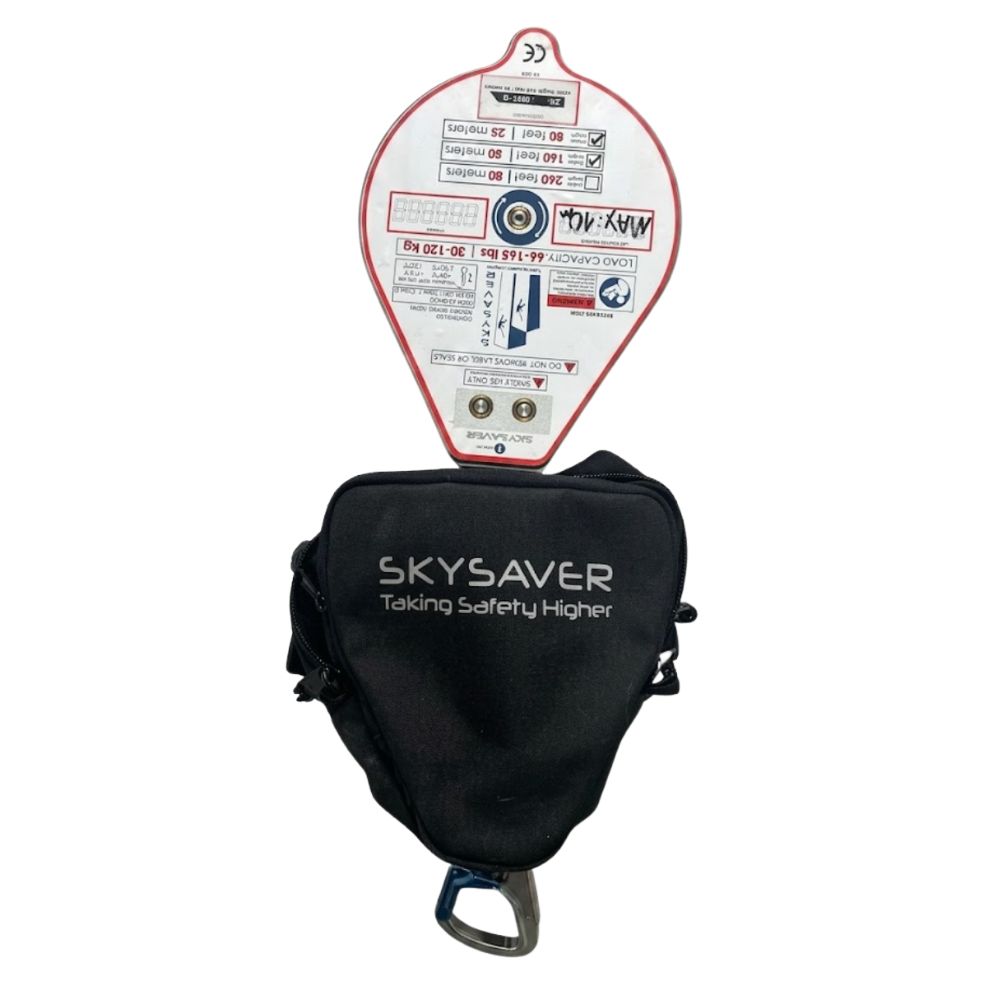
Controlled Descent Device (CDD)
External CDD unit for safe, controlled descent during high-rise emergency evacuation.